You are presumed to be honest and responsible without evidence to the contrary beyond a reasonable doubt… on the balance of probablilties you are justified by 51 % likelyhood.
Most jurisdictions in Canada have been lifting the carbon tax off the consumer price of gasoline. Along with that, the carbon credit may be on its way out. Hard to say when everything fits together but it seems to be the moniker that is driving it.
Well, if people feel empowered by it, It’s probably the right thing to do.
So, We wonder where the next excise taxes will be stuck into, some consumer things somewhere. I wonder if it’ll be cars or are they going to be relying on tariffs?
Don’t bring your tariffs to town. Billy boy Billy boy.
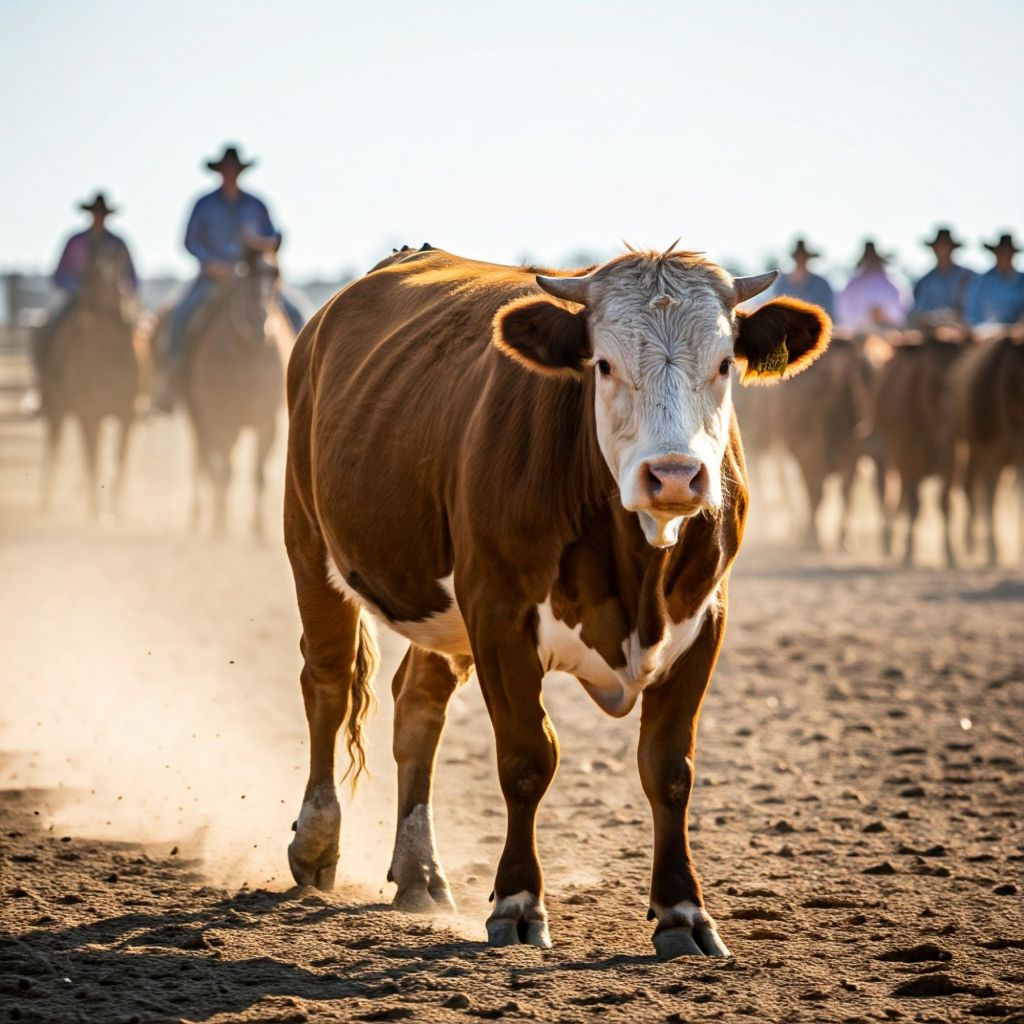
The premier of Alberta has doubled her bacon consumption + has her eye on beef. In the sense that made in Canada a solution to sales can be achieved, so bacon up.
Beef and pork production by country
Five Largest Beef Producing Countries
United States
Brazil
European Union
China
Argentina
Five Largest Pork Producing Countries
China
United States
European Union
Brazil
Russia
Consumers
Five Greatest Beef Consuming Countries
United States – Approximately 26 million metric tons
Brazil – About 10 million metric tons
China – Roughly 10 million metric tons
Argentina – Around 3 million metric tons
Mexico – Approximately 2 million metric tons
Five Greatest Pork Consuming Countries
China – Roughly 54 million metric tons
United States – About 12 million metric tons
European Union – Approximately 12 million metric tons
Russia – Around 3 million metric tons
Brazil – About 3 million metric tons
Good Luck
Farms and Rancheswith Beef Cattle2021 Census of Agricuiture11,1millionTotal Cattle and CalvesDary 1, 20242.1% fromJanuary 1, 2023(includes 1.4 million dairy cattle)Statistics Canada3.46millionBeef CowsJanuary1, 2024Down 2.4% fromJanuary 1, 2023Statistics CanadaQuebec 40Atlantic 2020 40 60#of Head (May 11, 2021)2021 Census of AgicultureBeef Cows by ProvinceJanuary 1,2024Statistics Canade: inventory x 1000 headPercentages may not add to 100% due to rounding5% 45%28% 11%1831.556 L 6% 1980 381 215117Average Cost of Production vs.Average Returns on anAlberta 550 Ib Calf*Price S/cwt EST. Total Costs per cwt3.1262.1161.1.690 92 94 96 98 00 02 04 06 08 10 12 14 16 18 20 22Canfax Research Services23% of farms havebetween 47 and 122 cows.with 956,118 beef cows, 26%of the herd.15% of farms have1% of the farms between 123 and 499 cows.have 13% of the with 1.21 million beef cows,45% of the herd.beef cows, between 2021 Census of Agriculture500 and 2,499 on Results rounded to nearesteach farm. whole numberCanada fed 3.1 million cattle in2023 (finished to market weight)down 4.4% from 2022.Canfax, Statistics Canada, AAFCWestern Canada finishes 79%of all fed cattle in Canada. canfaxIn 2023, Canadaproduced 3.44bilion pounosnof beef,offals), down 4.6% 3.44from 2022. BillionCanfax Research Services PoundsCattle and calf cash receiptsin 2023 totaled $15.0 billion,up 26% from 2022. statistics CanadaBeef production contributed$29 billion to Canada’s GDP(2021-2023 average).Canfax Research ServicesWHERE CANADA TRADESBeef Exports – 20231.1 billion pounds (499 million kg)75.2% United States2.9% South Korea9.1% Japan6.5% Mexico3.4% Other3.0% Southeast AsiaBeef Imports – 2023411 million pounds (187 milion kg)53.0% United States9.7% New Zealand6.4% Uruguay10.9% Australia6.2% Mexico13.8% otherStatistics CanadaIn 2023, Canada exported 51% of totalbeef and cattle produced in Canada.Statistics Canada, Canfax, AAFCIn 2023, 45% of Canadian productionwas exported (excluding slaughter cattle).Statistics Canada, Canfax, AAFCCanadian beef exports were valued at$5.02 billion in 2023, up 7.4% from$4.68 billion in 2022.Statistics CanadaCANADIAN BEEF What are wecONSUMPTION really eating?35.8 Ibs(16.2 kg)per person yearlyDown 7.2% versus last year.1 metric tonne = 2,204.6 lbs.Statistics Canada, Retail weight, 2023WHERE CANADA FITSTop 10 Beef Producing Nations – 2024fUnited States 19.72%Brazil 18.57%China 12.769%EU 10.65%India 7.57%Argentina a 5.20%Australia Canada 3.97%has 1.2% of theMexico world’s 942 million, 3.75%cattle.Russia 2.29%Canada 2.16%59% 10% 15% 20% 25%Canada produces 2% of the world’s beef supply. Worldwide beefproduction is forecast to be 60.4 million metric tonnes in 2024.USDATop 10 Beef Exporting Nations- 2024fAPvoorts)(excludes live slaughterBrazil 23.75%India 13.82%United States 12.97%Australia 10.31%Argentina 7.46%New Zealand 5.59%EU 4.86%Canada 4.54%Uruguay 3.85%Paraguay 3.65%5% 10% 15% 20% 25%Total world exports in 2024 are forecast to be 12.3 million metric tonnesand Canada is projected to be the 8th largest beef exporter in the world(excluding live slaughter exports).USDACanadian Beef ConsumptionDomestic Imports1.2001.00080060040020002 04 06 08 10 12 14 16 18Canadians consumed 924,283 metric tonnes of beef in 2023.Statistics Canada
The General Agreement on Tariffs and Trade (GATT) was a pivotal international trade agreement that played a crucial role in shaping the post-World War II global economy. Here’s a breakdown of its key aspects: Purpose and Jurisdiction: * Objective: * GATT’s primary goal was to liberalize international trade by reducing or eliminating trade barriers, such as tariffs and quotas. * It aimed to foster economic recovery after World War II and promote global economic cooperation. * Jurisdiction: * GATT focused primarily on trade in goods. * It established a set of rules and principles that signatory countries were expected to adhere to in their trade practices. * It also provided a framework for resolving trade disputes among member nations. Effect: * Tariff Reduction: * GATT was highly successful in reducing average tariff levels among member countries through a series of negotiating “rounds.” * This led to a significant increase in international trade. * Trade Liberalization: * By reducing trade barriers, GATT facilitated the growth of global trade and economic interdependence. * Foundation for the WTO: * GATT laid the groundwork for the creation of the World Trade Organization (WTO), which succeeded it in 1995. Membership: * Initial Signatories: * GATT was initially signed by 23 countries in 1947. * Growth: * Over time, GATT’s membership expanded significantly, reflecting the increasing importance of international trade. * By the time it was replaced by the WTO it had over 125 member nations. Success and Legacy: * Success: * GATT is widely regarded as a successful agreement that contributed significantly to the growth of the global economy. * Transition to the WTO: * GATT no longer exists as an independent organization. * It was replaced by the WTO on January 1, 1995. * The WTO built upon the principles of GATT and expanded its scope to include trade in services and intellectual property. * Therefore, GATT’s principles live on within the WTO. In summary, GATT was a crucial stepping stone in the evolution of international trade, paving the way for the modern global trading system.
World Rules based order…
Something cooking…
America’s first editorial opinion…
We believe that individual sovereignty of Nations is very important but not as important as some people bewit the end of the world and that some sort of non-benign entity is behind world-based order and its rules.
The paranoia that might overtake the reasoning of the many. To quote a former US president and somebody intimately involved in the rules-based order for a peaceful world after World war II, President Roosevelt ” We have nothing to fear but fear itself”
Grannies corner, Valley Craze cafe, Merritt BC, Canada
Remember the great Canadians
I can see by the clock on the wall. It’s time to bid one and all. This was the poetic beginning of the closing to the Wayne and Schuster show when I was a kid. So it’s appropriate to be in Granny’s corner at the coffee house off Nicola Avenue.
Just around the back with signage ” this parking lot is not ours” is a delightful nook for baking coffee and conversation.
There is two hours on street unmetered parking on Nicola Avenue which is highway eight out of town to the Coquihalla and 5A + West to Spences Bridge.
Valley Graze
2114 Nicola Ave, Merritt BC, open 6:30 a.m. to 3:00 p.m. most days.
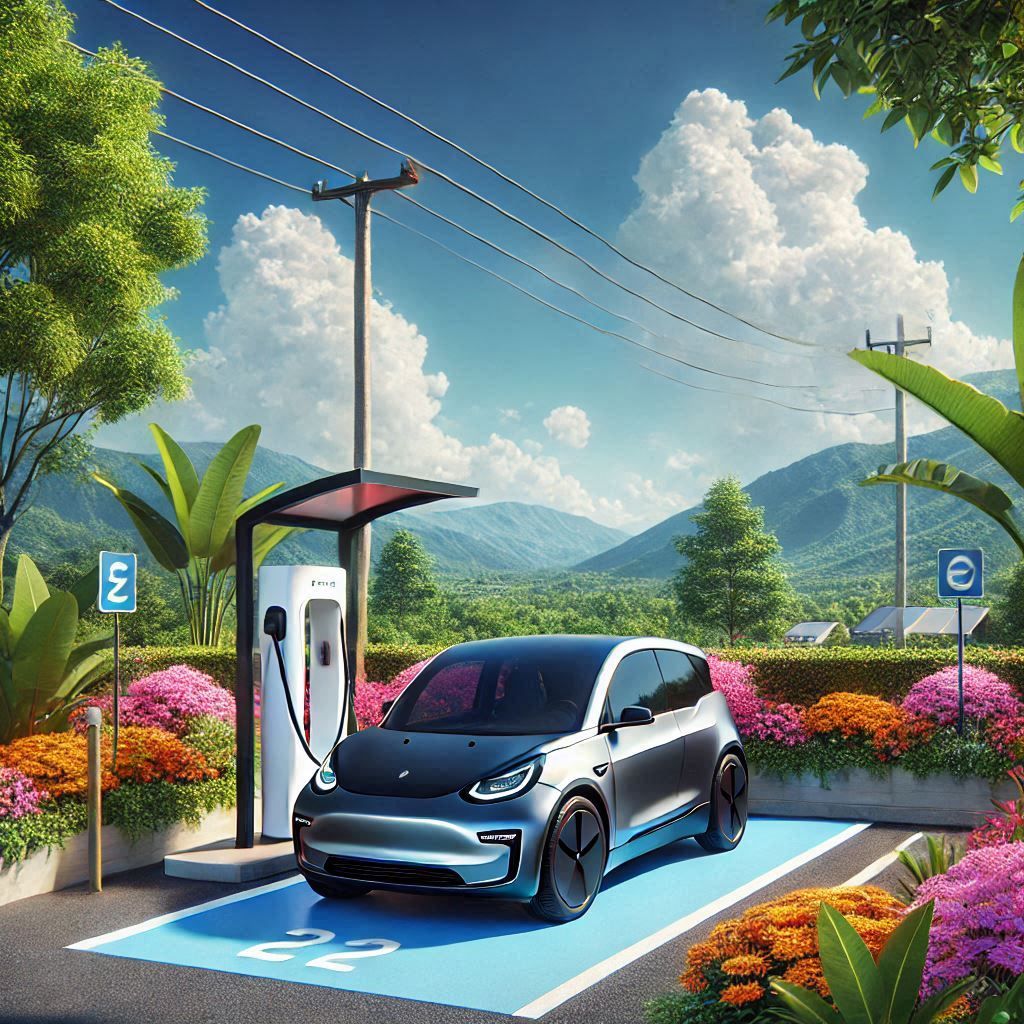
Canada’s electric vehicle (EV) market is experiencing significant growth in both production and consumption. Here’s a summary: Production: * While Canada doesn’t have a large number of domestic EV manufacturers compared to other countries, it is making strides in this area. Several companies are investing in EV production and battery manufacturing facilities in Canada. * The Canadian government is actively promoting the development of the EV industry through various incentives and investments. This is attracting both established automakers and new players to set up production facilities in the country. * Canada is also rich in resources needed for battery production, such as lithium, nickel, and cobalt. This gives the country a competitive advantage in the EV market. Consumption: * EV sales in Canada have been steadily increasing in recent years. In 2023, zero-emission vehicles (ZEVs) accounted for 11.7% of new light-duty vehicle sales, a significant jump from previous years. * Several factors are driving this increase in EV adoption, including government incentives, growing awareness of environmental issues, and the increasing availability of EV models. * British Columbia and Quebec are leading the way in EV adoption, with higher market shares compared to other provinces. Overall, the Canadian EV market is dynamic and growing rapidly. With increasing production capacity and strong consumer demand, EVs are expected to play a significant role in Canada’s transportation sector in the coming years.
Investing in comic books and publications can be a fascinating and potentially lucrative endeavor. It combines a passion for the art form with the possibility of financial returns. However, it’s essential to approach it with knowledge and a clear understanding of the market. Here’s a breakdown of key aspects: What Makes a Comic Book Valuable? * Rarity: The fewer copies available, the higher the value. This can be due to limited print runs, errors, or damage over time. * Condition: A comic book’s grade significantly impacts its price. Factors like spine creases, tears, and discoloration are considered. * Historical Significance: First appearances of popular characters, key storylines, and landmark issues hold greater value. * Demand: Popularity and cultural relevance drive demand. This can be influenced by movies, TV shows, and general fandom. Types of Comic Book Investments: * Golden Age (1938-1950s): These are the earliest comic books, often featuring iconic characters like Superman and Batman. They are generally the most expensive and sought-after. * Silver Age (1956-1970): This era saw the rise of Marvel Comics and introduced characters like Spider-Man and the X-Men. * Bronze Age (1970-1985): This period explored darker themes and introduced many beloved characters. * Modern Age (1985-present): While newer comics are generally less valuable, some have the potential to appreciate if they feature significant events or characters. Where to Buy and Sell: * Local Comic Book Stores: These are great for browsing, building relationships with experts, and finding hidden gems. * Online Marketplaces: eBay, MyComicShop, and others offer a vast selection but require careful inspection and buyer protection. * Comic Conventions: Cons provide opportunities to buy, sell, and network with collectors and dealers. * Auction Houses: For high-value and rare comics, auction houses like Sotheby’s and Heritage Auctions are options. Tips for Investing: * Do Your Research: Understand the market, grading standards, and key issues. * Focus on Quality: Invest in high-grade comics to maximize potential returns. * Diversify Your Portfolio: Don’t put all your eggs in one basket. Spread your investments across different eras and characters. * Store Properly: Protect your comics from damage by using proper storage methods. * Be Patient: Comic book investing is a long-term game. Don’t expect overnight riches. * Consider Professional Grading: Services like CGC and CBCS authenticate and grade comics, which can increase their value. Risks and Considerations: * Market Fluctuations: Like any investment, the comic book market can be volatile. * Counterfeits: Be wary of fakes and reproductions. * Grading Disputes: Disagreements on a comic’s grade can affect its value. * Storage Costs: Proper storage can be expensive, especially for large collections. Is it Right for You? Investing in comic books can be a rewarding experience for those passionate about the hobby. However, it’s crucial to approach it with realistic expectations and a solid understanding of the market. If you’re looking for a quick return, this might not be the best investment. But if you’re a fan of comics and willing to do your research, it can be a fun and potentially profitable venture. Remember: Always consult with a financial advisor before making any investment decisions.
Eggextactly; the stats are in and 2024 saw an increase in poultry things.
So, covid-19, avian flu, war and insurrection, and we go on and on. Thank you fellow Canadians and friends we have had some dark times. We have every confidence in the strength of our communities. + The will of people to succeed as it produces a lifestyle worthy of us.
Let’s explore some different ways to research a topic! I’ll break it down into categories and give examples. The best approach often involves combining several of these methods. 1. Traditional Academic Research: * Library Resources: * Books: In-depth information, often peer-reviewed. Use library catalogs (online or physical) to find relevant books. * Academic Journals: Scholarly articles, often presenting original research. Databases like JSTOR, PubMed, ScienceDirect, and others are crucial. Your local library likely provides access. * Reference Works: Encyclopedias (like Britannica or specialized subject encyclopedias), dictionaries, handbooks, and atlases provide background information and context. * Special Collections/Archives: Unique primary sources like letters, diaries, manuscripts, and photographs, valuable for historical research. * Online Databases: Beyond library databases, explore free or paid online databases relevant to your topic. Examples include government data repositories, news archives, and specialized research databases. 2. Digital Research (Beyond the Library): * Search Engines (Strategically): Use advanced search operators (like quotation marks for exact phrases, minus sign to exclude words, site: to search within a specific website) to refine your searches. Be critical of the information you find, as not everything online is reliable. * Reputable Websites: Look for websites of established organizations, institutions, government agencies, and experts in the field. Check for author credentials, sources cited, and potential biases. * Digital Archives: Many archives are going digital, making their collections accessible online. * Online Communities and Forums: While not always scholarly, these can offer insights into different perspectives and real-world experiences related to your topic. Be cautious about verifying information found in these spaces. * Multimedia Resources: Podcasts, videos (YouTube channels of experts, documentaries), and online courses can offer engaging ways to learn about a topic. 3. Primary Research (Gathering Your Own Data): * Interviews: Talking to experts or people with relevant experience can provide valuable firsthand information. Prepare your questions in advance. * Surveys: Collecting data from a larger group of people through questionnaires. Careful design of the survey is essential. * Experiments: If your topic lends itself to it, conducting experiments can help you test hypotheses. * Observations: Observing real-world situations related to your topic can offer valuable insights. * Document Analysis: Examining existing documents (letters, reports, contracts, etc.) to glean information. 4. Exploring Different Perspectives: * Consider Multiple Viewpoints: Don’t just rely on sources that agree with your existing beliefs. Seek out different perspectives and arguments to get a more complete picture. * Look for Bias: Be aware that all sources have some degree of bias. Consider the author’s background, potential motivations, and funding sources. * Consult Diverse Sources: Don’t just rely on sources from one country or cultural group. Explore perspectives from different parts of the world. 5. Organizing Your Research: * Note-Taking: Develop a consistent system for taking notes. Include source information so you can properly cite your work. * Citation Management Tools: Tools like Zotero or Mendeley can help you organize your sources and create bibliographies. * Mind Mapping: Creating a visual representation of your research can help you see connections between different ideas. Example: Researching Climate Change * Traditional: Read IPCC reports (academic), search for peer-reviewed articles on climate modeling (journals), consult an encyclopedia of environmental science. * Digital: Explore NASA’s climate change website (reputable), watch documentaries on climate change impacts, follow climate scientists on social media. * Primary: Interview a climate scientist, analyze local weather data, observe changes in your local environment. * Perspectives: Read articles from different political viewpoints on climate change, consider the perspectives of developing nations. Remember to always evaluate your sources critically and cite them properly to avoid plagiarism. Good luck with your research!
Canadians should be: Tough on what could be “continued Vasseliseing”! Opinion.
Editor’s Note:
There is Merit in the problems and the solutions are in reach. No panic, application mutes action when settled. Always keep the conversation going and civil.
Headquartered in El Paso, Texas. This company has a very interesting code of conduct for its products. It seems to be fitting with the need at this time to address unethical trade practices that might attract sanctions from an incoming new government.
The company does more than 200 Billion annually in claimed ethical wares.
Ethically sourced supply chains are scrutinized for things like child labor, slave labor.
The joy of skiing is back for BC, while just at bay extreme weather and dangerous temperatures are muted and we hope not just a window.
Happy first day of 2025.
To maximize enjoyment and safety while downhill skiing in British Columbia, consider these factors: Timing: * Shoulder Seasons (November/Early December & March/April): * Pros: Fewer crowds, potentially better deals on accommodation and lift tickets, pleasant weather. * Cons: Snow conditions may be less consistent, some lifts/terrain might be closed. * Peak Season (December-February): * Pros: Consistent snow, wide variety of open terrain, festive atmosphere. * Cons: Higher prices, longer lift lines, more crowded slopes. Location: * Whistler Blackcomb: World-renowned, diverse terrain, excellent snow record. * Revelstoke Mountain Resort: Massive vertical drop, challenging terrain, incredible powder. * Kicking Horse Mountain Resort: Steep and challenging, unique terrain, stunning scenery. * Sun Peaks Resort: Family-friendly, good value, variety of terrain. * Smaller Resorts: Often offer a more relaxed atmosphere, shorter lift lines, and unique charm. Safety: * Take a lesson: Even experienced skiers can benefit from a refresher or learn new techniques. * Rent appropriate equipment: Make sure your skis/snowboard and boots fit properly. * Ski within your ability: Don’t attempt runs that are too difficult for you. * Be aware of your surroundings: Look uphill before merging onto the run. * Control your speed: Adjust your speed to match the conditions and other skiers. * Stay hydrated and nourished: Bring snacks and water to avoid fatigue and dehydration. * Wear a helmet: Helmets are essential for safety. Practical Tips: * Book accommodations and lift tickets in advance, especially during peak season. * Check the snow report and weather forecast before you go. * Pack layers of clothing to adjust to changing temperatures. * Bring sunscreen, sunglasses, and lip balm. * Consider purchasing a season pass or multi-day lift ticket for significant savings. * Take advantage of après-ski activities to relax and socialize. By following these tips, you can enhance your enjoyment and ensure a safe and memorable downhill skiing experience in British Columbia. Disclaimer: This information is for general guidance only and should not be considered professional advice. Always prioritize safety and consult with qualified instructors or guides for specific situations.
500 million dollars BC Hydro. This project is going to be done by BC Hydro. Although their name Hydro connotates the fact that they own every drop of water in British Columbia as a monopoly for power generation. They are expanding wind farms and power smart are in their resume.
New
Environmental assessment waived
The company has just been directed to do everything as efficiently as possible and they’re waiving the environmental assessment. Which may in one case be reasonable because of the wind and its passiveness. However, they are notorious for bird kills and I would think that would be part of the environment. More on this later we hope. Maybe we can get a quote from theNicola Naturalist Society Incorporated. Alan Berger president.