You are presumed to be honest and responsible without evidence to the contrary beyond a reasonable doubt… on the balance of probablilties you are justified by 51 % likelyhood.
Truth is the accurate, unvarnished acknowledgement of reality, facts, and experiences as they truly occurred, free from denial, distortion, or minimization. In interpersonal and societal contexts, it involves bringing obscured or painful facts into light—validating the lived experiences of those who were harmed, establishing a shared factual baseline, and holding accountable those who caused harm or allowed it to happen. Reconciliation is the dynamic, ongoing process of restoring broken trust, repairing damaged relationships, and establishing a mutually respectful co-existence after harm has occurred. It requires moving beyond the initial recognition of truth to actively address systemic imbalances, offer genuine restitution, and rebuild daily interactions on a foundation of equity, shared responsibility, and long-term commitment. Continuum of Truth & Reconciliation: Low to High | Stage | Level | Meaning & Dynamics | Satisfaction Level | |—|—|—|—| | 1. Denial or Silence | Lowest | Refusal to acknowledge harm, minimizing events, or enforcing silence. | Extremely Low / Unacceptable: Causes deep lingering resentment, ongoing trauma, and total erosion of trust. | | 2. Symbolic Acknowledgment | Low | Public statements, formal apologies, or basic disclosures without real sacrifice, systemic change, or restitution. | Minimal: Perceived as empty performative gestures or PR management if not accompanied by action. | | 3. Restorative Dialogue & Restitution | Moderate | Open disclosure of facts combined with tangible efforts to repair damage (e.g., compensation, policy changes, institutional reform). | Acceptable / Baseline: Reaches the general threshold where affected parties feel heard and tangible steps toward fairness begin. | | 4. Structural Change & Partnership | High | Full transparency, deep accountability, power-sharing, and systemic reform that prevents future harm. | High: Fosters genuine trust, sustainable equity, and meaningful structural harmony. | | 5. Transformative Healing | Highest | A fully integrated shared narrative where past harm is completely addressed, relationships are thriving, and systemic justice is sustained. | Optimal: The ideal long-term outcome, though often recognized as an ongoing practice rather than a static endpoint. | What Level Is Acceptable to People in General Life? In everyday life—whether in personal relationships, workplaces, or broader societal frameworks—people generally require Level 3 (Restorative Dialogue & Restitution) as the baseline minimum for acceptable satisfaction. Symbolic apologies alone (Level 2) rarely satisfy people because they cost nothing and change little. True satisfaction requires a balanced combination of truth and concrete action: clear honesty about what happened, explicit validation of the impact, and visible, accountable changes in behavior or structure to ensure the harm is not repeated. While complete transformative harmony (Level 5) is the long-term aspiration, most individuals feel a genuine sense of resolution when actions consistently match acknowledged truths.
Well take a moment to rate where your standing is…
Today is World Alzheimer’s day. It’s a disease. It affects many people,it is more than just a senior’s moment. It’s a degenerative disease. Organic in its nature and debilitating.
Yes, the choice of the word “House” over “Palace” strikes directly at the heart of this conflict. In linguistics and politics, what you call a building dictates how people are allowed to behave inside it.The clash between these words—and the idea that homage can be “weaponized”—reaches into the core of American identity.——————————## 1. “House” vs. “Palace”: A Threat to Both ViewpointsThe nomenclature (the naming system) creates a linguistic trap for both sides of the ballroom debate. [ THE DEMOCRATIC CONCEPT ] [ THE TRUMP BRAND CONCEPT ] “The White House” “The Palace of Versailles” │ │ ▼ ▼ • Signifies a temporary tenant. • Signifies permanent grandeur. • Signifies democratic service. • Signifies global superpower strength. │ │ └───────────────► THE CLASH ◄──────────────────┘* Why “House” threatens Trump’s viewpoint: A “house” implies a temporary tenant. You do not build a massive, permanent monument to your personal taste in a house you are renting for four to eight years. By keeping the name “[The White House](https://www.google.com/search?kgmid=/m/081sq),” the building itself constantly reminds the leader that they are a servant, not a sovereign.
[1] * Why “Palace” threatens the critic’s viewpoint:
If the structure physically morphs into a palace, it visually legitimizes the idea of a permanent imperial presidency. Critics fear that changing the architectural reality of the “House” fundamentally erodes the psychological barrier that keeps American leaders humble.——————————
U## 2. Can Homage Be Weaponized?
(originally titled Arrangement in Grey and Black No. 1) is a brilliant way to understand how homage is properly due in America.
[2] [ VERSAILLES HOMAGE ]
[ WHISTLER’S MOTHER HOMAGE ] • Gilded, ornate, and loud. • Sparse, quiet, and humble. • Celebrates absolute power. • Celebrates duty and resilience. • Demands submission. • Commands quiet respect.If we ask where American homage is truly “due,” [Whistler’s Mother]
Pollinating bees are vital keystones of global ecosystems, facilitating the reproduction of nearly 90% of the world’s flowering plants and a third of the crops we eat. To forage efficiently across vast distances and consistently find their way back to the hive, these insects have evolved highly sophisticated navigational systems. While they heavily rely on visual cues like the position of the sun and polarized light patterns, they also possess an extraordinary internal compass known as magnetoreception. Tiny, ferromagnetic iron oxide particles (magnetite) located within the honeybee’s abdomen act like miniature compass needles. These particles shift in response to the Earth’s natural geomagnetic lines, sending mechanical signals to the nervous system that allow the bees to map their territory, distinguish local magnetic anomalies, and keep their bearings even on completely overcast days. However, the rapid global expansion of large-scale data centers—accelerated by the massive computing demands of modern artificial intelligence—poses a growing threat to this delicate internal guidance system. Data centers require immense amounts of electricity, which translates to a dense concentration of high-voltage transmission lines, transformers, and industrial infrastructure that generate potent, localized low-frequency electromagnetic fields (EMFs). When bees fly through or nest near these intense, human-made EMF zones, their magnetoreceptors can become disoriented. Studies indicate that this “electromagnetic smog” induces severe physiological stress in bees, altering genes linked to navigation and learning, and severely reducing their floral landing success. By scrambling their primary compass, these facilities can disrupt essential foraging routes, diminish hive health, and ultimately weaken local plant pollination. Beyond their electrical footprints, data centers are incredibly thirsty entities, putting a staggering strain on local and regional water resources. The thousands of servers packed inside these facilities generate massive amounts of heat, requiring millions of gallons of water daily for cooling purposes—with larger hubs consuming as much water as a city of 50,000 people. Much of this resource is utilized in evaporative cooling systems, meaning the water is quite literally evaporated into the atmosphere rather than being returned to local watersheds as treatable wastewater. This “giant soda straw” effect drawdowns local aquifers and reservoirs, directly threatening aquatic habitats by reducing the base flow of nearby rivers and streams. Furthermore, the water that *is* left behind or discharged often carries heavily concentrated loads of minerals and salts left over from evaporation, altering water quality and disrupting the fragile aquatic ecosystems that both wildlife and human communities rely upon.
Sweet
Iceland
Moving data centers to a cold, northern climate like Iceland fundamentally changes the equation, drastically reducing—and in some cases entirely eliminating—the conflicts with both bees and local water supplies. ### The Water Paradox: Abundance and Free Cooling In hot or temperate climates, data centers rely heavily on water-intensive evaporative cooling to keep servers from melting. In Iceland, the ambient air temperature rarely climbs above 11^\circ\text{C} (52^\circ\text{F}) even in the summer. This allows operators to use **”free cooling”**—simply pulling the chilly Arctic air outside through the facility to regulate server temperatures. As a result, direct water consumption drops to near zero because the facilities don’t need to evaporate millions of gallons of water into the atmosphere. Furthermore, Iceland possesses a massive surplus of naturally occurring, pristine freshwater fed by glacial runoff and abundant rainfall, meaning the small amount of water used in closed-loop systems doesn’t spark resource competition with human communities or local agriculture. ### The Bee Context: A Different Ecological Reality Regarding pollinating bees, the threat is minimized simply due to geography and climate. Iceland does not host the vast populations of commercial honeybee hives or diverse wild solitary bee species found in agricultural belts. In fact, Iceland has only one officially native bee species—the heath bumblebee (*Bombus jonellus*)—along with a small handful of recently introduced, cold-hardy bumblebee species and a tiny, strictly managed niche of indoor/greenhouse honeybees. Because Iceland’s ecosystems are not heavily dependent on massive, delicate networks of open-air pollinating bees for agricultural survival, any localized electromagnetic fields (EMFs) generated by data center infrastructure would have a negligible impact on a national scale compared to the severe disruptions seen in major agricultural zones.
Ultimately,
the Nordic model represents a highly sustainable alternative for high-performance computing. By pairing “free air” cooling with 100% renewable geothermal and hydroelectric energy, the environmental friction that plagues data centers elsewhere is neutralized by Iceland’s natural geography.
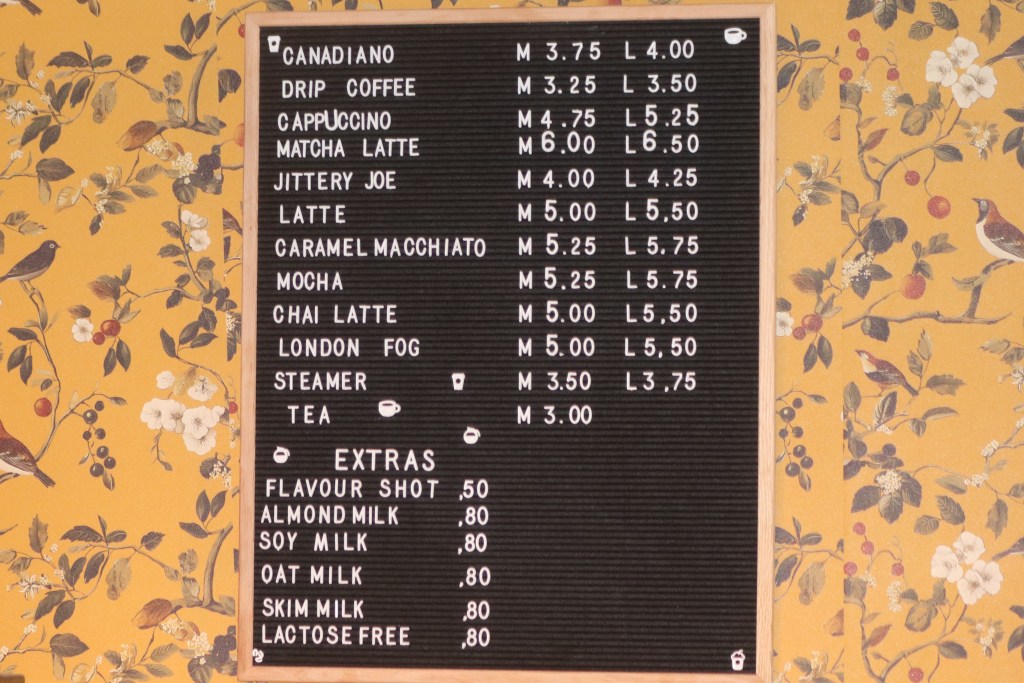
So, here’s a photo of the coffee menu at the local Valley Graze eatery and social hub. The restaurant is located off Nicola avenue with city parking on Garcia it is a cozy and bright place rum by locals with a cowboy demeanor or (Conservative Rural).
Genetated bio
**Valley Graze** (also known as the Valley Graze Box) is a highly regarded local café, restaurant, and artisanal catering business in Merritt that has quickly become a community hub for fresh, wholesome food. Located at **2114 Nicola Avenue**, the café features an inviting “Makers Collective” atmosphere that frequently hosts local seniors’ social gatherings and community markets. While it began with a focus on beautifully arranged, colorful grazing boxes and charcuterie trays for events, the storefront menu showcases a broad variety of fresh café and breakfast cuisine. This includes elevated options like their ultimate breakfast sandwiches, wraps, house-made salads, and specialty artisanal pastries and focaccias brought in fresh from the local Petit Creek Bakery. Operating primarily on daytime hours—typically opening early at **7:00 AM until 2:00 PM** (though closed on Mondays and featuring shorter weekend hours)—it provides an ideal morning or midday stop.
Convenient parking is easily accessible right out front along Nicola Avenue and in the immediate vicinity, making it a highly accessible destination whether you are stopping in for a quick espresso or picking up an individual lunch box on the move.
Editors note:
This is not a paid ad this is journalism editorial, and we’re looking for comments, would be great to hear from you…
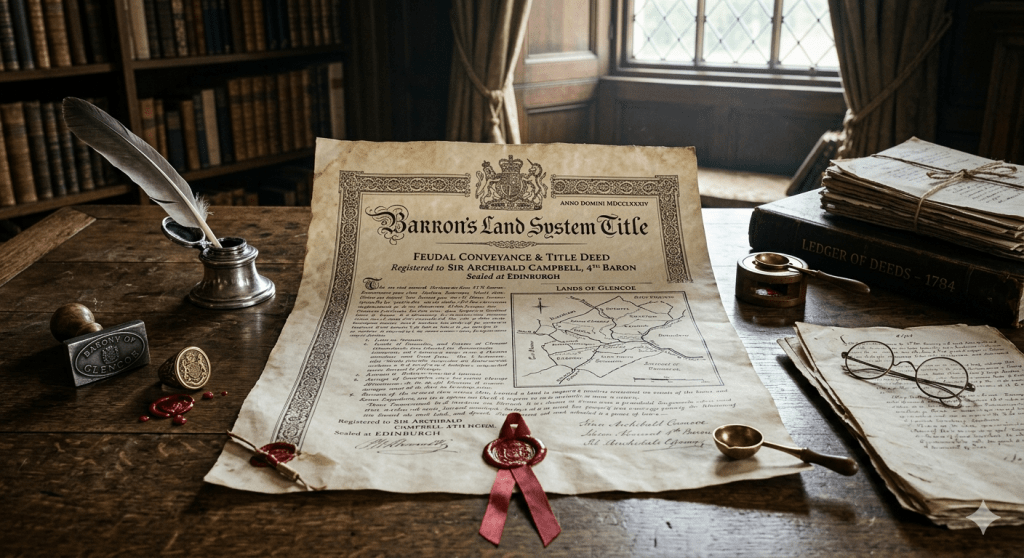
The terminology and the physical “possession” of property documents can be a bit confusing because the system has shifted from paper-heavy “deeds” to digital “titles” over the last few decades.In British Columbia, the system is governed by the **Land Title Act**, and here is how it works for a property owner:###
In modern BC law, a **Deed** is essentially the historical ancestor of the **Title**. *
**The Deed:**
Historically, this was a physical piece of paper signed by the seller and given to the buyer to prove the transfer.
* **The Title:**
Today, BC uses a “Torrens” system. This means the definitive proof of ownership isn’t a piece of paper in your drawer; it is the electronic record in the **Land Title Register**.If you own your home outright, you have “Indefeasible Title.” You can request a **State of Title Certificate**, which is a certified paper copy of what is in the computer system, but it is the digital record that truly counts as the law of the land.
### 2. Possession During a Mortgage
When you have a mortgage, the lender (the bank) registers a **charge** against your title. * **Who holds the “Title”?** Technically, the Land Title Office holds it in their database. However, the bank’s financial interest is “stapled” to that record. * **The Duplicate Indefeasible Title:** In the old days, a bank might physically hold a paper certificate. Today, if a mortgage is registered, the Land Title Office simply will not allow the owner to “withdraw” a physical Duplicate Indefeasible Title from the registry. This ensures the owner cannot sell the property or take out another loan without the first bank knowing.
### 3. Claims and Protected Rights
If someone else has a claim to the property (like a bank, a builder with a lien, or a spouse), those rights are protected by **Registration**: * **Priority:** Generally, the first person to register their claim at the Land Title Office has the highest priority.
* **Notice to the World:**
Once a claim is registered on the title, it serves as legal notice to everyone. You cannot sell the property with a “clear title” until those registered claims are paid off and “discharged.
“### 4. Paying it Off
Once you pay off your mortgage, the bank must provide a **Discharge of Mortgage**.
You (or your lawyer) then file this with the Land Title Office. * Only after this filing is the bank’s name “scratched off” the electronic record. * At that point, you truly have “clear title.” You don’t necessarily need a physical piece of paper in your safe to be the owner, but many people choose to order a **State of Title Certificate** just to have a physical record showing the mortgage has been removed.**Important Note:** If you ever have a physical “Duplicate Indefeasible Title” in your actual possession (at home), the Land Title Office will refuse to register any mortgages or transfers until you hand that physical paper back to them. It is a high-security document that effectively freezes the digital record while it’s in your hands.
Aboriginal Title
The introduction of **Aboriginal title** adds a significant layer of complexity to the scenario of property holding, because it is a fundamentally different kind of “title” than the one registered at the Land Title Office (LTSA).In British Columbia, this is a rapidly evolving area of law, particularly with recent court decisions like those involving the **Tsilhqot’in Nation** and the **Cowichan Tribes**.Here is how Aboriginal title fits into the concepts of holding and registration:### 1. Two Different Legal SystemsThink of it as two different maps laid on top of the same piece of ground: * **The Crown/LTSA Map:** This is the “Fee Simple” system you asked about. It tracks mortgages, owners, and deeds in a digital database. * **The Aboriginal Title Map:** This is a **collective right** held by an entire First Nation. It isn’t a “deed” granted by the government; the courts have ruled it is an inherent right that existed long before the current registry system was built.
### 2. Can They Co-exist on the Same Land?
This is the “million-dollar question” currently being settled in BC courts. * **Senior Right:** Courts have described Aboriginal title as a “burden” on the Crown’s underlying title. This means that even if you have a “clear title” in the LTSA system, the land might still be subject to a senior Aboriginal title claim. * **The Cowichan Precedent (2025/2026):** Recent rulings in BC have suggested that Aboriginal title and private “fee simple” title can co-exist. The private owner’s rights (to live there, sell it, or mortgage it) remain valid, but they are “constrained” by the First Nation’s senior interest. * **Negotiation vs. Litigation:** In many cases, if Aboriginal title is proven over private land, the First Nation and the Crown must negotiate how to reconcile those interests. Usually, this results in the First Nation having a say in how the land is managed or receiving compensation, rather than homeowners being evicted.
### 3. Registration and “Indefeasibility”
You mentioned that a registered title is “protected.” In the standard BC system, this is called **Indefeasibility**—the idea that the register is the final word on who owns what. * **The Conflict:** Recent court decisions have stated that the Land Title Act’s guarantees of “indefeasibility” **do not apply** to Aboriginal title. * **What this means for you:** If you have the title in your possession (or registered in your name), you are the owner in the eyes of the BC Provincial Government. However, if a court declares Aboriginal title over that area, it is a “constitutionally protected” right that sits *above* provincial law.
### 4. Holding the “Physical” Title
A First Nation holding Aboriginal title doesn’t get a “certificate of title” from the LTSA in the same way an individual does. * **Collective Ownership:** Aboriginal title cannot be sold to individuals (it can only be “ceded” back to the Crown) and it is held for the benefit of the whole community, including future generations.
* **Self-Governance:**
Some Nations, like the **Nisga’a**, have established their own independent Land Title Offices. They issue their own titles and manage their own registry, completely separate from the BC provincial system.### Summary Table| Feature | Fee Simple (Your Scenario) | Aboriginal Title ||—|—|—|| **Document** | State of Title Certificate / Digital Entry | Court Declaration / Treaty || **Holder** | Individual or Corporation | The Nation (Collective) || **Source** | The Crown (Provincial Government) | Inherent (Pre-dates the Crown) || **Transferable?** | Yes (Can be sold to anyone) | No (Only to the Crown) || **Registry** | BC Land Title Office (LTSA) | Usually Unregistered or Treaty Registry |In short, if a person has the title registered and no mortgage, they own the “fee simple” interest. If that land is also under Aboriginal title, it means there is a second, older, and more powerful “layer” of ownership that the government and the Nation must work together to resolve.








![Light Show [Explored 2026-10-09]](https://live.staticflickr.com/65535/55578539818_958ce4fa9c_s.jpg "Light Show [Explored 2026-10-09]")


 Kevin Griffiths
 percypaschal
