Category: -Photography


Equity for work done…

Berni Sanders

Well equity wasn’t built in a day, only an opportunity was expedited to address it, Hey Bernie

Outcomes never guaranteed.

That’s Life

Risk is the undertaking

When you risk at any level. There is a moral imperative that goes into action. No guarantee of success but guarantee of station and place; win, lose or draw. Your risk and the ability of others to risk will reinforce the equity of outcomes.

Celtic Charm

Charm

🎵

I’m, what promise do you need?

Have a productive Pentecost,

Today is Pentecost Sunday, the end of the 50-day wait after the resurrection and whatever that means to you. The empowerment of the spirit for a commission is a picture of what often happens when events happen that are very consequential.

So, The object lesson is preparation and sober thought, reflection for commitment  to be realized particularly when dealing with a group is necessary.

This Sunday be empowered for  your goals and responsibility at an appropriate level as your conscience agrees with your methods of engaging .

Good day

Don’t hurt anybody

Be patient

Act

Enjoy the fellowship!

What’s the beef?

Australia is a major player in the global beef market, known for its high-quality grass-fed and grain-fed beef. The Australian red meat and livestock industry is a significant contributor to the national economy.
Here’s a breakdown of Australian beef production and its global comparison:
Australian Beef Production:
* Significant Industry: The red meat and livestock industry in Australia had a turnover of A$81.7 billion in 2022–23 and employed approximately 418,921 people.
* Production Volume: In 2023, Australia produced around 2.2 million tonnes (carcase weight) of beef and veal. In the March 2025 quarter alone, beef production increased by 4.9% to 709,140 tonnes. Forecasts suggest a further increase in production for 2025, potentially reaching 2.62 million tonnes due to anticipated destocking.
* Grain-fed Cattle: In the 2024 financial year, 2.8 million grain-fed cattle were marketed, a 4% increase from FY 2023.
* Cattle Numbers: As of June 2022, Australia had 24.4 million head of cattle (including dairy cattle).
Global Comparison – Production, Imports, and Exports:
Production:
* Global Standing: While Australia is a significant beef producer, its production volume is relatively small globally, accounting for less than 5% of the world’s beef and buffalo meat supply.
* Top Producers (2024/2025 estimates):
   * United States: Leading the world with an estimated 12.29 million metric tons annually (around 20% of global production).
   * Brazil: Second largest, with an estimated 11.85 million metric tons (around 19% of global production).
   * China: An estimated 7.79 million metric tons (around 13% of global production).
   * European Union: Collectively, about 6.63 million metric tons (around 11% of global production).
   * India: Approximately 4.57 million metric tons (primarily buffalo meat).
   * Argentina: Approximately 3.18 million metric tons.
   * Australia: Around 2.58 million metric tons (approximately 4% of global production).
Exports:
* Major Exporter: Australia is a dominant force in global beef trade, ranked as the second-largest beef exporter in the world in 2024. In 2023, Australia exported 67% of its total beef and veal production, with a value of A$11.3 billion.
* Export Volume (2024): Australian beef export volumes reached 1.6 million tonnes in 2024, a 20% increase from the previous year. The total value of Australian beef exports in 2024 was £7.9 billion (approximately A$15 billion).
* Key Export Markets for Australian Beef:
   * United States: Has been Australia’s largest market for exported beef for most of the last 25 years, accounting for 30.7% of Australia’s beef exports in 2024 (up from 17% in 2022).
   * Japan: A consistent major trade partner.
   * China: While China has historically been a significant market, Australian beef exports to China have seen volatility due to changing import protocols. However, China remains an attractive market for premium Australian beef products.
   * South Korea: Another key market.
   * Indonesia: Important for Australian beef exports.
* Global Export Landscape (2025 estimates):
   * Brazil: Projected to be the largest exporter (3.6 million MT CWE).
   * Australia: Second largest exporter (1.9 million MT CWE).
   * India: (1.645 million MT CWE, mainly buffalo meat).
   * United States: (1.179 million MT CWE).
   * Argentina: (860,000 MT CWE).
Imports:
* Australia as an Importer: Australia generally has minimal beef imports, relying on its strong local supply. Occasional imports from New Zealand occur, typically during New Zealand’s peak beef production cycles. Very small quantities of high-end Japanese Wagyu beef are air freighted to Australia for top restaurants.
* Major Global Beef Importers (based on value in 2024 for fresh whole beef):
   * United States
   * Italy
   * Germany
   * Netherlands
   * Japan
   * France
   * Chile
   * South Korea
   * United Kingdom
   * Mexico
Key Characteristics of Australian Beef Production:
* Traceability and Integrity: Australia boasts strong paddock-to-plate traceability and product integrity systems, which are key selling points for food safety and sustainability.
* Quality and Reputation: Australian beef is globally recognized for its high quality, whether grass-fed or grain-fed.
* Market Diversification: Following trade challenges with China, Australia has actively diversified its export markets, strengthening relationships with other major importers.
In summary, Australia is a relatively smaller global producer of beef but a massive exporter, leveraging its reputation for quality and robust supply chains to compete effectively in international markets.

Beef 🍖 is big

Free and fair trade is the normal default desirable position tariffs are often punitive and arbitrary.

Merritt corners covered

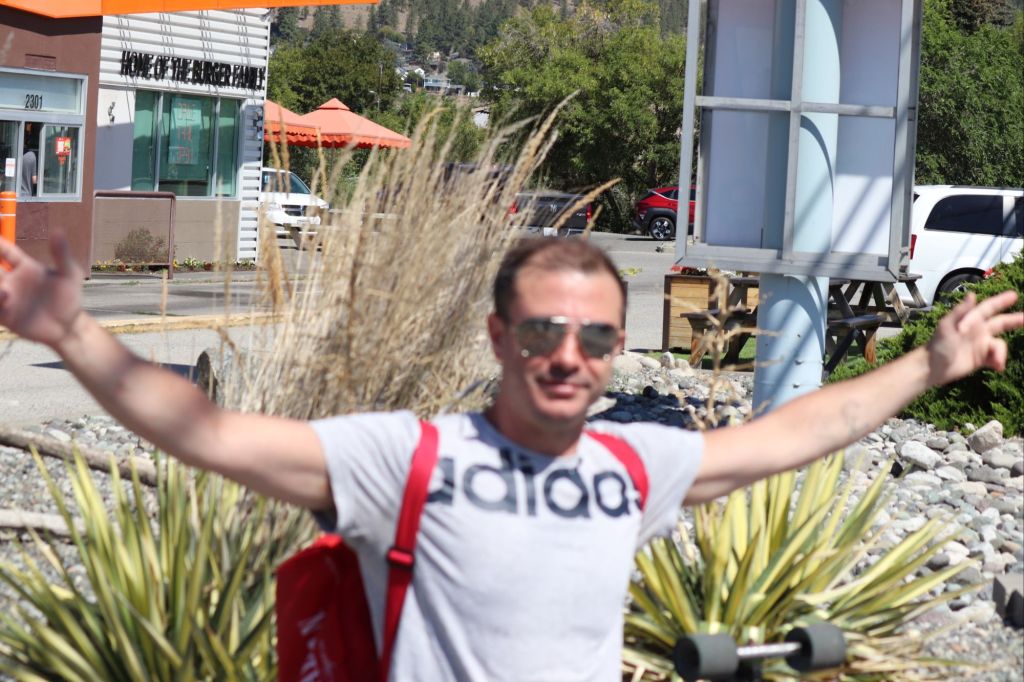
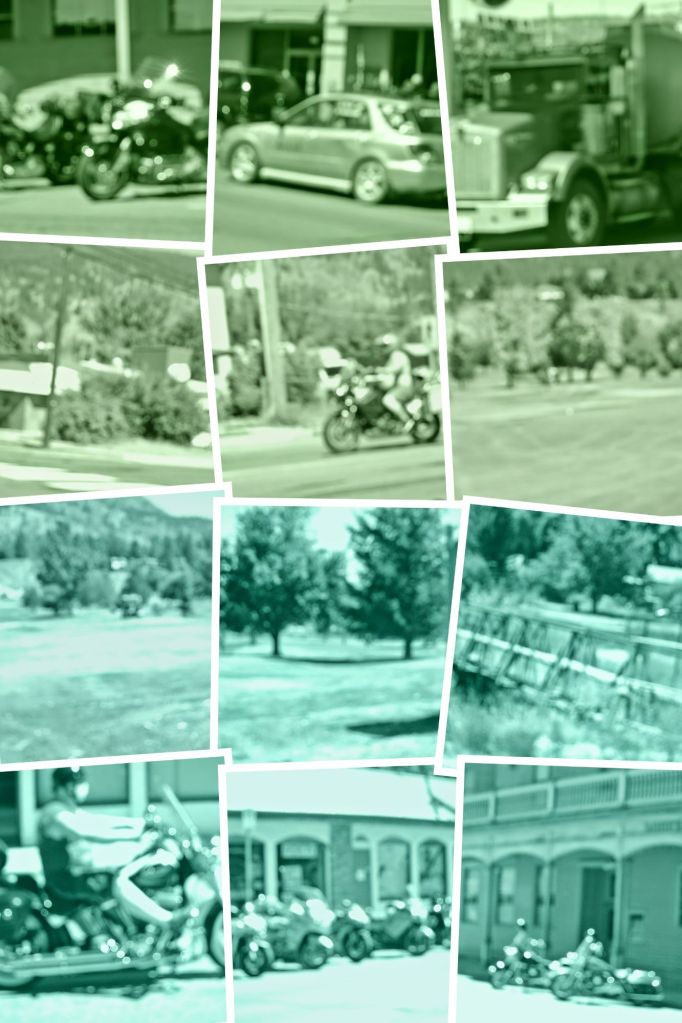
Visitors to Merritt BC Canada were about this weekend and this guy challenged me to take his photo and then happily moved on.

May have been locally  ported.

Not wanting to miss anything this guy posed,perfectly and purposefully in a truck we presume as his.

https://youtube.com/shorts/2blNjxDa4pM?feature=share

Get started, be parted, stay hearted
  1. Start Small: Begin with manageable tasks or goals, and gradually expand your focus as you gain confidence and experience.
  2. Stay Mindful: Maintain awareness and attention to the present moment, allowing yourself to fully engage with each task or situation.
  3. Embrace the Big Picture: While focusing on the small details, keep the larger goals and objectives in mind to ensure alignment and progress.

Remember, taking up the small while being mindful of the large can help you navigate tasks and challenges with balance and purpose.

Pacific Forest Rally, 2025

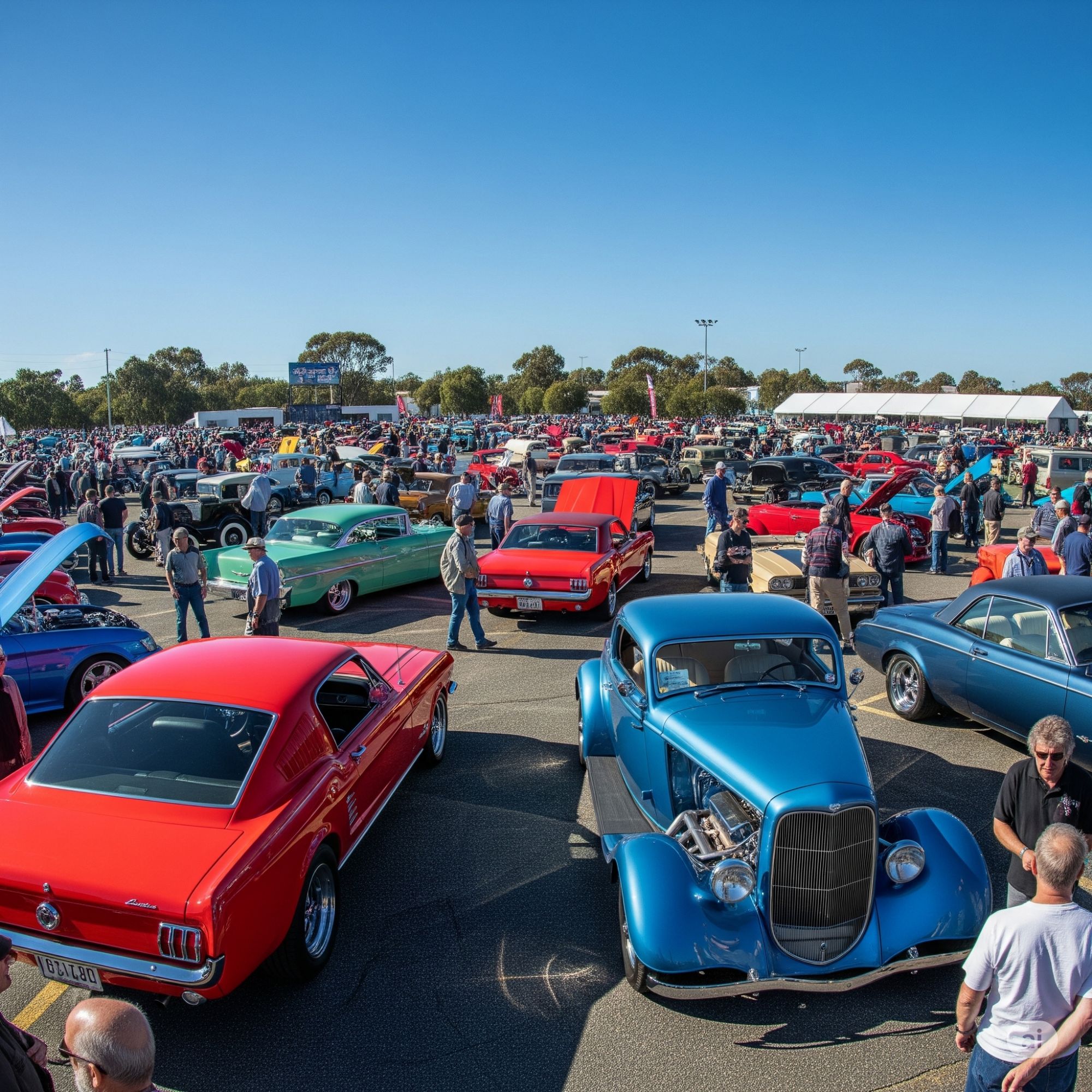
A line up in a pre-covid time in Merritt BC.

The Pacific Forest rallies back again with another program starting on Friday, May 30th and continuing to the 31st in Merritt, British Columbia The race starts on Granite Avenue with a display as above as the precursor to the start.

Start and finish, Rally 2025 and volunteer registration.

Merritt BC Canada

BC Nature

The provincial organization BC Nature is a nonprofit and consists of local member naturalist groups. The host is the Nicola Naturalist Society Incorporated and it’s Volunteer members are putting it on at the local facilities as well as incorporating field activities for viewing local flora and fauna.

The registration desk is open Thursday at 1:pm at the Merritt Civic center.

Venue

Civic center Mamette Ave

The Merritt Civic Centre is located at 1950 Mamette Ave, Merritt, BC V1K 1B8, Canada. You can contact them by phone at +1 250-315-1050.
Here’s some additional information:
* Rating: 4.1
* Hours:
   * Monday: 8:30 AM-4:30 PM
   * Tuesday: 8:30 AM-4:30 PM
   * Wednesday: 8:30 AM-4:30 PM
   * Thursday: 8:30 AM-4:30 PM
   * Friday: 8:30 AM-4:30 PM
   * Saturday: Closed
   * Sunday: Closed
* Accessibility: The facility has wheelchair accessible entrance and parking.
* Summary: Friendly and knowledgeable staff at this well-maintained facility helped a Lytton fire survivor and a Vancouver Island resident.
Would you like to know more about other facilities in Merritt?

Opinion

An effort deserving of support.

Saturday the test for the 2025 addition of the Farmers Market was successful. A number of vendors put up displays and offered goods and services to many … The Market runs to The end of October with Saturday morning graced by locals and visitors alike. New city signage asks for entry from Mamette Avenue parking is available in the mall area anchored by the Arena and Aquatic center .

The Market is next to the downtown Tourist info center 2202 Voght Street in Merritt. The market is open Saturday mornings and early afternoon.

See Merritt.ca for times and details …

Neck guards

Adam Johnson is dead and four decades of neck guards in minor hockey have not persuaded broad usage in the big leagues.

Your injury is not your own it affects many

https://www.cps.gov.uk/yorkshire-and-humberside/news/no-charges-ice-hockey-player-following-death-adam-johnson

Neck guards in minor hockey have a history rooted in a tragic incident. In 1975, Ontario Junior A league goalie Kim Crouch suffered a severe neck laceration from a skate blade. Following this near-fatal injury, his father developed the first neck guard to allow Kim to return to playing. This event spurred the initial adoption of neck guards, particularly in Canadian minor hockey leagues.
Over the following decades, neck guards became increasingly common in minor hockey across Canada. Many provincial and local hockey organizations mandated their use for players under a certain age. The Bureau de normalisation du Québec (BNQ) certification became a standard, ensuring the quality and protective capability of neck guards used in Canada.
In the United States, the adoption of mandatory neck guards in minor hockey has been less uniform historically, often varying by state or local association. However, following the death of Adam Johnson, who suffered a fatal neck cut in a professional game in England in October 2023, there has been a significant push for mandatory neck protection at all levels. As a result, USA Hockey mandated neck laceration protection for all players under the age of 18, effective August 1, 2024.
Use in Professional Hockey:
Currently, neck guards are not mandatory in the National Hockey League (NHL). While some players choose to wear them, the majority do not. Concerns about comfort, potential hindrance to performance, and tradition are often cited as reasons for this resistance.
However, the conversation around neck guards in professional hockey has intensified following recent serious neck injuries in hockey globally. Some NHL players have begun to wear neck guards voluntarily, and there is ongoing discussion about whether the league and the NHL Players’ Association might eventually agree to make them mandatory, similar to the evolution of helmet and visor rules.
Other professional leagues, such as the American Hockey League (AHL) and leagues in Europe (Germany, Sweden, Finland, and England), have implemented mandatory neck guard policies. The International Ice Hockey Federation (IIHF) also mandates neck guards for all its tournaments, including the World Junior Championships and the World Championships.
Effectiveness and Usefulness:
Neck guards are designed to protect the vulnerable neck and throat area from lacerations caused by skate blades, hockey sticks, and pucks. They are typically made of cut-resistant materials like Kevlar or Spectra fibers, often encased in a comfortable fabric.
Studies and real-life incidents suggest that neck guards can be effective in preventing or reducing the severity of neck lacerations. While no protective equipment can guarantee complete safety, neck guards provide a crucial barrier against sharp objects that could otherwise cause life-threatening injuries to major blood vessels and nerves in the neck.
Have they ever saved anyone from catastrophic injury?
Yes, there are documented cases where neck guards are believed to have saved players from severe or fatal injuries:
* The case of Kim Crouch: His injury in 1975 directly led to the development and subsequent use of neck guards, preventing similar incidents for countless players.
* Recent youth hockey incident in Eastern Ontario: Following Adam Johnson’s death, a young player was reportedly saved by a neck guard after being cut by a skate.
While less publicized, it is plausible that neck guards have prevented numerous other less severe but still significant neck injuries over the years.
In conclusion, the history of neck guards in hockey began with a serious injury that prompted their invention. They have become a standard and often mandatory piece of equipment in minor hockey, particularly in Canada, and are now gaining increased attention and mandatory status in youth hockey in the United States. While not currently mandatory in the NHL, the effectiveness and potential life-saving benefits of neck guards are becoming increasingly recognized, leading to more players choosing to wear them and ongoing discussions about a potential league-wide mandate in the future.

Sportsmen need Sportsmanship all ways.

There comes a moment in every generation when silence becomes betrayal—when the people must rise and fight the powers that be. We are living in that moment. The powers that be are not just people. They are systems. They are institutions built on oppression, manipulation, and fear. They are the invisible chains of poverty, racism, […]

Blog Title: Fight the Powers That Be: Rise, Resist, Reclaim

An opinion not expressed is an opinion repressed.

The city of Merritt is on you round level 3 water restrictions 2 days a week watering on and off on even house numbers.

Hand held anytime

Enjoy