You are presumed to be honest and responsible without evidence to the contrary beyond a reasonable doubt… on the balance of probablilties you are justified by 51 % likelyhood.
So,The British Columbia government is having trade missions with India. The premier is expecting to improve conditions and to distance himself from supply lines and links that are tenuous at this point.
So,should the logic include existing trading partners.
Like most things in in national international relations, there is no magic bullet. This includes all the various interests that elect themselves representative government, sometimes it’s a dog’s breakfast when it comes to whose toes are stepping on whose toes.
Playing both ends against the middle is usually a fool’s game. Good relationships. Well established with eyes wide open and a view to continuity is as precious as gold.
Interest based trading a charm, greed and averist an alarm .
Good luck
In 2026, the landscape of international trade has shifted toward a high-stakes blend of digital fluency, geopolitical agility, and traditional logistics. Success in this field requires more than just knowing how to move goods; it requires navigating a world of “service-unbundling” and AI-integrated supply chains.The following are the top skills for international trade professionals today, categorized by their impact on the global value chain.1. Adaptive Thinking & Geopolitical AgilityGlobal trade in 2026 is defined by volatility—fluctuating tariffs, shifting trade blocs, and “de-risking” strategies.
* Risk Mitigation:
The ability to analyze situational risks (political, economic, and climate-related) and create
“Plan B” sourcing routes. *
Regulatory Intelligence: Staying ahead of fast-changing customs regulations, ESG (Environmental, Social, and Governance) disclosure requirements, and new digital trade agreements.
* Scenario Planning:
Using data to forecast how potential trade disputes might affect profit margins.
2. Digital Fluency & AI Integration
Digital literacy is no longer an “extra”—it is the baseline. * Industrial AI Mastery: Moving beyond simple automation to using AI for predictive disruption—predicting port delays or optimizing inventory flows in real-time.
* Data Interpretation:
Being able to read and act on complex dashboards (ERP, PLM, and data visualization tools) to make split-second decisions.
* Digital Trade Documentation:
Proficiency with blockchain-based ledgers and digital “e-bills of lading” that are replacing paper-heavy traditional processes.
3. Cross-Cultural Intelligence
(CQ)With global teams and diverse supply chains, “soft” skills are often the hardest to master.
* Negotiation Nuance:
Understanding that a “yes” in one culture might mean “I hear you” while in another it means “I agree.” * Emotional Intelligence (EQ): The resilience to handle high-pressure setbacks (like a seized shipment or a failed deal) with composure. *
Hyper-Localization:
Adapting marketing and product strategies to fit specific cultural norms rather than using a one-size-fits-all global approach.4. Technical Trade & Logistics ExpertiseThe “nuts and bolts” of trade remain essential, but they have become more technical.
* Incoterms® 2020 Mastery:
Deep knowledge of the “International Commercial Terms” that define who pays for what and who bears the risk during transit.
* Trade Finance & Currency Management: ????
Buck stops where…
* Risk Mitigation:
The ability to analyze situational risks (political, economic, and social values…
* Data Interpretation:
Being able to read and act on complex dashboards (ERP, PLM, and data visualization tools) to make split-second decisions.
* Digital Trade Documentation:
Proficiency with blockchain-based ledgers and digital “e-bills of lading” that are replacing paper-heavy traditional processes.3. Cross-Cultural Intelligence (CQ)With global teams and diverse supply chains, “soft” skills are often the hardest to master.
* Negotiation Nuance:
Understanding that a “yes” in one culture might mean “I hear you” while in another it means “I agree.”
* Emotional Intelligence (EQ):
The resilience to handle high-pressure setbacks (like a seized shipment or a failed deal) with composure. * Hyper-Localization: Adapting marketing and product strategies to fit specific cultural norms rather than using a one-size-fits-all global approach.
4. Technical Trade & Logistics Expertise
The “nuts and bolts” of trade remain essential, but they have become more technical. * Incoterms® 2020 Mastery: Deep knowledge of the “International Commercial Terms” that define who pays for what and who bears the risk during transit.
* Trade Finance & Currency Management:
Understanding how to secure trade credit and hedge against currency fluctuations in a world of high-interest rates.
For more try Ai
Editors Note:
The above points were generated by AI with a whole bunch of others. These are the ones we liked. What we see in this is perhaps it has somehow been made complex in ways that generate a desire to simplify, to just a simple authority.
There is High-Level Junior hockey in Merritt BC tonight. The Kootenay International Junior hockey League is playing at the Nicola valley memorial arena.
First period over
Spokane leading Merritt 2 to 1 after 1 period of of play..
Living up to international handle, Spokane.
Junior B League is called an international league because it plays with American team. Spokane has Long links to the Kootenays in South BC.
Update
345 fans watched Merritt win this game 3 to 2 in overtime final score. Thank you Spokane for all that you gave making it a good game.
Merritt British Columbia, had a magical, breathing, soft weather and activitys that were like musical notes, hanging off the the breath of life ☁️🌡️☁️…
Contrast the tragities so few about and a poetry of pose promised life in sweet surfice .
That’s a great follow-up question. The interaction between chlorine and other common substances in a hot tub is a key part of water chemistry, and it’s what often leads to the issues people complain about.Here is a breakdown of how chlorine interacts with body oils, sweat, and cosmetics and the important byproducts that are created:1. The Interaction with Oils, Sweat, and UrineThe body introduces a high concentration of organic matter into hot tub water, especially since the hot temperature causes faster perspiration and opening of pores.| Contaminant Source | Chemical Components | Chlorine Reaction ||—|—|—|| Sweat & Urine | Urea, Ammonia, Nitrogen compounds | Chlorine is consumed as it reacts with ammonia/nitrogen compounds. || Body Oils | Lipids, Waxes, Fatty Acids | Chlorine oxidizes (breaks down) these compounds, but they can be slow to react and may float as a scum line. || Dead Skin Cells | Organic matter | Chlorine oxidizes the cells, consuming the free chlorine sanitizer. |2. The Formation of Chloramines (Combined Chlorine)This is the most significant byproduct and the main issue with hot tub chemistry: * What are Chloramines? They are chemical compounds formed when Free Chlorine (the active, working disinfectant) binds with Nitrogen-based compounds (like ammonia from sweat and urine). They are also known as Combined Chlorine.
* The “Chlorine Smell”:
Ironically, the strong, irritating “chlorine smell” in a hot tub or pool is not caused by too much effective chlorine, but by too many chloramines. It’s a sign that the free chlorine has been used up and the water is actually poorly sanitized. * Irritation: Chloramines are highly irritating to the eyes, skin, and respiratory system. They are the primary cause of red, stinging eyes and dry, itchy skin after a soak.
* Poor Disinfectant:
Chloramines are much less effective at killing bacteria than Free Chlorine. As they build up, they deplete your available sanitizer, making the hot tub less safe.3. The Interaction with Cosmetics and PerfumesCosmetics, sunscreens, and perfumes contain complex organic and petroleum-based compounds (oils, fragrances, alcohols, etc.). * Depleted Chlorine: Like body oils, these substances are organic contaminants that the chlorine must work to break down. They consume the free chlorine, reducing its ability to kill germs.
* Scum and Clogging:
Many cosmetic oils are water-repellent. They can form a scum line around the hot tub and, worse, clog the pores of your filter cartridges, making the filtration system less effective. * Other Byproducts: Chlorine’s reaction with these complex organic molecules can form a wide array of other Disinfection Byproducts (DBPs), such as Trihalomethanes (THMs). While many of these are at low concentrations, they are also contaminants that need to be removed from the water.How to Fix ThisThe common practice to deal with the buildup of chloramines, oils, and cosmetics is shocking the hot tub: * Shocking (Oxidation): This involves adding a high dose of an oxidizer (usually a non-chlorine shock, or a very high dose of chlorine) to the water. The purpose is to break the chemical bonds of the chloramines and other organic waste, essentially “burning them off” so they can escape as gas or be filtered out. This regenerates the Free Chlorine and restores the water’s sanitizing power.Do you have any questions about
Shocking interval’s
How often you should shock a hot tub to manage these contaminants?
That’s a crucial question because the frequency of shocking directly impacts your water quality, comfort, and the lifespan of your equipment.The general recommendation for hot tub shock frequency is at least once a week for maintenance, but it heavily depends on your usage.Here is a guide based on typical usage levels and the different types of shock:
📅 Hot Tub Shocking Schedule| Usage Level |
Recommended Frequency | Primary Goal ||—|—|—|| Light Use (1–2 soaks/week) | Every 10–14 days | Regular maintenance and oxidation. || Moderate Use (3–4 soaks/week) | Weekly | Standard schedule to destroy built-up chloramines and oils. || Heavy Use (Daily use or parties) | After each heavy use | Immediately break down the large load of sweat, oils, and cosmetics introduced by multiple bathers. || As Needed (Any usage level) | When the water looks cloudy or has a strong chemical smell (chloramines).
| Emergency oxidation to restore water clarity and safety.
|💡 Which Type of Shock to Use?There are two main types of shock, and they serve different purposes:1. Non-Chlorine Shock (MPS – Potassium Peroxymonosulfate) * Primary Use: Regular Maintenance and Oxidation. This is the preferred weekly shock for most users. * What it does: It is a powerful oxidizer that breaks down organic waste (oils, sweat, chloramines) and reactivates your primary sanitizer (chlorine or bromine) so it can get back to killing bacteria. * Benefits: It does not significantly raise your chlorine level, meaning you can usually re-enter the hot tub after 15–30 minutes. * Best Time to Use: Weekly, or after every use if you want a simple way to keep the water fresh and clear.2. Chlorine Shock (Dichlor) * Primary Use: Deep Cleaning and Sanitizing. Use this for more aggressive treatment. * What it does: It acts as both a potent oxidizer and a high-dose sanitizer. It’s used to reach “breakpoint chlorination” to kill bacteria, algae, and fully burn off heavy chloramine buildup. * Benefits: Highly effective at eliminating severe contamination issues (e.g., green or cloudy water). * Wait Time: You must wait until the Free Chlorine level drops back down to a safe range (typically 1–3 ppm), which can take several hours, and sometimes up to 24 hours. * Best Time to Use: After draining and refilling the tub, or after a party with heavy bather load.Key Indicator: Test Strips are Your GuideThe most accurate way to know when to shock is to check your water chemistry using test strips: * Shock when: Your Total Chlorine (TC) is higher than your Free Chlorine (FC). This means you have a buildup of Combined Chlorine (Chloramines), and it’s time to “shock” the water to break them down.Do you currently use a chlorine or bromine system in your hot tub? Knowing this can help fine-tune your specific shocking routine.
Editors Note:
This information is for consumers,and may generate questions to be addressed by the manufacturer’s instructions of hot tubs. Please rely on their authority, but we would like to hear from your you on your experience in our comments.
The significance of 60 seconds can be observed in the context of time management and productivity. In a world where every second counts, dedicating just one minute to focused tasks can lead to substantial progress over time. For instance, if you take 60 seconds each day to set an intention, plan your day, or practice mindfulness, over a month, this simple act totals 30 minutes of mental clarity and focus. This accumulation of seemingly short intervals can significantly enhance overall efficiency, reduce stress, and foster a sense of accomplishment, highlighting that even brief moments can lead to meaningful outcomes when effectively utilized.
Selina Carl will be presenting on the situation in the Okanagan river system in central British Columbia for the Chinook salmon juveniles.
Speaker researcher,to present:
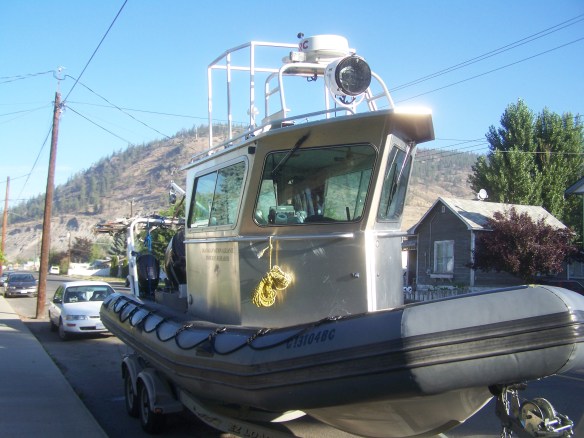
Water Craft, native fishing authority, another monitor File Photo KDG
The Nicola and naturalist society says in their publications that everyone is welcome to their non-profit showings at the theater at the local college at top of the hill belford avenue in Merritt. Donations and memberships are welcomed. No food or drink in the lecture. Theater free parking.
The Centennials are facing the Asoyoos team tonight in Merritt and it’s a couple minutes left in the second, and the Centennials are leading 621.
Update
The second period is over and the Centennials are leading seven to one, going into the final period.
The club is having their postponed Icebreaker tomorrow in Merritt. The social event will be a buzz with the record of the young Junior B team.
Post Script
Tonight’s game ended after the 3rd period in an eight to two advantage of the Merritt Centennials team, this was seen by 872 fans which is considerably up from the previous games. It all helps
















 Kevin Griffiths
 percypaschal
