Category: Workers Safety


TGIF- construction

Bringing a construction project to completion is a complex process that involves several key stages, each with its own set of challenges and goals. While the specific steps can vary depending on the size and type of project, the general process can be broken down into the following phases:
1. Conception and Design: This is the initial stage where the project’s vision is created. It involves defining the project’s purpose, scope, and feasibility. The owner works with architects and engineers to create the design, which includes detailed blueprints and specifications. During this phase, a business case and feasibility study are often conducted to ensure the project is viable.
2. Pre-construction and Procurement: Once the design is finalized, the focus shifts to planning for the actual construction. This is where the construction team develops a detailed plan, including budgets, schedules, and a strategy for how the building will be constructed. This phase also involves procurement, which is the process of selecting and hiring the necessary contractors, subcontractors, and suppliers. Permits and approvals from local authorities are also secured during this time.
3. Construction: This is the physical phase of the project, where the actual building takes shape. It begins with site preparation and excavation, followed by laying the foundation, framing, and building the structural elements. This stage also includes the installation of major systems like plumbing, electrical, and HVAC. Throughout this phase, a project manager oversees the work, manages the schedule and budget, and ensures that safety protocols are followed.
4. Post-Construction and Close-Out: The final stage of the project involves bringing everything to a close and preparing for the handover to the owner. This includes:
* Final Inspections and Walk-throughs: Thorough inspections are conducted to ensure all work meets quality standards and is completed according to the plans. This is also when the project team and client do a final walk-through to identify any last-minute issues or “punch list” items that need to be addressed.
* Documentation and Paperwork: All necessary documents, including manuals, warranties, and “as-built” drawings (which show the final state of the building as constructed), are gathered and organized.
* Handover: The project is formally handed over to the client. This typically includes a meeting to review all documentation and transfer keys and other essential items.
* Insurance Changes: The construction insurance is changed to a permanent property insurance policy.
A successful construction project relies on a clear plan, effective communication, and a strong partnership between all parties involved, including the owner, architects, engineers, and contractors.

Good luck it’s not easy…

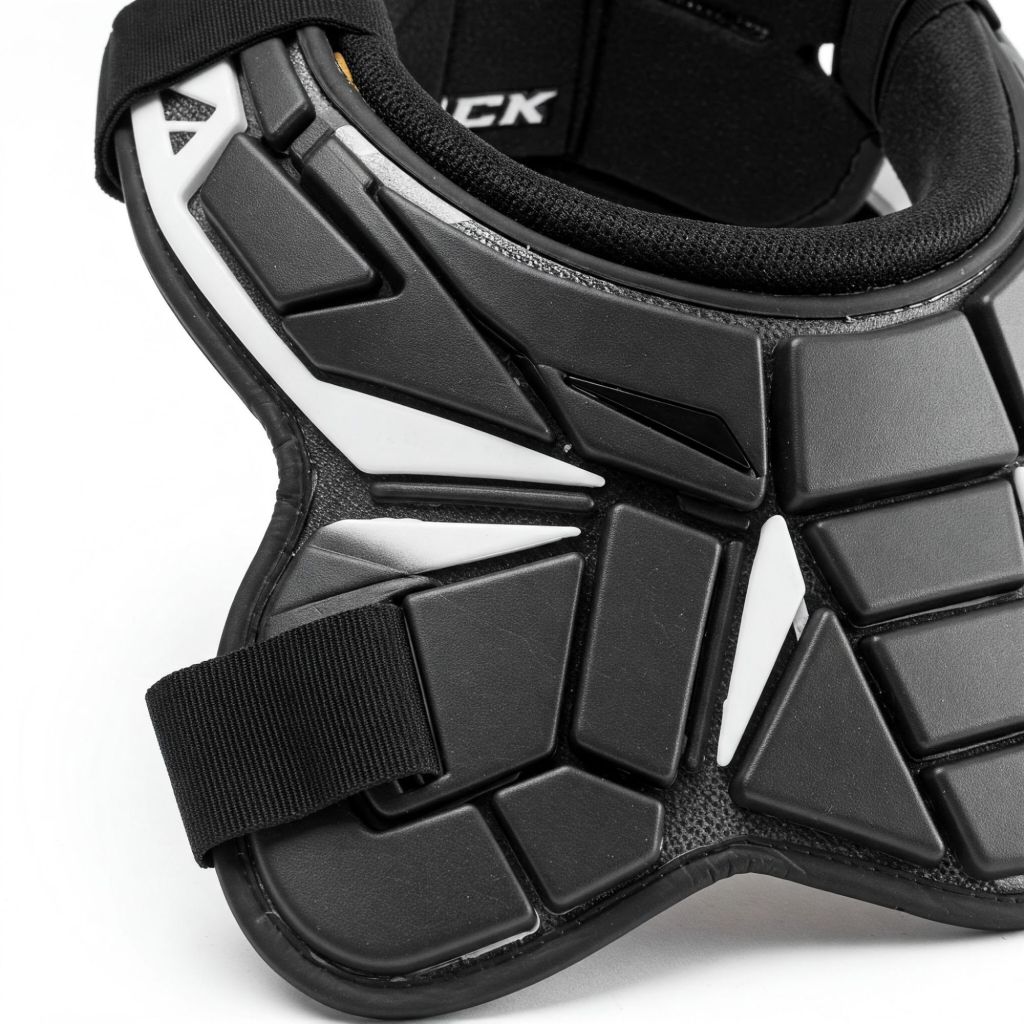
Neck guards

Adam Johnson is dead and four decades of neck guards in minor hockey have not persuaded broad usage in the big leagues.

Your injury is not your own it affects many

https://www.cps.gov.uk/yorkshire-and-humberside/news/no-charges-ice-hockey-player-following-death-adam-johnson

Neck guards in minor hockey have a history rooted in a tragic incident. In 1975, Ontario Junior A league goalie Kim Crouch suffered a severe neck laceration from a skate blade. Following this near-fatal injury, his father developed the first neck guard to allow Kim to return to playing. This event spurred the initial adoption of neck guards, particularly in Canadian minor hockey leagues.
Over the following decades, neck guards became increasingly common in minor hockey across Canada. Many provincial and local hockey organizations mandated their use for players under a certain age. The Bureau de normalisation du Québec (BNQ) certification became a standard, ensuring the quality and protective capability of neck guards used in Canada.
In the United States, the adoption of mandatory neck guards in minor hockey has been less uniform historically, often varying by state or local association. However, following the death of Adam Johnson, who suffered a fatal neck cut in a professional game in England in October 2023, there has been a significant push for mandatory neck protection at all levels. As a result, USA Hockey mandated neck laceration protection for all players under the age of 18, effective August 1, 2024.
Use in Professional Hockey:
Currently, neck guards are not mandatory in the National Hockey League (NHL). While some players choose to wear them, the majority do not. Concerns about comfort, potential hindrance to performance, and tradition are often cited as reasons for this resistance.
However, the conversation around neck guards in professional hockey has intensified following recent serious neck injuries in hockey globally. Some NHL players have begun to wear neck guards voluntarily, and there is ongoing discussion about whether the league and the NHL Players’ Association might eventually agree to make them mandatory, similar to the evolution of helmet and visor rules.
Other professional leagues, such as the American Hockey League (AHL) and leagues in Europe (Germany, Sweden, Finland, and England), have implemented mandatory neck guard policies. The International Ice Hockey Federation (IIHF) also mandates neck guards for all its tournaments, including the World Junior Championships and the World Championships.
Effectiveness and Usefulness:
Neck guards are designed to protect the vulnerable neck and throat area from lacerations caused by skate blades, hockey sticks, and pucks. They are typically made of cut-resistant materials like Kevlar or Spectra fibers, often encased in a comfortable fabric.
Studies and real-life incidents suggest that neck guards can be effective in preventing or reducing the severity of neck lacerations. While no protective equipment can guarantee complete safety, neck guards provide a crucial barrier against sharp objects that could otherwise cause life-threatening injuries to major blood vessels and nerves in the neck.
Have they ever saved anyone from catastrophic injury?
Yes, there are documented cases where neck guards are believed to have saved players from severe or fatal injuries:
* The case of Kim Crouch: His injury in 1975 directly led to the development and subsequent use of neck guards, preventing similar incidents for countless players.
* Recent youth hockey incident in Eastern Ontario: Following Adam Johnson’s death, a young player was reportedly saved by a neck guard after being cut by a skate.
While less publicized, it is plausible that neck guards have prevented numerous other less severe but still significant neck injuries over the years.
In conclusion, the history of neck guards in hockey began with a serious injury that prompted their invention. They have become a standard and often mandatory piece of equipment in minor hockey, particularly in Canada, and are now gaining increased attention and mandatory status in youth hockey in the United States. While not currently mandatory in the NHL, the effectiveness and potential life-saving benefits of neck guards are becoming increasingly recognized, leading to more players choosing to wear them and ongoing discussions about a potential league-wide mandate in the future.

Sportsmen need Sportsmanship all ways.

Remember, don’t be, what’s that …

Distraction

Click

It’s very common to struggle with distractions in today’s world. Here’s a breakdown of what distraction is, its negative effects, and strategies for combating it:
What is Distraction?
* Definition:
   * Distraction is the process of diverting attention away from a desired focus. It disrupts concentration and hinders the ability to process information effectively.
   * It can arise from both external stimuli (e.g., noise, notifications) and internal factors (e.g., wandering thoughts, anxieties).
How Distraction Affects Appointments and Other Negatives:
* Missed Appointments:
   * Distractions can lead to forgetting appointments, losing track of time, or becoming sidetracked while preparing to leave.
   * This can result in consequences like:
     * Late fees.
     * Damaged professional relationships.
     * Missed opportunities.
* Other Negative Effects:
   * Reduced Productivity: Distractions significantly decrease efficiency and the quality of work.
   * Increased Stress: Constant interruptions can lead to feelings of overwhelm and anxiety.
   * Impaired Focus: Chronic distraction weakens the ability to concentrate, affecting learning and problem-solving.
   * Relationship Strain: Distraction during conversations can make others feel unheard and disrespected.
   * Increased errors: when a person is distracted, the chances of making mistakes increases dramatically.
Combating Distraction:
* Identify Distractions:
   * Recognize common triggers, such as social media, email notifications, or specific environments.
   * Pay attention to internal distractions, like racing thoughts or worries.
* Create a Conducive Environment:
   * Minimize external distractions by finding a quiet workspace.
   * Turn off unnecessary notifications.
   * Use noise-canceling headphones.
* Time Management Techniques:
   * Use a planner or digital calendar to schedule appointments and tasks.
   * Break down large tasks into smaller, manageable steps.
   * Practice the Pomodoro Technique (work in focused intervals with short breaks).
* Mindfulness and Meditation:
   * Develop awareness of wandering thoughts and learn to redirect attention.
   * Regular meditation can improve focus and reduce mental clutter.
* Prioritize and Delegate:
   * Focus on essential tasks and avoid multitasking.
   * Delegate tasks when possible to reduce workload.
Dealing with Distraction in Others:
* Patience and Understanding:
   * Recognize that distraction can be a common struggle.
   * Avoid judgment and offer support.
* Clear Communication:
   * When giving instructions, provide them in a clear and concise manner.
   * Repeat important information and ask for confirmation.
* Provide Reminders:
   * Offer gentle reminders about appointments or deadlines.
   * Use shared calendars or reminder apps.
* Supportive Environment:
   * If possible, help create a less distracting environment for them.
   * If you know that someone has a severe problem with distraction, like someone with ADHD, understanding and compassion is key.
* Encourage Professional Help:
   * If the distraction is severe and impacting their life, encourage them to seek professional help from a therapist or counselor.
By understanding the nature of distraction and implementing effective strategies, individuals can regain control of their attention and improve their overall well-being.

Some things are sensory sore…
Careful how you judge…

The saying “When you point a finger, you’ll have three pointing back at you” is a powerful reminder that blame and criticism often reflect back on the person doing the pointing. It suggests that before we are quick to judge or accuse others, we should first examine our own actions, motivations, and perspectives.
Here’s a breakdown of the meaning:
* Accountability: The three fingers pointing back represent the aspects of ourselves that we need to take responsibility for. This could include our own mistakes, shortcomings, or contributions to a situation.
* Self-reflection: The saying encourages us to look inward and honestly assess our own role in any conflict or issue. It prompts us to ask ourselves: “What could I have done differently? How am I contributing to this situation?”
* Empathy: By recognizing that we are not perfect and that we all make mistakes, we can develop greater empathy for others. This can lead to more understanding and forgiveness.
* Humility: The saying reminds us that we are all fallible and that no one is above making mistakes. It encourages humility and discourages self-righteousness.
Where to apply it:
This saying can be applied in any situation where blame or criticism is involved, such as:
* Personal relationships: When conflicts arise with family or friends, it’s important to consider our own role in the situation and avoid simply blaming the other person.
* Workplace: In a team setting, if a project fails, it’s more productive to focus on what everyone can learn from the experience rather than assigning blame.
* Social issues: When discussing complex social problems, it’s important to avoid making sweeping generalizations or blaming entire groups of people. Instead, we should strive to understand the root causes of the issues and work towards solutions.
Is it a good thing?
Yes, I believe this saying is a valuable principle to live by. It promotes self-awareness, accountability, and empathy. By reminding us to look inward before pointing fingers, it can help us build stronger relationships, resolve conflicts more effectively, and create a more compassionate world.
However, it’s important to note that this saying doesn’t mean we should never hold others accountable for their actions. It simply suggests that we should always start by examining ourselves first.

Good luck you adjudicators.

Judging comes with a price.

Wild fires, Canada air quality…

Environment Canada✨👀👁️👄

BC wildfires,looks going forward Monday on…

Context,where we were…

Tough summer

CNN: smoke from Canada

Normal operating pressure

The current transmountain pipeline from Alberta is back to normal operating pressure after an engineering review.

The pipeline was proactively shut down on Dec 5th and had a 21 day period of observance. Transmountain credits it’s people for a seamless restart.

Catcher for an instrument that X-rays internal pipe.
File photo KDG

On this Day: January 25th 1891

Oriental Telephone Company formed.

Emily Haines

Born January 25th 1974, Canadian singer and musician.

File Photo KDG

Business recovery and winter readyness

Highlights

Noted: uncooperative business’s blacklisted from announced relief.

Cooperative ones fastracted by info on file.

Winter songs

Snow

Today is the international day for the ending of violence against women.

OUCH File photo KDG

Homicidies in Canada 2020

There were 743 homicides in Canada in 2020. The change was plus 56 from 2019, the rate per 1100k of the population was 1.95. The breakdown by sex was 568 male to 171 female; who ahead?

These stats are all homicides, which means survival of violence is a different thing and it is subject to social priorities. ( ie: 1 in 5 were gang-related, down considerably since 2016). If death because of gang activities is effectively addressed, because of priorities then AW violence can also be.

Edmonton Alberta had the highest homicide rate; 3.19 per 100 K, with Montreal the lowest at 0.97. Once again these are all homicide statistics and hide an ugly monster.

Beating deaths were .34 of homicides down from a high of 0.53 in 1993.

British Columbia had 8 more homicides in 2020, Alberta had 39 more.

There were 277 homicides in Canada by firearms nearly half with handguns ( Whos got handguns in Canada?)

You be the judge and not a stat.

NOTE:

Editors note: Statistical data: 2021 Stats Can, why are 4 homicides not listed in either gender?

Data release date: November 25th, 2021, Stats Can

On this Day: November 25th 1905-1915

Albert Einstien presents his notes on general relativity.

Nov16-17th

On this Day: November 18th 1963

The first push-button phone.

I can’t tell you why.

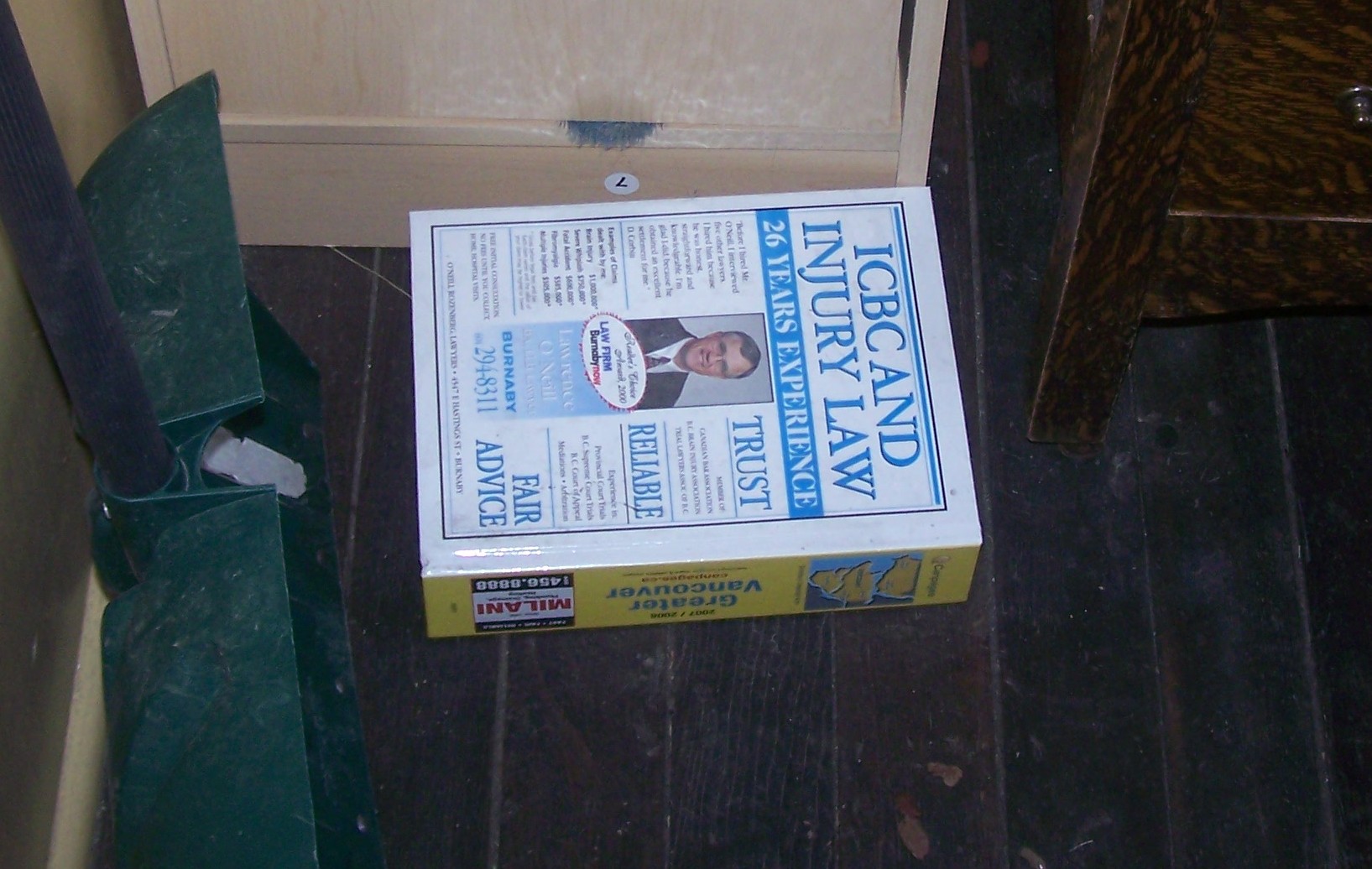
ICBC and injury law,
File Photo KDG

The TMX project is ongoing, and the existing line will be running at capacity for the month of October 2021.

Workers song:

Pipe for oil field
File: Photo KDG

Seven percent apportionment (nominations for tariff on possible shipping), over capacity.

The volume of oil to run is at capacity, with 7 percent to be apportioned.

The energy sector around the world works on a monthly cycle. The Trans Mountain Pipeline is part of that cycle. Apportionment describes the amount of demand shippers place on the pipeline in excess of its available capacity. Here’s a step-by-step guide to the apportionment determination that’s carried out every month for the existing Trans Mountain Pipeline system.

TM today
  • Each month our shippers submit requests for how much petroleum (crude oil and refined products) they want to ship through the pipeline to service their customers. These requests are called ‘nominations’.
  • Based on shippers’ nominations, we then determine the ‘capacity’ available on the pipeline for the month. Determining pipeline capacity is complex. Capacity is affected by, among other things, the types of products that have been nominated, any pipeline system maintenance activities that will reduce flows that month and carry-over volumes that haven’t completed their transit of the pipeline by month’s end.
  • Based on available pipeline capacity and the volume of shipper nominations we received, we calculate apportionment using a method accepted by the Canada Energy Regulator and forming part of our tariff. A tariff includes the terms and conditions under which the service of a pipeline is offered or provided, including the tolls, the rules and regulations, and the practices relating to specific services.
  • If shipper nominations are less than pipeline capacity, the apportionment percentage to that destination is “zero” and all the product volumes nominated by shippers are accepted to be transported that month.
  • If shipper nominations exceed pipeline capacity, the apportionment is a percentage greater than zero.

Apportionment has been up to 40 percent…

The apportionment ( over capacity nominations) is sometimes up to 40 percent. This is a good indication that expansion is a good business plan.

1958 footage

The pipeline in use at this writing is the one that was built in 1958. The expansion project is building another line beside it.

On this Day: October 12th 1968

Hugh Jackman, actor, born.

TNRD

Webinar on health issue of substance abuse.

There is a local elected officials webinar coming up. The point is to lessen the harm to people that are small users or personal users of illicit substance. The discussion is , October 13th 10 Am-12pm registration is open until October 8th.

Editors note: This program falls in the venue of ” de fund the police” You may be concerned were participants will end up and what they will be doing. Your block may be effected by programs and the loss of some peace of mind. Talk to a local elected offic.al if you are concerned.

The UBCM is the host of this undertaking, they are at 525 Government St, Victoria BC V8V 0A8.

ubcm@ubcm.ca

A 2010 single homeless, camp leaving
on a traffic island on a freeway… File Photo KDG

On this Day: October 7th 1996

Fox News starts its broadcast.

Editors warning …

This post is not meant to be a complete guide to poison safety. We only want to draw attention to the observance. More attention to poison safety then what is published here is required.

Some Black Berries can be poisoned,. You need to be aware of the colours of berries and other traits to be confident to eat them.


“Stay away from berries on plants with spines, bitter smells, or milky sap.
 In general, the following plants are not safe for humans to eat, including the berries. You should check for:”

According to Wiki Help here is a start for your diligence:

  • Milky or odd-colored saps.
  • Berries or nuts in pods and bulbs
  • Bitter or soapy taste
  • Spines or small pointy hairs
  • Pink, purple, or black spurs.
  • Three-leaved growth pattern (like poison ivy)[1]

Animals in the fall can be drunk..

The frost can ferment berries in fall and winter making large animals eating them drunken visitors.

Bear scat, Merritt BC and Mountain Ash berries,
Mountain Ash are usually in peoples yards .
File Photo KDG

On this Day: September 29th 480 BC

The battle of Salamis’; Persians defeated by Greeks .