You are presumed to be honest and responsible without evidence to the contrary beyond a reasonable doubt… on the balance of probablilties you are justified by 51 % likelyhood.
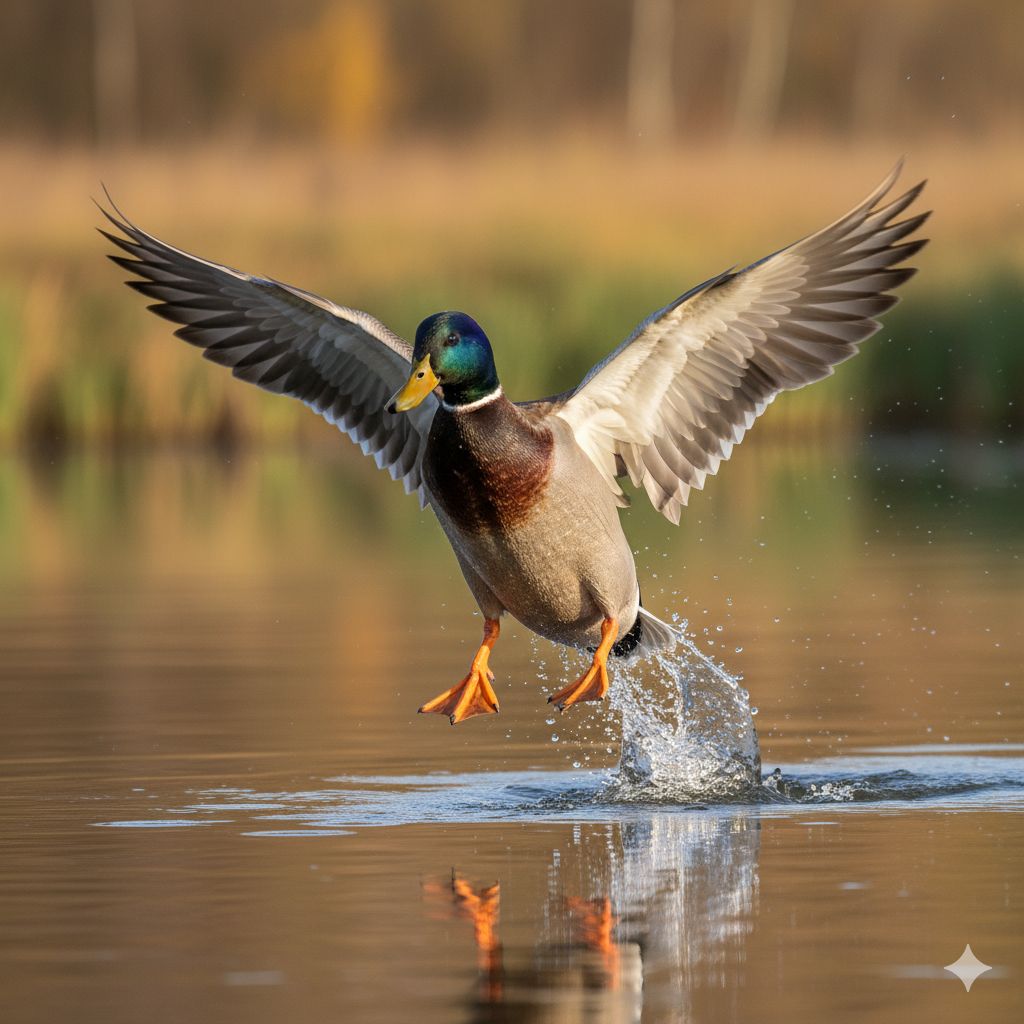
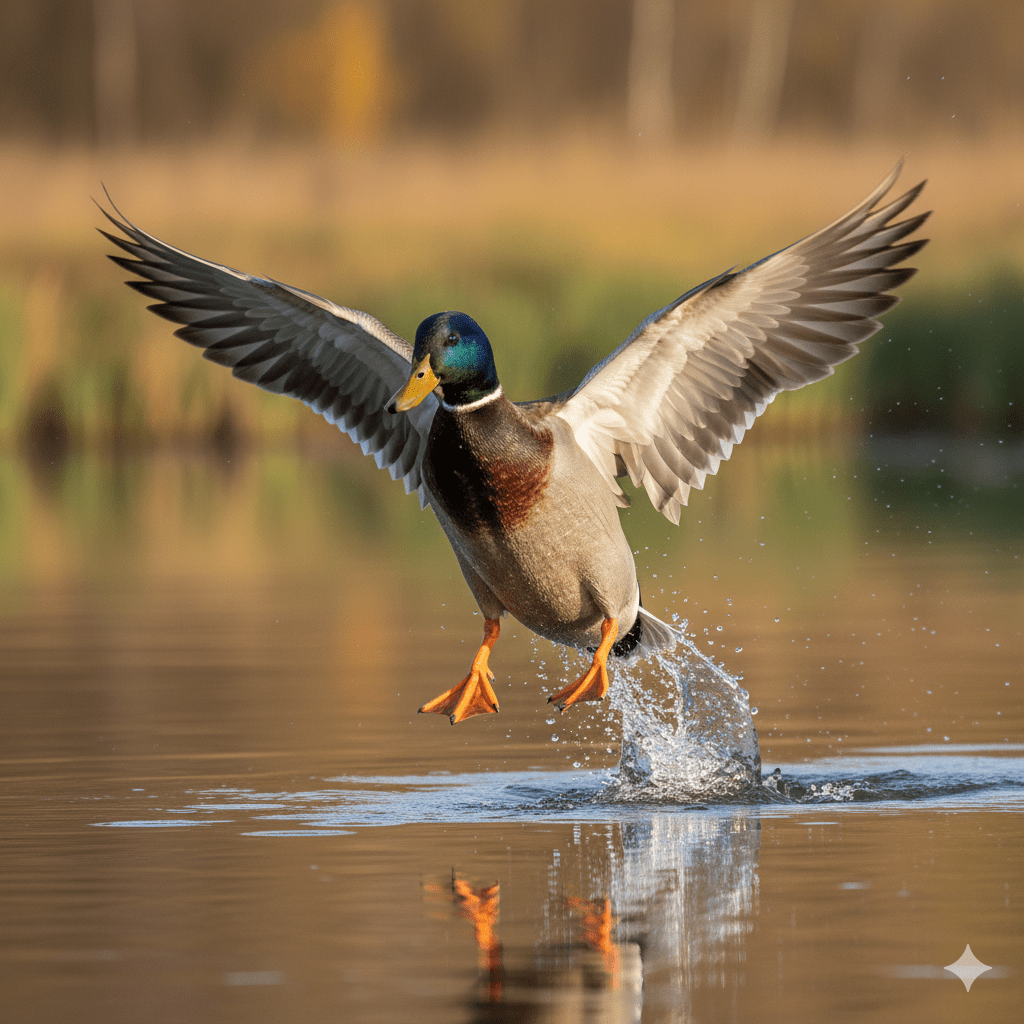
Mallard ducks are the most prevalent around our place, our neck of the woods here in Merritt, British Columbia. We love our Mallard ducks.
The local naturalist club will begin their regular weekend fall and winter schedule on the 18th. Their meetings are generally most months on the third Thursday at 7:00 at the Nicola Valley institute of technology, top of the hill Belshaw Avenue in Merritt.
Bringing a construction project to completion is a complex process that involves several key stages, each with its own set of challenges and goals. While the specific steps can vary depending on the size and type of project, the general process can be broken down into the following phases: 1. Conception and Design: This is the initial stage where the project’s vision is created. It involves defining the project’s purpose, scope, and feasibility. The owner works with architects and engineers to create the design, which includes detailed blueprints and specifications. During this phase, a business case and feasibility study are often conducted to ensure the project is viable. 2. Pre-construction and Procurement: Once the design is finalized, the focus shifts to planning for the actual construction. This is where the construction team develops a detailed plan, including budgets, schedules, and a strategy for how the building will be constructed. This phase also involves procurement, which is the process of selecting and hiring the necessary contractors, subcontractors, and suppliers. Permits and approvals from local authorities are also secured during this time. 3. Construction: This is the physical phase of the project, where the actual building takes shape. It begins with site preparation and excavation, followed by laying the foundation, framing, and building the structural elements. This stage also includes the installation of major systems like plumbing, electrical, and HVAC. Throughout this phase, a project manager oversees the work, manages the schedule and budget, and ensures that safety protocols are followed. 4. Post-Construction and Close-Out: The final stage of the project involves bringing everything to a close and preparing for the handover to the owner. This includes: * Final Inspections and Walk-throughs: Thorough inspections are conducted to ensure all work meets quality standards and is completed according to the plans. This is also when the project team and client do a final walk-through to identify any last-minute issues or “punch list” items that need to be addressed. * Documentation and Paperwork: All necessary documents, including manuals, warranties, and “as-built” drawings (which show the final state of the building as constructed), are gathered and organized. * Handover: The project is formally handed over to the client. This typically includes a meeting to review all documentation and transfer keys and other essential items. * Insurance Changes: The construction insurance is changed to a permanent property insurance policy. A successful construction project relies on a clear plan, effective communication, and a strong partnership between all parties involved, including the owner, architects, engineers, and contractors.
Mallard Ducks and Their Presence in British ColumbiaMallards are the most widespread and abundant dabbling duck in Canada, found in almost any freshwater habitat. In British Columbia, they are a significant part of the waterfowl population, particularly along the Pacific coast and in the interior plateaus. The population of mallards in western Canada, which includes B.C., has been considered “secure” and “at an acceptable level” for some time. They are found in high concentrations in the lower Fraser Valley and are a prominent resident species in the interior of the province, with populations increasing in some areas.While there isn’t specific data for the mallard population in the immediate Merritt, BC area, the birds are known to be part of the general interior population, which winters in the warmer coastal regions and returns to breed in the interior, following major river systems.Interesting Mallard BehaviorsMallards exhibit some fascinating behaviors, including brood amalgamation, which is the adoption of ducklings by a hen who isn’t their biological mother. This can occur in a few ways: * Pre-hatch Brood Amalgamation (Brood Parasitism): A female lays her eggs in another female’s nest. The host female then incubates and cares for the eggs as if they were her own. This behavior is more frequent in areas with high nest densities. * Post-hatch Brood Amalgamation: This is when a hen with a brood takes in ducklings from another family. This can happen for various reasons, such as when a mother loses her brood and joins another, or when a hen’s ducklings get separated and are accepted by a different mother. Mallard ducklings can be adopted by a hen of a different brood, as the hen will usually accept any duckling that is peeping nearby.These adoptions, especially in crowded populations, can lead to very large “combined broods.”The Debate on Sport Hunting MallardsThe question of whether mallards should be sport-hunted is complex and involves arguments about conservation, ethics, and the role of hunting in wildlife management.Arguments in favor of hunting often include: * Population Management: Proponents argue that hunting is a tool to manage and maintain healthy wildlife populations. Mallards are not considered an at-risk species, and regulated hunting ensures their numbers remain stable and do not exceed the carrying capacity of their habitat. * Conservation Funding: Hunters are a major source of funding for wildlife conservation through the purchase of licenses and stamps. In Canada, a federal Migratory Game Bird Hunting Permit and a Canadian Wildlife Habitat Conservation Stamp are required to hunt migratory birds, and the revenue from these goes directly to conservation efforts. * Tradition and Recreation: For many, hunting is a long-standing tradition and a way to connect with nature and source food. Hunters often express a deep respect for the animals they pursue.Arguments against hunting often raise concerns about: * Genetic Integrity: Recent genetic research has shown that some wild mallard populations, particularly in the eastern United States, have a significant amount of genetic material from game-farm birds. This is a result of releasing farm-raised mallards for hunting. Critics argue that this dilutes the wild population’s gene pool and may introduce less-efficient foraging and migratory traits, potentially affecting their long-term survival. * Ethical Considerations: Some people question the ethics of hunting, especially for sport. They may argue that it’s unnecessary to kill animals for recreation when food can be obtained in other ways. * Environmental Impact: While hunting is regulated, some critics are concerned about potential negative environmental impacts, such as the use of lead shot in the past (which is now prohibited for migratory birds in B.C.) and the overall disturbance to wildlife.In British Columbia, mallards are a regulated migratory game bird, and hunters must adhere to specific regulations, including daily bag and possession limits and the use of non-toxic shot. The fact that mallards are hunted is based on the premise that their population is large and healthy enough to sustain a harvest without negatively impacting the species as a whole.
Well, it’s complicated. While a cooler spot might sound good in a warming world, the cold blob is a sign that major ocean currents are changing. That could have big impacts on weather patterns and sea levels around the globe. Scientists are still studying it to understand the full effects.
Tilt of the earth?
That’s a great question! The Milankovitch cycles do play a role in Earth’s long-term climate patterns, but the cooling of the cold blob is happening much faster than those cycles would predict. Scientists believe it’s primarily driven by the melting of the Greenland ice sheet and its impact on ocean currents.
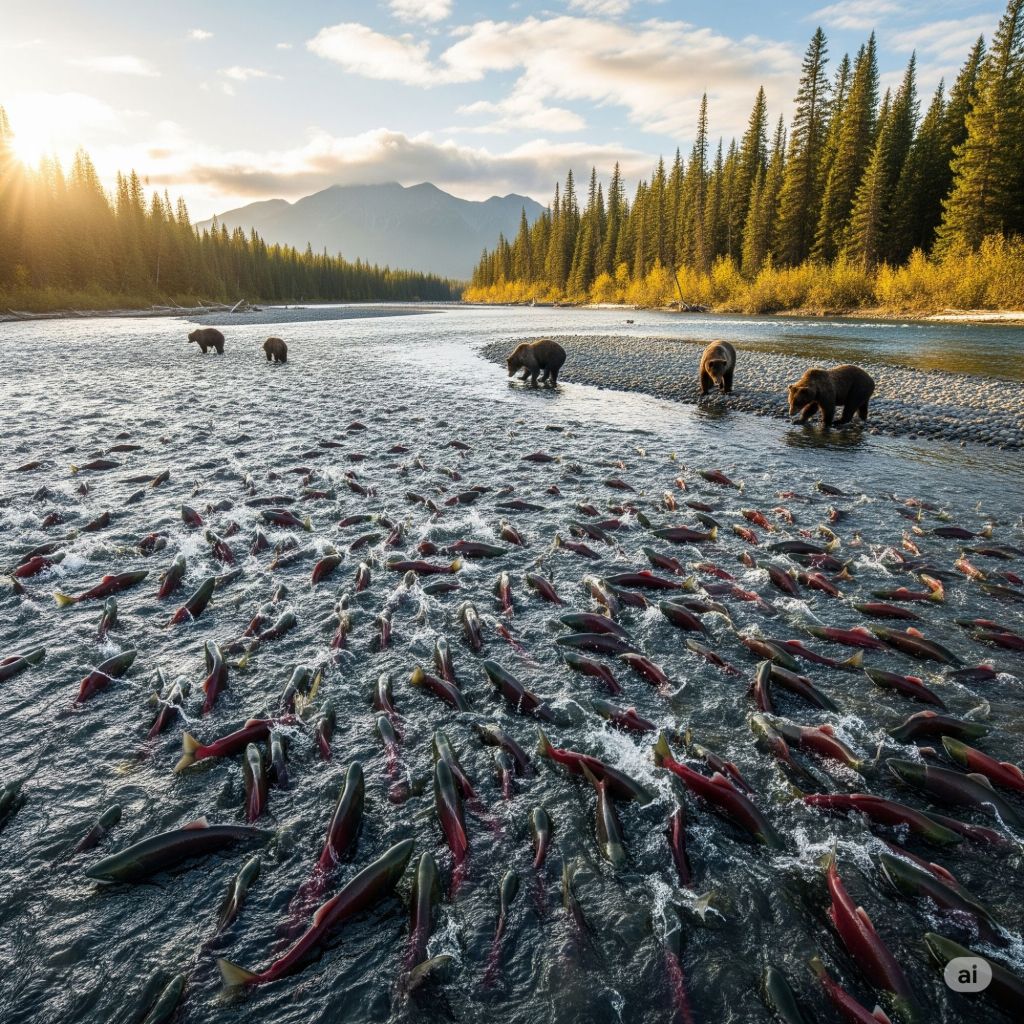
Fish return
Editor’s note: The government of British Columbia opened a recreational fishing season on returning salmon in the Fraser River on the 22nd of August 2025, this abundance of return is being credited to some cooler water by some sources. This brief opening is 11 Days ending on September 1st 2025. Many sources are lined up to take credit. In our view it may be a result of the rest the environment got during COVID.
You’re right, ghosting is similar to shunning, but there are some key differences. Shunning is a formal practice often used by religious groups as a form of discipline or punishment. Ghosting, on the other hand, is usually an informal act by an individual.
Is it Illegal
No, ghosting isn’t illegal, but it can definitely cause emotional distress. It’s not considered assault, but it can still be hurtful.
Hard on the personality
Yeah, ghosting can be really tough on some people. It can lead to feelings of rejection, confusion, and even lower self-esteem. In some cases, it can trigger anxiety or depression, especially if there were already some underlying mental health issues.
Is it a method appropriate
You are not likely to be the only judge on that. We believe that it could range from overbearing dominance to just simple withdrawal. Honesty in all things always reduces complicated rhetoric.
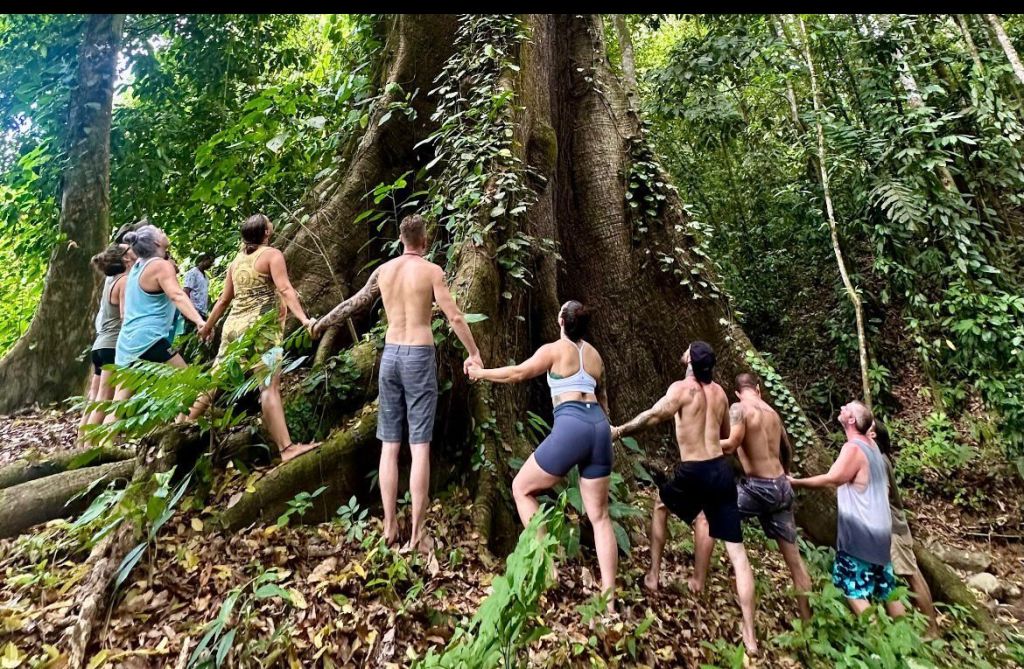
Based on the search results, I can now answer all parts of the user’s query. Modern Tree Culture Modern tree culture, or the modern view of trees, is multifaceted. Trees are valued for their ecological benefits, such as sequestering CO2, enriching soil, and creating habitats. They are also integral to modern landscape design, where their aesthetic qualities and ability to define spaces are utilized. On a deeper level, trees continue to be powerful cultural symbols in art, literature, and environmental movements, representing growth, resilience, and the interconnectedness of life. They are also seen as vital for human well-being, providing sanctuaries for mental health and a connection to nature. Distinction from Celtic and Druidic Tree Culture The distinction between modern and ancient Celtic/Druidic tree culture lies primarily in the spiritual and religious significance of trees. * Celtic/Druidic Culture: Trees were considered sacred, sentient beings and were central to spiritual practices. Certain trees like the oak, ash, and hazel were revered as embodying wisdom, life, and a connection to ancestors. The word “Druid” itself may be derived from the Celtic word for oak, “deru.” Sacred groves were places of worship, and specific trees were believed to have magical or divine properties, used for divination, healing, and protection from evil spirits. Felling a sacred tree was a serious offense, sometimes a symbol of a rival clan’s demoralization. * Modern Culture: While trees are still seen as symbolic and spiritually significant to some, this view is not a dominant part of mainstream society. The modern appreciation for trees is more rooted in science, ecology, and aesthetics. The focus is on their role in mitigating climate change, improving air quality, and supporting urban life, rather than their use in specific religious rites or as literal dwellings for spirits. The Good, the Bad, and the Evil The search results interpreted the user’s query about “deep tree culture” in a more literal and horticultural sense, but also provided information that can be applied to the symbolic and cultural aspects. Good: * Environmental: Trees are crucial for creating habitats, enriching soil, and managing water. They sequester carbon, reduce urban heat, and lower energy consumption. * Aesthetic & Personal: Trees define outdoor spaces and are a source of beauty and inspiration in art. They are shown to improve emotional health and provide a calming experience. * Symbolic: The “Tree of Life” motif, found in many cultures, represents a unifying idea of creativity and the interconnectedness of all life. Trees symbolize personal growth, resilience, and stability. Bad: * Horticultural: The “bad” aspects are largely practical. Planting trees too deep can kill them by smothering roots. Improper planting and soil compaction can stunt growth and make trees susceptible to disease and wind damage. * Urban & Public Health: Urban trees can have negative effects, such as emitting volatile organic compounds (VOCs) that contribute to smog during heat waves, or their roots can damage pipes and foundations. Some trees can also be a source of allergens. Evil: The concept of “evil” in “deep tree culture” is not addressed in a literal sense by the search results. However, from the historical Celtic context, the practice of a rival clan destroying an enemy’s sacred tree was a demoralizing act of spiritual violence. In this sense, an act of destroying something deeply sacred to a culture or people could be seen as an act of evil within their belief system.
There are issues about transporting weeds and other contaminates check with local authorities before trouble brews.
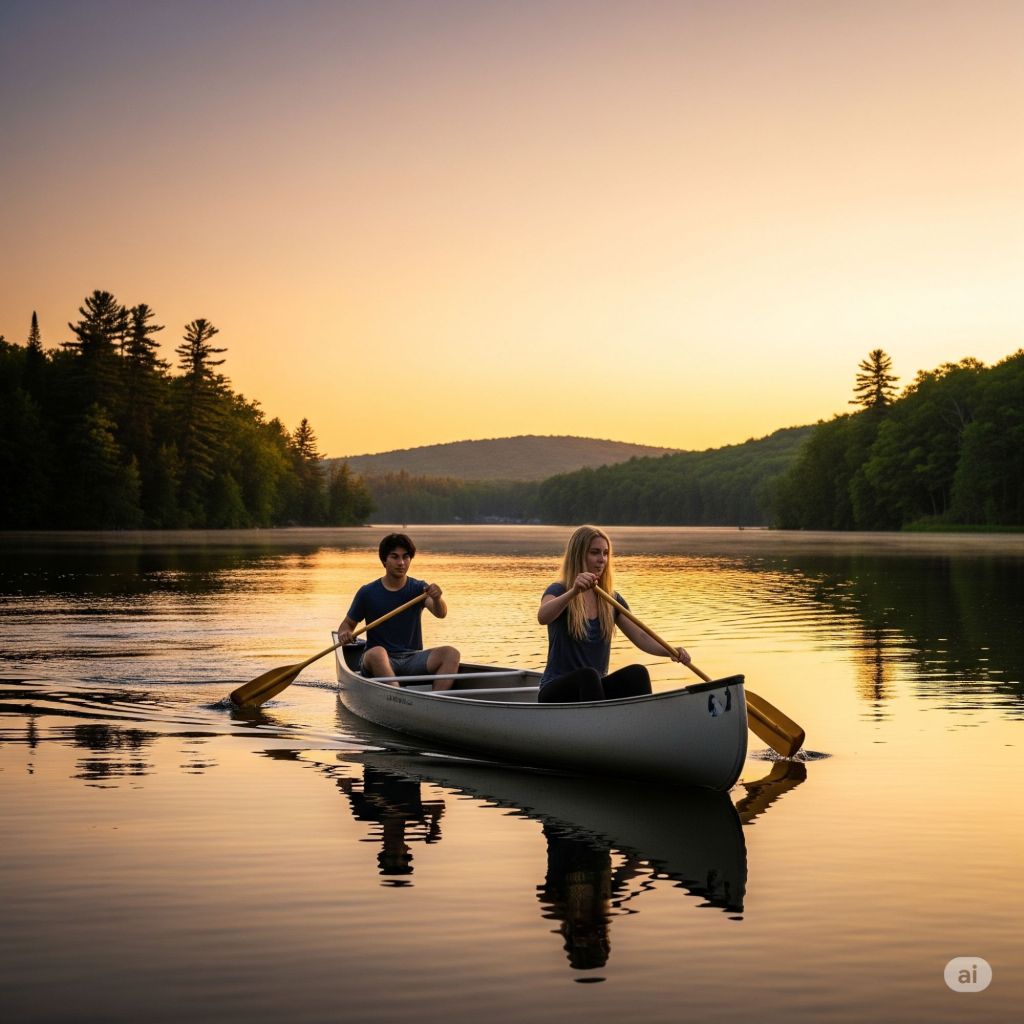
Canoe “I just deliver them-driver.”
Big Canoe
Regulated
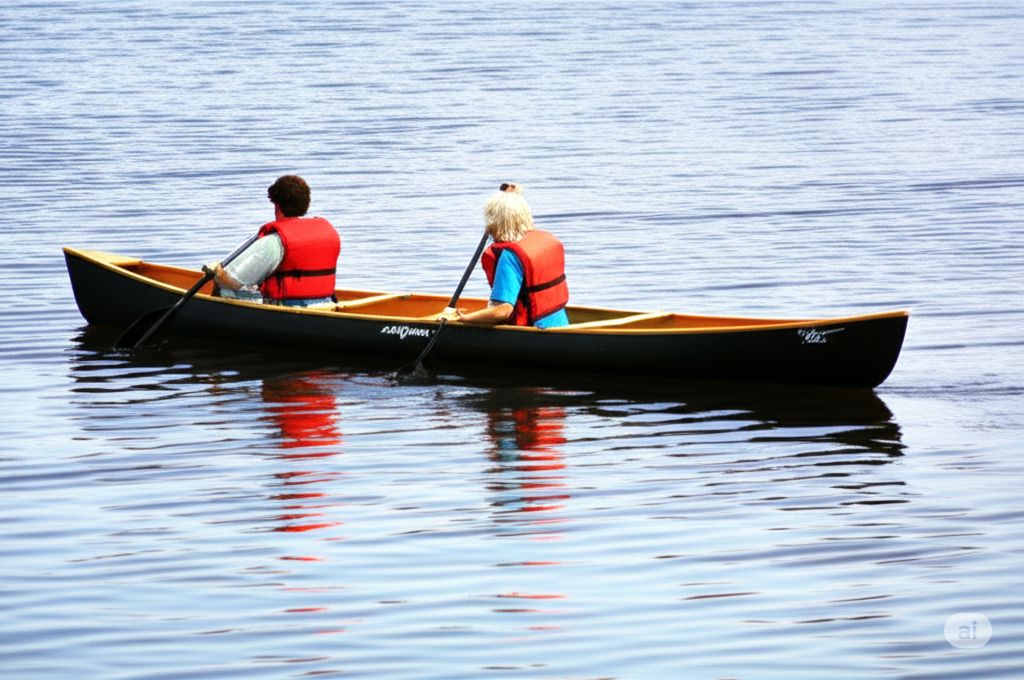
One personal floatation device for every person required. Read on….
The regulations for canoeing in Alberta are primarily governed by Transport Canada’s Small Vessel Regulations, as boating safety is a federal responsibility in Canada. Alberta also has specific regulations regarding aquatic invasive species. Here’s a breakdown of what canoes need in Alberta: Flotation Devices (Life Jackets/PFDs) * One life jacket or Personal Flotation Device (PFD) for each person on board. This is a non-negotiable requirement for all watercraft, including human-powered ones like canoes. * Canadian-approved: The life jacket or PFD must be Canadian-approved. There are three main types: * SOLAS (Safety of Life at Sea) lifejackets: High-performance, approved for all vessels, turn you on your back even if unconscious. * Standard Type lifejackets: Approved for all vessels except SOLAS, also turn you on your back even if unconscious. * Small Vessel lifejackets: Approved for small vessels. * Proper Fit: It’s crucial that the life jacket or PFD fits snugly and correctly. For children, it should not ride up over their chin or ears, and there should be less than 7.6 cm (3 inches) between their shoulders and the device. * Condition: Ripped or poorly conditioned flotation devices are not considered approved. * Inflatable PFDs: Inflatable PFDs are prohibited for people under 16 years of age or who weigh under 36.3 kg (80 lbs.), and for operators of personal watercraft. Paddle Equipment and Other Required Safety Gear
Measure your boat for the activity requirements.
For canoes up to 6 meters (19’8″) in length, you generally need the following, in addition to life jackets/PFDs: * Buoyant Heaving Line: A buoyant heaving line at least 15 meters (50 feet) long. * Bailing Device: A bailer or a manual bilge pump. (Note: Not required for craft with watertight compartments that won’t allow the craft to hold enough water to capsize). * Sound Signalling Device: A sound signalling device (like a pea-less whistle for human-powered craft). * Reboarding Device (if applicable): A reboarding device (like a ladder) is required unless the vertical height to climb to reboard the pleasure craft is not more than 0.5 meters. * Navigation Lights (if applicable): If you are operating after sunset and before sunrise or in periods of restricted visibility, you need navigation lights. For a canoe, a single light (like a watertight flashlight, lantern, or torch) is sufficient. Additional Recommendations and Important Considerations * Spare Paddle: It’s always recommended to have one paddle per person in the canoe plus a spare. * Watertight Flashlight: While sometimes covered by navigation light requirements, a watertight flashlight is always a good idea, especially for low-light conditions. * First Aid Kit: Although not explicitly listed as mandatory for all canoes by Transport Canada, it’s highly recommended to carry a first aid kit. For guided excursions, specific first aid kit requirements apply. * Helmet: For river paddling, especially on Class 3 or above waters (whitewater), a helmet of an appropriate size is required. Paddle Canada also requires helmets on all Class II and above waterways for sanctioned courses and participants. * Aquatic Invasive Species (AIS) Regulations: Alberta has strict regulations to prevent the spread of aquatic invasive species, such as zebra and quagga mussels. * Drain Plugs: All watercraft must have their drain plugs pulled while being transported on Alberta highways. Failure to do so can result in a significant fine. * Watercraft Inspections: When highway signage indicates a watercraft inspection station is open, all watercraft (motorized and non-motorized) being transported must stop for inspection. Bypassing an open station with a watercraft is a serious violation. * Clean, Drain, Dry, and Certify: Before entering a new waterbody, you are required to clean, drain, and dry your watercraft and all water-related gear. In some areas, like Banff National Park, you may need to obtain an AIS prevention self-certification permit. * No “Boating License” for Canoes (unmotorized): You do not need a Pleasure Craft Operator Card (often referred to as a “boating license”) to operate a human-powered craft like a canoe, unless it is fitted with a motor (even an electric trolling motor). * Alcohol Consumption: Operating a boat while under the influence of alcohol or drugs is a criminal offense. Alcohol consumption is generally restricted on board unless the boat has a sleeping area, cooking facilities, or a toilet, or is docked. It’s always a good idea to consult the Transport Canada Safe Boating Guide and the Alberta.ca website for the most current and detailed information on regulations. These resources provide comprehensive lists and explanations of safety equipment and rules.
The Black Swift (Cypseloides niger) is a fascinating and somewhat mysterious bird, particularly in its Canadian range. Range in British Columbia, Canada The Black Swift’s breeding range in Canada is primarily restricted to southern British Columbia and southwestern Alberta. In BC, they are distributed from the southern portion of the province, including Vancouver Island, north to Prince George and Hazelton in the upper Skeena Valley. They are common throughout Vancouver Island, though not yet reported from the Queen Charlotte Islands. Despite their large range extent in BC, their numbers have declined significantly, with at least 50% experienced over the last three generations. Favorite Nesting Areas Black Swifts are known for their highly specialized nesting habits. They prefer to nest in inaccessible, high cliff faces, often behind or near waterfalls and in sea caves. These locations provide them with cool temperatures, shade, and high humidity, while also protecting their nests from terrestrial predators. Key characteristics of their preferred nesting sites include: * Near waterfalls or sea caves: The spray from waterfalls helps maintain a cool and moist environment. * Dark and inaccessible ledges: They choose niches that remain cool, moist, and dark all day, hidden from light and predators. * Moss available for nesting material: Their nests are typically made of twigs and moss glued together with mud. They will also use ferns and seaweed if available. * Unobstructed aerial access: They need clear flyways immediately in front of the nests. * High relief: Nests are often in a commanding position above the surrounding terrain, allowing birds to fly out horizontally and directly reach feeding altitudes. Some known nesting sites in British Columbia are found in national parks like Kootenay National Park (Marble Canyon has the largest known population in the mountain national parks) and potentially in Yoho National Park (e.g., Hamilton Falls, Laughing Falls, Twin Falls). Test for a Nest Black Swift nests are notoriously difficult to locate due to their remote and often hidden locations. However, a nest can be identified by: * Its location: On a cliff face, often behind a waterfall or in a sea cave, in a cool, moist, and dark niche. * Construction: A cup-shaped nest made of twigs and moss, possibly with mud, ferns, or seaweed. * Single egg: Black Swifts lay only one egg per breeding season. * Behavior of adults: Adults will return to the nest at dusk to feed their nestling. Surveys for Black Swifts are often conducted in the two hours before sunset until dark, as this is when they return to their roosting and nesting sites. Federally Protected? Yes, the Black Swift is federally protected in Canada. * It was assessed as Endangered by the Committee on the Status of Endangered Wildlife in Canada (COSEWIC) in 2015. * In 2019, the species became federally protected under the Species at Risk Act (SARA). * It is also protected under the Migratory Birds Convention Act, 1994. * Within national parks, it is additionally protected under the National Parks Act. It is illegal to disturb Black Swifts and their occupied or unoccupied nests, with significant penalties for violators. How Long Can a Black Swift Fly Without Coming Down? While there’s a related common swift that holds the record for continuous flight (up to 10 months), information specific to how long a Black Swift can fly without coming down isn’t as readily available or definitively documented. However, like other swifts, Black Swifts are highly aerial birds. They spend most of their time in the air, foraging for insects on the wing, and only land at their nest site or roost. They are known to fly with steady and shallow wingbeats, covering vast distances during migration. While they may not have the documented 10-month flight record of their European common swift cousins, they are certainly built for prolonged periods in the air.
Nesting needs clear access to flight for the Swift.
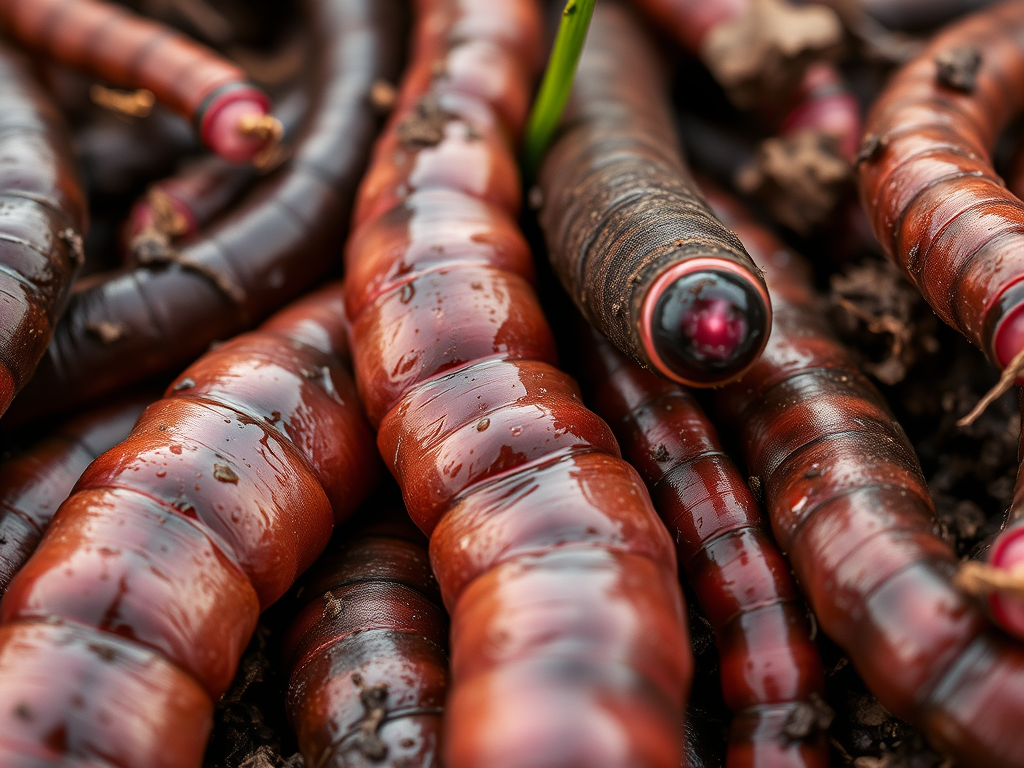
Earthworms are incredibly beneficial for our environment, gardens, and lawns. They are often called “nature’s engineers” due to their significant impact on soil health. Here’s a breakdown of the many advantages they offer:For Soil Health and Fertility: * Nutrient Cycling and Fertilization: Earthworms consume dead organic matter like leaves, grass clippings, and plant debris. As this material passes through their digestive system, it breaks down and becomes highly concentrated with essential nutrients (like nitrogen, phosphorus, and potassium) in their excretions, known as “castings” or “worm poop.” These castings are a natural, nutrient-rich fertilizer readily available for plants. * Organic Matter Decomposition: By ingesting and breaking down organic matter, earthworms accelerate its decomposition, preventing the buildup of thatch in lawns and making nutrients locked within these materials available for plants. * Increased Microbial Activity: Earthworms foster a thriving microbial community in the soil. Their digestive systems introduce beneficial microorganisms into the soil, which are crucial for nutrient cycling and overall soil biological activity. * Improved Soil Structure and Aggregation: As earthworms burrow, they create tunnels that loosen and aerate the soil. This prevents soil compaction and creates a more porous structure. Their castings also help to bind soil particles together, forming stable aggregates that improve soil tilth and stability.For Water Management: * Enhanced Water Infiltration and Drainage: The tunnels created by earthworms act as channels, allowing water to penetrate the soil more easily and deeply. This significantly improves drainage, reducing waterlogging and runoff, which in turn helps prevent erosion and flooding. Soils with earthworms can drain up to 10 times faster than those without. * Improved Water Retention: The improved soil structure with better aggregation allows the soil to hold onto moisture more effectively, making water more accessible to plant roots.For Plant Growth: * Deeper Root Penetration: The tunnels created by earthworms provide pathways for plant roots to grow deeper into the soil, allowing them to access more water and nutrients. * Increased Plant Productivity: By enhancing nutrient availability, water infiltration, and soil structure, earthworms directly contribute to healthier and more robust plant growth. Studies have even shown that earthworms can contribute significantly to global grain and legume production.Other Environmental Benefits: * Bioremediation: Earthworms can help clean up contaminated land by spreading microorganisms that break down environmental pollutants into non-toxic molecules. * Food Source: Earthworms are a vital part of the food web, serving as a food source for many animals, including birds and small mammals. * Indicators of Soil Health: A healthy population of earthworms in your soil is often a good indicator of overall soil health, as they thrive in moist, organic-rich environments.In summary, earthworms are indispensable allies in maintaining healthy, fertile soil. Their presence in our gardens, lawns, and natural environments is a strong indicator of a thriving ecosystem, contributing to robust plant growth, efficient water management, and natural nutrient cycling.
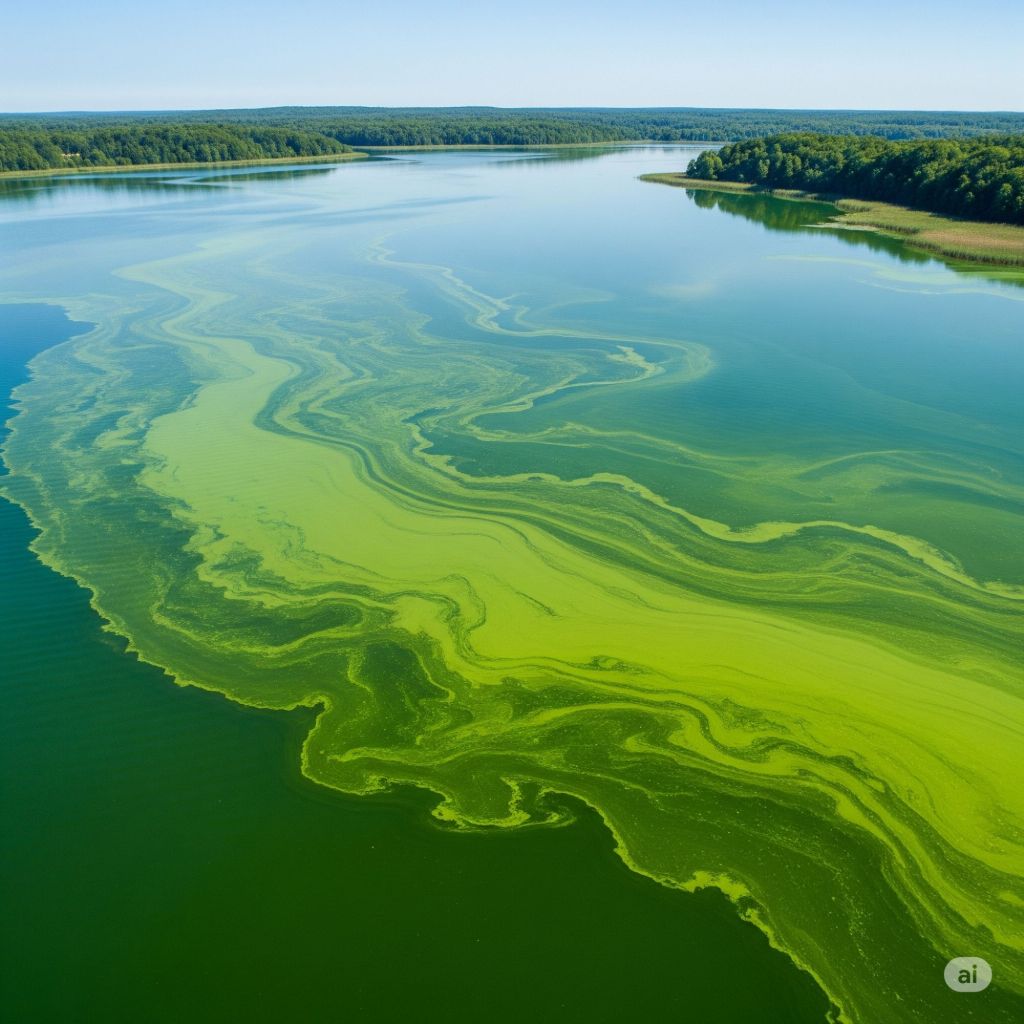
Warm and low water levels make for rapid toxicity.
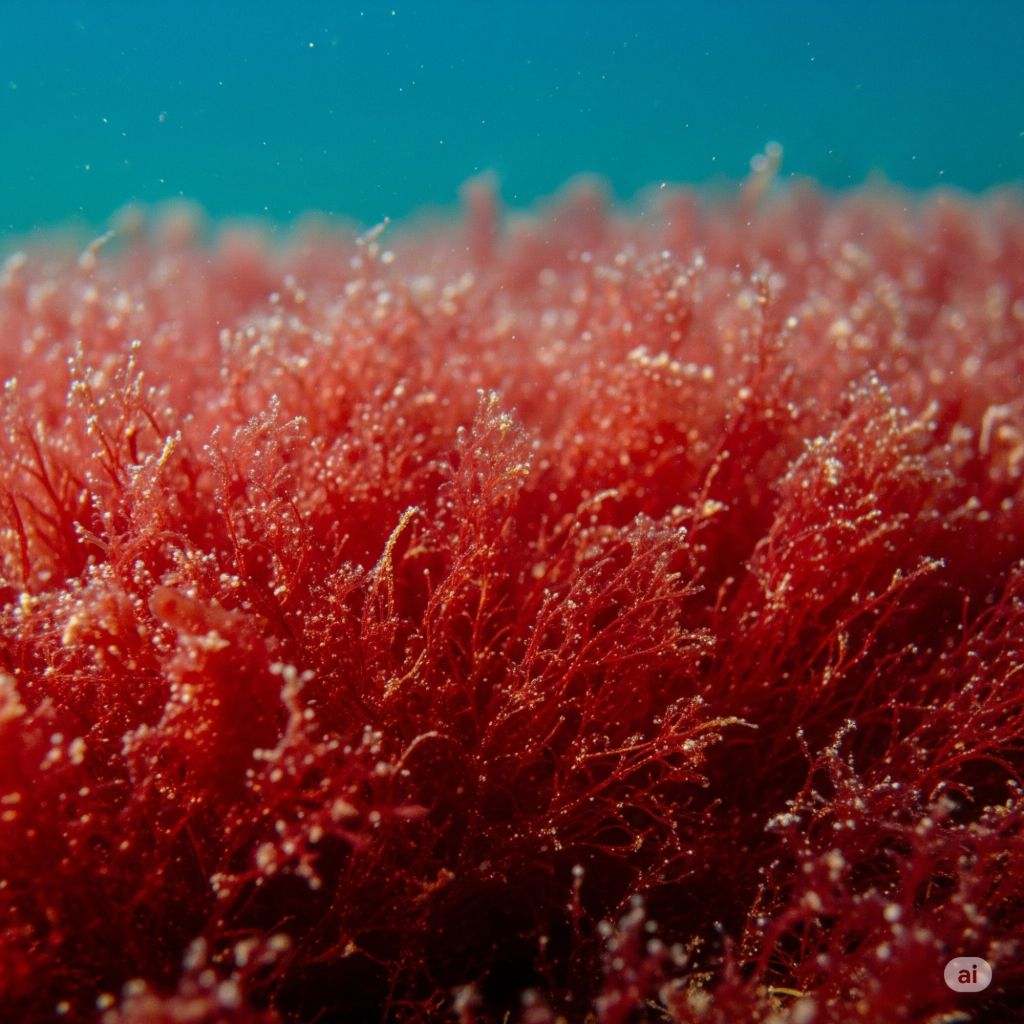
Blue green and red, the red can photosynthesize in deeper water.
As of late June 2025, there are current advisories and responses in place for algae blooms on Nicola Lake, near Merritt, BC. Here is a summary of the situation and the responses from local authorities: Algae Bloom Advisories and Status: * Current Advisories: BC Parks and Interior Health are currently advising the public about potential blue-green algae blooms on Nicola Lake. Visitors are urged to use caution and avoid direct contact with any visible blooms. * Water Activity Discouragement: Water activities like swimming are discouraged in areas where blooms are present. * Previous Closures: It’s important to note that Nicola Lake has a history of toxic algae blooms, with advisories and beach closures occurring in previous years. For example, advisories and closures were in place in July 2023 due to the presence of cyanobacterial toxins. These advisories were lifted once water samples tested negative for toxins. * Monitoring: The First Nations Health Authority and Interior Health continue to monitor Nicola Lake, as well as nearby lakes like Douglas Lake and Chapperon Lake, for algae blooms. Responses and Recommendations: * Avoid Contact: The primary recommendation from health authorities is to avoid any contact with the water if you see a bloom. This includes swimming, boating, and waterskiing. * Rinse Off: If you do come into contact with the water, rinse your body with clean water immediately. * Drinking Water: If you use Nicola Lake as a source of drinking water, you should use an alternate source, such as bottled water. Boiling the water will not remove the toxins. * Pets and Livestock: Use an alternate drinking water source for pets and livestock as well. * Symptoms: Exposure to cyanobacteria toxins can cause symptoms such as dizziness, cramps, diarrhea, skin rash, and mouth blisters. If you or your pet show these symptoms, contact a physician or veterinarian immediately. * Citizen Science: The BC Algae Watch program encourages the public to report algae bloom sightings, which helps experts monitor and understand their occurrence. * Continued Monitoring: Interior Health and BC Parks continue to monitor the situation and will update the public as required. They have a public beaches website where they post current advisories and closures. * Foreshore Management: In a long-term effort to improve the health of Nicola Lake, the Upper Nicola Indian Band and Living Lakes Canada have been collaborating on foreshore management and monitoring projects, using both scientific data and Indigenous knowledge to guide their work. What is an Algae Bloom? Algae blooms are a natural phenomenon, but their frequency and severity can increase due to factors like excessive nutrient loading and warmer water temperatures. The blooms in Nicola Lake are often caused by cyanobacteria, also known as blue-green algae. While some algae are harmless, cyanobacteria can produce toxins that are harmful to people, pets, and livestock. These blooms can look like pea soup, have a paint-like appearance, or form thick scums on the water’s surface, and they can produce a strong, unpleasant odor.
Dog death, Nicola Lake
There are reports of at least one dog’s death and its exposure was not that long and its contraction of bacteria fairly rapid. This is the recent weekend, first of July.
Red tide and red algae
Red algae, also known as Rhodophyta, are a diverse group of mostly marine macroalgae (seaweeds) that get their characteristic red color from pigments called phycobiliproteins, particularly phycoerythrin. This pigment allows them to absorb blue light, which penetrates deeper into the ocean, enabling them to photosynthesize at greater depths than most other algae. They play crucial roles in marine ecosystems, including contributing to reef formation. Some species, like Nori (Porphyra) and Dulse (Palmaria palmata), are consumed as food, while others are used to produce industrial products like agar and carrageenan due to their gelling and thickening properties. Toxicity: Red Algae vs. Blue-Green Algae When discussing toxicity, it’s important to distinguish between “red algae” as the broader group (Rhodophyta) and “red tide,” which is a specific type of harmful algal bloom (HAB) often caused by certain dinoflagellates. While some red algae can be consumed safely, “red tide” blooms are often associated with toxins. Here’s a comparison of toxicity between “red tides” (often caused by dinoflagellates, sometimes referred to as red algae due to their color) and blue-green algae (cyanobacteria): * Blue-green algae (Cyanobacteria): These are a common cause of harmful algal blooms in freshwater environments (lakes, rivers). They produce toxins called cyanotoxins, which can affect the liver (microcystins), nervous system (anatoxins), or skin. Exposure can lead to symptoms like skin irritation, gastrointestinal issues, and in severe cases, liver damage or neurological problems. Animals and humans can get sick by touching, swallowing, or inhaling contaminated water. * Red Tides (Dinoflagellates and some Diatoms): These are the most common cause of harmful algal blooms in saltwater environments. While they can sometimes be caused by dinoflagellates that are red or brown, they are not typically from the larger group of red algae (Rhodophyta). The toxins produced vary by species but can include: * Brevetoxins (from Karenia brevis): Cause neurotoxic shellfish poisoning, leading to gastrointestinal and neurological symptoms, and respiratory irritation when airborne. * Saxitoxins (from Alexandrium species): Cause paralytic shellfish poisoning, which can be severe and life-threatening, affecting the nervous system and leading to paralysis. * Domoic acid (from Pseudo-nitzschia species, a diatom): Causes amnesic shellfish poisoning, which can lead to gastrointestinal and neurological symptoms, including memory loss. Which is “more toxic”? It’s difficult to definitively say which is “more” toxic as the severity of illness depends on the specific toxin, the concentration of the bloom, and the level of exposure. Both blue-green algae and the organisms causing red tides can produce highly potent toxins that can cause severe illness or death in humans and animals. Key takeaways: * Red algae (Rhodophyta), as a general group, are diverse, and many species are harmless and even consumed as food. * “Red tide” refers to harmful algal blooms in saltwater, often caused by dinoflagellates or diatoms, which can produce dangerous toxins. These are distinct from the broader category of red algae. * Blue-green algae (cyanobacteria) are a major concern for harmful blooms in freshwater and can also produce potent toxins. In any case where there’s suspected algal bloom, it’s crucial to avoid contact with the water and follow local advisories, as you cannot tell if a bloom is toxic just by looking at it.
Canadian independence from the US, need and globalization has the agenda from ecology preservation – Suzuki.
New PM talking pipelines
Dr. Suzuki is concerned that the well-being of Canada’s been hijacked or is being hijacked and that the current government along with it has backed away from unnecessary emphasis on the environment.
Extinction of creatures, two generations.
A human generation is generally considered to be about 20-30 years, with recent research suggesting an average of around 27-30 years. Therefore, “two human generations” would refer to a period of roughly 40-60 years. It’s incredibly difficult to give an exact number of creatures that have gone extinct in such a recent timeframe due to several factors: * Many species are undiscovered: Scientists estimate there are millions of species on Earth yet to be identified, especially in lesser-explored environments like deep oceans or rainforests. Many could go extinct before we even know they exist. * Difficulty in confirming extinction: It can take many years, even decades, of no confirmed sightings before a species is officially declared extinct. * Varying definitions of “creature” or “species”: This can include everything from insects and fungi to large mammals, and the data available often focuses on more well-known or charismatic species. However, scientific consensus indicates that we are currently in the midst of a sixth mass extinction event, driven primarily by human activities. The current extinction rate is estimated to be 1,000 to 10,000 times higher than the natural background rate. While precise numbers for the last 40-60 years are hard to pinpoint, some reports highlight the alarming trends: * Some estimates suggest that dozens to hundreds of species go extinct every day, though this often includes unconfirmed or localized extinctions. * The World Wildlife Fund’s Living Planet Index reported a 73% decline in the average size of global wildlife populations in just 50 years (between 1970 and 2020), which indicates widespread biodiversity loss even if not all species are officially declared extinct. * A 2019 UN report stated that around 1 million animal and plant species are now threatened with extinction, many within decades. It also noted that at least 680 vertebrate species had been driven to extinction since the 16th century. In summary, while a precise number is elusive, the scientific community overwhelmingly agrees that a significant and alarming number of creatures have gone extinct in the last two human generations, and the rate of extinction is accelerating due to human impact.
The reign of crime is always an investigation away…
Sherlock Holmes, the iconic detective created by Sir Arthur Conan Doyle, epitomizes the art of deduction and forensic investigation. With unparalleled observational skills and a deep understanding of human psychology, Holmes represents the ideal detective mentality that provides a shield against criminal masterminds.
Holmes’s methods hinge on the meticulous gathering of evidence and the ability to interpret seemingly trivial details. His famous phrase, “When you have eliminated the impossible, whatever remains, however improbable, must be the truth,” encapsulates the scientific approach he applies to uncovering the truth. This method not only allows him to solve intricate cases but also serves as a deterrent to criminals who underestimate the capabilities of law enforcement and the intelligence of dedicated detectives.
The detective mentality exemplified by Holmes emphasizes several key traits:
Attention to Detail: Detectives observe their surroundings meticulously, recognizing patterns and anomalies that can lead to the identification of a perpetrator.
Logical Reasoning: Holmes is known for his logical approach to solving crimes, often laying out a clear path from evidence to conclusions, which helps in dismantling convoluted criminal schemes.
Understanding Human Behavior: Holmes’s insights into human motivations and behaviors help him predict and outmaneuver criminals, highlighting the psychological aspect of crime prevention.
Collaboration: Holmes does not work in isolation; his partnership with Dr. Watson exemplifies the importance of collaborative efforts in tackling crime.
Through the lens of Holmes, we see how a sharp mind and logical reasoning can not only unearth criminal activity but also foster a sense of security within the community, reinforcing the belief that justice can prevail even in the face of cunning minds.







 Kevin Griffiths
 percypaschal
 The Proprietor Review