Category: Fish


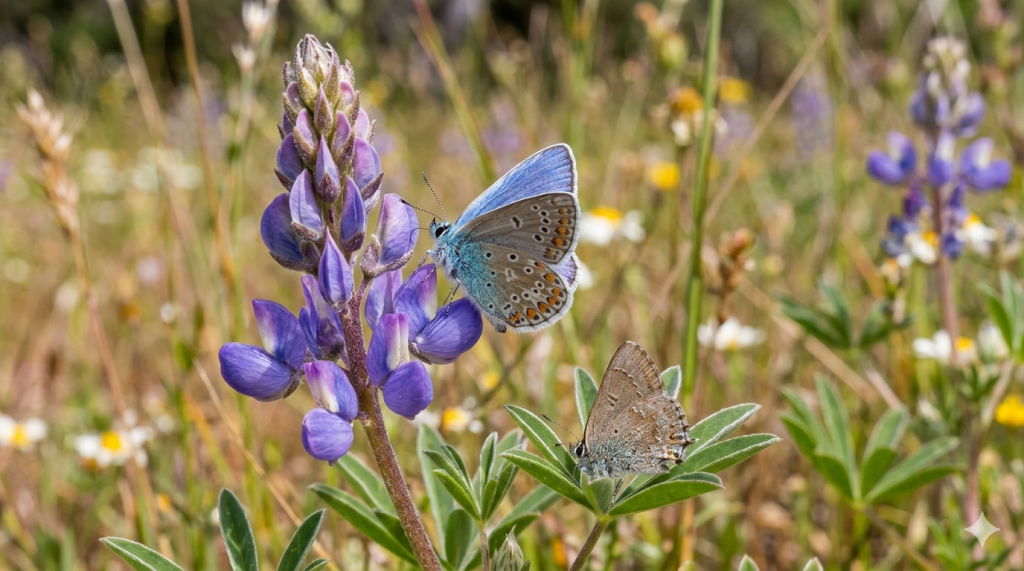
Karner Blue & Frosted Elfin Butterflies

Gone extinct

Canadian extinctions in the last 50 years.

While Canada hasn’t lost any high-profile megafauna like grizzly bears or caribou entirely to global extinction in the last 50 years, several unique, localized species and distinct populations have completely vanished from the country.

### 1. Globally Extinct

(Gone Forever)These unique creatures only existed in specific Canadian habitats and are now completely lost to the world: * **The Hadley Lake Sticklebacks (Extinct c. 1999):** This was a fascinating “species pair” (two distinct but closely related species, the Benthic and Limnetic sticklebacks) that lived side-by-side exclusively in Hadley Lake on Lasqueti Island, British Columbia. Discovered in the 1980s, they were entirely wiped out within a decade after someone illegally introduced predatory catfish into the lake. * **The Banff Longnose Dace (Extinct c. 1986):** This tiny, specialized freshwater fish was endemic to a single marsh fed by hot springs in Banff National Park, Alberta. A combination of factors led to its sudden demise: the introduction of invasive tropical aquarium fish, a beaver dam that restricted their movement, and chlorinated water leaking into the marsh from a nearby swimming pool.

### 2. Extirpated from Canada (Still Exist Elsewhere)

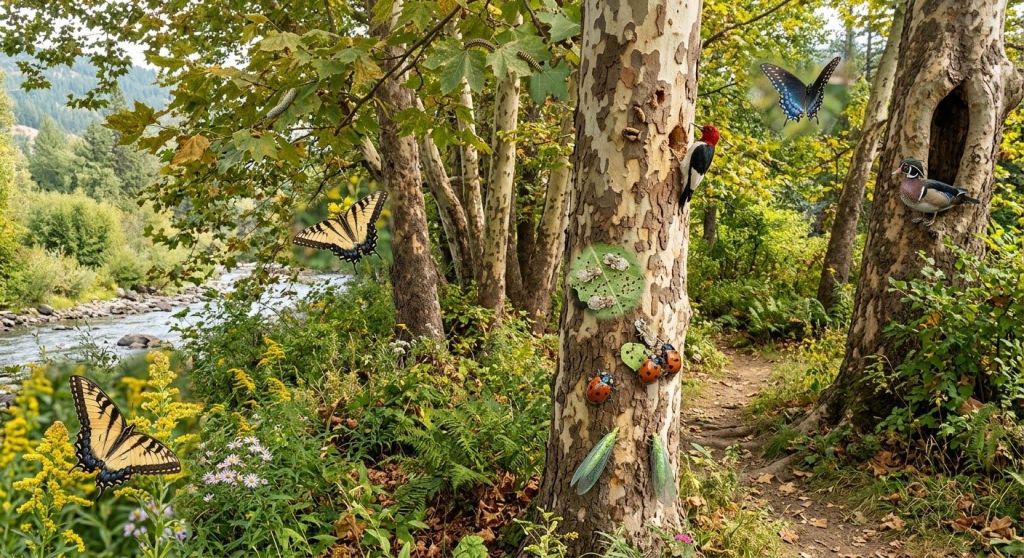
These species or distinct regional populations once thrived in Canada but can now only be found in the United States or in captive breeding programs: * **Greater Prairie-Chicken (Extirpated c. 1987):** Known for the striking, bright orange air sacs on the necks of males during their elaborate courtship dances, this large grouse once ranged across Alberta, Saskatchewan, Manitoba, and Ontario. Massive habitat loss from agriculture and over-hunting drove them completely out of Canada. * **Karner Blue & Frosted Elfin Butterflies (Extirpated c. 1991 and 1988):** Both of these small, beautiful butterflies disappeared from their native oak savannah habitats in southern Ontario. The Karner Blue vanished primarily because its caterpillars feed exclusively on wild lupine, a plant that rapidly disappeared due to land development and fire suppression. * **Black-Footed Ferret (Extirpated in the wild c. 1974):** This nocturnal predator disappeared from the Canadian prairies as its primary prey, the prairie dog, was systematically eradicated by ranchers. While technically extirpated from the wild decades ago, massive conservation efforts have since attempted to carefully reintroduce captive-bred ferrets back into Saskatchewan’s Grasslands National Park.

### 3. Recent Distinct Population Extinctions

The Committee on the Status of Endangered Wildlife in Canada (COSEWIC) also tracks distinct regional populations that disappear: * **Lake Whitefish Species Pairs (Como Lake, ON) (Extinct c. 2018):** A unique evolutionary pair of small- and large-bodied whitefish in Como Lake, Ontario, was officially declared extinct after an invasive zooplankton (the spiny waterflea) completely disrupted the local food web. * **Atlantic Walrus – Nova Scotia/Newfoundland Population (Extinct c. 2017):** While the Arctic populations of the Atlantic Walrus survive, the distinct population that once hauled out along the Atlantic coastlines of Quebec, New Brunswick, Nova Scotia, and Newfoundland was formally declared extinct by COSEWIC after failing to recover from historical commercial harvesting.

Doe ray me…

Sunny summer weather has nature humming, golden rays of reciprocal charm chocking up scores.

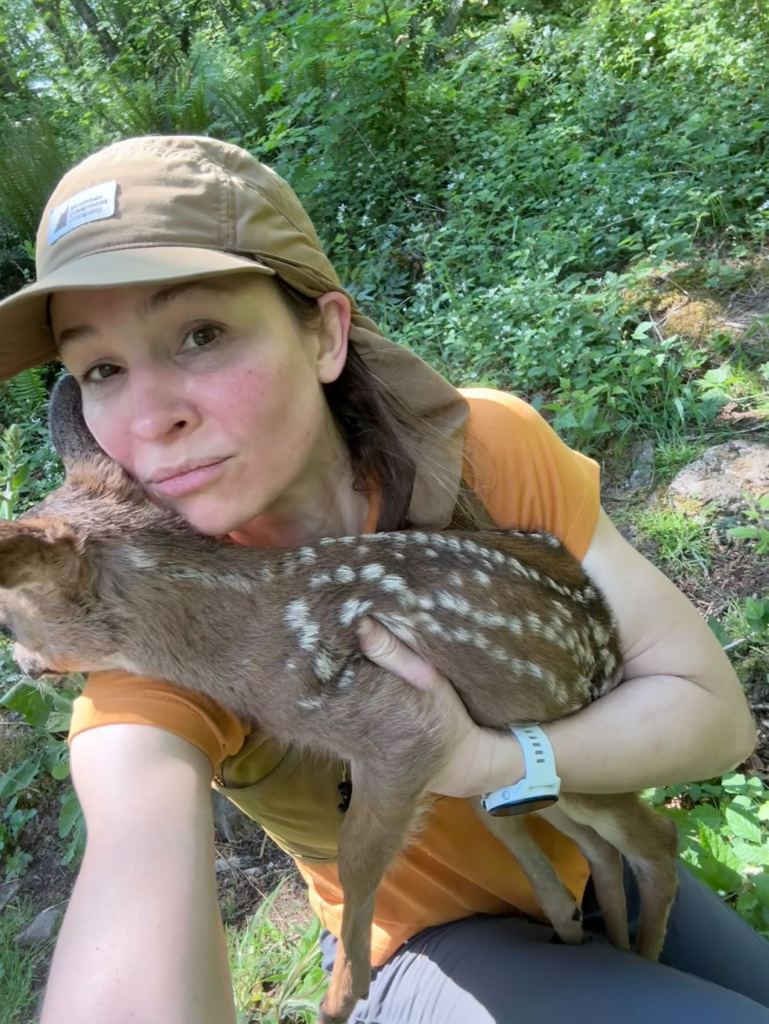
So this fawn was found near a bush with some shade. June 2nd 2026.

The finder noted that the mother was near by so placed it back to the shade leaving it for it’s returning foraging mom.

Best Practice

This is the best practice for fawns unless the are injured.

BC SPCA is a phone call away these days…

Document with film we have a naturalist blog as well, or NNS inc is available in Merritt.

Burrowing owls

7:00 p.m. NVIT top of the hill Battle Shaw avenue in Merritt.

Free parking,

Cull stayed

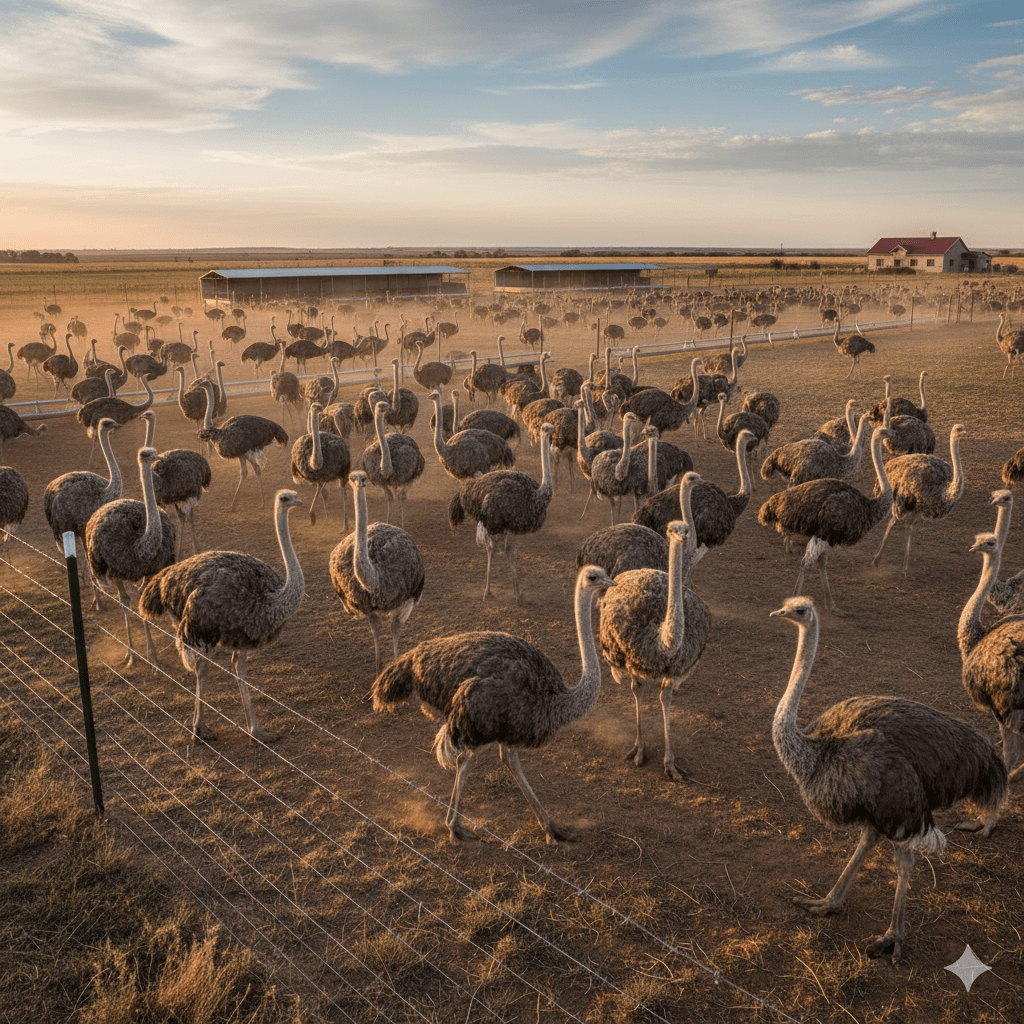
Ostriches are raised for meat, feathers and eggs and are commercial. However these bunch of hostages in the news of late were going away from that and we’re used for tourism. Coming endeared to some keepers. Wouldn’t have been, if it was just for meat.

Avian flu

This is a very serious condition that affects foul and gets into people it can be fatal to people and the closer they are the bigger population areas and more of a risk.

The cull that was ordered by the authorities has been stayed and there may be a presentation between the parties at the Supreme Court of Canada and there is a controversy over testing the remaining birds, 300 out of a possible 450 that had contacted the avian flu and are under scrutiny.

H5N1

The virus involved is H5N1, and could be a particularly concern at the start of the flu season and respiratory illness that could accompany it.

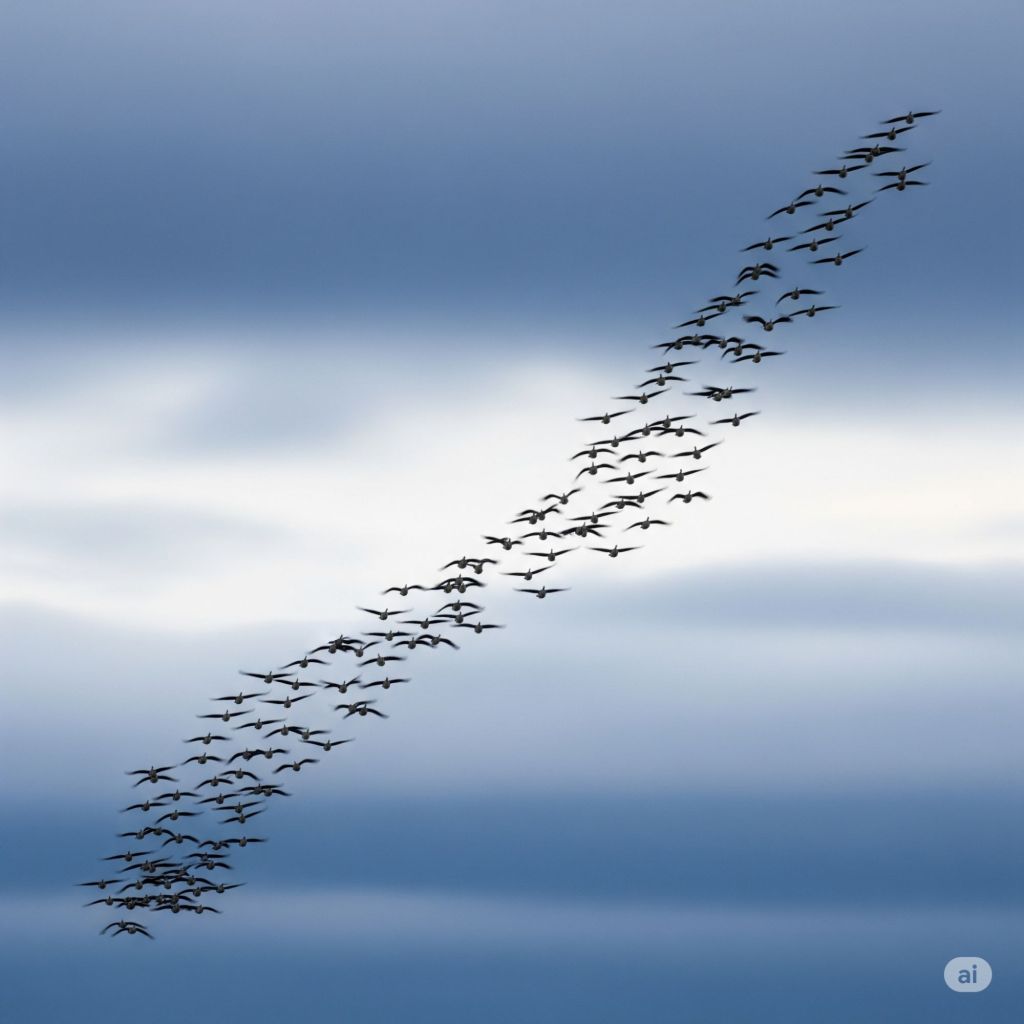
Geese seen in V formation pointed south… K

Be the K in Kind

k

So, has anybody ever asked you? Did you notice that  a formation of geese is usually longer on one side than the other, and asked yourself, why is that?

The reply is it’s “there are more geese on that side.”

So truth and reconciliation day begins with what is obvious first. The contentious next, then the punchline is  “more work will be more productive than more obvious discoveries.”

Oops new formation

https://en.m.wikipedia.org/wiki/National_Day_for_Truth_and_Reconciliation

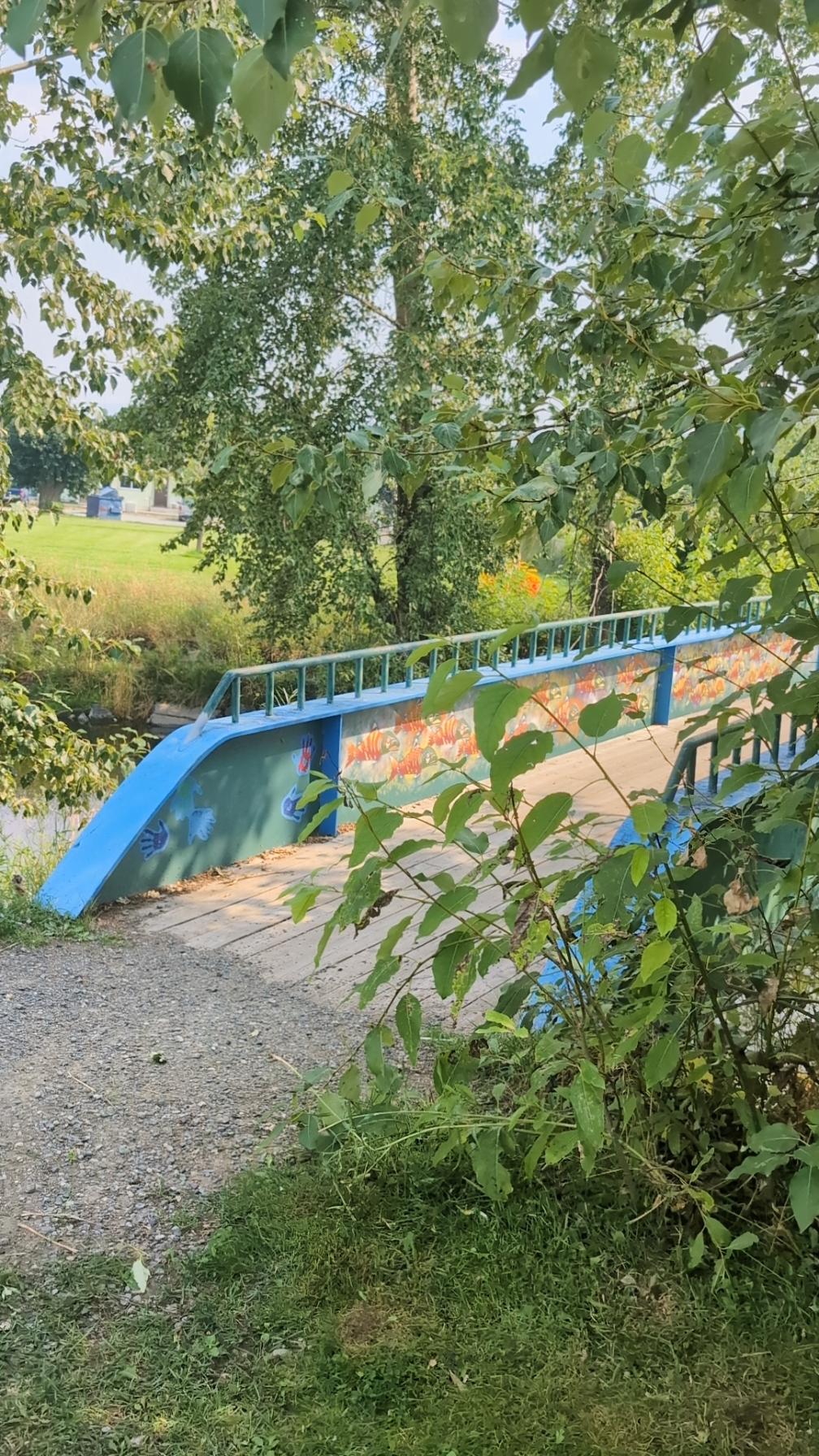
Fish in Creek, Merritt BC

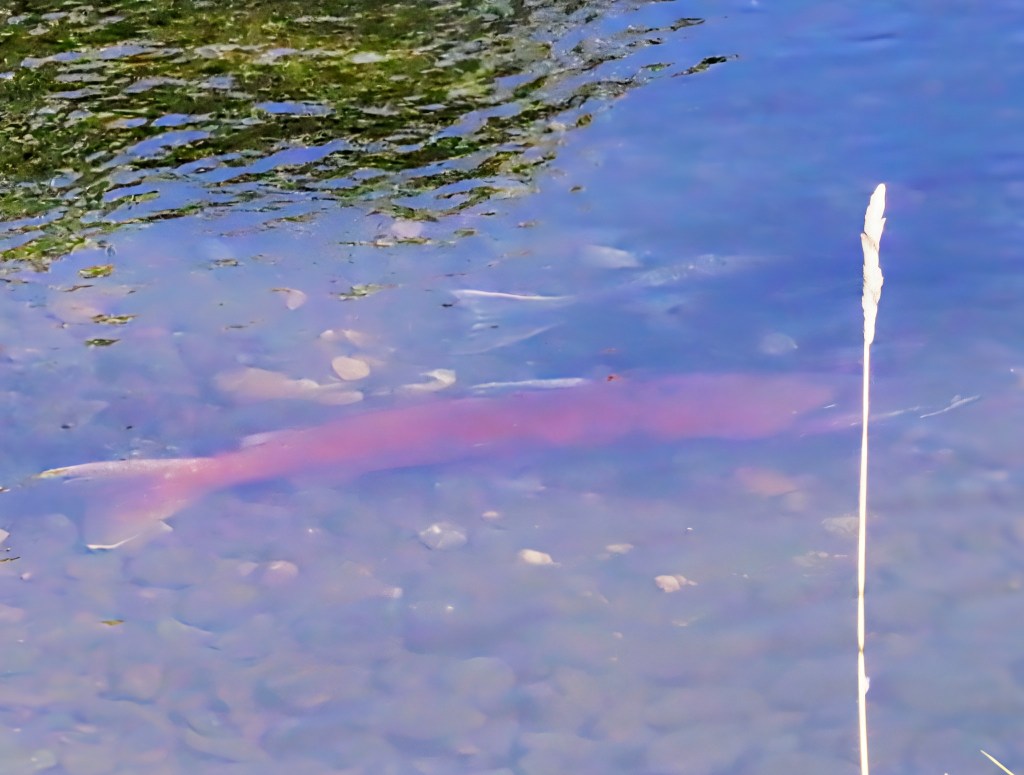
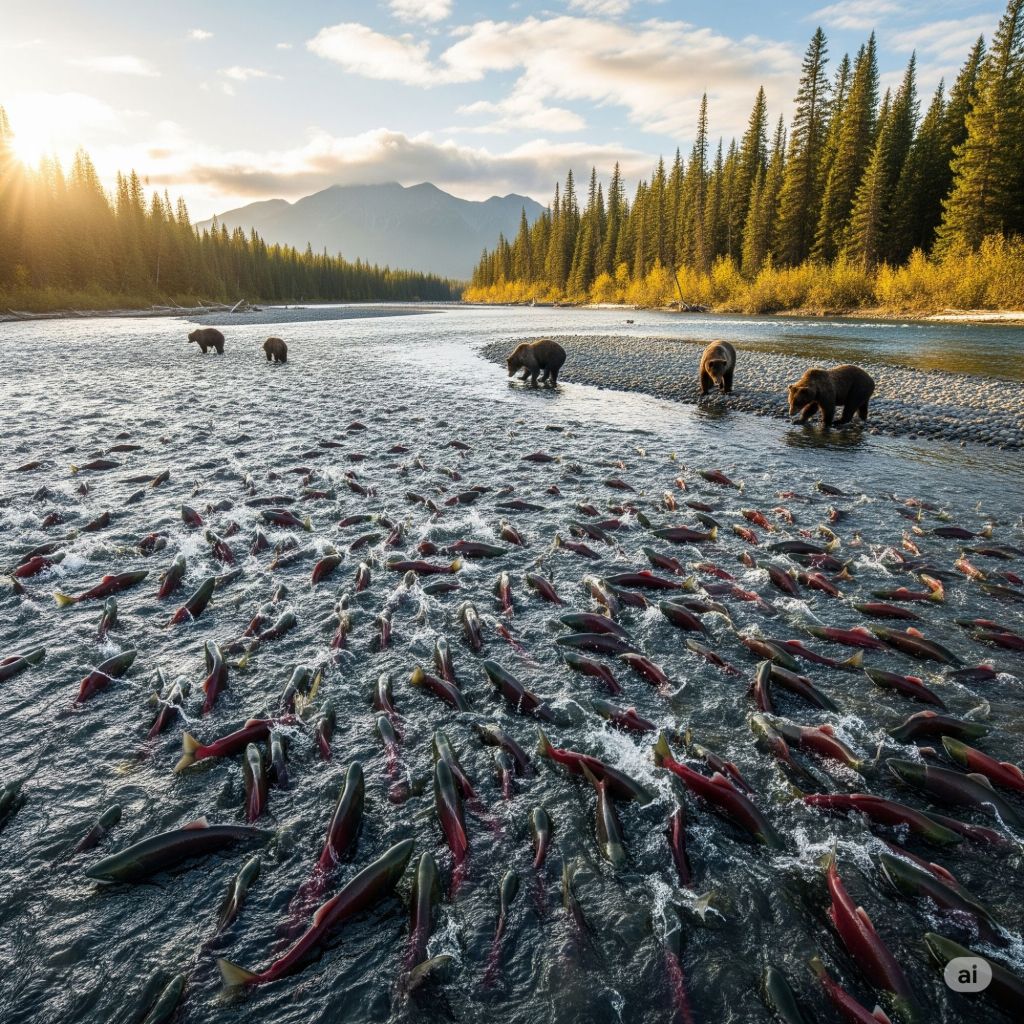
Nicola river these salmon are 200 meters up stream from the Voght St bridge.

Spawning

The salmon in the photo seem to be very lively and actively spawning.

Salmon

Photo KDG, September 21 2025, Merritt BC…

Nicola River System

The Nicola River system, located in the Thompson-Nicola region of British Columbia, is a vital watershed for several species of Pacific salmon. The annual salmon runs are not only a spectacular natural event but also a crucial part of the ecosystem and hold deep cultural significance for local First Nations.The Salmon SpeciesThe Nicola River and its tributaries support runs of several salmon species, including: * Chinook Salmon: Considered a prized species, Chinook are one of the largest and most sought-after salmon. * Coho Salmon: These are known for being a bit more elusive, which makes them a challenge for anglers. * Pink Salmon: Pink salmon are the smallest species and are known for the distinctive hump that develops on the back of the males during their spawning migration. * Sockeye Salmon: Although their presence has been less consistent in recent years, sockeye were historically a significant part of the Nicola system.The timing of the salmon runs can vary by species, but generally, the main runs occur in the late summer and early fall, as the fish make their incredible journey from the ocean to their natal spawning grounds.Environmental ChallengesThe health of the salmon runs in the Nicola River is a significant concern due to various environmental pressures. The Thompson-Nicola region is particularly susceptible to the effects of climate change, which has led to: * Drought: Lower-than-average snowpack and reduced summer rainfall can lead to low stream flows and higher water temperatures. This can trap fish in isolated pools, increase their vulnerability to predators, and cause a loss of critical habitat. * Wildfires: The increasing frequency and severity of wildfires can damage the watershed, leading to increased sediment runoff that can smother salmon eggs and alter the river’s habitat.These factors, combined with historical impacts from logging and water withdrawals for agriculture, pose a serious threat to the persistence and recovery of salmon populations.Cultural SignificanceFor the First Nations of the Nicola Valley, particularly the Nlaka’pamux and Secwepemc peoples, salmon are far more than just a food source. Salmon are an integral part of their identity, culture, and social structure. * Sustenance and Trade: For thousands of years, salmon have been a foundational food source and a key item for trade, sustaining large and vibrant communities. * Spiritual and Cultural Connection: In many traditional beliefs, salmon are considered gift-bearing relatives and are treated with immense respect. The return of the salmon each year is a powerful symbol of life, endurance, and the cyclical nature of the world. Traditional stories, songs, and ceremonies celebrate this deep connection. * Stewardship: Indigenous knowledge and traditional practices have historically played a vital role in managing and protecting the salmon populations. This includes using methods like dipnetting and establishing agreements between communities to ensure the sustainability of the resource for all.Efforts are underway, often led by First Nations communities and conservation groups, to address the challenges facing the Nicola watershed and its salmon. These initiatives focus on habitat restoration, sustainable water management, and integrated decision-making to protect this irreplaceable resource for future generations.

NNS for you

Up coming

The Nicola Naturalist Society Incorporated have begun their fall and winter program again since 2010 in Merritt, British Columbia, the group have been going out doing projects in association with some government and Nature BC.

Lichen outing:

On Saturday September 27 th 2025. With Christine, You need to be paid up member to go.

Concept photo

Mallards matter

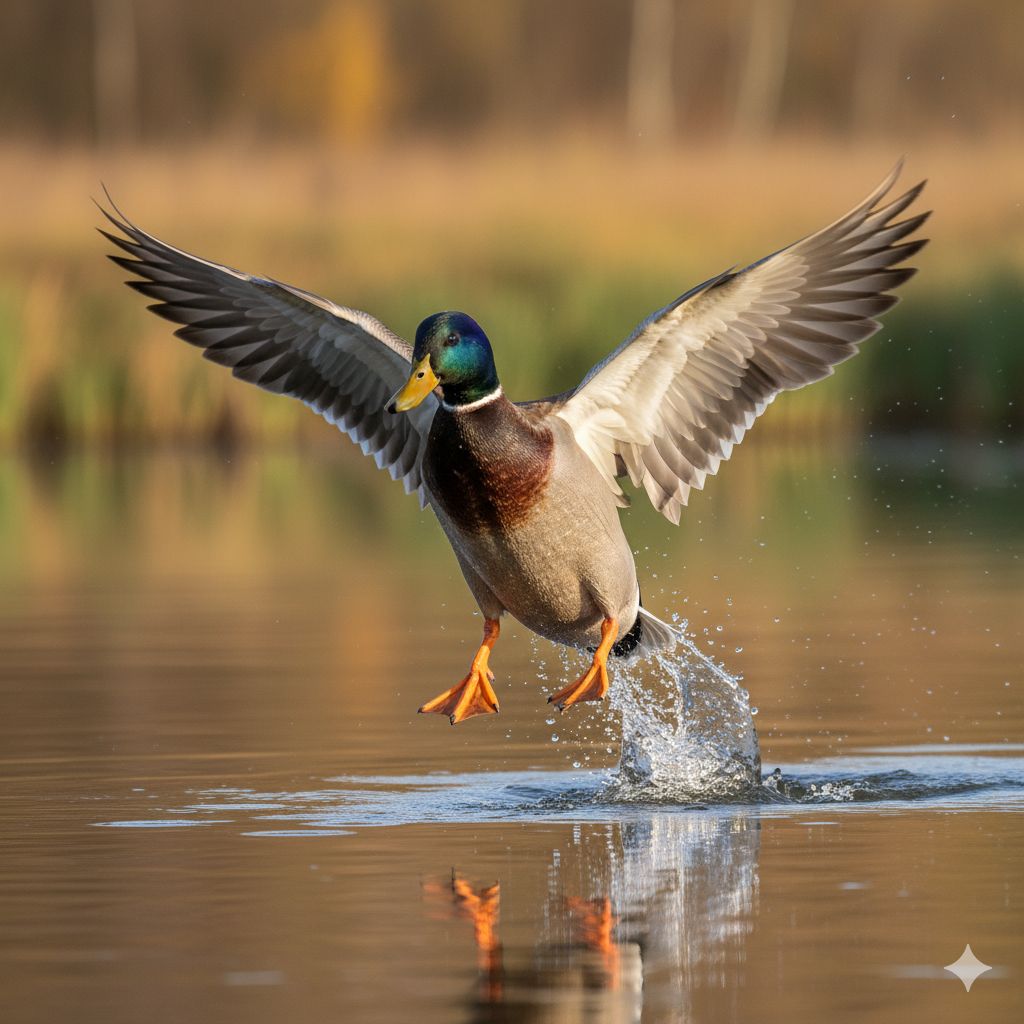
Mallard ducks are the most prevalent around our place, our neck of the woods here in Merritt, British Columbia. We love our Mallard ducks.

The local naturalist club will begin their regular weekend fall and winter schedule on the 18th. Their meetings are generally most months on the third Thursday at 7:00 at the Nicola Valley institute of technology, top of the hill Belshaw Avenue in Merritt.

Greenland puddle

AKA Cold Blob

Well, it’s complicated. While a cooler spot might sound good in a warming world, the cold blob is a sign that major ocean currents are changing. That could have big impacts on weather patterns and sea levels around the globe. Scientists are still studying it to understand the full effects.

Tilt of the earth?

That’s a great question! The Milankovitch cycles do play a role in Earth’s long-term climate patterns, but the cooling of the cold blob is happening much faster than those cycles would predict. Scientists believe it’s primarily driven by the melting of the Greenland ice sheet and its impact on ocean currents.

Fish return

Editor’s note: The government of British Columbia opened a recreational fishing season on returning salmon in the Fraser River on the 22nd of August 2025, this abundance of return is being credited to some cooler water by some sources. This brief opening is 11 Days ending on September 1st 2025. Many sources are  lined up to take credit. In our view it may be a result of the rest the environment got during COVID.

TGIF- tree culture…

Over time trees have been…🌳🍁🌳

Based on the search results, I can now answer all parts of the user’s query.
Modern Tree Culture
Modern tree culture, or the modern view of trees, is multifaceted. Trees are valued for their ecological benefits, such as sequestering CO2, enriching soil, and creating habitats. They are also integral to modern landscape design, where their aesthetic qualities and ability to define spaces are utilized. On a deeper level, trees continue to be powerful cultural symbols in art, literature, and environmental movements, representing growth, resilience, and the interconnectedness of life. They are also seen as vital for human well-being, providing sanctuaries for mental health and a connection to nature.
Distinction from Celtic and Druidic Tree Culture
The distinction between modern and ancient Celtic/Druidic tree culture lies primarily in the spiritual and religious significance of trees.
* Celtic/Druidic Culture: Trees were considered sacred, sentient beings and were central to spiritual practices. Certain trees like the oak, ash, and hazel were revered as embodying wisdom, life, and a connection to ancestors. The word “Druid” itself may be derived from the Celtic word for oak, “deru.” Sacred groves were places of worship, and specific trees were believed to have magical or divine properties, used for divination, healing, and protection from evil spirits. Felling a sacred tree was a serious offense, sometimes a symbol of a rival clan’s demoralization.
* Modern Culture: While trees are still seen as symbolic and spiritually significant to some, this view is not a dominant part of mainstream society. The modern appreciation for trees is more rooted in science, ecology, and aesthetics. The focus is on their role in mitigating climate change, improving air quality, and supporting urban life, rather than their use in specific religious rites or as literal dwellings for spirits.
The Good, the Bad, and the Evil
The search results interpreted the user’s query about “deep tree culture” in a more literal and horticultural sense, but also provided information that can be applied to the symbolic and cultural aspects.
Good:
* Environmental: Trees are crucial for creating habitats, enriching soil, and managing water. They sequester carbon, reduce urban heat, and lower energy consumption.
* Aesthetic & Personal: Trees define outdoor spaces and are a source of beauty and inspiration in art. They are shown to improve emotional health and provide a calming experience.
* Symbolic: The “Tree of Life” motif, found in many cultures, represents a unifying idea of creativity and the interconnectedness of all life. Trees symbolize personal growth, resilience, and stability.
Bad:
* Horticultural: The “bad” aspects are largely practical. Planting trees too deep can kill them by smothering roots. Improper planting and soil compaction can stunt growth and make trees susceptible to disease and wind damage.
* Urban & Public Health: Urban trees can have negative effects, such as emitting volatile organic compounds (VOCs) that contribute to smog during heat waves, or their roots can damage pipes and foundations. Some trees can also be a source of allergens.
Evil:
The concept of “evil” in “deep tree culture” is not addressed in a literal sense by the search results. However, from the historical Celtic context, the practice of a rival clan destroying an enemy’s sacred tree was a demoralizing act of spiritual violence. In this sense, an act of destroying something deeply sacred to a culture or people could be seen as an act of evil within their belief system.

Water in Alberta for this craft.

There are issues about transporting weeds and other contaminates  check with local authorities before trouble brews.

Canoe “I just deliver them-driver.”

Big Canoe

Regulated

One personal floatation device for every person required. Read on….

The regulations for canoeing in Alberta are primarily governed by Transport Canada’s Small Vessel Regulations, as boating safety is a federal responsibility in Canada. Alberta also has specific regulations regarding aquatic invasive species.
Here’s a breakdown of what canoes need in Alberta:
Flotation Devices (Life Jackets/PFDs)
* One life jacket or Personal Flotation Device (PFD) for each person on board. This is a non-negotiable requirement for all watercraft, including human-powered ones like canoes.
* Canadian-approved: The life jacket or PFD must be Canadian-approved. There are three main types:
   * SOLAS (Safety of Life at Sea) lifejackets: High-performance, approved for all vessels, turn you on your back even if unconscious.
   * Standard Type lifejackets: Approved for all vessels except SOLAS, also turn you on your back even if unconscious.
   * Small Vessel lifejackets: Approved for small vessels.
* Proper Fit: It’s crucial that the life jacket or PFD fits snugly and correctly. For children, it should not ride up over their chin or ears, and there should be less than 7.6 cm (3 inches) between their shoulders and the device.
* Condition: Ripped or poorly conditioned flotation devices are not considered approved.
* Inflatable PFDs: Inflatable PFDs are prohibited for people under 16 years of age or who weigh under 36.3 kg (80 lbs.), and for operators of personal watercraft.
Paddle Equipment and Other Required Safety Gear

Measure your boat for the activity requirements.


For canoes up to 6 meters (19’8″) in length, you generally need the following, in addition to life jackets/PFDs:
* Buoyant Heaving Line: A buoyant heaving line at least 15 meters (50 feet) long.
* Bailing Device: A bailer or a manual bilge pump. (Note: Not required for craft with watertight compartments that won’t allow the craft to hold enough water to capsize).
* Sound Signalling Device: A sound signalling device (like a pea-less whistle for human-powered craft).
* Reboarding Device (if applicable): A reboarding device (like a ladder) is required unless the vertical height to climb to reboard the pleasure craft is not more than 0.5 meters.
* Navigation Lights (if applicable): If you are operating after sunset and before sunrise or in periods of restricted visibility, you need navigation lights. For a canoe, a single light (like a watertight flashlight, lantern, or torch) is sufficient.
Additional Recommendations and Important Considerations
* Spare Paddle: It’s always recommended to have one paddle per person in the canoe plus a spare.
* Watertight Flashlight: While sometimes covered by navigation light requirements, a watertight flashlight is always a good idea, especially for low-light conditions.
* First Aid Kit: Although not explicitly listed as mandatory for all canoes by Transport Canada, it’s highly recommended to carry a first aid kit. For guided excursions, specific first aid kit requirements apply.
* Helmet: For river paddling, especially on Class 3 or above waters (whitewater), a helmet of an appropriate size is required. Paddle Canada also requires helmets on all Class II and above waterways for sanctioned courses and participants.
* Aquatic Invasive Species (AIS) Regulations: Alberta has strict regulations to prevent the spread of aquatic invasive species, such as zebra and quagga mussels.
   * Drain Plugs: All watercraft must have their drain plugs pulled while being transported on Alberta highways. Failure to do so can result in a significant fine.
   * Watercraft Inspections: When highway signage indicates a watercraft inspection station is open, all watercraft (motorized and non-motorized) being transported must stop for inspection. Bypassing an open station with a watercraft is a serious violation.
   * Clean, Drain, Dry, and Certify: Before entering a new waterbody, you are required to clean, drain, and dry your watercraft and all water-related gear. In some areas, like Banff National Park, you may need to obtain an AIS prevention self-certification permit.
* No “Boating License” for Canoes (unmotorized): You do not need a Pleasure Craft Operator Card (often referred to as a “boating license”) to operate a human-powered craft like a canoe, unless it is fitted with a motor (even an electric trolling motor).
* Alcohol Consumption: Operating a boat while under the influence of alcohol or drugs is a criminal offense. Alcohol consumption is generally restricted on board unless the boat has a sleeping area, cooking facilities, or a toilet, or is docked.
It’s always a good idea to consult the Transport Canada Safe Boating Guide and the Alberta.ca website for the most current and detailed information on regulations. These resources provide comprehensive lists and explanations of safety equipment and rules.

The above may not be full and complete please review the regulations with the regulator responsible in the jurisdiction.

Earth worms.

Benefits 😜

Earthworms are incredibly beneficial for our environment, gardens, and lawns. They are often called “nature’s engineers” due to their significant impact on soil health. Here’s a breakdown of the many advantages they offer:For Soil Health and Fertility: * Nutrient Cycling and Fertilization: Earthworms consume dead organic matter like leaves, grass clippings, and plant debris. As this material passes through their digestive system, it breaks down and becomes highly concentrated with essential nutrients (like nitrogen, phosphorus, and potassium) in their excretions, known as “castings” or “worm poop.” These castings are a natural, nutrient-rich fertilizer readily available for plants. * Organic Matter Decomposition: By ingesting and breaking down organic matter, earthworms accelerate its decomposition, preventing the buildup of thatch in lawns and making nutrients locked within these materials available for plants. * Increased Microbial Activity: Earthworms foster a thriving microbial community in the soil. Their digestive systems introduce beneficial microorganisms into the soil, which are crucial for nutrient cycling and overall soil biological activity. * Improved Soil Structure and Aggregation: As earthworms burrow, they create tunnels that loosen and aerate the soil. This prevents soil compaction and creates a more porous structure. Their castings also help to bind soil particles together, forming stable aggregates that improve soil tilth and stability.For Water Management: * Enhanced Water Infiltration and Drainage: The tunnels created by earthworms act as channels, allowing water to penetrate the soil more easily and deeply. This significantly improves drainage, reducing waterlogging and runoff, which in turn helps prevent erosion and flooding. Soils with earthworms can drain up to 10 times faster than those without. * Improved Water Retention: The improved soil structure with better aggregation allows the soil to hold onto moisture more effectively, making water more accessible to plant roots.For Plant Growth: * Deeper Root Penetration: The tunnels created by earthworms provide pathways for plant roots to grow deeper into the soil, allowing them to access more water and nutrients. * Increased Plant Productivity: By enhancing nutrient availability, water infiltration, and soil structure, earthworms directly contribute to healthier and more robust plant growth. Studies have even shown that earthworms can contribute significantly to global grain and legume production.Other Environmental Benefits: * Bioremediation: Earthworms can help clean up contaminated land by spreading microorganisms that break down environmental pollutants into non-toxic molecules. * Food Source: Earthworms are a vital part of the food web, serving as a food source for many animals, including birds and small mammals. * Indicators of Soil Health: A healthy population of earthworms in your soil is often a good indicator of overall soil health, as they thrive in moist, organic-rich environments.In summary, earthworms are indispensable allies in maintaining healthy, fertile soil. Their presence in our gardens, lawns, and natural environments is a strong indicator of a thriving ecosystem, contributing to robust plant growth, efficient water management, and natural nutrient cycling.