Category: Fish


Algae blooms Nicola lake…

Warm and low water levels make for rapid toxicity.

As of late June 2025, there are current advisories and responses in place for algae blooms on Nicola Lake, near Merritt, BC. Here is a summary of the situation and the responses from local authorities:
Algae Bloom Advisories and Status:
* Current Advisories: BC Parks and Interior Health are currently advising the public about potential blue-green algae blooms on Nicola Lake. Visitors are urged to use caution and avoid direct contact with any visible blooms.
* Water Activity Discouragement: Water activities like swimming are discouraged in areas where blooms are present.
* Previous Closures: It’s important to note that Nicola Lake has a history of toxic algae blooms, with advisories and beach closures occurring in previous years. For example, advisories and closures were in place in July 2023 due to the presence of cyanobacterial toxins. These advisories were lifted once water samples tested negative for toxins.
* Monitoring: The First Nations Health Authority and Interior Health continue to monitor Nicola Lake, as well as nearby lakes like Douglas Lake and Chapperon Lake, for algae blooms.
Responses and Recommendations:
* Avoid Contact: The primary recommendation from health authorities is to avoid any contact with the water if you see a bloom. This includes swimming, boating, and waterskiing.
* Rinse Off: If you do come into contact with the water, rinse your body with clean water immediately.
* Drinking Water: If you use Nicola Lake as a source of drinking water, you should use an alternate source, such as bottled water. Boiling the water will not remove the toxins.
* Pets and Livestock: Use an alternate drinking water source for pets and livestock as well.
* Symptoms: Exposure to cyanobacteria toxins can cause symptoms such as dizziness, cramps, diarrhea, skin rash, and mouth blisters. If you or your pet show these symptoms, contact a physician or veterinarian immediately.
* Citizen Science: The BC Algae Watch program encourages the public to report algae bloom sightings, which helps experts monitor and understand their occurrence.
* Continued Monitoring: Interior Health and BC Parks continue to monitor the situation and will update the public as required. They have a public beaches website where they post current advisories and closures.
* Foreshore Management: In a long-term effort to improve the health of Nicola Lake, the Upper Nicola Indian Band and Living Lakes Canada have been collaborating on foreshore management and monitoring projects, using both scientific data and Indigenous knowledge to guide their work.
What is an Algae Bloom?
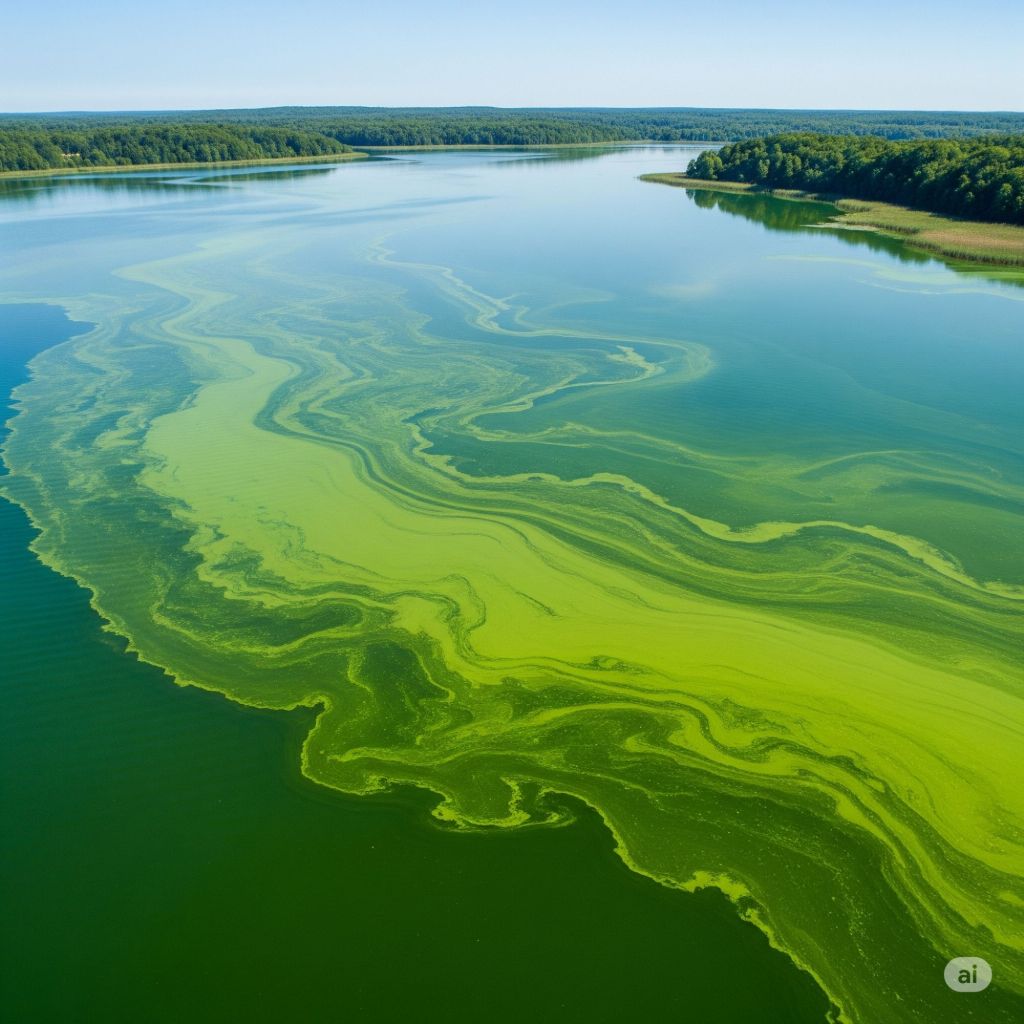
Algae blooms are a natural phenomenon, but their frequency and severity can increase due to factors like excessive nutrient loading and warmer water temperatures. The blooms in Nicola Lake are often caused by cyanobacteria, also known as blue-green algae. While some algae are harmless, cyanobacteria can produce toxins that are harmful to people, pets, and livestock. These blooms can look like pea soup, have a paint-like appearance, or form thick scums on the water’s surface, and they can produce a strong, unpleasant odor.

Dog death, Nicola Lake

There are reports of at least one dog’s death and its exposure was not that long and its contraction of bacteria fairly rapid. This is the recent weekend, first of July.

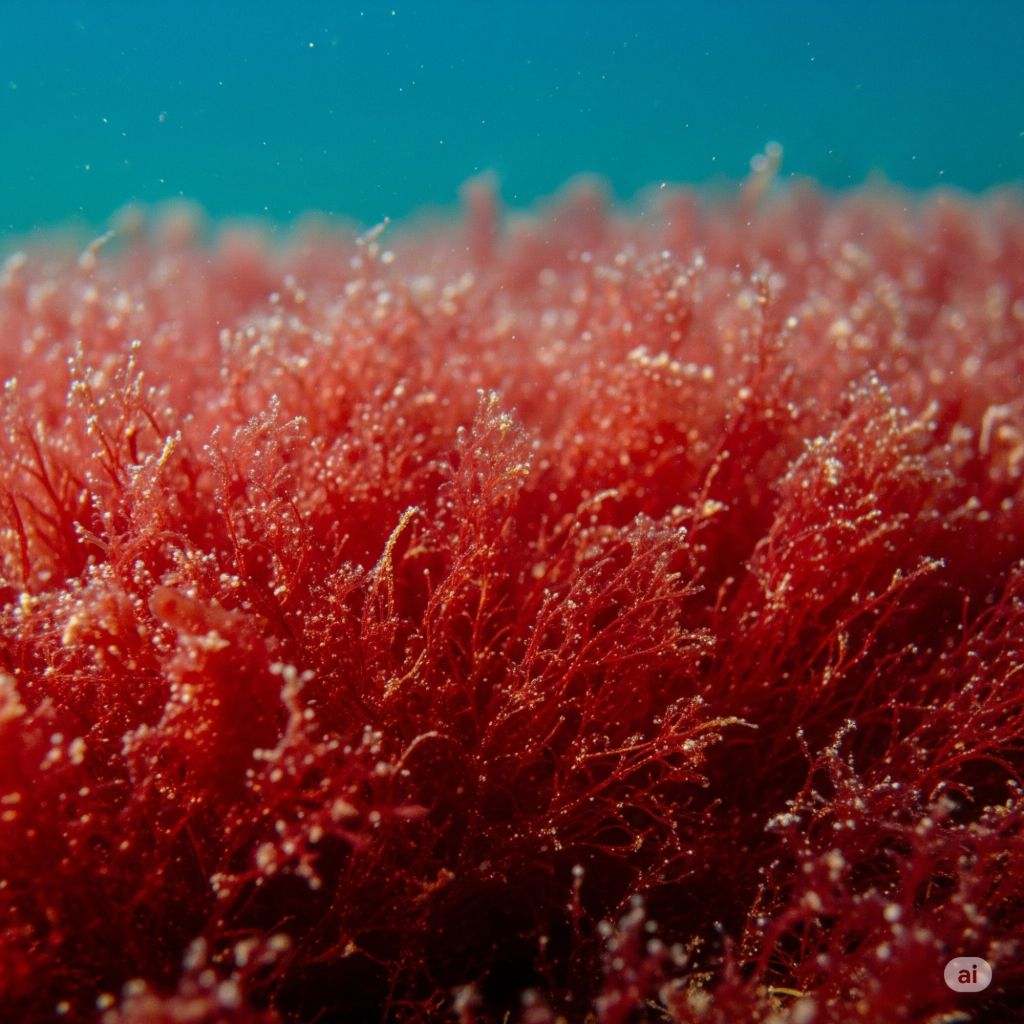
Red tide and red algae

Red algae, also known as Rhodophyta, are a diverse group of mostly marine macroalgae (seaweeds) that get their characteristic red color from pigments called phycobiliproteins, particularly phycoerythrin. This pigment allows them to absorb blue light, which penetrates deeper into the ocean, enabling them to photosynthesize at greater depths than most other algae.
They play crucial roles in marine ecosystems, including contributing to reef formation. Some species, like Nori (Porphyra) and Dulse (Palmaria palmata), are consumed as food, while others are used to produce industrial products like agar and carrageenan due to their gelling and thickening properties.
Toxicity: Red Algae vs. Blue-Green Algae
When discussing toxicity, it’s important to distinguish between “red algae” as the broader group (Rhodophyta) and “red tide,” which is a specific type of harmful algal bloom (HAB) often caused by certain dinoflagellates. While some red algae can be consumed safely, “red tide” blooms are often associated with toxins.
Here’s a comparison of toxicity between “red tides” (often caused by dinoflagellates, sometimes referred to as red algae due to their color) and blue-green algae (cyanobacteria):
* Blue-green algae (Cyanobacteria): These are a common cause of harmful algal blooms in freshwater environments (lakes, rivers). They produce toxins called cyanotoxins, which can affect the liver (microcystins), nervous system (anatoxins), or skin. Exposure can lead to symptoms like skin irritation, gastrointestinal issues, and in severe cases, liver damage or neurological problems. Animals and humans can get sick by touching, swallowing, or inhaling contaminated water.
* Red Tides (Dinoflagellates and some Diatoms): These are the most common cause of harmful algal blooms in saltwater environments. While they can sometimes be caused by dinoflagellates that are red or brown, they are not typically from the larger group of red algae (Rhodophyta). The toxins produced vary by species but can include:
   * Brevetoxins (from Karenia brevis): Cause neurotoxic shellfish poisoning, leading to gastrointestinal and neurological symptoms, and respiratory irritation when airborne.
   * Saxitoxins (from Alexandrium species): Cause paralytic shellfish poisoning, which can be severe and life-threatening, affecting the nervous system and leading to paralysis.
   * Domoic acid (from Pseudo-nitzschia species, a diatom): Causes amnesic shellfish poisoning, which can lead to gastrointestinal and neurological symptoms, including memory loss.
Which is “more toxic”?
It’s difficult to definitively say which is “more” toxic as the severity of illness depends on the specific toxin, the concentration of the bloom, and the level of exposure. Both blue-green algae and the organisms causing red tides can produce highly potent toxins that can cause severe illness or death in humans and animals.
Key takeaways:
* Red algae (Rhodophyta), as a general group, are diverse, and many species are harmless and even consumed as food.
* “Red tide” refers to harmful algal blooms in saltwater, often caused by dinoflagellates or diatoms, which can produce dangerous toxins. These are distinct from the broader category of red algae.
* Blue-green algae (cyanobacteria) are a major concern for harmful blooms in freshwater and can also produce potent toxins.
In any case where there’s suspected algal bloom, it’s crucial to avoid contact with the water and follow local advisories, as you cannot tell if a bloom is toxic just by looking at it.

Stay safe…

Globalization making us food insecure

Geopolitics

Canadian independence from the US, need and globalization has the agenda from ecology preservation – Suzuki.

New PM talking pipelines

Dr. Suzuki is concerned that the well-being of Canada’s been hijacked or is being hijacked and that the current government along with it has backed away from unnecessary emphasis on the environment.

Extinction of creatures, two generations.

A human generation is generally considered to be about 20-30 years, with recent research suggesting an average of around 27-30 years. Therefore, “two human generations” would refer to a period of roughly 40-60 years.
It’s incredibly difficult to give an exact number of creatures that have gone extinct in such a recent timeframe due to several factors:
* Many species are undiscovered: Scientists estimate there are millions of species on Earth yet to be identified, especially in lesser-explored environments like deep oceans or rainforests. Many could go extinct before we even know they exist.
* Difficulty in confirming extinction: It can take many years, even decades, of no confirmed sightings before a species is officially declared extinct.
* Varying definitions of “creature” or “species”: This can include everything from insects and fungi to large mammals, and the data available often focuses on more well-known or charismatic species.
However, scientific consensus indicates that we are currently in the midst of a sixth mass extinction event, driven primarily by human activities. The current extinction rate is estimated to be 1,000 to 10,000 times higher than the natural background rate.
While precise numbers for the last 40-60 years are hard to pinpoint, some reports highlight the alarming trends:
* Some estimates suggest that dozens to hundreds of species go extinct every day, though this often includes unconfirmed or localized extinctions.
* The World Wildlife Fund’s Living Planet Index reported a 73% decline in the average size of global wildlife populations in just 50 years (between 1970 and 2020), which indicates widespread biodiversity loss even if not all species are officially declared extinct.
* A 2019 UN report stated that around 1 million animal and plant species are now threatened with extinction, many within decades. It also noted that at least 680 vertebrate species had been driven to extinction since the 16th century.
In summary, while a precise number is elusive, the scientific community overwhelmingly agrees that a significant and alarming number of creatures have gone extinct in the last two human generations, and the rate of extinction is accelerating due to human impact.

What answers remain?

Deer in yard  summer 2025

Habitable for tokens, photo KDG Merritt BC

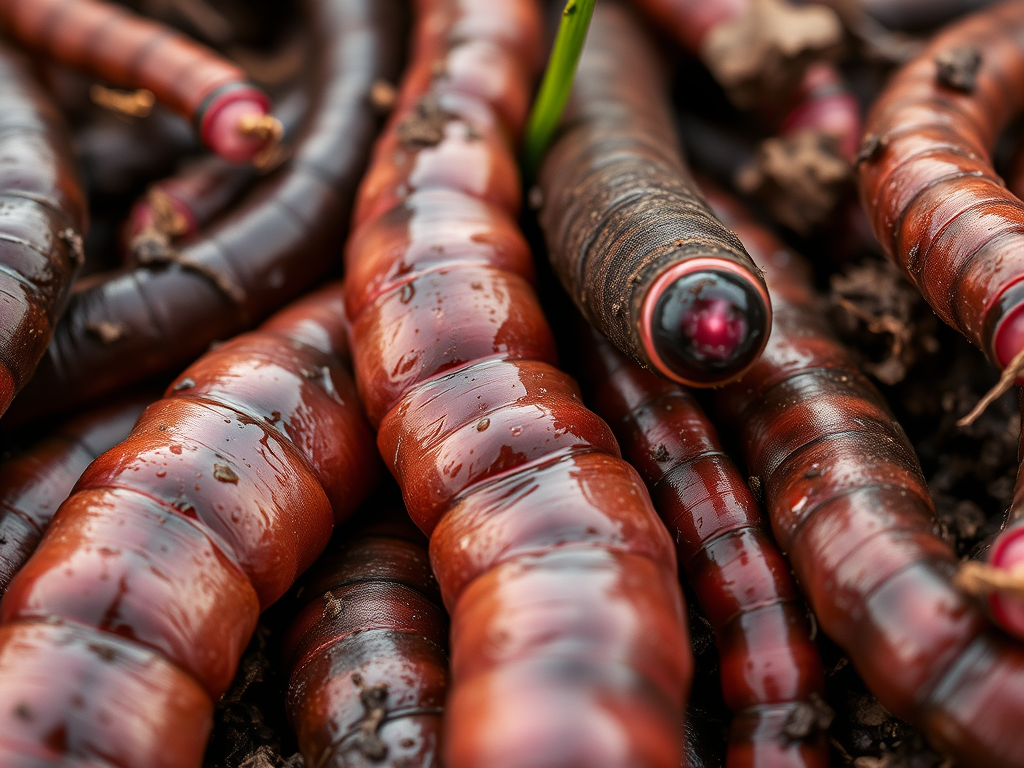
Earth worms.

Benefits 😜

Earthworms are incredibly beneficial for our environment, gardens, and lawns. They are often called “nature’s engineers” due to their significant impact on soil health. Here’s a breakdown of the many advantages they offer:
For Soil Health and Fertility:
* Nutrient Cycling and Fertilization: Earthworms consume dead organic matter like leaves, grass clippings, and plant debris. As this material passes through their digestive system, it breaks down and becomes highly concentrated with essential nutrients (like nitrogen, phosphorus, and potassium) in their excretions, known as “castings” or “worm poop.” These castings are a natural, nutrient-rich fertilizer readily available for plants.
* Organic Matter Decomposition: By ingesting and breaking down organic matter, earthworms accelerate its decomposition, preventing the buildup of thatch in lawns and making nutrients locked within these materials available for plants.
* Increased Microbial Activity: Earthworms foster a thriving microbial community in the soil. Their digestive systems introduce beneficial microorganisms into the soil, which are crucial for nutrient cycling and overall soil biological activity.
* Improved Soil Structure and Aggregation: As earthworms burrow, they create tunnels that loosen and aerate the soil. This prevents soil compaction and creates a more porous structure. Their castings also help to bind soil particles together, forming stable aggregates that improve soil tilth and stability.
For Water Management:
* Enhanced Water Infiltration and Drainage: The tunnels created by earthworms act as channels, allowing water to penetrate the soil more easily and deeply. This significantly improves drainage, reducing waterlogging and runoff, which in turn helps prevent erosion and flooding. Soils with earthworms can drain up to 10 times faster than those without.
* Improved Water Retention: The improved soil structure with better aggregation allows the soil to hold onto moisture more effectively, making water more accessible to plant roots.
For Plant Growth:
* Deeper Root Penetration: The tunnels created by earthworms provide pathways for plant roots to grow deeper into the soil, allowing them to access more water and nutrients.
* Increased Plant Productivity: By enhancing nutrient availability, water infiltration, and soil structure, earthworms directly contribute to healthier and more robust plant growth. Studies have even shown that earthworms can contribute significantly to global grain and legume production.
Other Environmental Benefits:
* Bioremediation: Earthworms can help clean up contaminated land by spreading microorganisms that break down environmental pollutants into non-toxic molecules.
* Food Source: Earthworms are a vital part of the food web, serving as a food source for many animals, including birds and small mammals.
* Indicators of Soil Health: A healthy population of earthworms in your soil is often a good indicator of overall soil health, as they thrive in moist, organic-rich environments.
In summary, earthworms are indispensable allies in maintaining healthy, fertile soil. Their presence in our gardens, lawns, and natural environments is a strong indicator of a thriving ecosystem, contributing to robust plant growth, efficient water management, and natural nutrient cycling.

Celtic music

Heal the divide, enjoy the ride, be in the tide
Thanks for visiting BC Nature delegates…

TGIF Frogs

The swamp starts somewhere…

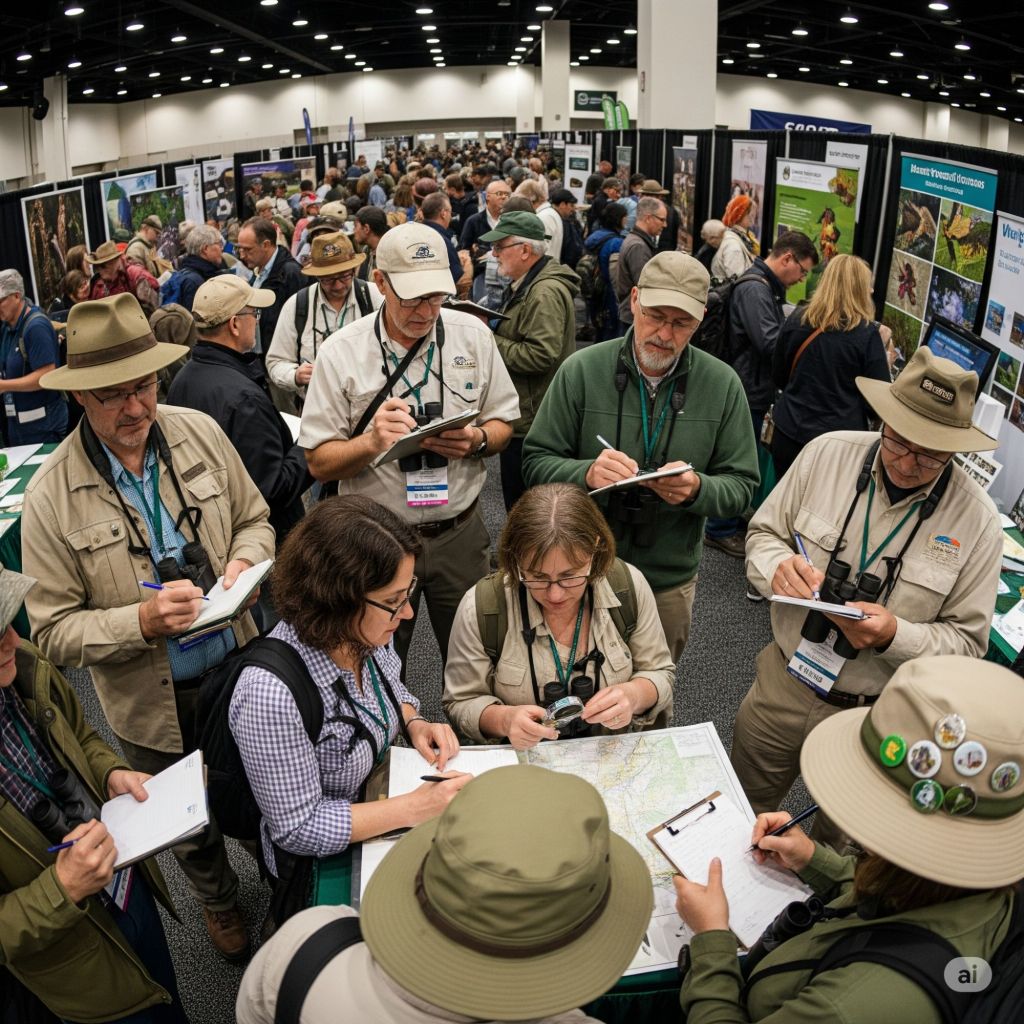
Happy. BC Nature Merritt convention

Merritt BC Canada

BC Nature

The provincial organization BC Nature is a nonprofit and consists of local member naturalist groups. The host is the Nicola Naturalist Society Incorporated and it’s Volunteer members are putting it on at the local facilities as well as incorporating field activities for viewing local flora and fauna.

The registration desk is open Thursday at 1:pm at the Merritt Civic center.

Venue

Civic center Mamette Ave

The Merritt Civic Centre is located at 1950 Mamette Ave, Merritt, BC V1K 1B8, Canada. You can contact them by phone at +1 250-315-1050.
Here’s some additional information:
* Rating: 4.1
* Hours:
   * Monday: 8:30 AM-4:30 PM
   * Tuesday: 8:30 AM-4:30 PM
   * Wednesday: 8:30 AM-4:30 PM
   * Thursday: 8:30 AM-4:30 PM
   * Friday: 8:30 AM-4:30 PM
   * Saturday: Closed
   * Sunday: Closed
* Accessibility: The facility has wheelchair accessible entrance and parking.
* Summary: Friendly and knowledgeable staff at this well-maintained facility helped a Lytton fire survivor and a Vancouver Island resident.
Would you like to know more about other facilities in Merritt?

Opinion

An effort deserving of support.

Prey for a red listed weasel …

Mae Frank

The Fishers Fight for food…

Presentation at the NVIT lecture theater, top of the hill Bellshaw Avenue in Merritt British Columbia, Canada.

Membership or donation requested, fundraising auction for donated goods. The side table during the break raises money for our scholarship to an nvit student.

Free parking. No food or drink in the electric theater. This is what the naturalist likes to say.

Bats

Liana Ortega is with the group’s bats BC she is from Kamloops and will present March 20th at the Nicola naturalist Society in Merritt.

Alan Burger and a guest, file photo KDG…

The Nicola Naturalist Society is having a presentation on Bats on March 20th 2025. The The group with President Alan Berger + many community members meet at the Nicola Valley institute of technologies lecture theater at 7:00, generally the third Thursday of the month.

Salmon preparation

The bake time and temperature for salmon can vary depending on the thickness and size of the fillet, as well as your personal preference. However, here are some general guidelines:
Temperature:
* 350°F (175°C): This is a good temperature for a slow and even cook, especially for thicker fillets.
* 375°F (190°C): This is a popular choice for baking salmon, as it cooks the fish relatively quickly while still keeping it moist.
* 400°F (200°C): This higher temperature is suitable for thinner fillets or if you prefer a slightly more cooked texture.
* 450°F (232°C): This high temperature is ideal for searing the outside of the salmon while keeping the inside moist.
Time:
* General Rule: Bake salmon for 12-15 minutes per inch of thickness.
* Thinner Fillets (less than 1 inch): 10-12 minutes at 400°F (200°C) or 15-20 minutes at 350°F (175°C).
* Thicker Fillets (1 inch or more): 15-20 minutes at 375°F (190°C) or 20-25 minutes at 350°F (175°C).
Tips for Baking Salmon:
* Use a meat thermometer: The best way to ensure your salmon is cooked perfectly is to use a meat thermometer. The internal temperature should reach 145°F (63°C).
* Don’t overcook: Salmon can become dry and tough if it’s overcooked. It’s better to slightly undercook it than to overcook it.
* Seasoning: Season your salmon with salt, pepper, and any other herbs or spices you like.
* Cooking method: You can bake salmon in a variety of ways, such as in foil packets, on a baking sheet, or in a cast iron skillet.
Additional Resources:
* Well Plated: https://www.wellplated.com/baked-salmon-in-foil/
* Tastefully Grace: https://tastefullygrace.com/how-to-bake-salmon/
* Delish: https://www.delish.com/cooking/recipe-ideas/a55315/best-baked-salmon-recipe/
Enjoy your delicious baked salmon!

Successful meal preparation

Nicola Naturalists Inc February 20th 2025.

Seven PM, NVIT Lecture theatre top of the hill Belshaw Avenue Merritt BC CA.

Reminder that this month’s meeting is dealing with Indigenous issues of stream and river ideal conditions.

Tomorrow’s meeting is at 7: PM at the Nicola Valley institute of technology, top of the hill Bell Shaw Avenue in Merit British Columbia, Canada. Free parking in the parking lot.

The Nicola Naturalist Society  INC is having its bird count on Saturday the 14th of December in Merritt BC. This will be the 26th annual count by volunteer members. The stats are compiled and sent to the Audubon Society.

Get counted this Christmas, Heron Nicola River.
.

By the By pyro beetle

This pyror beetle showed up after the wildfires of 2023. I believe it was anyway. It was photographed on a wooden edge of an apartment building. These beetles live on burnt wood according to sources.

Pyro beetle

Fewer and stressed forests.

The forests of British Columbia have been carbon sinks for a long time.

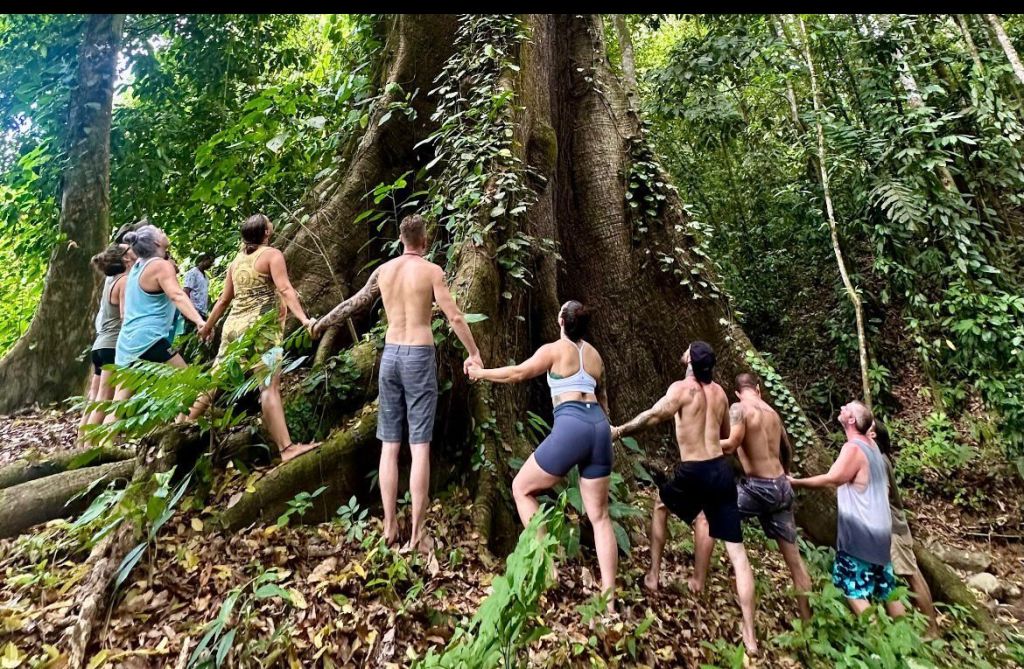
Mother tree project

Suzanne Simard has championed the mother tree project as a remedy for a long time.

Time dated