Category: Public health


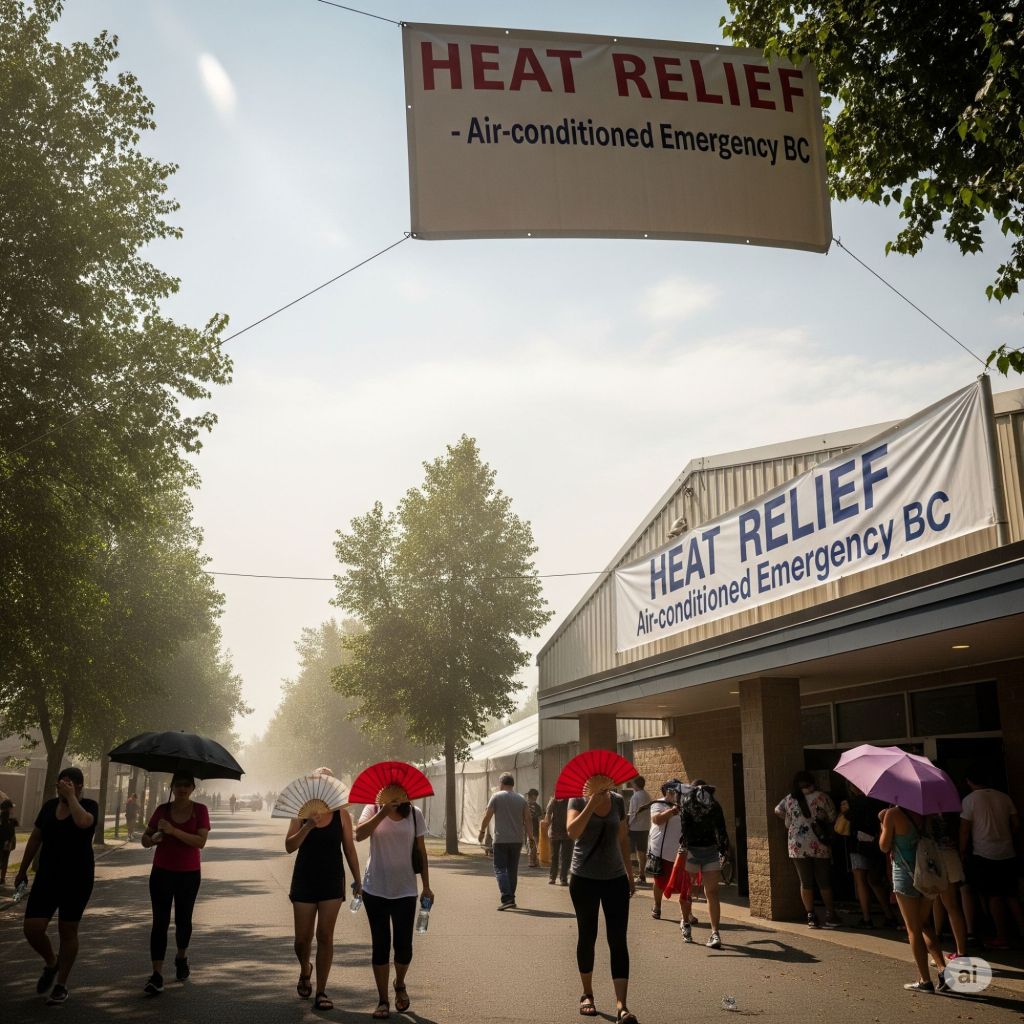
British Columbia is experiencing some heat warnings, for some good advice  from emergency BC, I’ll put the link. Just below on the site.

AI generated photo, conception..

Optimist

Spring in BC, Snow pack is up from 2024. Life is good for most…good luck,stay safe.

British Columbia experiences a varied climate during spring, with weather conditions ranging from mild to cool depending on the region. Coastal areas, like Vancouver, typically enjoy moderate temperatures averaging between 10-15°C (50-59°F), accompanied by increased rainfall, particularly in March and April. In contrast, the interior regions, such as Kelowna, can see warmer temperatures, often reaching 15-20°C (59-68°F) with less precipitation. Snow can still be present in the mountainous areas, while wildlife begins to emerge, and flora starts to bloom, leading to a vibrant and dynamic environment. Be prepared for fluctuating temperatures and pack layers to adjust to sudden changes.

TGIF- on a roll, here’s how.

Roll models for relaxed, state of mind, if you don’t mind.

Do you need stress relief?   These passive teachers are standing by. So, wasted, find one of these cats to watch and imitate. If you want tangible proof record your BP before and after, say one, half hour session.

Pages: 1 2

Wednesday charm

Get it in get it good get it glad.

Some small joys are back in BC

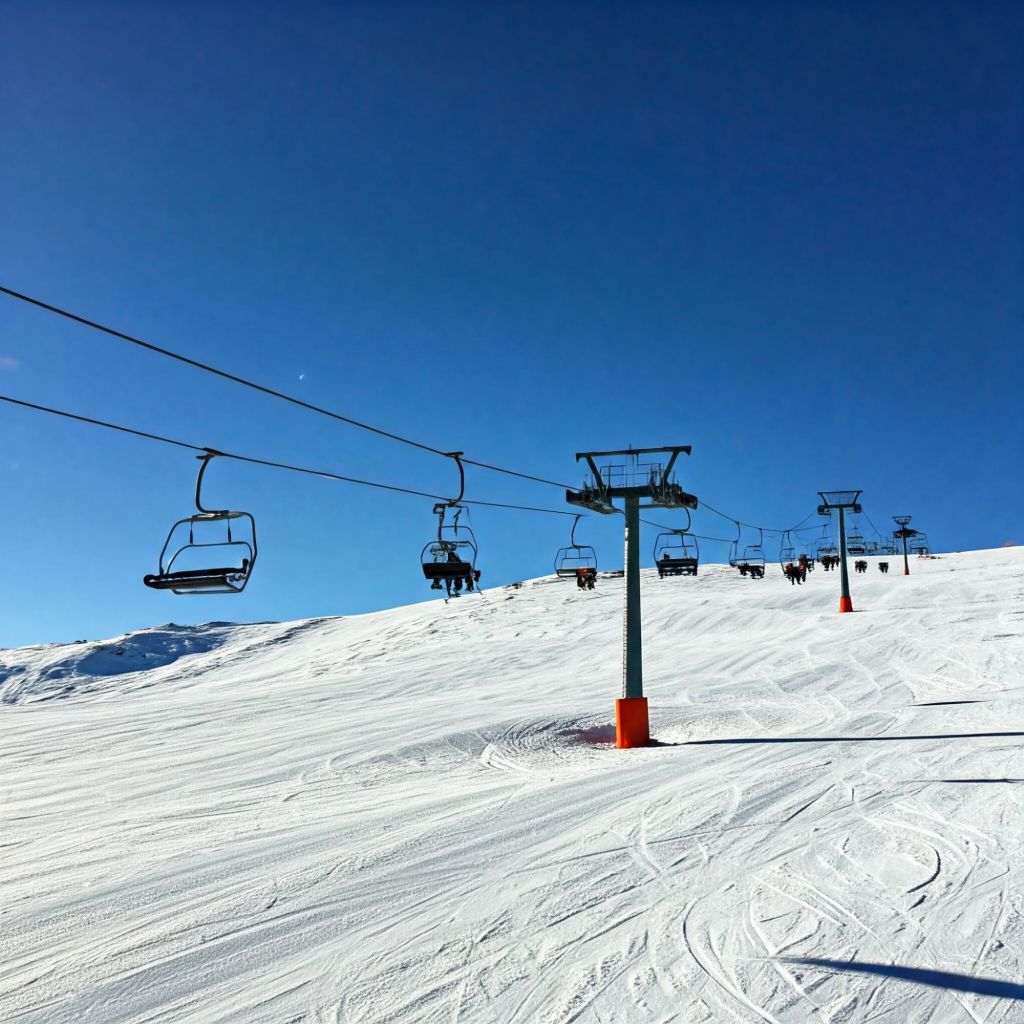
The joy of skiing is back for BC, while just at bay extreme weather and dangerous temperatures are muted and we hope not just a window.

Happy first day of 2025.

To maximize enjoyment and safety while downhill skiing in British Columbia, consider these factors:
Timing:
* Shoulder Seasons (November/Early December & March/April):
   * Pros: Fewer crowds, potentially better deals on accommodation and lift tickets, pleasant weather.
   * Cons: Snow conditions may be less consistent, some lifts/terrain might be closed.
* Peak Season (December-February):
   * Pros: Consistent snow, wide variety of open terrain, festive atmosphere.
   * Cons: Higher prices, longer lift lines, more crowded slopes.
Location:
* Whistler Blackcomb: World-renowned, diverse terrain, excellent snow record.
* Revelstoke Mountain Resort: Massive vertical drop, challenging terrain, incredible powder.
* Kicking Horse Mountain Resort: Steep and challenging, unique terrain, stunning scenery.
* Sun Peaks Resort: Family-friendly, good value, variety of terrain.
* Smaller Resorts: Often offer a more relaxed atmosphere, shorter lift lines, and unique charm.
Safety:
* Take a lesson: Even experienced skiers can benefit from a refresher or learn new techniques.
* Rent appropriate equipment: Make sure your skis/snowboard and boots fit properly.
* Ski within your ability: Don’t attempt runs that are too difficult for you.
* Be aware of your surroundings: Look uphill before merging onto the run.
* Control your speed: Adjust your speed to match the conditions and other skiers.
* Stay hydrated and nourished: Bring snacks and water to avoid fatigue and dehydration.
* Wear a helmet: Helmets are essential for safety.
Practical Tips:
* Book accommodations and lift tickets in advance, especially during peak season.
* Check the snow report and weather forecast before you go.
* Pack layers of clothing to adjust to changing temperatures.
* Bring sunscreen, sunglasses, and lip balm.
* Consider purchasing a season pass or multi-day lift ticket for significant savings.
* Take advantage of après-ski activities to relax and socialize.
By following these tips, you can enhance your enjoyment and ensure a safe and memorable downhill skiing experience in British Columbia.
Disclaimer: This information is for general guidance only and should not be considered professional advice. Always prioritize safety and consult with qualified instructors or guides for specific situations.

February 19th 2025, zoom then ubcm sponsoring this work job on zoom dressing burnout flooring lines between personal and work life and numbers of things that are evident after the pandemic.

Comments  with  your  views.

You are normal and your responses are normal to whatever stresses you’ve been subject to.
Continue reading

Do not feed stray cats.


SPCA says no

Can carry avian bugs

Do not do it…

Stray cats cannot be kept away from birds and birds can move avian flu very quickly.

Empath

Work on boundaries

Are you intuitive? Do you feel other people ‘s emotions? Is it able to provide for you an ability to feel how people are going to move on any item?.

A local meeting room

Boundaries

Boundaries are required. Empathy in its good sense can also be used by bad people. ” I smell your fear”.  Some sensitive people instead of using empathy in a compassionate way, use it in a narcissistic way.

Empathy is personal, in most cases.

A purge

Sometimes a purge is as good as a rest.

Purging in the context of eating disorders is a harmful behavior with no real benefits. It can lead to serious health consequences, including:
* Physical: Damage to teeth, esophagus, and stomach; electrolyte imbalance; dehydration; and malnutrition.
* Psychological: Anxiety, depression, and increased risk of substance abuse.
If you or someone you know is struggling with purging or an eating disorder, please seek professional help. Here are some resources:
* National Eating Disorders Association (NEDA): 1-800-931-2237
* Crisis Text Line: Text HOME to 741741
If you’re looking for a different meaning of “purging,” such as decluttering or cleansing, those can have positive benefits like reducing stress and improving mental clarity. However, it’s important to approach these practices in a healthy and balanced way.

Rome built in a day, you plan…

Stressless viewing

Decluttering Tips and Mental Health Benefits
Decluttering can significantly impact your mental and cognitive well-being. Here are some tips to help you get started:
Tips for Decluttering:
* Start Small: Begin with a small, manageable area like a drawer or a shelf. This can help prevent feeling overwhelmed.
* The One-In, One-Out Rule: For every new item you bring into your home, get rid of one old one. This helps maintain a clutter-free environment.
* The Four-Box Method: Divide your belongings into four categories: Keep, Donate, Sell, and Trash. This method helps you make quick decisions.
* Digital Declutter: Don’t forget to declutter your digital space, including your computer, phone, and email inbox.
* Regular Maintenance: Schedule regular decluttering sessions to prevent clutter from accumulating.
Mental Health Benefits of Decluttering:
* Reduced Stress and Anxiety: Clutter can contribute to feelings of stress and anxiety. A clean and organized space can promote a calmer and more peaceful environment.
* Improved Focus and Productivity: A clutter-free space can help you concentrate better and be more productive.
* Enhanced Mood: A clean and organized home can boost your mood and overall sense of well-being.
* Better Sleep: A clutter-free bedroom can create a more restful and inviting sleep environment.
* Increased Creativity: A clean and organized space can stimulate creativity and inspire new ideas.
Remember, decluttering is a journey, not a destination. Don’t be too hard on yourself if you don’t finish everything at once. Small steps can lead to big changes.
Would you like to delve deeper into a specific area of decluttering or mental health?

Good luck

The race is on…

When considering whether the beginning or the end of something is better, it ultimately depends on the specific situation and individual preferences. Here are a few aspects to consider when evaluating the beginning and the finish of a project or experience:

  1. Impact: The beginning sets the foundation and tone, while the finish leaves a lasting impression. Both are crucial in their own ways.
  2. Progression: The beginning often involves excitement and anticipation, while the finish brings a sense of accomplishment and closure.
  3. Quality: It’s important to look out for consistency throughout the entire journey, ensuring that both the beginning and the finish meet the desired standards.
  4. Reflection: Consider how the beginning and finish contribute to the overall experience or outcome, and how they align with your initial expectations.

In conclusion, both the beginning and the finish hold their own significance, and paying attention to each stage can enhance the overall experience or result.

File photo KDG

Music  in the park, water parks Rodeos, Parades ,Dances,  and travel are back some, but the worst time and attention grabbers are Armed  Conflicts,they are back on after  COVID, Fire, Flood, and fuel scarcity, is it the end or a new beginning  or does it ever end ? You tell us. Or you make it so..

Normal by Wednesday

Return to routine

How do

Returning to routine after celebrating a life event can be a significant shift. Here are a few tips to ease the transition:

  1. Reflect on the Celebration: Take a moment to reflect on the event and the joy it brought. This can help you appreciate the experience and carry its positivity forward.
  2. Re-establish Priorities: Identify your important tasks and commitments, and gradually reintegrate them into your schedule. Setting achievable goals can help you regain a sense of normalcy.
  3. Slow Transition: Ease back into your routine rather than abruptly diving back in. Start by tackling the most essential tasks first.
  4. Self-Care: Ensure that you take care of yourself both physically and mentally, as transitions can be emotionally taxing.
  5. Stay Connected: Maintain the connections made during the celebration and use them as a source of support as you return to your routine.

By approaching the transition with mindfulness and self-care, you can effectively reintegrate into your routine after celebrating a significant life event.

Feet on the ground

Remember you may have gotten yourself into a distorted sense of entitlement that may clash with others routine. KDG

Interlude

Get up and stretch

Make it a habit, 13 times will do it…

Short interlude breaks are a great way to counteract the sedentary nature of many activities and improve circulation. By incorporating brief stretching or movement sessions, individuals can reduce stiffness, relieve muscle tension, and enhance overall well-being. These breaks also provide an opportunity to refresh the mind, increase focus, and prevent mental fatigue. Therefore, incorporating short interlude breaks into your routine can contribute to improved physical and mental health.

Don’t bug. Me

This looks good..

Pests not pesticde

To prevent household pests without relying on pesticides, you can take several preventive measures:

  1. Seal Entry Points: Inspect your home for any cracks, gaps, or openings that pests could use to enter, then seal them with caulk or steel wool.
  2. Proper Food Storage: Store food in airtight containers and promptly clean up any spills or crumbs to avoid attracting pests.
  3. Remove Standing Water: Eliminate any sources of standing water in and around your home, as they can attract pests like mosquitoes.
  4. Regular Cleaning: Keep your home clean and clutter-free to reduce hiding spots for pests and minimize potential nesting areas.
  5. Maintain Outdoor Area: Trim vegetation and keep a clear space between the exterior of your home and any landscaping to reduce the likelihood of pests finding their way inside.
  6. Natural Repellents: Consider using natural repellents such as cedarwood, mint, or essential oils to deter pests.

By implementing these measures, you can help prevent household pests without resorting to pesticides.

🐌🐛🐜🐝🐞🦋🦗