You are presumed to be honest and responsible without evidence to the contrary beyond a reasonable doubt… on the balance of probablilties you are justified by 51 % likelyhood.
This vehicle was seen in Merritt in recent months. Fireman is a kind of a universal brotherhood or sisterhood or personhood how they stick together is because they risk their lives together. And training is Paramount to good.
Join the organization that is most recognized for disaster relief. A Canadian or American Red Cross.
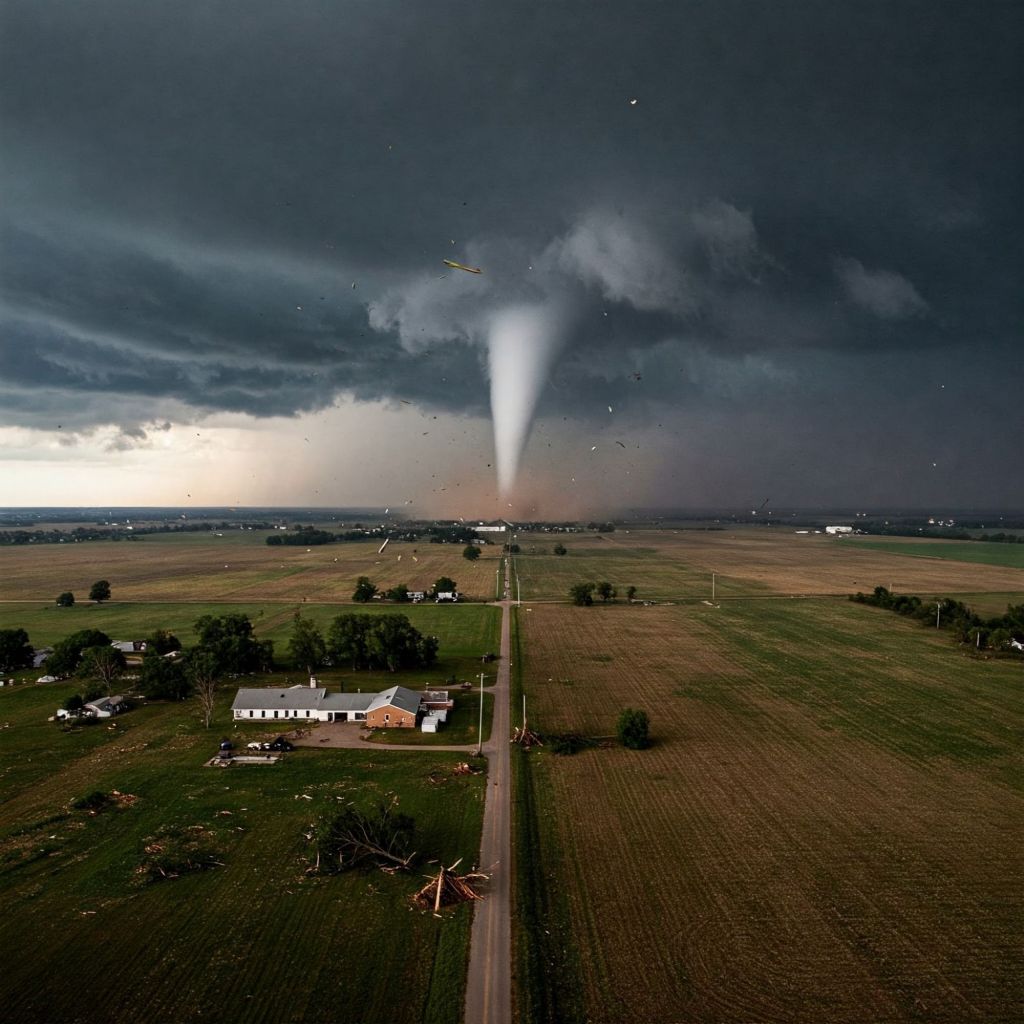
Situations may come up such as…
Editor’s note: We have no knowledge of any particular threat level at this time we would ask if your group join this service and take the assessment that you would comment or review back to us. pP
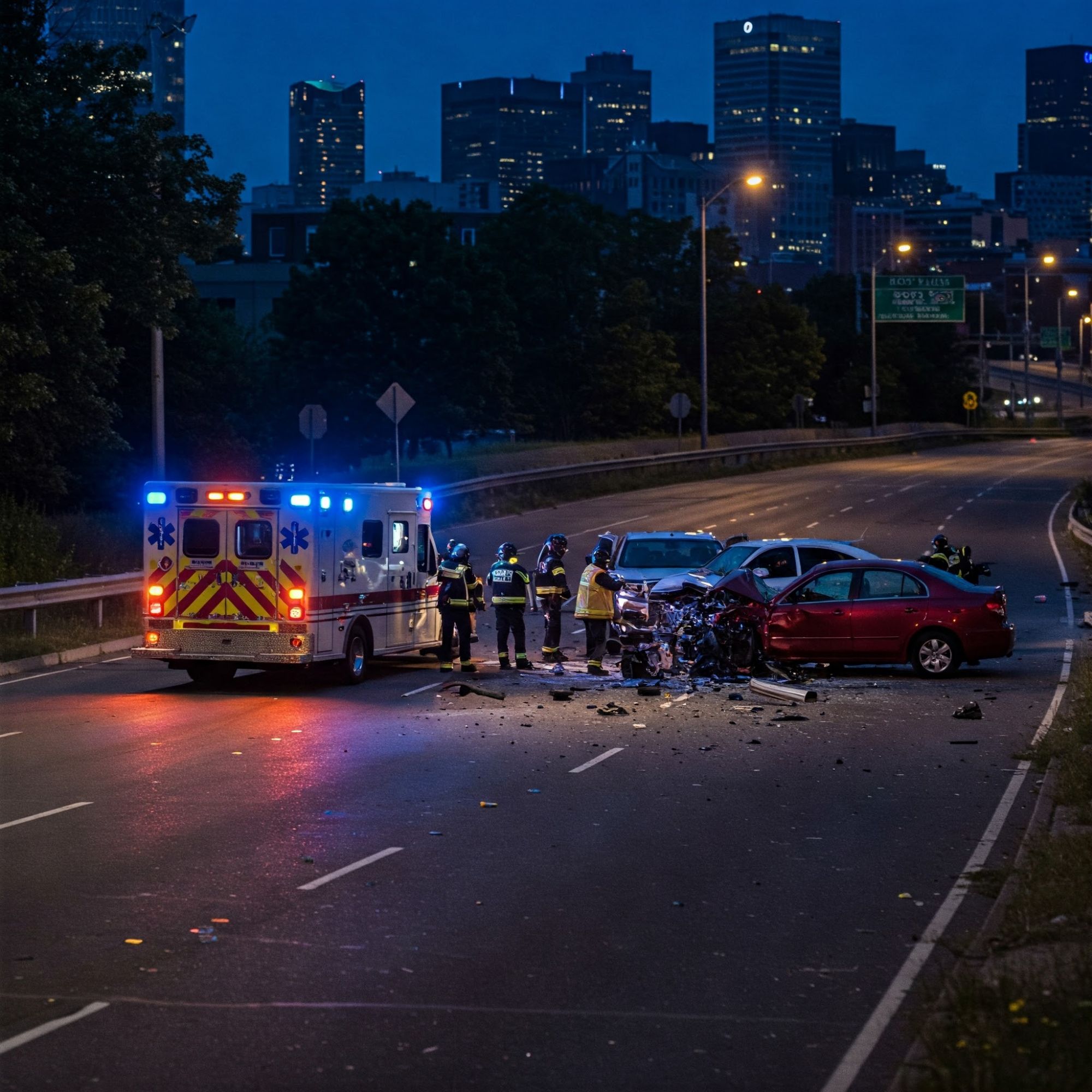
Maybe not a deranged killer, or not a heart attack, or a blown tire or mechanical failure. It could be a distracted driver who has not gotten his ticket as yet.
What ever the reason you are better off to walk on the side of the street that faces the oncoming lane of traffic to avoid being hit.
Remember your injury is not yours alone, you are connected and your loss is our community loss.
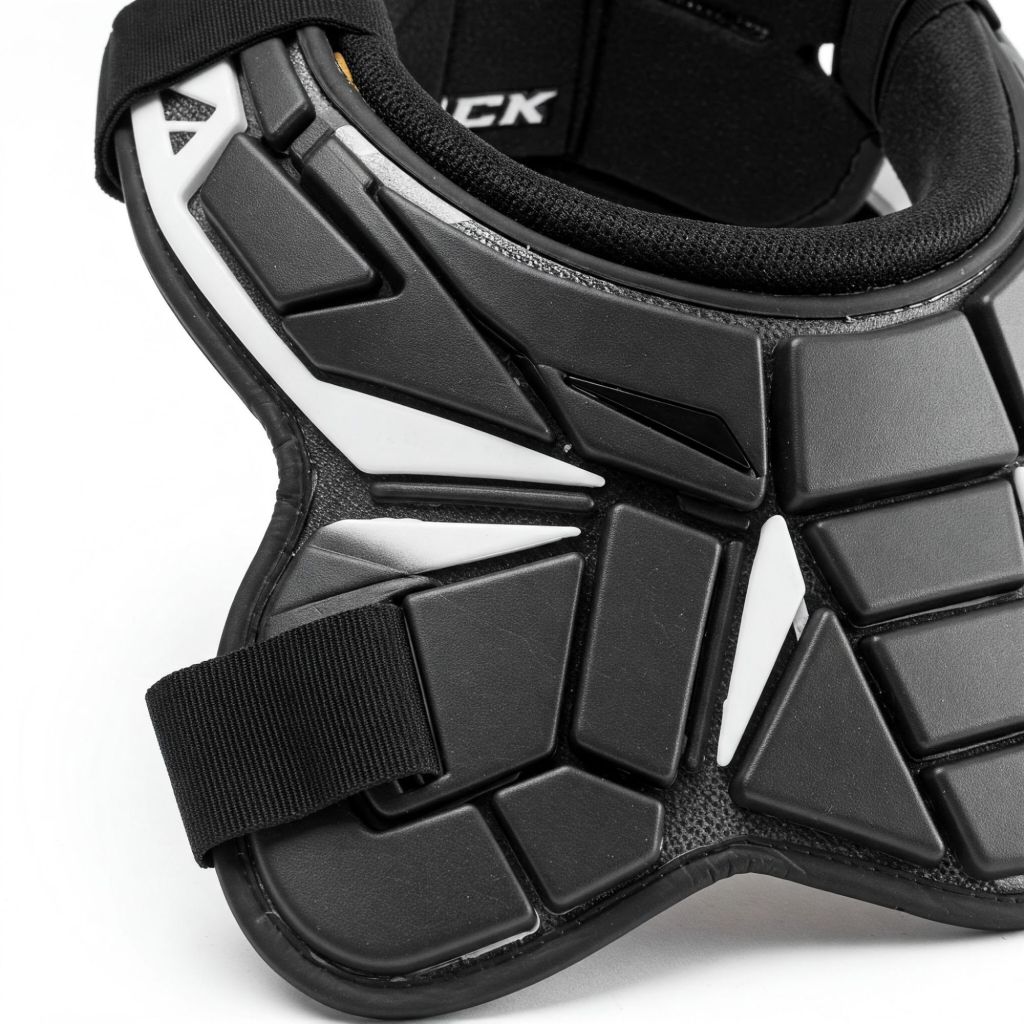
Neck guards in minor hockey have a history rooted in a tragic incident. In 1975, Ontario Junior A league goalie Kim Crouch suffered a severe neck laceration from a skate blade. Following this near-fatal injury, his father developed the first neck guard to allow Kim to return to playing. This event spurred the initial adoption of neck guards, particularly in Canadian minor hockey leagues. Over the following decades, neck guards became increasingly common in minor hockey across Canada. Many provincial and local hockey organizations mandated their use for players under a certain age. The Bureau de normalisation du Québec (BNQ) certification became a standard, ensuring the quality and protective capability of neck guards used in Canada. In the United States, the adoption of mandatory neck guards in minor hockey has been less uniform historically, often varying by state or local association. However, following the death of Adam Johnson, who suffered a fatal neck cut in a professional game in England in October 2023, there has been a significant push for mandatory neck protection at all levels. As a result, USA Hockey mandated neck laceration protection for all players under the age of 18, effective August 1, 2024. Use in Professional Hockey: Currently, neck guards are not mandatory in the National Hockey League (NHL). While some players choose to wear them, the majority do not. Concerns about comfort, potential hindrance to performance, and tradition are often cited as reasons for this resistance. However, the conversation around neck guards in professional hockey has intensified following recent serious neck injuries in hockey globally. Some NHL players have begun to wear neck guards voluntarily, and there is ongoing discussion about whether the league and the NHL Players’ Association might eventually agree to make them mandatory, similar to the evolution of helmet and visor rules. Other professional leagues, such as the American Hockey League (AHL) and leagues in Europe (Germany, Sweden, Finland, and England), have implemented mandatory neck guard policies. The International Ice Hockey Federation (IIHF) also mandates neck guards for all its tournaments, including the World Junior Championships and the World Championships. Effectiveness and Usefulness: Neck guards are designed to protect the vulnerable neck and throat area from lacerations caused by skate blades, hockey sticks, and pucks. They are typically made of cut-resistant materials like Kevlar or Spectra fibers, often encased in a comfortable fabric. Studies and real-life incidents suggest that neck guards can be effective in preventing or reducing the severity of neck lacerations. While no protective equipment can guarantee complete safety, neck guards provide a crucial barrier against sharp objects that could otherwise cause life-threatening injuries to major blood vessels and nerves in the neck. Have they ever saved anyone from catastrophic injury? Yes, there are documented cases where neck guards are believed to have saved players from severe or fatal injuries: * The case of Kim Crouch: His injury in 1975 directly led to the development and subsequent use of neck guards, preventing similar incidents for countless players. * Recent youth hockey incident in Eastern Ontario: Following Adam Johnson’s death, a young player was reportedly saved by a neck guard after being cut by a skate. While less publicized, it is plausible that neck guards have prevented numerous other less severe but still significant neck injuries over the years. In conclusion, the history of neck guards in hockey began with a serious injury that prompted their invention. They have become a standard and often mandatory piece of equipment in minor hockey, particularly in Canada, and are now gaining increased attention and mandatory status in youth hockey in the United States. While not currently mandatory in the NHL, the effectiveness and potential life-saving benefits of neck guards are becoming increasingly recognized, leading to more players choosing to wear them and ongoing discussions about a potential league-wide mandate in the future.
In British Columbia, the climate of work conditions for nurses, ambulance staff, and medical practitioners is marked by both challenges and advancements. The increasing demand for healthcare services due to an aging population has led to high workloads, which can result in burnout and stress among staff. Additionally, issues like staffing shortages and long hours often exacerbate these conditions. However, there have been efforts to improve work environments, including better support systems, competitive salaries, and enhanced mental health resources. The province is also investing in technology and training opportunities to streamline processes and improve patient care, aiming to create a more sustainable and supportive workplace for healthcare professionals. Overall, while the healthcare sector faces significant pressures, ongoing initiatives are working towards a more positive and resilient workforce.
Not only health care but all engagement of public has risk.
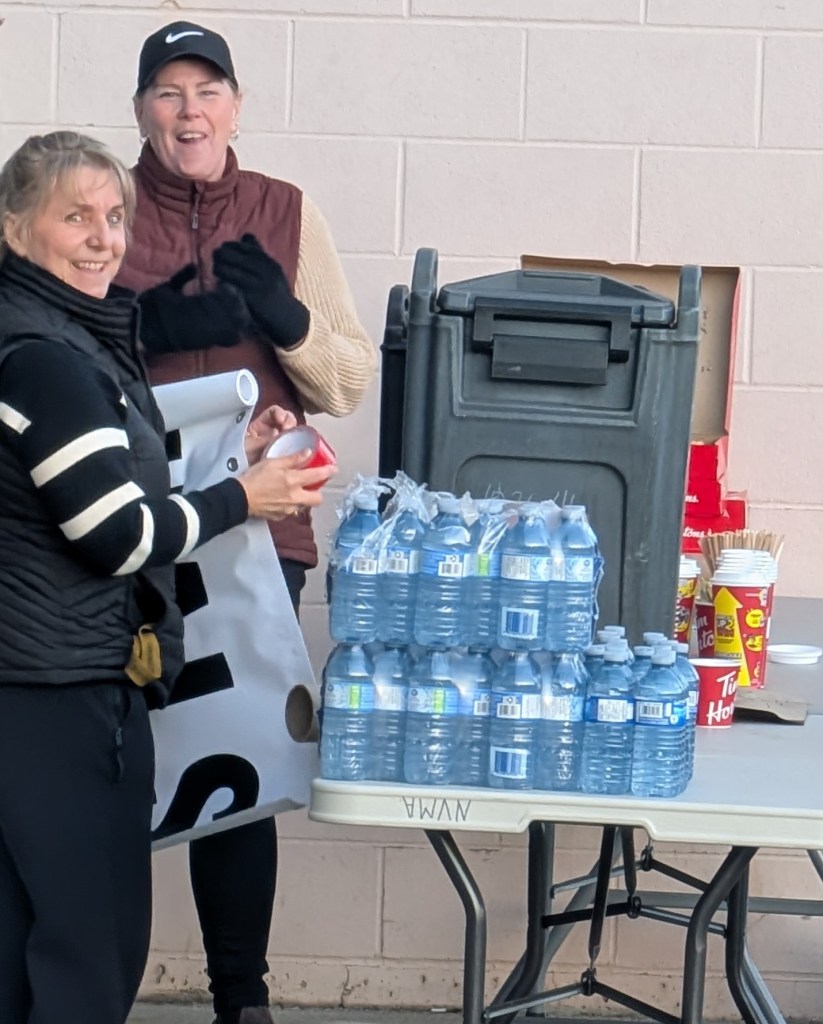
These two people were meeting the public outside a hockey game. There’s always a risk when you meet the public that somebody is a little off. Be careful. Be aware and don’t be vulnerable.
What to do…(Never deny someone’s feelings). And…
Dealing with potentially volatile individuals requires a careful balance of de-escalation tactics and safety awareness. Here’s a breakdown of strategies to help you navigate such situations: Disarming Techniques: * Maintain Calm and Respect: * Speak in a calm, even tone. Avoid raising your voice or displaying aggressive body language. * Show respect, even if you don’t agree with the person’s behavior. Acknowledge their feelings without necessarily validating their actions. * Use open and non-threatening body language. Keep your hands visible and avoid crossing your arms. * Active Listening: * Pay attention to what the person is saying. Let them vent without interrupting excessively. * Use reflective listening, which involves summarizing and restating what they’ve said to show that you understand. * Empathy can be a great tool. Try to see things from their perspective, even if you don’t agree. * De-escalation Strategies: * Create space. Give the person physical space. Avoid crowding them. * Redirect their focus. Try to shift the conversation to a neutral topic or offer a solution. * Avoid arguing or contradicting. Instead, use phrases like, “I understand,” or “I can see how that would be frustrating.” * Offer choices, when possible, to give them a sense of control. * Verbal Judo: * This technique emphasizes using words to redirect behavior. * Start by introducing yourself and explaining your role. * Ask open-ended questions to encourage them to talk. * Use persuasive language to gain their cooperation. Safety Measures: * Situational Awareness: * Be aware of your surroundings and identify potential escape routes. * Notice any signs of escalating aggression, such as clenched fists, raised voices, or rapid breathing. * Trust your instincts. If a situation feels unsafe, remove yourself from it. * Set Boundaries: * Clearly communicate your boundaries. Let the person know what behavior is unacceptable. * Be firm but polite. * If their behavior continues, be prepared to disengage. * Prioritize Your Safety: * Your safety is paramount. Do not hesitate to remove yourself from a dangerous situation. * If you feel threatened, call for help. * If possible, position yourself so you have an escape route. * If you are able to, and feel it is needed, remove yourself from the area. * Documentation: * If possible, and if it is safe to do so, document any interactions that made you feel unsafe. This can be helpful if you need to report the incident. Important Considerations: * People who are upset or abusive may be experiencing mental health issues or substance abuse. * These strategies are not foolproof. Some individuals may be beyond reason. * It’s crucial to prioritize your safety and seek help when necessary. By combining disarming techniques with safety precautions, you can increase your ability to navigate challenging interactions and minimize the risk of harm.
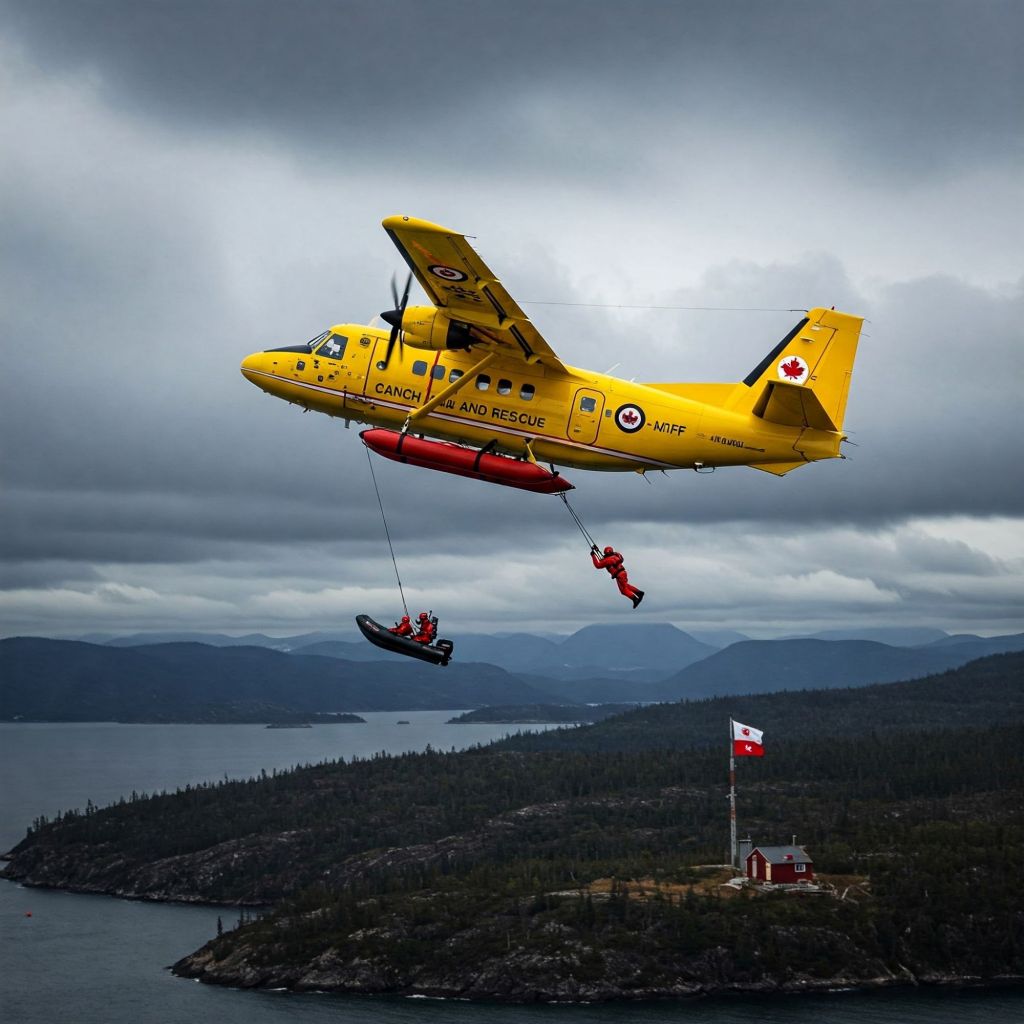
Understanding Search and Rescue (SAR) in Canada involves recognizing a complex, multi-layered system. Here’s a breakdown: Key Aspects of Canadian SAR: * Shared Responsibility: * SAR in Canada is a collaborative effort involving federal, provincial/territorial, and municipal governments, as well as volunteer organizations. * The Canadian Armed Forces (CAF) plays a crucial role, primarily in aeronautical and maritime SAR. * Provincial and territorial governments are responsible for ground SAR. * Division of Responsibilities: * CAF: Primarily handles air and maritime SAR coordination. * Provincial/Territorial Governments: Oversee ground SAR, often delegating to local police services or volunteer groups. * Parks Canada: Manages SAR within national parks. * Comprehensive Search Efforts: * SAR operations prioritize saving lives. The intensity and scope of a search depend on various factors, including: * The nature of the distress. * Environmental conditions (weather, terrain). * Available resources. * Probability of survival. * Search efforts can be very comprehensive, utilizing various resources like aircraft, ground teams, and specialized equipment. Transition from Search to Recovery: * No Fixed Timeframe: * There’s no rigid time limit for when a search transitions to a recovery operation. * The decision is based on a combination of factors, including: * The elapsed time. * Environmental conditions. * The likelihood of survival. * Information gathered during the search. * This decision is typically made by experienced SAR professionals in consultation with relevant authorities. * Dealing with the Emotional Toll: * The transition from search to recovery is emotionally challenging for everyone involved, including: * SAR personnel. * Families of the missing person. * SAR organizations often provide support services, such as: * Counseling. * Debriefing sessions. * Liaison with family members. * It is very difficult for the families involved, and the SAR professionals. There are often grief counseling and other services offered to families of missing persons. * SAR professionals are also effected by these situations, and they also have access to counseling and debriefing. In essence, Canadian SAR is designed to be as thorough and effective as possible, with a primary focus on saving lives. However, the realities of challenging environments and the passage of time can necessitate the difficult transition to a recovery operation.
Editor’s note:
This post was inspired by the presence of a Buffalo 🦬 Sars Aircraft in the skies over Merritt recently…,
Thanks Search and rescue 🛟. Your available presence is appreciated.
Canada’s police strength has been declining in recent years, reaching the lowest rate of police officers per 100,000 population since 1970. In 2023, there were 178 officers per 100,000 people in Canada. This is a decrease of almost 2% from 2022 and a significant drop from the ratio of around 203 officers per 100,000 people in 2010. Despite the declining ratio, the actual number of police officers in Canada has increased over time. However, the population has grown at a faster rate, resulting in the lower ratio. Staffing shortages are a concern for many police forces across Canada. These shortages can be attributed to several factors, including: * Decreased recruitment: Fewer people are choosing policing as a career. * Increased attrition: Officers are leaving the force due to factors like burnout, stress, and lack of job satisfaction. * Aging workforce: Many officers are reaching retirement age. Staffing shortages can lead to increased workloads for existing officers, potentially impacting their well-being and the quality of service provided to the public. It can also result in slower response times and reduced proactive policing efforts. The provinces and territories with the highest rates of police strength in 2023 were: * Northwest Territories (433.6 officers per 100,000 population) * Nunavut (344.2 officers per 100,000 population) * Yukon (324.6 officers per 100,000 population) * Saskatchewan (200.8 officers per 100,000 population) * Quebec (188.7 officers per 100,000 population) The provinces with the lowest rates of police strength were: * Prince Edward Island (132.9 officers per 100,000 population) * New Brunswick (155.4 officers per 100,000 population) * Newfoundland and Labrador (161.2 officers per 100,000 population) It is important to note that these figures represent the overall police strength in each province and territory and may not reflect the specific staffing levels in individual communities. The issue of police staffing in Canada is complex and multifaceted. Addressing the challenges of recruitment, retention, and workload management will be crucial for ensuring the long-term health and effectiveness of police services in the country.
Good luck Merritt as you negotiate your staffing levels. KDG
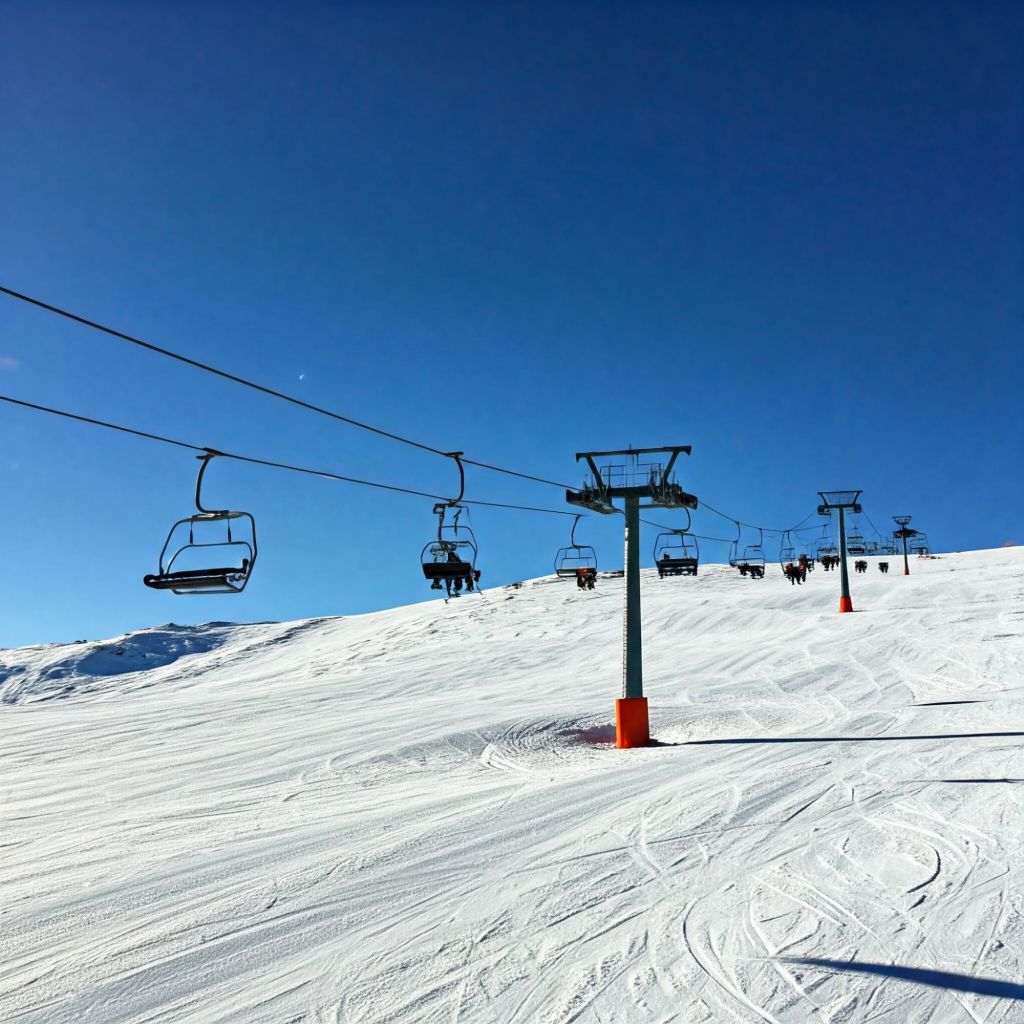
The joy of skiing is back for BC, while just at bay extreme weather and dangerous temperatures are muted and we hope not just a window.
Happy first day of 2025.
To maximize enjoyment and safety while downhill skiing in British Columbia, consider these factors: Timing: * Shoulder Seasons (November/Early December & March/April): * Pros: Fewer crowds, potentially better deals on accommodation and lift tickets, pleasant weather. * Cons: Snow conditions may be less consistent, some lifts/terrain might be closed. * Peak Season (December-February): * Pros: Consistent snow, wide variety of open terrain, festive atmosphere. * Cons: Higher prices, longer lift lines, more crowded slopes. Location: * Whistler Blackcomb: World-renowned, diverse terrain, excellent snow record. * Revelstoke Mountain Resort: Massive vertical drop, challenging terrain, incredible powder. * Kicking Horse Mountain Resort: Steep and challenging, unique terrain, stunning scenery. * Sun Peaks Resort: Family-friendly, good value, variety of terrain. * Smaller Resorts: Often offer a more relaxed atmosphere, shorter lift lines, and unique charm. Safety: * Take a lesson: Even experienced skiers can benefit from a refresher or learn new techniques. * Rent appropriate equipment: Make sure your skis/snowboard and boots fit properly. * Ski within your ability: Don’t attempt runs that are too difficult for you. * Be aware of your surroundings: Look uphill before merging onto the run. * Control your speed: Adjust your speed to match the conditions and other skiers. * Stay hydrated and nourished: Bring snacks and water to avoid fatigue and dehydration. * Wear a helmet: Helmets are essential for safety. Practical Tips: * Book accommodations and lift tickets in advance, especially during peak season. * Check the snow report and weather forecast before you go. * Pack layers of clothing to adjust to changing temperatures. * Bring sunscreen, sunglasses, and lip balm. * Consider purchasing a season pass or multi-day lift ticket for significant savings. * Take advantage of après-ski activities to relax and socialize. By following these tips, you can enhance your enjoyment and ensure a safe and memorable downhill skiing experience in British Columbia. Disclaimer: This information is for general guidance only and should not be considered professional advice. Always prioritize safety and consult with qualified instructors or guides for specific situations.










 Kevin Griffiths
 percypaschal
 The Proprietor Review