Save
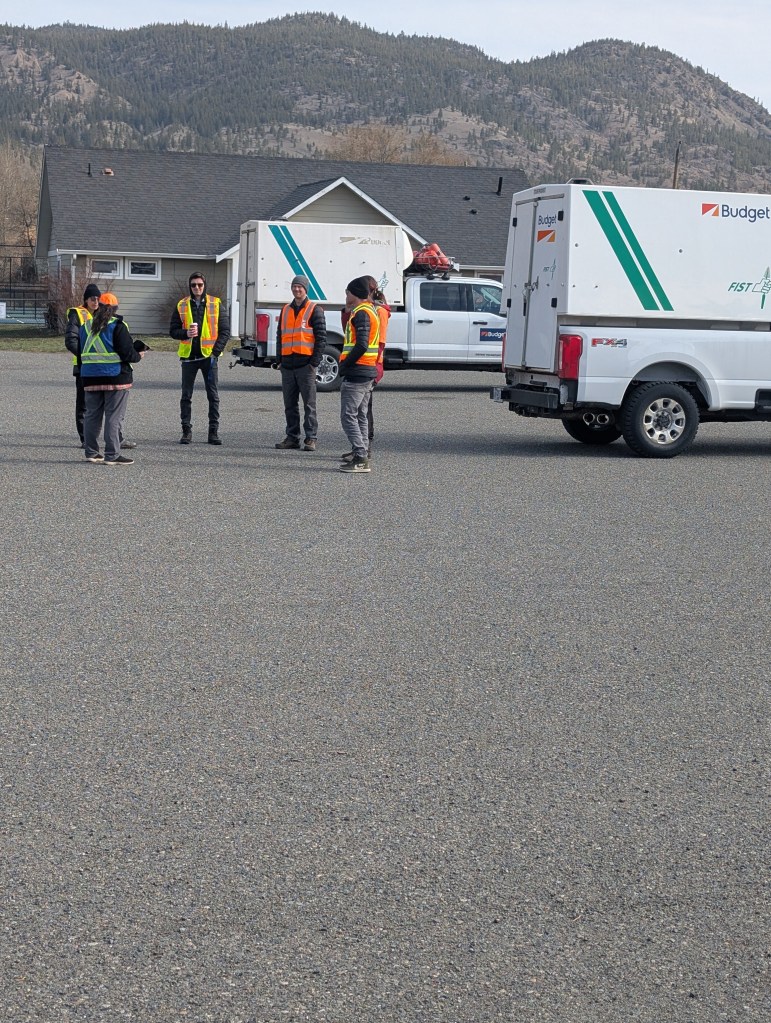
Tree planters doing some “Driver’s Training”. The lead hand says they will be planting trees out around highway Eight West of Merritt. The area is the site of recent fires.

To the seasons of life
Save
Tree planters doing some “Driver’s Training”. The lead hand says they will be planting trees out around highway Eight West of Merritt. The area is the site of recent fires.

March 20th 2026, spring, 14:46 Eastern daylight time.
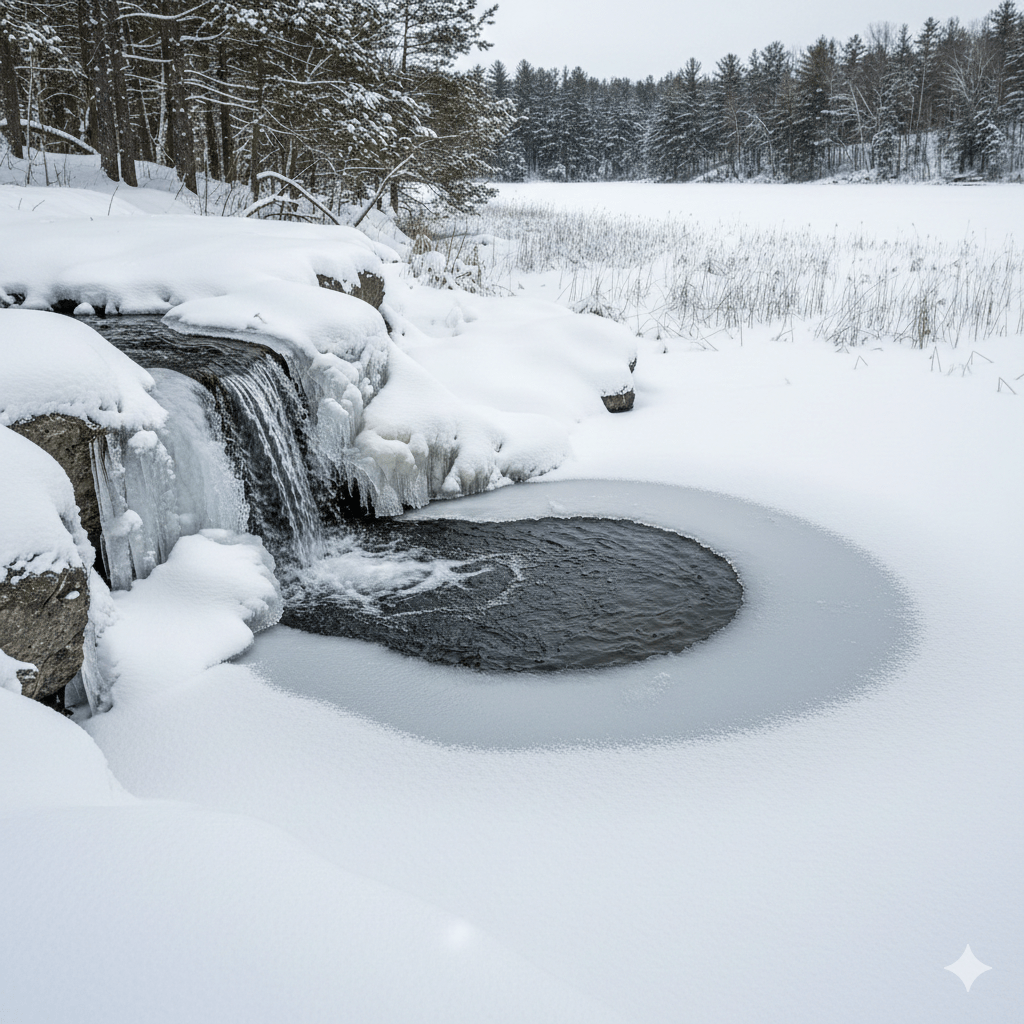
At the lower levels snow has a calming effect. , Drving safety first but appreciating for the permanance of seasonal ground rest and all that entails is comforting…
Take extreme care. Ice is very fragile at this point or in most points or anytime it can be rotten. And you’re under in a second and with no chance of finding your way out again often!
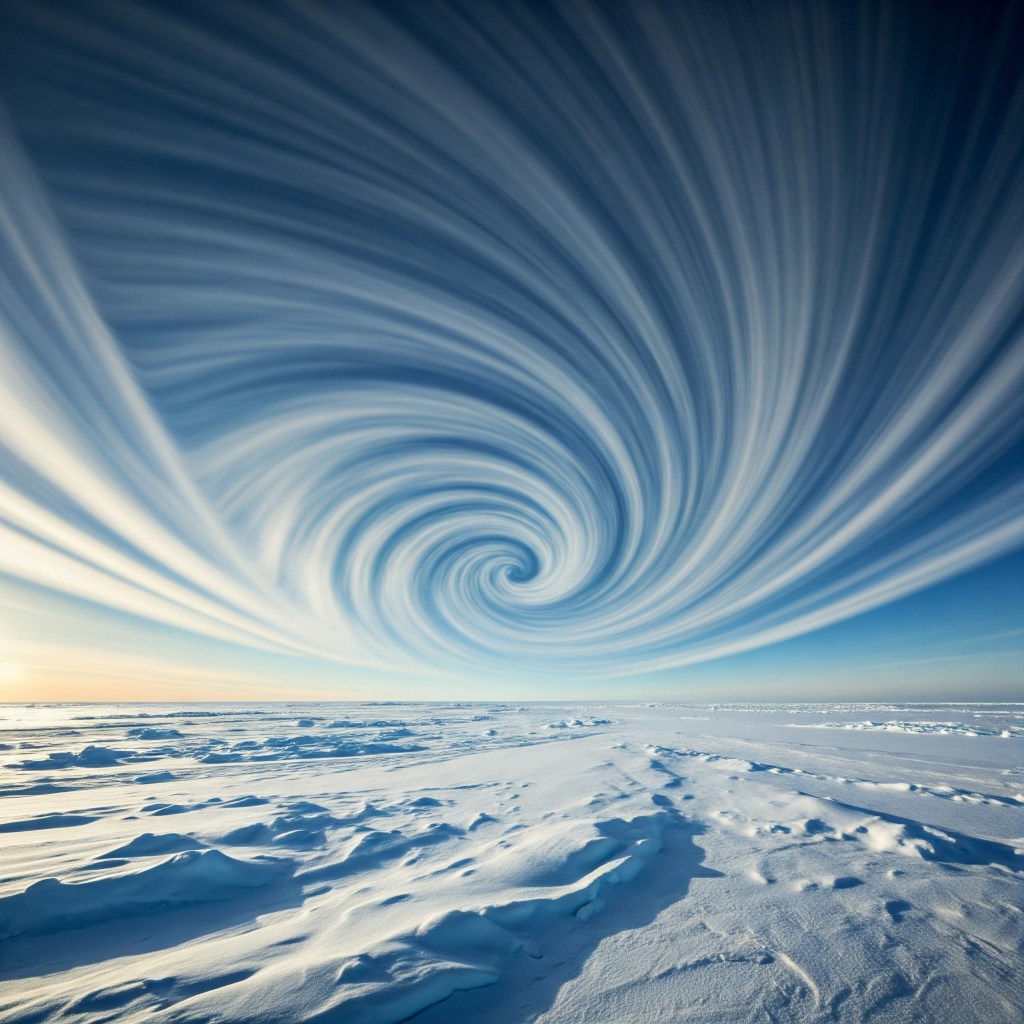
Atlantic Meridonacal overturning current.
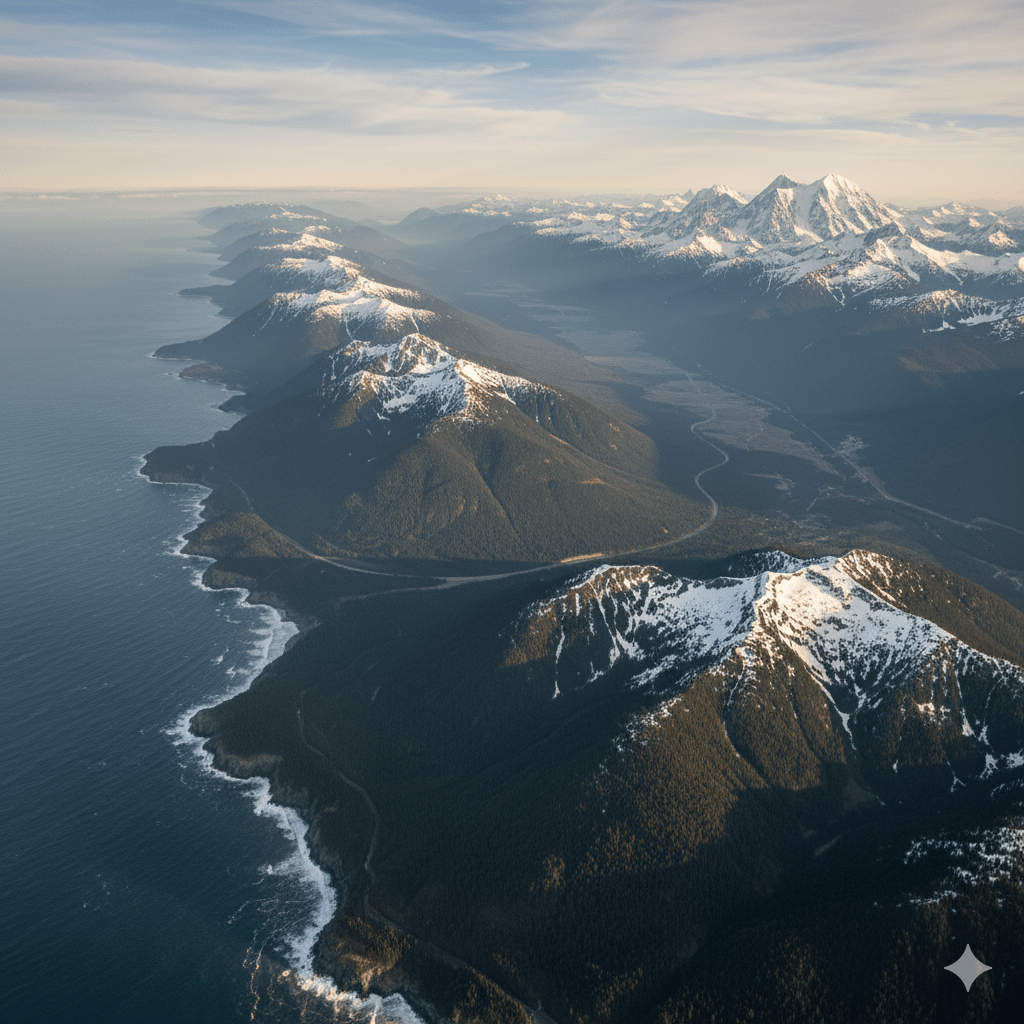
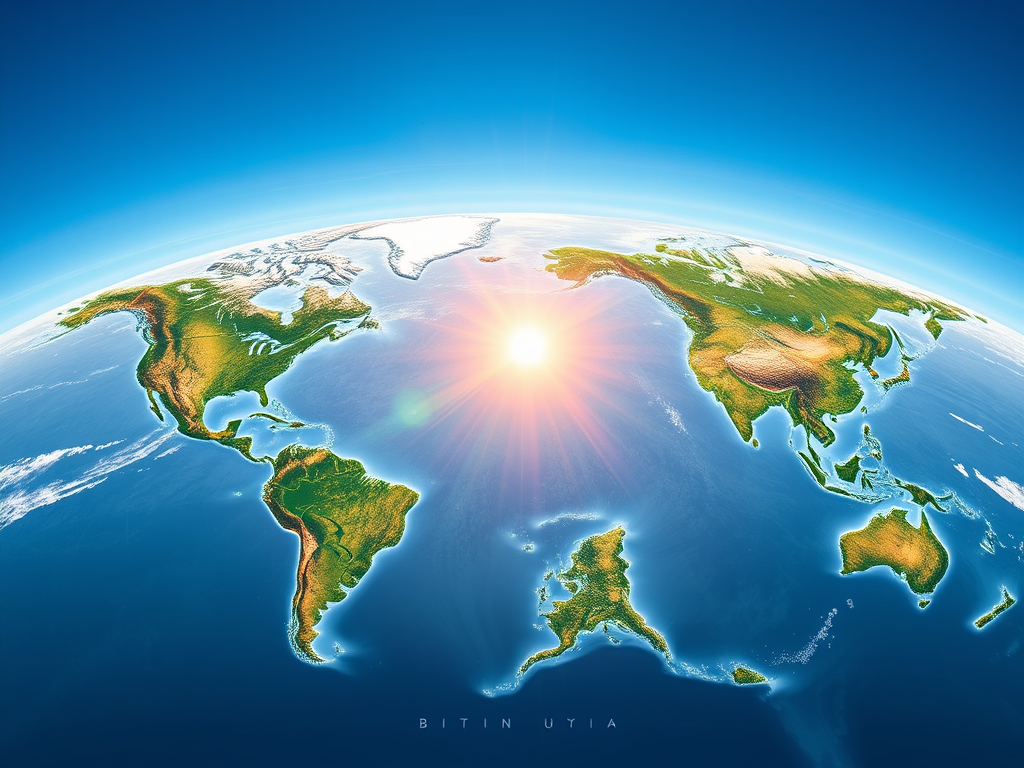
Concept photo generated to demonstrate the fine balance of altitude sea levels. Sea temperatures.
The “overturning current” you’re referring to is the Atlantic Meridional Overturning Circulation (AMOC), often described as the Atlantic’s “great conveyor belt.” This massive system of currents plays a critical role in global climate by transporting warm, salty water from the tropics north toward the Arctic. In the high latitudes of the North Atlantic, this surface water cools and loses heat to the atmosphere—which helps keep Western Europe significantly warmer than other regions at similar latitudes. As the water cools, its salinity and density increase, causing it to sink to the deep ocean floor. This cold, dense water then flows southward in a deep return current, completing the overturning loop. This circulation is essential not only for regional weather but also for redistributing heat, dissolved oxygen, and carbon throughout the ocean basins, impacting marine ecosystems and the ocean’s function as a vital carbon sink.However, recent studies indicate that the AMOC is weakening, and scientists are concerned that continued global warming could push it past a critical
The primary factor driving this slowdown is the influx of freshwater into the North Atlantic, primarily from melting ice sheets in Greenland. This freshwater is less dense than the salty ocean water and inhibits the cooling surface water from sinking, thereby disrupting the engine of the overturning circulation. If the AMOC were to substantially slow or, in a worst-case scenario, collapse, the consequences would be severe: Northern Europe could face much harsher winters, global rainfall patterns could shift drastically (affecting tropical monsoon regions), and sea levels could rise along the U.S. East Coast. While the exact trajectory and timing of a potential collapse are subject to scientific debate, the potential risks have led some governments, like Iceland’s
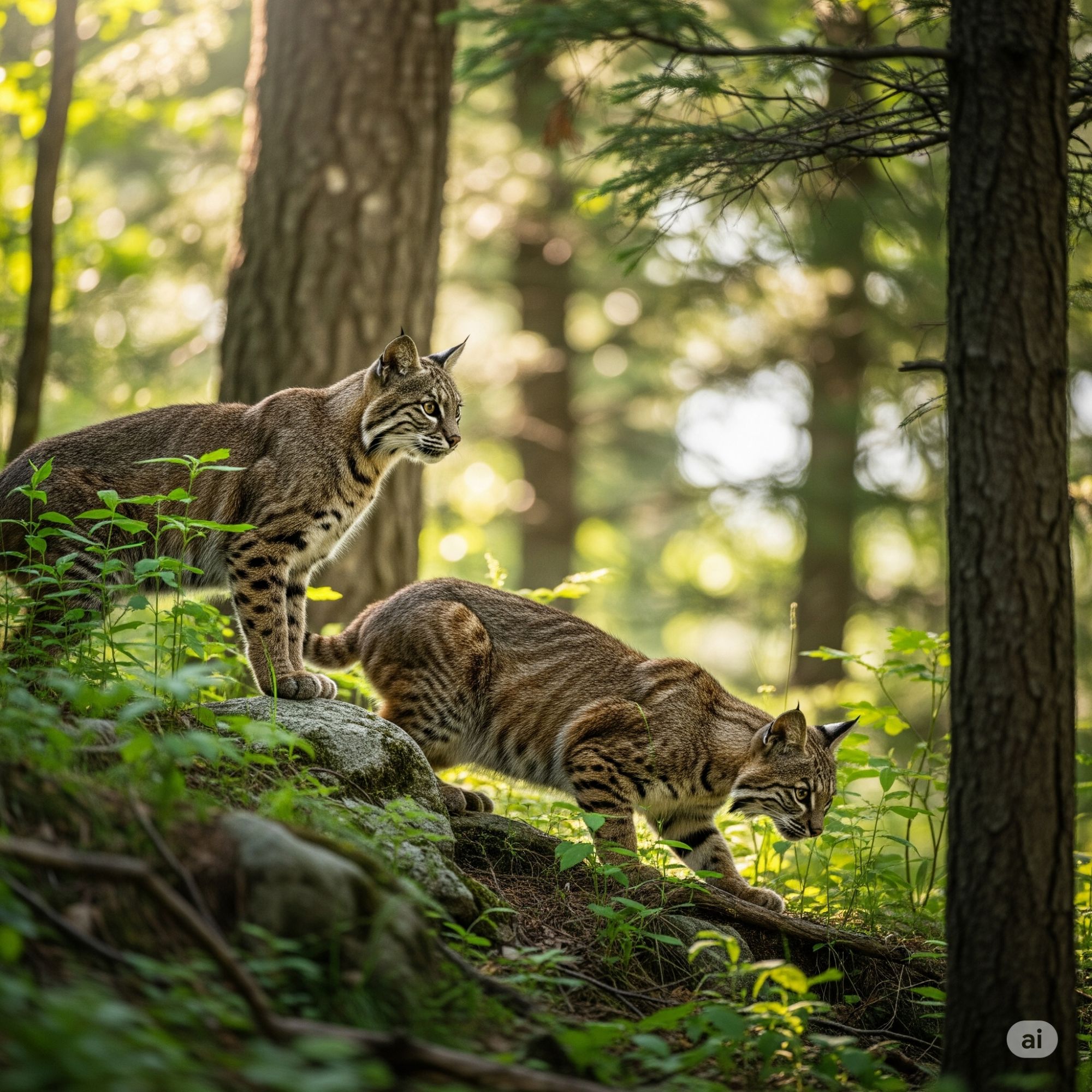
Photo Bob Cat Wikipediathese.
animalImportants
Remember
Ai can give you anything but temperature.
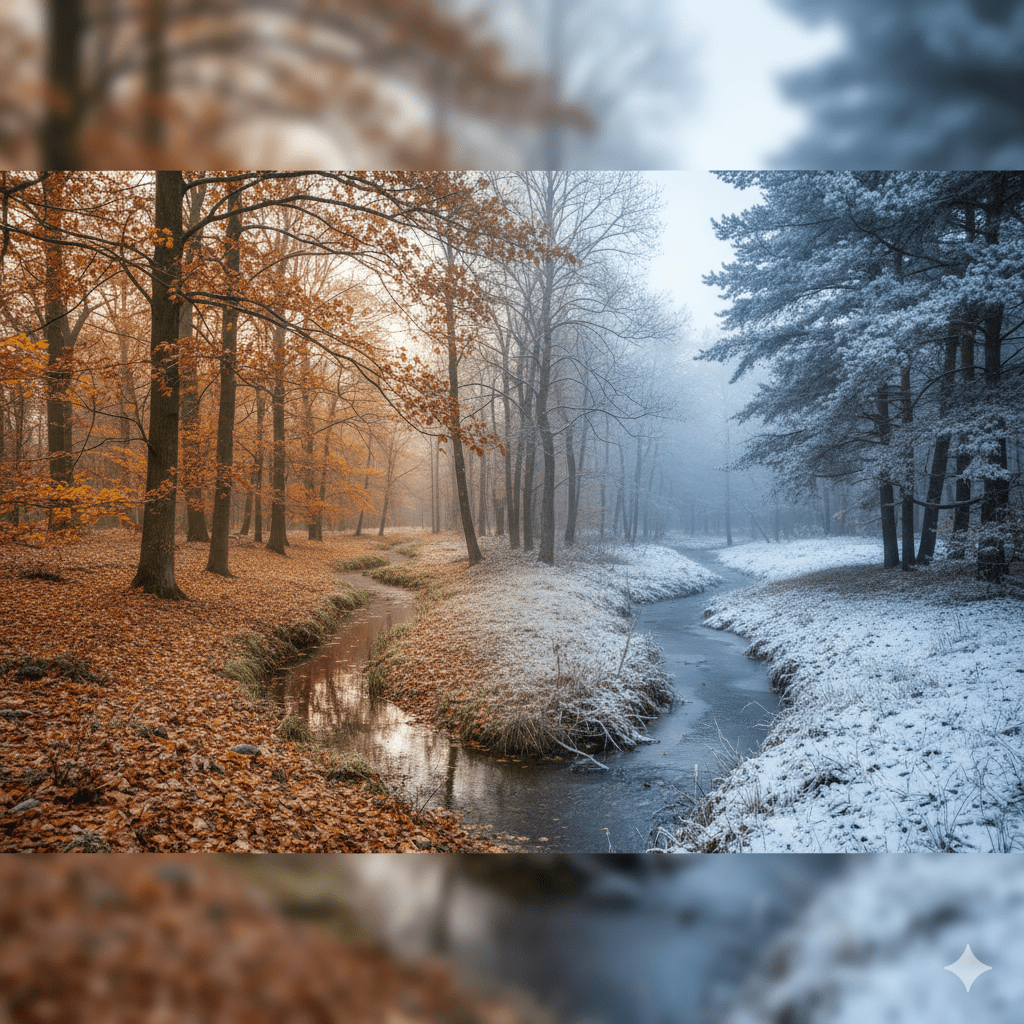
The transition from fall to winter can be benchmarked by observing a combination of astronomical, meteorological, and natural signs.❄️ Three Benchmarks for the Fall-to-Winter Transition1. Astronomical Benchmark: The Winter SolsticeThis is the official start of astronomical winter and is the point of the year with the shortest day and longest night. * What to Look For: The Winter Solstice occurs around December 21st in the Northern Hemisphere. While it’s the beginning of winter, it also marks the turning point where the daylight hours begin to increase again.2.
Sustained Temperature DropMeteorologists define winter as the three coldest months of the year, which are typically December, January, and February in the Northern Hemisphere. The key transition sign is a persistent drop in the average daily temperature. * What to Look For: * Average Temperatures: The average daily high temperature consistently drops below freezing (0°C or 32°F) or remains in the lower single digits for an extended period. * Precipitation: The primary form of precipitation reliably changes from rain to snow, sleet, or freezing rain. * Frost: Heavy, persistent frost becomes a nightly occurrence, often lasting well into the day.3.
This benchmark involves observing significant changes in plant and animal life that signal preparation for the harsh cold.
The vast majority of deciduous trees are fully bare (leaf drop is complete), and all herbaceous plants have withered and died back, entering a state of dormancy.
The complete migration of local flocks of common seasonal birds (like robins or specific geese/ducks species) has finished.
Small mammals like squirrels become intensely focused on food caching before periods of severe cold, and many insects disappear or go into diapause (hibernation).
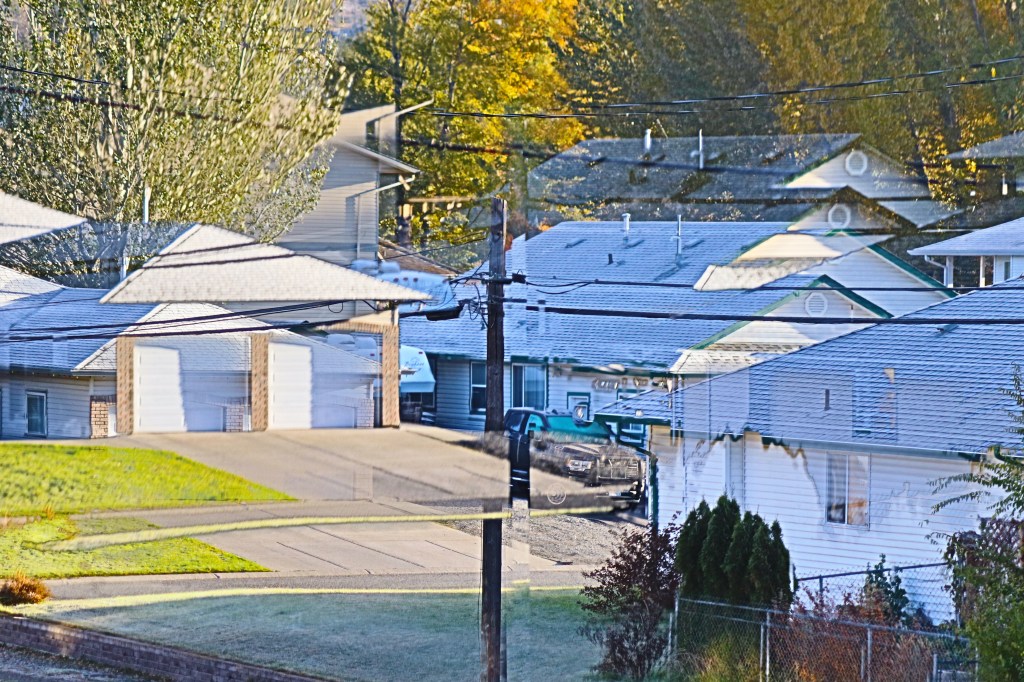
photo: KDG October 22nd, 2025
The frosts on the roofs of these Garcia Street homes in Merritt, British Columbia are the first visible substantial frost in our minds for this fall. The skies are sunny and the days are still warm. We generally don’t get snow on the grounds of the second week of November. There is a bit of a sense of normality.
no alerts as of 10:00 a.m. Wednesday, October 22nd 2025 according to environment Canada.
The Sunlight we need to grow plants is on the downward drive to the fall equinox, the rapid pace of its march is demonstrated by July losing one full hour and 4 minutes by its end.

The amount of daylight on August 18th depends on your location. Here are some examples of daylight hours for that date in various places:
* Merritt, British Columbia, Canada: There will be approximately 14 hours and 17 minutes of daylight.
* Vancouver, British Columbia, Canada: There will be approximately 14 hours and 13 minutes of daylight.
* Edmonton, Alberta, Canada: There will be approximately 14 hours and 37 minutes of daylight.
* Kamloops, British Columbia, Canada: There will be approximately 14 hours and 23 minutes of daylight.
* Ottawa, Ontario, Canada: There will be a sunrise at 6:07 a.m. and a sunset at 8:06 p.m. This is 13 hours and 59 minutes of daylight.
You can find the specific sunrise and sunset times for your location using a reliable source like timeanddate.com or a local almanac.
King Tides are the highest high tides of the year at a coastal location, significantly above the average high tide. They are a natural and predictable phenomenon that occurs once or twice annually in coastal areas. The scientific term for a King Tide is a perigean spring tide.
What causes King Tides?
King Tides happen due to a combination of astronomical factors:
* Alignment of the Earth, Moon, and Sun: The gravitational forces of the sun and moon have the greatest effect on Earth’s tides when these three bodies are aligned (during new and full moons). These are called spring tides, which occur about every two weeks.
* Moon’s Orbit: The Moon’s orbit around the Earth is elliptical, meaning there are times when the Moon is closer to the Earth (perigee) and farther away (apogee). When a new or full moon coincides with the Moon being at its closest point to Earth (perigean spring tide), the gravitational pull is stronger, resulting in higher tides.
* Earth’s Orbit: Similarly, the Earth’s orbit around the Sun is also elliptical. The Earth is closest to the sun (perihelion) in early January and farthest away (aphelion) in early July. When a perigean spring tide occurs around the time Earth is closest to the sun, it can further enhance the tidal range, leading to King Tides.
King Tides result in both the highest high tides and the lowest low tides of the year.
King Tide Situation in British Columbia
While I don’t have specific real-time information about a “current King Tide situation” as of today, April 30, 2025, King Tides are a recurring event in British Columbia, typically occurring during the winter months (November to February) and sometimes in the summer.
Here’s what is generally known about King Tides in BC:
* Timing: The highest risk of King Tides in BC usually falls between late December and early January. There can also be significant King Tide events in other winter months.
* Potential Impacts: King Tides can cause minor flooding in low-lying coastal areas. When combined with storm surges (sea level rise due to low atmospheric pressure and strong winds), they can lead to more significant coastal flooding and erosion.
* Sea Level Rise Connection: King Tides are not caused by climate change. However, they offer a glimpse into what future average high tides could look like as sea levels rise due to global warming. Observing King Tides helps communities understand and prepare for the long-term impacts of sea level rise on coastal infrastructure and ecosystems.
* Monitoring and Preparedness: Municipalities in coastal BC, such as Vancouver and Delta, often monitor King Tide forecasts and may take precautionary measures like closing sections of seawalls or providing sandbags to residents in flood-prone areas. They also use King Tide events to gather data and photos to help with flood hazard mapping and long-term adaptation strategies for sea level rise.
* Citizen Science: In the past, initiatives like the “King Tide Photo Initiative” in BC encouraged residents to photograph coastal areas during King Tides to document the extent of the flooding and visualize future sea levels.
For the most up-to-date information on any current or upcoming King Tide events in British Columbia, I recommend checking the following:
* Local News Outlets: They often report on anticipated King Tides and any associated risks or impacts.
* Tide Charts and Predictions: Websites that provide tide predictions for specific locations in British Columbia will show the dates and times of the highest tides of the year.
* Municipal Government Websites: Coastal municipalities often issue advisories or updates related to King Tides and potential flooding.
* Environment and Climate Change Canada: They provide weather warnings and information that could be relevant during King Tide events.
Keep in mind that even if a King Tide is predicted, the actual impact can vary depending on weather conditions such as wind and atmospheric pressure, which can either exacerbate or lessen the effects.
No alerts as of Friday night 10 PM.
Sweet dreams….

Hey Merit what do you say?




 Kevin Griffiths
 percypaschal
 The Proprietor Review