You are presumed to be honest and responsible without evidence to the contrary beyond a reasonable doubt… on the balance of probablilties you are justified by 51 % likelyhood.
The Earth has ocean currents and air currents. Every kind of vortex, wind, tunnels, wind shears and the whole kitt caboodle gives us predictable weather and most instances.
Gravity from a friend
Our moon stands solid withness and pulls on our oceans and our currents and gives us predictable weather
With a week to Thanksgiving, we pause to think of some of the blessings of just ability to see nature’s beauty and God’s fulfillment. The promise for you to have life and liberty in abundance. Make it yours this week
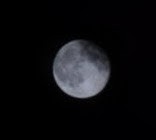
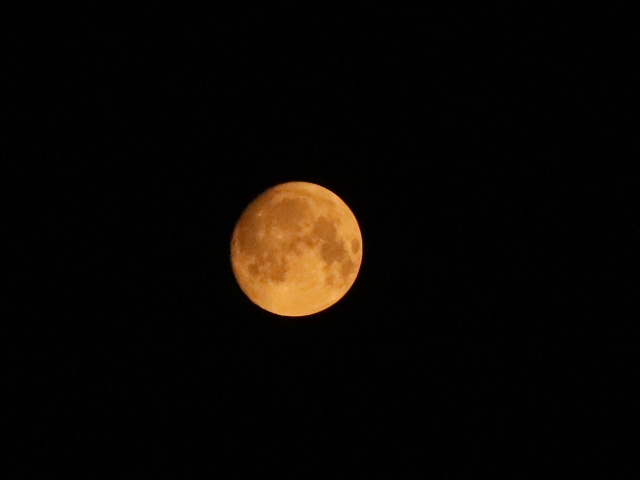
The Moon is not quite full yet. Apparently on the 6th or the 7th it will be. With a possible frost here.Merritt BC…
Moon Location?
That’s a great question! Since you’re in Merritt, BC, here is where the Moon is tonight, October 4, 2025.The Moon is in the Waxing Gibbous phase and is approximately 92.4% illuminated.Tonight’s Moon Schedule in MerrittThe Moon is visible in the sky this evening, setting in the early morning.| Event | Time (PDT) ||—|—|| Moonrise | The Moon rose in the afternoon, between noon and sunset, and is currently visible. || Sets | The Moon will set in the early morning hours (between midnight and sunrise). |The Moon is very close to its Full Moon phase, which will occur in a couple of days on October 6, 2025.
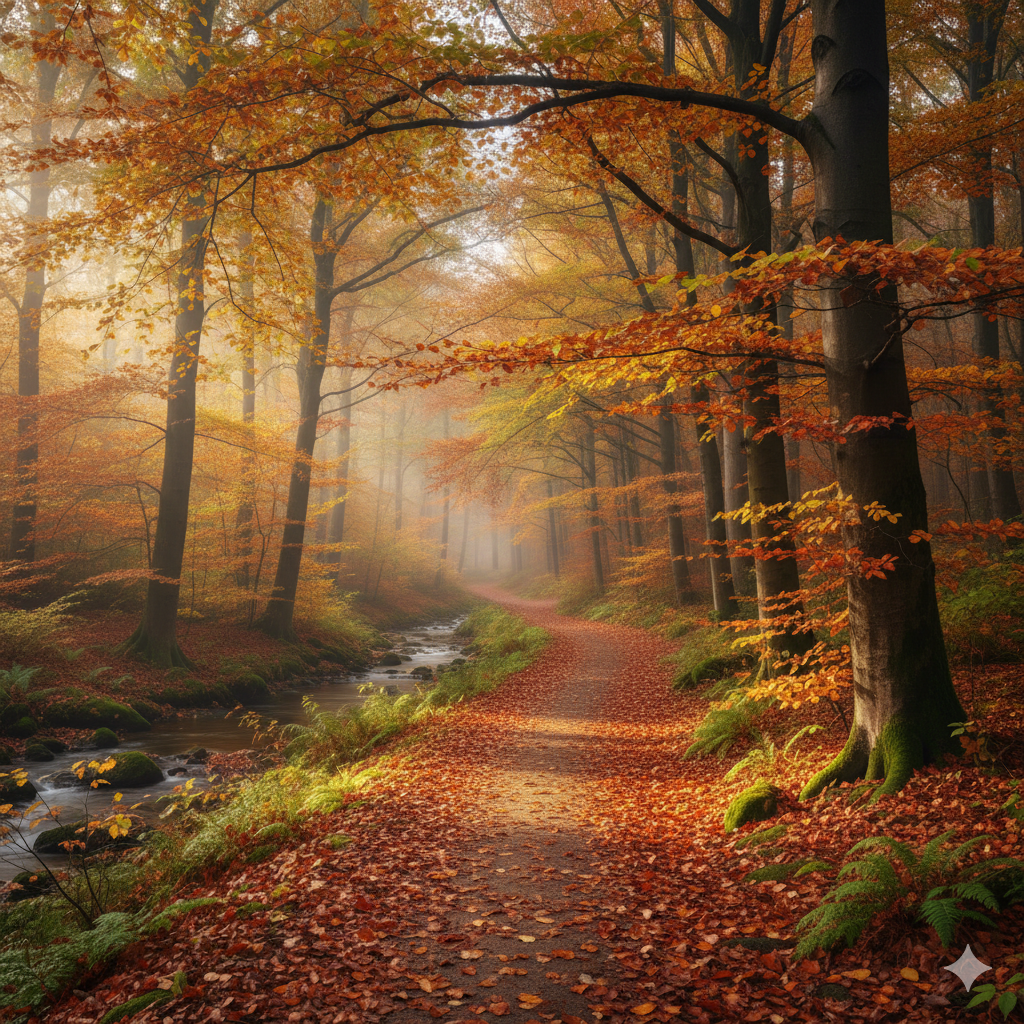
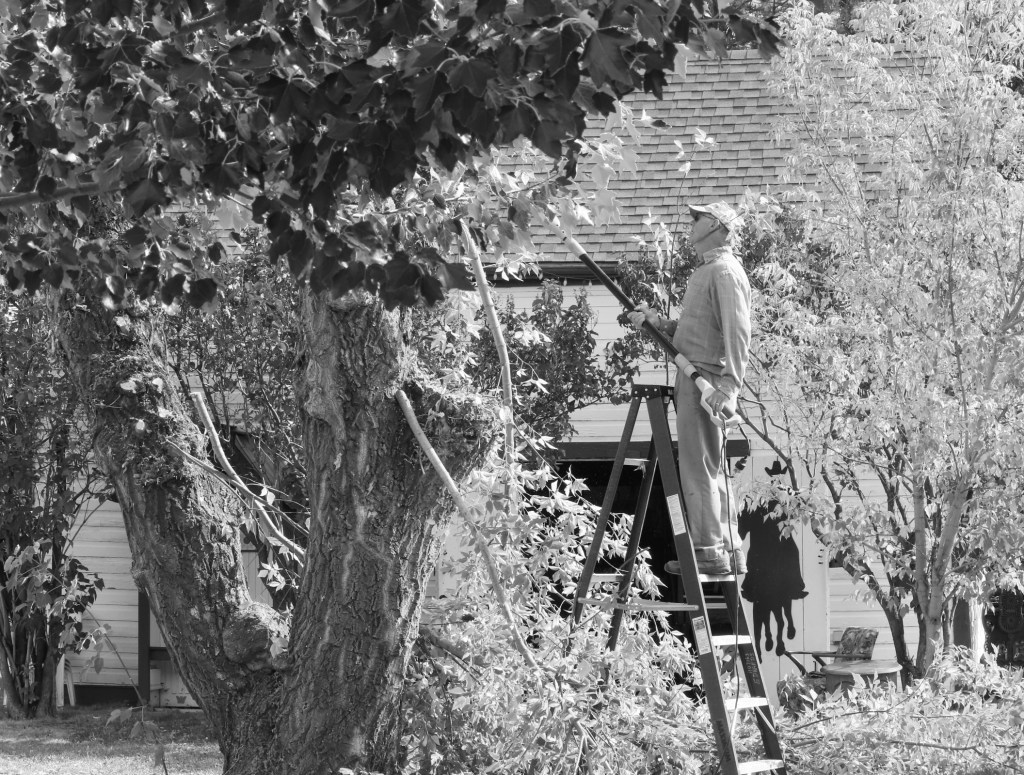
Tom Edwards prunes the tree at the Bailey house downtown information center on Voght Street in Merritt, BC. Somebody said careful that ladder don’t fall and guess what? In Merritt, there’s only a few leaves that have turned color.
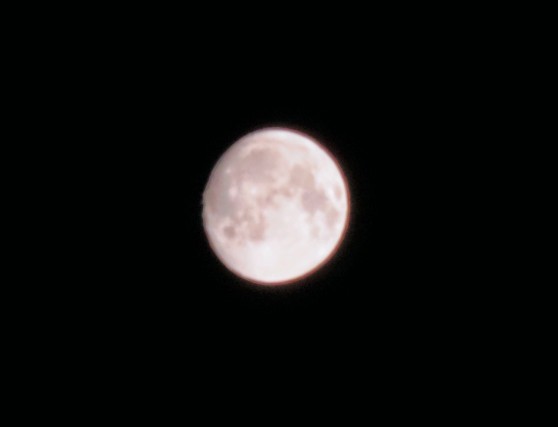
Moon October 2025
Photo KDG
Just to frost temperature over night October 6 forecast low 32f.
The full moon this October is a supermoon and on the 6th the forecast for the temperature in Merritt, 600 meters above sea level and in the BC Central South interior will experience another super hunter/harvest Moon.
When and wear
The full Harvest Moon on October 6, 2025, is a significant celestial event, as it is also a Supermoon.Harvest Supermoon DetailsTime of FullnessThe Moon will reach its moment of peak illumination (fullness) at 8:48 P.M. PDT on Monday, October 6, 2025, in Merritt, British Columbia.Moonrise and DirectionFor observers in Merritt, BC, the full Moon will: * Rise at 6:09 P.M. PDT on Monday, October 6, 2025. * Direction: It will rise generally towards the East, near the horizon, a characteristic of the full Moon around the autumnal equinox. The optimal time to view its golden-orange hue is shortly after it rises.The Supermoon EffectThe Harvest Moon on October 6, 2025, is the first of three consecutive Supermoons this year, meaning it occurs close to perigee (the Moon’s closest point to Earth in its orbit).Distance from EarthWhile the Moon’s exact distance is constantly changing, the full Moon phase on October 6 will be at a close distance. The closest point in the orbit (perigee) for this full moon period is around 226,250 miles (approximately 364,117 kilometers). This distance is significantly closer than the average Earth-Moon distance of about 239,000 miles.Why it’s a SupermoonA Supermoon is a full Moon that occurs near perigee. Due to this closer distance, it will appear slightly larger (about 6.6% larger) and noticeably brighter (about 13% brighter) than a typical full Moon.What makes it the Harvest MoonThe Harvest Moon is simply the full Moon that occurs closest to the autumnal equinox (the start of fall). Because the equinox in 2025 was on September 22, the full Moon on October 6 is the closest one to that date, earning it the title of Harvest Moon. This timing causes the Moon to rise relatively close to sunset for several nights, providing extra twilight illumination for farmers, which is how it got its name.
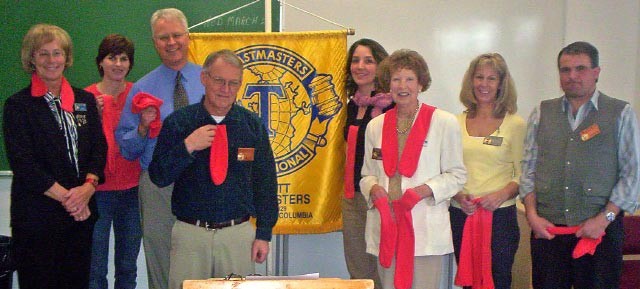
From left to right: Elizabeth Laird, Sue Peachy, David Brown, Jim Bradford, Dorothy Molner, Helen Stoneman, Gale Simpson, and Kevin Griffiths that would be me.
We were very active back then, surrounded by great people. It was easy. We missed toastmasters myself. I was the conductor of a speechcraft for youth for about a decade…
Helen came up a little short of being 100 years old. Passed a few years ago and most everybody else is still living and happy. Oops Liz Laird is gone.
Please comment if you have any comments about toastmasters or about public speaking or any of these fine people.
I am posting this because I briefly talked to a young lady that had a nice jacket on that said 4-H, and I remember Gloria Capp as one of our members was very much involved in 4-H. She was a rancher and she nurtured young people into the ability to raise a calf to a cow and numbers of other 4-H things. We enjoyed some canned fruit at her house that she had done and they did that in that 4-H program. It was very close to the toastmasters program that sort of thing and
I guessed the young lady’s age at 20 and she said try 35. She looked like a baby.
We go around, zoom around and where we stop, Nobody wants to know…
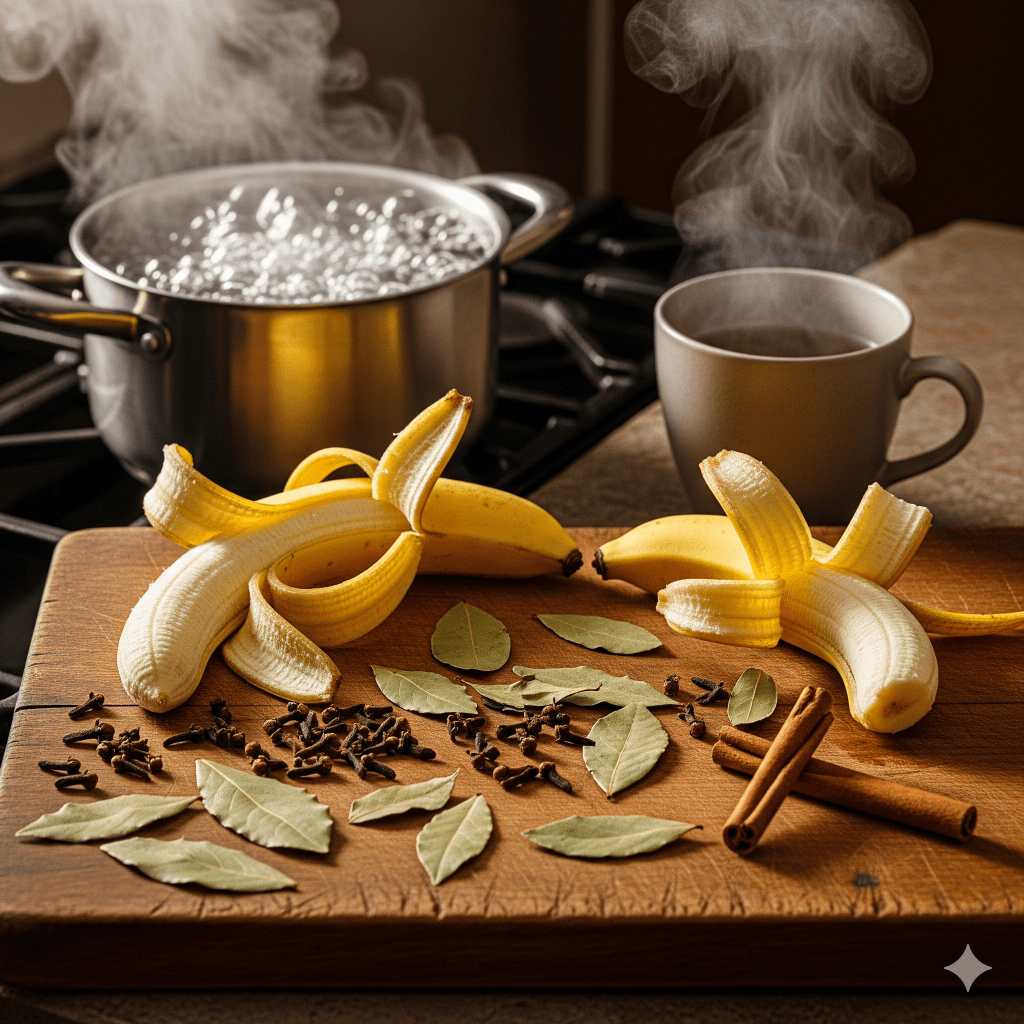
Quantities up to your instincts. Cut up a couple banana peels, add a handful of bay leaves, cinnamon either in sticks or powder, some cloves either whole or in powder and a quantity of water to your discretion. Boil it for 10 to 15 minutes.
I would think, that was my case and drink it when cooled or warm. It seemed to help my inflamation. Let me know…
Great to get a diversified opinion through experience…
Cultural Tourism:
Definition, Draw, and EffectsCultural Tourism is a type of travel activity where the traveler’s primary motivation is to learn, discover, experience, and consume the tangible and intangible cultural attractions of a destination. This encompasses a broad range of experiences, including visiting historical sites, museums, art galleries, attending festivals and events, exploring local traditions and lifestyle, and experiencing the culinary heritage.The DrawWhat primarily attracts people to cultural tourism is the desire for authentic experiences and personal enrichment. Tourists are drawn by: * Learning and Education: A curiosity about history, different societies, and worldviews. * Heritage Connection: For some, this includes roots tourism, a personal journey to connect with ancestral lands and family history. * Authenticity: The chance to move beyond typical tourist traps to engage with the genuine, everyday life and traditions of a community. * Gastronomy (Food): A significant draw, as local cuisine is a direct expression of culture, history, and agricultural practices. *
Aesthetics:
The appeal of unique arts, architecture, crafts, and performing arts.Effects of Cultural TourismCultural tourism has both positive and negative effects on the host community:| Positive Effects | Negative Effects ||—|—|| Economic Growth: Injecting money into local economies, creating jobs, and supporting small businesses (e.g., local guides, artists, restaurants). | Commodification of Culture: Cultural traditions and rituals may be altered or “staged” to meet tourist expectations, leading to a loss of authenticity. || Cultural Preservation: Providing financial incentives and community pride to actively preserve and restore historical sites, traditions, and art forms. | Over-tourism and Congestion: High volumes of visitors can damage fragile historical sites and disrupt the daily lives of local residents.
Cross-Cultural Understanding:
Fostering dialogue, appreciation, and respect between visitors and host communities. | Increased Cost of Living: High demand for local services and housing (e.g., through short-term rentals) can drive up prices for locals. |Food and Protocols in Cultural TourismCulinary tourism is a major component of cultural tourism. It allows travelers to experience a destination’s unique identity through its food. When approaching exotic foods—dishes that are unfamiliar or prepared using practices different from one’s home country—certain protocols and safety precautions are essential.Food Protocols (Cultural Sensitivity) * Research Dining Customs: Learn the local etiquette regarding communal eating, using specific utensils (or lack thereof), appropriate table conversation, and tipping. * Respect Dietary Rules: Be mindful of religious or cultural dietary restrictions (e.g., observing Halal, Kosher, or vegetarian practices) and do not mock or show disgust toward local food choices, even if they include items you find unusual. * Ask Before Photographing: In certain settings, especially if the food has religious significance or if you are photographing people preparing it, always ask for permission first.Safety Precautions with Exotic FoodsThe main goal is to prevent foodborne illness, which is often contracted from contaminated water, raw food, or improperly cooked items.|
Safety Precaution
“Boil it, Cook it, Peel it, or Forget it” | The general rule: Eat only food that is thoroughly cooked and served steaming hot. Peel fruits yourself (like bananas or oranges). Avoid raw salads, uncooked vegetables, and unpasteurized dairy. || Water and Ice | Avoid tap water and beverages made with tap water. Stick to sealed, bottled water and avoid ice cubes unless you are certain they were made from safe, purified water. || Street Food Vetting | While a key cultural experience, be selective. Choose vendors with a high turnover of customers, where the food is cooked fresh in front of you, and where good hygiene practices (clean surfaces, no cross-contamination) are visible.
Seafood and Toxins
Allergies?
Be cautious with raw or undercooked shellfish, fish, and meat. In tropical areas, some fish can carry naturally occurring toxins that are not destroyed by cooking. || Hand Hygiene | Always use hand sanitizer or thoroughly wash your hands before eating, especially when eating with your hands. |
The phrase “Jenna’s Side” is a recurring joke and motif from the TV show “30 Rock,” specifically referring to the eccentric and self-absorbed character, Jenna Maroney. The nature of the phrase is satirical, commenting on her extreme narcissism and often terrible behavior.The core idea behind “Jenna’s Side” is to suggest that even the most outrageous actions committed by Jenna must have some hidden, understandable justification—a “side” of the story that would exonerate her—even though the audience and other characters are fully aware of how ridiculous her behavior is. It’s an absurdist commentary on celebrity culture and the media’s tendency to look for a sympathetic narrative.Origins and Reasons for Being * Origin: The joke’s origin is directly within the satirical world of the TV show 30 Rock, which follows the production of a sketch comedy series and often lampoons celebrity culture. It’s a running gag that highlights Jenna Maroney’s self-obsession. * Reasons for Being: The concept exists to parody extreme narcissism and questionable celebrity actions. The mere existence of a presumed “Jenna’s Side” suggests that her behavior (like electrocuting horses, or having a “hidden pistol” with the intent to shoot her children) is so egregious that only a complex, untold story could possibly excuse it. One Reddit comment mentions that the joke of the website https://www.google.com/search?q=jennas-side.com plays on the sound of “killing Jenna.”ImpactsThe impacts of “Jenna’s Side” are primarily comedic and satirical, reinforcing the show’s humor and themes: * Comedic Effect: It provides a continuous source of comedy by contrasting Jenna’s self-image with her reality, often delivered through hilarious, over-the-top, and often non-FDA approved actions. * Satire of Celebrity Culture: The premise satirizes the willingness of the media or fans to seek a sympathetic explanation (“her side”) for the most objectively monstrous celebrity behavior.Significant TimesWhile “Jenna’s Side” is a continuous gag, three significant times (or examples) that highlight the depth of her questionable actions, which the joke presumes to excuse, include: * Electrocuting All Those Horses: One quote explicitly mentions a situation where Jenna Googled her name and was pleased that she was no longer the “Jenna Maroney who electrocuted all those horses,” only to be reminded that the horse electrocution was, in fact, her action. * Scrambling for her Hidden Pistol: A fan comment brings up Jenna “Scrambling to find her hidden pistol with the intent to shoot her children,” which is a perfect, darkly comedic example of an action that would require a substantial “side.” * Taking a Pube Count: Another fan comment references her “Taking a pube count even though it wasn’t worth it,” an action that embodies her general absurdity and poor choices.
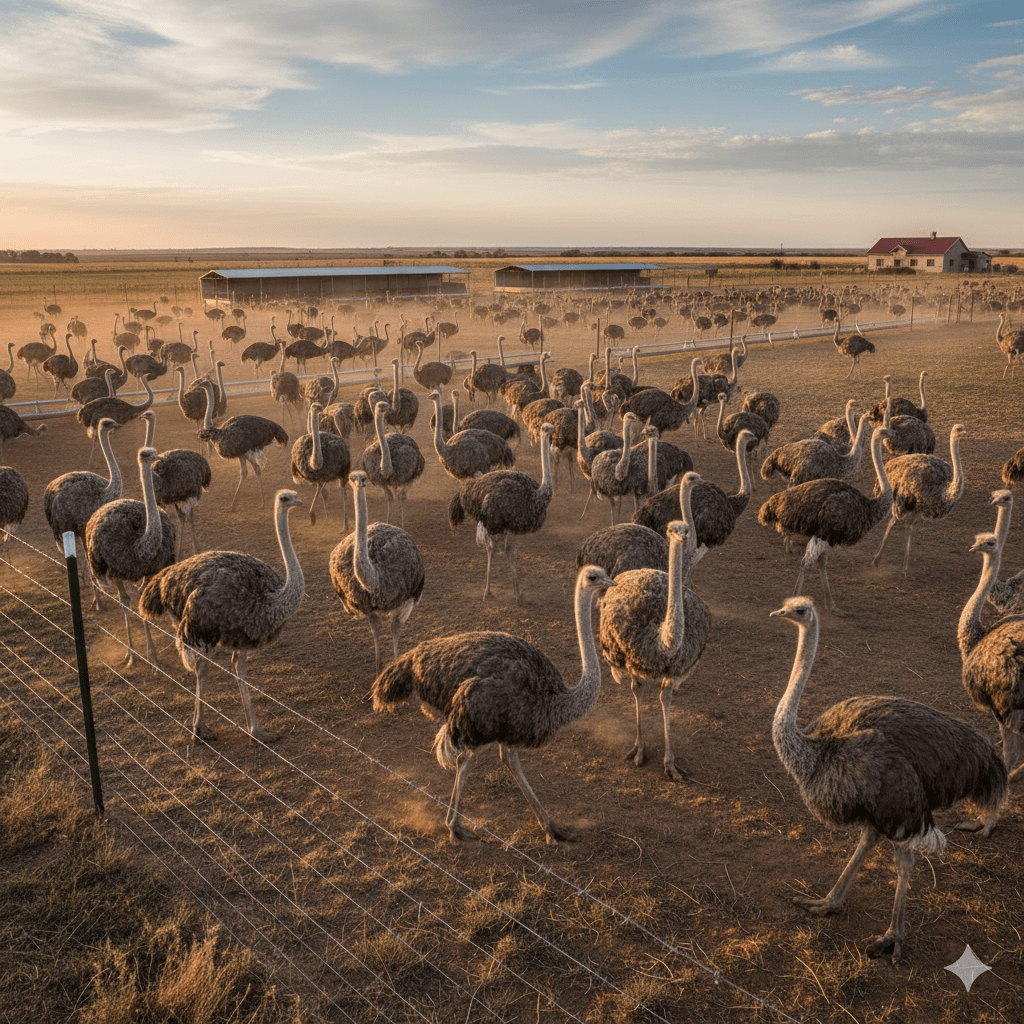
Ostriches are raised for meat, feathers and eggs and are commercial. However these bunch of hostages in the news of late were going away from that and we’re used for tourism. Coming endeared to some keepers. Wouldn’t have been, if it was just for meat.
Avian flu
This is a very serious condition that affects foul and gets into people it can be fatal to people and the closer they are the bigger population areas and more of a risk.
The cull that was ordered by the authorities has been stayed and there may be a presentation between the parties at the Supreme Court of Canada and there is a controversy over testing the remaining birds, 300 out of a possible 450 that had contacted the avian flu and are under scrutiny.
H5N1
The virus involved is H5N1, and could be a particularly concern at the start of the flu season and respiratory illness that could accompany it.
Environment Canada (ECCC) provides crucial weather and marine information for the Great Lakes, particularly concerning storms and severe weather. Their services focus primarily on the Canadian side and include: * Marine Forecasts and Warnings: They issue detailed marine forecasts for various areas of the Great Lakes (Superior, Huron, Erie, and Ontario), which include expected wind speeds and wave heights. *
Alerts
Environment Canada issues various warnings for marine areas, such as Strong Wind Warnings (20 to 33 knots) and Gale Warnings (34 to 47 knots), when conditions pose a hazard. * Current Conditions: They provide real-time observations from land stations and buoys on the Great Lakes, including wind, air temperature, and pressure. * Technical Marine Synopsis: This provides a broader overview of the weather systems affecting the region.If you are looking for current information on storms or marine weather on the Great Lakes, the most up-to-date details can be found on the Environment Canada weather website, specifically their Marine Forecasts and Warnings section for the Great Lakes region.






 Kevin Griffiths
 percypaschal
 The Proprietor Review