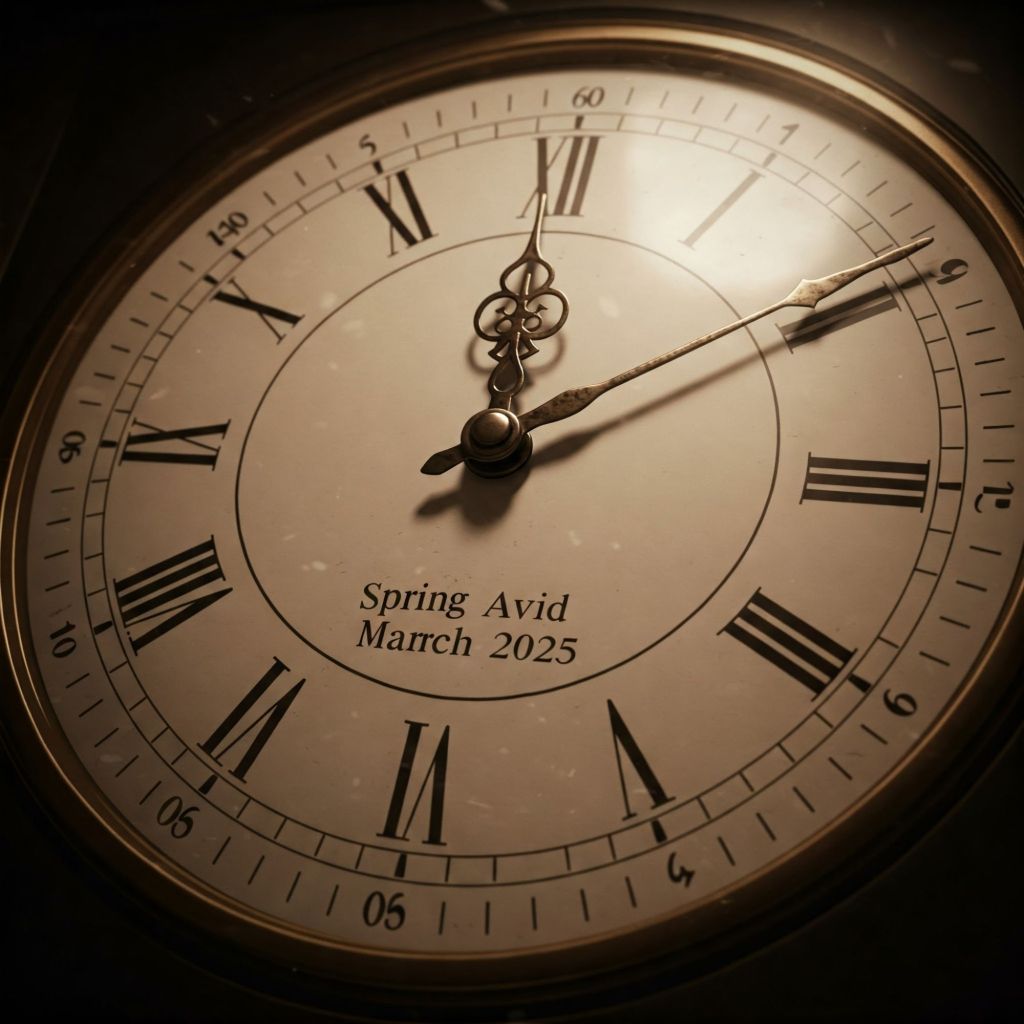
Spring forward happens on March 9, 2025. This means that, at 2:00 a.m. local time, clocks are set forward to 3:00 a.m. local daylight time.
One hour of sleep loss to make allowance for.

To the seasons of life
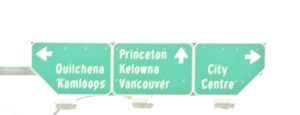
Spring forward happens on March 9, 2025. This means that, at 2:00 a.m. local time, clocks are set forward to 3:00 a.m. local daylight time.
One hour of sleep loss to make allowance for.
Dianne Francis, a view that resonates…
Dated interview from January 31st 2025…
This interview resonates to a fear based or responsible point.
” I bigger than you what are you going to give me ?”
Most relevant “Canadian Dollar”
Sooth
We know that rhythm is a power of the soul….
Good night…
It’s very common to struggle with distractions in today’s world. Here’s a breakdown of what distraction is, its negative effects, and strategies for combating it:
What is Distraction?
* Definition:
* Distraction is the process of diverting attention away from a desired focus. It disrupts concentration and hinders the ability to process information effectively.
* It can arise from both external stimuli (e.g., noise, notifications) and internal factors (e.g., wandering thoughts, anxieties).
How Distraction Affects Appointments and Other Negatives:
* Missed Appointments:
* Distractions can lead to forgetting appointments, losing track of time, or becoming sidetracked while preparing to leave.
* This can result in consequences like:
* Late fees.
* Damaged professional relationships.
* Missed opportunities.
* Other Negative Effects:
* Reduced Productivity: Distractions significantly decrease efficiency and the quality of work.
* Increased Stress: Constant interruptions can lead to feelings of overwhelm and anxiety.
* Impaired Focus: Chronic distraction weakens the ability to concentrate, affecting learning and problem-solving.
* Relationship Strain: Distraction during conversations can make others feel unheard and disrespected.
* Increased errors: when a person is distracted, the chances of making mistakes increases dramatically.
Combating Distraction:
* Identify Distractions:
* Recognize common triggers, such as social media, email notifications, or specific environments.
* Pay attention to internal distractions, like racing thoughts or worries.
* Create a Conducive Environment:
* Minimize external distractions by finding a quiet workspace.
* Turn off unnecessary notifications.
* Use noise-canceling headphones.
* Time Management Techniques:
* Use a planner or digital calendar to schedule appointments and tasks.
* Break down large tasks into smaller, manageable steps.
* Practice the Pomodoro Technique (work in focused intervals with short breaks).
* Mindfulness and Meditation:
* Develop awareness of wandering thoughts and learn to redirect attention.
* Regular meditation can improve focus and reduce mental clutter.
* Prioritize and Delegate:
* Focus on essential tasks and avoid multitasking.
* Delegate tasks when possible to reduce workload.
Dealing with Distraction in Others:
* Patience and Understanding:
* Recognize that distraction can be a common struggle.
* Avoid judgment and offer support.
* Clear Communication:
* When giving instructions, provide them in a clear and concise manner.
* Repeat important information and ask for confirmation.
* Provide Reminders:
* Offer gentle reminders about appointments or deadlines.
* Use shared calendars or reminder apps.
* Supportive Environment:
* If possible, help create a less distracting environment for them.
* If you know that someone has a severe problem with distraction, like someone with ADHD, understanding and compassion is key.
* Encourage Professional Help:
* If the distraction is severe and impacting their life, encourage them to seek professional help from a therapist or counselor.
By understanding the nature of distraction and implementing effective strategies, individuals can regain control of their attention and improve their overall well-being.


Can you do better? Name the parts and say how to envibe them.
Can I get a witness Canada 110 minutes…
We wish and deserve…
There we go…
It’s tricky to guarantee “calm, reliable” weather, as nature can always surprise us! However, here are five places known for generally pleasant spring and summer conditions, focusing on areas that tend to avoid extremes:
* The Pacific Northwest (e.g., Seattle, Vancouver, Vancouver Island):
* This region is famous for its mild summers. You’ll find comfortable temperatures, and while rain is possible, summers are generally drier than other times of the year.
* It’s a great choice for those who prefer less intense heat.
* The Baltic Coast (e.g., parts of Germany, Poland, and the Baltic States):
* This area tends to have cooler summers, avoiding the intense heat waves that can affect other parts of Europe.
* You can expect pleasant days and comfortable evenings.
* Coastal California (e.g., areas north of Los Angeles):
* Coastal California often has a “marine layer” that keeps temperatures moderate, especially in the mornings and evenings.
* Areas like the central and northern California coast offer beautiful scenery and comfortable weather.
* Patagonia (Southern Chile and Argentina):
* While “summer” here is the Southern Hemisphere’s summer (our winter), their spring and summer months provide for very enjoyable hiking and outdoor activities.
* This area is known for its dramatic landscapes and cooler temperatures, providing a great escape from heat.
* Alaska (especially coastal areas):
* Alaska offers mild summers with long daylight hours.
* Coastal areas tend to have more moderate temperatures than inland areas.
* It is a great place to experience nature, and see wildlife.
When considering these locations, remember that:
* “Calm” is relative. Even these places can have occasional weather variations.
* Coastal areas often have microclimates, so conditions can change within short distances.
I hope this helps!
It’s wonderful you’re planning a great dinner! To give you the best recipes, I’ll offer a variety of options, considering different tastes and cooking styles. Here’s a breakdown with some popular choices:
For Easy and Quick Dinners:
* One-Pan/Sheet-Pan Meals:
* These are fantastic for minimal cleanup. A sheet-pan chicken and vegetable roast, with seasonal vegetables like broccoli, carrots, and potatoes, is a simple and healthy option.
* Old Bay Shrimp and Sausage Sheet Pan Dinner: This is a very flavorful and easy option.
* Pasta Dishes:
* Pasta with Prosciutto: A quick and elegant pasta dish.
* Boursin Cheese Pasta: This is a very trendy and easy to make creamy pasta.
* Instant Pot Meals:
* Instant Pot Whole Chicken: For a quick and juicy rotisserie-style chicken.
* Instant Pot Mac and Cheese: A very easy and delicious comfort food.
For More Elaborate/Impressive Dinners:
* Chicken Dishes:
* Chicken Piccata: A classic Italian-American dish that’s both elegant and delicious.
* Chicken Adobo: A very flavorful philippino dish.
* Beef Dishes:
* Beef Bourguignon: A rich and hearty French stew, perfect for a special occasion.
* Grilled Marinated Flank Steak: a very tasty and impressive meal.
* Seafood Dishes:
* Shrimp Scampi: A classic and flavorful shrimp dish.
* Rosemary Salmon: A healthy and delicious option.
Tips for a Great Dinner:
* Plan Ahead: Decide on your menu in advance, and make a shopping list.
* Use Fresh Ingredients: Fresh ingredients make a world of difference in flavor.
* Don’t Be Afraid to Experiment: Try new recipes and flavors.
* Set the Mood: Create a relaxing atmosphere with candles, music, and a nice table setting.
* Enjoy the Process: Cooking should be fun!
To find specific recipes, I recommend checking out these websites:
* Taste of Home: For classic and reliable recipes.
* Simply Recipes: For a wide variety of well-tested recipes.
* Damn Delicious: For simple and flavorful recipes.
* The Modern Proper: For modern takes on classic dishes.
I hope this helps you create a memorable dinner!
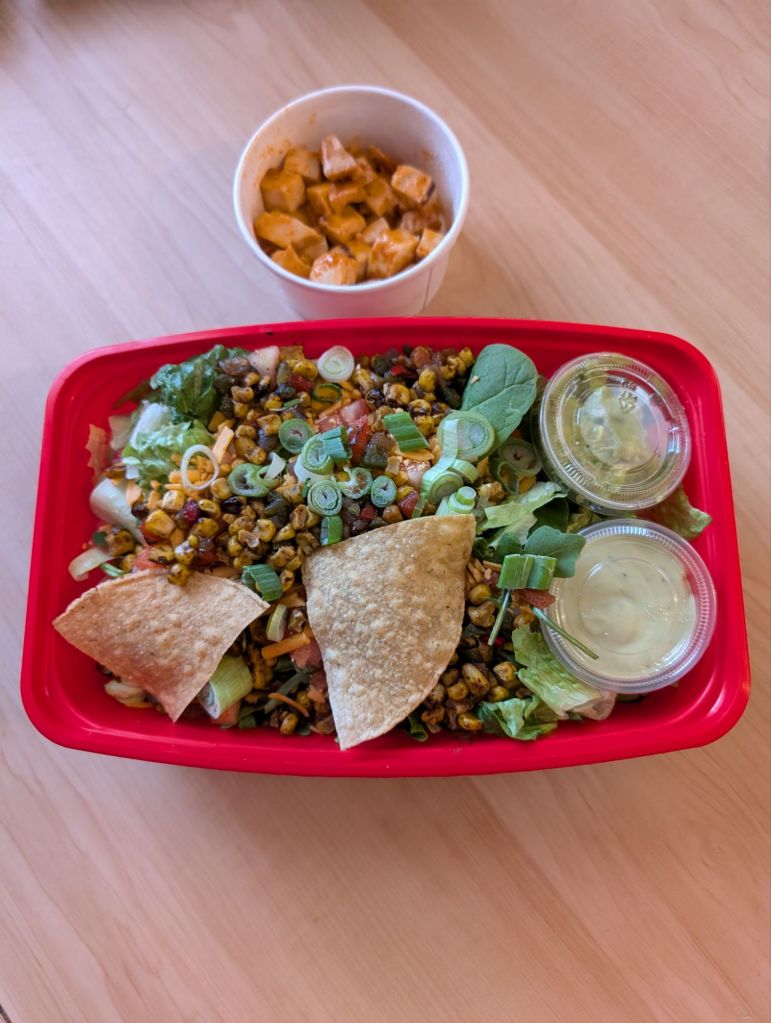
A chicken 🍗 🍗🍗🍗
Rates: For good taste stimulation ⭐⭐⭐⭐🌟 Very Good
Something over 20 Dollars to take out or eat in ….

If you could permanently ban a word from general usage, which one would it be? Why?
One word that deserves to be banned is malfunction.There is plenty of relative nouns and verbs to take its place and not mistake the syllables.
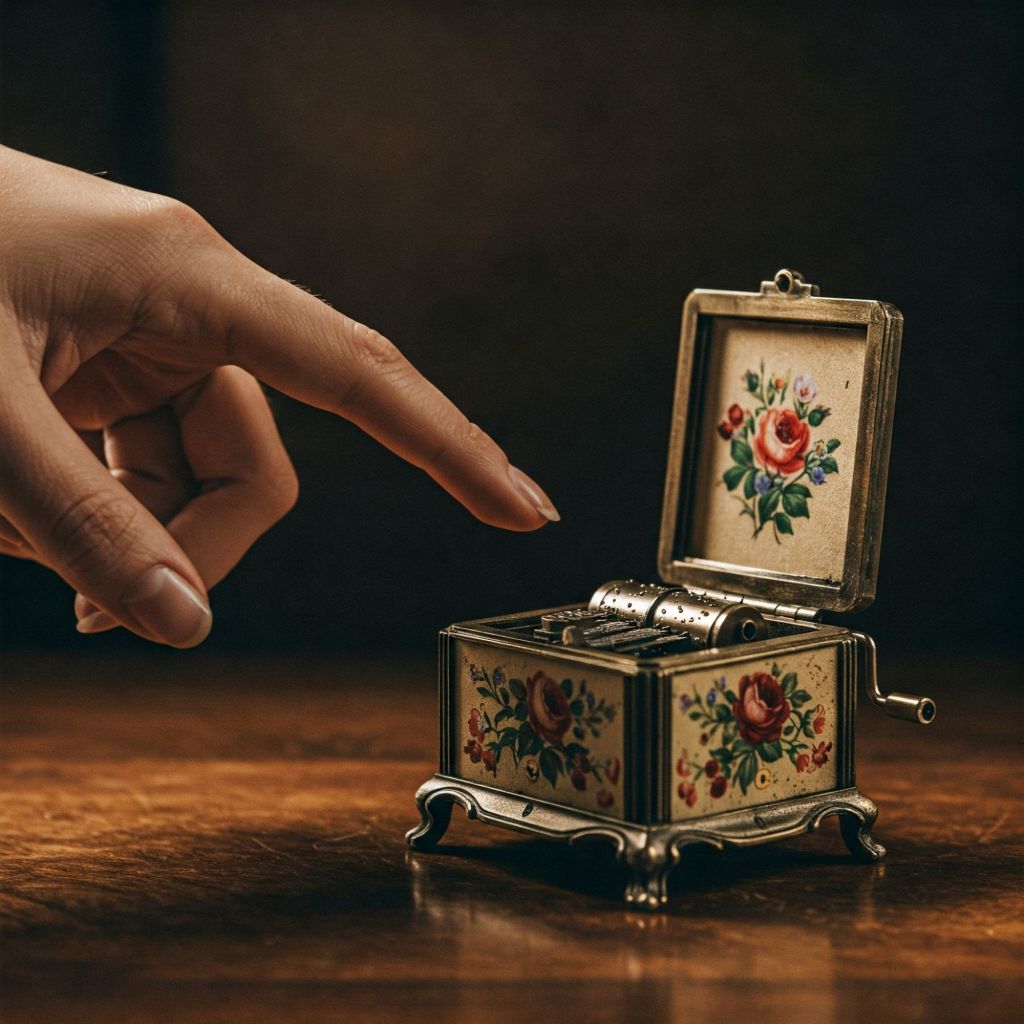
The saying “When you point a finger, you’ll have three pointing back at you” is a powerful reminder that blame and criticism often reflect back on the person doing the pointing. It suggests that before we are quick to judge or accuse others, we should first examine our own actions, motivations, and perspectives.
Here’s a breakdown of the meaning:
* Accountability: The three fingers pointing back represent the aspects of ourselves that we need to take responsibility for. This could include our own mistakes, shortcomings, or contributions to a situation.
* Self-reflection: The saying encourages us to look inward and honestly assess our own role in any conflict or issue. It prompts us to ask ourselves: “What could I have done differently? How am I contributing to this situation?”
* Empathy: By recognizing that we are not perfect and that we all make mistakes, we can develop greater empathy for others. This can lead to more understanding and forgiveness.
* Humility: The saying reminds us that we are all fallible and that no one is above making mistakes. It encourages humility and discourages self-righteousness.
Where to apply it:
This saying can be applied in any situation where blame or criticism is involved, such as:
* Personal relationships: When conflicts arise with family or friends, it’s important to consider our own role in the situation and avoid simply blaming the other person.
* Workplace: In a team setting, if a project fails, it’s more productive to focus on what everyone can learn from the experience rather than assigning blame.
* Social issues: When discussing complex social problems, it’s important to avoid making sweeping generalizations or blaming entire groups of people. Instead, we should strive to understand the root causes of the issues and work towards solutions.
Is it a good thing?
Yes, I believe this saying is a valuable principle to live by. It promotes self-awareness, accountability, and empathy. By reminding us to look inward before pointing fingers, it can help us build stronger relationships, resolve conflicts more effectively, and create a more compassionate world.
However, it’s important to note that this saying doesn’t mean we should never hold others accountable for their actions. It simply suggests that we should always start by examining ourselves first.
Good luck you adjudicators.


Alright, let’s talk about spring in 2025!
Here’s a breakdown of what you can expect:
* The First Day of Spring:
* In 2025, the first day of spring, also known as the vernal equinox, will be on Thursday, March 20th.
* Specifically, it will occur at 5:01 a.m. EDT.
* This marks the astronomical beginning of spring in the Northern Hemisphere.
* What the Spring Equinox Means:
* The spring equinox is when the sun crosses the equator line, heading north.
* This causes the Northern Hemisphere to tilt more towards the sun, resulting in:
* Longer days.
* Warmer temperatures.
* General Expectations for Spring:
* Spring is a time of renewal and rebirth. Expect to see:
* Plants and trees budding and blooming.
* Animals emerging from hibernation.
* Increased daylight hours.
* A gradual rise in temperatures.
* Factors that influence spring weather:
* It is important to remember that weather patterns are becoming more variable. So while the equinox is a set date, the weather that follows is less predictable. Factors like the El Nino/La Nina southern oscillation, and other global weather patterns will greatly effect local weather.
To get more specific information about your local area, I would recommend checking your local weather forecasts as spring approaches.
Coming up fast…
The heavens they await and know your soul …

Hey Merit what do you say?


 Kevin Griffiths
 percypaschal
 The Proprietor Review