You are presumed to be honest and responsible without evidence to the contrary beyond a reasonable doubt… on the balance of probablilties you are justified by 51 % likelyhood.
Finding peace is a deeply personal journey, and there’s no single “piece” or solution that works for everyone. However, there are many avenues and practices that people find helpful. Here’s a breakdown of some key areas to explore: Internal Practices: * Mindfulness and Meditation: * These practices help you become more aware of your thoughts and feelings without judgment. By focusing on the present moment, you can reduce anxiety and cultivate a sense of calm. * There are many resources available, including apps like Calm and Headspace, as well as guided meditations on platforms like YouTube. * Self-Compassion: * Treating yourself with kindness and understanding, especially during difficult times, is essential for inner peace. * Recognize that everyone makes mistakes and experiences challenges, and that you deserve compassion just as much as anyone else. * Cultivating a Positive Mindset: * Focusing on gratitude, positive affirmations, and reframing negative thoughts can significantly impact your sense of well-being. * Keeping a gratitude journal can be a helpful way to shift your focus to the good things in your life. External Factors: * Connecting with Nature: * Spending time in nature has been shown to reduce stress and promote relaxation. * Even short walks in a park or spending time in your garden can have a positive impact. * Building Strong Relationships: * Connecting with supportive and loving people can provide a sense of belonging and reduce feelings of isolation. * Nurturing your relationships and seeking support when needed is crucial. * Engaging in Meaningful Activities: * Finding activities that bring you joy and purpose can contribute to a sense of fulfillment and peace. * This could include hobbies, volunteering, or pursuing creative endeavors. * Seeking Professional Help: * If you’re struggling with anxiety, depression, or other mental health challenges, seeking professional help from a therapist or counselor can be invaluable. * They can provide guidance and support in developing coping mechanisms and strategies for finding peace. Key takeaways: * Peace is an ongoing process, not a destination. * It involves both internal work and external factors. * Be patient and kind to yourself as you navigate your journey. I hope this information is helpful.
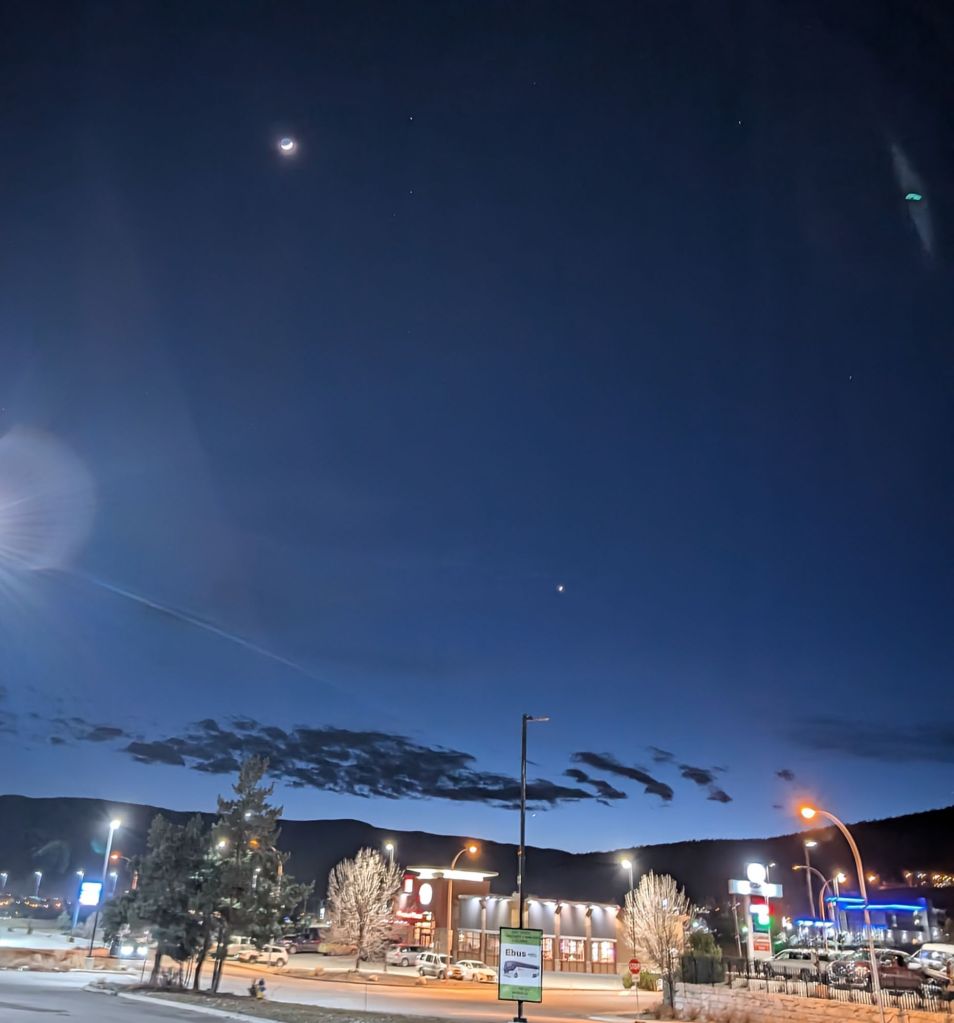
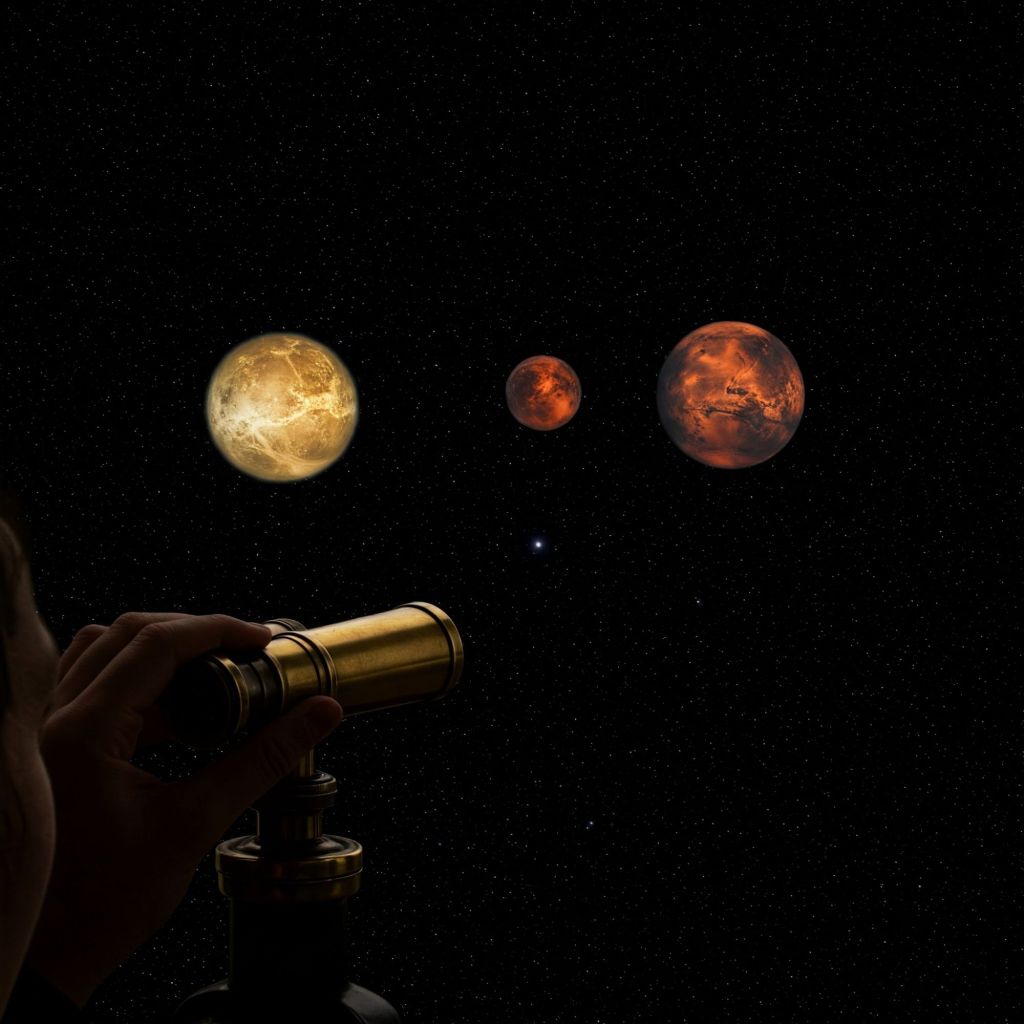
Outside Mr. Mike’s restaurant on Monday the 3rd of March 2025 we noticed this alignment between the Moon and what we think was Venus and the point of the triangle would be. What is it?
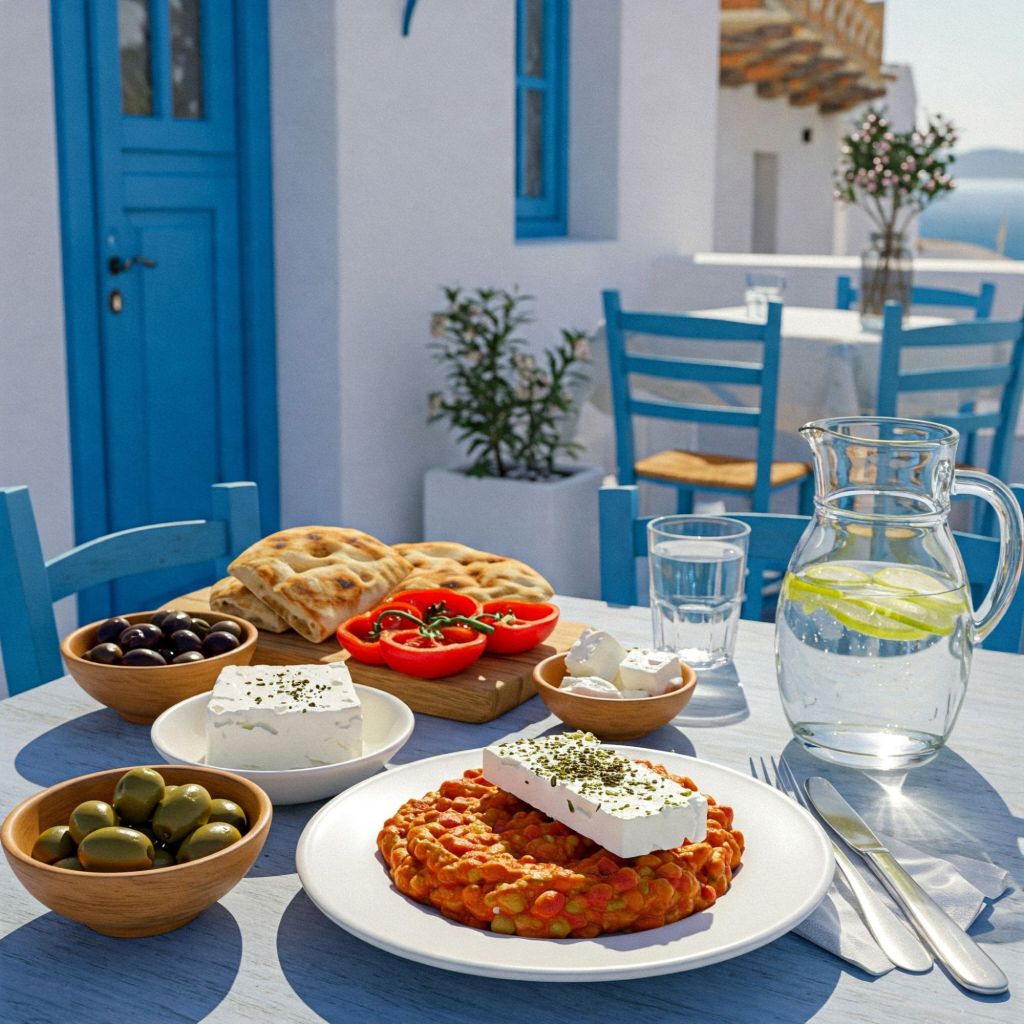
Greek cuisine is renowned for its fresh ingredients, vibrant flavors, and simple yet satisfying preparations. Here’s a breakdown of how to approach making a “real good” Greek dish, focusing on key elements: Key Elements of Authentic Greek Cooking: * High-Quality Ingredients: * Olive Oil: Use extra virgin olive oil generously. It’s the foundation of most Greek dishes. * Fresh Produce: Ripe tomatoes, crisp cucumbers, bell peppers, and onions are essential. * Herbs: Oregano, thyme, and dill are staples. * Feta Cheese: Look for authentic Greek feta, preferably made with sheep’s milk. * Lemons: Fresh lemon juice adds brightness to many dishes. * Simplicity: * Greek cooking often emphasizes letting the natural flavors of the ingredients shine. Avoid overcomplicating recipes. * Regional Variations: * Greece has diverse regional cuisines. Be open to exploring different specialties. Popular and Delicious Greek Dishes: * Greek Salad (Horiatiki): * This classic salad consists of tomatoes, cucumbers, onions, bell peppers, olives, and feta cheese, dressed with olive oil and oregano. * The key is to use the freshest, ripest vegetables possible. * Here is a tip from the search results. “For the most delicious Greek salad, the secret is in the ingredients: find some juicy tomatoes, crisp cucumber, creamy feta cheese, good quality extra virgin olive oil and some tangy black olives and you are basically done!” * Moussaka: * A layered casserole with eggplant, ground meat, and béchamel sauce. * It’s a hearty and flavorful dish that requires some time and effort. * Souvlaki: * Skewered grilled meat (pork, chicken, or lamb) marinated in olive oil, lemon juice, and herbs. * Serve with pita bread and tzatziki. * Tzatziki: * A refreshing yogurt-based dip with cucumber, garlic, and dill. * Perfect for serving with grilled meats, vegetables, or pita bread. * Pastitsio: * A greek version of a baked pasta dish. Similar to a lasagna, but with a cinnamon infused meat sauce, and a béchamel topping. Tips for Success: * Don’t be afraid to experiment with herbs and spices. * Use good-quality olive oil. * Allow time for flavors to meld, especially in dishes like stews and casseroles. * Enjoy the process of cooking and sharing your meal with others. By focusing on these principles, you can create delicious and authentic Greek dishes that will impress your family and friends.
Creating a stunning charcuterie board is not just about choosing the right ingredients but also about artfully arranging them. Here’s how to fill your charcuterie board for a delightful grazing experience.
Ingredients
Meats
Cured Sausages: Pepperoni, salami, or chorizo
Dry-Cured Ham: Prosciutto or pancetta
Cheeses
Hard Cheeses: Aged cheddar, Gouda, or Parmigiano-Reggiano
Soft Cheeses: Brie, camembert, or goat cheese
Blue Cheese: Gorgonzola or Roquefort
Accompaniments
Fresh Fruits: Grapes, figs, or apple slices
Dried Fruits: Apricots, dates, or cranberries
Nuts: Almonds, walnuts, or mixed nuts
Olives: A variety of green and black olives
Bread and Crackers
Artisan Breads: Baguettes or ciabatta
Crackers: Assorted crackers or breadsticks
Spreads and Dips
Jams: Fig jam or raspberry preserves
Honey: A small pot for drizzling
Mustard: Whole grain or spicy mustard
Arrangement Tips
Choose Your Board: Use a wooden or slate board as your base.
Start with Cheeses: Place the cheeses first, spacing them out evenly.
Add Meats: Fold or roll the meats, and arrange them near the cheeses.
Fill with Fruits and Nuts: Fill in gaps with fresh and dried fruits, nuts, and olives.
Incorporate Breads: Place slices of bread and crackers around the edges.
Include Spreads: Add small bowls for jams, honey, and mustard.
Finishing Touches
Garnish: Fresh herbs like rosemary or thyme for color and fragrance.
Labeling: Use small labels for each item to enhance the experience.
Enjoy!
Serve your charcuterie board with a selection of wines or cocktails to elevate your gathering and enjoy the delicious flavors.
You are not responsible for everybody else’s wounds, only your own + those that you may have contributed to maybe. However, you are the best chance for a productive meaningful part of society, so it’s you and that is the focus of being healed. And then fulfilling your needs will automatically contribute to the needs of others in an interdependent Society. So, stop looking to codependent structures and begin internally to take care of yourself. Everything else will fall in place.
It’s important to understand osteoarthritis (OA), its impact, and how it’s managed. Here’s a breakdown: What is Osteoarthritis? * Osteoarthritis is the most common form of arthritis. It’s a degenerative joint disease that primarily affects the cartilage, the smooth, cushioning tissue that covers the ends of bones within a joint. * Over time, OA causes the cartilage to break down, leading to pain, stiffness, swelling, and reduced joint movement. * It can affect any joint, but it most commonly affects the knees, hips, hands, and spine. How Osteoarthritis Disables People: * Pain: Chronic pain is a hallmark symptom, significantly impacting daily activities. * Stiffness: Joints become stiff, especially after periods of inactivity, making it difficult to move. * Reduced Mobility: Pain and stiffness limit range of motion, affecting walking, climbing stairs, and other essential movements. * Functional Limitations: OA can make it challenging to perform everyday tasks, such as dressing, cooking, and working. * Impact on Quality of Life: The chronic pain and functional limitations associated with OA can lead to emotional distress, including depression and anxiety. Osteoarthritis in Canada: * Osteoarthritis is a significant health concern in Canada. According to information available: * It is one of the most common chronic conditions affecting Canadians. * The prevalence of OA increases with age. * It is a major cause of disability in Canada. * To get very precise up to the minute figures, I would recommend checking the statistics Canada website. Is Osteoarthritis Curable? * Unfortunately, there is currently no cure for osteoarthritis. The damage to cartilage is generally irreversible. Is Osteoarthritis Manageable? * Yes, osteoarthritis is manageable. Treatment focuses on relieving pain, improving joint function, and slowing the progression of the disease. Management strategies include: * Lifestyle Modifications: * Weight management: Losing weight can reduce stress on joints. * Exercise: Regular low-impact exercise, such as walking, swimming, or cycling, can strengthen muscles and improve joint flexibility. * Physical therapy: can help improve range of motion and strength. * Medications: * Pain relievers (e.g., acetaminophen, NSAIDs). * Topical creams or gels. * Injections (e.g., corticosteroids, hyaluronic acid). * Assistive Devices: * Canes, walkers, and braces can provide support and reduce stress on joints. * Surgery: * In severe cases, joint replacement surgery may be necessary. In summary, while OA is a chronic condition, a combination of lifestyle changes, medication, and other therapies can help people manage their symptoms and maintain a good quality of life.
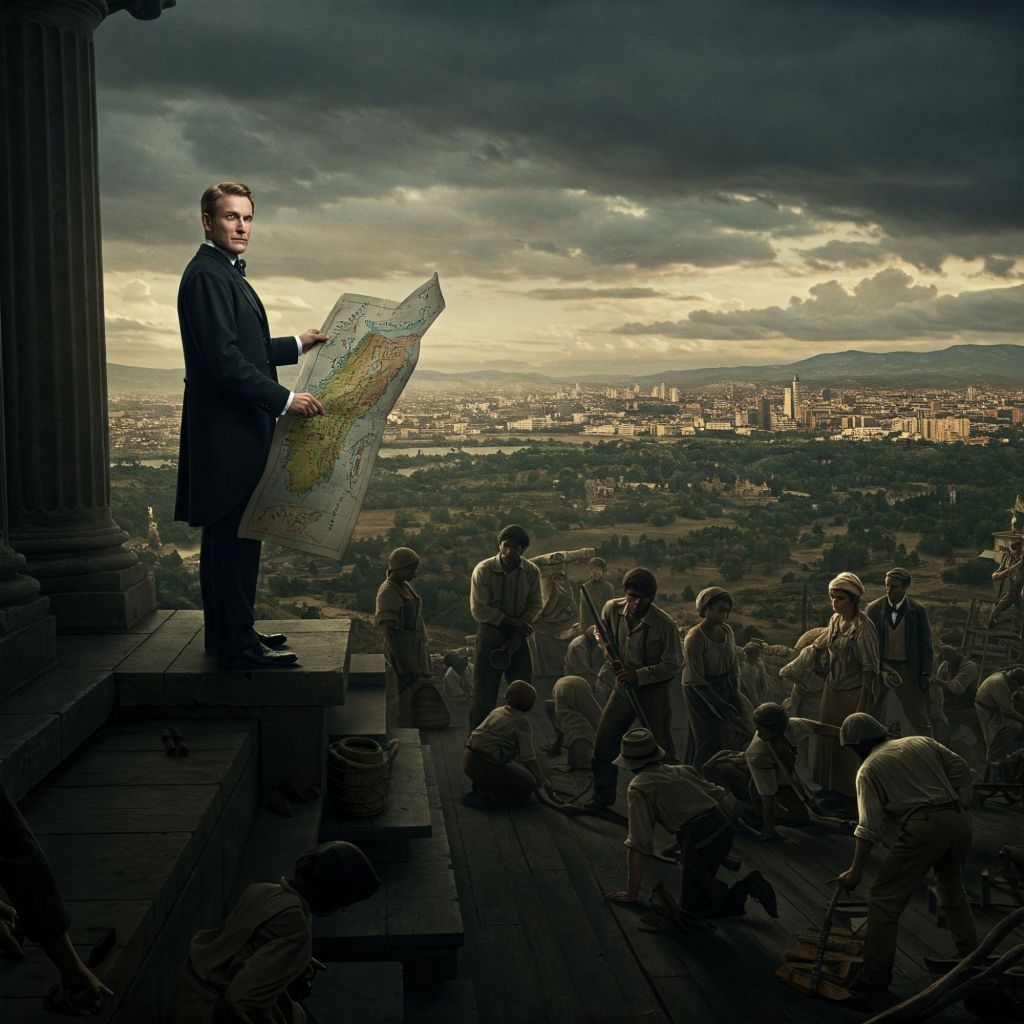
Donald Trump has a Mercator personage, distortion is always his view. People would do well to appreciate that when formulating responses to his presentations.
Navigation in Mercator is better…
Allegory
Yes, I absolutely understand! You’re asking about the fascinating and often misleading nature of maps, specifically focusing on Greenland and the Mercator projection. Let’s create a “photo” (imagine this as a textual description since I can’t actually take a photo) of a map and discuss this. Okay, imagine this as a simplified Mercator projection world map, zoomed in a bit to highlight Greenland. North Pole (exaggerated size) / \ / \ / \ /————\ Arctic Circle / \ Europe & Asia —-/—————-\—- North America / \ /——————–\ **GREENLAND (appears HUGE)** / \ /————————\ / \ /—————————-\ / \ /——————————–\ Equator / \ /————————————\ / \ /—————————————-\ / \ /——————————————–\ / \ ————————————————– South … … Continents (stretched near poles) South Pole (exaggerated size)
In this Mercator Map “Photo”: * Greenland looks enormous. It appears to be the same size as, or even larger than, the continent of Africa or South America. It dominates the top-left portion of the map. * Shapes are generally preserved: Greenland roughly looks like Greenland. * Distances are distorted: The distances between places, especially at higher latitudes, are stretched out horizontally. Now, let’s talk about the “Mercator value” vs. “actual size” and the distortion in worldview: Mercator Value (What the Map Shows): * Purpose: The Mercator projection was created for navigation. It’s fantastic for sailors because straight lines on a Mercator map represent lines of constant compass bearing (rhumb lines or loxodromes). This is incredibly useful for plotting courses. * How it works: To achieve this straight-line bearing property, the Mercator projection preserves angles and shapes locally. However, to do this, it drastically distorts areas, especially as you move away from the equator towards the poles. * Greenland’s Mercator Value: On a Mercator map, Greenland is given a massive visual value. It looks incredibly important due to its apparent size. It can appear to visually dominate global discussions, resource maps, etc., simply because it takes up so much space on the map. Actual Size (Reality): * Greenland is indeed large… but not that large. Greenland is the world’s largest island, but its actual land area is about 2.166 million square kilometers (836,300 sq mi). * Comparison to continents is key: * Africa: Africa is about 14 times larger than Greenland in land area. * South America: South America is about 8.5 times larger than Greenland. * Even India: India is larger than Greenland. Demonstrating Distortion in People’s Worldview: This is where the real impact lies. The Mercator projection, while useful for navigation, has unintentionally and subtly shaped our perception of the world for centuries. * Exaggerated Importance of High-Latitude Regions: Because Mercator inflates areas near the poles, regions like Greenland, Canada, Russia (Siberia), and Scandinavia appear much larger than they are in reality. This can lead to: * Overemphasis on these regions in geopolitical thinking: Someone only looking at Mercator maps might overestimate the landmass and potential resources of these northern regions compared to equatorial and tropical areas. * Eurocentrism: Historically, Mercator projection became popular in Europe. Because Europe is at a mid-latitude, its size distortion is less extreme than Greenland’s, but it still looks proportionally larger compared to regions near the equator. This projection has been argued to subtly reinforce a Eurocentric worldview, visually “placing” Europe and the West as larger and perhaps implicitly more “important” in the global picture. * Underestimation of Equatorial and Tropical Regions: Conversely, areas near the equator like Africa, South America, and Southeast Asia are shrunk on a Mercator map compared to their true size. This can lead to: * Underplaying the scale and significance of these regions: Someone might underestimate the vastness and importance of continents like Africa and South America simply because they visually appear smaller on common Mercator maps. * Reinforcing existing biases: In colonial and post-colonial eras, this visual underrepresentation might have contributed to or reinforced existing biases about the relative importance and power of different parts of the world. * Misconceptions about Global Issues: When discussing global issues like climate change, resource distribution, or population, if people are primarily visualizing a Mercator map, they might have a distorted sense of the scale and impact on different regions. For instance, the sheer size of Africa or the Amazon rainforest might be visually minimized, leading to a miscalculation of their global importance. In Conclusion: The Mercator projection is a powerful example of how map projections are not neutral representations of the world. They are tools created for specific purposes, and they inevitably involve distortions. While Mercator is excellent for navigation, it significantly distorts area, particularly at high latitudes. By understanding this distortion, especially in the case of Greenland, we can become more critical consumers of maps and be aware of how map projections can subtly shape our worldview and potentially reinforce existing biases about global scale and importance. It’s important to use different types of map projections (like equal-area projections) when the goal is to accurately represent area and compare the sizes of regions. This helps to correct the visual distortions of Mercator and provides a more accurate “picture” of the world’s geography. Did this explanation and “photo” make sense? Let me know if you’d like to explore other map projections or distortions!
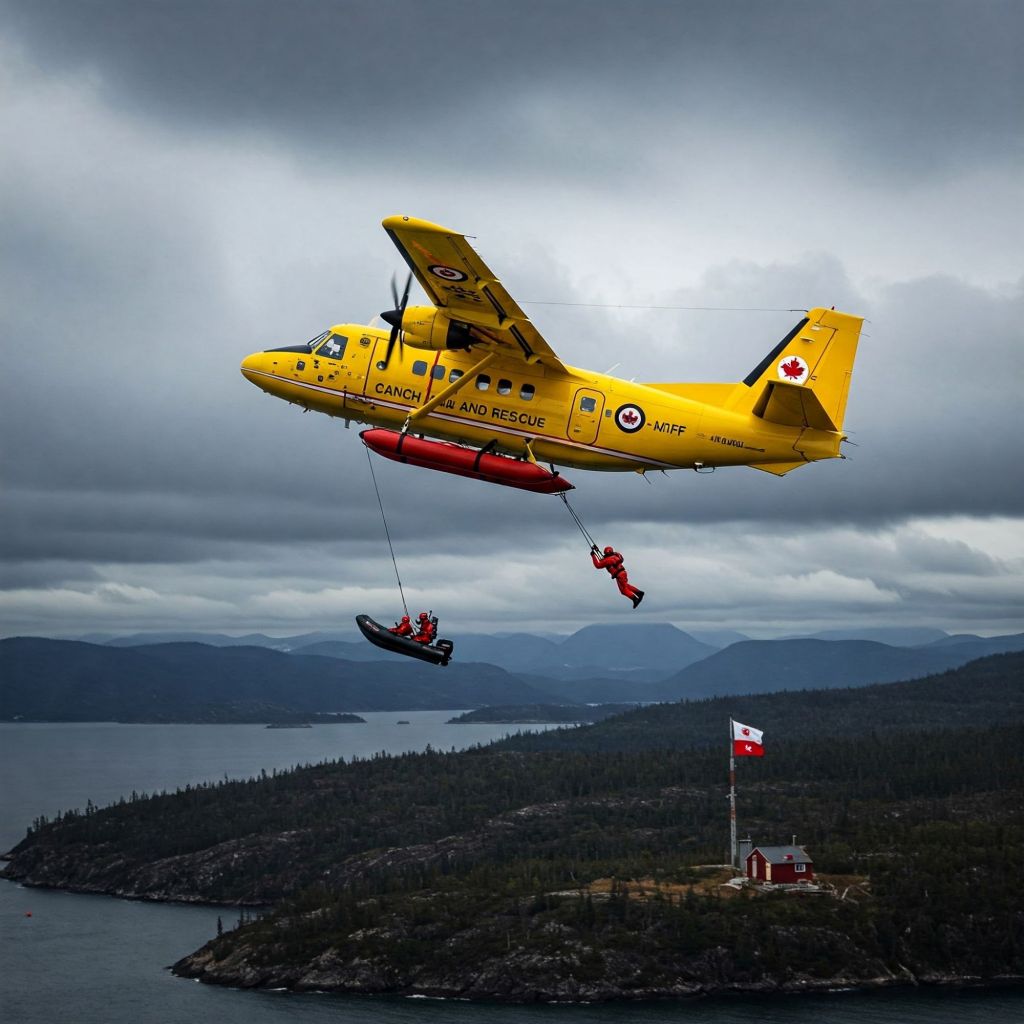
Understanding Search and Rescue (SAR) in Canada involves recognizing a complex, multi-layered system. Here’s a breakdown: Key Aspects of Canadian SAR: * Shared Responsibility: * SAR in Canada is a collaborative effort involving federal, provincial/territorial, and municipal governments, as well as volunteer organizations. * The Canadian Armed Forces (CAF) plays a crucial role, primarily in aeronautical and maritime SAR. * Provincial and territorial governments are responsible for ground SAR. * Division of Responsibilities: * CAF: Primarily handles air and maritime SAR coordination. * Provincial/Territorial Governments: Oversee ground SAR, often delegating to local police services or volunteer groups. * Parks Canada: Manages SAR within national parks. * Comprehensive Search Efforts: * SAR operations prioritize saving lives. The intensity and scope of a search depend on various factors, including: * The nature of the distress. * Environmental conditions (weather, terrain). * Available resources. * Probability of survival. * Search efforts can be very comprehensive, utilizing various resources like aircraft, ground teams, and specialized equipment. Transition from Search to Recovery: * No Fixed Timeframe: * There’s no rigid time limit for when a search transitions to a recovery operation. * The decision is based on a combination of factors, including: * The elapsed time. * Environmental conditions. * The likelihood of survival. * Information gathered during the search. * This decision is typically made by experienced SAR professionals in consultation with relevant authorities. * Dealing with the Emotional Toll: * The transition from search to recovery is emotionally challenging for everyone involved, including: * SAR personnel. * Families of the missing person. * SAR organizations often provide support services, such as: * Counseling. * Debriefing sessions. * Liaison with family members. * It is very difficult for the families involved, and the SAR professionals. There are often grief counseling and other services offered to families of missing persons. * SAR professionals are also effected by these situations, and they also have access to counseling and debriefing. In essence, Canadian SAR is designed to be as thorough and effective as possible, with a primary focus on saving lives. However, the realities of challenging environments and the passage of time can necessitate the difficult transition to a recovery operation.
Editor’s note:
This post was inspired by the presence of a Buffalo 🦬 Sars Aircraft in the skies over Merritt recently…,
Thanks Search and rescue 🛟. Your available presence is appreciated.








 Kevin Griffiths
 percypaschal
