

There has been some attention on a “short day” on August 5, 2025, due to a slight acceleration in the Earth’s rotation. This phenomenon is not something to be concerned about and will not have any noticeable impact on your daily life.
Here’s a breakdown of what this means:
* What is a “short day”? This refers to a day that is slightly shorter than the standard 24 hours (or 86,400 seconds). The Earth’s rotation speed isn’t perfectly constant and can vary by tiny amounts. In recent years, the Earth’s rotation has been speeding up, leading to a series of these shorter days.
* How short is it? The “short day” on August 5 is predicted to be shorter than a regular day by a matter of milliseconds, specifically about 1.51 milliseconds. This is an extremely small amount of time, far too small for any human to notice.
* Why is this happening? Scientists are still investigating the exact causes of these short-term fluctuations, but they are believed to be related to a combination of factors, including the complex motion of Earth’s liquid core, mass redistribution from melting polar ice, and tidal effects from the Moon. On August 5, the Moon’s position will be at a point that contributes to the acceleration of the Earth’s spin.
* Should you be concerned? No. The effects of this change are so minuscule that they are only detectable by highly precise atomic clocks used by scientists. The primary impact of these “short days” is a discussion among global timekeepers about the potential need for a “negative leap second” to keep our clocks in sync with the Earth’s rotation. This is a scientific and technical matter, not something that will affect your schedule or well-being.






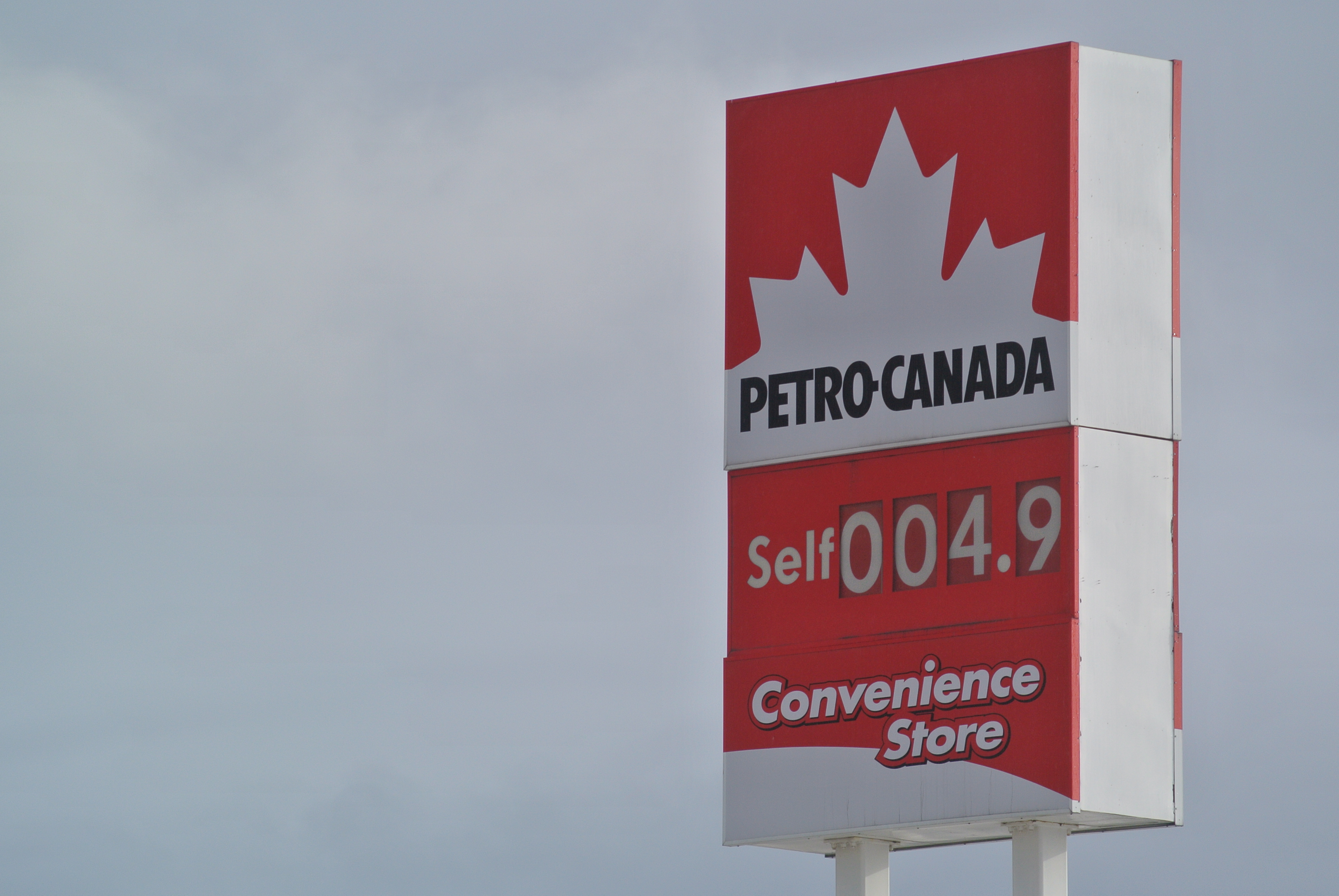
 The $5.4 billion pipeline project will increase the value of Canadian oil by unlocking access to world markets. The combined minimum fiscal impact for construction and the first 20 years of expanded operations is $18.5 billion including federal, provincial and municipal tax payments that can be used for public services such as health care and education. British Columbia receives $2.1 billion; Alberta receives $9.6 billion, and the rest of Canada shares $6.8 billion. Municipal tax payments (not adjusted for inflation) total $922 million to BC and $124 million to Alberta over the first 20 years of expanded pipeline operations. Direct capital spending for the construction phase of the project includes $3.8 billion to British Columbia and $1.6 billion to Alberta. At the peak of construction, 4,500 people will be working on the pipeline expansion. The expansion will also create approximately 3,000 direct, indirect and induced jobs per year during operations. Overall the Project generates a minimum of 108,301 direct, indirect and induced person-years of employment during project development and operations. British Columbia’s share is 66,132 person-years including 35,864 during project development and 30,269 during operations. Alberta’s share is 24,926 person-years including 14,632 during project development and 10,293 during project operations.


 Kevin Griffiths
 percypaschal
 The Proprietor Review