Merritt Centennials versus Revelstoke Grizzlies 7:00 p.m. start.
Game 501
Revelstoke Forum, Revelstoke British Columbia

Playoffs begin March 6th 2026.
Good luck in Playoffs
to the four divisions…

To the seasons of life
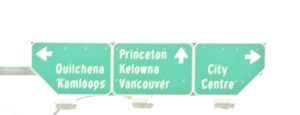
Merritt Centennials versus Revelstoke Grizzlies 7:00 p.m. start.
Revelstoke Forum, Revelstoke British Columbia
Playoffs begin March 6th 2026.
to the four divisions…
February 28th 2026, after Nicola valley memorial arena. Merit leads to nothing after 1.


Merritt Centennials,Merritt Arena Start 7:00 p.m. February 27th 2026.

1954
Tonight 7:00 p.m. at the Nicola Valley Memorial Arena in Merritt, British Columbia, Canada…

Refounding… Cents move…
Comment on Venue reset,”Youth Movement.”
Team Directory Coyotes
Game Center Tonight,Osoyoss Coyotes

7:00 p.m. start
Junior Action, Kootenay international Junior hockey League
People born on Thursdays are often referred to as “Thursday’s children.” Here are three notable individuals born on this day who have distinguished themselves:
1. Charles Darwin – Renowned naturalist and biologist, best known for his theory of evolution and the concept of natural selection.
2. Robert Downey Jr. – Acclaimed actor and producer. He is famous for his role as Iron Man in the Marvel Cinematic Universe. He is also known for his impactful performances in various films.
3. Adele – Globally celebrated singer-songwriter. She is known for her powerful voice. Her soulful ballads have resonated with millions around the world.
A nursery rhyme traditionally associates Thursday’s children with specific traits. These attributes apply to children born on each day of the week. The rhyme suggests that Thursday’s children are “full of woe,” which carries a connotation of melancholy or sadness. This idea can shape people’s perceptions. Those familiar with the rhyme might see individuals or characters linked with Thursday as destined for a more difficult life. They may view them as having a troubled existence.
In rhetoric, the phrase will be used metaphorically to discuss themes of hardship, resilience, or destiny. It often evokes sympathy or deeper emotional resonance when referencing individuals who bear this “Thursday” label. The evocative nature of the name can resonate with audiences, stirring reflections on fate and the challenges faced in life.
Unkown person dealing with inclamate conditions.
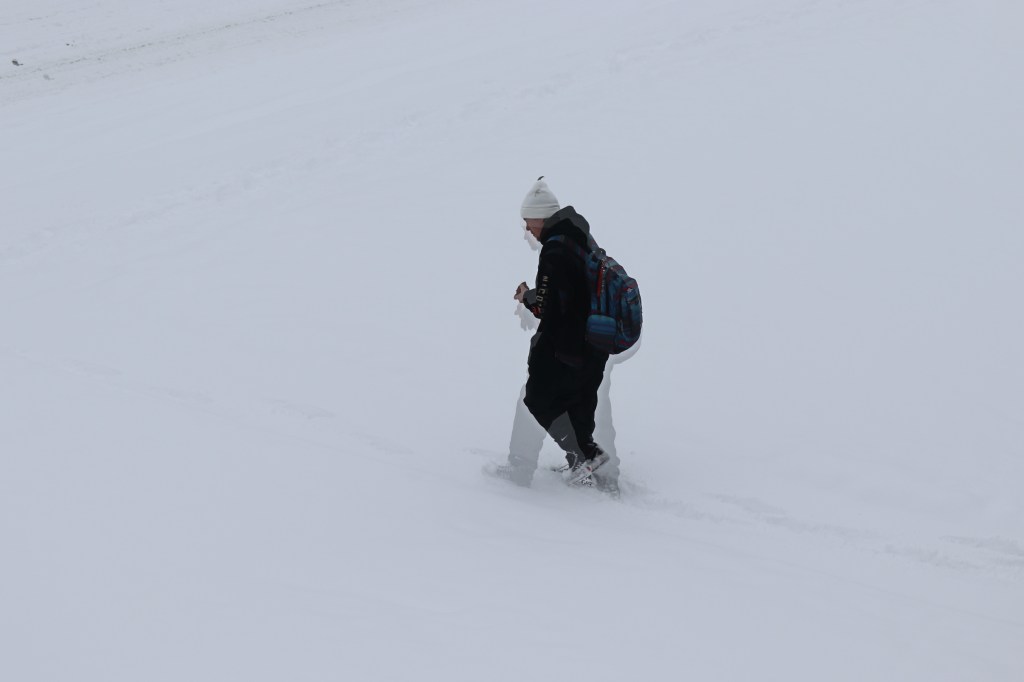
Photo KDG

In a field in Merritt BC. Canada, Circa 2007
I don’t know what happened if this one fella was out on that ice.
Do not feed the animals. Do not leave food around.
When exploring the lush forests of British Columbia, your primary responsibility is to minimize your impact on these delicate ecosystems by strictly adhering to Leave No Trace principles. This means more than just packing out your trash; it involves staying on marked trails to prevent soil erosion and avoiding the removal of any natural features like rocks, plants, or fossils. Equally important is the directive to never feed the wildlife. While a squirrel or bird might seem harmless, human food disrupts their natural foraging behaviors and can lead to dangerous habituation. In BC’s “bear country,” an animal that associates humans with food often becomes a safety risk and, unfortunately, is frequently destroyed by conservation officers as a result.The Priority: Fire Safety and PreparednessWhile cleanliness and wildlife respect are vital, the protocol of wildfire prevention and emergency preparedness is arguably of the greatest importance. BC’s forests are increasingly susceptible to devastating fires, so checking current fire bans and ensuring any permitted campfires are fully extinguished—until the ashes are cool to the touch—is a non-negotiable duty. Furthermore, the rugged terrain of the Pacific Northwest is notoriously unforgiving. Visitors must always carry the “Ten Essentials” (such as a light source, navigation, and extra water) and leave a detailed trip plan with someone reliable.
In the vast wilderness of the province, being prepared for a sudden change in weather or a navigation error is the difference between a successful hike and a search-and-rescue operation.
Checklist of the “Ten Essentials” specifically tailored for a day hike in the BC coastal mountains?
Building on your 10 Essentials, here are some excellent beginner-to-intermediate trails. I’ve selected a mix of coastal and interior routes that showcase the diverse landscapes of BC.Lower Mainland (Coastal Mountains)These trails are perfect for getting a feel for coastal humidity, mossy terrain, and sudden fog. * Dog Mountain (Mount Seymour, North Vancouver): * Level: Beginner. * The Vibe: A local favorite for a reason. It’s relatively flat but very rooty (watch your footing!). The reward is a spectacular panoramic view of Vancouver and the Burrard Inlet. * Lindeman Lake (Chilliwack Lake Provincial Park): * Level: Intermediate. * The Vibe: A bit of a “hustle” up a rocky path, but it leads to a stunning turquoise sub-alpine lake. It’s a great place to practice your “Insulation” essential, as the air temperature drops significantly once you reach the water. * Quarry Rock (Deep Cove, North Vancouver): * Level: Beginner. * The Vibe: A classic wood-and-rock trail through lush rainforest. It offers a great view of Indian Arm and is a perfect spot to test out your “Sun Protection” even under the canopy.The Interior (High Plateau & Grasslands)The Interior offers a completely different “vibe”—drier air, sagebrush, and expansive views. Your “Hydration” and “Sun Protection” essentials are the MVPs here. * Kentucky Lake Loop (Kentucky-Alleyne Provincial Park, near Merritt): * Level: Beginner. * The Vibe: An easy, mostly flat 4km loop around a lake with water so turquoise you’d swear you were in the Caribbean. It’s very exposed, so that wide-brimmed hat is a must. * Tower Trail (Kenna Cartwright Park, Kamloops): * Level: Intermediate. * The Vibe: This park is the largest municipal park in BC. The Tower Trail involves a steady climb through sagebrush and ponderosa pines, leading to a “dive” into a 360-degree view of the Kamloops city and the junction of the North and South Thompson Rivers. * Myra Canyon Trestles (Kettle Valley Rail Trail, Kelowna): * Level: Beginner (Length is the only challenge). * The Vibe: While technically a rail trail, the 12km section through Myra Canyon takes you over 18 historic trestle bridges and through 2 tunnels. It’s flat but provides an incredible “Interior” mountain experience with massive canyon drops.Note: If you are heading into the Interior during the summer, always check the BC Wildfire Service map before you go. The “Fire” essential is for emergencies only—Interior BC often has strict campfire bans due to the dry climate.
suggested starts
Building on your 10 Essentials, here are some excellent beginner-to-intermediate trails. I’ve selected a mix of coastal and interior routes that showcase the diverse landscapes of BC.Lower Mainland (Coastal Mountains)These trails are perfect for getting a feel for coastal humidity, mossy terrain, and sudden fog. * Dog Mountain (Mount Seymour, North Vancouver): * Level: Beginner. * The Vibe: A local favorite for a reason. It’s relatively flat but very rooty (watch your footing!). The reward is a spectacular panoramic view of Vancouver and the Burrard Inlet. * Lindeman Lake (Chilliwack Lake Provincial Park): * Level: Intermediate. * The Vibe: A bit of a “hustle” up a rocky path, but it leads to a stunning turquoise sub-alpine lake. It’s a great place to practice your “Insulation” essential, as the air temperature drops significantly once you reach the water. * Quarry Rock (Deep Cove, North Vancouver): * Level: Beginner. * The Vibe: A classic wood-and-rock trail through lush rainforest. It offers a great view of Indian Arm and is a perfect spot to test out your “Sun Protection” even under the canopy.The Interior (High Plateau & Grasslands)The Interior offers a completely different “vibe”—drier air, sagebrush, and expansive views. Your “Hydration” and “Sun Protection” essentials are the MVPs here. * Kentucky Lake Loop (Kentucky-Alleyne Provincial Park, near Merritt): * Level: Beginner. * The Vibe: An easy, mostly flat 4km loop around a lake with water so turquoise you’d swear you were in the Caribbean. It’s very exposed, so that wide-brimmed hat is a must. * Tower Trail (Kenna Cartwright Park, Kamloops): * Level: Intermediate. * The Vibe: This park is the largest municipal park in BC. The Tower Trail involves a steady climb through sagebrush and ponderosa pines, leading to a “dive” into a 360-degree view of the Kamloops city and the junction of the North and South Thompson Rivers. * Myra Canyon Trestles (Kettle Valley Rail Trail, Kelowna): * Level: Beginner (Length is the only challenge). * The Vibe: While technically a rail trail, the 12km section through Myra Canyon takes you over 18 historic trestle bridges and through 2 tunnels. It’s flat but provides an incredible “Interior” mountain experience with massive canyon drops.Note: If you are heading into the Interior during the summer, always check the BC Wildfire Service map before you go. The “Fire” essential is for emergencies only—Interior BC often has strict campfire bans due to the dry climate.
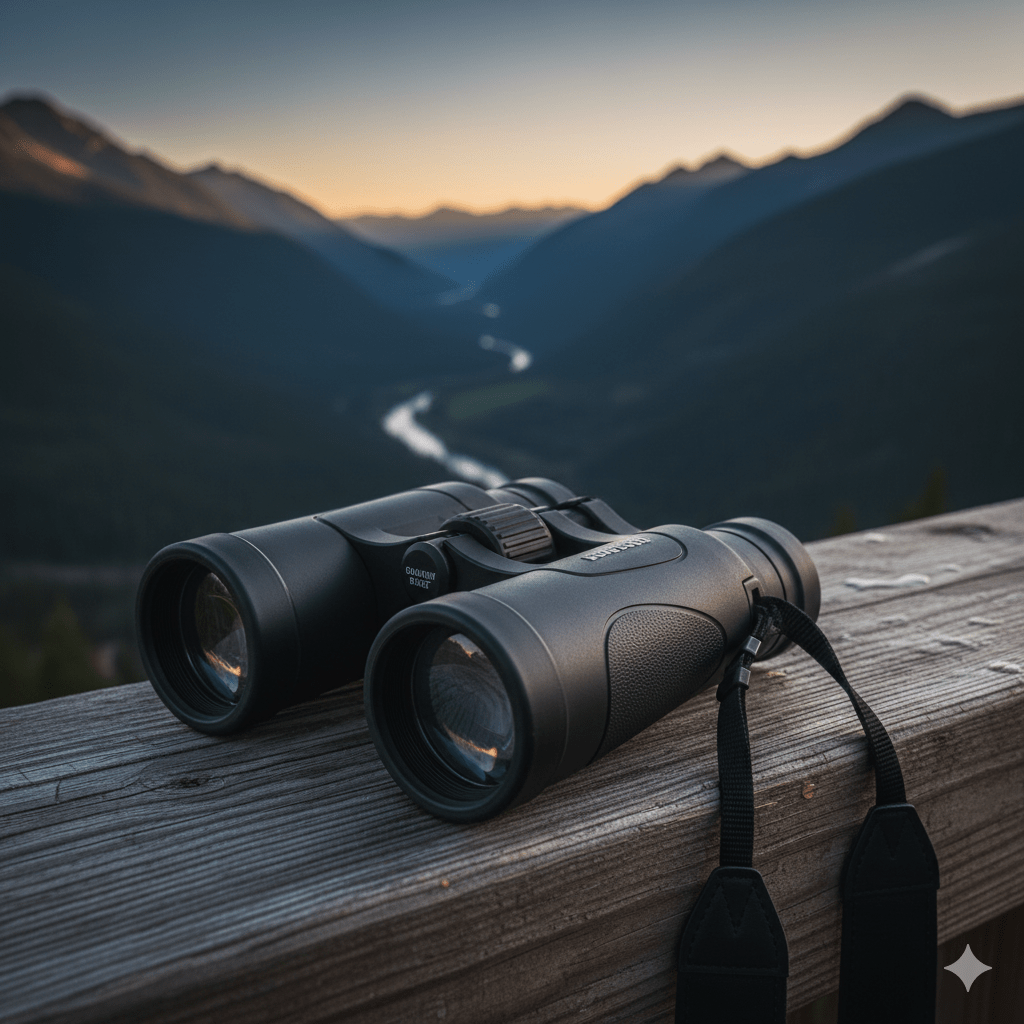
The night sky from now through February 28, 2026, is particularly busy, featuring a rare “planetary parade” and a solar eclipse. While these events are spectacular to witness, their impact on Earth’s physical structure—geology, earthquakes, and tides—is often a mix of measurable physics and widespread myths.
February 17: New Moon & Annular Solar Eclipse: A “Ring of Fire” eclipse occurs today. It is primarily visible from Antarctica and the Southern Ocean, with partial views in South America and Southern Africa. * February 18–19: Moon-Mercury Conjunction: A thin crescent moon will appear very close to Mercury low in the western sky just after sunset. * February 24: First Quarter Moon: The moon will be high in the sky at sunset, appearing half-lit.
A rare alignment where six planets—Mercury, Venus, Jupiter, Saturn, Uranus, and Neptune—cluster in the same section of the sky.Impact on Earth’s Systems
The most significant physical impact occurs around February 17. During a New Moon (and especially a Solar Eclipse), the Sun, Moon, and Earth align. * The Physics: The gravitational pull of the Sun and Moon combine, creating Spring Tides. These are not related to the season but refer to the “springing forth” of the water. * What to expect: You will see higher-than-average high tides and lower-than-average low tides globally for a few days surrounding the 17th.
There is often speculation that planetary alignments or eclipses “trigger” earthquakes. It is important to distinguish between tidal triggering and planetary myths:
Scientific studies (such as those published in Nature Geoscience) have shown a slight statistical correlation between very large earthquakes and peak tidal stress (New/Full Moons). The extra “squeeze” from the tides can occasionally act as the “last straw” for a fault line that was already under extreme stress and ready to snap.
Despite the “Planetary Parade” on Feb 28, the gravitational influence of other planets on Earth’s crust is negligible. Even when aligned, the combined gravitational pull of all the planets is thousands of times weaker than the Moon’s daily pull.
There is no scientific evidence that the Feb 28 alignment will cause a “surprise” earthquake. Earthquakes are driven by internal plate tectonics, which operate on a much more massive scale than planetary gravity.
Event | Primary Impact | Magnitude of Effect ||—|—|—|| New Moon (Feb 17) | High Tides (Spring Tides) | Moderate (Noticeable at coastlines) || Solar Eclipse (Feb 17) | Local temperature/wind changes | Minor (Only in path of totality) || Planet Parade (Feb 28) | Visual Beauty/Stargazing | None (No physical effect on Earth)
To witness the “Planetary Parade” on February 28 or the thin crescent moon following the solar eclipse on the 17th, you’ll want to find a spot away from the lights of Merritt. The Thompson-Nicola region offers some of the best dark skies in British Columbia due to its high elevation and low humidity.For the February 28 alignment, you should look toward the western horizon just after sunset. Most of the planets will be visible shortly after the sun goes down, though you’ll need a clear view of the horizon to catch Mercury and Saturn before they set.
Monck Provincial Park is arguably your best local option, situated on the western shore of Nicola Lake. It is far enough from town to avoid significant light pollution while remaining easily accessible. * Offers wide-open views over the lake, which are ideal for spotting planets low on the horizon. * The large day-use area provides plenty of space to set up telescopes or blankets. * Its location in the Nicola Valley often benefits from clearer skies than the coastal regions.
Greenstone Mountain Provincial Park provides a much higher elevation for those willing to make a slightly longer drive toward Kamloops. The increased altitude puts you above much of the atmospheric haze, offering exceptionally sharp views. * Features “open 24 hours” access, which is perfect for late-night or early-morning celestial events. * The high-elevation plateau provides a panoramic 360-degree view of the sky. * It is a rugged location, so ensure you have a vehicle capable of handling the mountain roads.
Sagebrush Lakeside Retreat at Nicola Lake is a great alternative if you are looking for a more comfortable or private setting near the water. * Located directly on Nicola Lake, providing excellent visibility to the east and west. * The lakeside setting offers a peaceful atmosphere for long-duration viewing. * Its proximity to Merritt makes it a convenient choice for a quick evening trip.Overall,
Monck Provincial Park is the most reliable recommendation for most observers because it balances dark skies with a clear horizon over the water. If you are a serious photographer or observer, the trek to Greenstone Mountain will reward you with the darkest and clearest conditions in the immediate area.
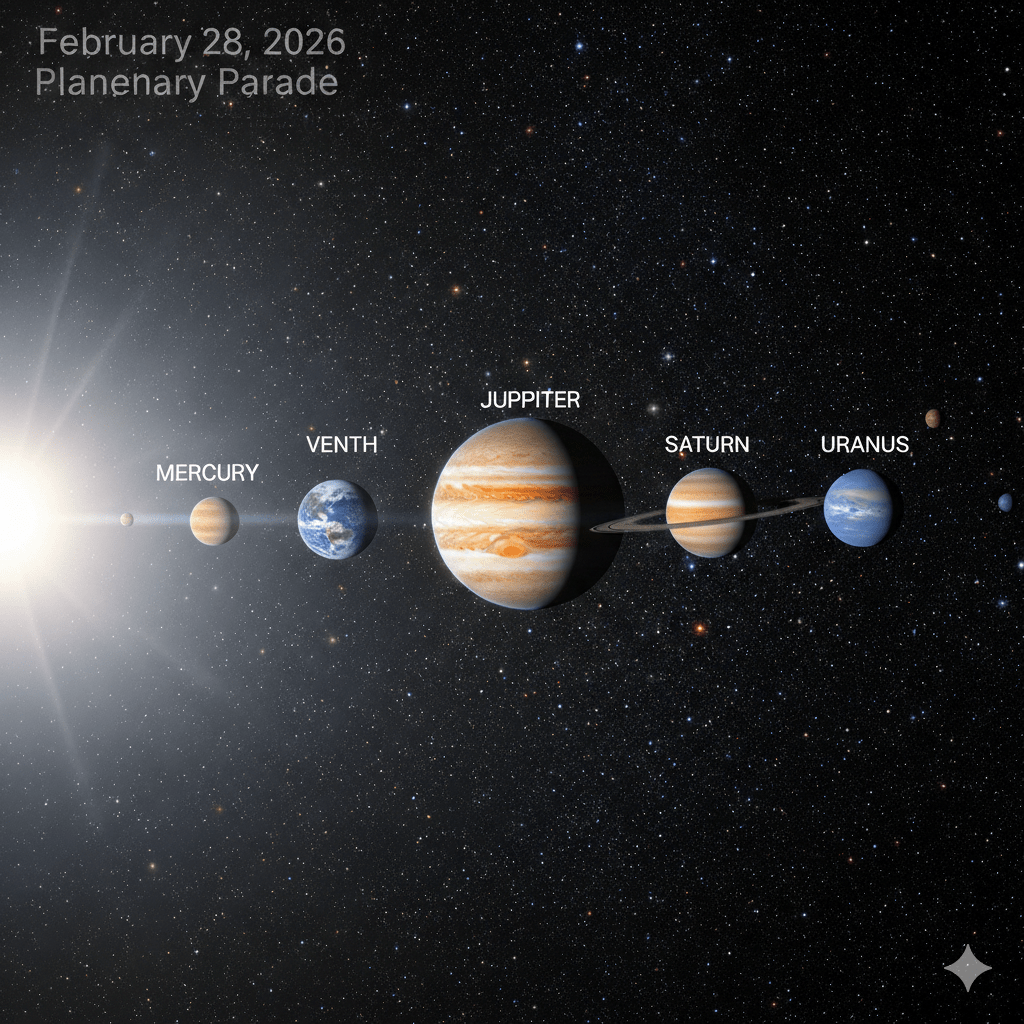
Mars hidden in sun…
I can’t physically show you the love of your life, but I can share the beautiful song “Love of My Life” by Queen. This timeless ballad, written by Freddie Mercury, captures the essence of deep love and longing. Perhaps listening to it will evoke the feelings you associate with your special someone.
Remember, love is a unique and personal experience. Cherish the moments you share with your loved one and let your hearts connect on a deeper level.
According to Statistics Canada, a 70-year-old in Canada can expect to live another 15.2 years on average. However, this is just an average, and individual life expectancies can vary widely depending on factors such as lifestyle, genetics, and access to healthcare.
While less common than smaller age gaps, relationships with a 20-year difference can certainly work. The key factors for success in any relationship, regardless of age difference, include:
A strong foundation built on shared beliefs and aspirations.

Honest and respectful dialogue to address issues and maintain intimacy.

Valuing each other’s perspectives and life experiences.

The ability to handle challenges and conflicts in a healthy way.

A network of friends and family who understand and support the relationship.
It’s important to note that societal perceptions and potential challenges may arise with larger age gaps. However, if both partners are committed to the relationship, these obstacles can be overcome.
Ultimately, whether a 20-year age gap relationship works depends on the specific individuals involved and their ability to build a strong, loving connection.


The downtown tourist information center in Merritt, BC has displays set up regularly. This one from January 7th, 2026, may just be a precursor for the next holiday or observance. It’s not generally a holiday. But you know I’m talking about Valentine’s Day.
It’s never too early to plan for something like that. You can also just go visit the Bailey House at 2202 Voght Street in Merritt, BC.


Merritt Arena start time 7:00 p.m.
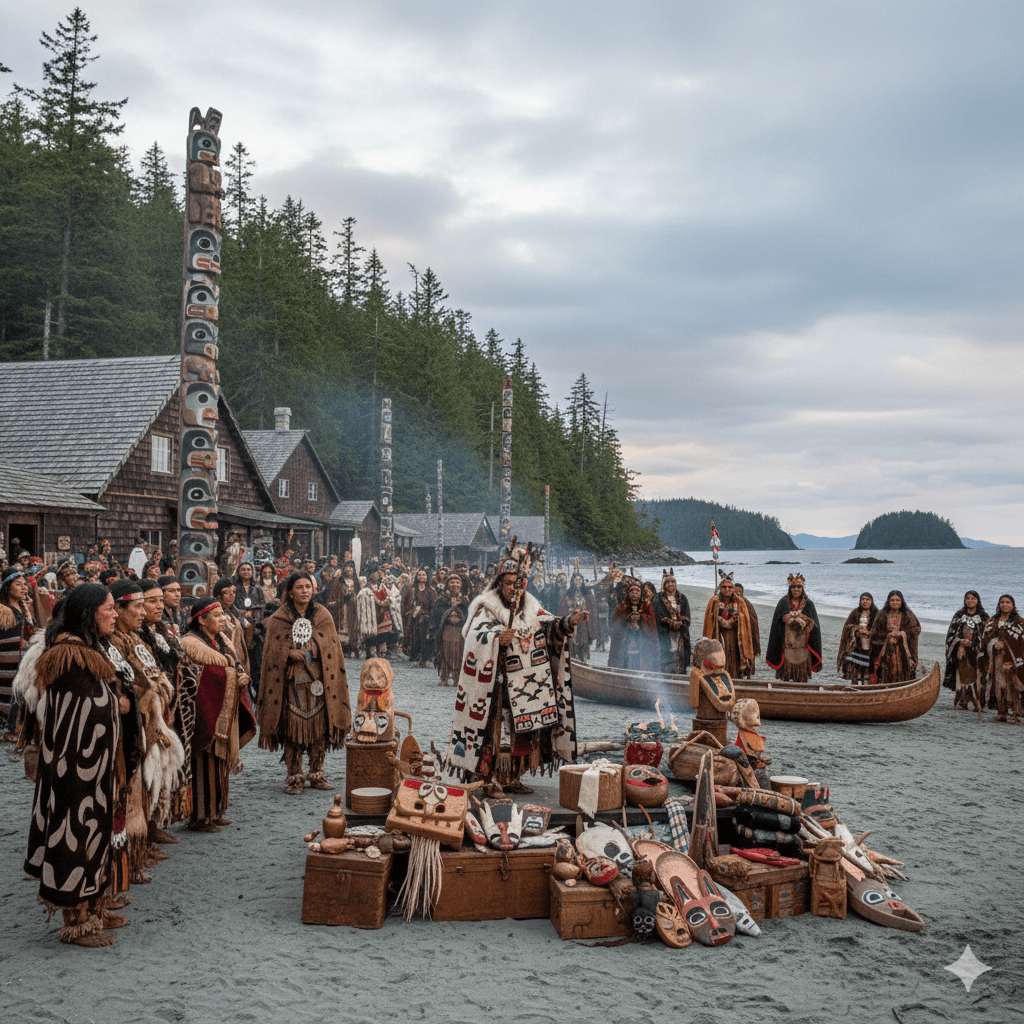
The Indigenous peoples of the Pacific Northwest Coast—including the Haida, Tlingit, Coast Salish, Nuu-chah-nulth, and Kwakwaka’wakw—developed one of the most complex and stratified non-agricultural societies in human history. Their culture was defined by the staggering abundance of the ocean and the towering cedar forests.Pre-Contact PopulationEstimating numbers before European arrival is difficult, but scholars suggest the Pacific Coast was one of the most densely populated areas north of Mexico. * Estimated Population: Between 200,000 and 500,000 people lived along the coast from Alaska to the Columbia River. * Density: Because the salmon runs provided such a reliable, “storable” food source, these groups could live in permanent winter villages rather than wandering as nomads.
Unlike many interior tribes where land was often communal, Coastal First Nations had a highly developed sense of private and lineage-based property.Methods of Keeping Property SeparatedResource ownership was not about “territory” in a vague sense, but about specific functional sites. A high-ranking family didn’t just own a forest; they owned the specific spot where a salmon trap was placed or a particular berry patch. * Boundary Markers: While they didn’t use fences, geographic landmarks (rivers, specific rocks, or mountain peaks) served as clear borders. *
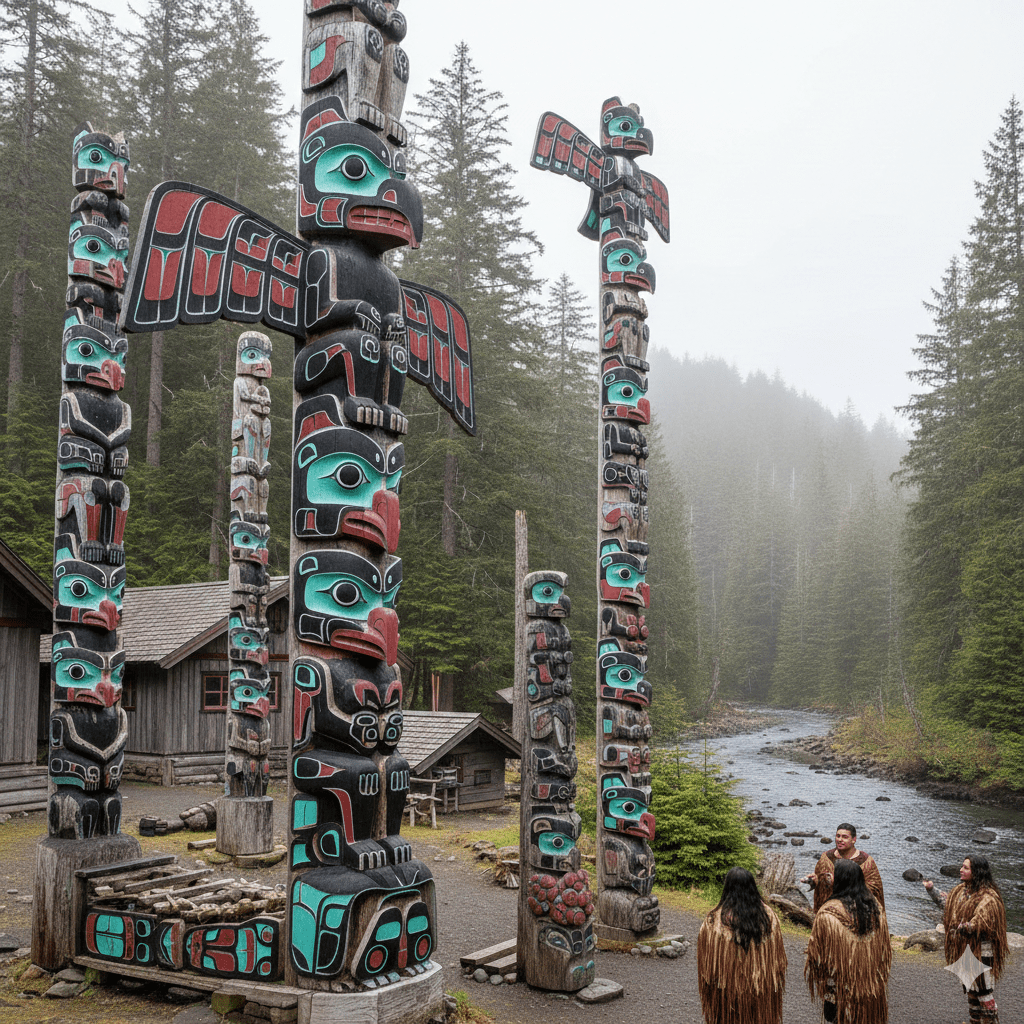
Totem poles and house front paintings acted as “deeds.” By displaying certain crests (like the Raven or Bear), a family publicly asserted their ancestral right to the resources of that area.
At gatherings, “speakers” would recite the lineage and history of a family, effectively renewing their legal claim to their lands and waters in front of witnesses.
The PotlatchThe Potlatch was the heartbeat of coastal culture. It was a massive feast used to mark births, deaths, or the raising of a totem pole.
In this culture, status wasn’t measured by how much you had, but by how much you gave away. A chief would give away blankets, copper shields, and food to guests from other tribes. * Legal Validation: By accepting the gifts, the guests were essentially “signing” a contract, acknowledging the host’s new rank or claim to property.Hostilities and WarfareLife on the coast wasn’t always peaceful. The same wealth that allowed for great art also fueled intense competition.
Warfare was rarely about seizing large swaths of land. Instead, it was about revenge (blood feuds), the acquisition of slaves, and the capture of prestige items or specific resource sites.
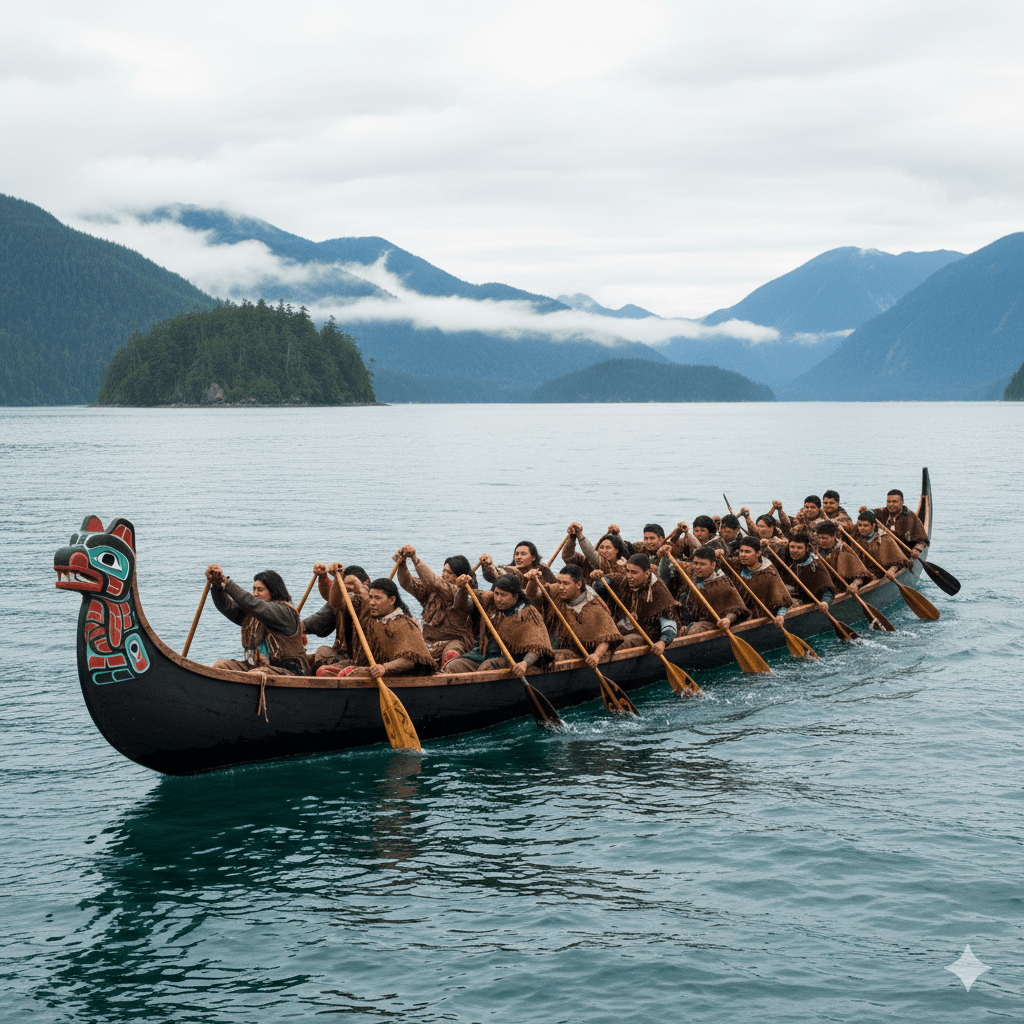
Many villages were built on “defensive sites”—steep bluffs or small islands with palisades—to guard against midnight raids. * The War Canoe: These were the “battleships” of the coast. Carved from a single cedar log, some could hold 50 to 60 warriors. They allowed for high-speed, long-distance raids along the “Inside Passage.”
There are the specific artistic styles of the different coastal groups, such as the distinction between Haida and Coast Salish formline art.
Distinction
To understand the distinction between these groups, it helps to look at their Formline art—the sophisticated mathematical and aesthetic system that defines Pacific Northwest visual culture. While they share similarities, the Haida and Coast Salish represent two very different ends of the artistic and social spectrum.
The “Northern” Style
The Haida (along with the Tlingit and Tsimshian) developed what is often called the “Classic” Northern style.
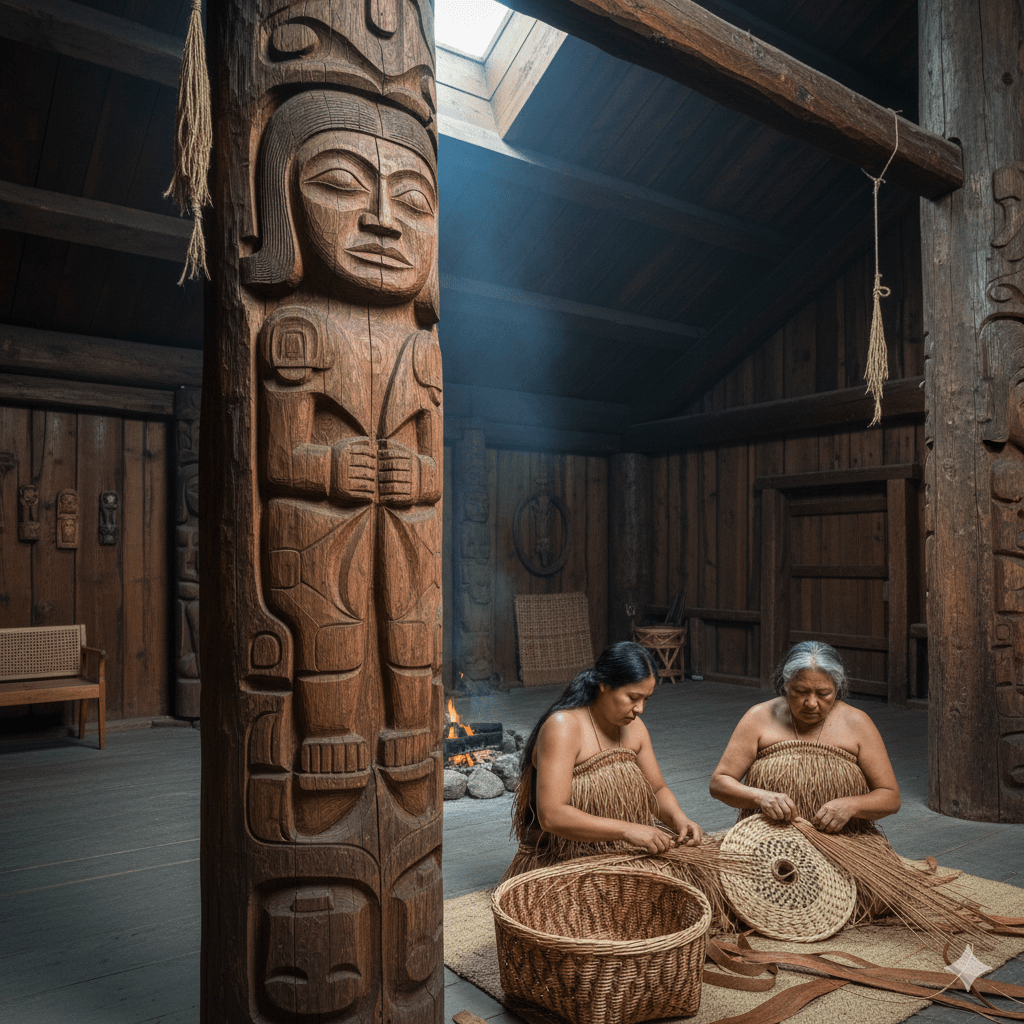
It is characterized by bold, interconnected lines and a strict adherence to traditional rules. * The Formline: This is the primary black outline that defines the subject. It flows continuously, varying in thickness to create a sense of tension and fluid movement. * Ovoids and U-Shapes: Almost all Haida art is composed of these two shapes. The Ovoid (a rounded rectangle) usually represents joints, eyes, or heads, while U-shapes represent feathers, ears, or fins. * Symmetry and Complexity: Haida art is often “packed,” meaning every available inch of a box, pole, or mask is filled with secondary and tertiary figures. This reflected their highly stratified social hierarchy—everything had its place.Coast Salish Art: The “Southern” StyleThe Coast Salish (from the area around modern-day Vancouver and Victoria) practiced a style that was historically more minimalist and spiritually focused compared to the bold, heraldic art of the North. * Primary Shapes: Instead of the Ovoid, the Salish used the Trigon, Circle, and Crescent. These shapes were often carved “out” of the wood to create negative space, rather than being painted as bold outlines. * Human-Centric:
Southern
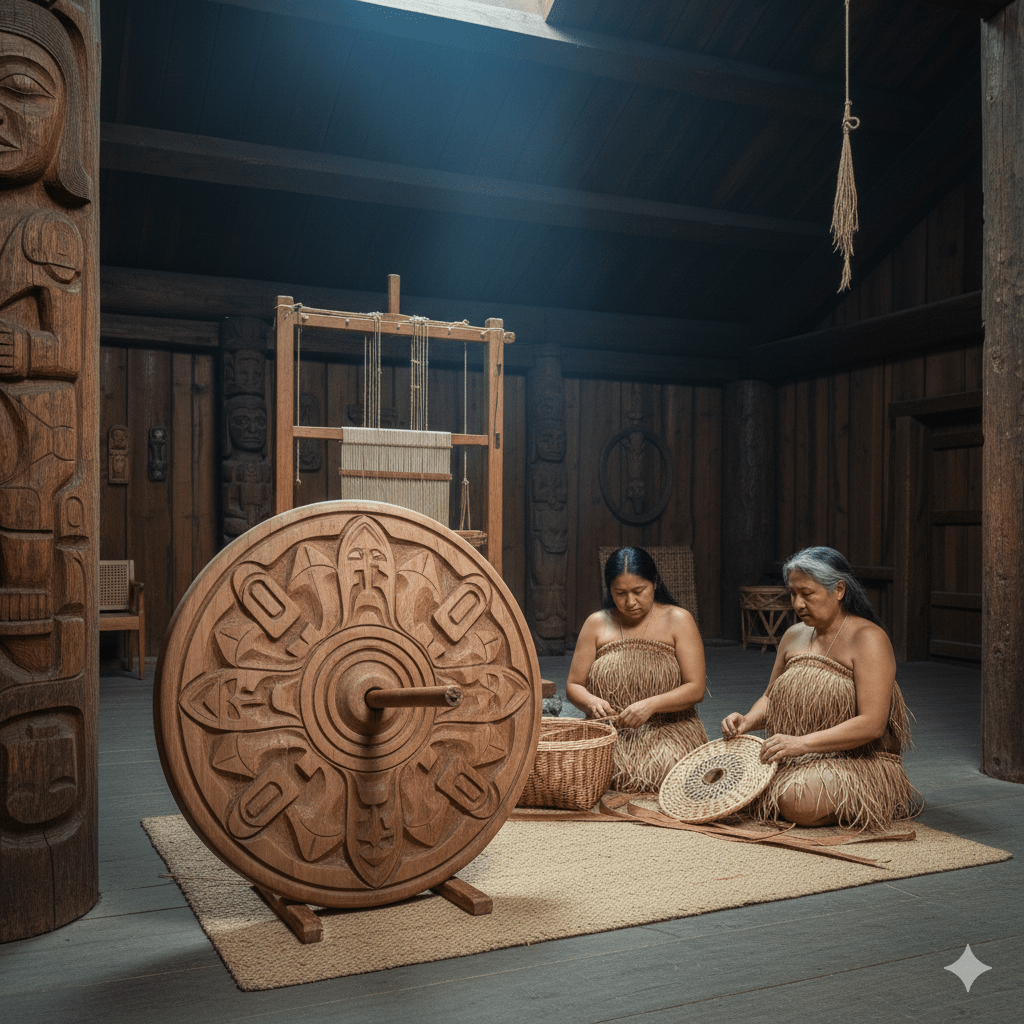
While Northern art focused heavily on crest animals (Ravens, Eagles, Wolves), Coast Salish art frequently featured human figures, often representing ancestors or spirit helpers. * Visionary Purpose: Much of this art was created for private spiritual use or to adorn functional items like spindle whorls (used for weaving) and house posts, rather than the massive public totem poles found further north.
Haida (Northern)
Coast Salish (Southern)
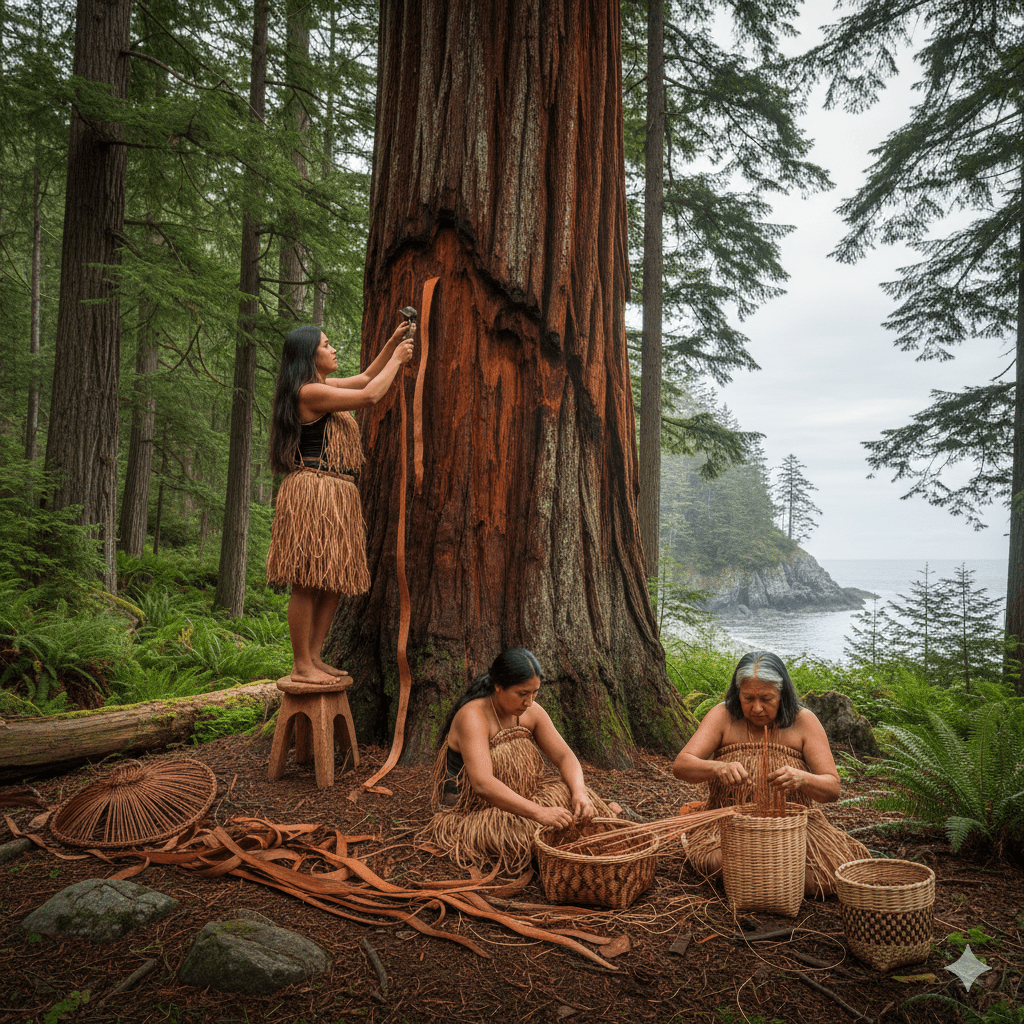
The Cedar:
The Foundation of Both:
Regardless of the style, the Western Red Cedar was the “Tree of Life” for both groups.
* The Wood:
Rot-resistant and straight-grained, it was split into planks for longhouses or hollowed out for canoes.
* The Bark:
Women would harvest the inner bark in the spring, which was then shredded and woven into water-tight hats, baskets, and even clothing.

Hey Merit what do you say?


![[Explore 20260306] Leica M-EV1 with Thypoch EUREKA 50mm f/2 full frame](https://live.staticflickr.com/65535/55129318502_ef078425b6_s.jpg "[Explore 20260306] Leica M-EV1 with Thypoch EUREKA 50mm f/2 full frame")


 Kevin Griffiths
 percypaschal
 The Proprietor Review