Category: Arts and Culture


Sunday solice

Photo KDG
Rachmaninoff  prelude number 3, G minor Op 23

Greg Capozzi plays a masters prelude at Innovation Studios, August 2016.

Merritt Herald changes ownership…

Local owners

The 120-year-old newspaper has resorted back to local ownership after being sold by a conglomerate of local newspapers:

Record

Small publishing a valuable record.

A generic small town weekly paper. Conception

August night sky secrets of the universe..

Look Up

May the planets wink and stave their treble. For you

The August 8th full moon in Greece (which is actually on August 9th, 2025) is a truly special time, particularly for archaeological sites and museums. It’s an annual tradition that offers a unique blend of history, culture, and celestial beauty.
Here’s what makes it archaeologically significant and what to expect:
Archaeological Significance of the August Full Moon:
* Ancient Tradition and Mythology: The August full moon has deep roots in Greek mythology and ancient traditions. In antiquity, the month of August was known as “Metageitnion,” a time for festivals and celebrations, encouraging communal gatherings. The August moon was also closely associated with Selene, the Titan Goddess of the Moon, who was said to traverse the night sky in her silver chariot.
* Olympic Games Connection: Historically, the ancient Olympic Games, held in honor of Zeus at Ancient Olympia, began on the day of the August full moon, every four years. The fifty daughters of Selene were said to represent the fifty lunar months of the Olympiad, marking the beginning of these games.
* Unique Viewing Opportunity: The August full moon is often considered the brightest of the year, providing a stunning natural illumination for Greece’s ancient monuments. Seeing the brilliant white marble of the Acropolis glowing in the moonlight, or the moon hanging low over the Temple of Poseidon at Sounion, is an unforgettable experience.
What to Expect During the August 8th (9th) Full Moon Week in Greece (2025):
The Greek Ministry of Culture annually organizes a series of events around the August full moon, offering a fantastic opportunity for locals and tourists alike:
* Free Admission to Archaeological Sites and Museums: This is the most significant aspect. For one night (specifically, Saturday, August 9th, 2025) and often extending for a few days around it (from August 8th to 13th in 2025), many archaeological sites, historic landmarks, and museums across Greece open their doors to the public for free after sunset, often until midnight. This tradition began in 1996.
* Cultural Events Under the Moonlight: Beyond free entry, many of these sites host special cultural events. These can include:
   * Theatrical performances
   * Music and dance shows
   * Stargazing sessions
   * Myth-telling
   * Guided tours
   * Exhibitions
   * Film screenings
* Key Locations: Many iconic locations participate, including:
   * The Acropolis Museum (Athens): Often has extended hours and special events like concerts.
   * National Archaeological Museum (Athens): Offers extended hours with special exhibitions.
   * Temple of Poseidon at Cape Sounion: A breathtaking site to visit under the full moon.
   * Archaeological Site of Kerameikos (Athens)
   * Archaeological sites in Macedonia: Such as Pella (capital of ancient Macedon) and ancient Stagira (Aristotle’s birthplace).
   * Sites on various Greek islands: Including Gortyna in Crete, and museums and castles on islands like Kalymnos, Karpathos, Skyros, Zakynthos, Kythera, and Kefalonia.
* Magical Atmosphere: The combination of ancient ruins, the bright full moon, and cultural events creates a truly magical and memorable experience, allowing visitors to connect with Greece’s rich heritage in a unique setting.
It’s advisable to check the official website of the Greek Ministry of Culture closer to the date for the detailed program of events for 2025, as specific activities and participating sites can vary slightly each year.

A culture of greatness.

Shawl,Gift shop, Arts Center Merritt BC.

Beyond Brambles Brand

This off-season artisan bargain is a three way mix of wool, silk, and surprise .

The Nicola Valley Community Arts Council operates the gift shop in Merritt. It’s on the corner of Nicola and Voght and is entered by the side near the bannock place.

The Summer Artisan show is on now come in and support your local artisans.

Summer vibes

Local in Merritt enjoying the week and end weather. 

You should be getting out as well .

How much sun…

Spending time in the sunshine can have a variety of positive effects on your body and mind, but it’s important to do so in moderation. Here’s a breakdown of how sun exposure affects your brain and body, and what to consider for safe sun habits.
Sunshine and Your Brain: The Endorphin Connection
Research has shown a fascinating link between sun exposure and the release of endorphins. Endorphins are a class of neurotransmitters that act as natural painkillers and mood boosters, and they are responsible for feelings of well-being and pleasure. Studies, particularly in mice, have identified an organic pathway in the skin where UV radiation triggers the production and release of a specific type of endorphin called beta-endorphin.
This process has led scientists to suggest that the “feel-good” feeling many people get from sunbathing may be a result of this opioid-like effect. This can create a positive feedback loop, encouraging sun-seeking behavior, and in some cases, even leading to a form of addictive behavior in frequent tanners. The release of beta-endorphin is thought to be part of a “built-in reward system” that evolved to encourage us to get enough sun for essential vitamin D synthesis.
In addition to endorphins, sunlight exposure also stimulates the production of other crucial chemicals in the brain:
* Serotonin: Often called the “happy hormone,” serotonin is a neurotransmitter that helps regulate mood, focus, and emotional stability. Lower levels of serotonin are associated with conditions like Seasonal Affective Disorder (SAD), a type of depression that occurs during the darker, winter months. Sunlight entering the eyes is thought to be the primary trigger for this effect.
* Dopamine: Another “feel-good” chemical, dopamine is also released in response to sunshine, contributing to feelings of pleasure and motivation.
The Benefits and Risks of Sunshine
Is it good for us?
Yes, in moderation, sun exposure is highly beneficial. Here’s why:
* Vitamin D Production: This is one of the most well-known benefits. Your body synthesizes vitamin D when your skin is exposed to ultraviolet B (UVB) rays. Vitamin D is essential for bone health, immune function, and overall well-being.
* Mood Enhancement: The release of endorphins, serotonin, and dopamine can elevate your mood, reduce stress and anxiety, and combat symptoms of depression.
* Improved Sleep: Sunlight helps regulate your circadian rhythm, your body’s internal clock. Exposure to natural light during the day, especially in the morning, signals to your body that it’s time to be awake and helps you sleep better at night.
* Other Potential Benefits: Moderate sun exposure has also been linked to a stronger immune system, lower blood pressure, and a reduced risk of certain autoimmune diseases.
However, the benefits of sun exposure must be weighed against the significant risks of overexposure. Excessive UV radiation can damage the skin, leading to:
* Skin Cancer: This is the most serious risk. Both UVA and UVB rays can damage the DNA in skin cells, increasing the risk of melanoma and other types of skin cancer.
* Premature Skin Aging (Photoaging): Too much sun can cause wrinkles, sun spots, and leathery skin.
* Sunburn: A painful and immediate sign of skin damage.
How much time should we spend in the sun?
The recommended amount of sun exposure is a delicate balance and varies based on several factors:
* Skin Type: People with lighter skin need less time in the sun to produce vitamin D and are more susceptible to sunburn. People with darker skin have more melanin, which offers some natural protection but means they need longer sun exposure to produce the same amount of vitamin D.
* Location and Time of Year: The intensity of UV rays is stronger in the summer, closer to the equator, and at higher altitudes.
* Time of Day: UV rays are strongest between 10 a.m. and 4 p.m.
Most experts recommend 10 to 30 minutes of direct sun exposure per day on bare skin (like your arms, face, and hands) to get the benefits of vitamin D synthesis while minimizing the risk of skin damage. Short, non-burning exposures around midday are often considered the most efficient for vitamin D production.
It’s also important to follow these sun safety tips:
* Never let your skin burn.
* Seek shade during the peak sun hours.
* Wear protective clothing, a wide-brimmed hat, and sunglasses.
* Use sunscreen with an SPF of 30 or higher, and reapply it every two hours.

K

August in BC South Central Interior…

August in the South Central Interior of British Columbia is typically the height of summer, characterized by warm, dry weather and a vibrant atmosphere. Here’s a look at what you can expect, drawing on historical patterns and upcoming events:
Weather and Climate:
* Temperatures: August is generally one of the warmest months. While coastal BC experiences mild summers (around 20°C), the interior, including the South Central region, sees hotter summers with daily high temperatures often reaching 30°C or more. For example, normal daily highs in areas like Kamloops and Kelowna can be well into the high 20 degrees and low 30s.
* Precipitation: August tends to be a drier month, though the region can experience occasional thunderstorms. Historically, extreme wet and dry conditions in summer have increased over time.
* Sunshine: Expect plenty of sunshine, making it ideal for outdoor activities.
* Wildfire Risk: Due to the hot and dry conditions, wildfire risk is generally high in August in the South Central Interior. The region has experienced significant wildfire activity in previous years, leading to states of emergency, evacuation orders, and air quality advisories. It’s crucial to stay informed about current fire bans, restrictions, and any evacuation alerts or orders through official sources like Emergency Info BC.
What to Look Forward To (General Trends & Specific Events for 2025):
August is a popular time for tourism and local events in the South Central Interior. Here’s a general overview and some specific events planned for August 2025:
General Highlights:
* Outdoor Activities: With the warm weather, opportunities for hiking, biking, swimming in lakes, boating, and camping are abundant. Many communities are located near beautiful natural areas.
* Wineries and Agriculture: The Okanagan Valley, a significant part of the South Central Interior, is renowned for its wineries. August is an excellent time to visit vineyards, enjoy tastings, and explore local farmers’ markets with fresh produce.
* Community Events: Many towns host outdoor concerts, markets, and festivals throughout the month, taking advantage of the pleasant evenings.
Specific Events for August 2025 (based on available information):
Merritt Area:
* BC Day Long Weekend (August 1st – 4th, 2025): This long weekend kicks off August with various community celebrations.
* “What If” (formerly Burn in the Forest – July 31st – August 4th, 2025): This reimagined gathering of creativity and community will be taking place in the Merritt area.
* Nicola Valley Pro Rodeo (August 30th – 31st, 2025): This celebrated annual event honors the region’s rich ranching and rodeo heritage.
* Nicola Valley Fall Fair (August 31st, 2025): A cherished tradition celebrating agricultural heritage.
Kamloops Area:
* Kamloops International Cup (July 27th – August 3rd, 2025): Features English Premier League U21 teams in exhibition matches, youth camps, and coaching clinics.
* Electric Love Music Festival (August 7th – 10th, 2025) in Pritchard: A high-energy, grassroots music and art festival.
* Hot Nite in the City (August 8th – 9th, 2025): The 31st annual car show transforms downtown Kamloops with vintage and custom cars, live music, and vendors.
* Kamloops Daybreak Rotary Ribfest (August 8th – 10th, 2025): Western Canada’s largest rib festival, featuring award-winning ribs and entertainment. (Note: This is its final year).
* Blackwell Dairy Farm Farmers’ Market (August 10th & 24th, 2025): Experience farm life with local vendors and open-barn visits.
Okanagan Valley (Kelowna, Vernon, Penticton, Oliver areas):
* BC Day Long Weekend (August 1st – 4th, 2025): Expect various local events and celebrations throughout the Okanagan.
* Penticton Peach Festival (August 6th – 10th, 2025): A major annual festival in Penticton with a wide range of activities.
* Music on the Patio at Hester Creek (Oliver – May to October 2025): Enjoy live music on weekends.
* Yoga + Mimosas (Predator Ridge Resort – various dates in August 2025): A unique outdoor yoga experience.
* Silver Star Summer Music Series (SilverStar Mountain Resort – various dates in August 2025): Live music in a mountain setting.
* Ghost Tours of Vernon – August Long Weekend Tours (August 1st – 3rd, 2025): Explore the spooky side of Vernon.
* Vernon Farmers’ Market (various dates in August 2025): A great place to find local produce and crafts.
Important Considerations for August:
* Book Accommodations in Advance: August is peak tourist season, so hotels and campsites fill up quickly.
* Stay Hydrated and Sun-Safe: With high temperatures, it’s essential to drink plenty of water and protect yourself from the sun.
* Be Aware of Wildfire Conditions: Always check the BC Wildfire Service website and local news for current wildfire updates, fire bans, and air quality advisories. Be prepared for potential impacts on travel and outdoor plans.
Enjoy your August in the South Central Interior of British Columbia!

There are a number of car shows in the South Central interior.

More like Friends

Justin Trudeau and Kati Perry

For two

Katy Perry is a highly successful American singer, songwriter, and television personality. Born Katheryn Elizabeth Hudson on October 25, 1984, she initially pursued gospel music before rising to global fame with her pop hits like “I Kissed a Girl,” “Teenage Dream,” and “Roar.” Known for her colorful and playful style, she has sold over 143 million records worldwide and is recognized for her influence on pop music. Beyond her music career, she has been a judge on American Idol and voiced Smurfette in The Smurfs movies.
Justin Trudeau is a Canadian politician who served as the 23rd prime minister of Canada from 2015 to 2025. Born on December 25, 1971, he is the eldest son of former Prime Minister Pierre Trudeau. Before entering politics, he worked as a schoolteacher. He became the leader of the Liberal Party in 2013 and led them to a majority government victory in the 2015 federal election. He resigned as Prime Minister and Liberal Party leader in early 2025.
Recently, Katy Perry and Justin Trudeau have been spotted together, sparking dating rumors. On Monday, July 28, 2025, they were seen dining at Le Violon, a restaurant in Montreal. This outing comes a month after Perry announced the end of her engagement to actor Orlando Bloom, and Trudeau separated from his wife, Sophie Grégoire Trudeau, in 2023. While eyewitnesses reported they appeared deeply engaged in conversation and enjoyed several dishes and cocktails, the restaurant’s co-owner and chef stated they didn’t get any “dating vibes” and seemed more like friends. Neither Perry nor Trudeau has publicly commented on the nature of their dinner.

Chef, La Violon

Montreal Chef Danny Smiles is known for his “big, bold, and balanced” approach to cuisine, heavily influenced by his Italian and Egyptian heritage, alongside his Canadian upbringing and extensive travels. He emphasizes thoughtful, ingredient-driven cooking, focusing on locally sourced and seasonal produce, particularly from Quebec farms and coastal fisheries.
Here’s a breakdown of his culinary style:
* Fusion of Influences: Smiles seamlessly blends his Egyptian and Italian roots with a modern Canadian sensibility. This allows him to “jazz up” classic dishes, creating unique and elevated takes. For example, he might offer a revisited shrimp-and-grits with cornbread and a fresh salad, or a Hawaiian pizza with Italian prosciutto, jalapenos, and caramelized pineapples.
* Ingredient Integrity: A core tenet of his philosophy is highlighting the natural flavors of high-quality ingredients. He believes in using the best possible produce and seafood, allowing them to shine in his dishes. This is evident in his focus on seafood-forward dishes and seasonal Quebec vegetables.
* “Polished, Unpretentious, and Fun”: This is how Smiles describes his current restaurant, Le Violon. He aims to create a dining experience that is both refined and welcoming, with an emphasis on collaboration and a vibrant atmosphere.
* Evolution of Classics: Smiles enjoys reinterpreting traditional dishes, often drawing connections between seemingly disparate food cultures. His “sorpresine fagioli,” for instance, is a handmade pasta dish with borlotti beans that pays homage to his Italian heritage while also being recognizable to French Canadians as an elevated version of pea soup.
* Signature Elements: While he doesn’t have one single “signature dish” that defines him, his menus often feature:
   * Seafood-forward dishes: A consistent element across his various ventures.
   * Inventive bites: Especially at places like Double’s Late Night.
   * Twists on classics: Such as tartare, sweetbreads, monkfish, and homemade pasta.
   * Seasonal vegetables: Utilizing whatever is fresh and local.
Smiles’ journey in the culinary world began in his parents’ hotel, followed by formal training in Montreal and internships in Italy. He gained national recognition as a finalist on “Top Chef Canada” and has held executive chef positions at notable Montreal establishments like Le Bremner and The Willow Inn. Currently, he is a partner and co-executive chef at Le Violon, where he continues to express his passion for exceptional and approachable food.

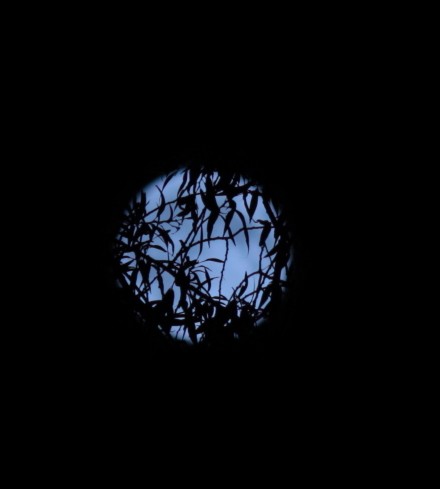
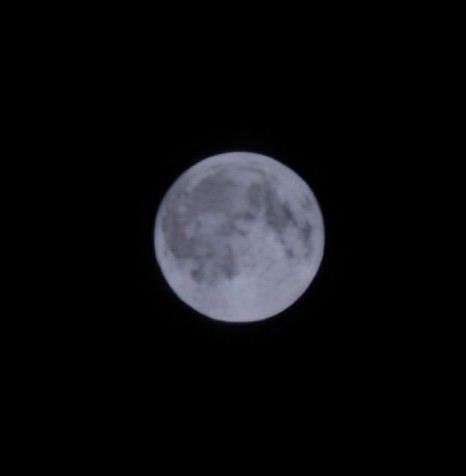
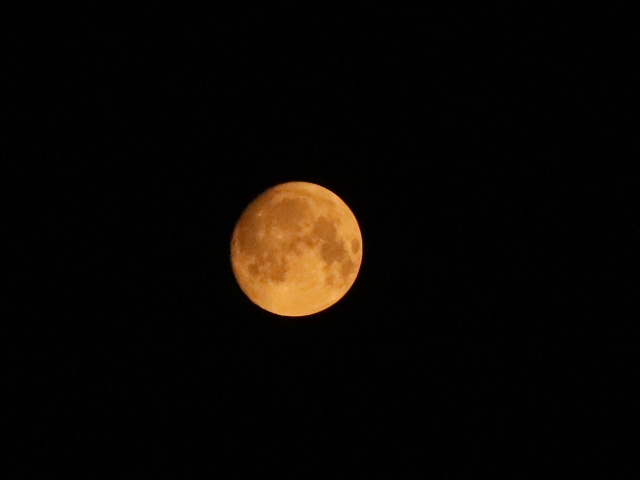
Photo KDG, Strawberry Moon Merritt BC.

The interest in all things lunar continues as mankind’s March to knowledge grows exponentially everyday.

Celtic music

Culture, Antarctic Amber found means tree culture may be more pronounced on earth and older than we knew .

Celtic music boasts a deep and complex history, with its origins shrouded in the mists of antiquity. While definitive timelines are challenging to establish due to the oral tradition of much early music, we can trace its evolution and its profound connection to ancient Celtic religious practices and beliefs.
Timelines of Celtic Music:
Ancient Period (Pre-Christian Era to roughly 5th Century AD):
* Oral Tradition: This was primarily an oral tradition, passed down through generations. Written records are scarce, so our understanding relies on archaeological finds, reconstructions of instruments, and accounts from Greek and Roman writers.
* Instruments: Early instruments likely included the carnyx (a large bronze war horn), various types of flutes, lyres, and possibly early forms of the harp. Percussion instruments like clay drums and rattles were also probably used.
* Bards and Filid: Professional poets and musicians, known as bards (in Gaul, Britain) and filid (in Ireland), played a crucial role. They composed and performed heroic songs, genealogies, and laments, serving as chroniclers, entertainers, and advisors.
* Purpose: Music was an integral part of daily life, rituals, warfare, and storytelling. It served to mark significant events, accompany dances, and perhaps even to incite warriors in battle.
Early Christian Period (5th Century AD onwards):
* Christian Influence: The arrival of Christianity brought new musical forms, such as plainchant, but also saw the integration of existing Celtic musical traditions. Monks like Columba were known to incorporate bardic music and poetry into Christian worship.
* Harp’s Prominence: The harp continued to be a central instrument, often associated with saints and religious figures.
* Lack of Notation: Music largely remained an oral tradition, with formal notation only beginning to appear much later.
Medieval and Early Modern Periods (Roughly 12th to 18th Century):
* Bardic Orders: Professional harpists continued to flourish in Ireland, Wales, and Scotland, often patronized by chieftains and nobles. These bardic orders maintained and developed a rich repertoire.
* Decline and Revival: Political and social changes, particularly in the 17th and 18th centuries (e.g., the Flight of the Earls in Ireland), led to a decline in the traditional bardic patronage and a threat to the survival of the music. However, efforts to collect and preserve tunes began in the late 18th century, notably the Belfast Harp Festival of 1792.
* Emergence of Fiddle and Bagpipes: While bagpipes have a long history, their prominent role in Scottish military and folk music solidified after the 15th century. The fiddle tradition developed more recently, gaining popularity in the 19th century.
Modern Period (19th Century to Present):
* Gaelic Revivals: The late 19th and early 20th centuries saw “Gaelic Revivals” that aimed to preserve and promote Celtic languages and cultural forms, including music.
* Recordings and Diaspora: The 1920s saw the first recordings of traditional Irish music, which helped spread it to Irish communities abroad, particularly in the United States, following mass emigration (e.g., the Great Famine).
* Mid-20th Century Folk Revival: The mid-20th century witnessed a significant folk revival, with groups like The Chieftains, Planxty, and Clannad bringing Celtic music to wider audiences. They innovated by incorporating instruments like the Greek bouzouki and adapting traditional tunes for modern arrangements.
* Celtic Fusion: From the 1980s onwards, “Celtic fusion” emerged, blending traditional Celtic elements with genres like pop, rock, reggae, jazz, and even hip-hop and metal (e.g., The Pogues, Afro Celt Sound System, Flogging Molly). This era also saw the development of a “Pan-Celtic” sound, drawing from various Celtic nations.
Celtic Music and the Gods:
While ancient Celtic mythology doesn’t feature a single, dedicated “god of music” like Apollo in Greek mythology, music was deeply intertwined with their spiritual beliefs and practices, and often directly associated with the powers of their deities and mythological figures.
* The Dagda’s Harp (Uaithne): One of the most famous examples is the magical harp of the Dagda, the “All-Powerful Father” deity of the Tuatha Dé Danann (a race of divine beings in Irish mythology). His harp, Uaithne, was sentient and could play three types of music with immense power:
   * Geantraí (music of happiness): Caused people to erupt with laughter.
   * Goltraí (music of sorrow): Induced weeping and lamentation.
   * Suantraí (music of sleep): Lulled everyone into a deep slumber.
     This story from the “Battle of Magh Tuireadh” illustrates music’s ability to control emotions and influence events, directly demonstrating a divine connection.
* Bards as Intermediaries: Bards were highly respected figures, believed to possess a divine gift. Their ability to compose and perform poetry and music was seen as a connection to the spiritual realm, allowing them to praise heroes, lament losses, and perhaps even invoke or appease deities. Their songs served as a living archive of tribal history, lineage, and mythical narratives.
* Rituals and Ceremonies: Music undoubtedly played a role in ancient Celtic rituals, sacrifices, and festivals tied to the agricultural cycle and natural world. While specific details are lost, it’s reasonable to assume that rhythms, chants, and instrumental sounds were used to create a sacred atmosphere, invoke blessings, or celebrate divine forces.
* Emotional and Supernatural Power: Celtic folklore consistently highlights music as a mystical power. Beyond influencing the gods, it was used in stories to control people, objects, and outcomes through its magical properties. This reflects a broader Celtic belief in the interconnectedness of the natural and supernatural, where sound could bridge the gap.
* Nature Worship: Given the strong reverence for nature in Celtic spirituality, it’s plausible that music sought to emulate natural sounds or connect with the spirits of the land, rivers, and forests, which were often seen as imbued with divine energy.
In essence, Celtic music wasn’t just entertainment; it was a potent force, a means of communication, and a reflection of a world where the divine and the mundane were deeply interwoven. While we may not have the precise musical scores of their ancient rituals, the enduring power and emotional depth of modern Celtic music continue to echo those ancient spiritual connections.

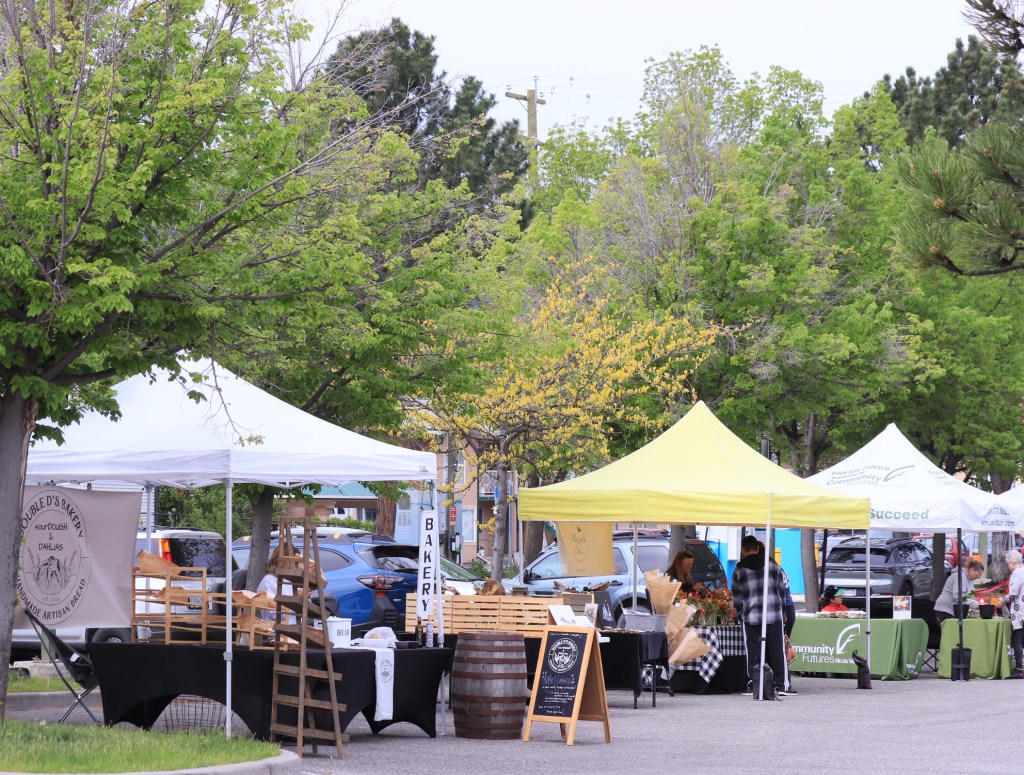
July 27th 2025, Central Park till 3:00 p.m..

The Nicola Valley Cruisers are a vibrant car club based in Merritt, British Columbia, known for their passion for classic, vintage, and modern vehicles. While the specific number of 302 members isn’t consistently stated, it’s clear they have a significant and active membership that participates in various events throughout the year.
Here’s a breakdown of what they do and how they enjoy their leisure time:
Key Activities and Events:
* Annual Show ‘n’ Shine: This is their signature event, a beloved summer car show held annually in Central Park, Merritt. It draws car enthusiasts from across British Columbia and beyond. It features a diverse array of vehicles, from muscle cars and vintage classics to modern sports cars, trucks, and even electric bikes. The event is free for the public and includes live entertainment, food vendors, prizes, and a festive atmosphere. It’s a major community event and a highlight of their year. In 2025, the 30th annual Show ‘n’ Shine is scheduled for Sunday, July 27th.
* Weekly Meetings/Cruises: The club holds regular weekly meetings, often at local spots like the A&W on Voght Street. These gatherings allow members to showcase their cars, socialize, and connect with fellow enthusiasts. They sometimes include activities like garage tours.
* Spring Dance/Rock ‘n’ Roll Dance: The Nicola Valley Cruisers also host social events like their annual Spring Dance. These events often feature live music (like the Coquihalla Coyotes) and are an opportunity for members and the community to enjoy a night of retro tunes and camaraderie.
* Community Involvement and Charity: The club is actively involved in giving back to the community. They often donate funds raised from their events to local groups or causes, such as the local Food Bank or the Nicola Valley Fall Fair.
* Participation in Other Automotive Events: Members also participate in other car-related events, sometimes joining tours of antique or classic car clubs visiting Merritt.
How They Enjoy Their Leisure Time:
For the Nicola Valley Cruisers, leisure time largely revolves around their shared love for automobiles. This includes:
* Showcasing and Maintaining Their Vehicles: Members take pride in their cars, whether they are meticulously restored classics or unique modern vehicles. A significant part of their leisure involves maintaining, customizing, and preparing their cars for display.
* Socializing and Camaraderie: The club fosters a strong sense of community. Members enjoy spending time together, sharing stories, discussing cars, and building friendships with like-minded individuals.
* “Cruisin'”: As their name suggests, simply “cruising” with their cars, enjoying the open road and the scenery of the Nicola Valley, is a popular pastime.
* Attending and Organizing Events: The various events they host and participate in provide opportunities for entertainment, competition (friendly car show judging), and sharing their passion with a wider audience.
* Nostalgia and Preservation: For many, the car hobby is about preserving a piece of history or reliving memories associated with cars from their youth.
In essence, the Nicola Valley Cruisers are more than just a car club; they are a community that celebrates automotive heritage, enjoys social connections, and contributes to the vibrant atmosphere of Merritt, British Columbia.

Welcome

Typical car show 🙀

Water in Alberta for this craft.

There are issues about transporting weeds and other contaminates  check with local authorities before trouble brews.

Canoe “I just deliver them-driver.”

Big Canoe

Regulated

One personal floatation device for every person required. Read on….

The regulations for canoeing in Alberta are primarily governed by Transport Canada’s Small Vessel Regulations, as boating safety is a federal responsibility in Canada. Alberta also has specific regulations regarding aquatic invasive species.
Here’s a breakdown of what canoes need in Alberta:
Flotation Devices (Life Jackets/PFDs)
* One life jacket or Personal Flotation Device (PFD) for each person on board. This is a non-negotiable requirement for all watercraft, including human-powered ones like canoes.
* Canadian-approved: The life jacket or PFD must be Canadian-approved. There are three main types:
   * SOLAS (Safety of Life at Sea) lifejackets: High-performance, approved for all vessels, turn you on your back even if unconscious.
   * Standard Type lifejackets: Approved for all vessels except SOLAS, also turn you on your back even if unconscious.
   * Small Vessel lifejackets: Approved for small vessels.
* Proper Fit: It’s crucial that the life jacket or PFD fits snugly and correctly. For children, it should not ride up over their chin or ears, and there should be less than 7.6 cm (3 inches) between their shoulders and the device.
* Condition: Ripped or poorly conditioned flotation devices are not considered approved.
* Inflatable PFDs: Inflatable PFDs are prohibited for people under 16 years of age or who weigh under 36.3 kg (80 lbs.), and for operators of personal watercraft.
Paddle Equipment and Other Required Safety Gear

Measure your boat for the activity requirements.


For canoes up to 6 meters (19’8″) in length, you generally need the following, in addition to life jackets/PFDs:
* Buoyant Heaving Line: A buoyant heaving line at least 15 meters (50 feet) long.
* Bailing Device: A bailer or a manual bilge pump. (Note: Not required for craft with watertight compartments that won’t allow the craft to hold enough water to capsize).
* Sound Signalling Device: A sound signalling device (like a pea-less whistle for human-powered craft).
* Reboarding Device (if applicable): A reboarding device (like a ladder) is required unless the vertical height to climb to reboard the pleasure craft is not more than 0.5 meters.
* Navigation Lights (if applicable): If you are operating after sunset and before sunrise or in periods of restricted visibility, you need navigation lights. For a canoe, a single light (like a watertight flashlight, lantern, or torch) is sufficient.
Additional Recommendations and Important Considerations
* Spare Paddle: It’s always recommended to have one paddle per person in the canoe plus a spare.
* Watertight Flashlight: While sometimes covered by navigation light requirements, a watertight flashlight is always a good idea, especially for low-light conditions.
* First Aid Kit: Although not explicitly listed as mandatory for all canoes by Transport Canada, it’s highly recommended to carry a first aid kit. For guided excursions, specific first aid kit requirements apply.
* Helmet: For river paddling, especially on Class 3 or above waters (whitewater), a helmet of an appropriate size is required. Paddle Canada also requires helmets on all Class II and above waterways for sanctioned courses and participants.
* Aquatic Invasive Species (AIS) Regulations: Alberta has strict regulations to prevent the spread of aquatic invasive species, such as zebra and quagga mussels.
   * Drain Plugs: All watercraft must have their drain plugs pulled while being transported on Alberta highways. Failure to do so can result in a significant fine.
   * Watercraft Inspections: When highway signage indicates a watercraft inspection station is open, all watercraft (motorized and non-motorized) being transported must stop for inspection. Bypassing an open station with a watercraft is a serious violation.
   * Clean, Drain, Dry, and Certify: Before entering a new waterbody, you are required to clean, drain, and dry your watercraft and all water-related gear. In some areas, like Banff National Park, you may need to obtain an AIS prevention self-certification permit.
* No “Boating License” for Canoes (unmotorized): You do not need a Pleasure Craft Operator Card (often referred to as a “boating license”) to operate a human-powered craft like a canoe, unless it is fitted with a motor (even an electric trolling motor).
* Alcohol Consumption: Operating a boat while under the influence of alcohol or drugs is a criminal offense. Alcohol consumption is generally restricted on board unless the boat has a sleeping area, cooking facilities, or a toilet, or is docked.
It’s always a good idea to consult the Transport Canada Safe Boating Guide and the Alberta.ca website for the most current and detailed information on regulations. These resources provide comprehensive lists and explanations of safety equipment and rules.

The above may not be full and complete please review the regulations with the regulator responsible in the jurisdiction.