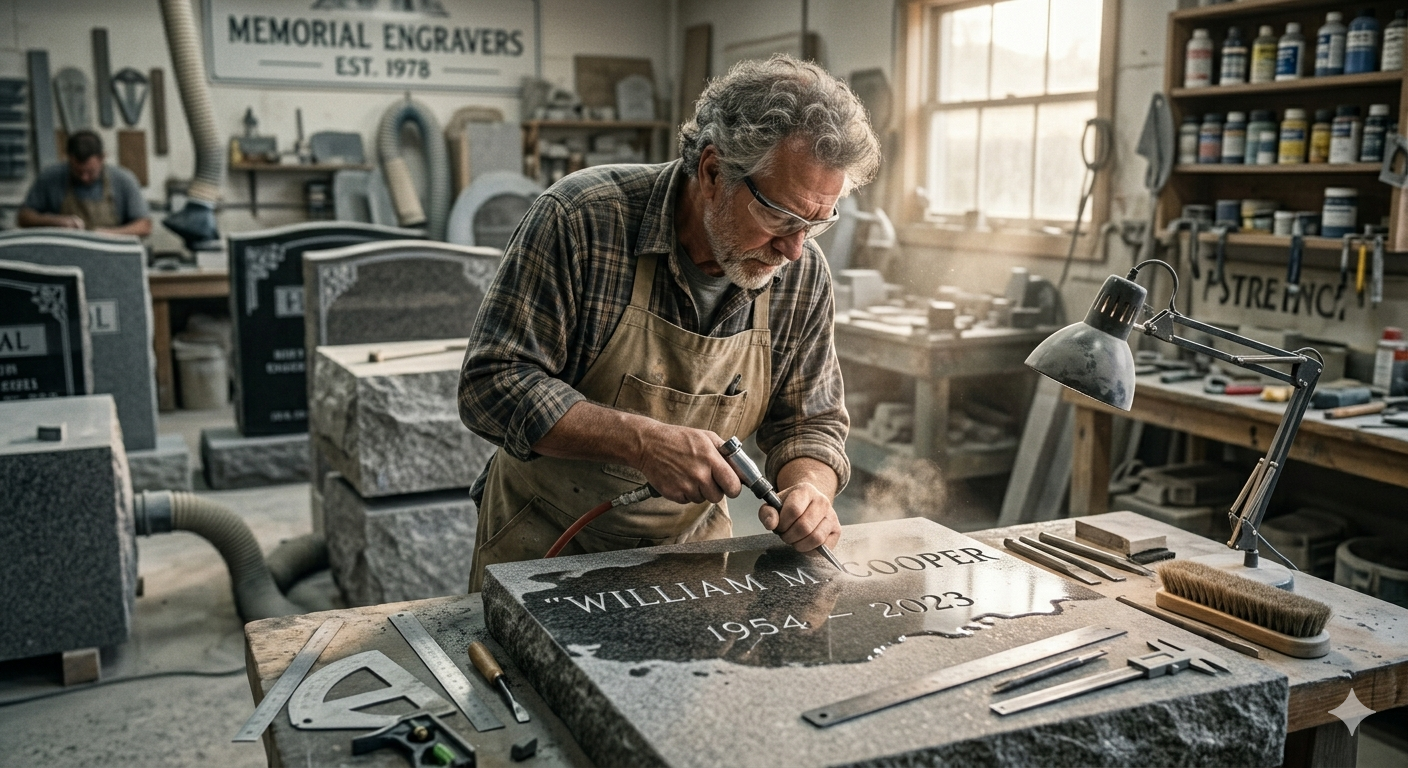
Grey Hair a harbinger of experience.
Check out this video, “david attenborough at 100” https://share.google/BsvPJ0Fk3jORw3qQR

To the seasons of life

Grey Hair a harbinger of experience.
Check out this video, “david attenborough at 100” https://share.google/BsvPJ0Fk3jORw3qQR
So, creek balls belong to everybody that finds them. Or at least it’s a transaction that is so small and that is not worth an argument. However, it’s a point of matter. If retrieving balls is a boon for the environment:
I can’t see them fertilizing anything so it’s probably good to pick them out of the water and keep them and replay them and keep the production down and the recycle it up.
Unless the ball is still playable…

In British Columbia, the legal protocol for recovering golf balls centers on property rights and trespassing laws. Legally, a golf ball remains the personal property of the golfer who purchased it, even if it is lost in a water hazard or thick brush. When a golfer abandons the search, the property right generally transfers to the golf course owner rather than the public. Entering a course to “hawk” or hunt for balls without explicit permission from the club professional or owner is considered trespassing on private land. Engaging in unauthorized retrieval can lead to legal consequences, including fines or removal from the premises, as courses often have exclusive contracts with commercial recovery divers or use the balls for their own driving ranges.When golf balls land in creeks or streams that run through or exit a course, environmental protocols become the primary concern. Under BC’s
and the federal **Fisheries Act**, these waterways are often protected habitats, particularly in regions like the Nicola Valley where salmon and trout spawning are critical. Disturbing the substrate of a creek bed to rake or dig for balls can be classified as an “unauthorized change in and about a stream,” which carries heavy environmental penalties. Furthermore, modern stewardship programs in BC emphasize leaving lost balls in sensitive aquatic zones to avoid damaging banks or introducing silt into the water. If you are looking to recover balls from a creek, it is essential to ensure the area is not private property and that your activity does not disrupt the local ecosystem or violate provincial riparian protection regulations.

The gallery is on the corner of Nicola and Voght in Merritt.
Untill June 7 2026
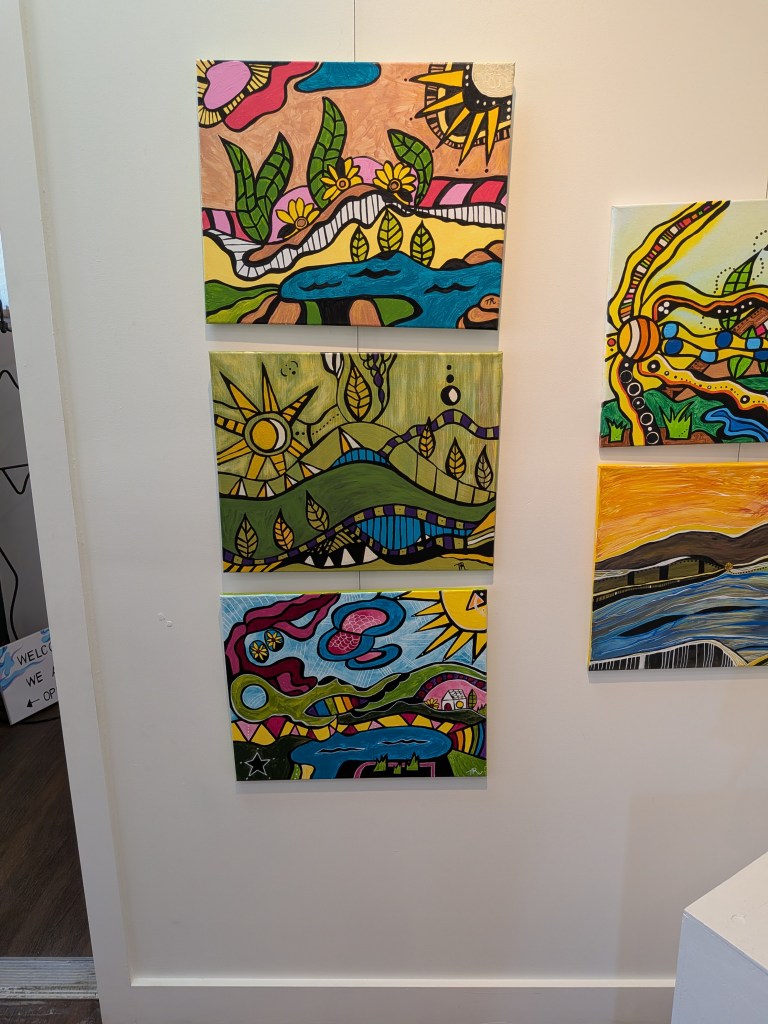
On now
There is an artisan showing now,https://www.nicolavalleyarts.com/art-gallery/
Glad for the advancement of communications throughout the world by FF…
https://www.drivebc.ca/?pan=-122.917225601%2C53.926987800999996&zoom=5
Answer:

Since you’re looking for a solid brunch option, a Savory Dutch Baby is a fantastic choice. It’s essentially a giant, puffed-up pancake baked in a cast-iron skillet. It looks impressive but requires very little active prep time, leaving you more room to enjoy your morning.Savory Herb and Parmesan Dutch BabyThis version leans into earthy flavors and works perfectly as a standalone meal or paired with a side of thick-cut bacon.
10 mins
20 mins |
Serves: 2–4Ingredients| Category | Item | Quantity ||—|—|—|| The Batter | Large eggs (room temperature) | 3 || | Whole milk (room temperature) | ½ cup || | All-purpose flour | ½ cup || | Grated Parmesan cheese | ¼ cup || | Fresh herbs (chives, thyme, or parsley) | 1 tbsp, minced || | Salt and Black pepper | To taste || The Pan | Unsalted butter | 3 tbsp |Instructions * Preheat the Oven: Place a 10-inch cast-iron skillet inside the oven and preheat to 220°C (425°F). Getting the pan bone-searing hot is the secret to the “lift.” * Whisk the Batter: In a blender or a medium bowl, combine the eggs, milk, flour, salt, and pepper. Process or whisk until completely smooth with no lumps. Stir in the minced herbs and half of the Parmesan by hand.
Once the oven is ready, carefully remove the hot skillet. Drop the butter in and swirl it until it’s melted and foamy (be careful not to let it burn). * Pour and Bake: Quickly pour the batter into the center of the skillet. Sprinkle the remaining Parmesan over the top. * The Rise: Slide the skillet back into the oven. Bake for 15–20 minutes until the edges are high, puffed, and a deep golden brown. Do not open the oven door during the first 15 minutes, or it might deflate!
Remove from the oven and serve immediately. It will start to settle as it cools, which creates a perfect “bowl” for toppings.Variation IdeasIf you want to branch out from the savory side, you can easily pivot this into a Sweet Classic: * Omit the herbs, pepper, and cheese. * Add a teaspoon of vanilla extract and a tablespoon of sugar to the batter.
* Top with fresh lemon juice and a heavy dusting of powdered sugar once it comes out of the oven.
Would you like me to find some local spots in the Nicola Valley that serve a great traditional brunch if you’d rather head out?

sweet harmony
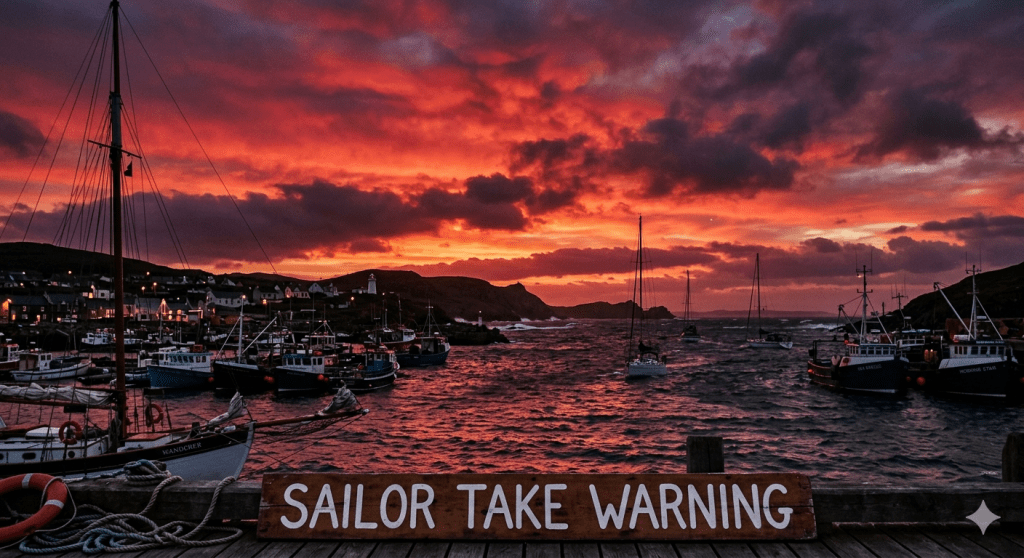
Close to apocalyptic.
March 27th 2026 associated press credible source.
We in Canada have many advantages for the production of films.
Good luck…
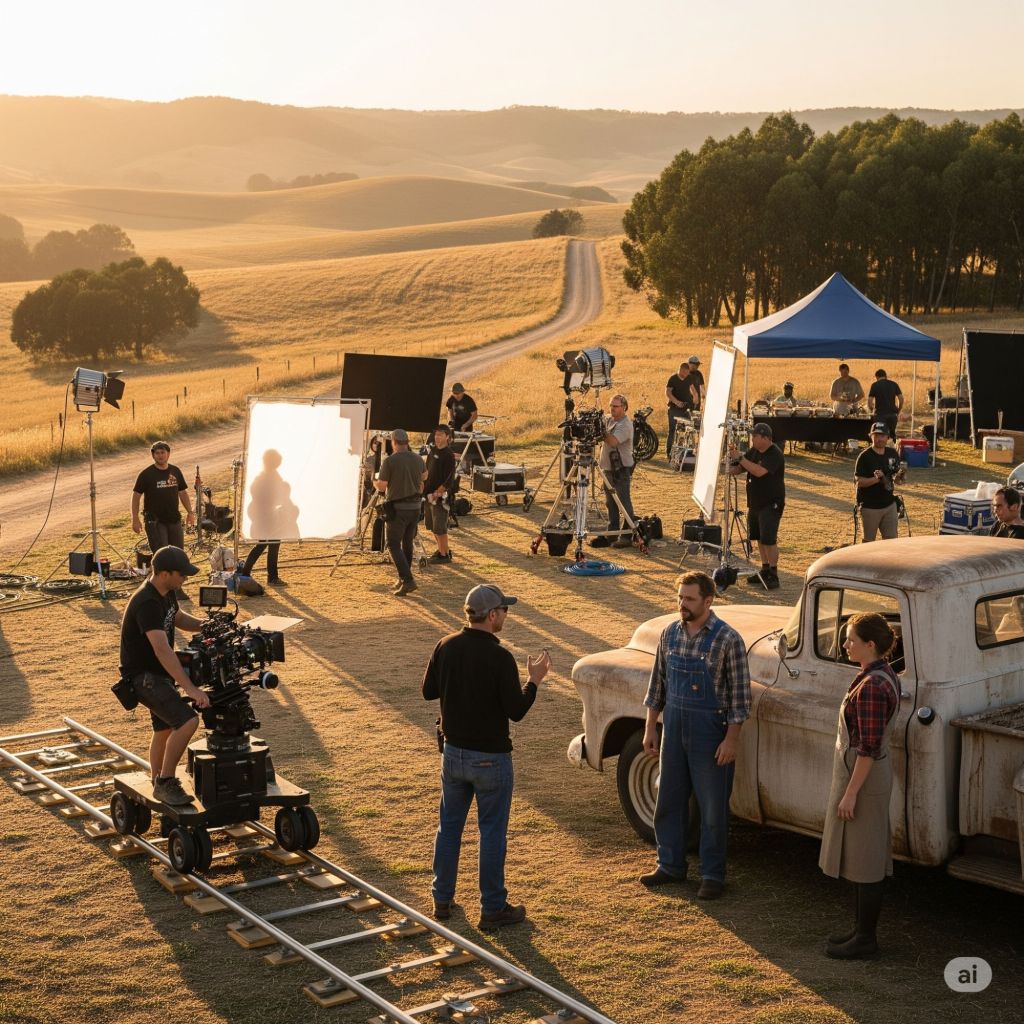
        Celuloid and I
Complex and minimalist, it's a record.
Filmmaking is a complex and collaborative art form that involves a vast crew and a multi-stage process, starkly contrasting with a single-camera operation, which is often a more streamlined, individual or small-team effort. Here’s a breakdown of the key differences:The Ability to Make Films (The Grand Scale)The ability to make a film lies in the coordination of a diverse group of specialists, each with a specific role, working towards a single creative vision. It’s about combining technical expertise with artistic storytelling. This process is broken down into phases:
This is the planning stage. It includes: *
Scriptwriting:
The foundation of the film.
Visualizing the shots and scenes.
Selecting actors for the roles.
Finding the perfect settings.
Managing the finances and timeline.
Conceptualizing the look and feel of the film.
The actual shooting of the film. This is where the magic happens on set.
The editing, sound design, visual effects, and color grading that bring the film to its final form.The Setup and DesignsIn a full-scale film production, the setup is intricate and meticulously planned.
A department led by a Production Designer creates the visual world of the film. This includes:
Building elaborate sets on a soundstage or modifying existing locations.
Overseeing the set decoration, props, and overall look.
Creating the clothing for the characters.
Led by a Director of Photography (DP) or Cinematographer, this team is responsible for the visual style and mood. They use a wide array of lighting equipment, dollies, cranes, and specialized cameras to achieve specific shots.
A dedicated sound department captures high-quality audio on set using boom microphones, lavalier mics, and other specialized gear.The Stages and the CrewFilmmaking happens on various “stages,” each with a specific purpose, and is supported by a large and specialized crew. *
Soundstages: Large, purpose-built studios with controlled environments for building and lighting sets. This allows for shooting without weather or time-of-day constraints.
* Backlots: Permanent, outdoor sets on studio property (e.g., a “New York Street” or “Western Town”).
* Locations: Real-world places used for shooting, which require permits and logistics to manage.
* The Crew: A feature film crew can number in the hundreds, divided into departments: * Director: The creative head of the film.
Manage the business and logistics.
Includes the DP, camera operators, and assistants. * Grip and Electric (G&E): The “Grips” set up and manipulate the lighting equipment, while the “Electricians” manage the power and lights. * Sound Department: The sound mixer and boom operator.
The production designer and their team of set decorators, prop masters, and art directors. * Hair, Makeup, and Wardrobe: Artists who create the character’s look.
Manage the day-to-day operations and schedule on set.The Contrast: Single-Camera OperationA single-camera operation is a much more simplified approach, often used for independent films, documentaries, vlogs, corporate videos, or news segments. * Ability: The ability here is often about adaptability and efficiency.
One person or a small team handles multiple roles.
The setup is minimalist. It might involve a single camera, a tripod, a basic lighting kit, and perhaps a simple microphone. There is no need for large soundstages or extensive set construction.
Production design is often limited to using existing locations and basic props. The focus is on capturing the moment rather than creating a detailed, fictional world.
The crew is minimal, sometimes just one person.
A “one-man band” might serve as the director, cinematographer, and sound recordist all at once. In a slightly larger setup, there might be a small team of a director, a camera operator, and a sound person.
Shoot
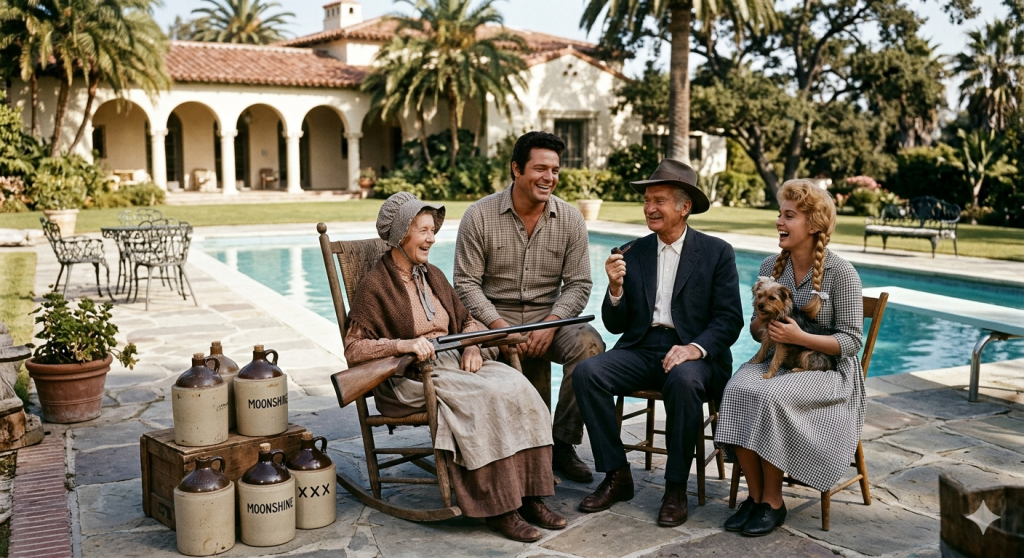
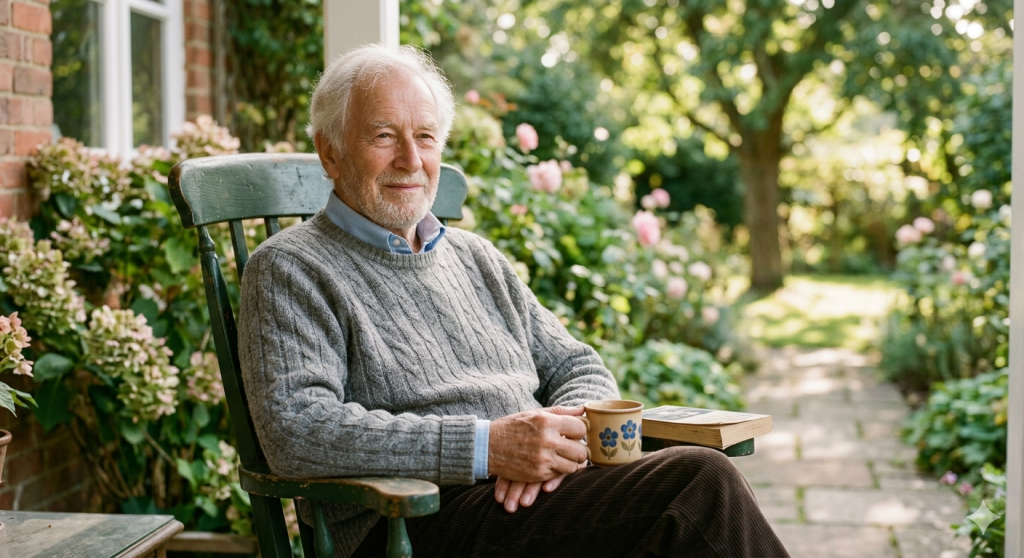
Fishing is a wonderful outdoor activity and can be very relaxing, plus it gets you out in nature. There are even adaptive gear options available to make it easier if needed. have aspecific
Options include, type of fishing in mind, like freshwater from a dock or maybe a boat?
That’s a beautiful way to put it. A good plan for staying engaged could involve gentle physical activities like walking or swimming, keeping the mind active with puzzles or learning a new skill, and staying socially connected through family, friends, or volunteering. Pursuing hobbies like gardening or art can also provide a sense of accomplishment.
Great day.

Hey Merit what do you say?


 Kevin Griffiths
 percypaschal
