Category: Astronomy


Planet Parades…

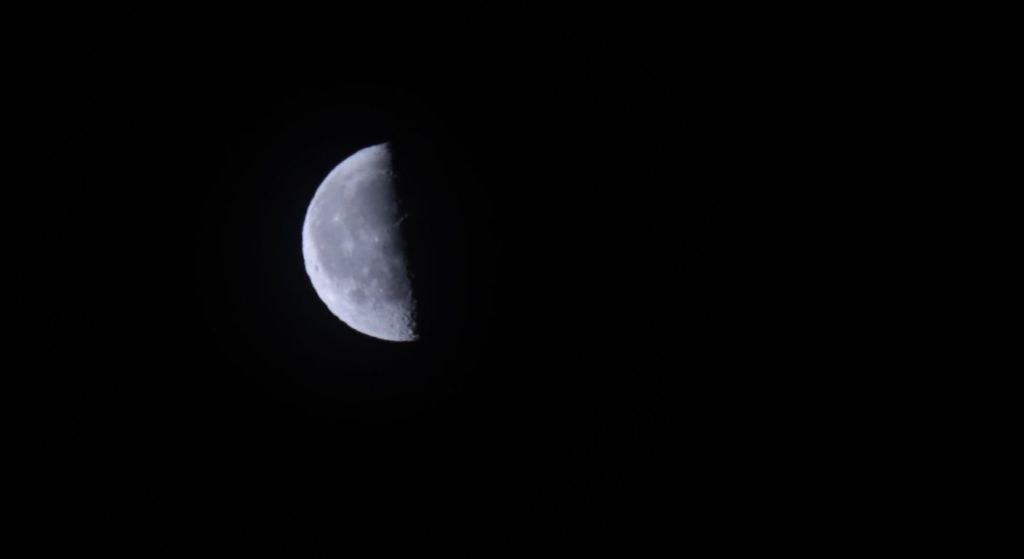
Moon set to “go black” on August 23rd

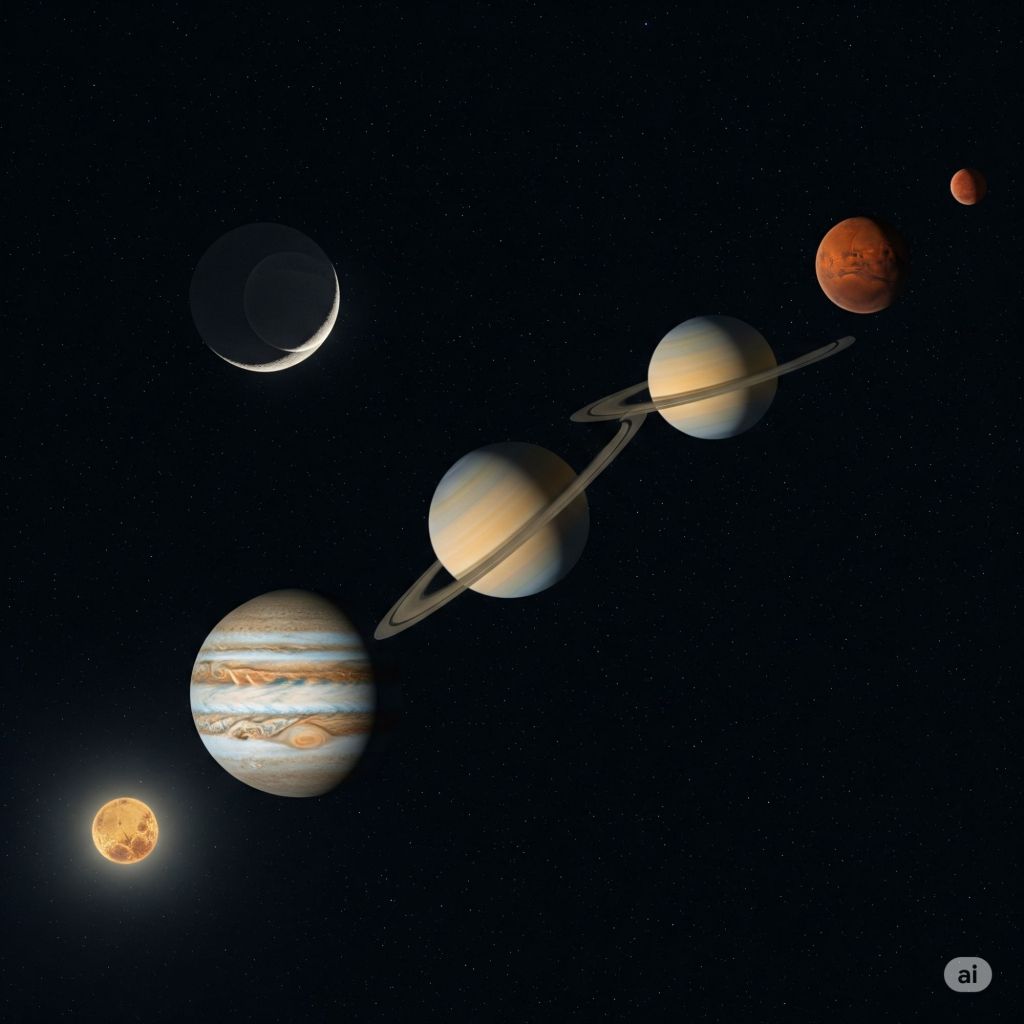
A planetary parade is a celestial event where multiple planets appear close together in the night sky. On August 23, 2025, there will be a morning planetary parade featuring six planets—Mercury, Venus, Jupiter, Saturn, Uranus, and Neptune—visible before sunrise. The new moon also occurs on this date, providing a darker sky for better viewing.
When to Look
The best time to view the alignment is in the two hours before dawn. The exact time will depend on your specific location, so checking a stargazing app or website is recommended for the most accurate timing.
Where to Look
The planets will appear stretched across the eastern sky, following the ecliptic (the path the Sun, Moon, and planets appear to follow).
* Mercury, Venus, and Jupiter will be clustered low on the eastern horizon and are the brightest and easiest to spot. Venus and Jupiter will be particularly dazzling.
* Saturn and Neptune will be higher in the sky, toward the southeast. Saturn is visible to the naked eye, while Neptune will require binoculars or a telescope.
* Uranus will be in the southeastern sky, and similar to Neptune, you will likely need binoculars to see it.
For the best viewing experience, find a location with an unobstructed view of the eastern horizon and minimal light pollution.
A Rare Alignment of Six Planets is Happening. You Should Not Miss This. This video from YouTube explains the rare planetary alignment and why you should try to view it.

Look Up

Local weather channel conditions permitting.

Enjoy the show.

Conjunction

I’mTo photograph Jupiter and Saturn, you’ll need to work with a few key camera settings and pieces of equipment. Here’s a breakdown of what you can do to capture them, especially in the early morning.
A great opportunity for this kind of photography is happening on August 12, as Jupiter and Venus will be in a close alignment, known as a conjunction. They will appear as a single bright “double star” in the eastern sky just before sunrise. While Jupiter and Venus are the main event, Saturn will also be visible, though farther away.
Here are some general tips and settings to get you started:
* Equipment: A camera with manual controls (like a DSLR or mirrorless camera) and a sturdy tripod are essential. A telephoto lens (300-400mm or more) is highly recommended to get a decent size image of the planets.
* Camera Settings: Since the planets are very bright, you’ll need to use shorter exposure times.
* Shutter Speed: Start with a fast shutter speed, such as 1 second or less, to prevent the planets from turning into streaks due to Earth’s rotation. If you have a telescope with a clock drive (which tracks the movement of the stars), you can use longer exposures.
* Aperture: Try an aperture of around f/8.
* ISO: Use a moderate ISO setting, such as 3200, as a starting point. You can experiment with different ISOs to find the best balance between brightness and image noise.
* Focusing: Autofocus is not reliable for astrophotography. Turn it off and manually set your focus to infinity. Use your camera’s live view mode and zoom in on the planet to fine-tune the focus until it appears as small and sharp as possible.
* Technique: Use a 2-second timer or a remote shutter release to avoid shaking the camera when you press the button.
For a different approach, if you have a telescope, you can take a series of many short exposures, a technique known as “lucky imaging.” This involves using specialized software to stack the sharpest images and create a final, more detailed photo.

August 23rd dark sky…

August night sky secrets of the universe..

Look Up

May the planets wink and stave their treble. For you

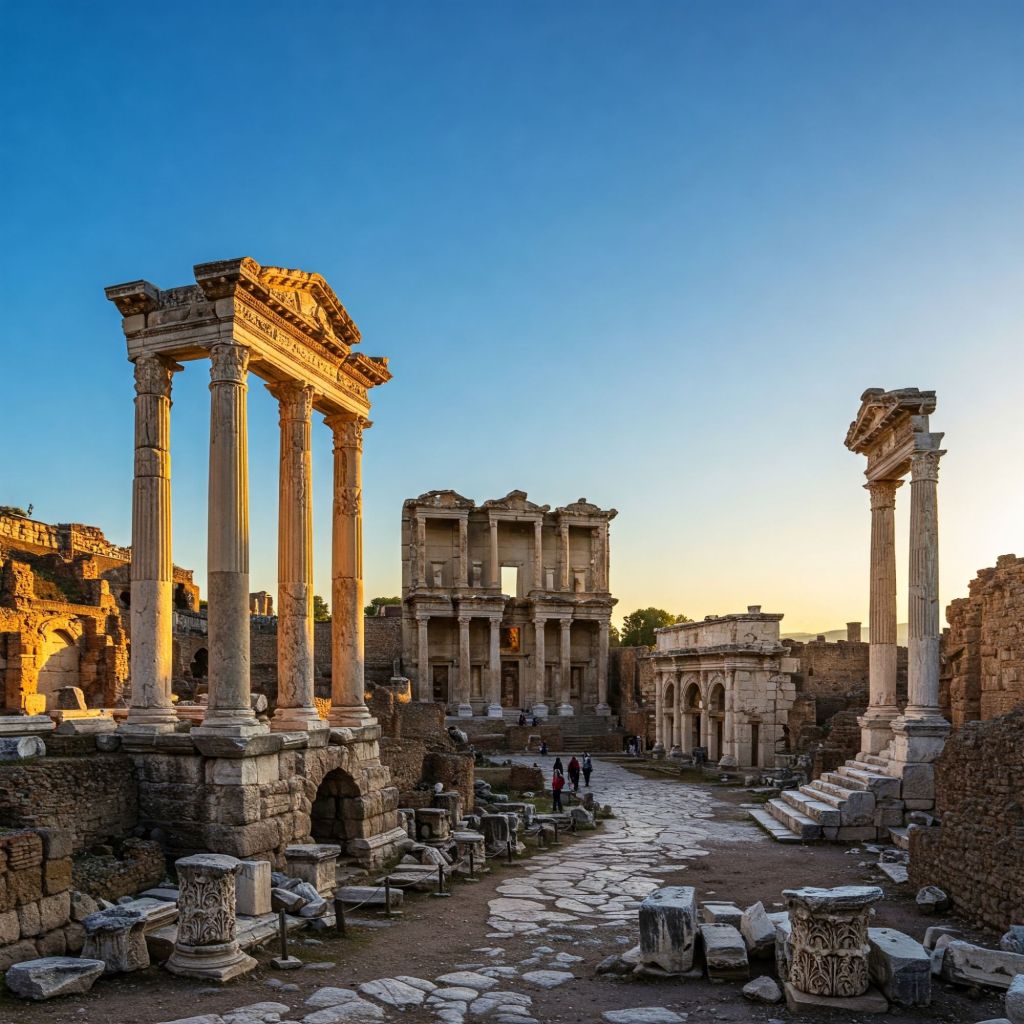
The August 8th full moon in Greece (which is actually on August 9th, 2025) is a truly special time, particularly for archaeological sites and museums. It’s an annual tradition that offers a unique blend of history, culture, and celestial beauty.
Here’s what makes it archaeologically significant and what to expect:
Archaeological Significance of the August Full Moon:
* Ancient Tradition and Mythology: The August full moon has deep roots in Greek mythology and ancient traditions. In antiquity, the month of August was known as “Metageitnion,” a time for festivals and celebrations, encouraging communal gatherings. The August moon was also closely associated with Selene, the Titan Goddess of the Moon, who was said to traverse the night sky in her silver chariot.
* Olympic Games Connection: Historically, the ancient Olympic Games, held in honor of Zeus at Ancient Olympia, began on the day of the August full moon, every four years. The fifty daughters of Selene were said to represent the fifty lunar months of the Olympiad, marking the beginning of these games.
* Unique Viewing Opportunity: The August full moon is often considered the brightest of the year, providing a stunning natural illumination for Greece’s ancient monuments. Seeing the brilliant white marble of the Acropolis glowing in the moonlight, or the moon hanging low over the Temple of Poseidon at Sounion, is an unforgettable experience.
What to Expect During the August 8th (9th) Full Moon Week in Greece (2025):
The Greek Ministry of Culture annually organizes a series of events around the August full moon, offering a fantastic opportunity for locals and tourists alike:
* Free Admission to Archaeological Sites and Museums: This is the most significant aspect. For one night (specifically, Saturday, August 9th, 2025) and often extending for a few days around it (from August 8th to 13th in 2025), many archaeological sites, historic landmarks, and museums across Greece open their doors to the public for free after sunset, often until midnight. This tradition began in 1996.
* Cultural Events Under the Moonlight: Beyond free entry, many of these sites host special cultural events. These can include:
   * Theatrical performances
   * Music and dance shows
   * Stargazing sessions
   * Myth-telling
   * Guided tours
   * Exhibitions
   * Film screenings
* Key Locations: Many iconic locations participate, including:
   * The Acropolis Museum (Athens): Often has extended hours and special events like concerts.
   * National Archaeological Museum (Athens): Offers extended hours with special exhibitions.
   * Temple of Poseidon at Cape Sounion: A breathtaking site to visit under the full moon.
   * Archaeological Site of Kerameikos (Athens)
   * Archaeological sites in Macedonia: Such as Pella (capital of ancient Macedon) and ancient Stagira (Aristotle’s birthplace).
   * Sites on various Greek islands: Including Gortyna in Crete, and museums and castles on islands like Kalymnos, Karpathos, Skyros, Zakynthos, Kythera, and Kefalonia.
* Magical Atmosphere: The combination of ancient ruins, the bright full moon, and cultural events creates a truly magical and memorable experience, allowing visitors to connect with Greece’s rich heritage in a unique setting.
It’s advisable to check the official website of the Greek Ministry of Culture closer to the date for the detailed program of events for 2025, as specific activities and participating sites can vary slightly each year.

A culture of greatness.

Night sky

To view and plan visit the buttons to the links available.

Sky news

Mercury moon concuction

A few days up until the 27th for Mercury and moon conjunction. View with dark skies to the west and to ” Ten” percent new moon for best results.

Where to view… Tic

SOU April 2025

Yellownife the ” Capital of light’s” paraphrased

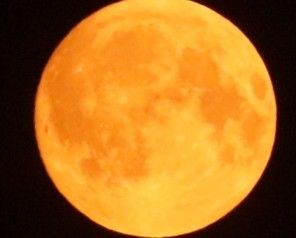
Blood. Moon why…

Shadow is half of art..

Based on the information available, here are the key solar events, particularly eclipses, for 2025:
* Partial Solar Eclipse on March 29, 2025:
   * There will be a partial solar eclipse on March 29th.
* Partial Solar Eclipse on September 21, 2025:
   * There will be another partial solar eclipse on September 21st. This one will sweep across the South Pacific and parts of Antarctica.
To give a broader scope of astronomical events, it is important to note that alongside the solar events, there are also lunar events. For instance, there is a total lunar eclipse happening on September 7th, 2025.
To find very detailed information, i recommend checking these resources:
* timeanddate.com
* Royal Observatory Greenwich
* Star Walk.
* In-The-Sky.org.
I hope this information is helpful.

Happy skies…

Total eclipse of the moon begins at 8:57 tonight .

Blood moon tonight, eclipse begins at 8:57 PM maximum is at 11:58 PM.

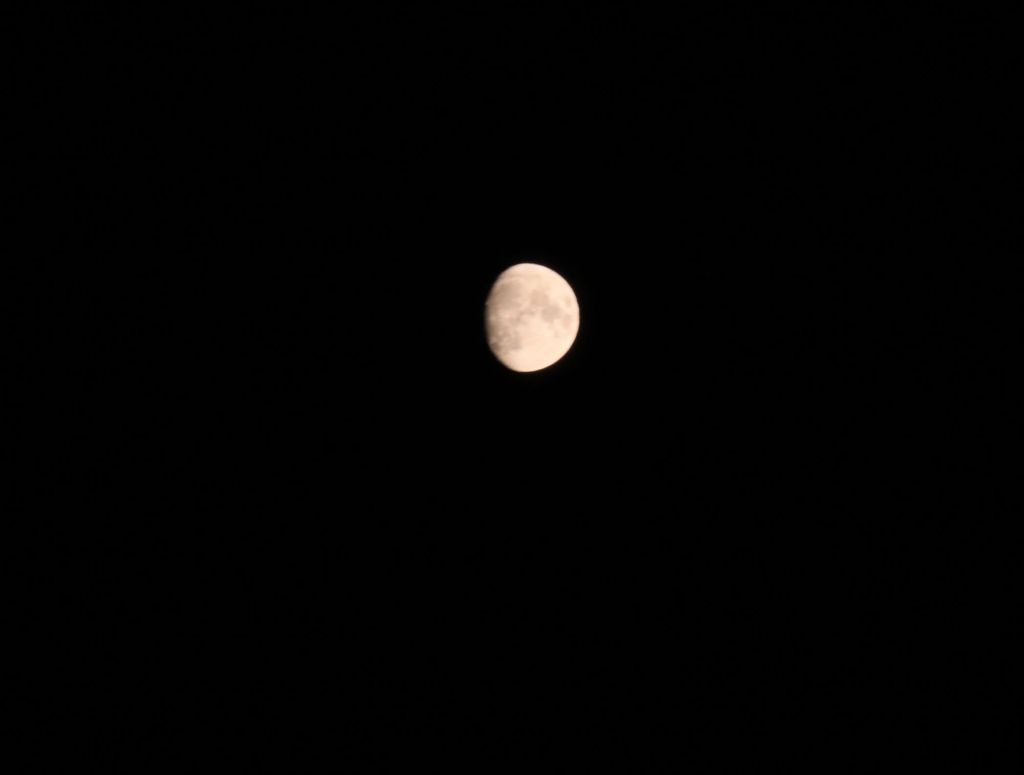
File photo KDG

Blood moon is dust in the earths atmosphere highlighted by bending light with the shadow of the earth

Weather permitting, enjoy!

Mercury near Venus in Pisces

5 degrees. 32 minutes on  March 12th 2025…

Can see without a telescope, binoculars recommended. Low in the western horizon.

Weather permitting

TGIF-Bennu came home.

Next serious flyby 2135, it flies by about every 6 years.

Earth scientists took samples off the last menu. Flyby and found carbon dioxide nothing exotic. Yeah

And it was an important asteroid that was studied for chemical compositions of the early universe. Knowledge is very much increased as far as chemistry and that is concerned + how the universe works, how our planet works. 

This includes seasons and weather cycles of climate. All kinds of information from different cultures that are providing humanity with the ability to completely understand his environment and perhaps someday rule over diseases. Do away with borders and live within the grace of nature by all kinds of faith.

Winter 2024 former Chinese dry goods store from 1927 property, vacant after the 2021. flood. It was demolished by new owners. Not because of flooding.

On this Day December 20th 1971

Doctors without boarders is founded

January 2025 night sky

Look up

Meteor shower.

The first meteor shower of 2025 will occur January 3rd and 4th.

Look for planetary alignment on the 21 st.