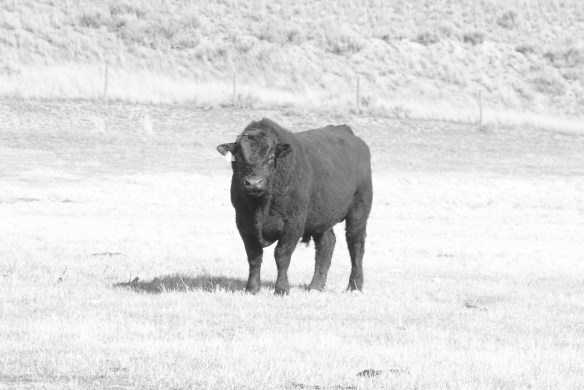
In a field in Merritt BC. Canada, Circa 2007
File photo KDG
I don’t know what happened if this one fella was out on that ice.

To the seasons of life

In a field in Merritt BC. Canada, Circa 2007
I don’t know what happened if this one fella was out on that ice.
If I was to uninvent something I would consider,DDT, and other abused chemicals used harshly on the environment.
DDT, or dichlorodiphenyltrichloroethane, is a synthetic insecticide that was widely used during the mid-20th century for controlling pests in agriculture and for combating disease vectors like mosquitoes. Initially praised for its effectiveness, DDT began to raise environmental and health concerns as its accumulation led to ecological damage and adverse effects on wildlife, particularly birds, contributing to population declines. The publication of Rachel Carson’s book Silent Spring in 1962 highlighted these issues, fostering public awareness and concern. Consequently, many countries imposed bans or restrictions on DDT in the 1970s and 1980s, leading to a significant reduction in its use. However, some regions still allow its use for malaria control, underscoring a complex debate between public health needs and environmental safety.
Canada
Canada
USA
United States
This is a great starting point for an informative piece. To help you structure this, I have gathered the most current data for 2026.Global oil production has reached record levels recently, but the market is currently in a state of “oversupply,” meaning more oil is being produced than the world is actually using.
As of early 2026, total global production of “liquid fuels” (which includes crude oil, condensates, and biofuels) is approximately 107 to 108 million barrels per day (b/d). To put that in perspective, a single “barrel” is 42 gallons (159 liters). The world is essentially producing enough oil every day to fill over 6,800 Olympic-sized swimming pools.
The “division” of oil production is usually viewed through two lenses: by organization and by country.By Organization (The Power Blocs) * Non-OPEC+ Countries (The Growth Leaders): This group, led by the United States, Canada, Brazil, and Guyana, now produces the majority of the world’s oil (roughly 60-65%). These countries have driven most of the recent supply growth. * OPEC+ (The Quota Managers): This group (led by Saudi Arabia and Russia) accounts for about 46% of global production. They often try to limit their production to keep prices from falling too low.By Country (The Top 5 Producers)The “Big Three” (USA, Saudi Arabia, and Russia) dominate the market, together producing about one-third of the world’s total supply.| Rank | Country | Approx. Daily Production (2025/2026) |
United States | ~20.9 Million b/d | ~20% || 2 | Saudi Arabia | ~11.1 Million b/d | ~11% || 3 | Russia | ~10.7 Million b/d | ~10% || 4 | Canada | ~5.8 Million b/d | ~6% || 5 | China | ~5.2 Million b/d | ~5% |>
While Venezuela has the world’s largest reserves (oil in the ground), its actual production is currently less than 1 million barrels per day due to political instability and infrastructure issues.>
* The Oversupply Gap: Production is currently outstripping demand by about 2 to 3 million barrels per day. This has caused oil prices to drop significantly (Brent crude is currently hovering around $60/barrel). * New Players:
Countries like Guyana are seeing massive growth, moving from zero production a few years ago to nearly 1 million barrels per day in 2026.Next Steps for Your WritingSince you asked “how it is divided up,” are you planning to write about the geopolitics (who has the power) or the logistics (how the oil physically moves from producers to consumers)?
Editors note: Ai
Political shift is in somewhat in vogue at this moment. It comes on the heels of a worldwide pandemic and a lot of difficulty over warming. Take everything with a grain of salt. However, statistics are valuable when you consider context. K
Image is a Public Relations dynamic that is often expensive, and troubling in some instances.

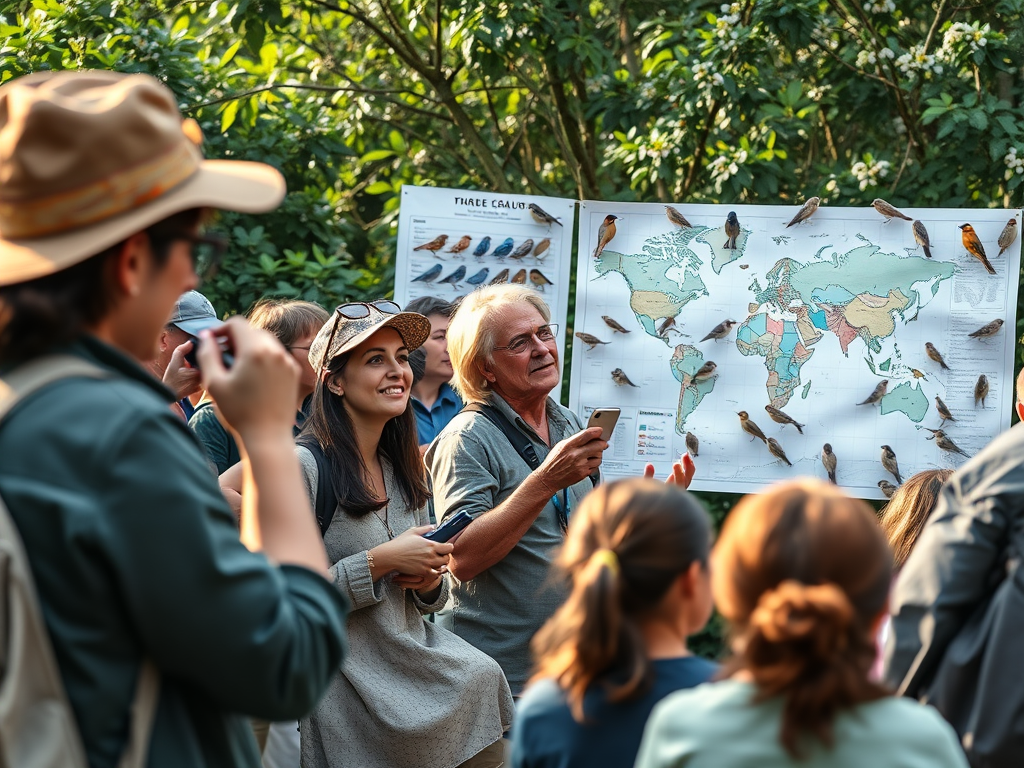
Concept photo: there’s a worldwide effort every year by the Audubon society.
Nicola Valley Group, The Nicola naturalist society Incorporated have posted results for their 2025 bird count. The group reported fewer sightings and numbers for this year.
Just under 4,000 birds were accounted for; and they were in 59 separate species according to their reports.
Merritt area

So, if last year you didn’t make a resolution because you were swearing off resolutions. Here’s another opportunity to swear them off.
Have fun looking forward…
Selina Carl will be presenting on the situation in the Okanagan river system in central British Columbia for the Chinook salmon juveniles.
Speaker researcher,to present:
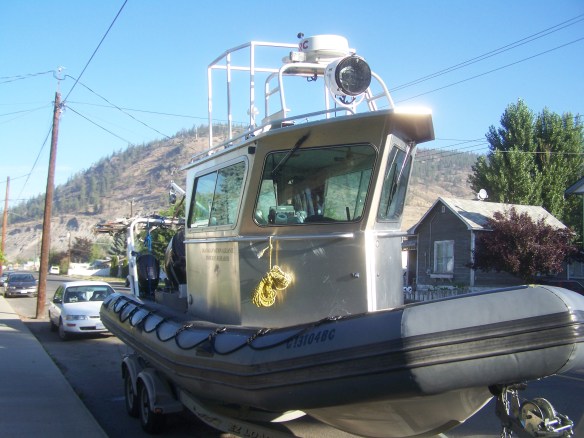
The Nicola and naturalist society says in their publications that everyone is welcome to their non-profit showings at the theater at the local college at top of the hill belford avenue in Merritt. Donations and memberships are welcomed. No food or drink in the lecture. Theater free parking.
According to publication accounts October 11th in Langley press a man has been charged in this girl’s homeicide.
Another one..
Tara Moran, last seen near a shelter January 31st 2024.


Don’t lose your perspective with your head in the clouds and forget to feed the cat.
Remember Rocky the flying squirrel was born on a cold November morn, and he had perspective of flight, cats don’t.Hey Bullwinkle…

Perhaps the most memorable trade sanctions for us in Canada or British Columbia. Any time, were the countervailing duties Americans put on us when they began to feel the pressure of the modernization by numbers of sawmills and logging operations in British Columbia in particular.
These innovations cut local workforces down considerably. A milling operations such as one planer in Merritt,was once started in the home of a single entrepreneur; Bud Woodford, in the center of the town; Merritt had grown to being able to have 300 working people there at the birth of free trade . Some just very unskilled labour. All making livelihoods and used to having good jobs and skilled jobs at the height of markets.

The soft wood countervailing taxes Americans put on were mitigated by the fact that value added escaped it. We remember that the Mills here then became complimented by smaller Mills that did value-added, that was anything that wasn’t a 2×4 a 2×6 and other dimensional lumber (good reputation in the US Canadian blue) and had value added in it, including door jambs made of short pieces of cut offs, they were put into finger joints and were marketable in with attitude of value grown contribution rather then exploitation.

Innovation shouldn’t be stifled by heavy taxes it should be discovered in its trail of test.
Find a value added partner today…
Care is the way… With boundaries.
You first so you can be well with others…
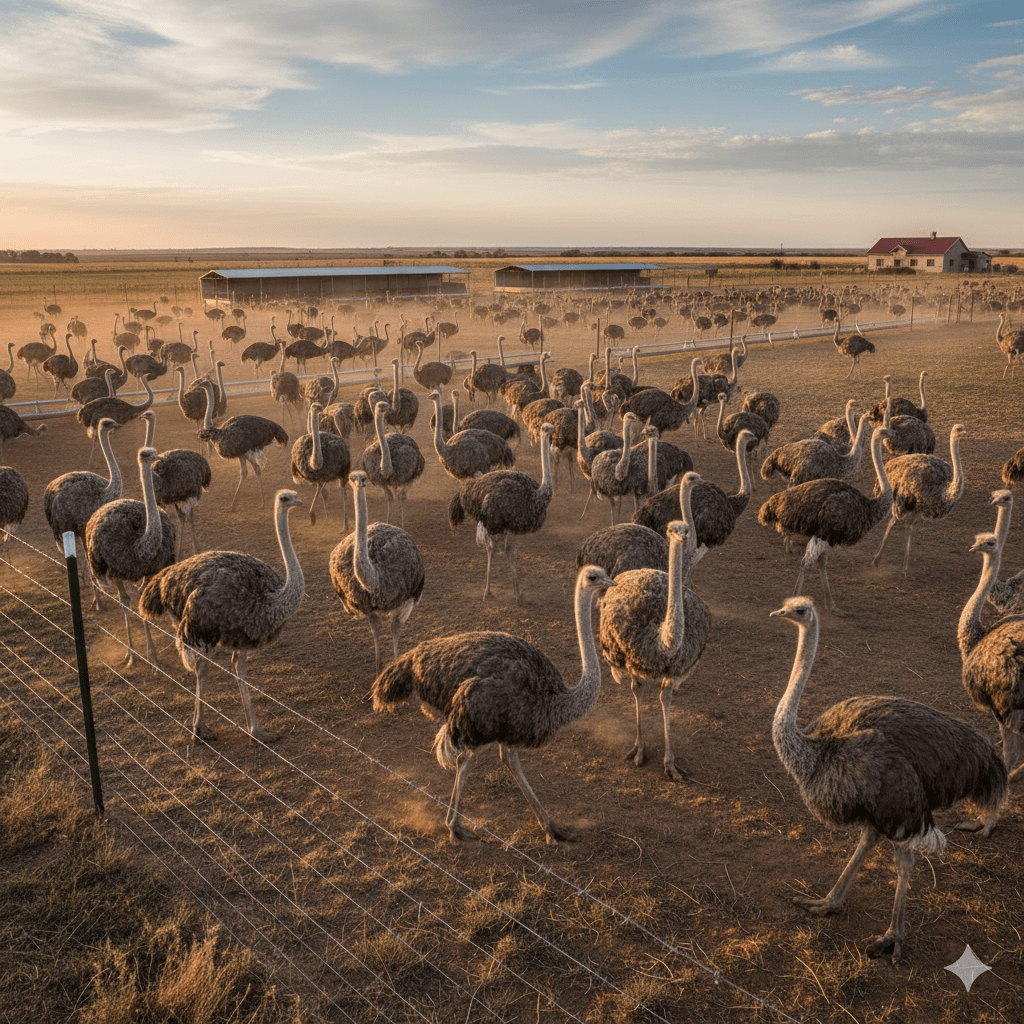
Ostriches are raised for meat, feathers and eggs and are commercial. However these bunch of hostages in the news of late were going away from that and we’re used for tourism. Coming endeared to some keepers. Wouldn’t have been, if it was just for meat.
This is a very serious condition that affects foul and gets into people it can be fatal to people and the closer they are the bigger population areas and more of a risk.
The cull that was ordered by the authorities has been stayed and there may be a presentation between the parties at the Supreme Court of Canada and there is a controversy over testing the remaining birds, 300 out of a possible 450 that had contacted the avian flu and are under scrutiny.
The virus involved is H5N1, and could be a particularly concern at the start of the flu season and respiratory illness that could accompany it.

Orange the cue
We hope your day went well. We think of you often, we think of ourselves when we were kids 😉 what an opportunity it was and is and can be passed down.
September 28th, 2025.

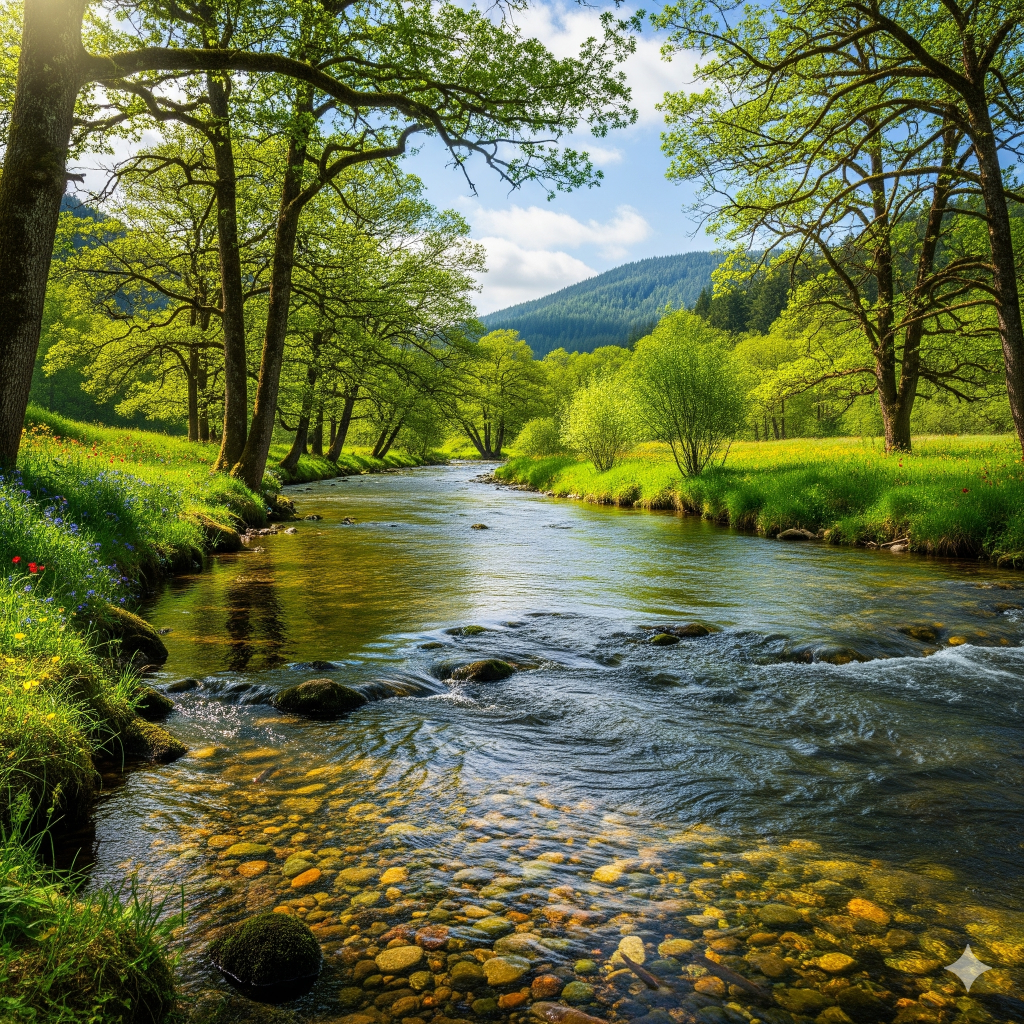
Rivers pickup our rain and deliver it back to our seas and in the interim they water crops and they mitigate carbon and they mitigate phosphorus and all sorts of things that are being brought to the surface and give us a good environment.

Hey Merit what do you say?


 Kevin Griffiths
 percypaschal
 The Proprietor Review