Category: Sports and Leisure


Historic Coldwater Hotel, Merritt BC

Corner of Quilchena and Voght

The hotel has seen generations of rural cowboys farmers and workers dine dance and socialize.

Coldwater Hotel

The historic Coldwater Hotel, a prominent landmark in downtown Merritt, British Columbia, has a rich and complex history. It has played a central role in the community since its establishment, experiencing periods of growth, decline, and adaptation.
History
The first Coldwater Hotel was built in 1908 by William McIntyre. It was a modest two-story, 12-room structure. However, with the booming economy driven by the local coal mines and ranching, a grander building was needed. The current, more lavish Coldwater Hotel was officially opened in May 1910.
Constructed for around $6,000, the three-story building was considered one of the finest “dollar-a-day” hotels in BC’s interior. It featured a large barroom, a ladies’ parlor, and initially, 30 guest rooms which were later expanded to 60. The hotel’s most distinctive feature is its conspicuous copper dome, which is a recognizable landmark throughout the city. Throughout its existence, the hotel has had numerous owners and has been a continuous gathering place for residents and travelers.
Cultural High Points
* Community Hub: Since its opening, the Coldwater Hotel has been a central meeting place for Merritt’s residents. It has served as a social and entertainment venue with its pub, restaurant, and banquet facilities.
* Architectural Landmark: The hotel’s architecture, particularly its copper dome, is a significant part of Merritt’s historical identity and is considered a heritage building.
* Cultural Preservation: The hotel’s interior and restaurant are lined with antique artifacts, bottles, and other items that reflect the area’s history, providing a unique “taste of historical flavour” for visitors.
* Tourist Attraction: The hotel attracts European and Australian tourists, who come to experience its historical atmosphere and continuous service, which has been ongoing for over a century.
Low Points
* Historical Scandals: The hotel’s history includes notable incidents, such as a report in the Merritt Herald in 1969 of a dead man found in one of the rooms by a chambermaid.
* Economic Fluctuations: The hotel, like the city of Merritt itself, faced ups and downs tied to the local economy, particularly during periods when industries like logging and mills hit “rock bottom.”
* COVID-19 Exposure: In more recent times, the hotel was listed by Interior Health as a public exposure site for COVID-19 in September 2020.
Future
The Coldwater Hotel’s future is centered on preservation and modernization. In 2020, new owners Carson Wang and Grace Jiang began significant renovations. Their plans included:
* Structural and Interior Upgrades: Bringing in engineers to assess the building’s integrity, installing new flooring in the pub and restaurant, and converting long-term rental spaces back into functional hotel rooms.
* Exterior Makeover: The owners sought community input for an exterior renovation, considering different types of siding to upgrade the building’s look while preserving its historical character.
The ongoing efforts to renovate and restore the hotel, with community collaboration, suggest a commitment to maintaining its status as a vital part of Merritt’s downtown core. The hotel’s long history and continued operation indicate a strong desire within the community for it to remain a cherished historical and social landmark.

Coming along after a hard number of years…

An artistian displays wares August 2025.

Just next door to 2202 Voght Street in Merritt, Saturdays from 9:00 to 1:30 p.m. there is a farmers market. In the curling  parking lot.  Preferred access off Merritt Avenue. There are recreational opportunities with the Nicola Valley aquatic Center. Within walking distance is also the Merritt A&W and block and a half away. There is a new Valley graze for artisan prepared meals.

Welcome to Merritt.

A sign in the curling rink parking lot, Market venue…

Summer vibes

Local in Merritt enjoying the week and end weather. 

You should be getting out as well .

How much sun…

Spending time in the sunshine can have a variety of positive effects on your body and mind, but it’s important to do so in moderation. Here’s a breakdown of how sun exposure affects your brain and body, and what to consider for safe sun habits.
Sunshine and Your Brain: The Endorphin Connection
Research has shown a fascinating link between sun exposure and the release of endorphins. Endorphins are a class of neurotransmitters that act as natural painkillers and mood boosters, and they are responsible for feelings of well-being and pleasure. Studies, particularly in mice, have identified an organic pathway in the skin where UV radiation triggers the production and release of a specific type of endorphin called beta-endorphin.
This process has led scientists to suggest that the “feel-good” feeling many people get from sunbathing may be a result of this opioid-like effect. This can create a positive feedback loop, encouraging sun-seeking behavior, and in some cases, even leading to a form of addictive behavior in frequent tanners. The release of beta-endorphin is thought to be part of a “built-in reward system” that evolved to encourage us to get enough sun for essential vitamin D synthesis.
In addition to endorphins, sunlight exposure also stimulates the production of other crucial chemicals in the brain:
* Serotonin: Often called the “happy hormone,” serotonin is a neurotransmitter that helps regulate mood, focus, and emotional stability. Lower levels of serotonin are associated with conditions like Seasonal Affective Disorder (SAD), a type of depression that occurs during the darker, winter months. Sunlight entering the eyes is thought to be the primary trigger for this effect.
* Dopamine: Another “feel-good” chemical, dopamine is also released in response to sunshine, contributing to feelings of pleasure and motivation.
The Benefits and Risks of Sunshine
Is it good for us?
Yes, in moderation, sun exposure is highly beneficial. Here’s why:
* Vitamin D Production: This is one of the most well-known benefits. Your body synthesizes vitamin D when your skin is exposed to ultraviolet B (UVB) rays. Vitamin D is essential for bone health, immune function, and overall well-being.
* Mood Enhancement: The release of endorphins, serotonin, and dopamine can elevate your mood, reduce stress and anxiety, and combat symptoms of depression.
* Improved Sleep: Sunlight helps regulate your circadian rhythm, your body’s internal clock. Exposure to natural light during the day, especially in the morning, signals to your body that it’s time to be awake and helps you sleep better at night.
* Other Potential Benefits: Moderate sun exposure has also been linked to a stronger immune system, lower blood pressure, and a reduced risk of certain autoimmune diseases.
However, the benefits of sun exposure must be weighed against the significant risks of overexposure. Excessive UV radiation can damage the skin, leading to:
* Skin Cancer: This is the most serious risk. Both UVA and UVB rays can damage the DNA in skin cells, increasing the risk of melanoma and other types of skin cancer.
* Premature Skin Aging (Photoaging): Too much sun can cause wrinkles, sun spots, and leathery skin.
* Sunburn: A painful and immediate sign of skin damage.
How much time should we spend in the sun?
The recommended amount of sun exposure is a delicate balance and varies based on several factors:
* Skin Type: People with lighter skin need less time in the sun to produce vitamin D and are more susceptible to sunburn. People with darker skin have more melanin, which offers some natural protection but means they need longer sun exposure to produce the same amount of vitamin D.
* Location and Time of Year: The intensity of UV rays is stronger in the summer, closer to the equator, and at higher altitudes.
* Time of Day: UV rays are strongest between 10 a.m. and 4 p.m.
Most experts recommend 10 to 30 minutes of direct sun exposure per day on bare skin (like your arms, face, and hands) to get the benefits of vitamin D synthesis while minimizing the risk of skin damage. Short, non-burning exposures around midday are often considered the most efficient for vitamin D production.
It’s also important to follow these sun safety tips:
* Never let your skin burn.
* Seek shade during the peak sun hours.
* Wear protective clothing, a wide-brimmed hat, and sunglasses.
* Use sunscreen with an SPF of 30 or higher, and reapply it every two hours.

K

August in BC South Central Interior…

August in the South Central Interior of British Columbia is typically the height of summer, characterized by warm, dry weather and a vibrant atmosphere. Here’s a look at what you can expect, drawing on historical patterns and upcoming events:
Weather and Climate:
* Temperatures: August is generally one of the warmest months. While coastal BC experiences mild summers (around 20°C), the interior, including the South Central region, sees hotter summers with daily high temperatures often reaching 30°C or more. For example, normal daily highs in areas like Kamloops and Kelowna can be well into the high 20 degrees and low 30s.
* Precipitation: August tends to be a drier month, though the region can experience occasional thunderstorms. Historically, extreme wet and dry conditions in summer have increased over time.
* Sunshine: Expect plenty of sunshine, making it ideal for outdoor activities.
* Wildfire Risk: Due to the hot and dry conditions, wildfire risk is generally high in August in the South Central Interior. The region has experienced significant wildfire activity in previous years, leading to states of emergency, evacuation orders, and air quality advisories. It’s crucial to stay informed about current fire bans, restrictions, and any evacuation alerts or orders through official sources like Emergency Info BC.
What to Look Forward To (General Trends & Specific Events for 2025):
August is a popular time for tourism and local events in the South Central Interior. Here’s a general overview and some specific events planned for August 2025:
General Highlights:
* Outdoor Activities: With the warm weather, opportunities for hiking, biking, swimming in lakes, boating, and camping are abundant. Many communities are located near beautiful natural areas.
* Wineries and Agriculture: The Okanagan Valley, a significant part of the South Central Interior, is renowned for its wineries. August is an excellent time to visit vineyards, enjoy tastings, and explore local farmers’ markets with fresh produce.
* Community Events: Many towns host outdoor concerts, markets, and festivals throughout the month, taking advantage of the pleasant evenings.
Specific Events for August 2025 (based on available information):
Merritt Area:
* BC Day Long Weekend (August 1st – 4th, 2025): This long weekend kicks off August with various community celebrations.
* “What If” (formerly Burn in the Forest – July 31st – August 4th, 2025): This reimagined gathering of creativity and community will be taking place in the Merritt area.
* Nicola Valley Pro Rodeo (August 30th – 31st, 2025): This celebrated annual event honors the region’s rich ranching and rodeo heritage.
* Nicola Valley Fall Fair (August 31st, 2025): A cherished tradition celebrating agricultural heritage.
Kamloops Area:
* Kamloops International Cup (July 27th – August 3rd, 2025): Features English Premier League U21 teams in exhibition matches, youth camps, and coaching clinics.
* Electric Love Music Festival (August 7th – 10th, 2025) in Pritchard: A high-energy, grassroots music and art festival.
* Hot Nite in the City (August 8th – 9th, 2025): The 31st annual car show transforms downtown Kamloops with vintage and custom cars, live music, and vendors.
* Kamloops Daybreak Rotary Ribfest (August 8th – 10th, 2025): Western Canada’s largest rib festival, featuring award-winning ribs and entertainment. (Note: This is its final year).
* Blackwell Dairy Farm Farmers’ Market (August 10th & 24th, 2025): Experience farm life with local vendors and open-barn visits.
Okanagan Valley (Kelowna, Vernon, Penticton, Oliver areas):
* BC Day Long Weekend (August 1st – 4th, 2025): Expect various local events and celebrations throughout the Okanagan.
* Penticton Peach Festival (August 6th – 10th, 2025): A major annual festival in Penticton with a wide range of activities.
* Music on the Patio at Hester Creek (Oliver – May to October 2025): Enjoy live music on weekends.
* Yoga + Mimosas (Predator Ridge Resort – various dates in August 2025): A unique outdoor yoga experience.
* Silver Star Summer Music Series (SilverStar Mountain Resort – various dates in August 2025): Live music in a mountain setting.
* Ghost Tours of Vernon – August Long Weekend Tours (August 1st – 3rd, 2025): Explore the spooky side of Vernon.
* Vernon Farmers’ Market (various dates in August 2025): A great place to find local produce and crafts.
Important Considerations for August:
* Book Accommodations in Advance: August is peak tourist season, so hotels and campsites fill up quickly.
* Stay Hydrated and Sun-Safe: With high temperatures, it’s essential to drink plenty of water and protect yourself from the sun.
* Be Aware of Wildfire Conditions: Always check the BC Wildfire Service website and local news for current wildfire updates, fire bans, and air quality advisories. Be prepared for potential impacts on travel and outdoor plans.
Enjoy your August in the South Central Interior of British Columbia!

There are a number of car shows in the South Central interior.

July 27th 2025, Central Park till 3:00 p.m..

The Nicola Valley Cruisers are a vibrant car club based in Merritt, British Columbia, known for their passion for classic, vintage, and modern vehicles. While the specific number of 302 members isn’t consistently stated, it’s clear they have a significant and active membership that participates in various events throughout the year.
Here’s a breakdown of what they do and how they enjoy their leisure time:
Key Activities and Events:
* Annual Show ‘n’ Shine: This is their signature event, a beloved summer car show held annually in Central Park, Merritt. It draws car enthusiasts from across British Columbia and beyond. It features a diverse array of vehicles, from muscle cars and vintage classics to modern sports cars, trucks, and even electric bikes. The event is free for the public and includes live entertainment, food vendors, prizes, and a festive atmosphere. It’s a major community event and a highlight of their year. In 2025, the 30th annual Show ‘n’ Shine is scheduled for Sunday, July 27th.
* Weekly Meetings/Cruises: The club holds regular weekly meetings, often at local spots like the A&W on Voght Street. These gatherings allow members to showcase their cars, socialize, and connect with fellow enthusiasts. They sometimes include activities like garage tours.
* Spring Dance/Rock ‘n’ Roll Dance: The Nicola Valley Cruisers also host social events like their annual Spring Dance. These events often feature live music (like the Coquihalla Coyotes) and are an opportunity for members and the community to enjoy a night of retro tunes and camaraderie.
* Community Involvement and Charity: The club is actively involved in giving back to the community. They often donate funds raised from their events to local groups or causes, such as the local Food Bank or the Nicola Valley Fall Fair.
* Participation in Other Automotive Events: Members also participate in other car-related events, sometimes joining tours of antique or classic car clubs visiting Merritt.
How They Enjoy Their Leisure Time:
For the Nicola Valley Cruisers, leisure time largely revolves around their shared love for automobiles. This includes:
* Showcasing and Maintaining Their Vehicles: Members take pride in their cars, whether they are meticulously restored classics or unique modern vehicles. A significant part of their leisure involves maintaining, customizing, and preparing their cars for display.
* Socializing and Camaraderie: The club fosters a strong sense of community. Members enjoy spending time together, sharing stories, discussing cars, and building friendships with like-minded individuals.
* “Cruisin'”: As their name suggests, simply “cruising” with their cars, enjoying the open road and the scenery of the Nicola Valley, is a popular pastime.
* Attending and Organizing Events: The various events they host and participate in provide opportunities for entertainment, competition (friendly car show judging), and sharing their passion with a wider audience.
* Nostalgia and Preservation: For many, the car hobby is about preserving a piece of history or reliving memories associated with cars from their youth.
In essence, the Nicola Valley Cruisers are more than just a car club; they are a community that celebrates automotive heritage, enjoys social connections, and contributes to the vibrant atmosphere of Merritt, British Columbia.

Welcome

Typical car show 🙀

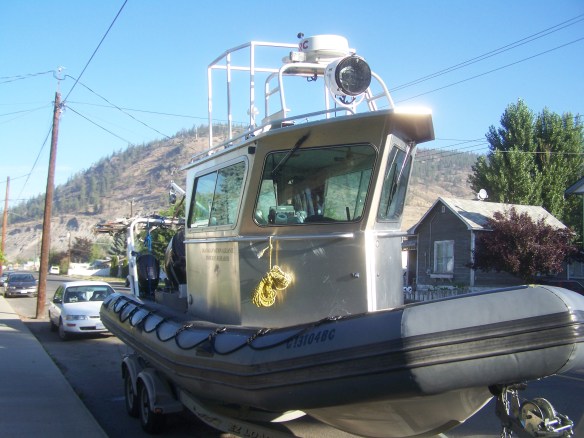
Water in Alberta for this craft.

There are issues about transporting weeds and other contaminates  check with local authorities before trouble brews.

Canoe “I just deliver them-driver.”

Big Canoe

Regulated

One personal floatation device for every person required. Read on….

The regulations for canoeing in Alberta are primarily governed by Transport Canada’s Small Vessel Regulations, as boating safety is a federal responsibility in Canada. Alberta also has specific regulations regarding aquatic invasive species.
Here’s a breakdown of what canoes need in Alberta:
Flotation Devices (Life Jackets/PFDs)
* One life jacket or Personal Flotation Device (PFD) for each person on board. This is a non-negotiable requirement for all watercraft, including human-powered ones like canoes.
* Canadian-approved: The life jacket or PFD must be Canadian-approved. There are three main types:
   * SOLAS (Safety of Life at Sea) lifejackets: High-performance, approved for all vessels, turn you on your back even if unconscious.
   * Standard Type lifejackets: Approved for all vessels except SOLAS, also turn you on your back even if unconscious.
   * Small Vessel lifejackets: Approved for small vessels.
* Proper Fit: It’s crucial that the life jacket or PFD fits snugly and correctly. For children, it should not ride up over their chin or ears, and there should be less than 7.6 cm (3 inches) between their shoulders and the device.
* Condition: Ripped or poorly conditioned flotation devices are not considered approved.
* Inflatable PFDs: Inflatable PFDs are prohibited for people under 16 years of age or who weigh under 36.3 kg (80 lbs.), and for operators of personal watercraft.
Paddle Equipment and Other Required Safety Gear

Measure your boat for the activity requirements.


For canoes up to 6 meters (19’8″) in length, you generally need the following, in addition to life jackets/PFDs:
* Buoyant Heaving Line: A buoyant heaving line at least 15 meters (50 feet) long.
* Bailing Device: A bailer or a manual bilge pump. (Note: Not required for craft with watertight compartments that won’t allow the craft to hold enough water to capsize).
* Sound Signalling Device: A sound signalling device (like a pea-less whistle for human-powered craft).
* Reboarding Device (if applicable): A reboarding device (like a ladder) is required unless the vertical height to climb to reboard the pleasure craft is not more than 0.5 meters.
* Navigation Lights (if applicable): If you are operating after sunset and before sunrise or in periods of restricted visibility, you need navigation lights. For a canoe, a single light (like a watertight flashlight, lantern, or torch) is sufficient.
Additional Recommendations and Important Considerations
* Spare Paddle: It’s always recommended to have one paddle per person in the canoe plus a spare.
* Watertight Flashlight: While sometimes covered by navigation light requirements, a watertight flashlight is always a good idea, especially for low-light conditions.
* First Aid Kit: Although not explicitly listed as mandatory for all canoes by Transport Canada, it’s highly recommended to carry a first aid kit. For guided excursions, specific first aid kit requirements apply.
* Helmet: For river paddling, especially on Class 3 or above waters (whitewater), a helmet of an appropriate size is required. Paddle Canada also requires helmets on all Class II and above waterways for sanctioned courses and participants.
* Aquatic Invasive Species (AIS) Regulations: Alberta has strict regulations to prevent the spread of aquatic invasive species, such as zebra and quagga mussels.
   * Drain Plugs: All watercraft must have their drain plugs pulled while being transported on Alberta highways. Failure to do so can result in a significant fine.
   * Watercraft Inspections: When highway signage indicates a watercraft inspection station is open, all watercraft (motorized and non-motorized) being transported must stop for inspection. Bypassing an open station with a watercraft is a serious violation.
   * Clean, Drain, Dry, and Certify: Before entering a new waterbody, you are required to clean, drain, and dry your watercraft and all water-related gear. In some areas, like Banff National Park, you may need to obtain an AIS prevention self-certification permit.
* No “Boating License” for Canoes (unmotorized): You do not need a Pleasure Craft Operator Card (often referred to as a “boating license”) to operate a human-powered craft like a canoe, unless it is fitted with a motor (even an electric trolling motor).
* Alcohol Consumption: Operating a boat while under the influence of alcohol or drugs is a criminal offense. Alcohol consumption is generally restricted on board unless the boat has a sleeping area, cooking facilities, or a toilet, or is docked.
It’s always a good idea to consult the Transport Canada Safe Boating Guide and the Alberta.ca website for the most current and detailed information on regulations. These resources provide comprehensive lists and explanations of safety equipment and rules.

The above may not be full and complete please review the regulations with the regulator responsible in the jurisdiction.

TGIF-Implosion…

Mercy in swiftness…

Deep six coming
Emails come home…

Record

Obituary of fools

So, waivers were signed, rhetoric  heard, dismissal embraced, discounts accepted.

  Five lives wasted, no, one way is to keep the experience alive by acknowledging this piece and being prudent because of it. KDG

Jurisdictions evaded.

Grief taken as a poison 💊

Never swim alone…

When engaging in water activities, especially swimming, prioritizing safety is paramount. One of the most critical aspects of water safety is the “buddy system” – always swimming with another person.
Here’s a breakdown of why this is so important and other key water safety tips:
The Importance of the Buddy System
* Immediate Assistance: In an emergency, such as a cramp, exhaustion, or a sudden medical issue, a buddy can provide immediate help. This could mean pulling you to safety, calling for help, or performing CPR if they are trained. Even a few seconds can make a significant difference in a water emergency.
* Accountability: Knowing someone is watching out for you and vice-versa adds a layer of accountability. You’re less likely to take unnecessary risks when someone else’s safety is also a consideration.
* Reduced Panic: If you get into trouble, the presence of a calm and capable buddy can help reduce panic, which is often a major factor in drowning incidents.
* No One is Immune: Even strong swimmers can get into trouble. Unexpected currents, hidden obstacles, or sudden health issues can affect anyone.
* Supervision for Children: For children, the buddy system extends to constant, active adult supervision. A child should never be left unsupervised near water, even for a moment.
General Water Safety Tips:
* Learn to Swim: This is the most fundamental water safety skill. Enroll in swimming lessons if you don’t know how to swim or want to improve your skills.
* Choose Supervised Locations: Whenever possible, swim in areas with lifeguards. Lifeguards are trained professionals who can respond quickly to emergencies.
* Know Your Limits: Don’t overestimate your swimming ability. If you’re tired or unsure, get out of the water. Avoid swimming long distances in open water if you’re not properly trained.
* Check Water Conditions: Be aware of currents, tides, water depth, and potential hazards like rocks, weeds, or marine life. Look for signs indicating dangerous conditions.
* Never Dive into Unknown Depths: Always check the depth of the water before diving in. Many serious injuries occur from diving into shallow water or striking hidden objects.
* Avoid Alcohol and Drugs: Alcohol and drugs impair judgment, coordination, and reaction time, significantly increasing the risk of accidents in and around water.
* Wear a Life Jacket: If you are participating in boating activities, or are a weak swimmer in open water, always wear a properly fitted U.S. Coast Guard-approved (or equivalent national standard) life jacket.
* Sun Protection: While not directly related to drowning, prolonged exposure to the sun can lead to sunburn and heatstroke, which can impair your ability to react in an emergency.
* Enter Feet First: When entering unfamiliar water, go in feet first to avoid surprises.
* Emergency Preparedness:
   * Know how to call for help.
   * If you see someone in trouble, don’t just jump in unless you are trained in water rescue. “Reach or throw, don’t go.” Extend a rescue device (like a pole, rope, or life preserver) to the person.
   * Learn CPR and basic first aid.
By following these guidelines, especially the crucial buddy system, you can significantly reduce the risks associated with water activities and ensure a safer, more enjoyable experience for everyone.

Water safety is everyone’s concern.

A little training could make a difference.

TGIF- mid summer 🌞

Jazzy day wakey day.

Sweet songs of ⛱️

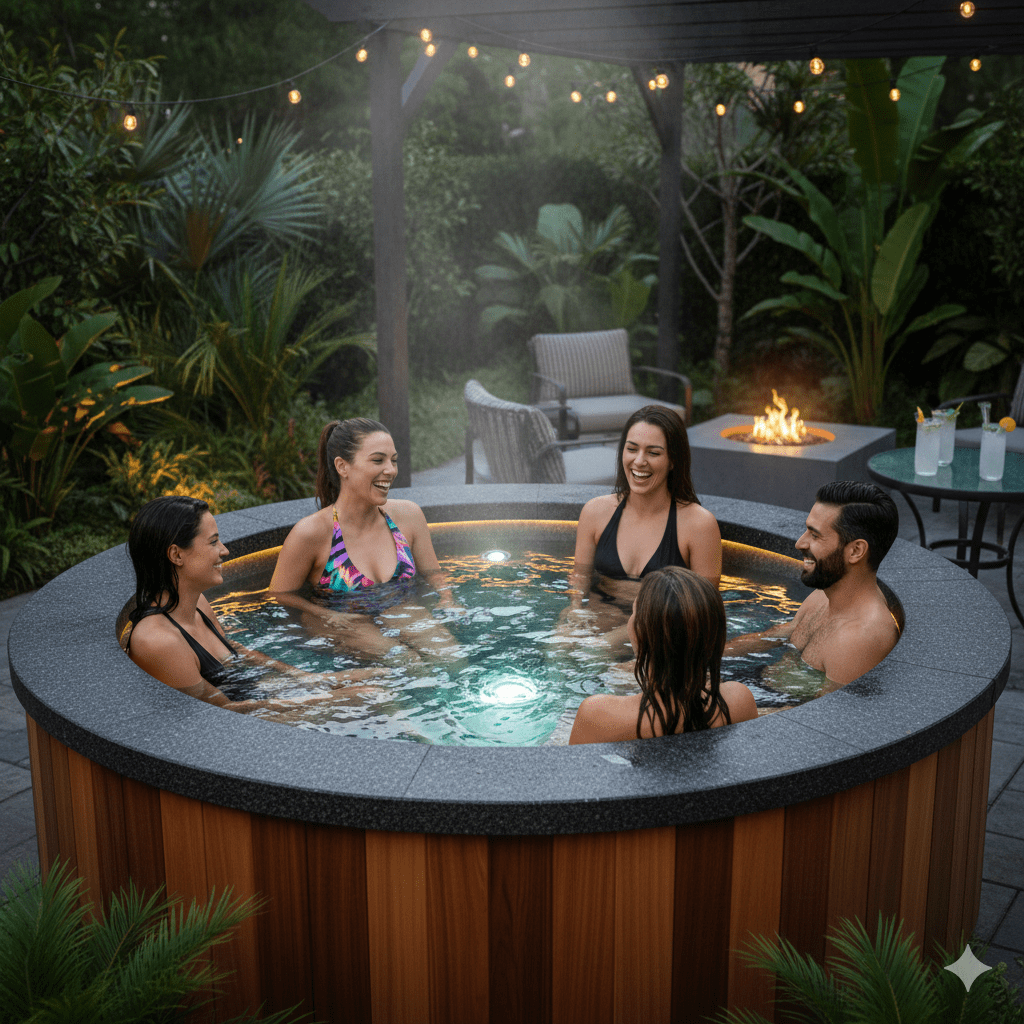
Heat is good for you…
The good old summer time

2025 Schedule https://www.facebook.com/share/v/UFE4QB146J2E9R5w/?mibextid=Dpxkx3

Thank you for your time in Merritt…

The Bass Coast Festival is happening this weekend in Merritt, British Columbia, from July 11-14, 2025.
Regarding proceeds and attendance:
Attendance:
Bass Coast Festival has capped its attendance at 6,500 people each year to maintain its community aspect and focus on the overall experience. This number includes artists, festival-goers, volunteers, and vendors.
Proceeds:
While specific overall proceeds for the 2025 festival aren’t publicly detailed, Bass Coast Festival is an independently owned and artist-run event. They have a strong commitment to community support, as evidenced by:
* Donations to the Nicola Valley Food Bank: Bass Coast has an annual fundraising compilation called “12 Days,” where 100% of proceeds from album sales are donated to the Nicola Valley Food Bank in Merritt. They also top up the amount to reach a specific goal (e.g., $2500 CAD in one instance, and a $22,000 donation in another).
* Donations to environmental organizations: Bass Coast has also donated Bandcamp proceeds to organizations like West Coast Environmental Law.
* Economic Impact: The festival significantly contributes to Merritt’s economy, generating an estimated $4 million for the local area.
Essentially, while the exact financial “proceeds” in terms of profit aren’t publicly disclosed, the festival is known for its community-focused approach and its positive economic impact on the host town, Merritt.

We would love to have you back…

Environment Canada July 4th, 2025

As of 8:00 p.m. Pacific time no alerts. Have a great weekend!

Day schedule