
Subscribe to continue reading
Become a paid subscriber to get access to the rest of this post and other exclusive content.

To the seasons of life

Become a paid subscriber to get access to the rest of this post and other exclusive content.

“The Canadian,”
Between Vancouver and Toronto is one of the world’s most iconic rail journeys. Covering 4,466 kilometers (2,775 miles), this transcontinental trek spans five provinces—British Columbia, Alberta, Saskatchewan, Manitoba, and Ontario—offering an unrivaled window into the vast and diverse Canadian landscape.Here is a detailed guide to what you can expect on this bucket-list excursion.The Route and Key Stops the full journey takes approximately four days and four nights (about 96 hours). The train runs twice a week year-round in both directions.While the train makes numerous brief stops to exchange passengers and refuel, there are several “major” stops where you have enough time to get off, stretch your legs, and explore the immediate station area.Major Eastbound Stops (Vancouver to Toronto):
* Vancouver, BC (Pacific Central Station):
Your departure point. * Kamloops North, BC: A brief stop, usually late at night or early morning, in the heart of BC’s interior. * Jasper, AB: One of the highlights. The train usually stops here for 1–3 hours, giving you ample time to explore the town of Jasper, which is nestled directly within Jasper National Park. It’s surrounded by stunning mountain peaks.
* Edmonton, AB:
A longer stop in Alberta’s capital city. The station is a bit far from downtown, so excursions are limited unless you have pre-arranged transport, but it’s a good chance for a longer walk.
* Saskatoon, SK:
Known as the “Paris of the Prairies” for its many bridges. You’ll get a feel for the vastness of the prairie landscape here. * Winnipeg, MB: A significant stop at the historic Union Station. Located at the forks of the Red and Assiniboine Rivers, you can often walk to The Forks market area if time permits. * Sudbury Junction, ON: A brief stop as you enter the rugged, lake-filled terrain of northern Ontario.
(Union Station): Your final destination, located in the heart of downtown, right next to the CN Tower and Lake Ontario.Important Note on Delays: Because VIA Rail freight trains typically own the tracks and have priority, “The Canadian” is notorious for significant delays. It is highly recommended not to book connecting travel or crucial appointments on your scheduled arrival day.Onboard Experience: Classes of ServiceThe class of service you choose fundamentally shapes your journey. The Canadian is unique in that it is not just transport; for sleeper passengers, it is a rolling hotel and dining experience.1. Economy ClassThis is the most budget-friendly way to travel, suited for adventure-seekers or those on a tight budget. * Seating: You are assigned a spacious, reclining seat with ample legroom (much more than an airline) in a dedicated economy coach car. * Sleeping: You sleep in your seat. While they recline significantly, it is not a bed. Pillows and blankets are available for purchase, or you can bring your own. * Meals: Meals are not included. You can purchase snacks, light meals, and beverages (including alcohol) from the Skyline car’s service counter. You are also welcome to bring your own food.
* Amenities:
You have access to shared washrooms, power outlets, and a dedicated section of the Skyline car, which features a scenic glass-domed viewing area. * Shower: There are no shower facilities available for Economy class passengers.2. Sleeper Plus Class (The Core Sleeper Experience)This is the most popular choice, offering a true classic train travel experience. It includes accommodations and all meals. * Accommodations: * Berths: Upper and lower bunks located in an open-plan section of the train car. During the day, they are two large facing seats. At night, a thick curtain provides privacy. Public washrooms and a shared shower are nearby in the car. (Lower berths are generally more expensive as they are easier to access and have a window).
* Cabin for One:
A private, small room with a seat that converts to a bed, a small sink, and a toilet (with a lid that folds down to create a seat). A shared shower is down the hall. * Cabin for Two: A larger private room with two armchairs, a private washroom with a sink and toilet, and upper/lower bunks that pull down at night. A shared shower is in the car. * Meals: All meals are included and served in the dedicated Dining Car. Meals are three-course, chef-prepared affairs with several options for each course.
* Amenities:
You have access to all public cars, including the Skyline dome car and the Park Car, which is located at the very back of the train and features a bar, lounge, and an even more spectacular scenic dome. Non-alcoholic beverages are complimentary. * Shower: Access to a shared shower in your car is included.3. Prestige Class (The Luxury Choice)Introduced as a premium, all-inclusive luxury option, this is for those wanting the ultimate comfort. * Accommodations: A very spacious private cabin with a large picture window. It features a modular L-shaped leather sofa that transforms into a double bed (on the floor, no upper bunk). The cabin has its own private, en-suite bathroom with a shower. * Meals: All meals are included, with a focus on gourmet dining. You can choose to eat in the Dining Car or have meals served in your cabin. * Amenities: You have access to a personal concierge. All beverages (including alcoholic) are complimentary. You have priority access and reserved seating in the scenic dome cars (Skyline and Park Car). * Shower: Your cabin has its own private, en-suite shower.Things to Do:
On the Train
The main activity on “The Canadian” is, paradoxically, relaxed contemplation. However, the train offers more than just watching the world go by. * Scenic Viewing (The Domes): This is the single best part of the trip.
Spending hours in the glass-domed Skyline or Park cars offers panoramic views of the Rockies, the Prairies, and the Canadian Shield that you cannot get any other way. * Dining Car Experience: For sleeper passengers, meals are a major event. It’s a chance to enjoy high-quality food, meet fellow travelers (seating is often communal), and watch the scenery change as you eat. * Socializing: The lounge areas in the Skyline and Park cars are natural social hubs. It’s very common to strike up conversations with people from all over the world. * Lectures and Presentations (Seasonal): During the peak summer season, VIA Rail often hosts an artist-on-board or a historian who gives presentations in the lounge cars. * Reading and Relaxation: The gentle motion of the train, combined with the lack of reliable Wi-Fi, creates the perfect environment to disconnect and lose yourself in a book. * Photography: The ever-changing light and landscapes make for incredible photo opportunities.A Note on Wi-Fi: There is no reliable Wi-Fi on “The Canadian” for the vast majority of the journey. Cell service is also spotty, vanishing for hours at a time in remote areas. Prepare to be digitally disconnected.
Costs and Rates
Fares on VIA Rail are dynamic, meaning they fluctuate based on how far in advance you book, the season, and demand. Summer (June–September) is peak season with the highest prices, while winter (January–March) offers significant discounts.Important: Prices listed below are approximate, per person, one-way and should only be used as a general guide. They do not include taxes.| Season | Economy Class | Sleeper Plus (Berth) | Sleeper Plus (Cabin for 2) | Prestige Class ||—|—|—|—|—|| Winter (Low) | $450 – $600 | $1,000 – $1,400 | $1,800 – $2,500 | $4,500 – $5,500 || Summer (High) | $600 – $900 | $1,600 – $2,200 | $3,000 – $4,500 | $7,000 – $9,000 |How to Get the Best Rate: * Book Early: This is the single most important factor. Prices rise as the train fills up. Book 6–12 months in advance for the best deals. * Travel in the Off-Season: If you don’t mind the snow, traveling in winter or the “shoulder” seasons (spring/fall) offers massive savings. * VIA Rail Discounts: VIA offers discounts for seniors (60+), youth (12–25), and children. They also have a “Discount Tuesday” email with last-minute deals.In summary, the journey on “The Canadian” is less a trip and more an experience. It offers a rare chance to truly feel the immense scale and beauty of Canada, all while experiencing a slower, more deliberate form of travel.


March 20th 2026, spring, 14:46 Eastern daylight time.

Rest of Canada claim period ends Sept 2027…
100,000 for you were were a deceased family member,
Legal capacity executor probate holder.
Court or appointed mediators at a link.
Must have over 87,000 cigarettes in a 12-year. 20 a day for 12 years. Within a time frame ending in 1998.
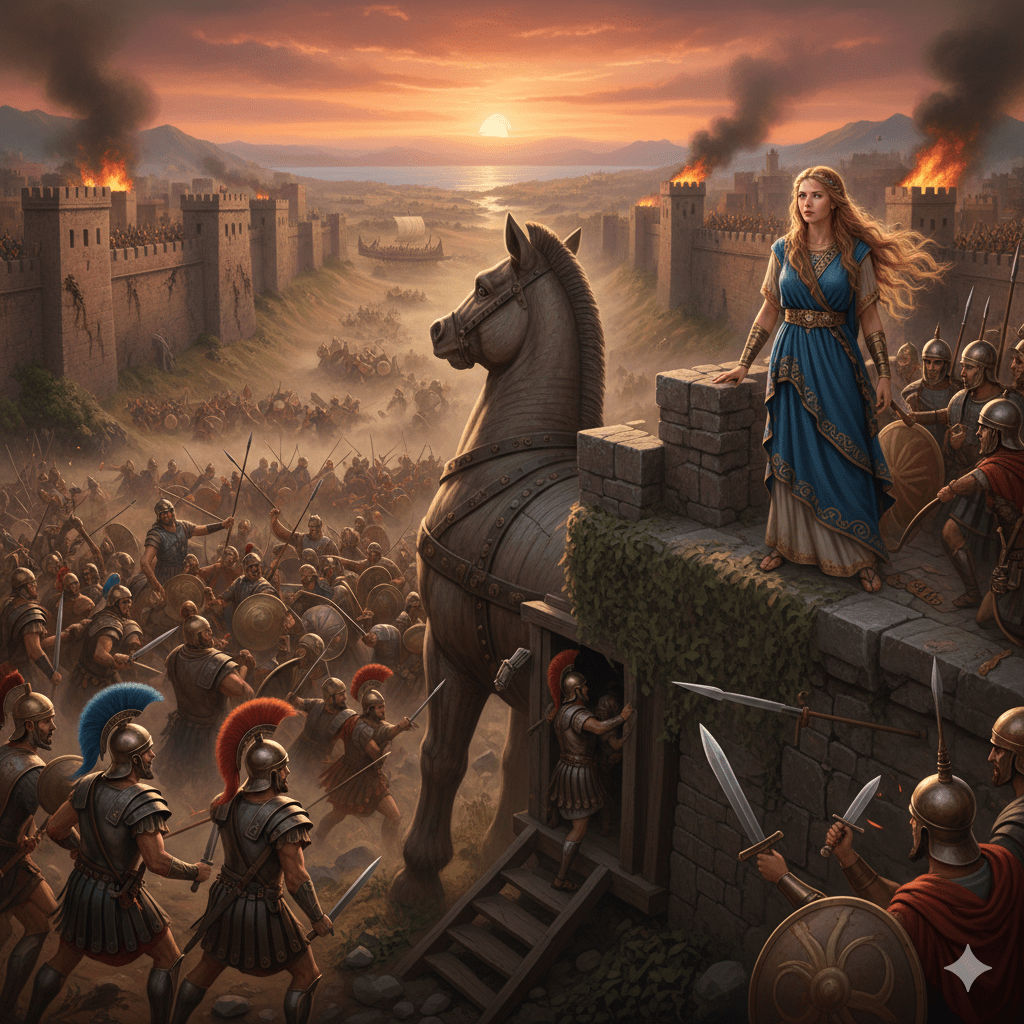
Thats it for US, we are done with Scandel for hopefully a longtime.
While compelling and distracting at the same time there are other narritives that bring us more hope with less remorse and dissatisfaction that the bluster of geo politics mixed with youth or feminine exploitation.
Our emotional capital is not to be frifilously drawn by bad actors.
We are taking advantage of The continuing of Pacific time to be a a bellwether reminder to keep our senses and our abilities within reach of normal people. Not people that have the ability to spin these things forever.
Thanks for your attention,I’ll be back…
The responsible one…
The nursery rhyme “Wednesday’s child is full of woe” has long been interpreted as a mark of a life defined by hardship, struggle, or a deep, somber sensitivity. However, history is full of individuals who transformed that “woe” into profound depth, resilience, and world-changing rhetoric.Here are three instances of accomplished figures who embodied the archetype of Wednesday’s child through their life’s work.
1. Abraham Lincoln:
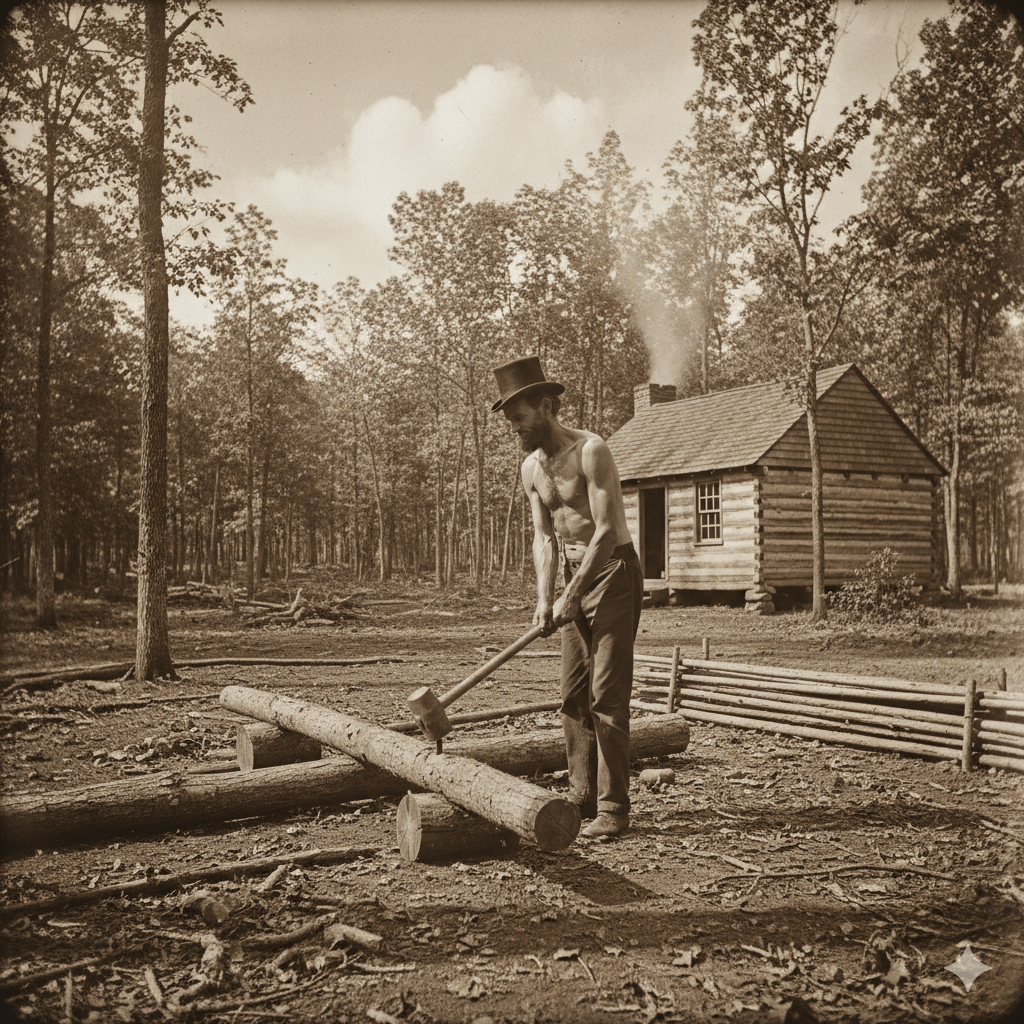
The Rhetoric of MelancholyPerhaps the most famous “Wednesday’s child” in spirit, Lincoln struggled with what was then called “hypochondriasis” (clinical depression) his entire life. He often spoke of being a “man of sorrows.” * The Accomplishment: Preserving the Union during the American Civil War and the formal abolition of slavery. * The Rhetoric: Lincoln didn’t shy away from woe; he used it to build empathy. In his Second Inaugural Address, he didn’t boast of victory. Instead, he used somber, inclusive language: “With malice toward none; with charity for all.” He turned his personal acquaintance with suffering into a national ethos of healing.

The Witness of Social WoeBaldwin was born into a world that offered him every reason to be “full of woe”—poverty, racial segregation, and the struggle of being a gay man in the mid-20th century. * The Accomplishment: Becoming one of the most vital literary voices of the Civil Rights Movement, bridging the gap between the Black experience and White conscience. * The Rhetoric: Baldwin’s power lay in his “bearing witness.” In works like The Fire Next Time, he transformed the “woe” of systemic injustice into a searing, poetic interrogation of the American soul. He argued that facing one’s pain was the only way to achieve maturity and change.

Transmuting Physical AgonyKahlo’s life was a masterclass in the Wednesday’s child archetype. After a catastrophic bus accident and a lifetime of surgeries, “woe” was her constant physical companion. * The Accomplishment: Creating a body of work that redefined surrealism and feminist art, becoming a global icon of endurance. * The Rhetoric: Her “rhetoric” was visual. She didn’t paint scenes to escape her pain; she painted her pain to master it. By depicting her own broken body and weeping heart with vibrant colors and unflinching detail, she communicated a universal truth: that suffering can be the bedrock of identity and power.Summary of the Archetype| Figure | Source of “Woe” | Rhetorical Strength ||—|—|—|| Lincoln | Clinical Depression | Empathy and Moral Clarity || Baldwin | Social Injustice | Uncompromising Truth-Telling || Kahlo | Chronic Physical Pain | Radical Self-Expression.
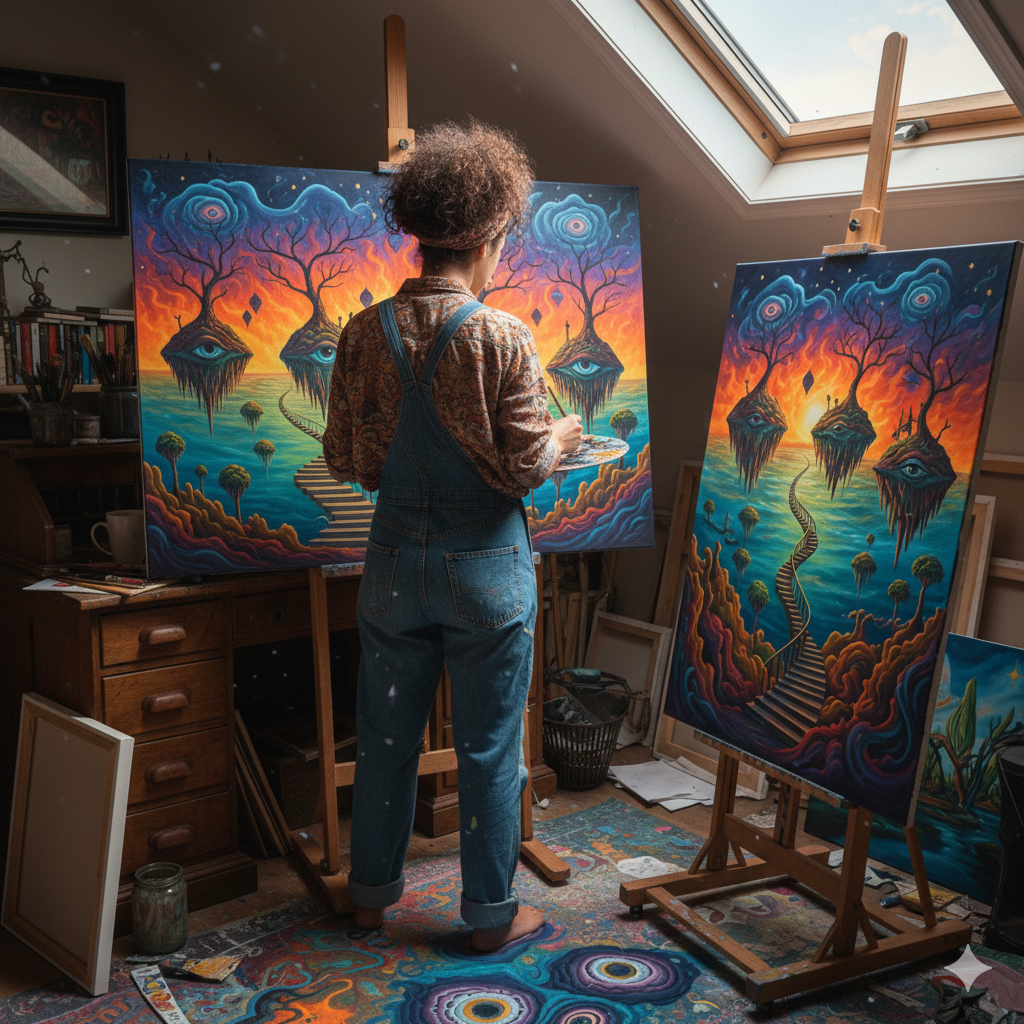
Ai researched, these characterizations are subjective onto objectivity meaning that you’re under no binding to live up to any of them. They’re just a matter of interest. You are who you are. You don’t have to fit.
Seems like Old Abe was born on two different days according to our search. So here’s the test. If it bothers you when you look it up and find out which one’s right. You’re probably more prone to being a WOE child, and that would be for better or worse.
Mondays child 1836 Author unknown,published in St. Nicholas magazine 1873.
Public links
So is not attributed to any one particular author, has been printed numbers of times in different variations. These came up through searches in AI.
Let the self obvious reign…
Finding successful individuals born on a Friday is quite a broad task, as one out of every seven people falls into this category. However, several world-altering figures and legendary icons were born on the final day of the workweek.Here are three high-achieving people born on a Friday:
* Born: Friday, July 30, 1863 * Achievement: Founder of the Ford Motor Company and a pioneer of the modern assembly line. * Impact: Ford didn’t just invent a car; he revolutionized the entire manufacturing industry with “Fordism”—the mass production of inexpensive goods coupled with high wages for workers. This approach made the automobile accessible to the middle class and fundamentally changed global transportation and urban planning.
* Born: Friday, July 6, 1907 * Achievement: Renowned Mexican painter famous for her uncompromising and brilliantly colored self-portraits. * Impact: Kahlo is celebrated for her depictions of the female experience, chronicling themes of identity, post-colonialism, gender, and class in Mexican society. Today, she is a global icon for the feminist and LGBTQ+ movements, as well as a symbol of Mexican national and indigenous tradition.
* Born: Friday, December 13, 1929 * Achievement: Academy Award, Tony Award, and Emmy Award-winning actor. * Impact: Over a career spanning seven decades, Plummer became one of the most respected actors in history. He is best known for his role as Captain von Trapp in The Sound of Music, but he also made history by becoming the oldest person to win an acting Oscar at age 82 for his role in Beginners.

Photo KDG, Graphic displayed on parade route Merritt BC Canada at recent community event…
The “Friday Child” concept stems from the traditional English nursery rhyme Monday’s Child, which has been used for centuries to predict a child’s character based on their day of birth.
According to the poem:
“Friday’s child is loving and giving.”> Because Friday is historically ruled by Venus—the planet of love, beauty, and harmony—the “makeup” of a Friday-born individual is often viewed through a lens of empathy and aesthetics.The Personality MakeupIf we look at the folklore and astrological associations, a Friday child’s personality is built on three main pillars:
* Radical Generosity:
True to the rhyme, they are “loving and giving.” This often manifests as a high degree of emotional intelligence. They are the peacemakers of a social group, often prioritizing the needs of others to maintain harmony. * Aesthetic Sensitivity: Being “Venusian,” these individuals often have a deep appreciation for the arts, fashion, and nature. They don’t just want things to work; they want them to be beautiful.
* Social Magnetism:
There is often a natural “pull” to their personality. They tend to be charming and persuasive, not through force, but through a gentle, welcoming energy that makes others feel seen and valued.
In the world of communication and persuasion (rhetoric), a Friday child leans heavily into Pathos—the appeal to emotion. Here is how they typically “speak” to the world:
Rhetorical Style Description
😁😄😃😀😂🤣🙂↕️😋😛😊☺️☹️😠😰😒🫢
The Diplomat
They use inclusive language (“we” instead of “I”) to build consensus and avoid unnecessary friction.
The Idealist
Their arguments are often framed around the “greater good” or the moral beauty of a solution.
Soft Power
Rather than using aggressive logic or authority, they persuade through storytelling and by building a shared emotional connection with their audience.
Summary of Traits *
Compassion, artistic flair, diplomacy, and a nurturing spirit.
Thank goodness it’s Friday and there’s nice people born everyday and lots on Fridays
* Challenges:
A tendency to avoid necessary conflict or to give so much of themselves that they face burnout.
Dark clouds move in and out,you remain.
For to go on.

No, shame in exchange…
Sweet sustenance…
Progress

So I was walking down a trail the other day and I saw this thing and I was startled because of the head that looked like it was a alligator or crocodile or something.
Don’t, don’t, be! It turned out to be about a foot and a half long piece of rubber that had come off a tire on the highway, just above it. How’d that face got made on there is a strange one…
Face facts, life is full of mystery and this one is no exception. Anybody got any inputs on it?. Or like experiences?.
The charm of a medieval court lies in its unique blend of rigid social order, artistic extravagance, and the romantic ideals of chivalry. It wasn’t just a seat of government; it was a theater of status and culture.Here are three key aspects that defined the charm of courtly life:
The medieval court was a stage for the Code of Chivalry. This wasn’t just about combat, but about a highly stylized way of living. * Tournaments and Jousts: These events were the highlight of social life, where knights displayed their prowess to win the favor of the nobility. * Heraldry: The vibrant display of family crests and banners created a visual language of prestige that filled the great halls with color.
While marriages among the nobility were often political alliances, the court fostered the poetic ideal of Courtly Love. * Troubadours and Minstrels: These traveling performers brought music and epic poetry (like the tales of King Arthur) into the court, celebrating secret, noble, and often unrequited devotion. * Refinement of Manners: This era saw the birth of modern “courtesy.” The court was where one learned the art of conversation, dance, and the delicate protocols of social interaction.
In a world that was often dark and harsh, the court was an oasis of luxury. * Grand Feasts: A single banquet could feature dozens of courses, including “subtleties”—elaborate edible sculptures made of sugar or wax designed to entertain and amaze guests. * Fashion and Architecture: High-vaulted timber ceilings, flickering torchlight, and heavy tapestries created a dramatic atmosphere. Nobles wore expensive silks, furs, and velvets dyed in deep pigments that were unavailable to the common person.The medieval court was essentially a delicate balance between the brutality of the warrior class and the refinement of the emerging arts.Would you like me to dive deeper into a specific aspect, such as the typical menu of a royal feast or the specific rules of a jousting tournament?
Good Knight


Merritt British Columbia, had a magical, breathing, soft weather and activitys that were like musical notes, hanging off the the breath of life ☁️🌡️☁️…
Contrast the tragities so few about and a poetry of pose promised life in sweet surfice .

Can anybody tell me what this is? Hint deer hunters might know…

Hey Merit what do you say?


 Kevin Griffiths
 percypaschal
 The Proprietor Review