If you want to borrow trouble, ask about the retail and the wholesale off street parking obligations of businesses in any small town.
Comments Please 🥺🥺🥺🥺

To the seasons of life

If you want to borrow trouble, ask about the retail and the wholesale off street parking obligations of businesses in any small town.
Comments Please 🥺🥺🥺🥺

The Merritt team playing at home leads the Kelowna Junior B team 3 to 1 after the first.
Come by my side we will preside.
Over fear and doubt no conside.
Have a great Monday.
Nicola river these salmon are 200 meters up stream from the Voght St bridge.
The salmon in the photo seem to be very lively and actively spawning.
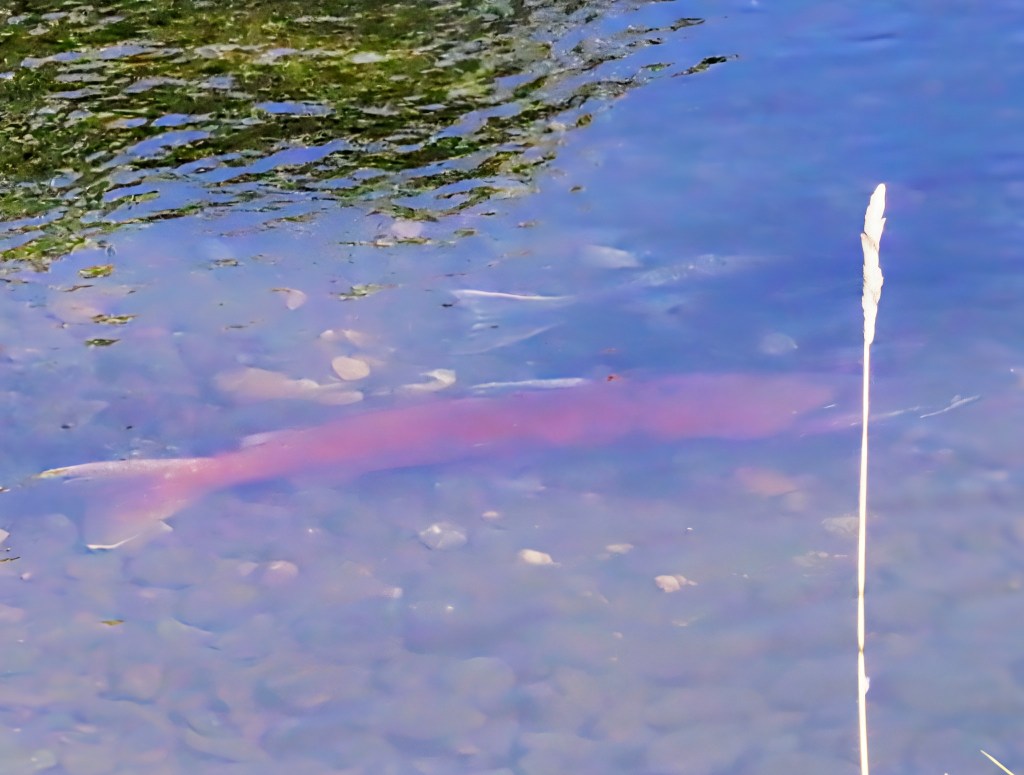
Photo KDG, September 21 2025, Merritt BC…
The Nicola River system, located in the Thompson-Nicola region of British Columbia, is a vital watershed for several species of Pacific salmon. The annual salmon runs are not only a spectacular natural event but also a crucial part of the ecosystem and hold deep cultural significance for local First Nations.The Salmon SpeciesThe Nicola River and its tributaries support runs of several salmon species, including: * Chinook Salmon: Considered a prized species, Chinook are one of the largest and most sought-after salmon. * Coho Salmon: These are known for being a bit more elusive, which makes them a challenge for anglers. * Pink Salmon: Pink salmon are the smallest species and are known for the distinctive hump that develops on the back of the males during their spawning migration. * Sockeye Salmon: Although their presence has been less consistent in recent years, sockeye were historically a significant part of the Nicola system.The timing of the salmon runs can vary by species, but generally, the main runs occur in the late summer and early fall, as the fish make their incredible journey from the ocean to their natal spawning grounds.Environmental ChallengesThe health of the salmon runs in the Nicola River is a significant concern due to various environmental pressures. The Thompson-Nicola region is particularly susceptible to the effects of climate change, which has led to: * Drought: Lower-than-average snowpack and reduced summer rainfall can lead to low stream flows and higher water temperatures. This can trap fish in isolated pools, increase their vulnerability to predators, and cause a loss of critical habitat. * Wildfires: The increasing frequency and severity of wildfires can damage the watershed, leading to increased sediment runoff that can smother salmon eggs and alter the river’s habitat.These factors, combined with historical impacts from logging and water withdrawals for agriculture, pose a serious threat to the persistence and recovery of salmon populations.Cultural SignificanceFor the First Nations of the Nicola Valley, particularly the Nlaka’pamux and Secwepemc peoples, salmon are far more than just a food source. Salmon are an integral part of their identity, culture, and social structure. * Sustenance and Trade: For thousands of years, salmon have been a foundational food source and a key item for trade, sustaining large and vibrant communities. * Spiritual and Cultural Connection: In many traditional beliefs, salmon are considered gift-bearing relatives and are treated with immense respect. The return of the salmon each year is a powerful symbol of life, endurance, and the cyclical nature of the world. Traditional stories, songs, and ceremonies celebrate this deep connection. * Stewardship: Indigenous knowledge and traditional practices have historically played a vital role in managing and protecting the salmon populations. This includes using methods like dipnetting and establishing agreements between communities to ensure the sustainability of the resource for all.Efforts are underway, often led by First Nations communities and conservation groups, to address the challenges facing the Nicola watershed and its salmon. These initiatives focus on habitat restoration, sustainable water management, and integrated decision-making to protect this irreplaceable resource for future generations.
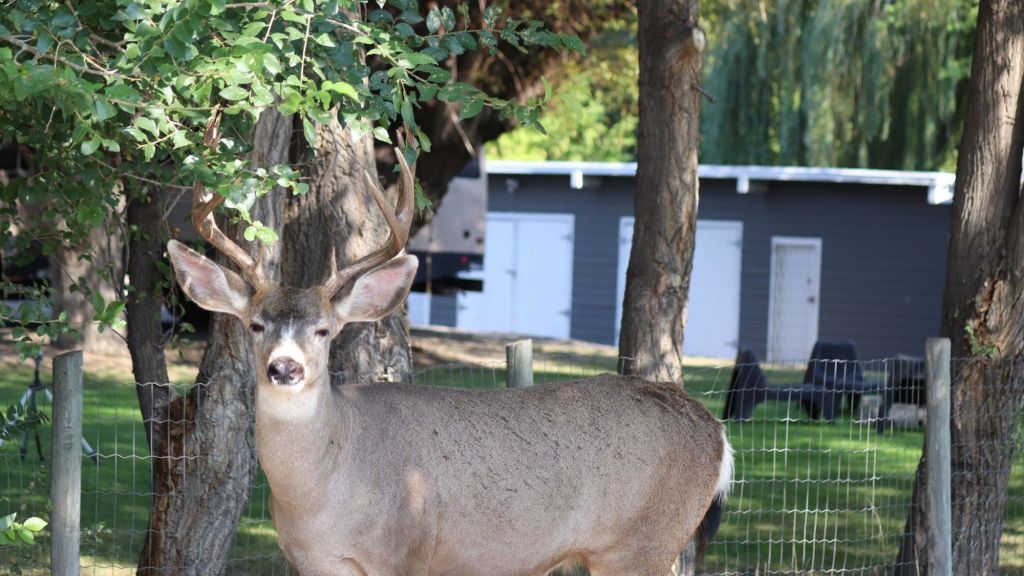
The picture is of a four-point mule deer buck. Near the corner of Garcia and Merritt Avenue in Merritt, British Columbia. Circus September 8th…
The deer was eating off the leaves of this tree to the left and was completely habituized meaning he had no fear of people. I took 10 pictures of him.
There is no velvet on his horns. Fall is coming and the rut will be coming.
Have a great fall!.
National when pigs flyday September 9th 2025.
So, You don’t have to settle an old score with the person that offended you. You can just settle it between yourself and the outcome of the time spent or lost would be a better word and what you realized out of it. If you can make a pig fly then make a big fly, otherwise say goodbye.
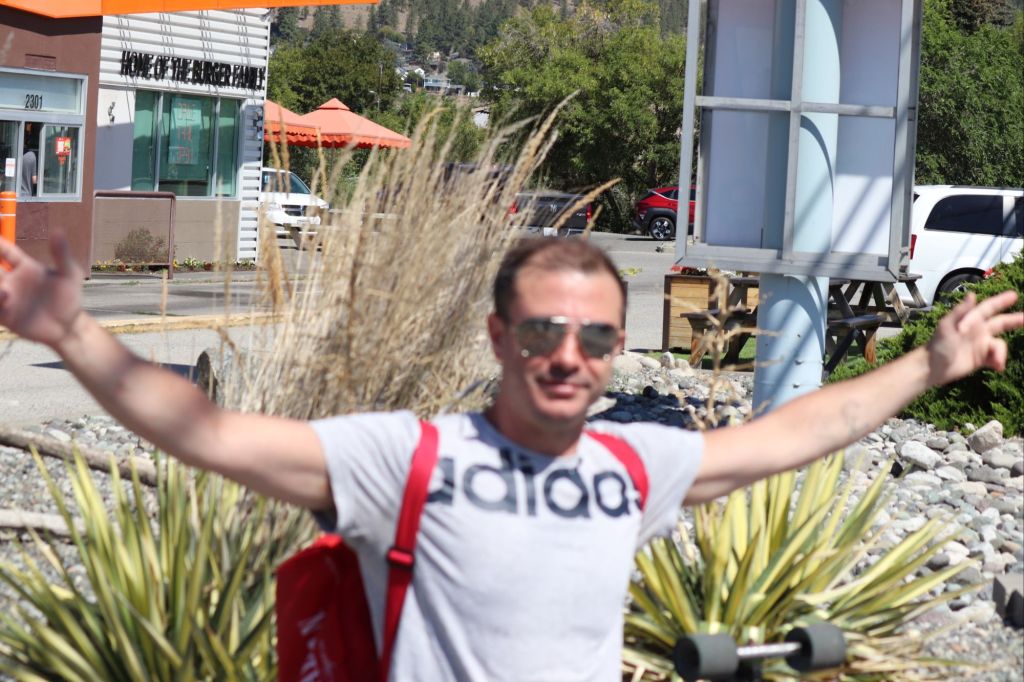
Local in Merritt enjoying the week and end weather.
You should be getting out as well .
Spending time in the sunshine can have a variety of positive effects on your body and mind, but it’s important to do so in moderation. Here’s a breakdown of how sun exposure affects your brain and body, and what to consider for safe sun habits.
Sunshine and Your Brain: The Endorphin Connection
Research has shown a fascinating link between sun exposure and the release of endorphins. Endorphins are a class of neurotransmitters that act as natural painkillers and mood boosters, and they are responsible for feelings of well-being and pleasure. Studies, particularly in mice, have identified an organic pathway in the skin where UV radiation triggers the production and release of a specific type of endorphin called beta-endorphin.
This process has led scientists to suggest that the “feel-good” feeling many people get from sunbathing may be a result of this opioid-like effect. This can create a positive feedback loop, encouraging sun-seeking behavior, and in some cases, even leading to a form of addictive behavior in frequent tanners. The release of beta-endorphin is thought to be part of a “built-in reward system” that evolved to encourage us to get enough sun for essential vitamin D synthesis.
In addition to endorphins, sunlight exposure also stimulates the production of other crucial chemicals in the brain:
* Serotonin: Often called the “happy hormone,” serotonin is a neurotransmitter that helps regulate mood, focus, and emotional stability. Lower levels of serotonin are associated with conditions like Seasonal Affective Disorder (SAD), a type of depression that occurs during the darker, winter months. Sunlight entering the eyes is thought to be the primary trigger for this effect.
* Dopamine: Another “feel-good” chemical, dopamine is also released in response to sunshine, contributing to feelings of pleasure and motivation.
The Benefits and Risks of Sunshine
Is it good for us?
Yes, in moderation, sun exposure is highly beneficial. Here’s why:
* Vitamin D Production: This is one of the most well-known benefits. Your body synthesizes vitamin D when your skin is exposed to ultraviolet B (UVB) rays. Vitamin D is essential for bone health, immune function, and overall well-being.
* Mood Enhancement: The release of endorphins, serotonin, and dopamine can elevate your mood, reduce stress and anxiety, and combat symptoms of depression.
* Improved Sleep: Sunlight helps regulate your circadian rhythm, your body’s internal clock. Exposure to natural light during the day, especially in the morning, signals to your body that it’s time to be awake and helps you sleep better at night.
* Other Potential Benefits: Moderate sun exposure has also been linked to a stronger immune system, lower blood pressure, and a reduced risk of certain autoimmune diseases.
However, the benefits of sun exposure must be weighed against the significant risks of overexposure. Excessive UV radiation can damage the skin, leading to:
* Skin Cancer: This is the most serious risk. Both UVA and UVB rays can damage the DNA in skin cells, increasing the risk of melanoma and other types of skin cancer.
* Premature Skin Aging (Photoaging): Too much sun can cause wrinkles, sun spots, and leathery skin.
* Sunburn: A painful and immediate sign of skin damage.
How much time should we spend in the sun?
The recommended amount of sun exposure is a delicate balance and varies based on several factors:
* Skin Type: People with lighter skin need less time in the sun to produce vitamin D and are more susceptible to sunburn. People with darker skin have more melanin, which offers some natural protection but means they need longer sun exposure to produce the same amount of vitamin D.
* Location and Time of Year: The intensity of UV rays is stronger in the summer, closer to the equator, and at higher altitudes.
* Time of Day: UV rays are strongest between 10 a.m. and 4 p.m.
Most experts recommend 10 to 30 minutes of direct sun exposure per day on bare skin (like your arms, face, and hands) to get the benefits of vitamin D synthesis while minimizing the risk of skin damage. Short, non-burning exposures around midday are often considered the most efficient for vitamin D production.
It’s also important to follow these sun safety tips:
* Never let your skin burn.
* Seek shade during the peak sun hours.
* Wear protective clothing, a wide-brimmed hat, and sunglasses.
* Use sunscreen with an SPF of 30 or higher, and reapply it every two hours.
K
“If we normalize craziness there’s no way out.”
The weather is forecast for the next number of days to be moderate with rain .
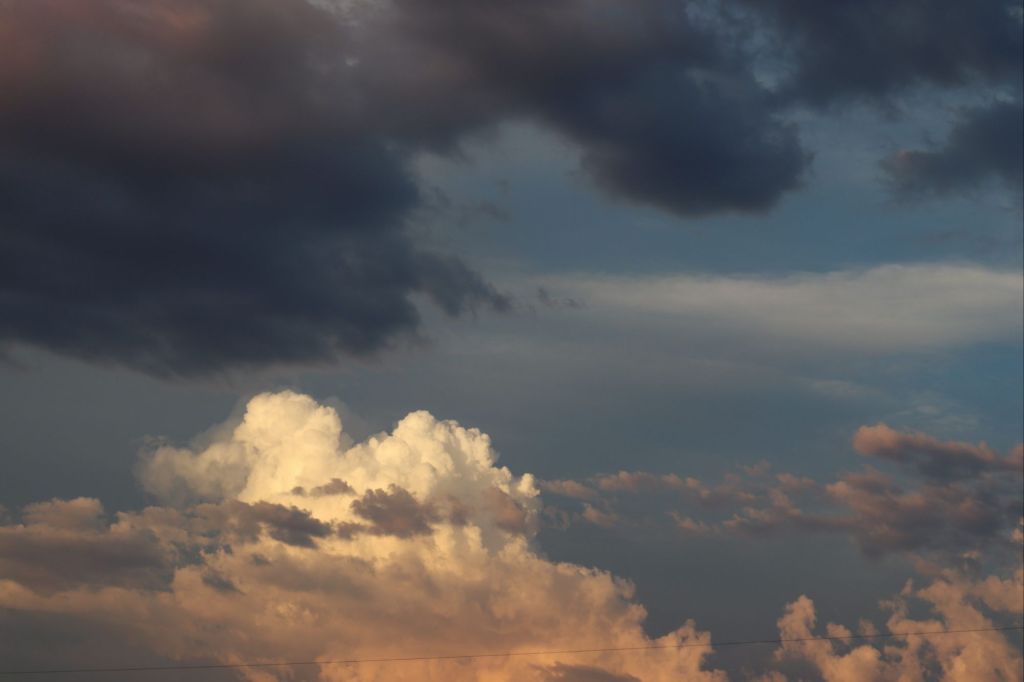
Stay bright stay right
The reason for being here is not as necessary as the fact that you did.
Ode to natural wisdom
The road was not there,nor ever fair.
Long was the dream of life to continue.
A drive stronger than void.
Take partnership in nature,with  it's sense to endure,it will ensure.
A crown to the victor and bowl at the table.
Where it will lead.

Today I’m thankful for the many things that have helped get me through my first two lymphoma treatments that have caused side effects each time and many trips to the doctor’s office for bloodwork, but on the good days I remember what it’s like to feel good again. I’m very grateful for my niece’s fabulous […]
Thankful Thursday
Editor’s note: The experience of the writer above is anonymous. Frosties experience synonymous.

Ah, harmony – the holy grail of relationships. You know, that elusive state where everyone gets along, and no one wants to pull their hair out. I am reminded of the rabbit in Winnienthe Pooh when everyone around her irritated her in one way or another. As I navigate the crazy world of human connections, […]
Letting Go for the Sake of Harmony (Before I Lose My Mind)

Hey Merit what do you say?



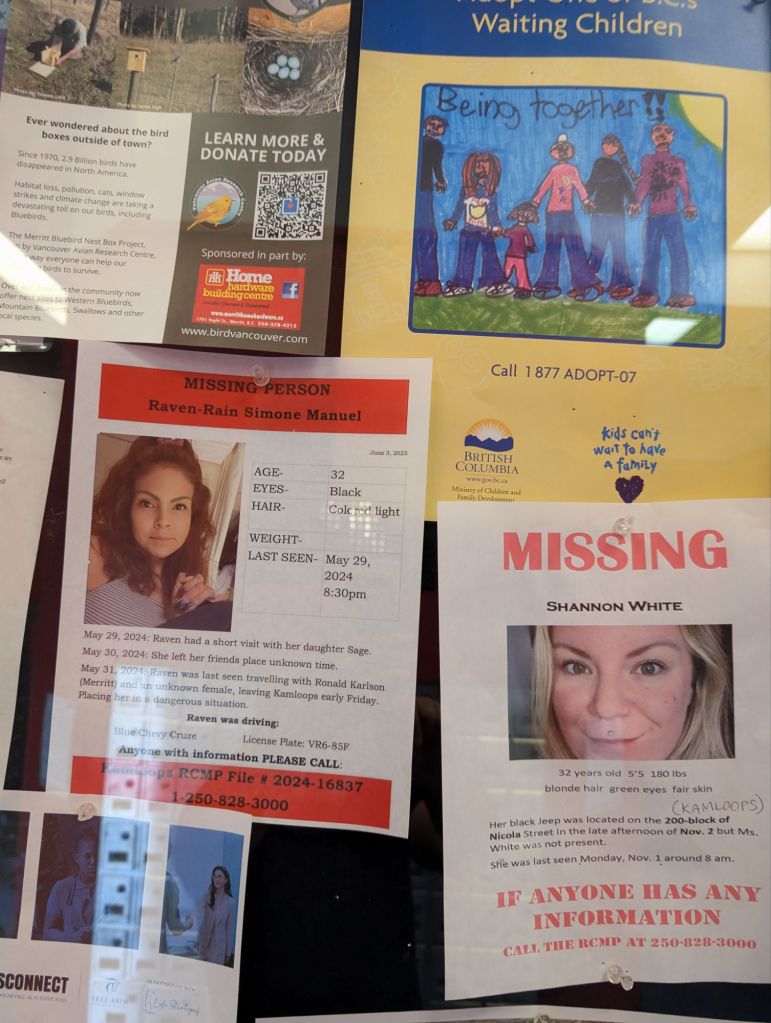
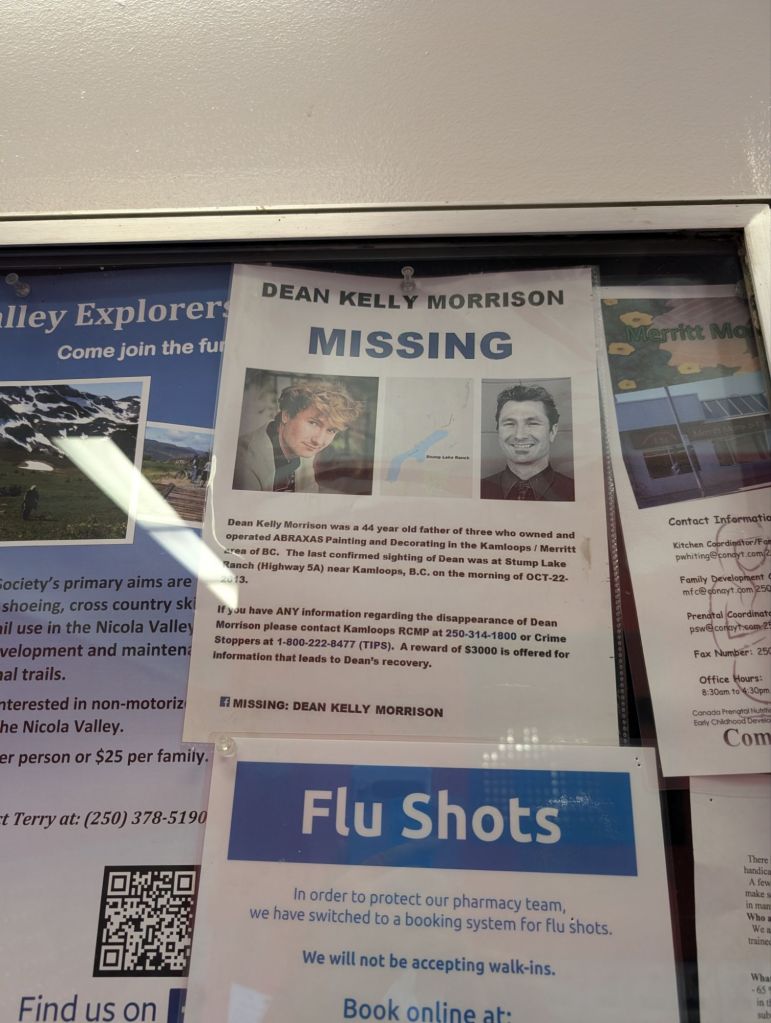
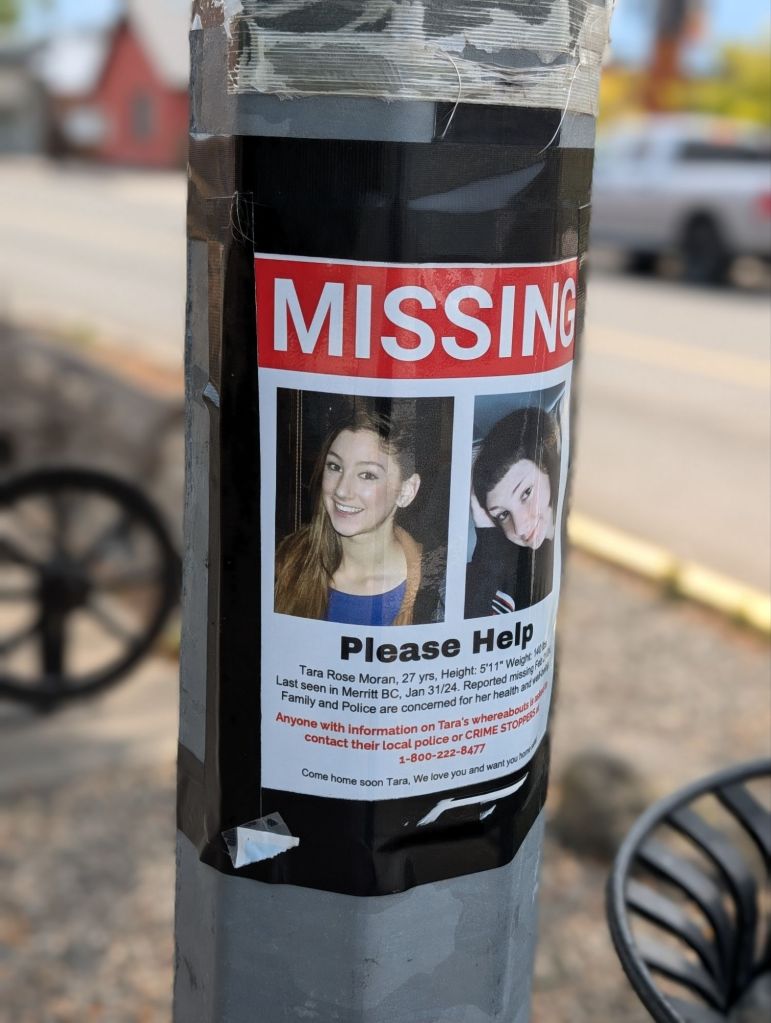



 Kevin Griffiths
 percypaschal
 The Proprietor Review