You are presumed to be honest and responsible without evidence to the contrary beyond a reasonable doubt… on the balance of probablilties you are justified by 51 % likelyhood.
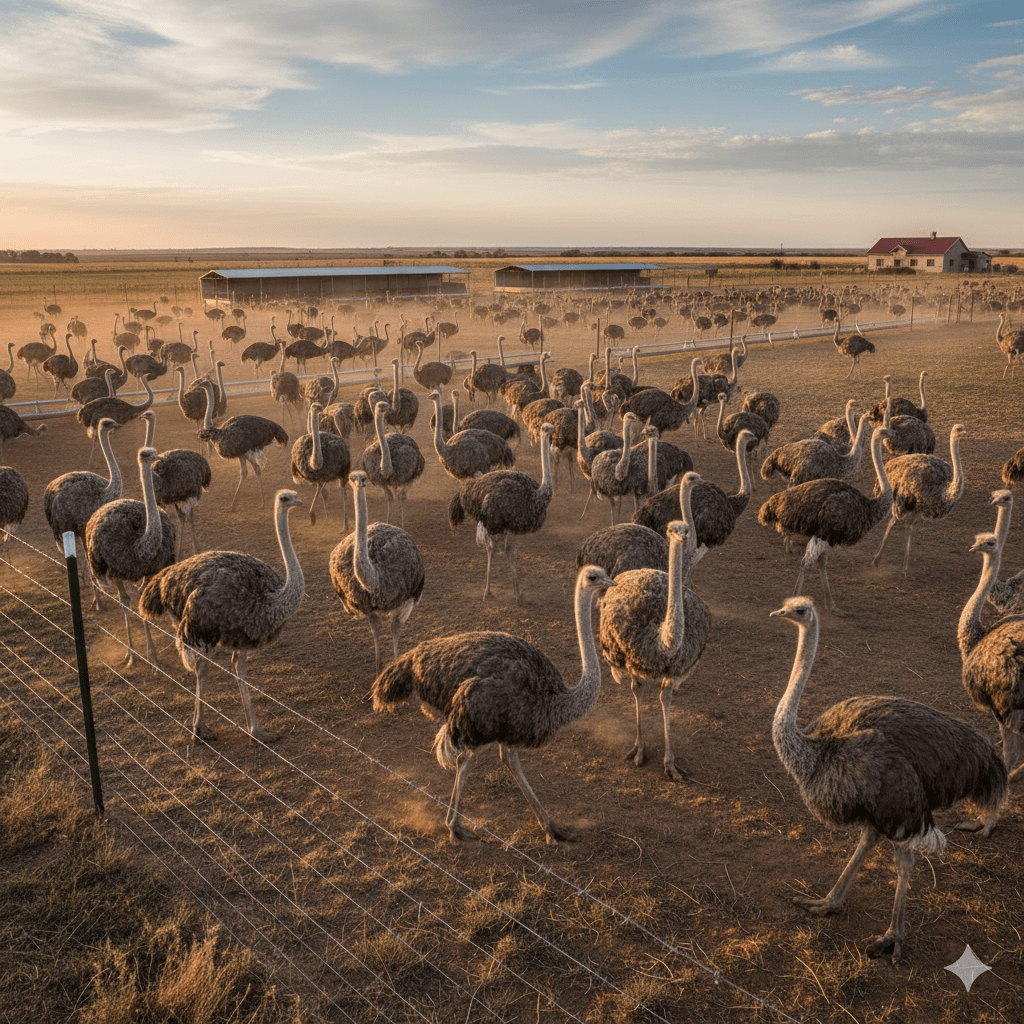
Ostriches are raised for meat, feathers and eggs and are commercial. However these bunch of hostages in the news of late were going away from that and we’re used for tourism. Coming endeared to some keepers. Wouldn’t have been, if it was just for meat.
Avian flu
This is a very serious condition that affects foul and gets into people it can be fatal to people and the closer they are the bigger population areas and more of a risk.
The cull that was ordered by the authorities has been stayed and there may be a presentation between the parties at the Supreme Court of Canada and there is a controversy over testing the remaining birds, 300 out of a possible 450 that had contacted the avian flu and are under scrutiny.
H5N1
The virus involved is H5N1, and could be a particularly concern at the start of the flu season and respiratory illness that could accompany it.
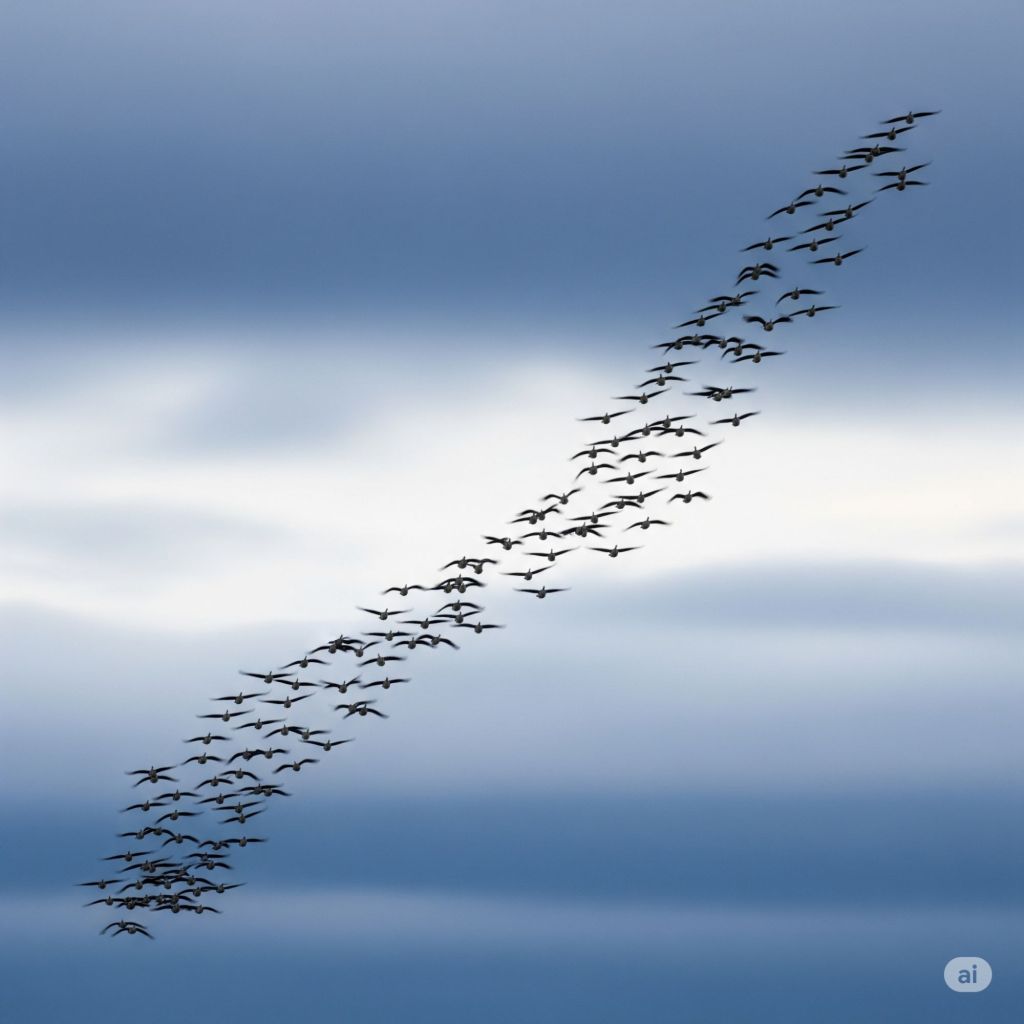
So, has anybody ever asked you? Did you notice that a formation of geese is usually longer on one side than the other, and asked yourself, why is that?
The reply is it’s “there are more geese on that side.”
So truth and reconciliation day begins with what is obvious first. The contentious next, then the punchline is “more work will be more productive than more obvious discoveries.”
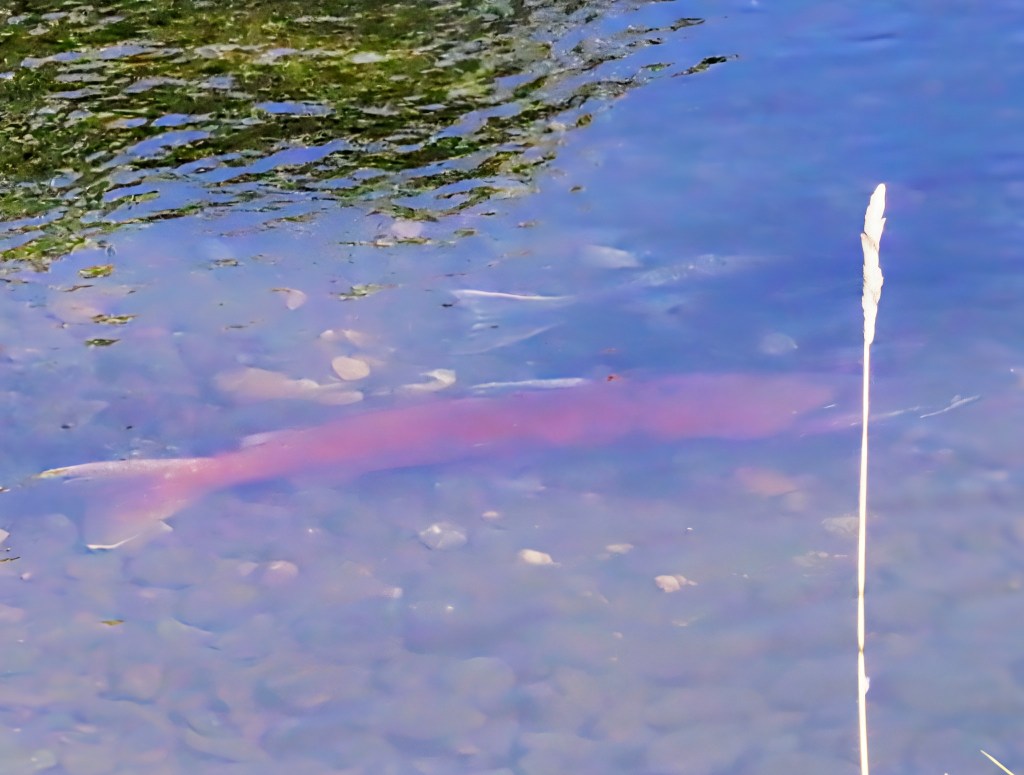
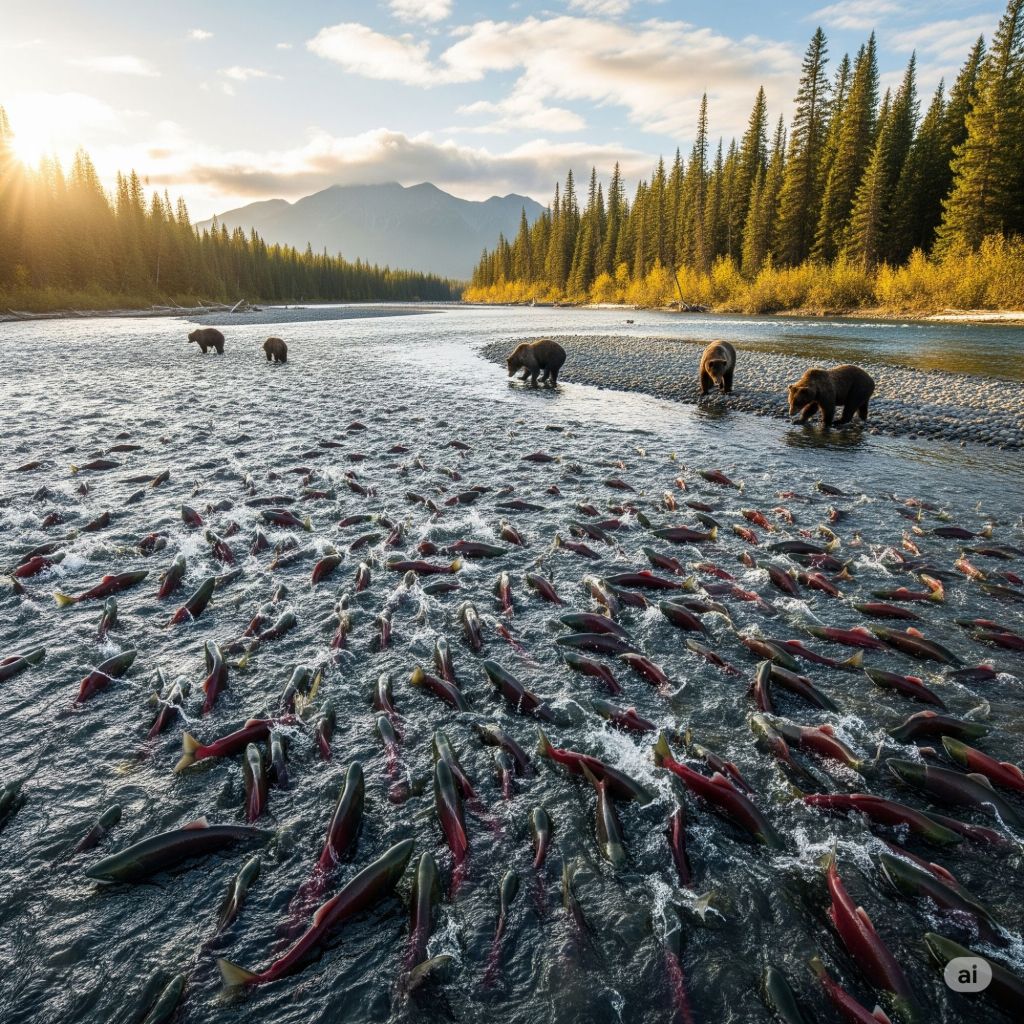
Nicola river these salmon are 200 meters up stream from the Voght St bridge.
Spawning
The salmon in the photo seem to be very lively and actively spawning.
Salmon
Photo KDG, September 21 2025, Merritt BC…
Nicola River System
The Nicola River system, located in the Thompson-Nicola region of British Columbia, is a vital watershed for several species of Pacific salmon. The annual salmon runs are not only a spectacular natural event but also a crucial part of the ecosystem and hold deep cultural significance for local First Nations.The Salmon SpeciesThe Nicola River and its tributaries support runs of several salmon species, including: * Chinook Salmon: Considered a prized species, Chinook are one of the largest and most sought-after salmon. * Coho Salmon: These are known for being a bit more elusive, which makes them a challenge for anglers. * Pink Salmon: Pink salmon are the smallest species and are known for the distinctive hump that develops on the back of the males during their spawning migration. * Sockeye Salmon: Although their presence has been less consistent in recent years, sockeye were historically a significant part of the Nicola system.The timing of the salmon runs can vary by species, but generally, the main runs occur in the late summer and early fall, as the fish make their incredible journey from the ocean to their natal spawning grounds.Environmental ChallengesThe health of the salmon runs in the Nicola River is a significant concern due to various environmental pressures. The Thompson-Nicola region is particularly susceptible to the effects of climate change, which has led to: * Drought: Lower-than-average snowpack and reduced summer rainfall can lead to low stream flows and higher water temperatures. This can trap fish in isolated pools, increase their vulnerability to predators, and cause a loss of critical habitat. * Wildfires: The increasing frequency and severity of wildfires can damage the watershed, leading to increased sediment runoff that can smother salmon eggs and alter the river’s habitat.These factors, combined with historical impacts from logging and water withdrawals for agriculture, pose a serious threat to the persistence and recovery of salmon populations.Cultural SignificanceFor the First Nations of the Nicola Valley, particularly the Nlaka’pamux and Secwepemc peoples, salmon are far more than just a food source. Salmon are an integral part of their identity, culture, and social structure. * Sustenance and Trade: For thousands of years, salmon have been a foundational food source and a key item for trade, sustaining large and vibrant communities. * Spiritual and Cultural Connection: In many traditional beliefs, salmon are considered gift-bearing relatives and are treated with immense respect. The return of the salmon each year is a powerful symbol of life, endurance, and the cyclical nature of the world. Traditional stories, songs, and ceremonies celebrate this deep connection. * Stewardship: Indigenous knowledge and traditional practices have historically played a vital role in managing and protecting the salmon populations. This includes using methods like dipnetting and establishing agreements between communities to ensure the sustainability of the resource for all.Efforts are underway, often led by First Nations communities and conservation groups, to address the challenges facing the Nicola watershed and its salmon. These initiatives focus on habitat restoration, sustainable water management, and integrated decision-making to protect this irreplaceable resource for future generations.
The Nicola Naturalist Society Incorporated have begun their fall and winter program again since 2010 in Merritt, British Columbia, the group have been going out doing projects in association with some government and Nature BC.
Lichen outing:
On Saturday September 27 th 2025. With Christine, You need to be paid up member to go.
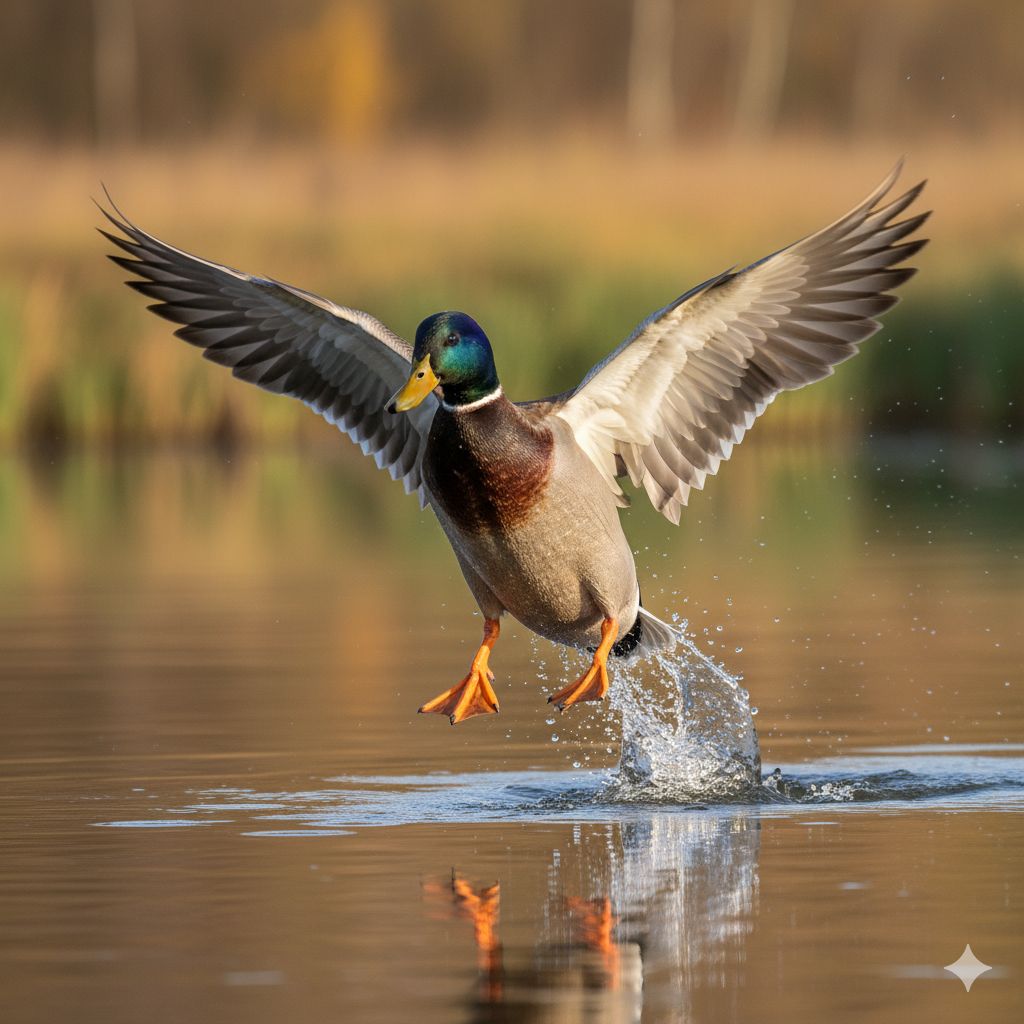
Mallard ducks are the most prevalent around our place, our neck of the woods here in Merritt, British Columbia. We love our Mallard ducks.
The local naturalist club will begin their regular weekend fall and winter schedule on the 18th. Their meetings are generally most months on the third Thursday at 7:00 at the Nicola Valley institute of technology, top of the hill Belshaw Avenue in Merritt.
Well, it’s complicated. While a cooler spot might sound good in a warming world, the cold blob is a sign that major ocean currents are changing. That could have big impacts on weather patterns and sea levels around the globe. Scientists are still studying it to understand the full effects.
Tilt of the earth?
That’s a great question! The Milankovitch cycles do play a role in Earth’s long-term climate patterns, but the cooling of the cold blob is happening much faster than those cycles would predict. Scientists believe it’s primarily driven by the melting of the Greenland ice sheet and its impact on ocean currents.
Fish return
Editor’s note: The government of British Columbia opened a recreational fishing season on returning salmon in the Fraser River on the 22nd of August 2025, this abundance of return is being credited to some cooler water by some sources. This brief opening is 11 Days ending on September 1st 2025. Many sources are lined up to take credit. In our view it may be a result of the rest the environment got during COVID.
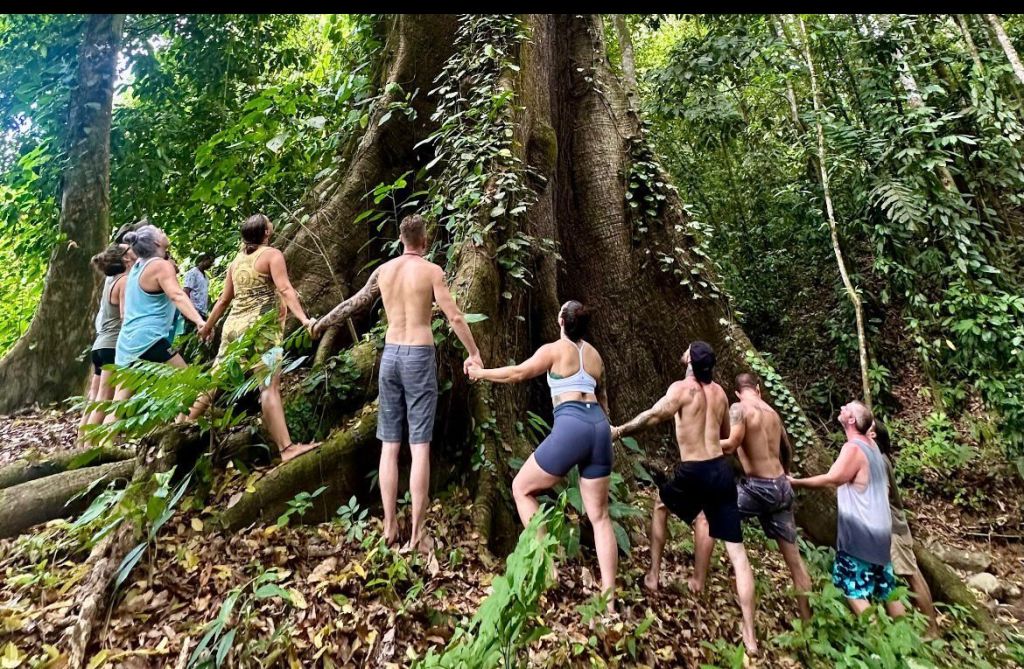
Based on the search results, I can now answer all parts of the user’s query. Modern Tree Culture Modern tree culture, or the modern view of trees, is multifaceted. Trees are valued for their ecological benefits, such as sequestering CO2, enriching soil, and creating habitats. They are also integral to modern landscape design, where their aesthetic qualities and ability to define spaces are utilized. On a deeper level, trees continue to be powerful cultural symbols in art, literature, and environmental movements, representing growth, resilience, and the interconnectedness of life. They are also seen as vital for human well-being, providing sanctuaries for mental health and a connection to nature. Distinction from Celtic and Druidic Tree Culture The distinction between modern and ancient Celtic/Druidic tree culture lies primarily in the spiritual and religious significance of trees. * Celtic/Druidic Culture: Trees were considered sacred, sentient beings and were central to spiritual practices. Certain trees like the oak, ash, and hazel were revered as embodying wisdom, life, and a connection to ancestors. The word “Druid” itself may be derived from the Celtic word for oak, “deru.” Sacred groves were places of worship, and specific trees were believed to have magical or divine properties, used for divination, healing, and protection from evil spirits. Felling a sacred tree was a serious offense, sometimes a symbol of a rival clan’s demoralization. * Modern Culture: While trees are still seen as symbolic and spiritually significant to some, this view is not a dominant part of mainstream society. The modern appreciation for trees is more rooted in science, ecology, and aesthetics. The focus is on their role in mitigating climate change, improving air quality, and supporting urban life, rather than their use in specific religious rites or as literal dwellings for spirits. The Good, the Bad, and the Evil The search results interpreted the user’s query about “deep tree culture” in a more literal and horticultural sense, but also provided information that can be applied to the symbolic and cultural aspects. Good: * Environmental: Trees are crucial for creating habitats, enriching soil, and managing water. They sequester carbon, reduce urban heat, and lower energy consumption. * Aesthetic & Personal: Trees define outdoor spaces and are a source of beauty and inspiration in art. They are shown to improve emotional health and provide a calming experience. * Symbolic: The “Tree of Life” motif, found in many cultures, represents a unifying idea of creativity and the interconnectedness of all life. Trees symbolize personal growth, resilience, and stability. Bad: * Horticultural: The “bad” aspects are largely practical. Planting trees too deep can kill them by smothering roots. Improper planting and soil compaction can stunt growth and make trees susceptible to disease and wind damage. * Urban & Public Health: Urban trees can have negative effects, such as emitting volatile organic compounds (VOCs) that contribute to smog during heat waves, or their roots can damage pipes and foundations. Some trees can also be a source of allergens. Evil: The concept of “evil” in “deep tree culture” is not addressed in a literal sense by the search results. However, from the historical Celtic context, the practice of a rival clan destroying an enemy’s sacred tree was a demoralizing act of spiritual violence. In this sense, an act of destroying something deeply sacred to a culture or people could be seen as an act of evil within their belief system.
There are issues about transporting weeds and other contaminates check with local authorities before trouble brews.
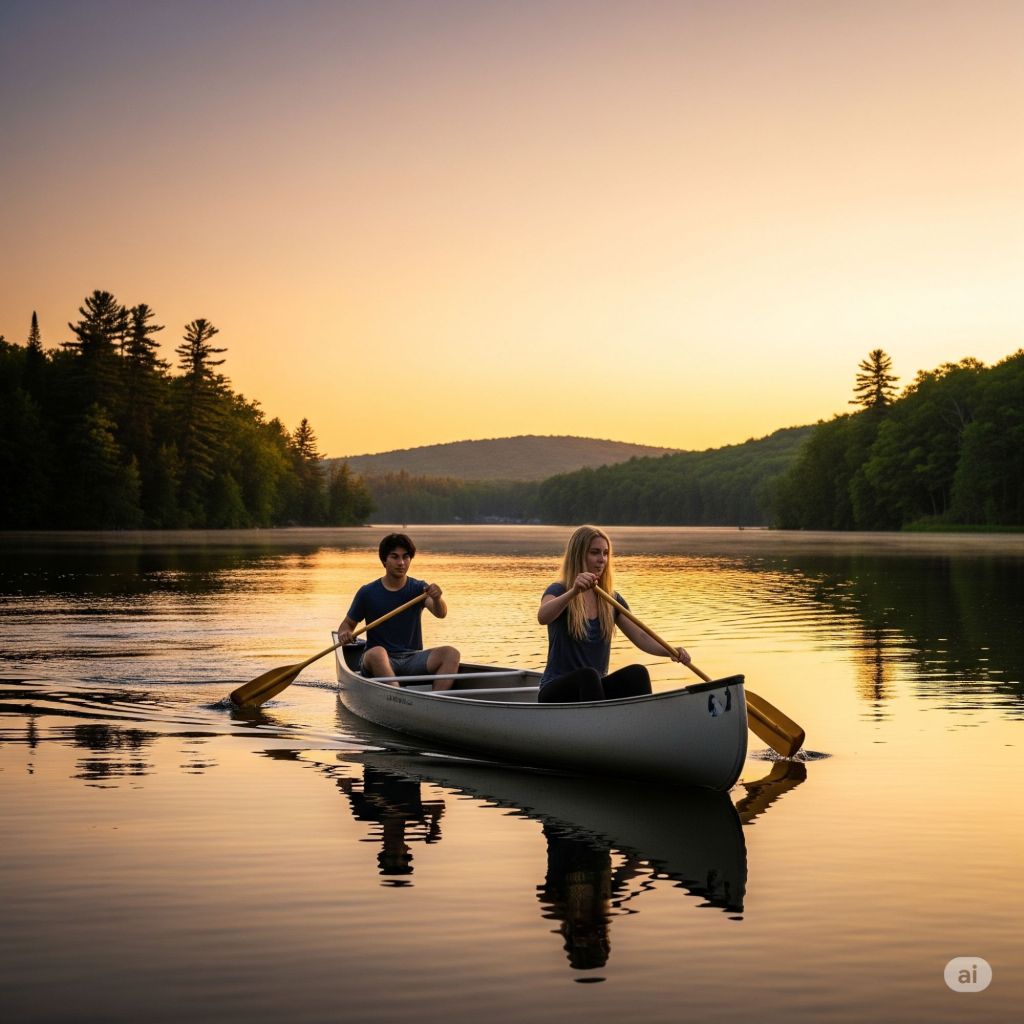
Canoe “I just deliver them-driver.”
Big Canoe
Regulated
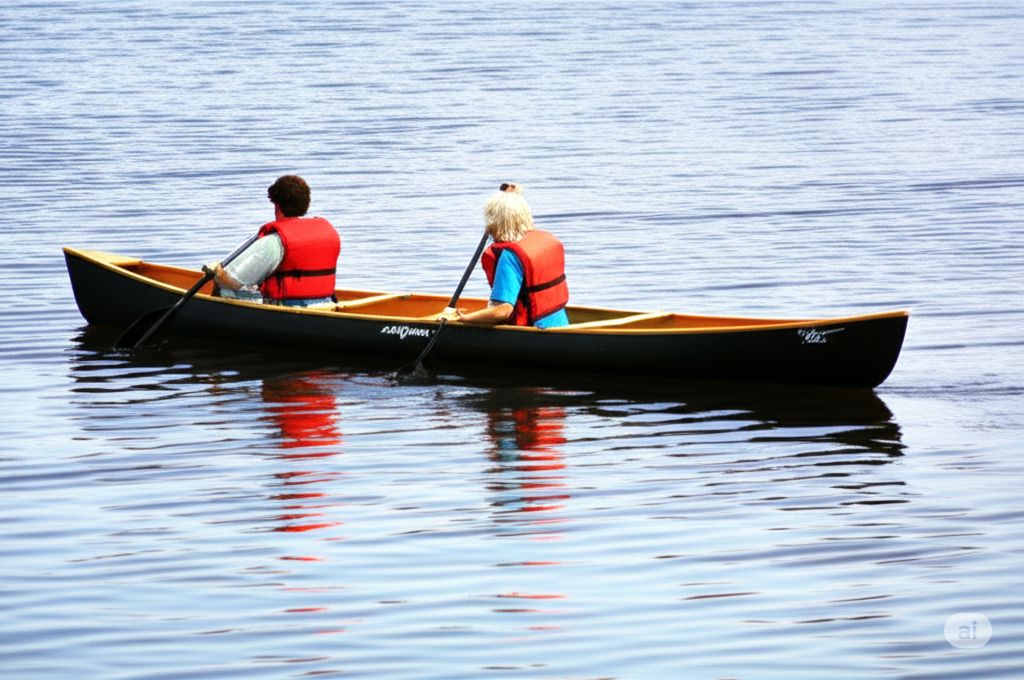
One personal floatation device for every person required. Read on….
The regulations for canoeing in Alberta are primarily governed by Transport Canada’s Small Vessel Regulations, as boating safety is a federal responsibility in Canada. Alberta also has specific regulations regarding aquatic invasive species. Here’s a breakdown of what canoes need in Alberta: Flotation Devices (Life Jackets/PFDs) * One life jacket or Personal Flotation Device (PFD) for each person on board. This is a non-negotiable requirement for all watercraft, including human-powered ones like canoes. * Canadian-approved: The life jacket or PFD must be Canadian-approved. There are three main types: * SOLAS (Safety of Life at Sea) lifejackets: High-performance, approved for all vessels, turn you on your back even if unconscious. * Standard Type lifejackets: Approved for all vessels except SOLAS, also turn you on your back even if unconscious. * Small Vessel lifejackets: Approved for small vessels. * Proper Fit: It’s crucial that the life jacket or PFD fits snugly and correctly. For children, it should not ride up over their chin or ears, and there should be less than 7.6 cm (3 inches) between their shoulders and the device. * Condition: Ripped or poorly conditioned flotation devices are not considered approved. * Inflatable PFDs: Inflatable PFDs are prohibited for people under 16 years of age or who weigh under 36.3 kg (80 lbs.), and for operators of personal watercraft. Paddle Equipment and Other Required Safety Gear
Measure your boat for the activity requirements.
For canoes up to 6 meters (19’8″) in length, you generally need the following, in addition to life jackets/PFDs: * Buoyant Heaving Line: A buoyant heaving line at least 15 meters (50 feet) long. * Bailing Device: A bailer or a manual bilge pump. (Note: Not required for craft with watertight compartments that won’t allow the craft to hold enough water to capsize). * Sound Signalling Device: A sound signalling device (like a pea-less whistle for human-powered craft). * Reboarding Device (if applicable): A reboarding device (like a ladder) is required unless the vertical height to climb to reboard the pleasure craft is not more than 0.5 meters. * Navigation Lights (if applicable): If you are operating after sunset and before sunrise or in periods of restricted visibility, you need navigation lights. For a canoe, a single light (like a watertight flashlight, lantern, or torch) is sufficient. Additional Recommendations and Important Considerations * Spare Paddle: It’s always recommended to have one paddle per person in the canoe plus a spare. * Watertight Flashlight: While sometimes covered by navigation light requirements, a watertight flashlight is always a good idea, especially for low-light conditions. * First Aid Kit: Although not explicitly listed as mandatory for all canoes by Transport Canada, it’s highly recommended to carry a first aid kit. For guided excursions, specific first aid kit requirements apply. * Helmet: For river paddling, especially on Class 3 or above waters (whitewater), a helmet of an appropriate size is required. Paddle Canada also requires helmets on all Class II and above waterways for sanctioned courses and participants. * Aquatic Invasive Species (AIS) Regulations: Alberta has strict regulations to prevent the spread of aquatic invasive species, such as zebra and quagga mussels. * Drain Plugs: All watercraft must have their drain plugs pulled while being transported on Alberta highways. Failure to do so can result in a significant fine. * Watercraft Inspections: When highway signage indicates a watercraft inspection station is open, all watercraft (motorized and non-motorized) being transported must stop for inspection. Bypassing an open station with a watercraft is a serious violation. * Clean, Drain, Dry, and Certify: Before entering a new waterbody, you are required to clean, drain, and dry your watercraft and all water-related gear. In some areas, like Banff National Park, you may need to obtain an AIS prevention self-certification permit. * No “Boating License” for Canoes (unmotorized): You do not need a Pleasure Craft Operator Card (often referred to as a “boating license”) to operate a human-powered craft like a canoe, unless it is fitted with a motor (even an electric trolling motor). * Alcohol Consumption: Operating a boat while under the influence of alcohol or drugs is a criminal offense. Alcohol consumption is generally restricted on board unless the boat has a sleeping area, cooking facilities, or a toilet, or is docked. It’s always a good idea to consult the Transport Canada Safe Boating Guide and the Alberta.ca website for the most current and detailed information on regulations. These resources provide comprehensive lists and explanations of safety equipment and rules.
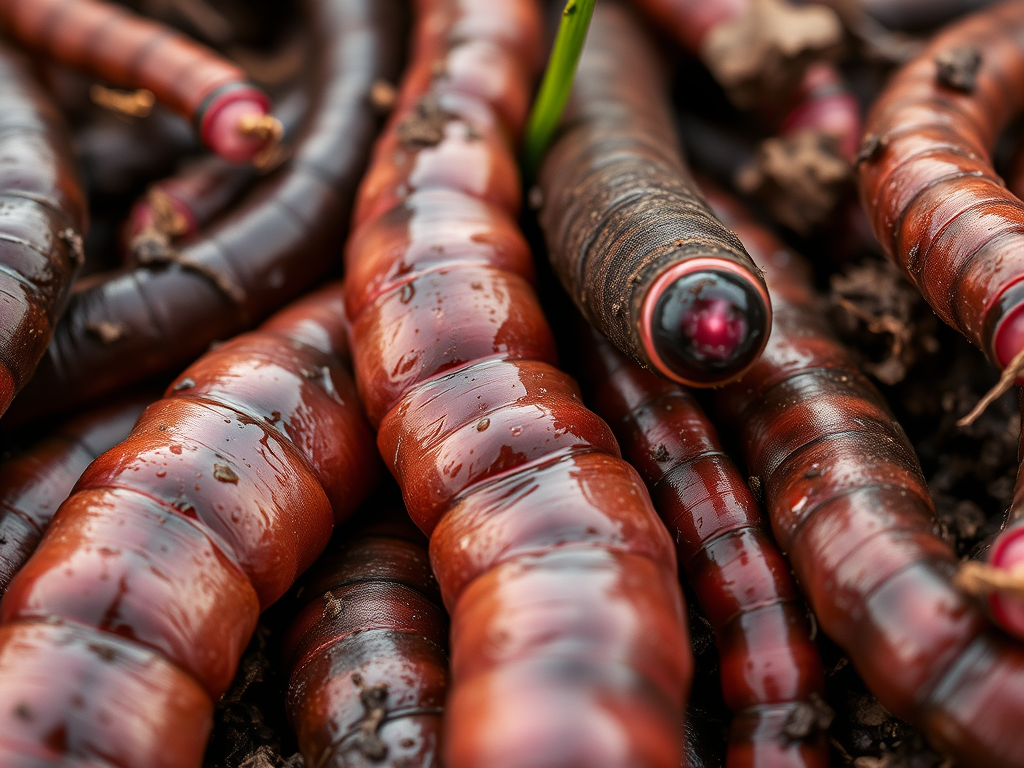
Earthworms are incredibly beneficial for our environment, gardens, and lawns. They are often called “nature’s engineers” due to their significant impact on soil health. Here’s a breakdown of the many advantages they offer:For Soil Health and Fertility: * Nutrient Cycling and Fertilization: Earthworms consume dead organic matter like leaves, grass clippings, and plant debris. As this material passes through their digestive system, it breaks down and becomes highly concentrated with essential nutrients (like nitrogen, phosphorus, and potassium) in their excretions, known as “castings” or “worm poop.” These castings are a natural, nutrient-rich fertilizer readily available for plants. * Organic Matter Decomposition: By ingesting and breaking down organic matter, earthworms accelerate its decomposition, preventing the buildup of thatch in lawns and making nutrients locked within these materials available for plants. * Increased Microbial Activity: Earthworms foster a thriving microbial community in the soil. Their digestive systems introduce beneficial microorganisms into the soil, which are crucial for nutrient cycling and overall soil biological activity. * Improved Soil Structure and Aggregation: As earthworms burrow, they create tunnels that loosen and aerate the soil. This prevents soil compaction and creates a more porous structure. Their castings also help to bind soil particles together, forming stable aggregates that improve soil tilth and stability.For Water Management: * Enhanced Water Infiltration and Drainage: The tunnels created by earthworms act as channels, allowing water to penetrate the soil more easily and deeply. This significantly improves drainage, reducing waterlogging and runoff, which in turn helps prevent erosion and flooding. Soils with earthworms can drain up to 10 times faster than those without. * Improved Water Retention: The improved soil structure with better aggregation allows the soil to hold onto moisture more effectively, making water more accessible to plant roots.For Plant Growth: * Deeper Root Penetration: The tunnels created by earthworms provide pathways for plant roots to grow deeper into the soil, allowing them to access more water and nutrients. * Increased Plant Productivity: By enhancing nutrient availability, water infiltration, and soil structure, earthworms directly contribute to healthier and more robust plant growth. Studies have even shown that earthworms can contribute significantly to global grain and legume production.Other Environmental Benefits: * Bioremediation: Earthworms can help clean up contaminated land by spreading microorganisms that break down environmental pollutants into non-toxic molecules. * Food Source: Earthworms are a vital part of the food web, serving as a food source for many animals, including birds and small mammals. * Indicators of Soil Health: A healthy population of earthworms in your soil is often a good indicator of overall soil health, as they thrive in moist, organic-rich environments.In summary, earthworms are indispensable allies in maintaining healthy, fertile soil. Their presence in our gardens, lawns, and natural environments is a strong indicator of a thriving ecosystem, contributing to robust plant growth, efficient water management, and natural nutrient cycling.
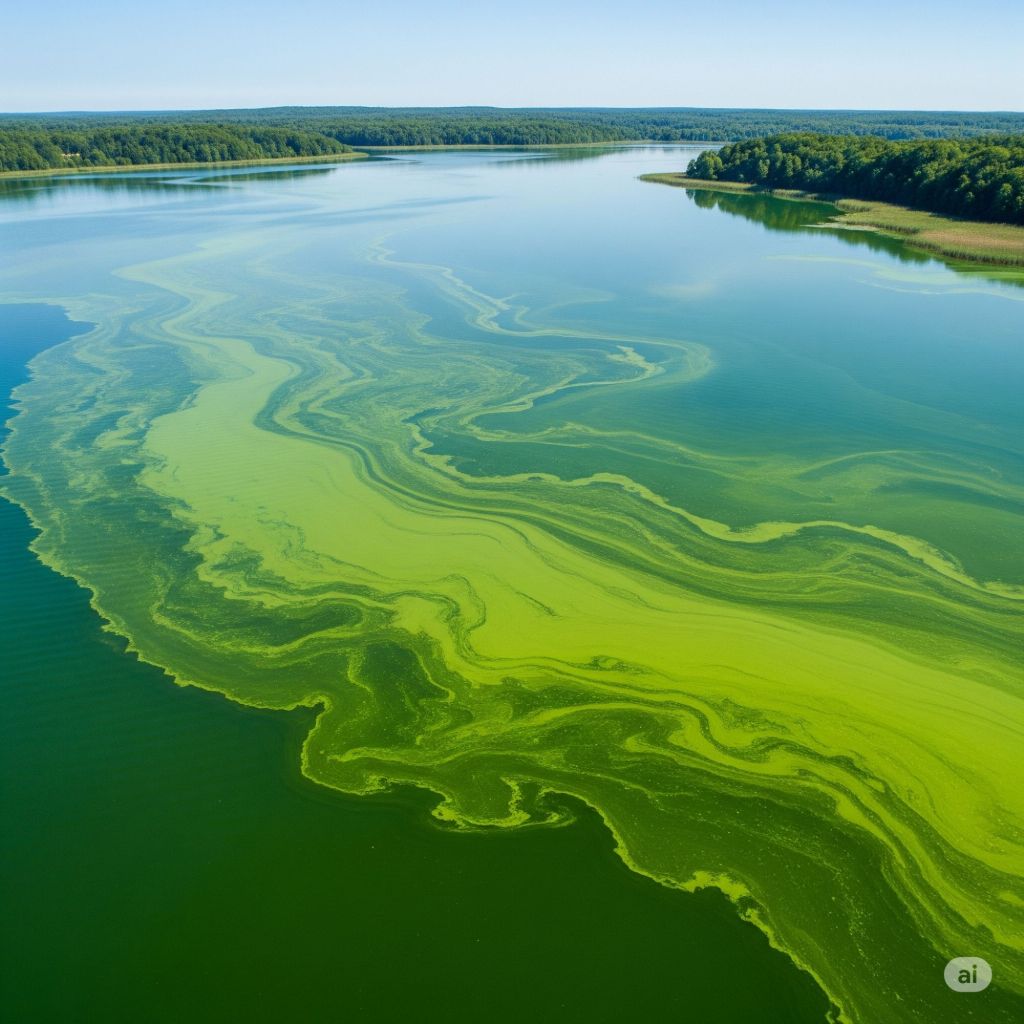
Warm and low water levels make for rapid toxicity.
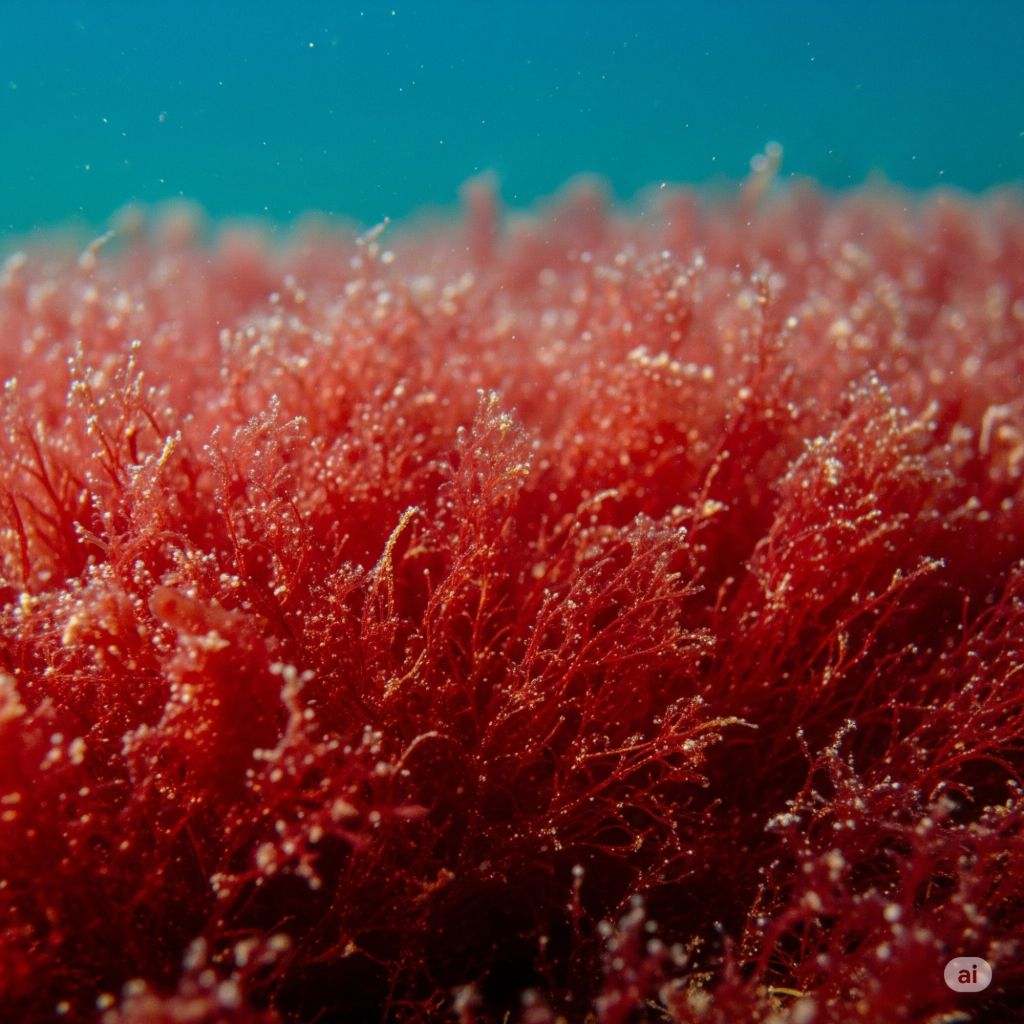
Blue green and red, the red can photosynthesize in deeper water.
As of late June 2025, there are current advisories and responses in place for algae blooms on Nicola Lake, near Merritt, BC. Here is a summary of the situation and the responses from local authorities: Algae Bloom Advisories and Status: * Current Advisories: BC Parks and Interior Health are currently advising the public about potential blue-green algae blooms on Nicola Lake. Visitors are urged to use caution and avoid direct contact with any visible blooms. * Water Activity Discouragement: Water activities like swimming are discouraged in areas where blooms are present. * Previous Closures: It’s important to note that Nicola Lake has a history of toxic algae blooms, with advisories and beach closures occurring in previous years. For example, advisories and closures were in place in July 2023 due to the presence of cyanobacterial toxins. These advisories were lifted once water samples tested negative for toxins. * Monitoring: The First Nations Health Authority and Interior Health continue to monitor Nicola Lake, as well as nearby lakes like Douglas Lake and Chapperon Lake, for algae blooms. Responses and Recommendations: * Avoid Contact: The primary recommendation from health authorities is to avoid any contact with the water if you see a bloom. This includes swimming, boating, and waterskiing. * Rinse Off: If you do come into contact with the water, rinse your body with clean water immediately. * Drinking Water: If you use Nicola Lake as a source of drinking water, you should use an alternate source, such as bottled water. Boiling the water will not remove the toxins. * Pets and Livestock: Use an alternate drinking water source for pets and livestock as well. * Symptoms: Exposure to cyanobacteria toxins can cause symptoms such as dizziness, cramps, diarrhea, skin rash, and mouth blisters. If you or your pet show these symptoms, contact a physician or veterinarian immediately. * Citizen Science: The BC Algae Watch program encourages the public to report algae bloom sightings, which helps experts monitor and understand their occurrence. * Continued Monitoring: Interior Health and BC Parks continue to monitor the situation and will update the public as required. They have a public beaches website where they post current advisories and closures. * Foreshore Management: In a long-term effort to improve the health of Nicola Lake, the Upper Nicola Indian Band and Living Lakes Canada have been collaborating on foreshore management and monitoring projects, using both scientific data and Indigenous knowledge to guide their work. What is an Algae Bloom? Algae blooms are a natural phenomenon, but their frequency and severity can increase due to factors like excessive nutrient loading and warmer water temperatures. The blooms in Nicola Lake are often caused by cyanobacteria, also known as blue-green algae. While some algae are harmless, cyanobacteria can produce toxins that are harmful to people, pets, and livestock. These blooms can look like pea soup, have a paint-like appearance, or form thick scums on the water’s surface, and they can produce a strong, unpleasant odor.
Dog death, Nicola Lake
There are reports of at least one dog’s death and its exposure was not that long and its contraction of bacteria fairly rapid. This is the recent weekend, first of July.
Red tide and red algae
Red algae, also known as Rhodophyta, are a diverse group of mostly marine macroalgae (seaweeds) that get their characteristic red color from pigments called phycobiliproteins, particularly phycoerythrin. This pigment allows them to absorb blue light, which penetrates deeper into the ocean, enabling them to photosynthesize at greater depths than most other algae. They play crucial roles in marine ecosystems, including contributing to reef formation. Some species, like Nori (Porphyra) and Dulse (Palmaria palmata), are consumed as food, while others are used to produce industrial products like agar and carrageenan due to their gelling and thickening properties. Toxicity: Red Algae vs. Blue-Green Algae When discussing toxicity, it’s important to distinguish between “red algae” as the broader group (Rhodophyta) and “red tide,” which is a specific type of harmful algal bloom (HAB) often caused by certain dinoflagellates. While some red algae can be consumed safely, “red tide” blooms are often associated with toxins. Here’s a comparison of toxicity between “red tides” (often caused by dinoflagellates, sometimes referred to as red algae due to their color) and blue-green algae (cyanobacteria): * Blue-green algae (Cyanobacteria): These are a common cause of harmful algal blooms in freshwater environments (lakes, rivers). They produce toxins called cyanotoxins, which can affect the liver (microcystins), nervous system (anatoxins), or skin. Exposure can lead to symptoms like skin irritation, gastrointestinal issues, and in severe cases, liver damage or neurological problems. Animals and humans can get sick by touching, swallowing, or inhaling contaminated water. * Red Tides (Dinoflagellates and some Diatoms): These are the most common cause of harmful algal blooms in saltwater environments. While they can sometimes be caused by dinoflagellates that are red or brown, they are not typically from the larger group of red algae (Rhodophyta). The toxins produced vary by species but can include: * Brevetoxins (from Karenia brevis): Cause neurotoxic shellfish poisoning, leading to gastrointestinal and neurological symptoms, and respiratory irritation when airborne. * Saxitoxins (from Alexandrium species): Cause paralytic shellfish poisoning, which can be severe and life-threatening, affecting the nervous system and leading to paralysis. * Domoic acid (from Pseudo-nitzschia species, a diatom): Causes amnesic shellfish poisoning, which can lead to gastrointestinal and neurological symptoms, including memory loss. Which is “more toxic”? It’s difficult to definitively say which is “more” toxic as the severity of illness depends on the specific toxin, the concentration of the bloom, and the level of exposure. Both blue-green algae and the organisms causing red tides can produce highly potent toxins that can cause severe illness or death in humans and animals. Key takeaways: * Red algae (Rhodophyta), as a general group, are diverse, and many species are harmless and even consumed as food. * “Red tide” refers to harmful algal blooms in saltwater, often caused by dinoflagellates or diatoms, which can produce dangerous toxins. These are distinct from the broader category of red algae. * Blue-green algae (cyanobacteria) are a major concern for harmful blooms in freshwater and can also produce potent toxins. In any case where there’s suspected algal bloom, it’s crucial to avoid contact with the water and follow local advisories, as you cannot tell if a bloom is toxic just by looking at it.
Canadian independence from the US, need and globalization has the agenda from ecology preservation – Suzuki.
New PM talking pipelines
Dr. Suzuki is concerned that the well-being of Canada’s been hijacked or is being hijacked and that the current government along with it has backed away from unnecessary emphasis on the environment.
Extinction of creatures, two generations.
A human generation is generally considered to be about 20-30 years, with recent research suggesting an average of around 27-30 years. Therefore, “two human generations” would refer to a period of roughly 40-60 years. It’s incredibly difficult to give an exact number of creatures that have gone extinct in such a recent timeframe due to several factors: * Many species are undiscovered: Scientists estimate there are millions of species on Earth yet to be identified, especially in lesser-explored environments like deep oceans or rainforests. Many could go extinct before we even know they exist. * Difficulty in confirming extinction: It can take many years, even decades, of no confirmed sightings before a species is officially declared extinct. * Varying definitions of “creature” or “species”: This can include everything from insects and fungi to large mammals, and the data available often focuses on more well-known or charismatic species. However, scientific consensus indicates that we are currently in the midst of a sixth mass extinction event, driven primarily by human activities. The current extinction rate is estimated to be 1,000 to 10,000 times higher than the natural background rate. While precise numbers for the last 40-60 years are hard to pinpoint, some reports highlight the alarming trends: * Some estimates suggest that dozens to hundreds of species go extinct every day, though this often includes unconfirmed or localized extinctions. * The World Wildlife Fund’s Living Planet Index reported a 73% decline in the average size of global wildlife populations in just 50 years (between 1970 and 2020), which indicates widespread biodiversity loss even if not all species are officially declared extinct. * A 2019 UN report stated that around 1 million animal and plant species are now threatened with extinction, many within decades. It also noted that at least 680 vertebrate species had been driven to extinction since the 16th century. In summary, while a precise number is elusive, the scientific community overwhelmingly agrees that a significant and alarming number of creatures have gone extinct in the last two human generations, and the rate of extinction is accelerating due to human impact.







 Kevin Griffiths
 percypaschal
 The Proprietor Review