You are presumed to be honest and responsible without evidence to the contrary beyond a reasonable doubt… on the balance of probablilties you are justified by 51 % likelyhood.
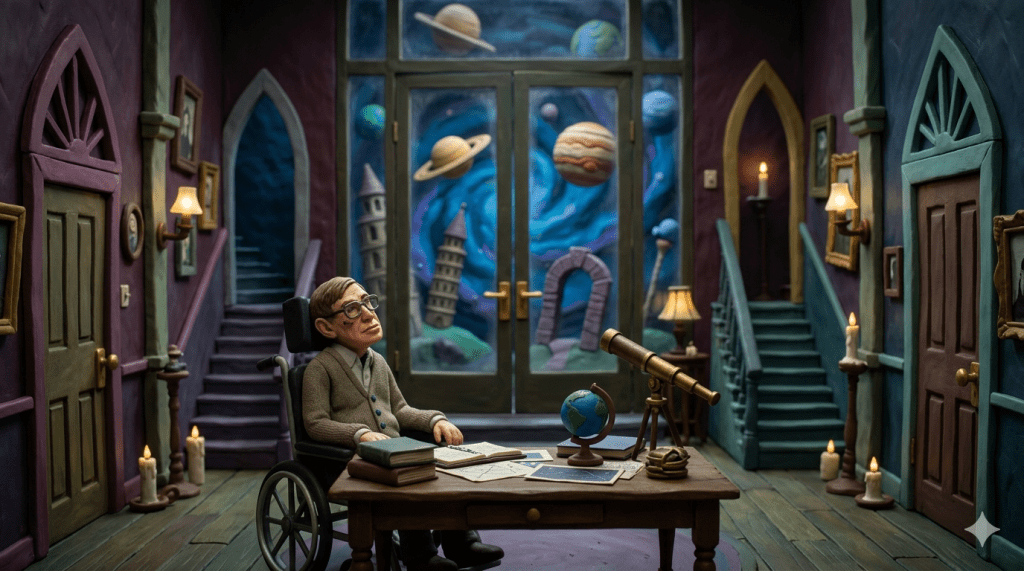
Stephen Hawking’s, the planetary scientist and the theological physicist passed away at the age of 76 a number of years ago on March 14th. So we remember him fondly today as somebody. That was very curious and was a good example for us to be curious and at the same time, productive, stable, and personable.
Since we are already halfway through the month, the first half’s events like the Quadrantids and Jupiter’s official opposition have passed. Here are four significant astronomical events occurring after January 16, 2026, that offer great scientific intrigue and visual appeal.
1. New Moon “Dark Sky” Window (January 18)
On January 18, the Moon reaches its New Moon phase, meaning it will be positioned between the Earth and the Sun and will not be visible in the night sky. * Scientific Value: For astronomers, the days surrounding a New Moon are the most critical for “deep-sky” observation. Without the interference of reflected moonlight (light pollution from space), faint objects like the Andromeda Galaxy and the Orion Nebula become visible even through standard binoculars. * What to look for: This is the best time to head to a dark-sky location to see the Milky Way’s winter arm in its full, dusty detail.
Comet Wierzchos reaches its perihelion (closest approach to the Sun) on January 20. As it swings around the Sun, the heat causes the comet’s ice to sublimate, creating a glowing “coma” and a tail of dust and gas. * Intrigue: Comets are essentially “time capsules” of the early solar system. While this specific comet is expected to be around magnitude 8 (requiring a small telescope or good binoculars), its appearance provides a real-time look at primitive solar system material. * Viewing Tip: Look low toward the southwest horizon shortly after sunset.
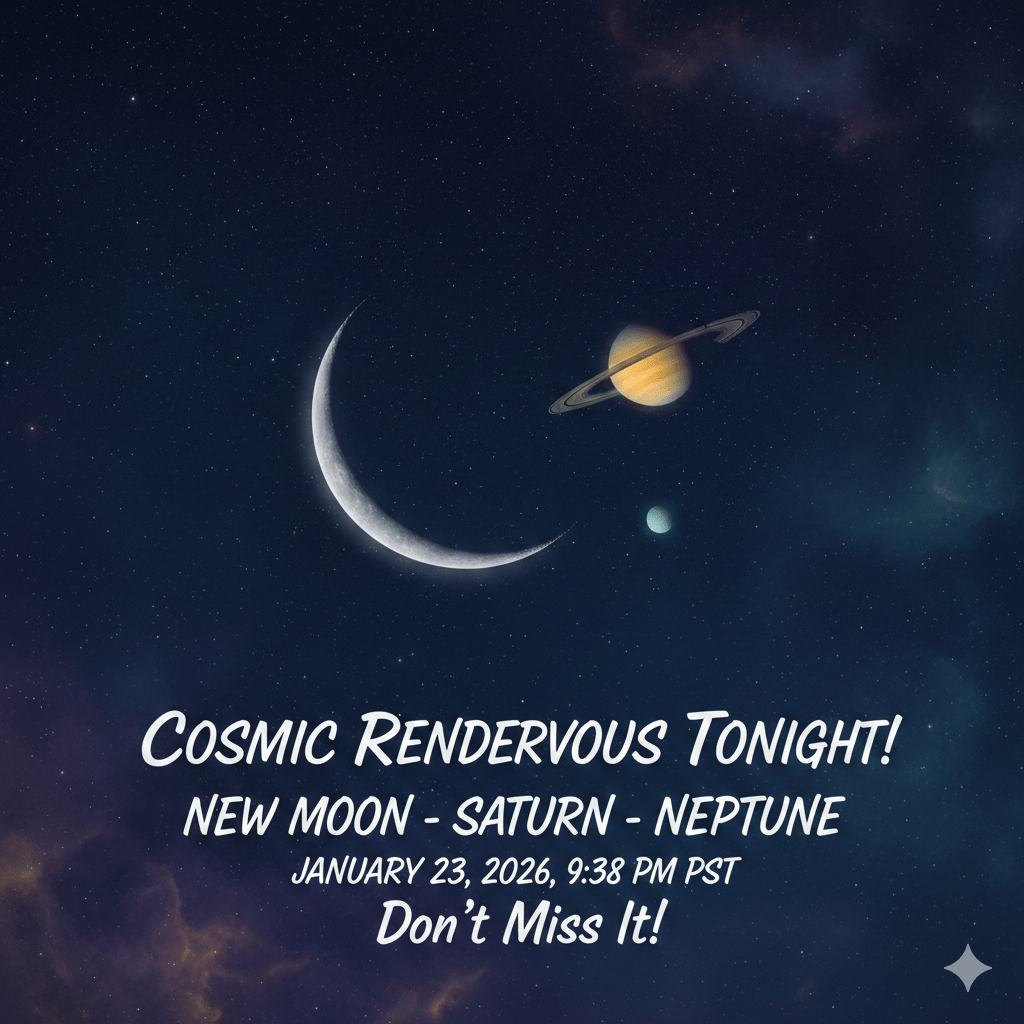
3. Conjunction of the Moon, Saturn, and Neptune (January 22–23)
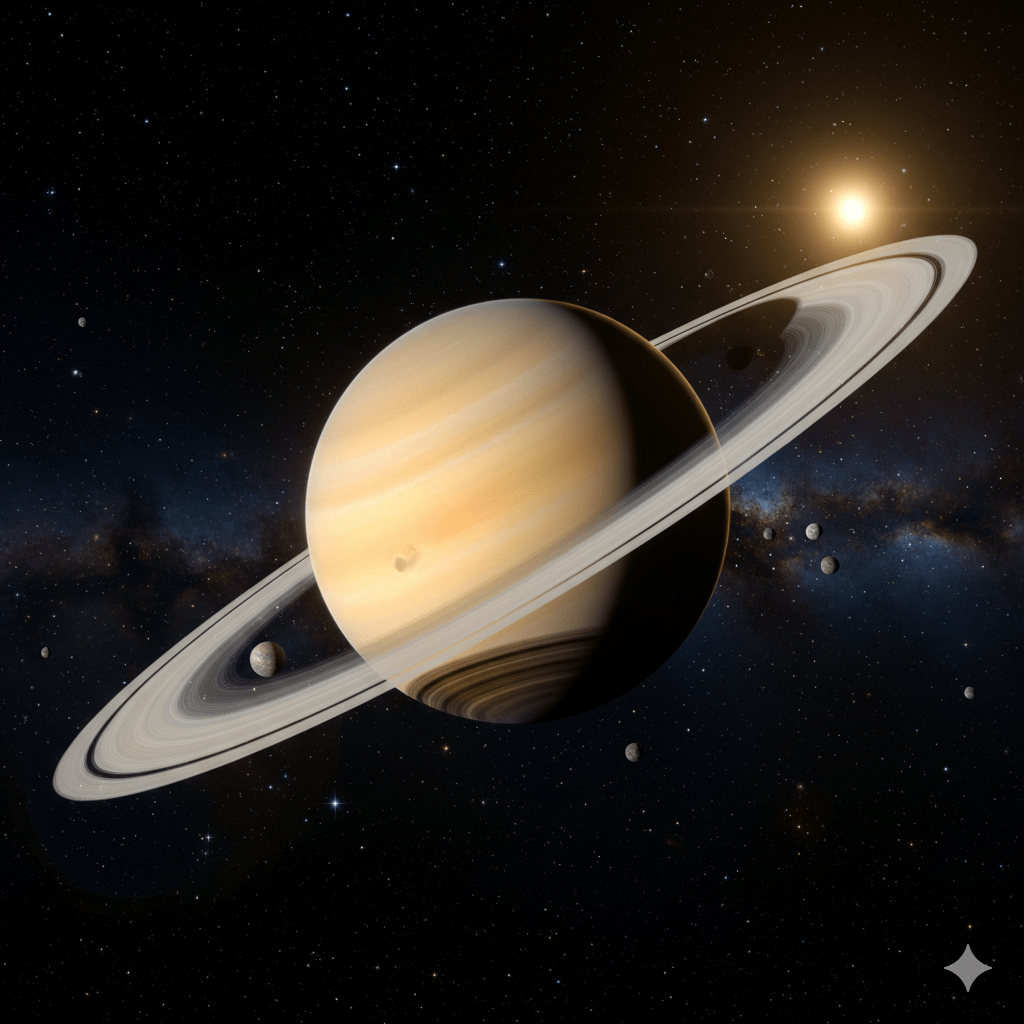
On these two evenings, a thin, waxing crescent Moon will drift remarkably close to the ringed planet Saturn and the distant ice giant Neptune. * Scientific Value: These alignments (conjunctions) are perfect for “star-hopping.” Neptune is usually incredibly difficult to find because of its distance and dimness. On January 23, Saturn and the Moon act as celestial signposts, allowing amateur astronomers to point their telescopes at the exact spot needed to glimpse the tiny, blue-hued disk of the solar system’s outermost major planet.
* Visual: The “Earthshine” effect—where the dark part of the Moon is dimly lit by sunlight reflecting off Earth—will be particularly beautiful on these nights.
4. First Quarter Moon & The Pleiades (January 25–27)
As the month closes, the Moon will reach its First Quarter phase on January 25, moving steadily toward the famous Pleiades (Seven Sisters) star cluster. * Scientific Intrigue: This is a “high-contrast” period. The shadows along the Moon’s terminator line (the line between light and dark) are at their longest, making it the best time to see the staggering vertical relief of lunar mountains and the deep bowls of craters like Copernicus. * The Highlight: On the night of January 27, the Moon will appear very close to the Pleiades. This provides a stunning scale comparison between our singular, rocky Moon and a “nursery” of hundreds of young, hot-blue stars located 444 light-years away.
Would you like me to find the exact coordinates for Neptune during the January 23rd conjunction, or perhaps a guide on how to spot the Orion Nebula during the New Moon?Ai
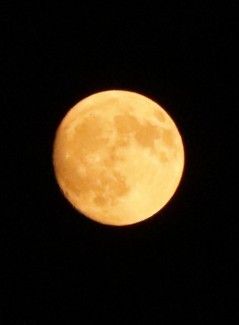
Circa 1900 hrs November 2nd 2025.Merritt BC, Canada.
Photo: KDG
This Beaver Moon in development for November 5th. Fullness has a blue tinge on it we suspect it may be coming from its proximity to Saturn as we have in our attempts to get photos of it, had a blue 💙 hue below and to the right of center of the Moon.
The November 2025 sky promises a spectacular display, headlined by the closest and brightest Supermoon of the year!🌕 The November 5 Supermoon in British ColumbiaThe Full Moon in November is traditionally called the Beaver Moon. This year, it’s also a Supermoon, meaning the Full Moon coincides with the Moon’s closest approach to Earth (perigee), making it appear slightly larger and brighter than an average Full Moon. In fact, this is being called the biggest Supermoon of 2025.| Detail |
Time (PST – Pacific Standard Time) ||—|—|| Exact Peak Illumination | Wednesday, November 5 at 5:19 AM PST || Approximate Moonrise (Vancouver) | Tuesday, November 4 around 4:00 PM PST || Approximate Moonset (Vancouver) | Wednesday, November 5 around 7:37 AM PST |Note on Timing:The Moon is technically “Full” at the exact moment of peak illumination (5:19 AM PST on Nov 5th), but it will appear full to the eye for about three days, from the evening of November 4th through the evening of November 6th.What to Look For 👀The best viewing for the “super” effect is actually when the Moon is low on the horizon on the evenings of November 4th and 5th.
* The “Moon Illusion”:
When the Moon is near the horizon, a psychological phenomenon known as the “Moon Illusion” makes it look even larger next to foreground objects like trees and buildings. This will enhance the Supermoon’s effect.
* Color and Clarity:Photo KDG
Look for a deep orange or yellow colour as the Moon rises due to the Earth’s atmosphere scattering light. Since the Moon is closer, its features may appear slightly sharper if you’re using binoculars or a telescope.✨ 7 Other Celestial Events in November 2025November offers excellent viewing opportunities for planets and two notable meteor showers.1. Planets in the Evening Sky
* Saturn
(All Month):
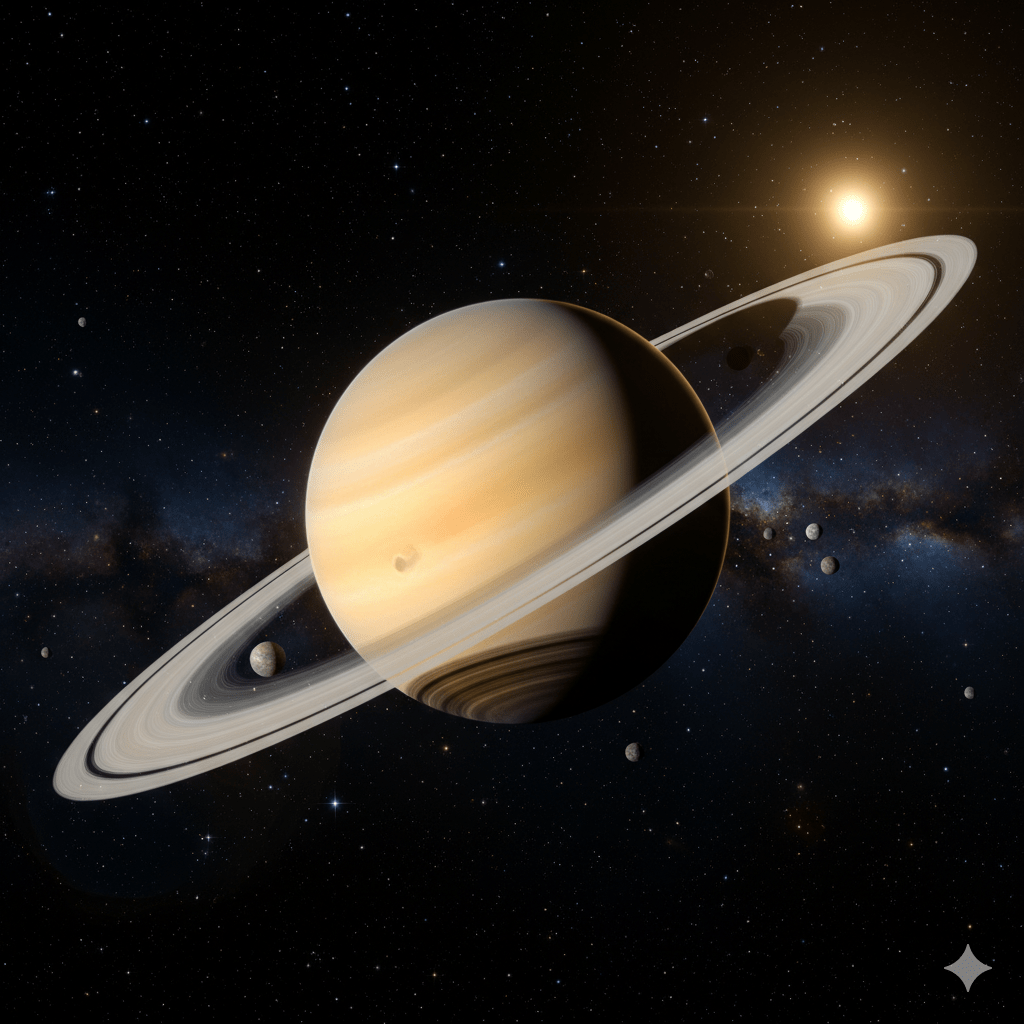
The ringed planet is an excellent viewing target throughout November. Look to the southeast after sunset; it will be a bright, yellowish “star” visible well into the night. On November 2nd and again on November 29th, the Moon will pass close by Saturn. * Mercury (Early November): The tiny planet reaches its highest altitude in the evening sky around November 1st–2nd. Look low in the west shortly after sunset. It’s usually difficult to spot, so this is your best chance for the month.2. Planets in the Morning Sky
* Jupiter (Late Evening/Morning):
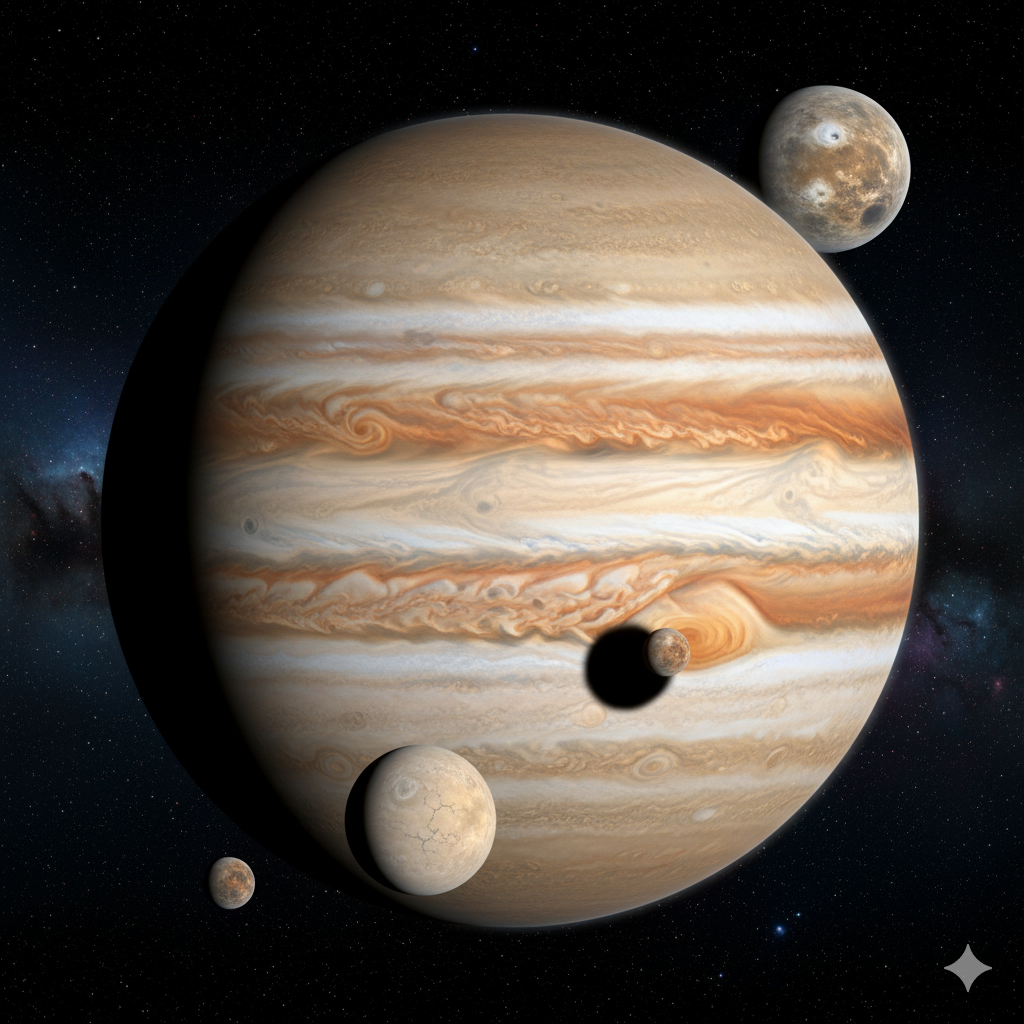
The largest planet rises in the late evening and is brilliantly visible high in the south before dawn. Its Great Red Spot and four largest moons are great targets for a small telescope. * Venus (Early Morning): This incredibly bright “Morning Star” is visible low in the east just before sunrise in the beginning of the month.3. Meteor Showers
* Northern & Southern Taurids
(Peaks Nov 4–5 & Nov 11–12): The Taurids are known for producing slow, bright meteors called fireballs, though their hourly rate is low (around 5 per hour). Look for them after midnight in the region of the constellation Taurus.
* Leonids Meteor Shower
(Peak Nov 17–18):
The Leonids are famous for being one of the fastest meteor showers. It peaks on the night of November 17th into the morning of the 18th. With the Moon being a thin crescent, the skies will be dark, allowing for better viewing of its typical rate of 10–15 meteors per hour. The radiant is in the constellation Leo, best viewed after midnight.
Uranus at Opposition…
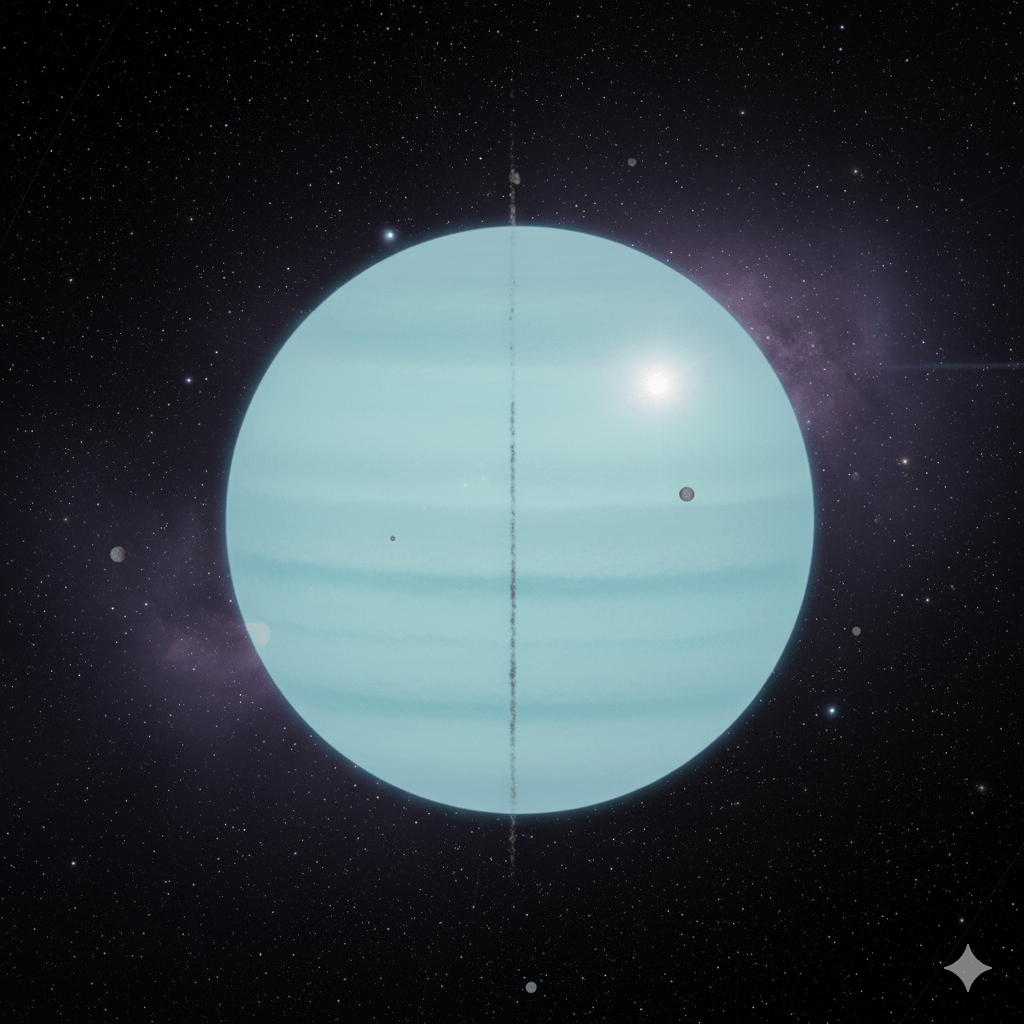
* November 21st: The planet Uranus reaches opposition, meaning Earth passes directly between it and the Sun. This is when Uranus is closest to us and at its brightest for the year. Although it will still be too dim to see with the naked eye, it can be spotted with binoculars or a small telescope in the constellation Taurus. Look for its faint, blue-green disk.
233581 Miles; this harvest Moon is the first super moon of the year and it is the closest one as yet. Today October 8th 2025 it came as close as it will, as it begins to wane, it will still appear full for a couple days. Enjoy weather permitting. Cloud cover committing.
The moon in September is 2 days away from maximum.
Photo KDG, September 5th Circa 22:30 hrs.
So, we’ve had a planetary alignment all September and August. There was a maximum of six planets lined up, the one’s missing of the eight eight were Mercury at times. Who is the messenger? God of antiquity and Mars the God of war in antiquity. So , So for your information, whether or not people are trying to be in sync with the universe or antiquity or the gods. The United States defense department just changed their name back to the war department, the next time I see Mercury I’ll ask about it.
Omens passe
Mystical stuff is interesting, this full blood moon that’s coming up is pretty significant and considering the planetary alignment going along with it and last night I saw a deer with a mane. Now is nowhere near a unicorn but it struck me as being a spiritual instrument in somebody’s mind. We know some cultures. We don’t know them all but it seems to be in tune with the Earth and the solar system and the Sun and everything is an interesting distraction to some and the stabilizing virtue to many others it would seem. Good luck after the blood moon on the 7th.








 Kevin Griffiths
 percypaschal
 The Proprietor Review