
Category: Environment


Get your flow of electrons today.

Photos by Ai
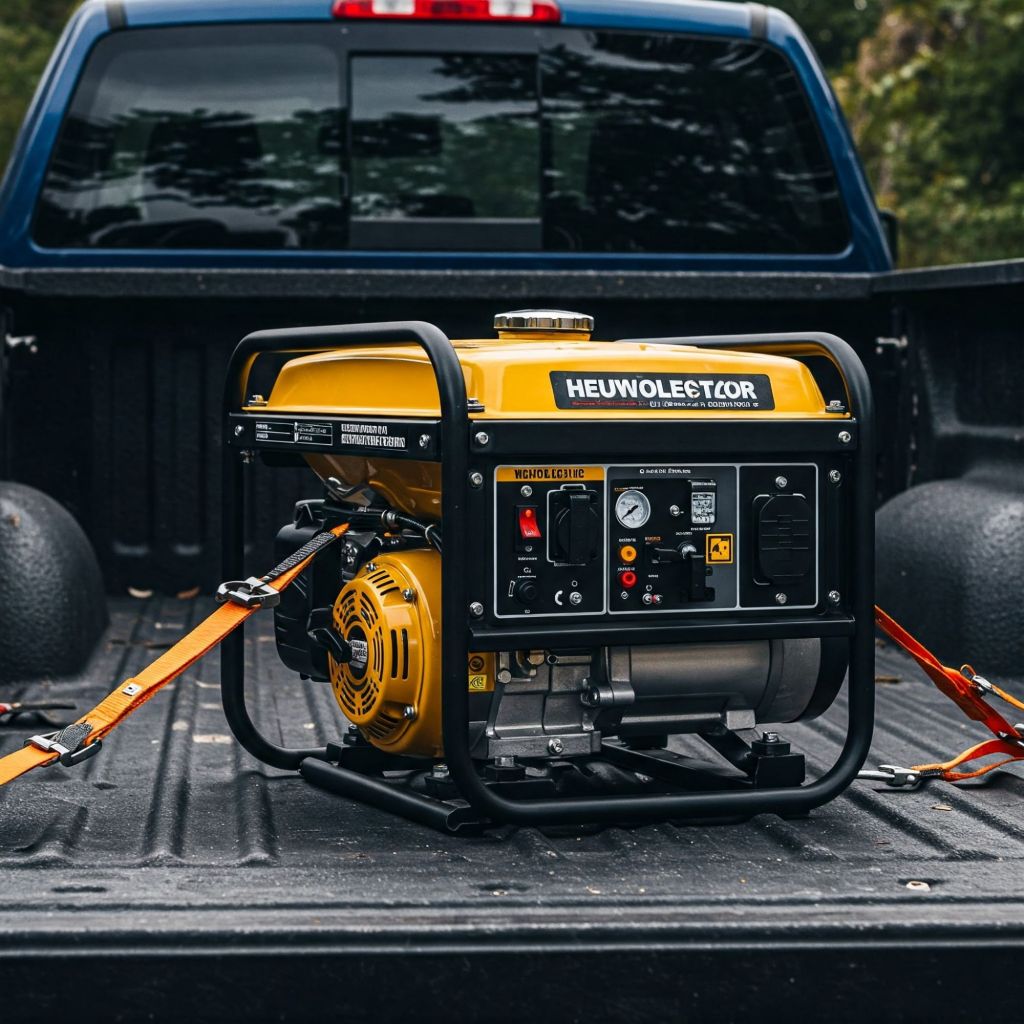
Generators are devices that convert one form of energy into another. They are commonly used to produce electricity, but they can also be used to power other devices, such as pumps and compressors.
There are many different types of generators, each with its own advantages and disadvantages. The most common type of generator is the internal combustion engine generator. These generators are powered by gasoline, diesel, or natural gas. They are relatively inexpensive and easy to maintain, but they can be noisy and produce emissions.
Another type of generator is the turbine generator. These generators are powered by steam, water, or wind. They are more efficient than internal combustion engine generators, but they are also more expensive and complex.
Generators are used in a variety of applications, including:
* Backup power: Generators can be used to provide power during power outages.
* Remote locations: Generators can be used to power homes and businesses in remote locations that are not connected to the grid.
* Construction sites: Generators can be used to power tools and equipment on construction sites.
* Emergency vehicles: Generators can be used to power lights and other equipment in emergency vehicles.
If you are considering purchasing a generator, it is important to choose the right type of generator for your needs. You should also consider the size of the generator, the fuel type, and the noise level.

Off grid or on grid every one has a use for electrical power.

Yes power is the powerful

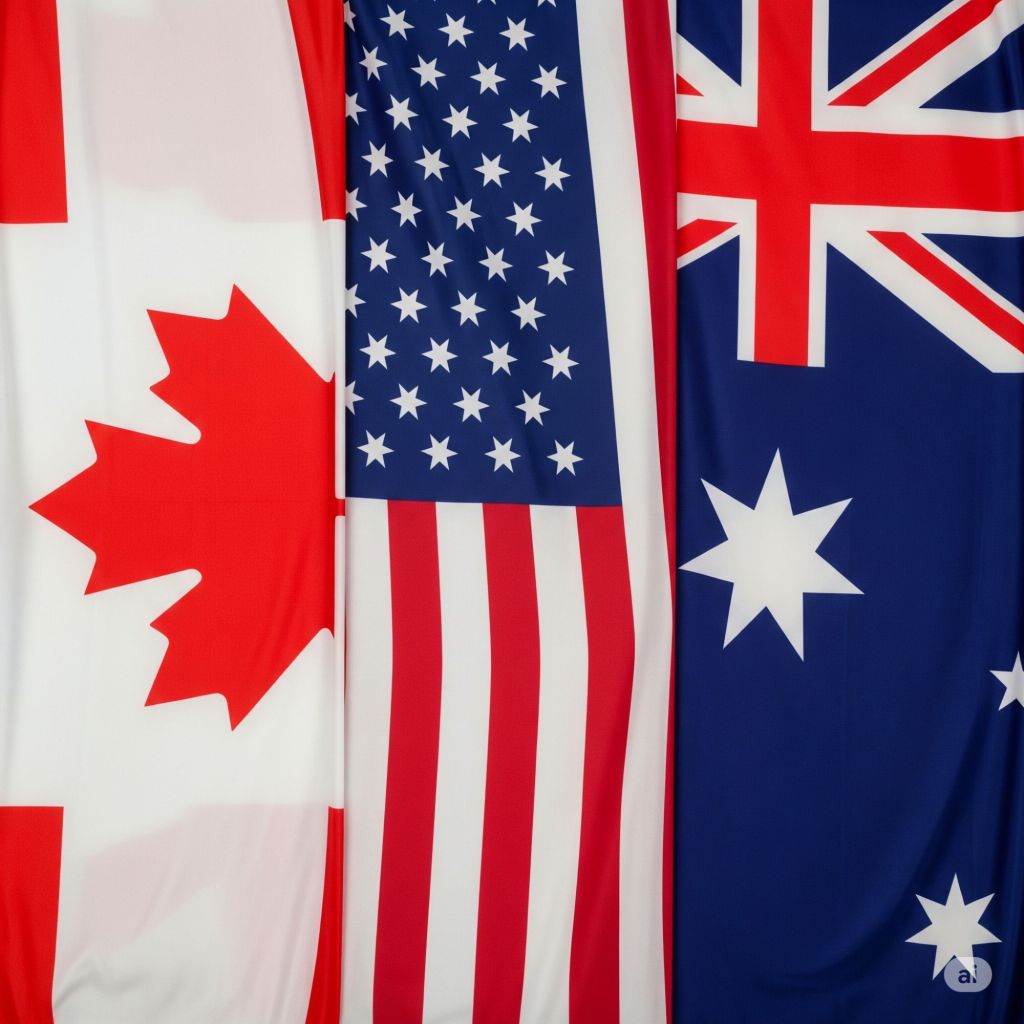
Canada Day 2025

Happy Canadian Bacon Day

Fly your colors…

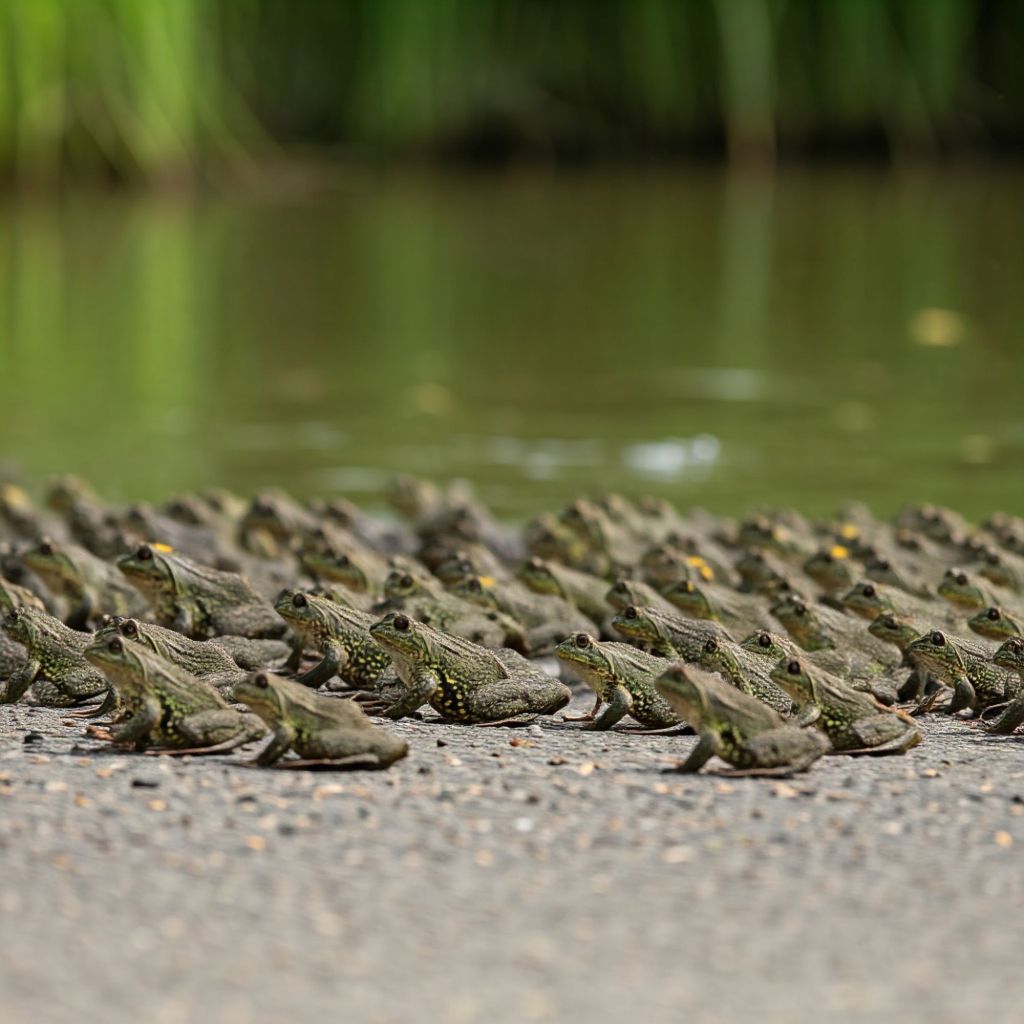
Spade foots,Frogs on the ground…

When they come for you it will be through nature and its values.

The Well-Being of the environment and active ingredients, including flora and fauna have been a regular exercise in love by some locals in the Nicola Valley and beyond.

NNS

Thank you for your diligence and perseverance.

Recent activities with amphibious creatures

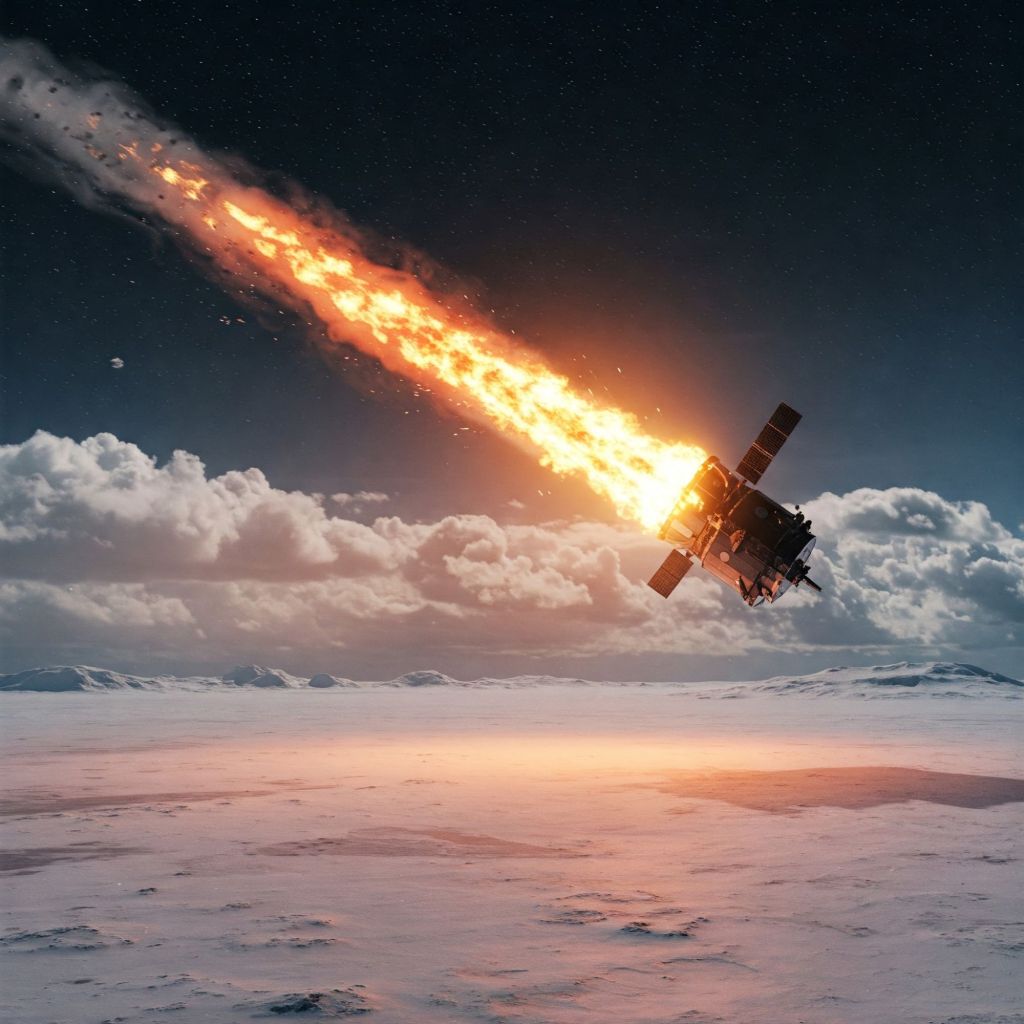
Kosmos 482

May fall to earth tonight… went to earth May 10th 2025

May 10th 2025

The spacecraft fell to Earth after 50 years of being in orbit and not landing on Venus which was designed to withstand. That hot planet was photographed by it. And it wasn’t expected to come back this way. However, they saw it coming in but they don’t know where it landed. So if you see this thing give NASA or call any other whatever space agencies. Or the police, somebody because they’re missing it.

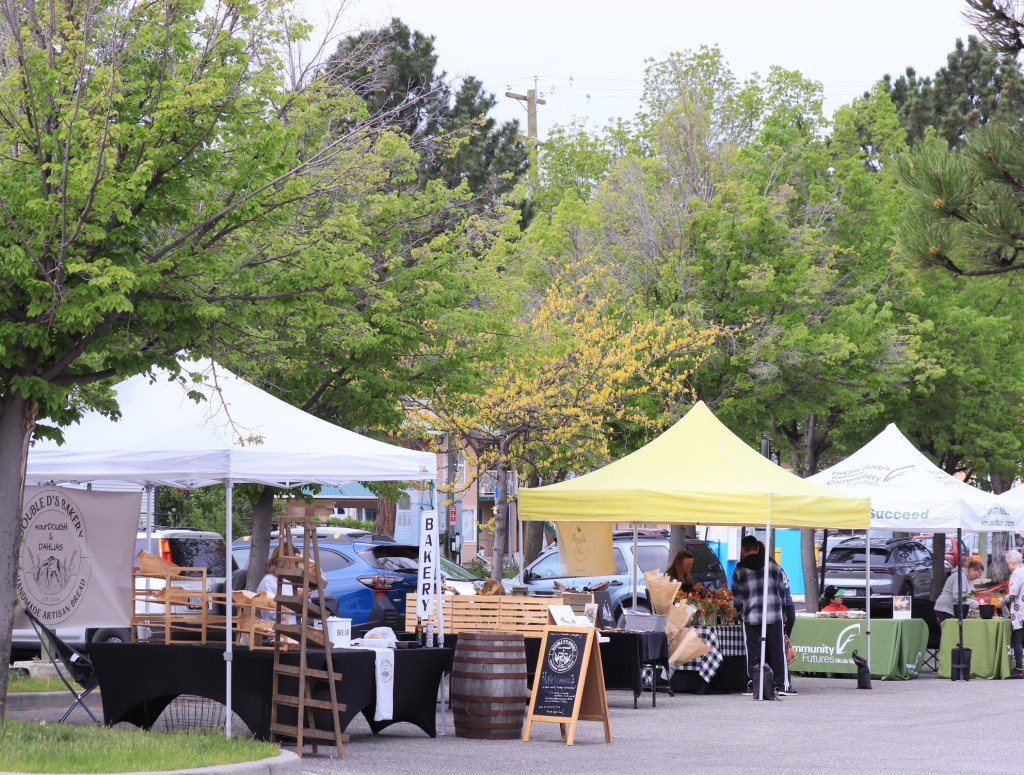
Saturday the test for the 2025 addition of the Farmers Market was successful. A number of vendors put up displays and offered goods and services to many … The Market runs to The end of October with Saturday morning graced by locals and visitors alike. New city signage asks for entry from Mamette Avenue parking is available in the mall area anchored by the Arena and Aquatic center .

The Market is next to the downtown Tourist info center 2202 Voght Street in Merritt. The market is open Saturday mornings and early afternoon.

See Merritt.ca for times and details …

Prey for a red listed weasel …

Mae Frank

The Fishers Fight for food…

Presentation at the NVIT lecture theater, top of the hill Bellshaw Avenue in Merritt British Columbia, Canada.

Membership or donation requested, fundraising auction for donated goods. The side table during the break raises money for our scholarship to an nvit student.

Free parking. No food or drink in the electric theater. This is what the naturalist likes to say.

Weather

New moon brings King tides to BC

King Tides are the highest high tides of the year at a coastal location, significantly above the average high tide. They are a natural and predictable phenomenon that occurs once or twice annually in coastal areas. The scientific term for a King Tide is a perigean spring tide.
What causes King Tides?
King Tides happen due to a combination of astronomical factors:
* Alignment of the Earth, Moon, and Sun: The gravitational forces of the sun and moon have the greatest effect on Earth’s tides when these three bodies are aligned (during new and full moons). These are called spring tides, which occur about every two weeks.
* Moon’s Orbit: The Moon’s orbit around the Earth is elliptical, meaning there are times when the Moon is closer to the Earth (perigee) and farther away (apogee). When a new or full moon coincides with the Moon being at its closest point to Earth (perigean spring tide), the gravitational pull is stronger, resulting in higher tides.
* Earth’s Orbit: Similarly, the Earth’s orbit around the Sun is also elliptical. The Earth is closest to the sun (perihelion) in early January and farthest away (aphelion) in early July. When a perigean spring tide occurs around the time Earth is closest to the sun, it can further enhance the tidal range, leading to King Tides.
King Tides result in both the highest high tides and the lowest low tides of the year.
King Tide Situation in British Columbia
While I don’t have specific real-time information about a “current King Tide situation” as of today, April 30, 2025, King Tides are a recurring event in British Columbia, typically occurring during the winter months (November to February) and sometimes in the summer.
Here’s what is generally known about King Tides in BC:
* Timing: The highest risk of King Tides in BC usually falls between late December and early January. There can also be significant King Tide events in other winter months.
* Potential Impacts: King Tides can cause minor flooding in low-lying coastal areas. When combined with storm surges (sea level rise due to low atmospheric pressure and strong winds), they can lead to more significant coastal flooding and erosion.
* Sea Level Rise Connection: King Tides are not caused by climate change. However, they offer a glimpse into what future average high tides could look like as sea levels rise due to global warming. Observing King Tides helps communities understand and prepare for the long-term impacts of sea level rise on coastal infrastructure and ecosystems.
* Monitoring and Preparedness: Municipalities in coastal BC, such as Vancouver and Delta, often monitor King Tide forecasts and may take precautionary measures like closing sections of seawalls or providing sandbags to residents in flood-prone areas. They also use King Tide events to gather data and photos to help with flood hazard mapping and long-term adaptation strategies for sea level rise.
* Citizen Science: In the past, initiatives like the “King Tide Photo Initiative” in BC encouraged residents to photograph coastal areas during King Tides to document the extent of the flooding and visualize future sea levels.
For the most up-to-date information on any current or upcoming King Tide events in British Columbia, I recommend checking the following:
* Local News Outlets: They often report on anticipated King Tides and any associated risks or impacts.
* Tide Charts and Predictions: Websites that provide tide predictions for specific locations in British Columbia will show the dates and times of the highest tides of the year.
* Municipal Government Websites: Coastal municipalities often issue advisories or updates related to King Tides and potential flooding.
* Environment and Climate Change Canada: They provide weather warnings and information that could be relevant during King Tide events.
Keep in mind that even if a King Tide is predicted, the actual impact can vary depending on weather conditions such as wind and atmospheric pressure, which can either exacerbate or lessen the effects.

What kind of seed?…  Happy Easter.

Seed pod

Accept the seed fall to the ground and die it abides alone.

You can use that as a metaphor for thoughts or projects or anything. But the reality is biology is out there and it wants to get its way. Look what it did with you.

Mars on track…

Lunar landing

Well would a tariff  opportunity speed things up … Tic…

The Artemis program is currently underway, with several missions planned to establish a sustainable presence on the Moon as a stepping stone for human missions to Mars. Here’s an update on its progress and the outlook for a Mars landing:
Artemis Program Status:
The Artemis program is organized into a series of increasingly complex missions. Here’s the current status of the initial missions:
* Artemis I: This uncrewed test flight successfully orbited the Moon and returned to Earth in November 2022, serving as the first integrated test of the Space Launch System (SLS) rocket and the Orion spacecraft.
* Artemis II: This mission will be the first crewed flight of the Orion spacecraft, sending a crew of four astronauts around the Moon. It is currently targeted for launch no earlier than April 2026.
* Artemis III: This mission aims to land astronauts on the Moon’s South Pole region. It is currently scheduled for mid-2027. This mission will use the SpaceX Starship Human Landing System (HLS) to transport two astronauts to the lunar surface.
* Artemis IV: This mission is planned for late 2028 and will involve docking with the Lunar Gateway, a small space station that will orbit the Moon. Astronauts will transfer through the Gateway to the HLS for their descent to the lunar surface.
* Artemis V: Planned for March 2030, this mission will also dock with the Gateway and is expected to involve a longer stay on the lunar surface, contributing to the establishment of a permanent lunar habitat.
When to Expect a Landing on Mars:
The Artemis program’s long-term goal is to prepare for human expeditions to Mars. While there isn’t a specific date set, NASA’s planning indicates that a crewed mission to Mars could plausibly happen in the mid to late 2030s.
* Some sources mention a potential three-year crewed expedition to Mars with a return planned between 2035 and 2038. The duration of the stay on Mars could vary from 90 to 500 Earth days, depending on favorable return windows.
It’s important to note that the timeline for Mars missions is more fluid and depends on the success of the Artemis lunar missions, the development of necessary technologies, and continued funding. The experience gained from establishing a sustained presence on the Moon, including testing technologies and understanding the challenges of long-duration deep space missions, is crucial for the eventual human exploration of Mars.

Good luck, we will not hold our breath…

Paper 📜📜📜📜📜

The world demand for paper products is substantial and constantly evolving, influenced by factors like economic growth, technological advancements, and environmental awareness. While digitalization has reduced the demand for some paper types (like newsprint), the need for packaging paper and board has significantly increased due to the growth of e-commerce and the demand for sustainable packaging solutions. Specialty papers for various industrial and consumer applications also contribute to the overall demand.
The increasing global demand for paper products has significant implications for recycling and garbage disposal:
Impact on Recycling:
* Increased Need for Recycling: Higher demand necessitates a greater supply of raw materials. Recycling paper helps to meet this demand by providing a secondary source of fiber, reducing the pressure on virgin forests.
* Economic Viability of Recycling: A strong demand for paper products, especially those made with recycled content, makes paper recycling more economically viable. This encourages investment in recycling infrastructure and technologies.
* Quality Requirements: As the applications of recycled paper expand, there’s an increasing need for high-quality recycled fibers. This puts pressure on improving collection, sorting, and processing technologies to minimize contamination and enhance the quality of recovered paper.
* Circular Economy: Increased paper demand reinforces the importance of a circular economy model where paper is collected, recycled, and reused multiple times, minimizing waste and resource consumption.
Impact on Garbage Disposal:
* Reduced Landfill Waste: Recycling paper significantly reduces the amount of paper waste that ends up in landfills. Paper is a major component of municipal solid waste, and diverting it through recycling conserves valuable landfill space. For example, recycling one ton of paper can save approximately 3.3 cubic yards of landfill space.
* Lower Greenhouse Gas Emissions: When paper decomposes in landfills, it releases methane, a potent greenhouse gas. Recycling paper avoids this decomposition process, thus reducing greenhouse gas emissions. Additionally, producing paper from recycled fibers generally requires less energy than producing it from virgin wood pulp, further lowering emissions.
* Decreased Incineration: In regions where waste is incinerated, increased paper recycling can reduce the volume of waste sent to incinerators. While incineration can recover energy, it also produces air pollutants and ash that require disposal.
* Resource Conservation: By recycling paper, the demand for virgin wood pulp decreases, leading to the conservation of forests, water, and energy resources used in the papermaking process. This indirectly reduces the environmental burden associated with logging, transportation, and manufacturing, which can have broader impacts on waste generation and disposal in those related industries.
In summary, the world’s demand for paper products has a direct and significant impact on recycling and garbage disposal. Increased demand necessitates more efficient and widespread recycling systems to reduce reliance on virgin resources and minimize the amount of paper waste ending up in landfills or being incinerated. A robust recycling infrastructure not only helps manage waste but also contributes to a more sustainable and circular use of paper resources.

Recycle reuse refresh

Space weather April 2025.

Space weather Canada

The geomagnetic  weather  of Space is a powerful force. That force could kill us except for the magnetic fields that the Earth generates that helps to keep our atmosphere in that barrier between space and Earth.

What is it…

Space weather refers to the dynamic conditions in space and the near-Earth environment that can affect the performance and reliability of space-borne and ground-based technological systems, and can endanger human health. It is primarily driven by the Sun and its activity.
Dangers of Space Weather:
Space weather events can pose several hazards:
* Disruption of Satellite Operations: Energetic particles and radiation from solar flares and coronal mass ejections (CMEs) can damage satellite electronics, leading to malfunctions, data loss, or even complete failure. This can affect communication, navigation (GPS), weather forecasting, and other satellite-dependent services. For example, a strong geomagnetic storm in October 2003 was associated with numerous satellite anomalies.
* Power Grid Disturbances: Geomagnetically induced currents (GICs) caused by geomagnetic storms can flow through long conductors like power lines and pipelines. In extreme cases, this can overload transformers, leading to blackouts. The Hydro-Québec blackout in 1989, which left six million people without power for nine hours, is a notable example.
* Communication and Navigation Issues: Solar flares can cause radio blackouts by disrupting the ionosphere, affecting high-frequency (HF) radio communications, especially in polar regions. Geomagnetic storms can also interfere with GPS signals, reducing their accuracy. This can impact aviation, marine navigation, and other GPS-dependent technologies.
* Radiation Hazards: Solar energetic particles (SEPs) can increase radiation levels at high altitudes, posing a risk to astronauts on spacewalks and potentially to airline passengers and crew on polar routes.
* Increased Satellite Drag: The heating of the Earth’s upper atmosphere during geomagnetic storms can cause it to expand, increasing drag on low-Earth orbit satellites. This can alter their orbits and require more frequent adjustments.
* Pipeline Corrosion: GICs can also accelerate the corrosion of oil and gas pipelines.
Precautions to Take for Space Weather:
While individuals cannot directly control space weather, several precautions are taken at various levels to mitigate its impacts:
* Monitoring and Forecasting: Space weather agencies like NOAA’s Space Weather Prediction Center and Space Weather Canada continuously monitor the Sun and the space environment to provide forecasts and warnings of potential events. This allows operators of vulnerable systems to take protective measures.
* Satellite Hardening: Satellites are designed with radiation-hardened electronics and shielding to withstand the harsh space environment and solar events. Operators can also put satellites in a “safe mode” during severe events to minimize potential damage.
* Power Grid Protection: Power companies implement measures such as monitoring geomagnetic activity, adjusting voltage levels, and having backup systems in place to reduce the risk of blackouts. Research is ongoing to develop more resilient power grids.
* Aviation Procedures: Airlines can reroute flights over polar regions during solar radiation storms to minimize radiation exposure to passengers and crew. They also rely on alternative communication and navigation systems when HF radio and GPS are affected.
* Emergency Preparedness: Individuals and communities should be prepared for potential power outages and communication disruptions by having emergency kits with essential supplies, backup communication methods, and plans for extended outages.
* Awareness and Education: Raising public awareness about space weather and its potential impacts can help individuals and organizations take appropriate preparedness measures.
Enjoyment from Space Weather:
While space weather can pose risks, it also gives rise to one of the most spectacular natural phenomena:
* Auroras (Northern and Southern Lights): Geomagnetic storms cause charged particles from the Sun to interact with the Earth’s magnetosphere and atmosphere, particularly near the polar regions. This interaction excites atmospheric gases, resulting in the breathtaking displays of colored lights known as the auroras. Seeing the aurora borealis or australis is a significant draw for tourism and a source of wonder and beauty. Space weather forecasts help predict when and where auroras might be visible.
In summary, space weather is a natural phenomenon driven by the Sun that can have significant impacts on our technology and infrastructure. While there are potential dangers, ongoing monitoring, technological hardening, and preparedness measures help to mitigate these risks. Additionally, space weather creates the beautiful aurora, offering a unique and enjoyable connection to the dynamics of our solar system.

TGIF-Pink moon on the  12 th 13th…

Look up

Weather permitting

This is good…

Here are the traditional full moon names for each month of the year:
* January: Wolf Moon
* February: Snow Moon
* March: Worm Moon
* April: Pink Moon
* May: Flower Moon
* June: Strawberry Moon
* July: Buck Moon
* August: Sturgeon Moon
* September: Corn Moon (or Harvest Moon)
* October: Hunter’s Moon
* November: Beaver Moon
* December: Cold Moon
It’s worth noting that some months can occasionally have a second full moon, which is called a Blue Moon.

Environment Canada

Benny again

Benny  is  a  boneyard of ancient  materials.

Thanks for the ride…

My name was in the chip in this spaceship thanks to NASA. So, the organic materials are a comforting sideshow to the real value, a free trip about the solar system cruising for organics.