You are presumed to be honest and responsible without evidence to the contrary beyond a reasonable doubt… on the balance of probablilties you are justified by 51 % likelyhood.
Here are the traditional full moon names for each month of the year: * January: Wolf Moon * February: Snow Moon * March: Worm Moon * April: Pink Moon * May: Flower Moon * June: Strawberry Moon * July: Buck Moon * August: Sturgeon Moon * September: Corn Moon (or Harvest Moon) * October: Hunter’s Moon * November: Beaver Moon * December: Cold Moon It’s worth noting that some months can occasionally have a second full moon, which is called a Blue Moon.
My name was in the chip in this spaceship thanks to NASA. So, the organic materials are a comforting sideshow to the real value, a free trip about the solar system cruising for organics.
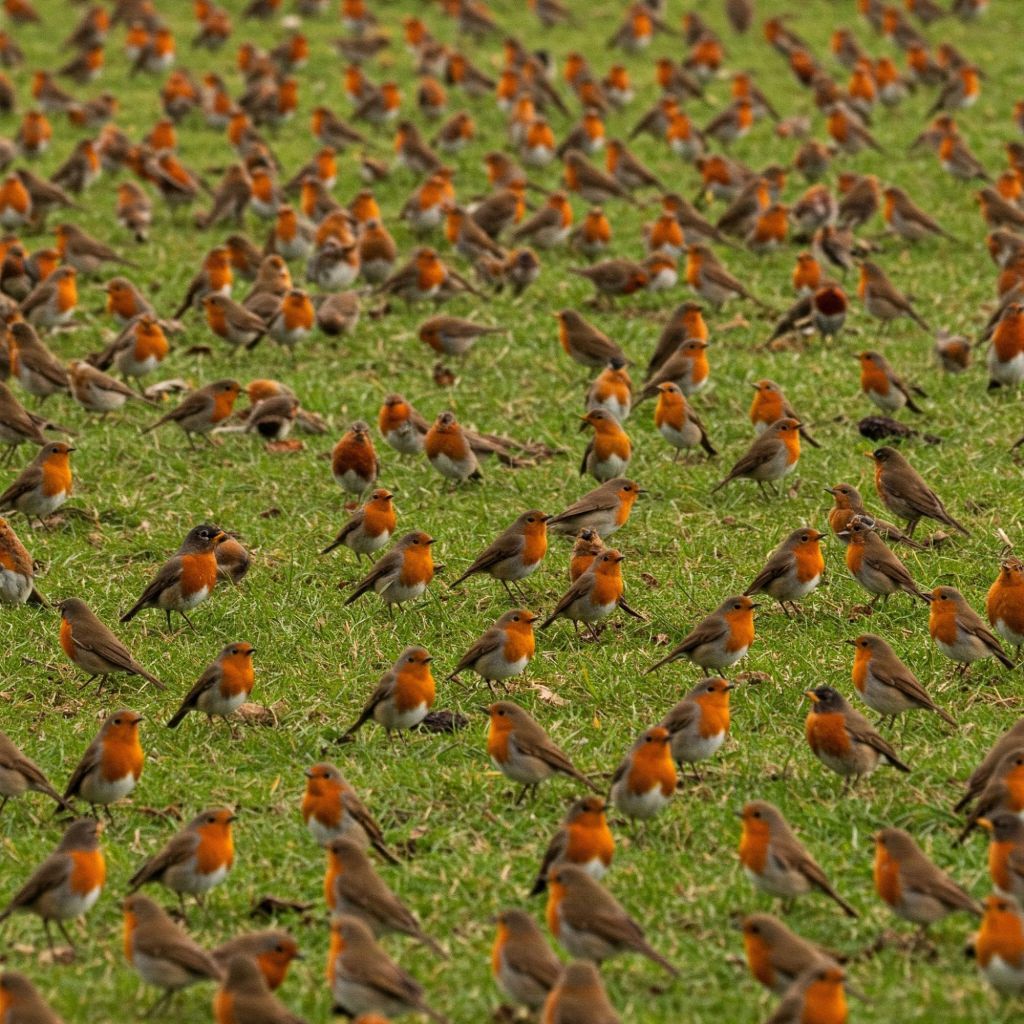
Robins are a common sight across North America, but their movements can be a bit confusing! Here’s a breakdown of their migration habits: Do robins migrate? The answer is yes and no! It depends on where they live. * Northern robins: Robins that breed in Canada and the northernmost parts of the US will migrate south for the winter. They need to find areas where the ground isn’t frozen so they can find food. * Southern robins: Robins in the lower 48 states are often year-round residents. They may move around a bit to find food, but they don’t typically make long migrations. Where do they go? * Northern migrants: These robins head south to the southern US, Mexico, and even the Gulf Coast. They’re looking for areas with milder temperatures and available food sources. When do they come back? * Spring arrival: Robins start heading north in the spring, often around March or April. The timing depends on the weather and the availability of food. Many people associate the return of robins with the arrival of spring! Important note: Robins are more influenced by food availability than temperature. They need to find areas with plenty of worms, insects, and berries. For more information, you can check out these resources: * All About Birds: https://www.allaboutbirds.org/guide/American_Robin/maps-range * Birds and Blooms: https://www.birdsandblooms.com/birding/birding-basics/do-robins-really-return-in-the-spring/ * Journey North: https://journeynorth.org/tm/robin/facts_migration.html
Growing a lemon tree indoors can be a rewarding endeavor. Here’s a step-by-step guide to help you cultivate your own lemon tree at home:
1. Choose the Right Variety
Select a dwarf variety of lemon tree, such as the ‘Improved Meyer’ lemon tree, which is well-suited for pot cultivation.
2. Potting the Tree
AI image of an improved Meyer higher elementary
Container: Use a pot with good drainage, at least 12-16 inches in diameter.
Soil: Fill the pot with a well-draining potting mix. You can use a mixture of regular potting soil, sand, and perlite to ensure proper drainage.
3. Lighting
Lemon trees require plenty of sunlight. Place your tree in a location that receives at least 8-12 hours of bright, direct sunlight each day. If natural light is insufficient, consider using grow lights.
4. Watering
Watering Schedule: Water the tree when the top inch of soil feels dry. Ensure that excess water can drain out to prevent root rot.
Humidity: Indoor environments can be dry. Increase humidity by misting the leaves or placing a humidity tray filled with water under the pot.
5. Fertilizing
Feed your lemon tree with a balanced, slow-release fertilizer every 4-6 weeks during the growing season (spring and summer).
6. Pruning
Regularly prune your lemon tree to promote bushier growth and remove any dead or diseased branches. This will also help with air circulation.
7. Pollination
If your tree flowers, you may need to hand-pollinate the flowers with a small brush to help set fruit if there aren’t any natural pollinators around.
8. Pest Control
Watch for pests, such as spider mites and aphids. If pests appear, treat them promptly with insecticidal soap or neem oil.
9. Winter Care
During winter, when the tree may slow down in growth, reduce watering and feeding. Ensure it still gets enough light, as trees can become leggy without it.
10. Patience
It may take a few years for your lemon tree to produce fruit, so be patient and enjoy the process of caring for your plant!
By following these guidelines, you can successfully grow a lemon tree indoors, enjoy its beauty, and eventually taste the fruits of your efforts.
Canada’s electric vehicle (EV) market is experiencing significant growth in both production and consumption. Here’s a summary: Production: * While Canada doesn’t have a large number of domestic EV manufacturers compared to other countries, it is making strides in this area. Several companies are investing in EV production and battery manufacturing facilities in Canada. * The Canadian government is actively promoting the development of the EV industry through various incentives and investments. This is attracting both established automakers and new players to set up production facilities in the country. * Canada is also rich in resources needed for battery production, such as lithium, nickel, and cobalt. This gives the country a competitive advantage in the EV market. Consumption: * EV sales in Canada have been steadily increasing in recent years. In 2023, zero-emission vehicles (ZEVs) accounted for 11.7% of new light-duty vehicle sales, a significant jump from previous years. * Several factors are driving this increase in EV adoption, including government incentives, growing awareness of environmental issues, and the increasing availability of EV models. * British Columbia and Quebec are leading the way in EV adoption, with higher market shares compared to other provinces. Overall, the Canadian EV market is dynamic and growing rapidly. With increasing production capacity and strong consumer demand, EVs are expected to play a significant role in Canada’s transportation sector in the coming years.
Prognostication by reading animal behavior, inward organs, and other natural signs is an ancient practice often referred to as folk meteorology or natural forecasting. Here’s a breakdown: * How it works (in theory): * Animal behavior: Certain animal behaviors were believed to predict weather changes. For example, if cows lie down, rain is coming. If birds fly low, stormy weather is expected. * Inward organs: Examining the livers of sacrificed animals was a common practice in ancient civilizations. The appearance and shape of the liver were interpreted to foretell the future, including weather patterns. * Other signs: Observing cloud formations, the direction of the wind, and the behavior of plants were also used to predict weather. Reliability for Weather: * Limited scientific basis: While some animal behaviors may indeed be influenced by subtle environmental changes that precede weather shifts, there’s no strong scientific evidence to support the reliability of these methods for accurate weather prediction. * Anecdotal evidence: Many of the “rules” are based on anecdotal observations and may not hold true consistently. * Subjectivity: Interpretation of animal behavior and organ appearance is highly subjective and can vary greatly between individuals. Entertainment vs. Hoax: * Entertainment value: Folk meteorology can be a fun and interesting way to connect with nature and observe animal behavior. It offers a glimpse into traditional beliefs and cultural practices. * Not necessarily a hoax: While not scientifically proven, it doesn’t necessarily constitute a deliberate deception. Many of these beliefs were developed based on genuine observations, albeit with limited understanding of the underlying scientific principles. My Opinion: * Interesting but not reliable: I find folk meteorology fascinating as a historical and cultural phenomenon. It reflects early attempts to understand and predict the natural world. * Not a substitute for modern methods: For accurate weather forecasts, I would rely on modern meteorological tools and techniques, such as weather stations, radar, and satellite imagery. Should You Rely on It? * For entertainment and cultural appreciation: Absolutely! Observing animal behavior and learning about traditional weather forecasting methods can be a rewarding experience. * For making important decisions: I wouldn’t recommend relying solely on folk meteorology for critical decisions that are heavily dependent on accurate weather predictions (e.g., planning outdoor events, making travel plans). In summary: While folk meteorology may have some limited value in observing natural patterns, it’s not a scientifically reliable method for weather prediction. It’s best enjoyed for its cultural and historical significance.
This was good advice in this short. Generalizations are hard to apply in many instances, but there certainly can be a benefit to some of these precepts.
2024 CBC 26th annual Sixty three species noted, 27 people counted more than 5,000 birds, which is well above average according to the nicola naturalist Society. The Nicola Naturalist Society, was Incorporated after it began activities here in 2010. President Alan Burger has also been the president of BC nature more than once. There is […]










 Kevin Griffiths
 percypaschal
