You are presumed to be honest and responsible without evidence to the contrary beyond a reasonable doubt… on the balance of probablilties you are justified by 51 % likelyhood.
Harry Sanders, was bit of a legend about Merritt. We remember him as hosting the social credit party at his home in lower Nicola for their AGM’s. But Harry was a contractor with equipment. Lots of male sons. And a penchant for opportunities. One of them he saw at one point was an ability to bridge a small Creek or area and a temporary but more permanent way that would be easy in and easy out without much damage so as to protect the environment and also to expedite doing work in the forests and streams.
Innovation
By cutting apart large pieces of pipeline pipe, and that was in surplus. He managed to make a small portable bridge, he could cross a stream with a similarly to the Roman concept of using Stone arches for their bridging. The value of these is self-evident.
So I don’t know how many prototypes he made but this one was in the industrial area sitting for numbers of years. So I took a picture of it as I went by knowing Harry or more to the point I knew his sons. I know more of Harry than I did him.
But darn and be gosh if he didn’t, long past his departure from this life. The legacy in that piece was laying. There and now seems to have been revived as some very nice advertising is online about enviro bridge and some of them are being sold and being manufactured again here in Merritt British Columbia.
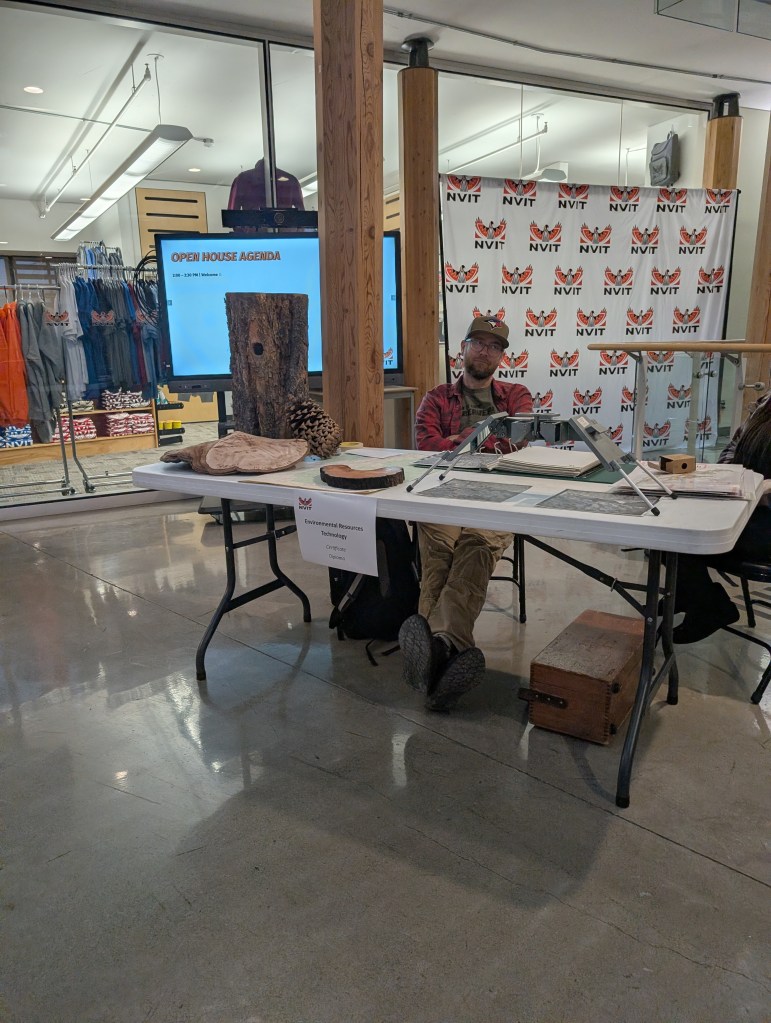
One of the many display tables at the NVIT open house November 13th 2025 Merritt BC Canada. Forestry has always been a major interest in BC.
The Nicola Valley Institute of Technology (NVIT), established in 1995, has been a cornerstone of higher education in the Nicola Valley region of British Columbia. Located in Merritt, NVIT was created to provide vocational training and educational opportunities primarily for Indigenous students, reflecting the cultural and social needs of the community. Over the years, it has expanded its programs to cater to a diverse student body, fostering a supportive environment that prioritizes Indigenous knowledge and values.
Throughout its tenure, NVIT has developed various programs that align with the economic and cultural landscape of the local area. From trades to health sciences, the institute has played a significant role in preparing students for careers that are both meaningful and applicable to their communities. The commitment to experiential learning and community engagement ensures that graduates not only receive academic knowledge but also gain practical skills essential for the workforce. The open house events, such as the one held on November 13, 2025, serve as a testament to NVIT’s dedication to showcasing its programs and fostering connections with prospective students.
As NVIT navigates the evolving educational landscape, it continues to adapt and grow, emphasizing inclusivity and accessibility. The institute’s focus on lifelong learning and professional development reflects its understanding of the changing needs of both students and industries. Through collaborations with local businesses and organizations, NVIT maintains a dynamic relationship with the community it serves, ensuring that it remains a vital resource for education and training in the region.
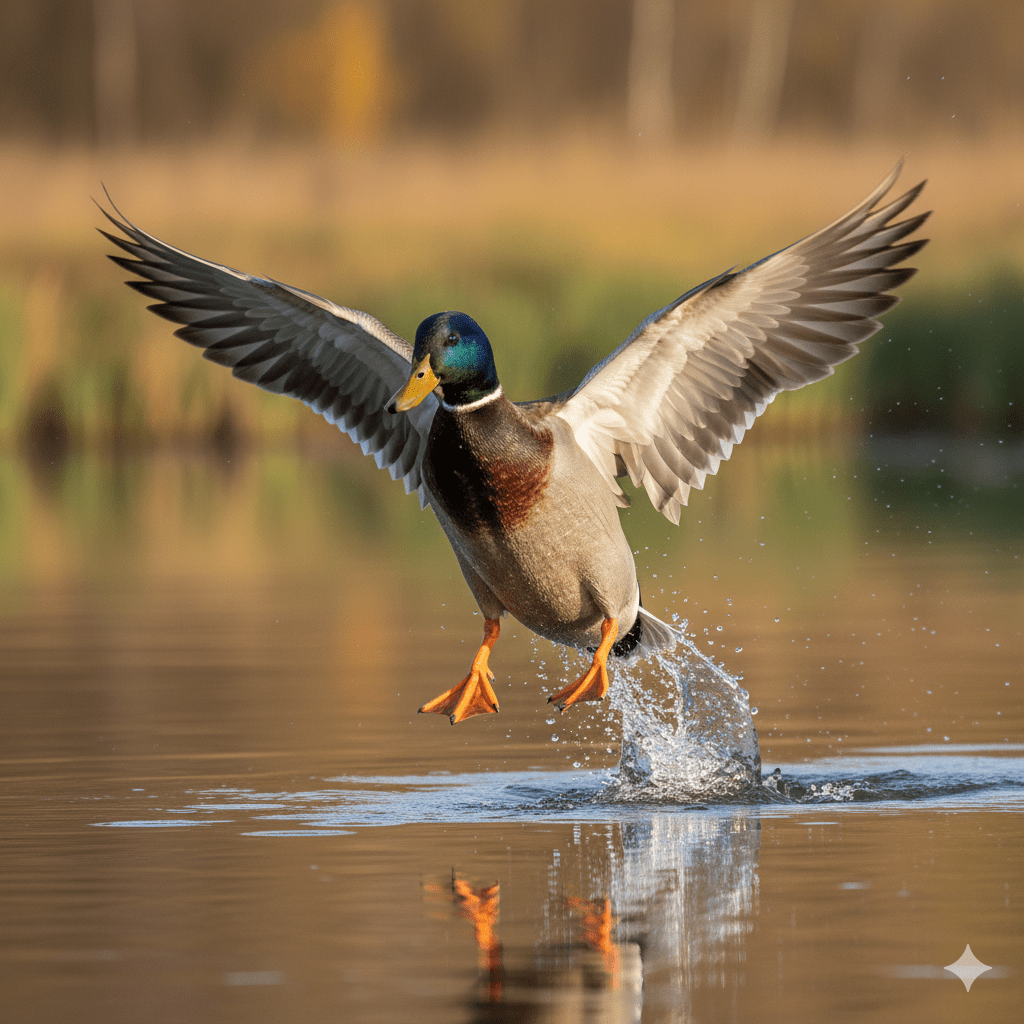
Mallard Ducks and Their Presence in British ColumbiaMallards are the most widespread and abundant dabbling duck in Canada, found in almost any freshwater habitat. In British Columbia, they are a significant part of the waterfowl population, particularly along the Pacific coast and in the interior plateaus. The population of mallards in western Canada, which includes B.C., has been considered “secure” and “at an acceptable level” for some time. They are found in high concentrations in the lower Fraser Valley and are a prominent resident species in the interior of the province, with populations increasing in some areas.While there isn’t specific data for the mallard population in the immediate Merritt, BC area, the birds are known to be part of the general interior population, which winters in the warmer coastal regions and returns to breed in the interior, following major river systems.Interesting Mallard BehaviorsMallards exhibit some fascinating behaviors, including brood amalgamation, which is the adoption of ducklings by a hen who isn’t their biological mother. This can occur in a few ways: * Pre-hatch Brood Amalgamation (Brood Parasitism): A female lays her eggs in another female’s nest. The host female then incubates and cares for the eggs as if they were her own. This behavior is more frequent in areas with high nest densities. * Post-hatch Brood Amalgamation: This is when a hen with a brood takes in ducklings from another family. This can happen for various reasons, such as when a mother loses her brood and joins another, or when a hen’s ducklings get separated and are accepted by a different mother. Mallard ducklings can be adopted by a hen of a different brood, as the hen will usually accept any duckling that is peeping nearby.These adoptions, especially in crowded populations, can lead to very large “combined broods.”The Debate on Sport Hunting MallardsThe question of whether mallards should be sport-hunted is complex and involves arguments about conservation, ethics, and the role of hunting in wildlife management.Arguments in favor of hunting often include: * Population Management: Proponents argue that hunting is a tool to manage and maintain healthy wildlife populations. Mallards are not considered an at-risk species, and regulated hunting ensures their numbers remain stable and do not exceed the carrying capacity of their habitat. * Conservation Funding: Hunters are a major source of funding for wildlife conservation through the purchase of licenses and stamps. In Canada, a federal Migratory Game Bird Hunting Permit and a Canadian Wildlife Habitat Conservation Stamp are required to hunt migratory birds, and the revenue from these goes directly to conservation efforts. * Tradition and Recreation: For many, hunting is a long-standing tradition and a way to connect with nature and source food. Hunters often express a deep respect for the animals they pursue.Arguments against hunting often raise concerns about: * Genetic Integrity: Recent genetic research has shown that some wild mallard populations, particularly in the eastern United States, have a significant amount of genetic material from game-farm birds. This is a result of releasing farm-raised mallards for hunting. Critics argue that this dilutes the wild population’s gene pool and may introduce less-efficient foraging and migratory traits, potentially affecting their long-term survival. * Ethical Considerations: Some people question the ethics of hunting, especially for sport. They may argue that it’s unnecessary to kill animals for recreation when food can be obtained in other ways. * Environmental Impact: While hunting is regulated, some critics are concerned about potential negative environmental impacts, such as the use of lead shot in the past (which is now prohibited for migratory birds in B.C.) and the overall disturbance to wildlife.In British Columbia, mallards are a regulated migratory game bird, and hunters must adhere to specific regulations, including daily bag and possession limits and the use of non-toxic shot. The fact that mallards are hunted is based on the premise that their population is large and healthy enough to sustain a harvest without negatively impacting the species as a whole.
The name “Wednesday” comes from Old English Wōdnesdæg, which means “Woden’s day,” named after the Germanic god Woden (or Odin in Norse mythology). This deity was associated with wisdom, war, and poetry, and played a significant role in the Germanic pantheon.
Cultural Origins and Influences:
Germanic and Norse Cultures:
The naming is directly linked to tribal Germanic names for days of the week, influenced by Roman culture. In Norse mythology, Woden is akin to the Roman god Mercury, which is reflected in other languages.
Latin Influence:
In Latin, Wednesday is dies Mercurii, or “day of Mercury,” representing the Roman god of commerce and communication. The influence of Roman culture substantially shaped the way days were named in various languages.
Subversion of Other Cultures:
Roman and Greek Practices:
The adaptation of “Wednesday” across Germanic languages shows a subversion of the original Latin systems by integrating local deities into the calendar, transforming a standard naming convention into one that reflects local beliefs and mythology.
Christian Influence:
In some Christian contexts, Wednesday is associated with the day of preparation for the weekend, which may contrast with earlier pagan practices.
Conclusion:
The evolution of the term “Wednesday” illustrates how local traditions can adapt and reframe elements of dominant cultures, leading to a unique blend of linguistic and cultural heritage.
Be a local Tradition today…
Maybe that recipe or quilt pattern will develop into an observance and a particular day.
There are many wholesome and enjoyable activities women peers aged 30 to 35 can do together on a Saturday! Here’s a mix of options, from active to relaxed, to inspire your next get-together:Active & Outdoors: * Hiking or Biking: Explore local trails or scenic routes. Merritt is surrounded by beautiful nature, so there are likely many options for all skill levels. * Yoga or Pilates Class: Try a new studio, or find an outdoor class if the weather is nice. Aerial yoga is also an option for something different. * Swimming: Head to a local pool, lake, or even try “wild swimming” if you’re feeling adventurous and have a safe spot. * Paddleboarding or Kayaking: If there’s a nearby body of water, spending time on the water can be incredibly relaxing and fun. * Gardening: If one of you has a garden, spend some time together nurturing plants. You could even visit a local botanical garden. * Visit a Farmer’s Market: Enjoy the fresh air, browse local produce, and pick up ingredients for a healthy meal you can cook together later.Creative & Learning: * Cooking or Baking Class: Learn a new cuisine or technique together. This is a great way to bond and enjoy delicious food. * Pottery or Painting Session: Many studios offer “paint and sip” events or pottery workshops. It’s a fun way to express creativity, even if you’re not an artist. * Flower Arranging Class: A calming and beautiful activity where you can learn a new skill and create something lovely. * Craft Night: Get together to make friendship bracelets, try a new craft like knitting or crocheting, or even make vision boards. * Book Club: Choose a book to read and then meet up to discuss it over coffee or brunch.Relaxing & Social: * Spa Day: Whether at a professional spa or a DIY at-home spa with face masks, manicures, and relaxing music. * Picnic in the Park: Pack a delicious lunch, some blankets, and enjoy the outdoors and good conversation. * Game Night: Classic board games, card games, or even video games can lead to a lot of laughs. * Movie Marathon: Pick a theme (favorite genre, childhood classics) and settle in for a cozy movie day with snacks. * Coffee Shop Hopping or Food Tour: Explore local cafes or try different eateries in your town. * Thrifting or Boutique Browse: Enjoy some retail therapy and discover unique finds. * Volunteer Together: Giving back to the community can be a very rewarding and bonding experience. Look for local shelters, food banks, or community events. * Afternoon Tea: A lovely way to spend an afternoon, complete with tasty treats and good conversation.Tips for a Great Saturday: * Discuss Preferences: Before planning, chat with your friends about what kind of activities they’re in the mood for. * Consider Budget: There are many free or low-cost options, so factor in everyone’s budget. * Potluck Style: For food-related activities, consider a potluck to share the effort and variety. * Comfort over Perfection: The goal is quality time and enjoyment, so don’t stress about making it perfect. * Focus on Connection: Regardless of the activity, prioritize conversation and connecting with each other.Enjoy your wholesome Saturday!
Queen Victoria is short for Victorious, is and is a translation of the name Boudicca from the Early on 1st millennium common era when Boudicca attempted to drive the Romans from Britain.
Home rule + pax Britannia was accomplished in the first half of the 19th century when Boudicca’s namesake accomplished it, noted as a Golden age for humanity cuz relative peace was in place.
Peace was relative particularly because the US civil war raged.
So, to give Peace a try, we won’t publish Sunday and Monday as You observe any relativity that makes you happy.












 Kevin Griffiths
 percypaschal
 The Proprietor Review