You are presumed to be honest and responsible without evidence to the contrary beyond a reasonable doubt… on the balance of probablilties you are justified by 51 % likelyhood.
The Merritt Hockey Junior B team the Centennials are now engaged in Junior A development. Brian Barrett a long time hockey expert in Merritt says the team is back to where it was before the reorganization that saw the half century old team go down to Junior b and change leagues to the Kootenay International Junior Hockey League.
Transformation
Yes, they are! The Merritt Centennials are currently playing in the KIJHL (Kootenay International Junior Hockey League), which is a Junior A league.They made a big move recently, leaving the BCHL (British Columbia Hockey League) after 51 seasons to join the KIJHL as an expansion franchise starting with the 2024-25 season.Current Status (2025-26 Season) *
League: KIJHL (Junior A) * Division: Bill Ohlhausen Division *
Home Ice: Nicola Valley Memorial ArenaAs of January 2026, the Centennials have been playing quite well. They are currently sitting in the middle of the Bill Ohlhausen Division standings with a solid winning record, keeping the long-standing hockey tradition in Merritt alive under their new league affiliation.
Check the public link “schedule” above. For playing dates and results from previous games.
Photo KDG
Editors note: referring to the schedule link above will show place and home with authority:
The Centennials are facing the Asoyoos team tonight in Merritt and it’s a couple minutes left in the second, and the Centennials are leading 621.
Update
The second period is over and the Centennials are leading seven to one, going into the final period.
The club is having their postponed Icebreaker tomorrow in Merritt. The social event will be a buzz with the record of the young Junior B team.
Post Script
Tonight’s game ended after the 3rd period in an eight to two advantage of the Merritt Centennials team, this was seen by 872 fans which is considerably up from the previous games. It all helps
Cassandra Dolen, an established successful artist with published books was at the the artist reception for the October November showing of the “Who Done It” version of an anonymous artist competition and sale.
cassadradolen.org
Cassandra was noted as saying that she has returned to Merritt after living with her brother in Victoria after losing her husband, 3 years ago.
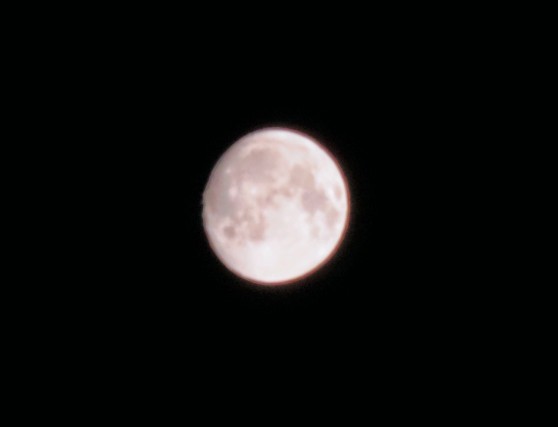
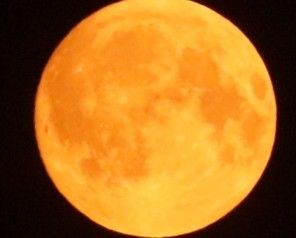
The Moon is not quite full yet. Apparently on the 6th or the 7th it will be. With a possible frost here.Merritt BC…
Moon Location?
That’s a great question! Since you’re in Merritt, BC, here is where the Moon is tonight, October 4, 2025.The Moon is in the Waxing Gibbous phase and is approximately 92.4% illuminated.Tonight’s Moon Schedule in MerrittThe Moon is visible in the sky this evening, setting in the early morning.| Event | Time (PDT) ||—|—|| Moonrise | The Moon rose in the afternoon, between noon and sunset, and is currently visible. || Sets | The Moon will set in the early morning hours (between midnight and sunrise). |The Moon is very close to its Full Moon phase, which will occur in a couple of days on October 6, 2025.
The Nicola Valley Community Farmers Market is a vibrant hub for local agriculture and artisanal goods, typically held weekly during the warmer months. It brings together farmers, craftspeople, and community members, fostering connections and promoting the benefits of eating local. Visitors can find a variety of fresh produce, baked goods, handmade crafts, and unique food items, offering a delightful experience filled with the rich flavors and talents of the Nicola Valley region. The market also often features live music, workshops, and family-friendly activities, making it a cherished gathering place that supports local economy and sustainability.
Local in Merritt enjoying the week and end weather.
You should be getting out as well .
How much sun…
Spending time in the sunshine can have a variety of positive effects on your body and mind, but it’s important to do so in moderation. Here’s a breakdown of how sun exposure affects your brain and body, and what to consider for safe sun habits. Sunshine and Your Brain: The Endorphin Connection Research has shown a fascinating link between sun exposure and the release of endorphins. Endorphins are a class of neurotransmitters that act as natural painkillers and mood boosters, and they are responsible for feelings of well-being and pleasure. Studies, particularly in mice, have identified an organic pathway in the skin where UV radiation triggers the production and release of a specific type of endorphin called beta-endorphin. This process has led scientists to suggest that the “feel-good” feeling many people get from sunbathing may be a result of this opioid-like effect. This can create a positive feedback loop, encouraging sun-seeking behavior, and in some cases, even leading to a form of addictive behavior in frequent tanners. The release of beta-endorphin is thought to be part of a “built-in reward system” that evolved to encourage us to get enough sun for essential vitamin D synthesis. In addition to endorphins, sunlight exposure also stimulates the production of other crucial chemicals in the brain: * Serotonin: Often called the “happy hormone,” serotonin is a neurotransmitter that helps regulate mood, focus, and emotional stability. Lower levels of serotonin are associated with conditions like Seasonal Affective Disorder (SAD), a type of depression that occurs during the darker, winter months. Sunlight entering the eyes is thought to be the primary trigger for this effect. * Dopamine: Another “feel-good” chemical, dopamine is also released in response to sunshine, contributing to feelings of pleasure and motivation. The Benefits and Risks of Sunshine Is it good for us? Yes, in moderation, sun exposure is highly beneficial. Here’s why: * Vitamin D Production: This is one of the most well-known benefits. Your body synthesizes vitamin D when your skin is exposed to ultraviolet B (UVB) rays. Vitamin D is essential for bone health, immune function, and overall well-being. * Mood Enhancement: The release of endorphins, serotonin, and dopamine can elevate your mood, reduce stress and anxiety, and combat symptoms of depression. * Improved Sleep: Sunlight helps regulate your circadian rhythm, your body’s internal clock. Exposure to natural light during the day, especially in the morning, signals to your body that it’s time to be awake and helps you sleep better at night. * Other Potential Benefits: Moderate sun exposure has also been linked to a stronger immune system, lower blood pressure, and a reduced risk of certain autoimmune diseases. However, the benefits of sun exposure must be weighed against the significant risks of overexposure. Excessive UV radiation can damage the skin, leading to: * Skin Cancer: This is the most serious risk. Both UVA and UVB rays can damage the DNA in skin cells, increasing the risk of melanoma and other types of skin cancer. * Premature Skin Aging (Photoaging): Too much sun can cause wrinkles, sun spots, and leathery skin. * Sunburn: A painful and immediate sign of skin damage. How much time should we spend in the sun? The recommended amount of sun exposure is a delicate balance and varies based on several factors: * Skin Type: People with lighter skin need less time in the sun to produce vitamin D and are more susceptible to sunburn. People with darker skin have more melanin, which offers some natural protection but means they need longer sun exposure to produce the same amount of vitamin D. * Location and Time of Year: The intensity of UV rays is stronger in the summer, closer to the equator, and at higher altitudes. * Time of Day: UV rays are strongest between 10 a.m. and 4 p.m. Most experts recommend 10 to 30 minutes of direct sun exposure per day on bare skin (like your arms, face, and hands) to get the benefits of vitamin D synthesis while minimizing the risk of skin damage. Short, non-burning exposures around midday are often considered the most efficient for vitamin D production. It’s also important to follow these sun safety tips: * Never let your skin burn. * Seek shade during the peak sun hours. * Wear protective clothing, a wide-brimmed hat, and sunglasses. * Use sunscreen with an SPF of 30 or higher, and reapply it every two hours.














 Kevin Griffiths
 percypaschal
 The Proprietor Review