
Tag Archive: Moon base


Property on the moon.

Not permanently attached

The moon base that is being planned is not attached to the moon. On Earth and in particular Canada the juristiction for regulation comes in two forms one being the government established over the land making by way of legislation that level of control, this is secured by the permanent attachment of buildings to land under the level of constitutional power given and its presence to govern.

The other being finance, dead pledge or other lenders and financers have laws that they can use to have returns of investment or other rewards out of underwriting.

Like Antarctica the moon is treaty bound not to be owned by any separate jurisdictions and like a trailer park equity is hard to realize. In tangibles such of knowledge can be freely exercised but like photos once printed they surly lose claim to tangible value as knowledge can seldom be bound.

Treaty since 1967

The governance and allocation of rights to the moon are indeed guided by an international treaty known as the Outer Space Treaty. This treaty, which came into force in 1967, outlines principles for the use and exploration of outer space, including the moon. It establishes that the moon and other celestial bodies are not subject to national appropriation by any means, and that they are to be used for peaceful purposes. Additionally, the treaty stipulates that the exploration and use of outer space, including the moon, should be carried out for the benefit of all countries and should not be subject to individual appropriation. Therefore, the tangible value of the moon cannot be owned or shared in the traditional sense, and any rights or claims to the moon must comply with the guidelines set forth in the Outer Space Treaty.
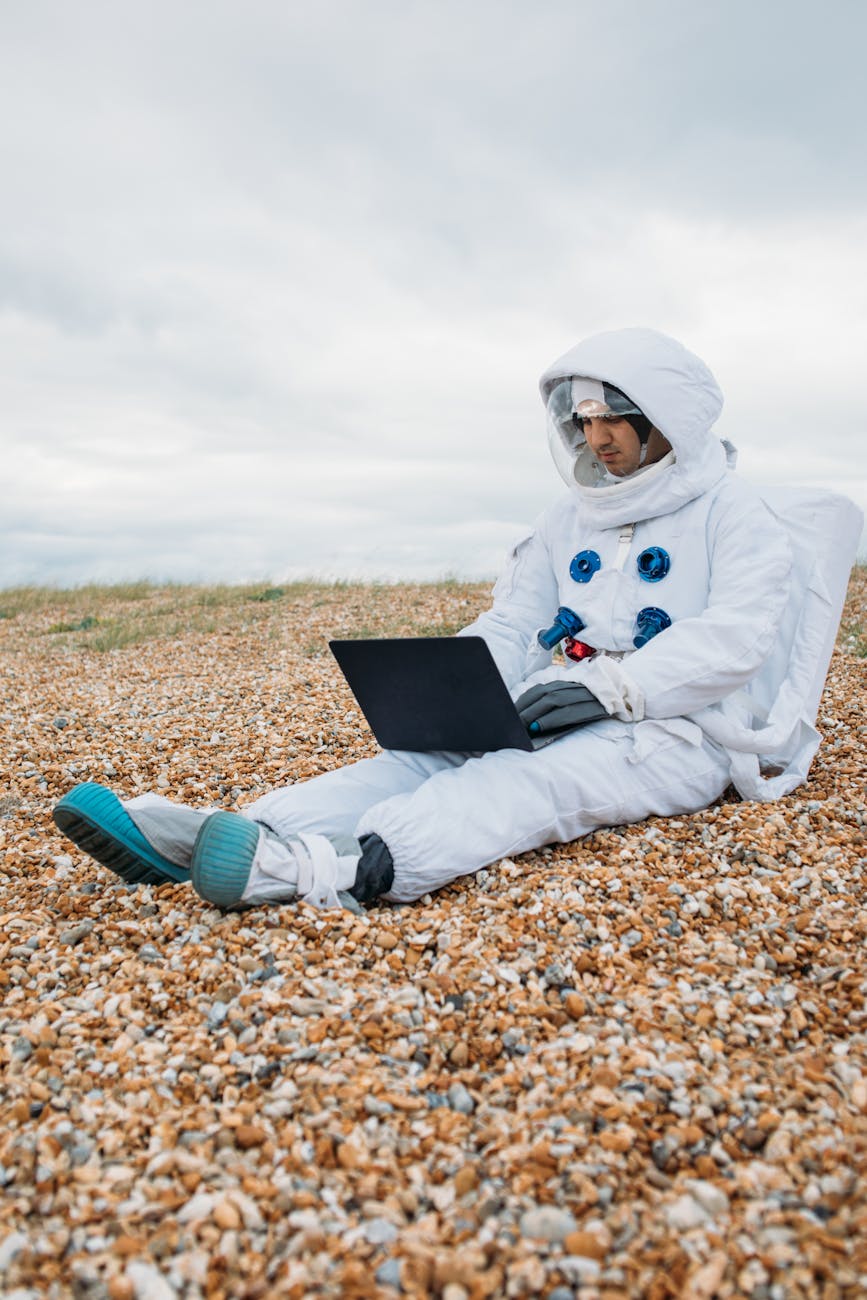
Photo by T Leish on Pexels.com

Trailer park boys, cast aways, desert Island folks welcome

Poetic justice is available to all that did not respect the permanence of this blue pearl, home is were the heart is so be respectful as you realize what you are giving up for your adventure.

Good luck, out.

Moon base

Musky point of view..

The commerical hopeful SpaceX has had three recent test flights of its interplanetary rocket that they U to use to establish their presence in space, the moon and then Mars. The Starship has tickled the face of low earth orbit collect data then failed to return; something integeral to the program.

Nasa is to fly around the moon in the new Artimas I Rocket then return to earth with its 4 live crew persons in a test for a landing with the historic first female to be on the moon. Good luck.

Trailer park boys

Both Musk’s SpaceX and NASA are progressing in their respective programs for lunar exploration. SpaceX has conducted three recent test flights of its interplanetary rocket, Starship, aimed at establishing a presence in space, the moon, and eventually Mars. While they have collected data from low Earth orbit, they encountered issues with the rocket’s return, which is a crucial aspect of the program.

On the other hand, NASA is advancing with its Artemis I mission, planning to fly around the moon using the new Artemis I Rocket. The mission will also mark a historic event with the inclusion of the first female astronaut to walk on the moon. The program is moving forward as NASA prepares for a test landing with a live crew of four astronauts. This sets the stage for an exciting period of lunar exploration for both SpaceX and NASA.

Creating a moonbase involves several safety concerns that need to be addressed to ensure the well-being of the inhabitants and the success of the mission. Some of the key safety concerns include:

  1. Radiation Exposure: The moon’s surface lacks a protective atmosphere, exposing inhabitants to a higher level of cosmic and solar radiation. Shielding materials and designated shelters must be implemented to minimize radiation exposure.
  2. Micrometeoroids and Lunar Dust: Lunar dust and micrometeoroids pose a risk to structures as well as the health of astronauts. Designing resilient structures and developing proper filtration systems are essential to mitigate these risks.
  3. Life Support Systems: Reliable life support systems are crucial for providing a habitable environment, including clean air, water, and food. Fail-safes and redundancies must be in place to ensure continuous support.
  4. Regolith Contamination: Controlling the spread of lunar regolith (soil) within the living spaces is important to prevent contamination of living quarters and equipment, which could pose health risks and affect the functionality of machinery.
  5. Psychological Well-being: Isolation, confinement, and the challenges of living in a harsh lunar environment can impact the mental well-being of inhabitants. Psychological support and recreational activities play a vital role in sustaining the mental health of the moonbase residents.

Addressing these safety concerns is essential for the successful establishment and operation of a moonbase, fostering a sustainable and secure environment for lunar exploration and potential future human habitats.

Moon telescope,Dark side?

Looking back in time…

Yes it does…

Space again

Got questions your not alone.

In this video, you will discover fascinating insights about the possibility of establishing a moon base and eventually a home base on Mars. The exploration of space has always intrigued humanity, and the idea of having a permanent presence on other celestial bodies is becoming an exciting reality.

One of the main motives for establishing a moon base is to use it as a stepping stone for future missions to Mars. The moon’s proximity to Earth enables scientists and astronauts to conduct experiments, test equipment, and develop the necessary technologies for deep space exploration. It provides an opportunity to fine-tune systems and processes before venturing further into the cosmos.

As we look to the future, the prospect of a home base on Mars is indeed captivating. The Red Planet’s similarities to Earth, including its rotational period and the presence of ice on its poles, make it a potential candidate for human colonization. Scientists and engineers are envisioning habitats and sustainable ecosystems that would support human life on Mars.

Though the challenges of establishing these bases are great, the possibilities they hold are even greater. They could enable us to conduct groundbreaking research, expand our understanding of the universe, and perhaps even pave the way for future interplanetary civilizations.

Remember, the journey to the stars is a collective effort. If you have any questions or doubts, rest assured that the scientific community is working tirelessly to address them. Humanity’s quest for knowledge and exploration has always pushed the boundaries of what is possible, and together we are shaping the future of space exploration.

So, let your curiosity soar, and imagine a future where humans have established moon and Mars bases – places where the dreams of space enthusiasts become a reality. The future of space exploration is brimming with excitement, and we are lucky to witness this extraordinary chapter in human history.

Safe travels among the stars!

🌜Home to the moon🌛

Moon base, soon base, home base Mars