

The night sky from now through February 28, 2026, is particularly busy, featuring a rare “planetary parade” and a solar eclipse. While these events are spectacular to witness, their impact on Earth’s physical structure—geology, earthquakes, and tides—is often a mix of measurable physics and widespread myths.
Celestial Highlights: Feb 15 – Feb 28, 2026
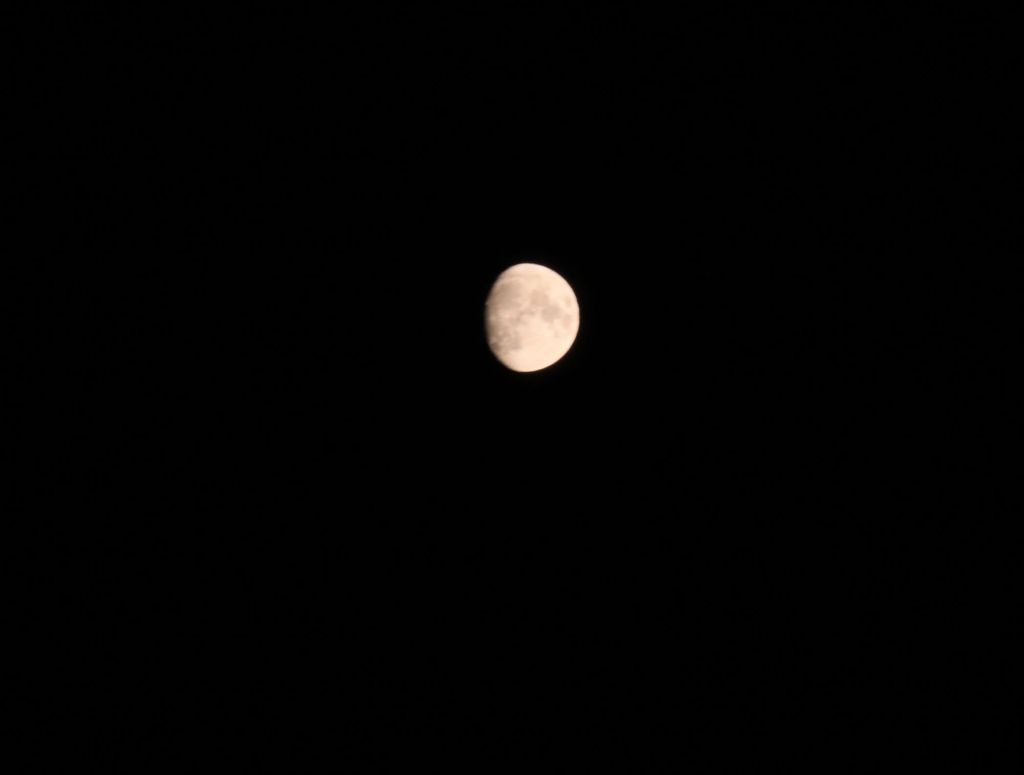
February 17: New Moon & Annular Solar Eclipse: A “Ring of Fire” eclipse occurs today. It is primarily visible from Antarctica and the Southern Ocean, with partial views in South America and Southern Africa. * February 18–19: Moon-Mercury Conjunction: A thin crescent moon will appear very close to Mercury low in the western sky just after sunset. * February 24: First Quarter Moon: The moon will be high in the sky at sunset, appearing half-lit.
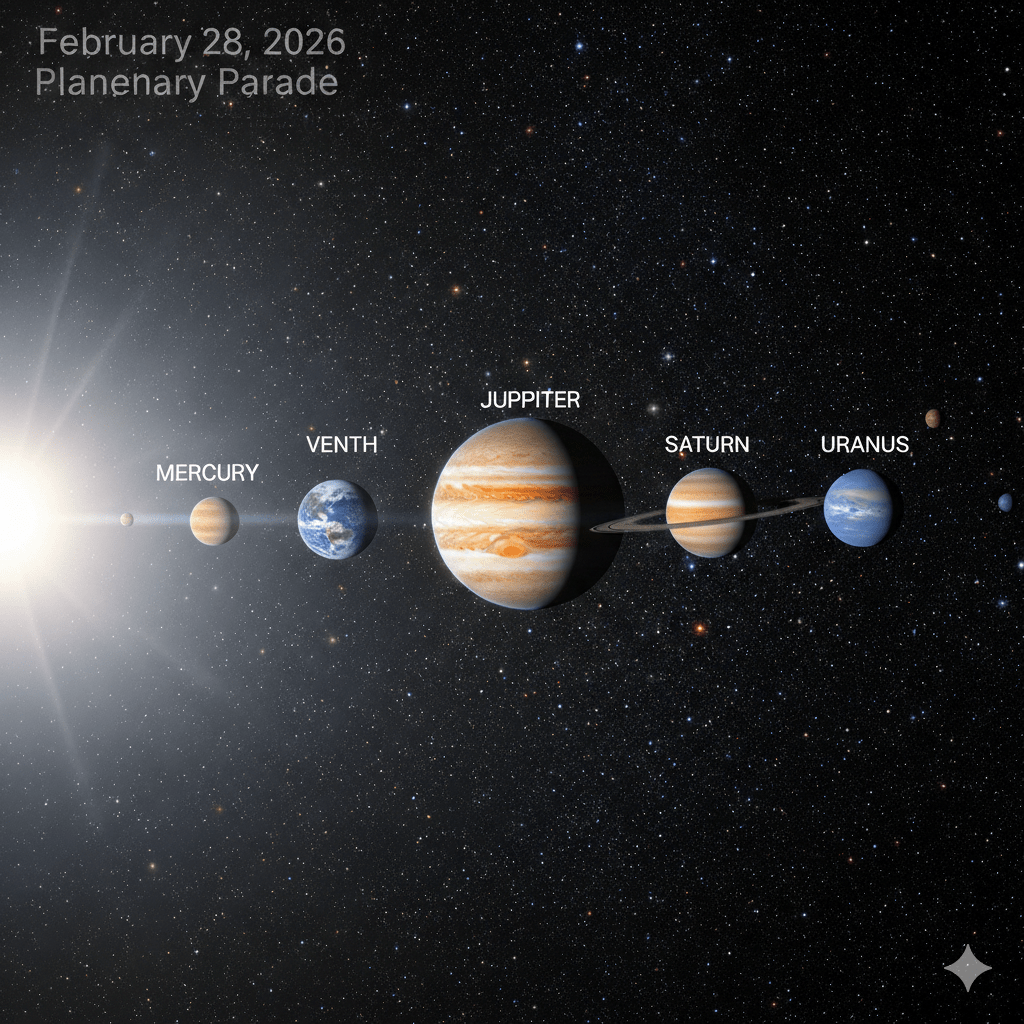
* February 28: The “Planetary Parade”:
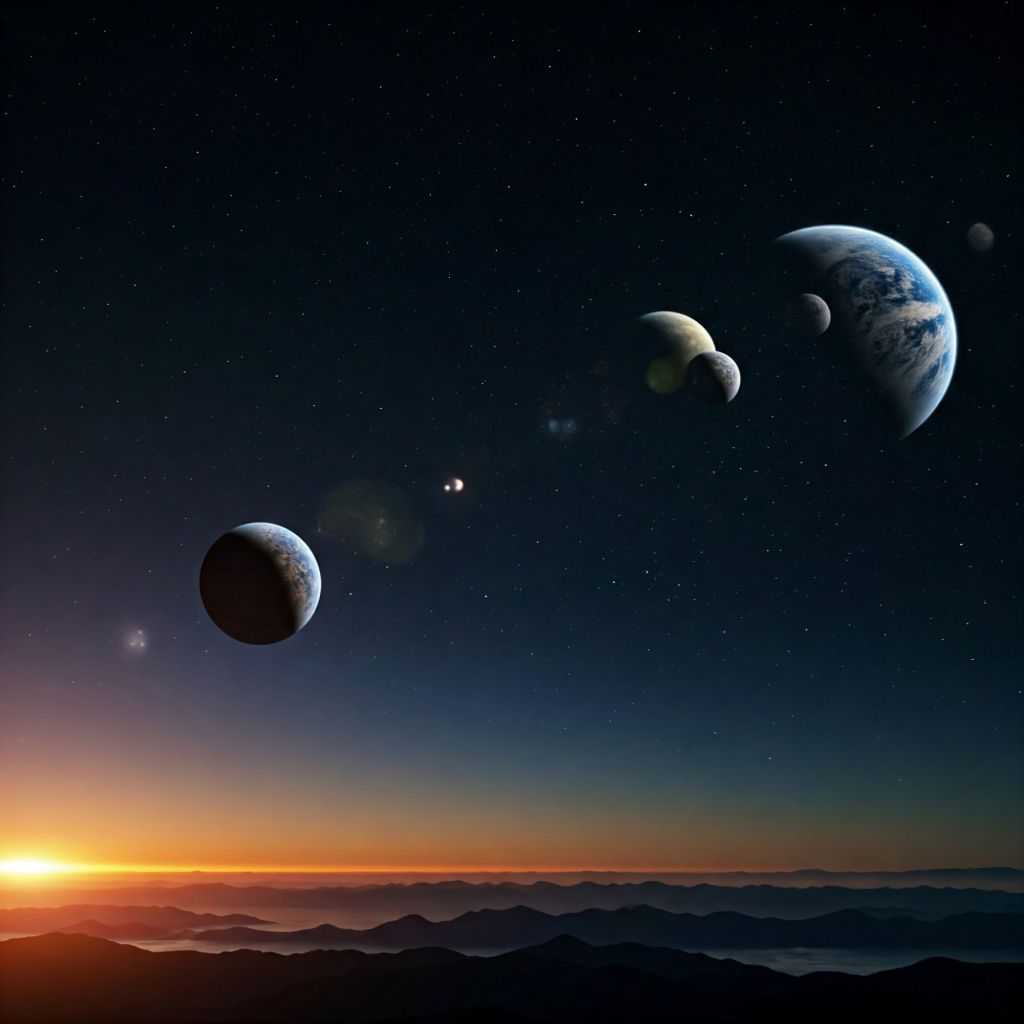
A rare alignment where six planets—Mercury, Venus, Jupiter, Saturn, Uranus, and Neptune—cluster in the same section of the sky.Impact on Earth’s Systems
1. Tidal Activity
(The “Spring Tide” Effect)
The most significant physical impact occurs around February 17. During a New Moon (and especially a Solar Eclipse), the Sun, Moon, and Earth align. * The Physics: The gravitational pull of the Sun and Moon combine, creating Spring Tides. These are not related to the season but refer to the “springing forth” of the water. * What to expect: You will see higher-than-average high tides and lower-than-average low tides globally for a few days surrounding the 17th.
2. Geological Structure and Earthquakes
There is often speculation that planetary alignments or eclipses “trigger” earthquakes. It is important to distinguish between tidal triggering and planetary myths:
* Tidal Triggering:
Scientific studies (such as those published in Nature Geoscience) have shown a slight statistical correlation between very large earthquakes and peak tidal stress (New/Full Moons). The extra “squeeze” from the tides can occasionally act as the “last straw” for a fault line that was already under extreme stress and ready to snap.
* Planetary Alignment Myth:
Despite the “Planetary Parade” on Feb 28, the gravitational influence of other planets on Earth’s crust is negligible. Even when aligned, the combined gravitational pull of all the planets is thousands of times weaker than the Moon’s daily pull.
* The Reality:
There is no scientific evidence that the Feb 28 alignment will cause a “surprise” earthquake. Earthquakes are driven by internal plate tectonics, which operate on a much more massive scale than planetary gravity.
3. Summary of Impacts|
Event | Primary Impact | Magnitude of Effect ||—|—|—|| New Moon (Feb 17) | High Tides (Spring Tides) | Moderate (Noticeable at coastlines) || Solar Eclipse (Feb 17) | Local temperature/wind changes | Minor (Only in path of totality) || Planet Parade (Feb 28) | Visual Beauty/Stargazing | None (No physical effect on Earth)
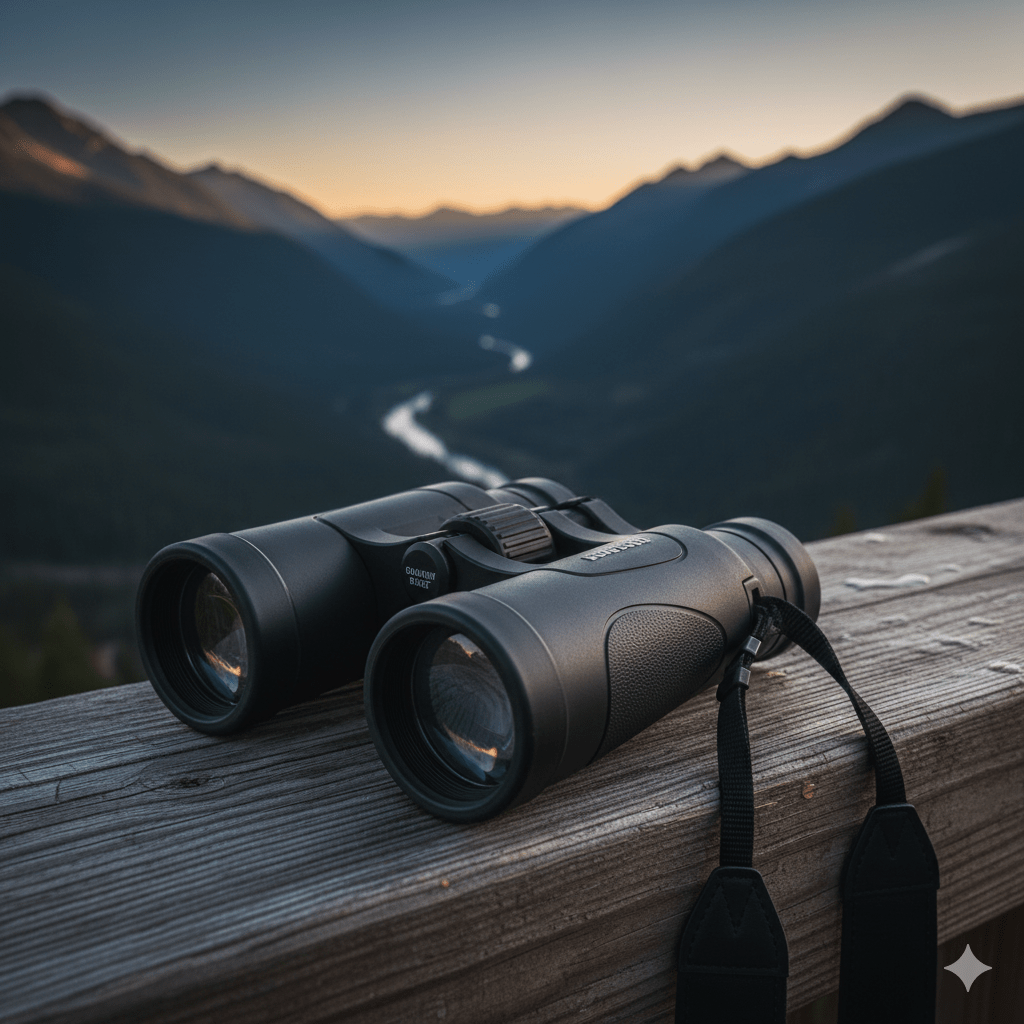
To view
To witness the “Planetary Parade” on February 28 or the thin crescent moon following the solar eclipse on the 17th, you’ll want to find a spot away from the lights of Merritt. The Thompson-Nicola region offers some of the best dark skies in British Columbia due to its high elevation and low humidity.For the February 28 alignment, you should look toward the western horizon just after sunset. Most of the planets will be visible shortly after the sun goes down, though you’ll need a clear view of the horizon to catch Mercury and Saturn before they set.
Recommended Stargazing Spots
Monck Provincial Park is arguably your best local option, situated on the western shore of Nicola Lake. It is far enough from town to avoid significant light pollution while remaining easily accessible. * Offers wide-open views over the lake, which are ideal for spotting planets low on the horizon. * The large day-use area provides plenty of space to set up telescopes or blankets. * Its location in the Nicola Valley often benefits from clearer skies than the coastal regions.
Greenstone Mountain Provincial Park provides a much higher elevation for those willing to make a slightly longer drive toward Kamloops. The increased altitude puts you above much of the atmospheric haze, offering exceptionally sharp views. * Features “open 24 hours” access, which is perfect for late-night or early-morning celestial events. * The high-elevation plateau provides a panoramic 360-degree view of the sky. * It is a rugged location, so ensure you have a vehicle capable of handling the mountain roads.
Sagebrush Lakeside Retreat at Nicola Lake is a great alternative if you are looking for a more comfortable or private setting near the water. * Located directly on Nicola Lake, providing excellent visibility to the east and west. * The lakeside setting offers a peaceful atmosphere for long-duration viewing. * Its proximity to Merritt makes it a convenient choice for a quick evening trip.Overall,
Monck Provincial Park is the most reliable recommendation for most observers because it balances dark skies with a clear horizon over the water. If you are a serious photographer or observer, the trek to Greenstone Mountain will reward you with the darkest and clearest conditions in the immediate area.
Mars hidden in sun…



 Kevin Griffiths
 percypaschal
 The Proprietor Review