Environment Canada climate change.
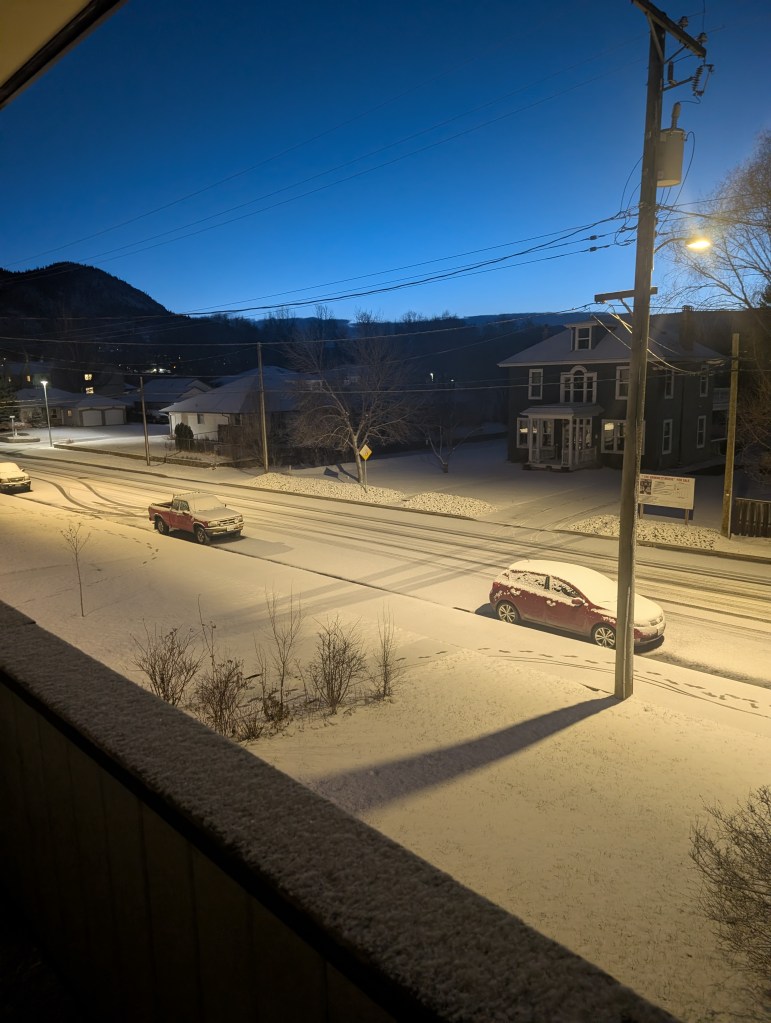
Monday, March 9 2026 Garcia Street Merritt, BC 6:45 a.m..
Up to 20 cm, today Merritt BC.

To the seasons of life

Monday, March 9 2026 Garcia Street Merritt, BC 6:45 a.m..
Up to 20 cm, today Merritt BC.
Merritt
There is a Yellow warning for snow tonight,tomorrow December 23rd expect travel challenges.

concept photo
Stay safe
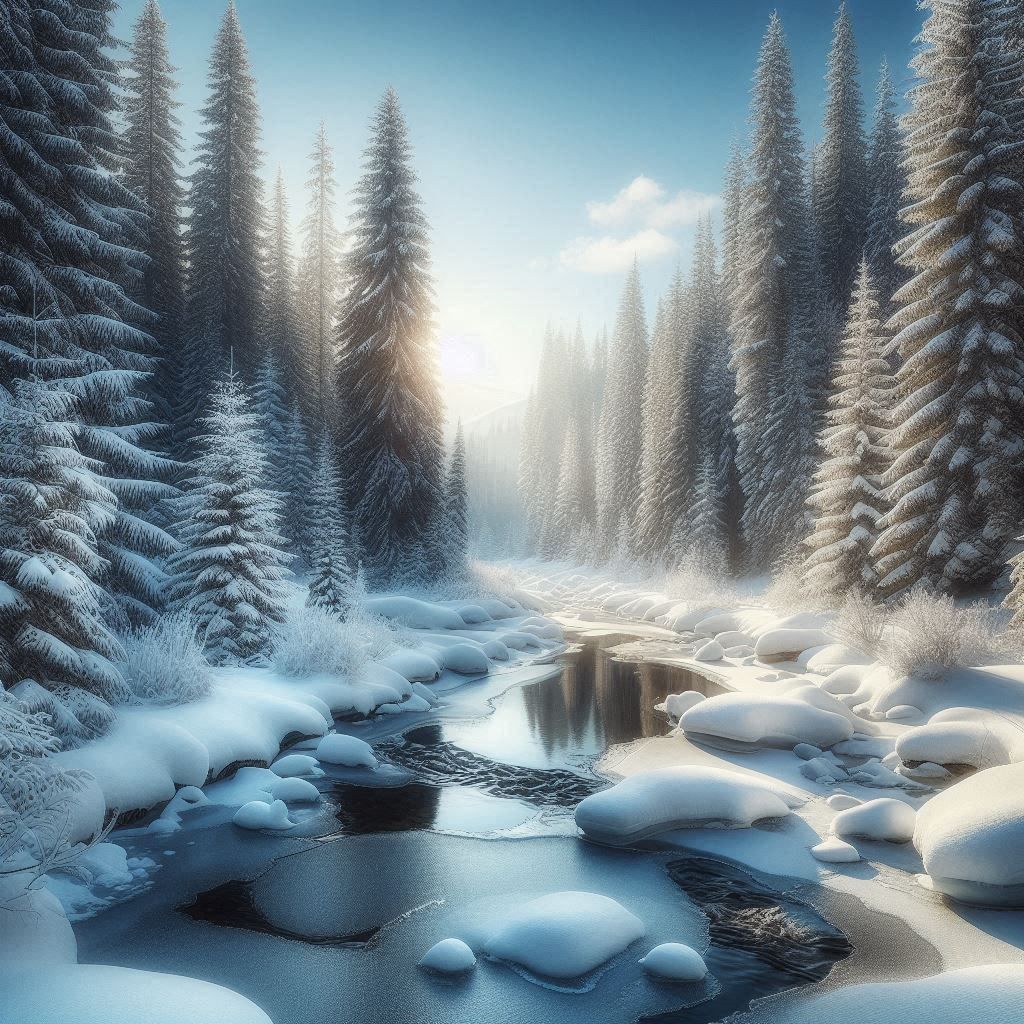
Melt
* Melt (Freshet): The spring melt, or “freshet,” is the critical period. It typically begins in late April or early May at lower elevations and continues into June at higher elevations. The timing and speed of this melt are the most important factors in determining whether the region will face drought or flood.
Water Reserves and Freshet
The snowpack serves as a natural reservoir, holding a significant portion of the region’s water supply for the spring and summer.
* Slower, Steady Melt: This is the ideal scenario. When temperatures rise gradually and steadily, the snowpack melts at a manageable rate, slowly replenishing rivers, lakes, and groundwater. This process ensures a consistent water supply for agriculture, municipal use, and maintaining healthy ecosystems throughout the drier summer months.
This is a recipe for trouble. A sudden and prolonged period of hot weather, especially following a large snowpack, can cause the snow to melt too quickly. This rapid influx of water can overwhelm river systems, leading to high stream flows and a significant risk of flooding.
The relationship between snowpack and water management is a delicate balance.
* Risk of Flooding: A deep or above-normal snowpack (e.g., above 120% of normal) significantly increases the risk of flooding, particularly if a period of prolonged hot weather or heavy rainfall occurs during the freshet. This is when the rivers, like the Thompson, can exceed their banks. The B.C. River Forecast Centre issues a series of advisories—High Streamflow Advisory, Flood Watch, and Flood Warning—to communicate the escalating risk.
A low or below-normal snowpack (e.g., below 80% of normal) is a major concern for summer drought conditions. If the winter was dry and the snowpack is thin, there simply isn’t enough stored water to last through the hot summer. The early melt that often accompanies a low snowpack means that water reserves are depleted much sooner, leaving the region susceptible to water shortages, low river levels, and an elevated risk of wildfires.
Modern Challenges
Climate change is making the snowpack cycle more volatile and unpredictable. The Thompson-Nicola region has seen both record-low and near-normal snowpacks in recent years, each with its own set of challenges. Increasingly, “not a typical freshet” has become the norm, with warmer springs causing early snowmelt and leaving less water for the later summer. This is why the BC River Forecast Centre’s regular bulletins are so critical for residents, local governments, and industries like agriculture that rely on a predictable water supply. The data from automated snow weather stations and manual surveys provides the information needed to prepare for either potential flooding or the very real possibility of a severe summer drought.

The Thompson-Nicola region of British Columbia’s South Central Interior is a fascinating case study in the relationship between snowpack, water reserves, and the potential for both drought and flooding. The entire system is driven by a seasonal cycle that, while predictable in its general pattern, is highly susceptible to year-to-year and even week-to-week weather variations.
* Accumulation (Winter): Snowpack begins to accumulate in the mountains of the Thompson-Nicola region with the onset of winter. This period, from roughly November to April, is when the majority of the annual snowpack builds up. By early January, about half of the total annual snowpack has typically accumulated. The amount of snow in any given year is highly variable, and this is the first and most crucial factor in determining the water situation for the rest of the year.
* Peak (Late Spring): The snowpack generally reaches its maximum level around mid-April. At this point, the snow water equivalent (SWE) is measured by the BC River Forecast Centre to gauge the total amount of water stored in the snow. A “normal” snowpack is considered to be between 90% and 110% of the historical average.
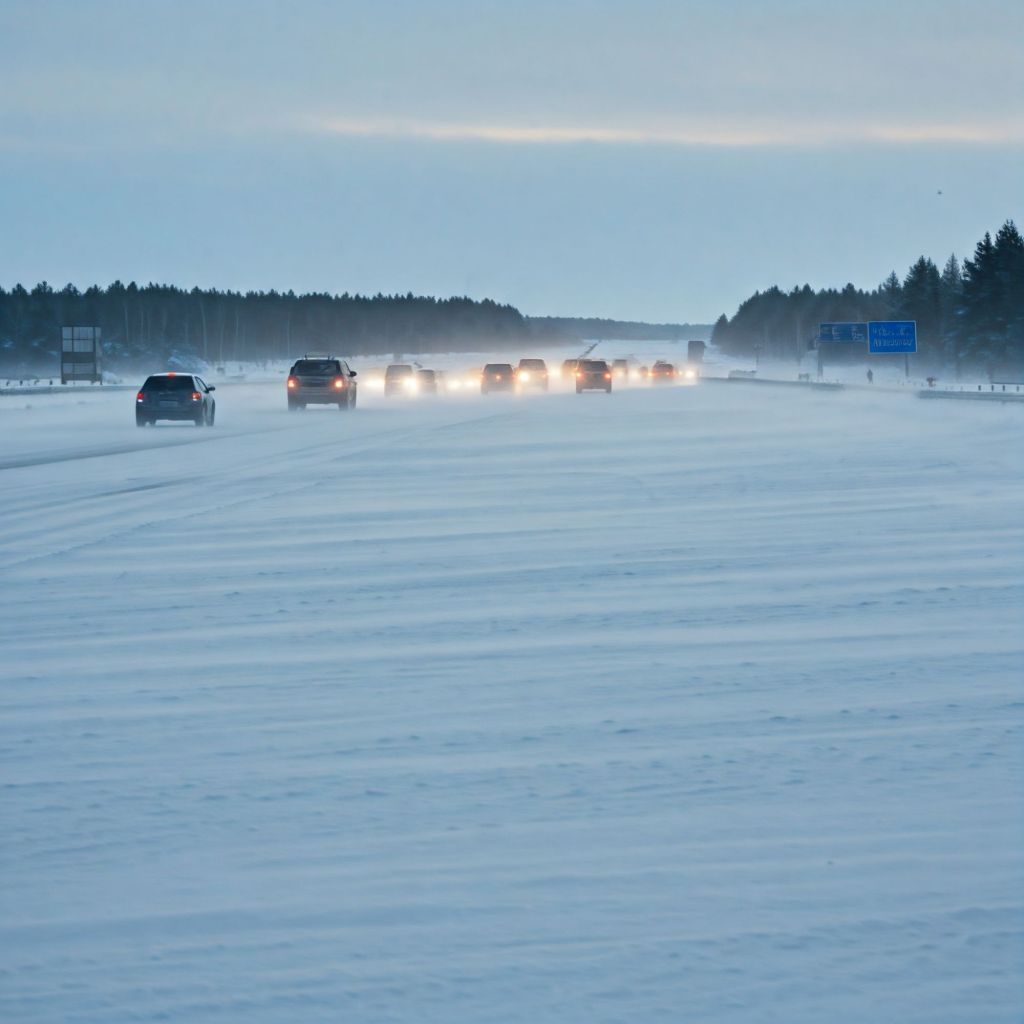
Snow for Whistler in the cards.
Skiing on late-season fresh snow in British Columbia can be an exhilarating experience. Here are some tips to make the most out of those conditions:
Enjoy the late-season skiing and make the most of the fresh snow while it lasts!
Not done with us yet, May is a time to watch for run off and slides.
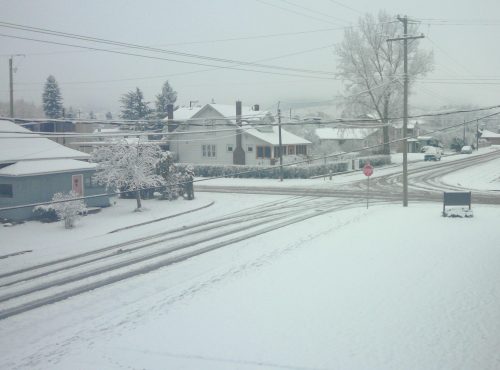
Spring 2024 in the northern hemisphere is expected to start on March 20th. It is a season characterized by blooming flowers, warmer temperatures, and longer daylight hours. People often associate this time of the year with renewal and growth in nature. It’s a great time to enjoy outdoor activities and witness the Earth coming back to life after the winter months.
The Venial equinox was on the 19th, however we had an extra day in February, the 29th day happens every 4 years.Today the 20th is the first full day of Spring. At equinox the sun is right over the equator then begins its 23 degree trip into our Northern hemisphere.
The correct term is “Vernal Equinox.” The Vernal Equinox, also known as the spring equinox, marks the beginning of spring in the Northern Hemisphere. It occurs around March 20th and is characterized by nearly equal amounts of daylight and darkness. This event signifies the transition from winter to spring, and is often associated with renewal and growth in nature.
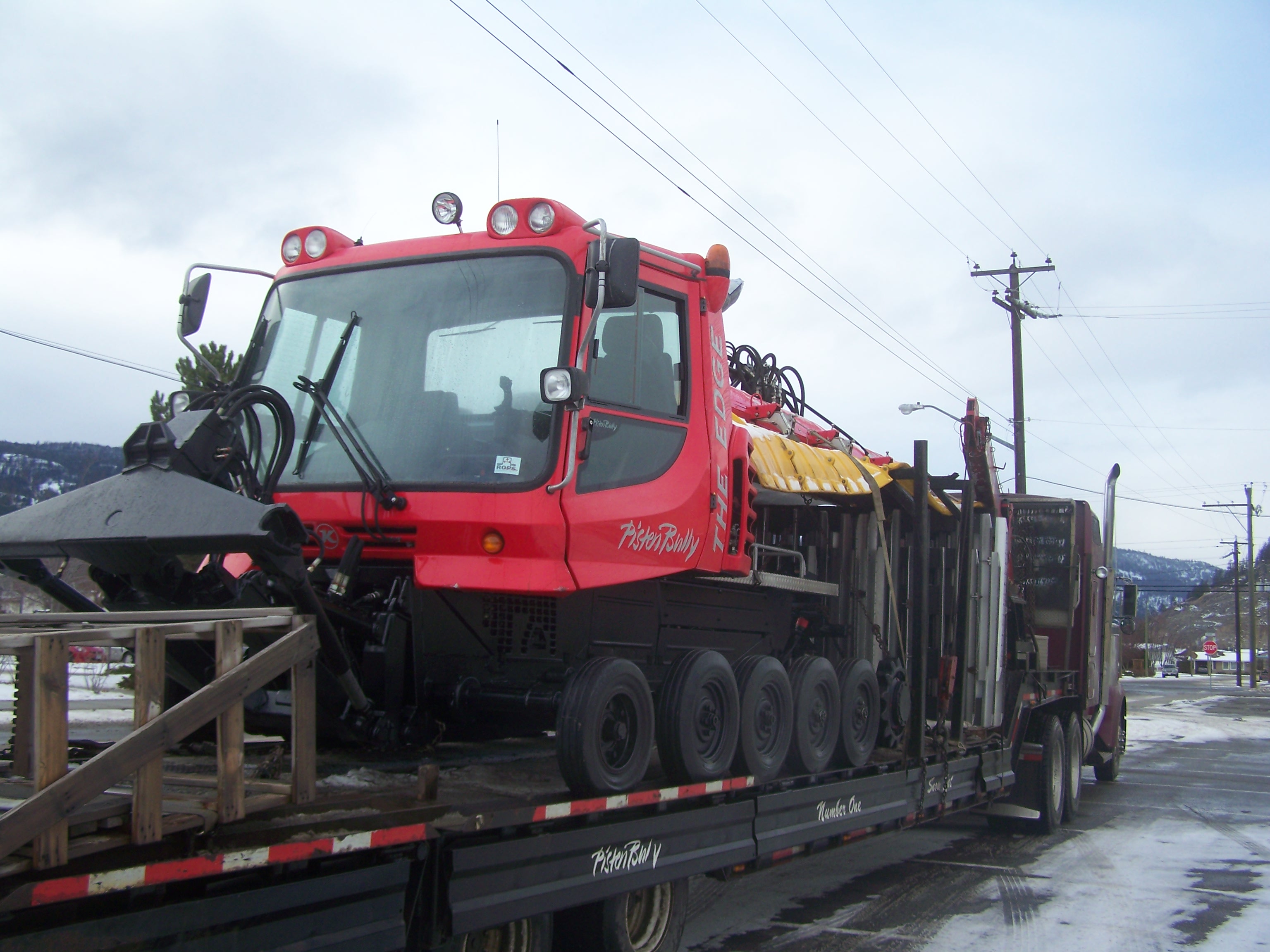
White Christmas 2020, somebodies weather gives us ours.
Cyclone Tracy hits Australia.
Many places in BC and Alberta have upper levels that require a lot of snow removal.
Watch for snow removal equipment, limit travel, take extra time when traveling. Use the drive BC service on line for conditions and warnings. Stay safe and arrive alive.
File Photo KDG
Snow is falling in the interior of BC and the forecast is for more and colder conditions.
A moist Pacific frontal system will bring heavy snow to the southwestern interior. The snow will intensify later this morning and will ease Wednesday morning . Source Environment Canada.
On this Day: December 19th 1924
The last Rolls Royce Ghost is sold in London.
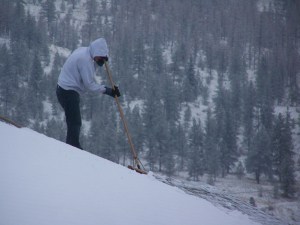
When it comes it can be something to manage File photo KDG
Situations can go bad fast in weather be prepared and think thing through. Video cams at the Drive BC site over conditions seen in real time.
The Canadian Broadcasting Company is formed.

April brought snow on the weekend.
Photo KDG
The weekend saw snow come with April. The Snow is gone now and hydro crews working in Central park on Monday said that the water has broken through the ground where they had been waiting for frost to go out so they could landscape ground around the burial cable they installed in the fall.
The tulips are pushing up ,some are 6 inchs tall never seems to change for Easter as it is coordinated by the last full moon of March.

Tulips
On this Day: April 5th 2010
Twenty nine coal miners die in an explosion in West Virginia.
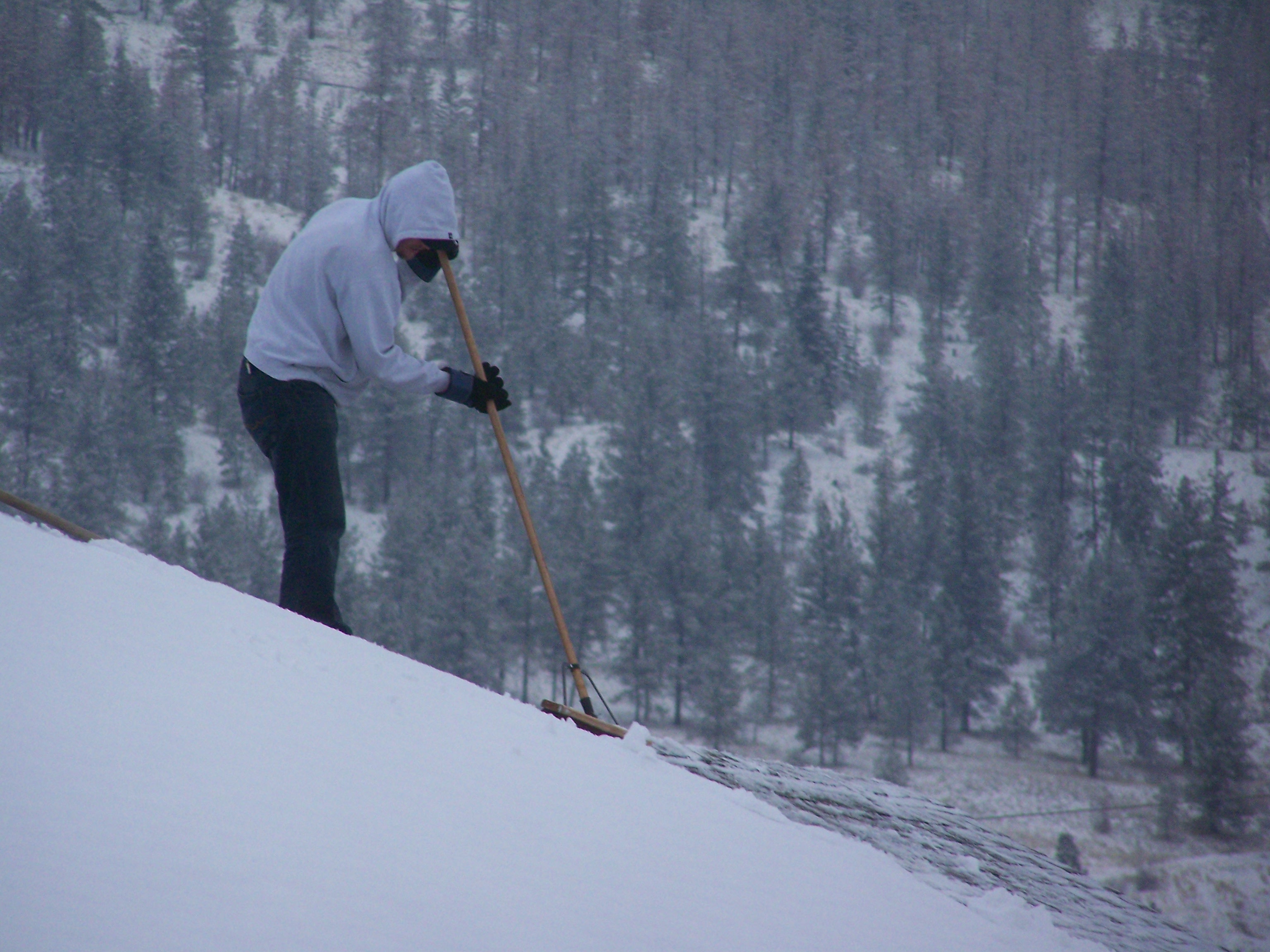
When it comes it can be something to manage
file photo KDG
The Nicola Valley has its first snow fall of the year Sunday and Monday. There was no snow at the city level it could be seen on the mountains to the west.
Most snow removal by individuals is clearance of driveways and walkways. After heavy snowfalls, snow may be removed from roofs to reduce the risk of structural damage due to the weight.
In places with light snow, brooms or other light instruments can be used to brush off snow from walks and other surfaces. In regions with more precipitation, snow is commonly removed with snow shovels, a large lightweight shovel used to push snow and lift it, and snow scoops or sleigh shovels, a large and deep hopper-like implement fitted with a wide handle and designed to scoop up a load of snow and slide it on any slippery surface to another location without lifting. Other tools include snow pushers and shovels with one or more wheels.
Shovelling entails a considerable amount of physical effort and can strain the back and the heart. Each year many senior citizens and middle aged persons die from heart attacks while shovelling snow: source Wikipedia
On this Day: November 3rd 1817
The Bank of Montreal begins business in Montreal Canada.
The temperature is dropping to about -11 c today with serious snow on the ground here in Merritt at our 600 odd meter home. It feels homey and there is less traffic.
When we quipped to Everett Spahan that he was dressed like he had just come out of the Mongolian Step he affirmed the metaphor and posed for this picture.
Everett Spahan in the empty lot that borders Coopers in Merritt BC. First cold day of winter.
Up date: at 7:30 this morning the temperature was -18 with the windchill.
Today in history: November 20th 1917
The Ukraine is declared a republic.

Hey Merit what do you say?


 Kevin Griffiths
 percypaschal
 The Proprietor Review