The interest in all things lunar continues as mankind’s March to knowledge grows exponentially everyday.

The interest in all things lunar continues as mankind’s March to knowledge grows exponentially everyday.
Culture, Antarctic Amber found means tree culture may be more pronounced on earth and older than we knew .
Celtic music boasts a deep and complex history, with its origins shrouded in the mists of antiquity. While definitive timelines are challenging to establish due to the oral tradition of much early music, we can trace its evolution and its profound connection to ancient Celtic religious practices and beliefs.
Timelines of Celtic Music:
Ancient Period (Pre-Christian Era to roughly 5th Century AD):
* Oral Tradition: This was primarily an oral tradition, passed down through generations. Written records are scarce, so our understanding relies on archaeological finds, reconstructions of instruments, and accounts from Greek and Roman writers.
* Instruments: Early instruments likely included the carnyx (a large bronze war horn), various types of flutes, lyres, and possibly early forms of the harp. Percussion instruments like clay drums and rattles were also probably used.
* Bards and Filid: Professional poets and musicians, known as bards (in Gaul, Britain) and filid (in Ireland), played a crucial role. They composed and performed heroic songs, genealogies, and laments, serving as chroniclers, entertainers, and advisors.
* Purpose: Music was an integral part of daily life, rituals, warfare, and storytelling. It served to mark significant events, accompany dances, and perhaps even to incite warriors in battle.
Early Christian Period (5th Century AD onwards):
* Christian Influence: The arrival of Christianity brought new musical forms, such as plainchant, but also saw the integration of existing Celtic musical traditions. Monks like Columba were known to incorporate bardic music and poetry into Christian worship.
* Harp’s Prominence: The harp continued to be a central instrument, often associated with saints and religious figures.
* Lack of Notation: Music largely remained an oral tradition, with formal notation only beginning to appear much later.
Medieval and Early Modern Periods (Roughly 12th to 18th Century):
* Bardic Orders: Professional harpists continued to flourish in Ireland, Wales, and Scotland, often patronized by chieftains and nobles. These bardic orders maintained and developed a rich repertoire.
* Decline and Revival: Political and social changes, particularly in the 17th and 18th centuries (e.g., the Flight of the Earls in Ireland), led to a decline in the traditional bardic patronage and a threat to the survival of the music. However, efforts to collect and preserve tunes began in the late 18th century, notably the Belfast Harp Festival of 1792.
* Emergence of Fiddle and Bagpipes: While bagpipes have a long history, their prominent role in Scottish military and folk music solidified after the 15th century. The fiddle tradition developed more recently, gaining popularity in the 19th century.
Modern Period (19th Century to Present):
* Gaelic Revivals: The late 19th and early 20th centuries saw “Gaelic Revivals” that aimed to preserve and promote Celtic languages and cultural forms, including music.
* Recordings and Diaspora: The 1920s saw the first recordings of traditional Irish music, which helped spread it to Irish communities abroad, particularly in the United States, following mass emigration (e.g., the Great Famine).
* Mid-20th Century Folk Revival: The mid-20th century witnessed a significant folk revival, with groups like The Chieftains, Planxty, and Clannad bringing Celtic music to wider audiences. They innovated by incorporating instruments like the Greek bouzouki and adapting traditional tunes for modern arrangements.
* Celtic Fusion: From the 1980s onwards, “Celtic fusion” emerged, blending traditional Celtic elements with genres like pop, rock, reggae, jazz, and even hip-hop and metal (e.g., The Pogues, Afro Celt Sound System, Flogging Molly). This era also saw the development of a “Pan-Celtic” sound, drawing from various Celtic nations.
Celtic Music and the Gods:
While ancient Celtic mythology doesn’t feature a single, dedicated “god of music” like Apollo in Greek mythology, music was deeply intertwined with their spiritual beliefs and practices, and often directly associated with the powers of their deities and mythological figures.
* The Dagda’s Harp (Uaithne): One of the most famous examples is the magical harp of the Dagda, the “All-Powerful Father” deity of the Tuatha Dé Danann (a race of divine beings in Irish mythology). His harp, Uaithne, was sentient and could play three types of music with immense power:
* Geantraí (music of happiness): Caused people to erupt with laughter.
* Goltraí (music of sorrow): Induced weeping and lamentation.
* Suantraí (music of sleep): Lulled everyone into a deep slumber.
This story from the “Battle of Magh Tuireadh” illustrates music’s ability to control emotions and influence events, directly demonstrating a divine connection.
* Bards as Intermediaries: Bards were highly respected figures, believed to possess a divine gift. Their ability to compose and perform poetry and music was seen as a connection to the spiritual realm, allowing them to praise heroes, lament losses, and perhaps even invoke or appease deities. Their songs served as a living archive of tribal history, lineage, and mythical narratives.
* Rituals and Ceremonies: Music undoubtedly played a role in ancient Celtic rituals, sacrifices, and festivals tied to the agricultural cycle and natural world. While specific details are lost, it’s reasonable to assume that rhythms, chants, and instrumental sounds were used to create a sacred atmosphere, invoke blessings, or celebrate divine forces.
* Emotional and Supernatural Power: Celtic folklore consistently highlights music as a mystical power. Beyond influencing the gods, it was used in stories to control people, objects, and outcomes through its magical properties. This reflects a broader Celtic belief in the interconnectedness of the natural and supernatural, where sound could bridge the gap.
* Nature Worship: Given the strong reverence for nature in Celtic spirituality, it’s plausible that music sought to emulate natural sounds or connect with the spirits of the land, rivers, and forests, which were often seen as imbued with divine energy.
In essence, Celtic music wasn’t just entertainment; it was a potent force, a means of communication, and a reflection of a world where the divine and the mundane were deeply interwoven. While we may not have the precise musical scores of their ancient rituals, the enduring power and emotional depth of modern Celtic music continue to echo those ancient spiritual connections.
July 27th 2025, Central Park till 3:00 p.m..
The Nicola Valley Cruisers are a vibrant car club based in Merritt, British Columbia, known for their passion for classic, vintage, and modern vehicles. While the specific number of 302 members isn’t consistently stated, it’s clear they have a significant and active membership that participates in various events throughout the year.
Here’s a breakdown of what they do and how they enjoy their leisure time:
Key Activities and Events:
* Annual Show ‘n’ Shine: This is their signature event, a beloved summer car show held annually in Central Park, Merritt. It draws car enthusiasts from across British Columbia and beyond. It features a diverse array of vehicles, from muscle cars and vintage classics to modern sports cars, trucks, and even electric bikes. The event is free for the public and includes live entertainment, food vendors, prizes, and a festive atmosphere. It’s a major community event and a highlight of their year. In 2025, the 30th annual Show ‘n’ Shine is scheduled for Sunday, July 27th.
* Weekly Meetings/Cruises: The club holds regular weekly meetings, often at local spots like the A&W on Voght Street. These gatherings allow members to showcase their cars, socialize, and connect with fellow enthusiasts. They sometimes include activities like garage tours.
* Spring Dance/Rock ‘n’ Roll Dance: The Nicola Valley Cruisers also host social events like their annual Spring Dance. These events often feature live music (like the Coquihalla Coyotes) and are an opportunity for members and the community to enjoy a night of retro tunes and camaraderie.
* Community Involvement and Charity: The club is actively involved in giving back to the community. They often donate funds raised from their events to local groups or causes, such as the local Food Bank or the Nicola Valley Fall Fair.
* Participation in Other Automotive Events: Members also participate in other car-related events, sometimes joining tours of antique or classic car clubs visiting Merritt.
How They Enjoy Their Leisure Time:
For the Nicola Valley Cruisers, leisure time largely revolves around their shared love for automobiles. This includes:
* Showcasing and Maintaining Their Vehicles: Members take pride in their cars, whether they are meticulously restored classics or unique modern vehicles. A significant part of their leisure involves maintaining, customizing, and preparing their cars for display.
* Socializing and Camaraderie: The club fosters a strong sense of community. Members enjoy spending time together, sharing stories, discussing cars, and building friendships with like-minded individuals.
* “Cruisin'”: As their name suggests, simply “cruising” with their cars, enjoying the open road and the scenery of the Nicola Valley, is a popular pastime.
* Attending and Organizing Events: The various events they host and participate in provide opportunities for entertainment, competition (friendly car show judging), and sharing their passion with a wider audience.
* Nostalgia and Preservation: For many, the car hobby is about preserving a piece of history or reliving memories associated with cars from their youth.
In essence, the Nicola Valley Cruisers are more than just a car club; they are a community that celebrates automotive heritage, enjoys social connections, and contributes to the vibrant atmosphere of Merritt, British Columbia.
Welcome

Mercy in swiftness…
So, waivers were signed, rhetoric heard, dismissal embraced, discounts accepted.
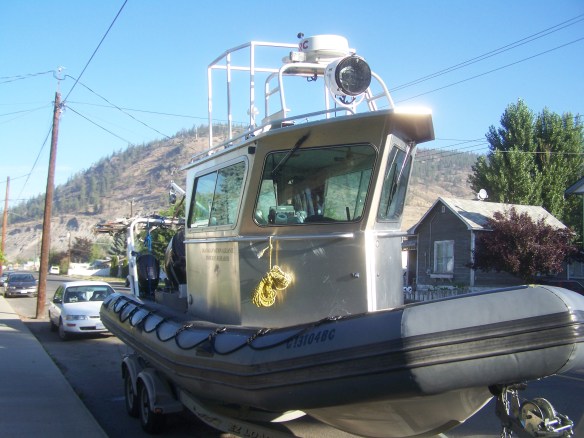
Five lives wasted, no, one way is to keep the experience alive by acknowledging this piece and being prudent because of it. KDG
Jurisdictions evaded.

Grief taken as a poison 💊
When engaging in water activities, especially swimming, prioritizing safety is paramount. One of the most critical aspects of water safety is the “buddy system” – always swimming with another person.
Here’s a breakdown of why this is so important and other key water safety tips:
The Importance of the Buddy System
* Immediate Assistance: In an emergency, such as a cramp, exhaustion, or a sudden medical issue, a buddy can provide immediate help. This could mean pulling you to safety, calling for help, or performing CPR if they are trained. Even a few seconds can make a significant difference in a water emergency.
* Accountability: Knowing someone is watching out for you and vice-versa adds a layer of accountability. You’re less likely to take unnecessary risks when someone else’s safety is also a consideration.
* Reduced Panic: If you get into trouble, the presence of a calm and capable buddy can help reduce panic, which is often a major factor in drowning incidents.
* No One is Immune: Even strong swimmers can get into trouble. Unexpected currents, hidden obstacles, or sudden health issues can affect anyone.
* Supervision for Children: For children, the buddy system extends to constant, active adult supervision. A child should never be left unsupervised near water, even for a moment.
General Water Safety Tips:
* Learn to Swim: This is the most fundamental water safety skill. Enroll in swimming lessons if you don’t know how to swim or want to improve your skills.
* Choose Supervised Locations: Whenever possible, swim in areas with lifeguards. Lifeguards are trained professionals who can respond quickly to emergencies.
* Know Your Limits: Don’t overestimate your swimming ability. If you’re tired or unsure, get out of the water. Avoid swimming long distances in open water if you’re not properly trained.
* Check Water Conditions: Be aware of currents, tides, water depth, and potential hazards like rocks, weeds, or marine life. Look for signs indicating dangerous conditions.
* Never Dive into Unknown Depths: Always check the depth of the water before diving in. Many serious injuries occur from diving into shallow water or striking hidden objects.
* Avoid Alcohol and Drugs: Alcohol and drugs impair judgment, coordination, and reaction time, significantly increasing the risk of accidents in and around water.
* Wear a Life Jacket: If you are participating in boating activities, or are a weak swimmer in open water, always wear a properly fitted U.S. Coast Guard-approved (or equivalent national standard) life jacket.
* Sun Protection: While not directly related to drowning, prolonged exposure to the sun can lead to sunburn and heatstroke, which can impair your ability to react in an emergency.
* Enter Feet First: When entering unfamiliar water, go in feet first to avoid surprises.
* Emergency Preparedness:
* Know how to call for help.
* If you see someone in trouble, don’t just jump in unless you are trained in water rescue. “Reach or throw, don’t go.” Extend a rescue device (like a pole, rope, or life preserver) to the person.
* Learn CPR and basic first aid.
By following these guidelines, especially the crucial buddy system, you can significantly reduce the risks associated with water activities and ensure a safer, more enjoyable experience for everyone.
Water safety is everyone’s concern.

Sweet songs of ⛱️

Art on public parts
It is enabling to respect the normal people in the living of their lives. Makes you as an interviewer part instead of judge when they give…
A citizen journalist is an individual who actively participates in the gathering, reporting, and dissemination of news and information, often through digital platforms, without being a professional journalist. They leverage social media, blogs, and other online channels to share firsthand accounts, observations, and insights, contributing to the public discourse and providing alternative perspectives that may not be covered by traditional media outlets. This grassroots approach enables diverse voices to be heard, particularly in underreported communities and during significant events.
Sponsored by local service people, file v KDG
Farmer’s/ artisan market
Want to write / journalize… PercyPaschal@gmail.com
Star ship 💥
The next Starship test flight, Flight 10, is scheduled for August 4th, 2025. This flight will be another uncrewed test to gather more data on the Starship’s performance.
Waiting for a crewed test launch, concerned about the Artemis Partner Program in the current geo political atmosphere it’s heartening to know a starship test is coming in August.
Maintained by space x that 1000 Starships will bring 1 million colonists to Mars. This I
Is for permanent settlement.
The ambitious goal of making Mars a habitable planet and sending a million people there is primarily driven by SpaceX, led by Elon Musk. While other space agencies like NASA have plans for human missions to Mars, SpaceX has the most public and aggressive timeline for large-scale colonization.
Here’s a breakdown of the key aspects of this program:
SpaceX’s Vision for Mars Colonization:
* Self-Sufficient City: The ultimate goal is to establish a self-sufficient, large-scale settlement and a democratic, self-governing colony on Mars. This means not just sending people, but building the infrastructure for them to live, work, and thrive independently of Earth.
* Starship System: The core of SpaceX’s plan is the Starship spacecraft and Super Heavy rocket. This fully reusable transportation system is designed to carry both crew and massive amounts of cargo to Mars.
* Massive Transportation: To achieve the goal of a million people, SpaceX envisions launching thousands of Starships during Mars launch windows (which occur approximately every 26 months). They talk about launching more than 10 times per day to maximize these windows.
* Phased Approach: The plan involves initial cargo missions to deliver equipment, habitats, and supplies before any humans arrive. The first crewed missions would focus on setting up propellant plants (to produce fuel on Mars using local resources), power systems, and rudimentary bases.
* Resource Utilization (ISRU): A crucial part of self-sufficiency is In-Situ Resource Utilization (ISRU). This involves using resources available on Mars, such as harvesting CO2 from the atmosphere and splitting it into its components to create oxygen and fuel.
* Timeline: While highly ambitious and subject to change, Elon Musk has spoken about a first crewed mission as early as 2029 and the development of a self-sustaining colony by 2050.
Terraforming Mars:
“Terraforming” refers to the hypothetical process of transforming a planet hostile to life into one that can sustainably host humans and other lifeforms without protection. While SpaceX’s immediate focus is on establishing a base that uses local resources, the long-term vision of a truly Earth-like Mars involves terraforming.
* Challenges: Terraforming Mars presents immense challenges with current technology. Key issues include:
* Thin Atmosphere: Mars has a very thin atmosphere with extremely low surface pressure.
* Lack of Magnetic Field: Mars lacks a global magnetic field, which makes its atmosphere vulnerable to erosion by solar winds.
* Cold Temperatures: Mars is very cold.
* Proposed Methods (Hypothetical):
* Greenhouse Gases: Releasing greenhouse gases (like CO2, which is abundant in Mars’s atmosphere and polar caps) to thicken the atmosphere and warm the planet.
* Artificial Magnetic Field: Creating an artificial magnetic field to protect the atmosphere from solar wind erosion.
* Engineered Dust Particles: Some researchers have proposed releasing engineered dust particles into the atmosphere to trap heat.
* Localized Habitats: A more achievable near-term approach might be creating localized habitable environments using materials like silica aerogel, which could provide shelter and warmth for small areas.
NASA’s Role:
While NASA doesn’t have a plan for colonizing Mars with a million people in the same way SpaceX does, they are actively working towards human exploration of Mars. Their goals include:
* Scientific Discovery: Understanding whether life ever existed on Mars, characterizing its climate and geology, and preparing for human exploration.
* Technology Development: Testing technologies for oxygen production (like MOXIE on the Perseverance rover), developing sustainable food and water systems, power generation, and advanced habitats.
* Artemis Program: NASA’s Artemis program is laying the groundwork for long-term human presence on the Moon, which will serve as a stepping stone and testing ground for missions to Mars.
In essence, SpaceX is the primary driver behind the “million people on Mars” goal, with their Starship system being the core technology. Terraforming, while a long-term aspiration, faces significant scientific and technological hurdles. NASA, meanwhile, is focused on incremental steps towards human exploration, scientific discovery, and developing the foundational technologies needed for future long-duration missions to the Red Planet.
Test number 10

Southern cuisine, a rich and diverse culinary tradition, is deeply rooted in the history and cultural tapestry of the American South. It’s a blend of influences from Indigenous peoples, European settlers, and West African enslaved communities, all of whom contributed to its unique flavors and cooking methods.
Cabbage and Meat in Southern Cuisine
Cabbage and meat dishes are indeed a staple in Southern cooking, often found in various forms:
* Southern Fried Cabbage: This is a very common side dish where chopped cabbage is sautéed with onions and often crispy bacon, smoked sausage, or ham hocks until tender and slightly caramelized. It’s a flavorful and comforting dish.
* Boiled/Smothered Cabbage with Smoked Meats: Cabbage is often simmered in a flavorful broth with smoked turkey, ham hocks, or bacon, allowing the cabbage to absorb the smoky, savory flavors. This is a classic soul food preparation.
* Cabbage Rolls/Unstuffed Cabbage: While sometimes seen as more broadly Eastern European, variations of cabbage rolls (often with ground beef or sausage, rice, and tomato sauce) are also found in Southern cooking, sometimes adapted into a “cabbage roll in a bowl” for a quicker preparation.
* Cabbage and Sausage Stir-fry: Some Southern interpretations incorporate stir-frying techniques, combining cabbage with ground pork, beef, or turkey and sometimes rice, for a quick and easy meal.
These dishes showcase how cabbage, a readily available and economical vegetable, is transformed into a hearty and flavorful component of a meal through the addition of various meats and slow cooking methods.
Nutritional Aspects
When it comes to nutrition, traditional Southern cuisine, including dishes with cabbage and meat, can be a mixed bag:
Potential Downsides:
* High in Saturated Fats: Many dishes are prepared with animal fats like lard, bacon grease, or butter, and often involve frying, which contributes to high levels of saturated fat.
* High Sodium Content: The use of cured and processed meats (ham hocks, bacon, smoked sausage) and generous seasoning with salt can lead to high sodium intake, potentially impacting blood pressure and cardiovascular health.
* Lower in Whole Fruits and Vegetables (in their purest form): While vegetables are present, they are often cooked in ways that add fat and reduce some of their inherent nutritional value (e.g., frying, or long simmering with fatty meats). Sweetened beverages and desserts also contribute to high sugar intake.
* Calorie Dense: Due to the fat and sugar content, many traditional Southern dishes are calorie-dense, which can contribute to weight gain if consumed in large quantities without sufficient physical activity.
Potential Positives (and ways to make it healthier):
* Vegetable Content: Cabbage itself is a good source of vitamins (especially Vitamin C and K), fiber, and antioxidants. When prepared in healthier ways, it offers nutritional benefits.
* Protein from Meat: The meat components provide protein, which is essential for muscle repair and growth.
* Cultural Significance and Resourcefulness: Historically, Southern cuisine arose from necessity and resourcefulness, making the most of available ingredients. This led to creative and flavorful dishes that sustained communities.
* Adaptability: Many Southern dishes can be made healthier by:
* Choosing leaner meats: Opt for smoked turkey instead of ham hocks, or lean ground meats.
* Reducing added fats: Roasting, baking, grilling, or air-frying instead of deep-frying.
* Increasing fresh vegetables: Incorporating more raw or lightly cooked vegetables.
* Controlling sodium: Using less processed meats and seasoning with herbs and spices instead of excessive salt.
* Limiting added sugars: Reducing consumption of sweet tea and sugary desserts.
Cultural Value
Southern cuisine is profoundly valued for its cultural significance:
* Hospitality and Community: Food is central to Southern hospitality. Communal meals are a hallmark, fostering connection and sharing. Recipes are often passed down through generations, making each dish a part of family history and identity.
* Storytelling and Heritage: The cuisine tells the story of the South’s diverse cultural influences and the resourcefulness of its people, particularly enslaved Africans who adapted their culinary knowledge to available ingredients. Dishes like gumbo and collard greens have deep historical roots.
* Comfort and Tradition: Southern food is often considered “comfort food,” evoking feelings of warmth, nostalgia, and home. It’s deeply tied to celebrations, holidays, and everyday family meals, reinforcing tradition and a sense of belonging.
* Economic Impact: Beyond its cultural value, Southern cuisine also has a significant economic impact, driving tourism and supporting local agriculture and food industries.
In summary, Southern cuisine, including its cabbage and meat dishes, offers rich flavors and strong cultural value. While some traditional preparations can be calorie-dense and high in unhealthy fats and sodium, the underlying ingredients are often nutritious, and there are many ways to adapt these beloved dishes to be healthier without sacrificing their soulful essence.
“Sweet of yah”😊