You are presumed to be honest and responsible without evidence to the contrary beyond a reasonable doubt… on the balance of probablilties you are justified by 51 % likelyhood.
Well, it’s complicated. While a cooler spot might sound good in a warming world, the cold blob is a sign that major ocean currents are changing. That could have big impacts on weather patterns and sea levels around the globe. Scientists are still studying it to understand the full effects.
Tilt of the earth?
That’s a great question! The Milankovitch cycles do play a role in Earth’s long-term climate patterns, but the cooling of the cold blob is happening much faster than those cycles would predict. Scientists believe it’s primarily driven by the melting of the Greenland ice sheet and its impact on ocean currents.
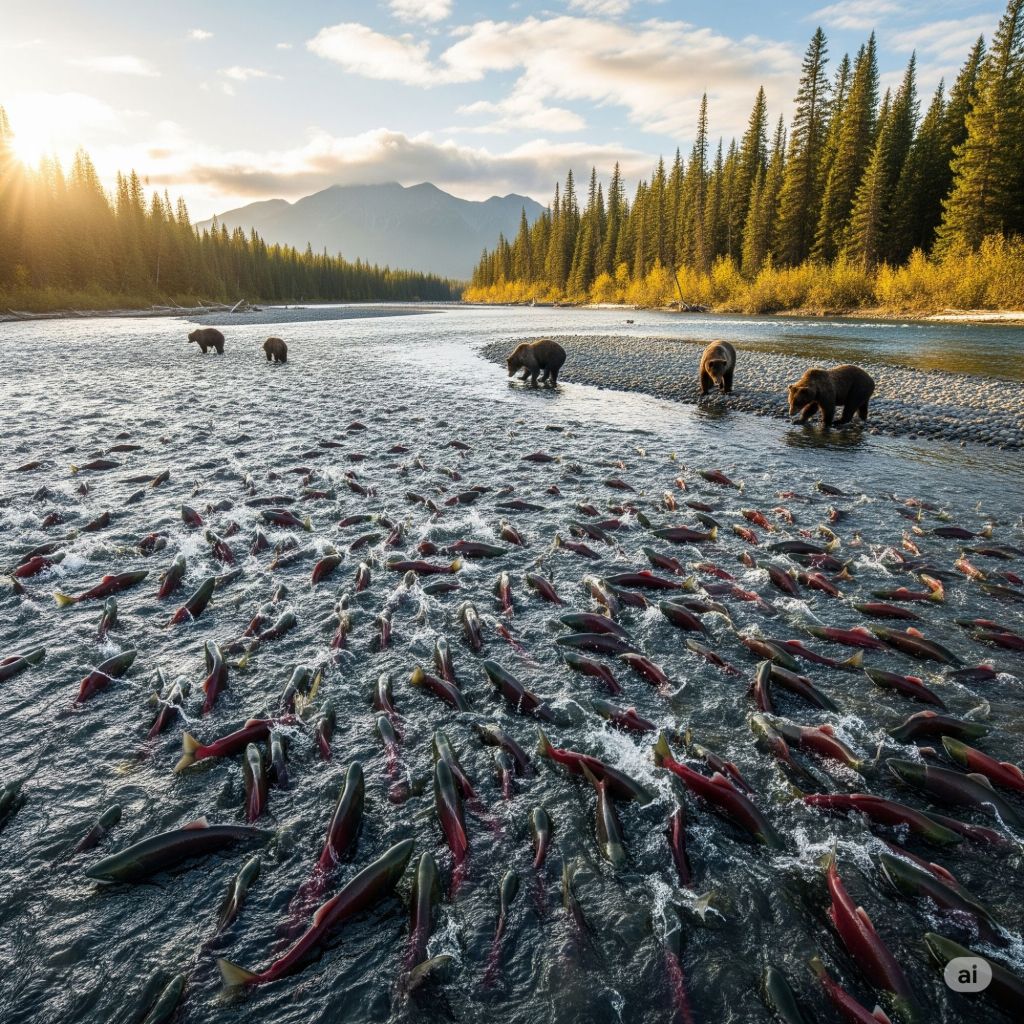
Fish return
Editor’s note: The government of British Columbia opened a recreational fishing season on returning salmon in the Fraser River on the 22nd of August 2025, this abundance of return is being credited to some cooler water by some sources. This brief opening is 11 Days ending on September 1st 2025. Many sources are lined up to take credit. In our view it may be a result of the rest the environment got during COVID.
There were nine according to memorization versus now there are eight.
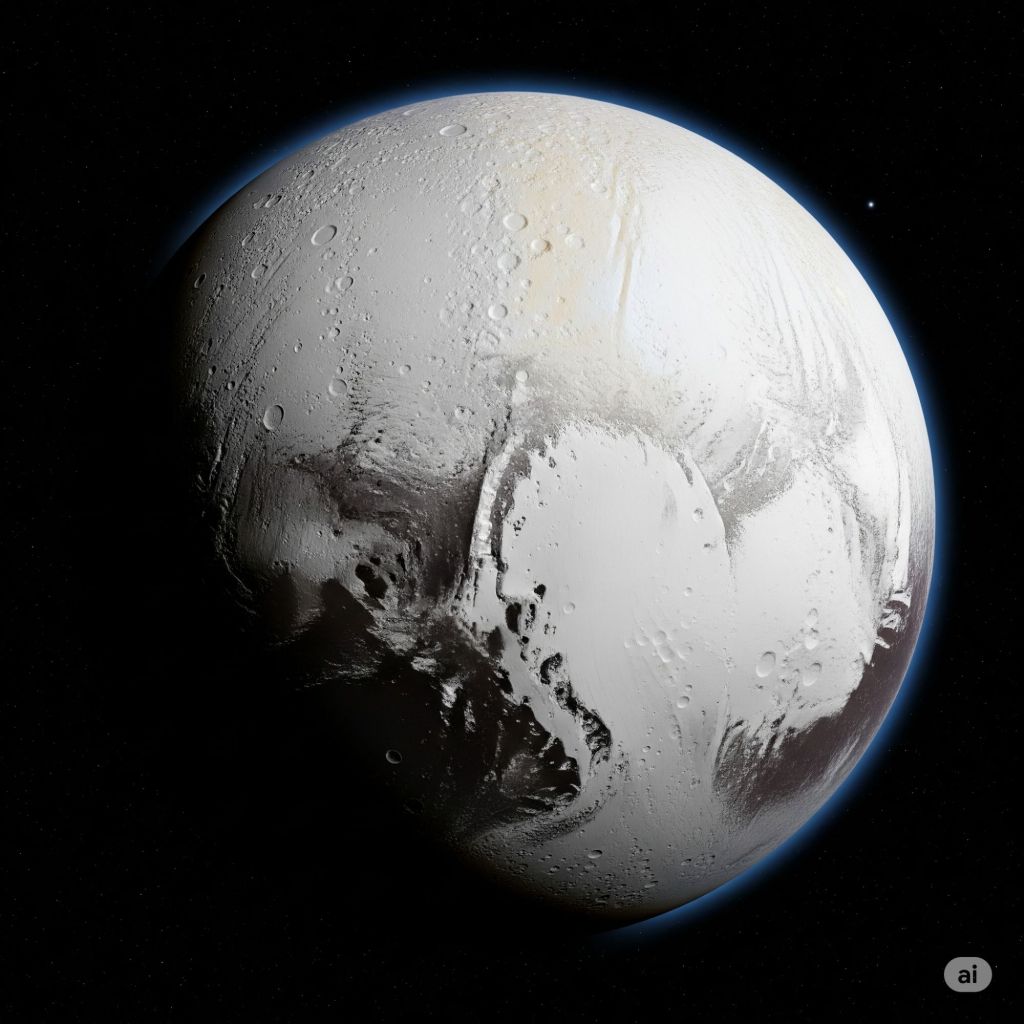
Pluto was discovered in 1930 and was immediately classified as the ninth planet in our solar system. However, its status was questioned over time as new discoveries were made, leading to its demotion to a dwarf planet in 2006. The Demotion of Pluto The International Astronomical Union (IAU), the official body for naming and classifying celestial objects, established a new, more specific definition of a planet in August 2006. To be considered a planet, a celestial body must meet three criteria: * It must be in orbit around the Sun. * It must have sufficient mass to be nearly round due to its own gravity. * It must have “cleared the neighborhood” around its orbit, meaning it has become gravitationally dominant and there are no other similarly-sized objects (other than its own moons) in its orbital path. Pluto satisfies the first two criteria, but it fails the third. It orbits in the Kuiper Belt, a region of icy objects, and its orbit is shared with many other celestial bodies. The discovery of Eris in 2005, a trans-Neptunian object that was initially thought to be larger and more massive than Pluto, was a major catalyst for the IAU to clarify its definition of a planet. Pluto’s Current View in the Solar System Pluto is now classified as a dwarf planet and a plutoid. It is considered a prototype for a new class of objects in the outer solar system. This reclassification reflects a more accurate understanding of Pluto’s nature as one of the largest members of the Kuiper Belt, rather than as a primary planet in the same category as Earth or Jupiter. This new classification doesn’t diminish Pluto’s importance; it simply places it in a different, more fitting category. The New Horizons mission in 2015 provided us with detailed images and data, revealing Pluto to be a complex world with mountains, glaciers, and a surprising atmosphere. Effect on Other Orbiting Bodies Pluto’s effect on other orbiting bodies is limited. Its small mass, roughly one-sixth of our moon’s, means its gravitational influence is not significant enough to affect the orbits of the primary planets. It does, however, have a unique orbital resonance with Neptune. Pluto completes two orbits around the Sun in the same amount of time that Neptune completes three orbits. This specific relationship prevents the two bodies from ever colliding and helps to stabilize Pluto’s orbit. Within its own system, Pluto has a significant effect on its largest moon, Charon. The two are so close in size that their center of mass lies in the space between them, causing them to orbit a point in space rather than Charon orbiting Pluto. This is a characteristic more common in binary systems and is a testament to the unique nature of the Pluto-Charon pair.
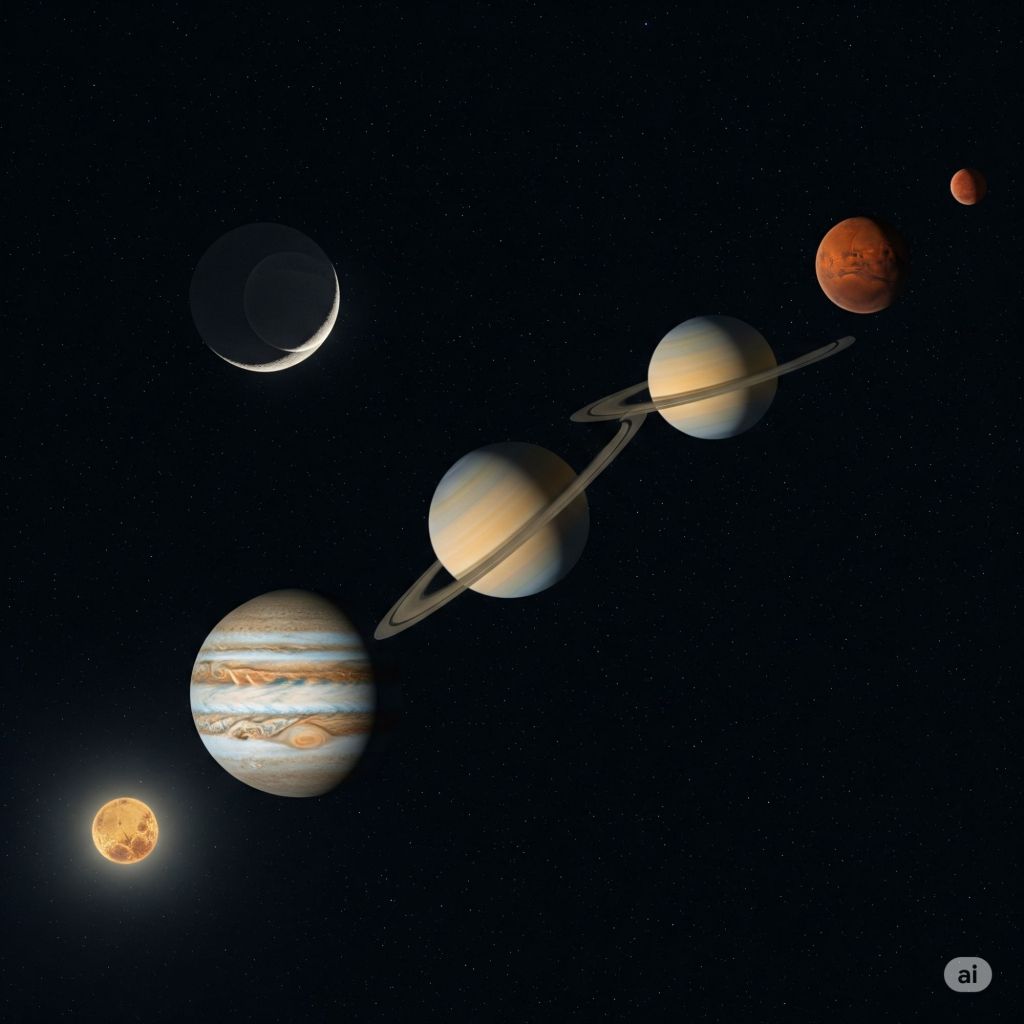
A planetary parade is a celestial event where multiple planets appear close together in the night sky. On August 23, 2025, there will be a morning planetary parade featuring six planets—Mercury, Venus, Jupiter, Saturn, Uranus, and Neptune—visible before sunrise. The new moon also occurs on this date, providing a darker sky for better viewing. When to Look The best time to view the alignment is in the two hours before dawn. The exact time will depend on your specific location, so checking a stargazing app or website is recommended for the most accurate timing. Where to Look The planets will appear stretched across the eastern sky, following the ecliptic (the path the Sun, Moon, and planets appear to follow). * Mercury, Venus, and Jupiter will be clustered low on the eastern horizon and are the brightest and easiest to spot. Venus and Jupiter will be particularly dazzling. * Saturn and Neptune will be higher in the sky, toward the southeast. Saturn is visible to the naked eye, while Neptune will require binoculars or a telescope. * Uranus will be in the southeastern sky, and similar to Neptune, you will likely need binoculars to see it. For the best viewing experience, find a location with an unobstructed view of the eastern horizon and minimal light pollution. A Rare Alignment of Six Planets is Happening. You Should Not Miss This. This video from YouTube explains the rare planetary alignment and why you should try to view it.
The hotel has seen generations of rural cowboys farmers and workers dine dance and socialize.
Coldwater Hotel
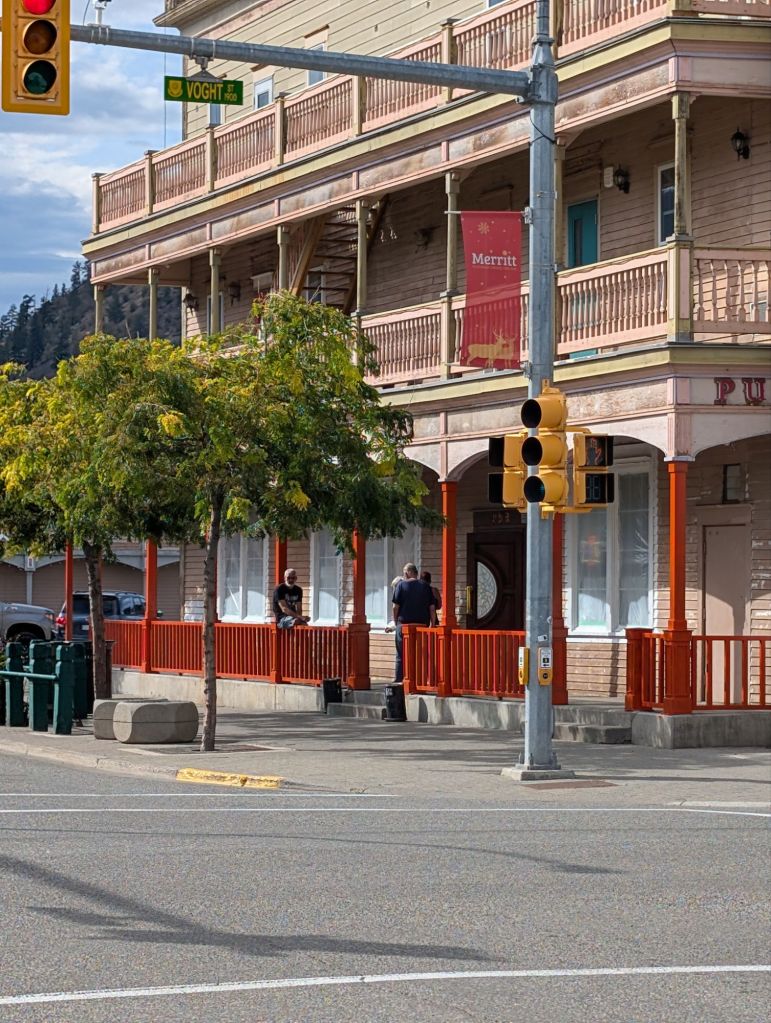
The historic Coldwater Hotel, a prominent landmark in downtown Merritt, British Columbia, has a rich and complex history. It has played a central role in the community since its establishment, experiencing periods of growth, decline, and adaptation. History The first Coldwater Hotel was built in 1908 by William McIntyre. It was a modest two-story, 12-room structure. However, with the booming economy driven by the local coal mines and ranching, a grander building was needed. The current, more lavish Coldwater Hotel was officially opened in May 1910. Constructed for around $6,000, the three-story building was considered one of the finest “dollar-a-day” hotels in BC’s interior. It featured a large barroom, a ladies’ parlor, and initially, 30 guest rooms which were later expanded to 60. The hotel’s most distinctive feature is its conspicuous copper dome, which is a recognizable landmark throughout the city. Throughout its existence, the hotel has had numerous owners and has been a continuous gathering place for residents and travelers. Cultural High Points * Community Hub: Since its opening, the Coldwater Hotel has been a central meeting place for Merritt’s residents. It has served as a social and entertainment venue with its pub, restaurant, and banquet facilities. * Architectural Landmark: The hotel’s architecture, particularly its copper dome, is a significant part of Merritt’s historical identity and is considered a heritage building. * Cultural Preservation: The hotel’s interior and restaurant are lined with antique artifacts, bottles, and other items that reflect the area’s history, providing a unique “taste of historical flavour” for visitors. * Tourist Attraction: The hotel attracts European and Australian tourists, who come to experience its historical atmosphere and continuous service, which has been ongoing for over a century. Low Points * Historical Scandals: The hotel’s history includes notable incidents, such as a report in the Merritt Herald in 1969 of a dead man found in one of the rooms by a chambermaid. * Economic Fluctuations: The hotel, like the city of Merritt itself, faced ups and downs tied to the local economy, particularly during periods when industries like logging and mills hit “rock bottom.” * COVID-19 Exposure: In more recent times, the hotel was listed by Interior Health as a public exposure site for COVID-19 in September 2020. Future The Coldwater Hotel’s future is centered on preservation and modernization. In 2020, new owners Carson Wang and Grace Jiang began significant renovations. Their plans included: * Structural and Interior Upgrades: Bringing in engineers to assess the building’s integrity, installing new flooring in the pub and restaurant, and converting long-term rental spaces back into functional hotel rooms. * Exterior Makeover: The owners sought community input for an exterior renovation, considering different types of siding to upgrade the building’s look while preserving its historical character. The ongoing efforts to renovate and restore the hotel, with community collaboration, suggest a commitment to maintaining its status as a vital part of Merritt’s downtown core. The hotel’s long history and continued operation indicate a strong desire within the community for it to remain a cherished historical and social landmark.
The local historical Society, the sponsor of the Bailey House downtown information center has an interesting bit of artisan art and comfort on the desk of manager Angie.
Artisan work by a local, they are a conversation piece worthy of your and yours attention.
The soft material also works well as an accent to ones wrist and its soft support can relieve the stress of hand and wrist when writing the next letter, or card, to your friends or colleagues.
You’re right, ghosting is similar to shunning, but there are some key differences. Shunning is a formal practice often used by religious groups as a form of discipline or punishment. Ghosting, on the other hand, is usually an informal act by an individual.
Is it Illegal
No, ghosting isn’t illegal, but it can definitely cause emotional distress. It’s not considered assault, but it can still be hurtful.
Hard on the personality
Yeah, ghosting can be really tough on some people. It can lead to feelings of rejection, confusion, and even lower self-esteem. In some cases, it can trigger anxiety or depression, especially if there were already some underlying mental health issues.
Is it a method appropriate
You are not likely to be the only judge on that. We believe that it could range from overbearing dominance to just simple withdrawal. Honesty in all things always reduces complicated rhetoric.
Farmers’ Markets in British Columbia and Canada While an exact, single number for all of Canada is not readily available, data from the BC Association of Farmers’ Markets (BCAFM) indicates a robust and growing market scene in British Columbia. As of recent studies, there are over 145 farmers’ markets across British Columbia. Effect on Farmgate Price Farmers’ markets have a significant and positive effect on the “farmgate price,” which is the price a farmer receives for their product at the farm gate, before any processing or distribution costs. Here’s how: * Direct-to-Consumer Sales: By selling directly to consumers, farmers eliminate the need for intermediaries such as wholesalers, distributors, and grocery retailers. This allows them to capture a much larger portion of the final retail price, often receiving 100% of the price paid by the customer. * Pricing Flexibility: Unlike a large grocery chain with standardized pricing, farmers at a market have the flexibility to set their own prices based on a variety of factors, including the quality of their product, the cost of production (e.g., whether it’s organic), and the local demand. * Economic Impact: A 2023 study by the BCAFM found that member markets in British Columbia generated $155.3 million in direct sales. This revenue goes straight to local farmers and food producers, contributing to a substantial economic impact on the local community. Farmers who sell directly are also more likely to patronize other local businesses, creating a positive multiplier effect. Disposition of Food Farmers’ markets change the “disposition” of food by influencing its distribution and what happens to unsold products. * Alternative Distribution Channel: Farmers’ markets provide a vital alternative to the conventional food supply chain. This is particularly beneficial for small-scale farmers who may find it difficult to meet the high volume and standardization requirements of large retailers. Markets also foster a direct relationship between producers and consumers. * Community-Based Programs: Many farmers’ markets, such as the ones in Vancouver, have “Donation Station” programs. At the end of a market day, farmers and vendors can donate any unsold fresh produce, which is then distributed to local food banks, community food pantries, schools, and other programs that support low-income and food-insecure individuals. * Reduced Food Waste: Farmers have more control over their inventory and can bring only what they believe they can sell. While some food may still go unsold, the direct sales model and donation programs help to minimize waste compared to the large-scale distribution system, where a single rejected shipment can result in a massive loss. Unsold produce can also be used for animal feed or composted.
Just next door to 2202 Voght Street in Merritt, Saturdays from 9:00 to 1:30 p.m. there is a farmers market. In the curling parking lot. Preferred access off Merritt Avenue. There are recreational opportunities with the Nicola Valley aquatic Center. Within walking distance is also the Merritt A&W and block and a half away. There is a new Valley graze for artisan prepared meals.
Welcome to Merritt.
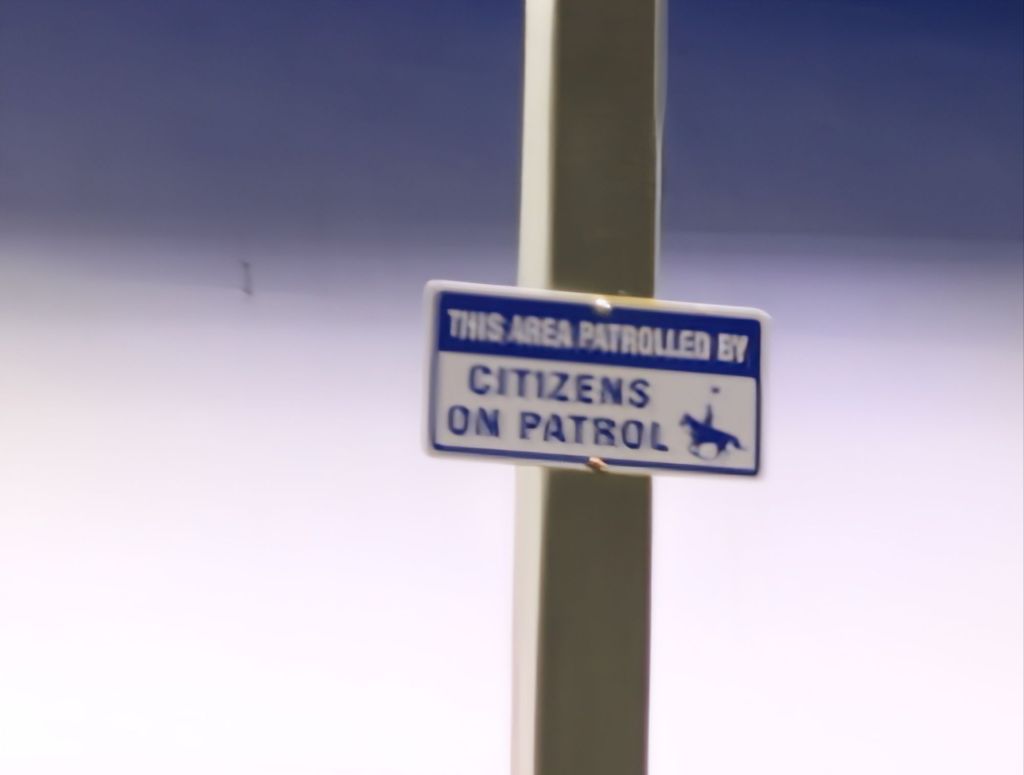
A sign in the curling rink parking lot, Market venue…
I’mTo photograph Jupiter and Saturn, you’ll need to work with a few key camera settings and pieces of equipment. Here’s a breakdown of what you can do to capture them, especially in the early morning. A great opportunity for this kind of photography is happening on August 12, as Jupiter and Venus will be in a close alignment, known as a conjunction. They will appear as a single bright “double star” in the eastern sky just before sunrise. While Jupiter and Venus are the main event, Saturn will also be visible, though farther away. Here are some general tips and settings to get you started: * Equipment: A camera with manual controls (like a DSLR or mirrorless camera) and a sturdy tripod are essential. A telephoto lens (300-400mm or more) is highly recommended to get a decent size image of the planets. * Camera Settings: Since the planets are very bright, you’ll need to use shorter exposure times. * Shutter Speed: Start with a fast shutter speed, such as 1 second or less, to prevent the planets from turning into streaks due to Earth’s rotation. If you have a telescope with a clock drive (which tracks the movement of the stars), you can use longer exposures. * Aperture: Try an aperture of around f/8. * ISO: Use a moderate ISO setting, such as 3200, as a starting point. You can experiment with different ISOs to find the best balance between brightness and image noise. * Focusing: Autofocus is not reliable for astrophotography. Turn it off and manually set your focus to infinity. Use your camera’s live view mode and zoom in on the planet to fine-tune the focus until it appears as small and sharp as possible. * Technique: Use a 2-second timer or a remote shutter release to avoid shaking the camera when you press the button. For a different approach, if you have a telescope, you can take a series of many short exposures, a technique known as “lucky imaging.” This involves using specialized software to stack the sharpest images and create a final, more detailed photo.











 Kevin Griffiths
 percypaschal
