Category: Entrepreneurship


Data

Economic weight

Data storage, primarily housed in data centers, is a critical component of the modern digital economy. It involves the recording and keeping of digital information using various technologies.

Economic Impact (GDP Percentage)The data storage and broader data center market contributes significantly to the global economy, though its contribution isn’t typically captured as a single percentage of global GDP.

* Market Size and Growth: The global data storage market was valued at approximately $218.33 billion in 2024 and is projected to grow substantially, reaching an estimated $774.00 billion by 2032. This rapid growth reflects its increasing importance to all sectors of the economy.

* Indirect Contribution: The true economic impact is much larger than the market size alone, as data storage is an enabling technology. Virtually every other industry—from finance and healthcare to retail and manufacturing—relies on it. For example, some economists have suggested that a significant portion of GDP growth can be attributed to the infrastructure provided by data centers.

Relationship with Electrical Usage

In the clouds

power

demand

There’s a strong and rapidly growing relationship between data storage/data centers and electrical consumption.

* High Power Demand:

North end Merritt

Data centers are massive consumers of electricity, primarily due to two factors:

* IT Equipment Operation: The servers, storage drives, and networking equipment must run 24/7. *

Cooling Systems: A significant portion of the electricity—often around 40% or more—is used to power the cooling, ventilation, and air conditioning (HVAC) systems required to dissipate the vast amount of heat generated by the running equipment.

* Global Consumption: Globally, data centers currently account for an estimated 1.5% to 2% of total worldwide electricity consumption. *

Rapid Growth: This usage is expected to increase dramatically, driven by the explosive demand for Artificial Intelligence (AI), cloud computing, and big data analytics. Projections suggest that global electricity consumption from data centers could double or even triple by 2030 in some scenarios.

Advantage of Iceland for Data Storage

Iceland is an exceptionally advantageous location for hosting data centers, primarily because of its unique geological and climatic features, which address the major challenges of cost and sustainability.| Advantage | Benefit for Data Storage ||—|—|| Cool Climate | The country’s year-round mild and cool temperatures allow data centers to use “free air cooling” or “natural cooling.” This dramatically reduces or eliminates the need for mechanical cooling, saving huge amounts of electricity and lowering operating costs. |

| 100% Renewable Energy | Iceland’s electricity is sourced entirely from geothermal and hydroelectric power. This provides a stable, abundant, and carbon-free energy supply, which is critical for companies focused on sustainability and minimizing their carbon footprint.

Low Energy Costs

|| Low Energy Costs | Due to the abundant renewable resources, Iceland offers competitive and stable low energy prices, which is a significant operating expense for any data center.

|| Strategic Location | Its location in the North Atlantic, with submarine fiber optic cables connecting it to both North America and Europe, positions it as a potential hub for transatlantic data transfer.

|| Political Stability | Iceland offers a secure and stable political and business environment with a clear regulatory framework, reducing operational risks for large investments.

In summary, Iceland offers a “cool, green, and scalable” environment, allowing data centers to achieve excellent Power Usage Effectiveness (PUE) and meet corporate sustainability goals.

Bell Merritt

Good luck, in Merritt, Bell Canada is in process of constructing for a closer to home operation in the North end of Merritt BC Canada.

“Big things” for a small town with stable workforce and amenities including climate and proximity as well as reliable transportation in a stable Country.

TGIF- tree culture…

Over time trees have been…🌳🍁🌳

Based on the search results, I can now answer all parts of the user’s query.
Modern Tree Culture
Modern tree culture, or the modern view of trees, is multifaceted. Trees are valued for their ecological benefits, such as sequestering CO2, enriching soil, and creating habitats. They are also integral to modern landscape design, where their aesthetic qualities and ability to define spaces are utilized. On a deeper level, trees continue to be powerful cultural symbols in art, literature, and environmental movements, representing growth, resilience, and the interconnectedness of life. They are also seen as vital for human well-being, providing sanctuaries for mental health and a connection to nature.
Distinction from Celtic and Druidic Tree Culture
The distinction between modern and ancient Celtic/Druidic tree culture lies primarily in the spiritual and religious significance of trees.
* Celtic/Druidic Culture: Trees were considered sacred, sentient beings and were central to spiritual practices. Certain trees like the oak, ash, and hazel were revered as embodying wisdom, life, and a connection to ancestors. The word “Druid” itself may be derived from the Celtic word for oak, “deru.” Sacred groves were places of worship, and specific trees were believed to have magical or divine properties, used for divination, healing, and protection from evil spirits. Felling a sacred tree was a serious offense, sometimes a symbol of a rival clan’s demoralization.
* Modern Culture: While trees are still seen as symbolic and spiritually significant to some, this view is not a dominant part of mainstream society. The modern appreciation for trees is more rooted in science, ecology, and aesthetics. The focus is on their role in mitigating climate change, improving air quality, and supporting urban life, rather than their use in specific religious rites or as literal dwellings for spirits.
The Good, the Bad, and the Evil
The search results interpreted the user’s query about “deep tree culture” in a more literal and horticultural sense, but also provided information that can be applied to the symbolic and cultural aspects.
Good:
* Environmental: Trees are crucial for creating habitats, enriching soil, and managing water. They sequester carbon, reduce urban heat, and lower energy consumption.
* Aesthetic & Personal: Trees define outdoor spaces and are a source of beauty and inspiration in art. They are shown to improve emotional health and provide a calming experience.
* Symbolic: The “Tree of Life” motif, found in many cultures, represents a unifying idea of creativity and the interconnectedness of all life. Trees symbolize personal growth, resilience, and stability.
Bad:
* Horticultural: The “bad” aspects are largely practical. Planting trees too deep can kill them by smothering roots. Improper planting and soil compaction can stunt growth and make trees susceptible to disease and wind damage.
* Urban & Public Health: Urban trees can have negative effects, such as emitting volatile organic compounds (VOCs) that contribute to smog during heat waves, or their roots can damage pipes and foundations. Some trees can also be a source of allergens.
Evil:
The concept of “evil” in “deep tree culture” is not addressed in a literal sense by the search results. However, from the historical Celtic context, the practice of a rival clan destroying an enemy’s sacred tree was a demoralizing act of spiritual violence. In this sense, an act of destroying something deeply sacred to a culture or people could be seen as an act of evil within their belief system.

Get your flow of electrons today.

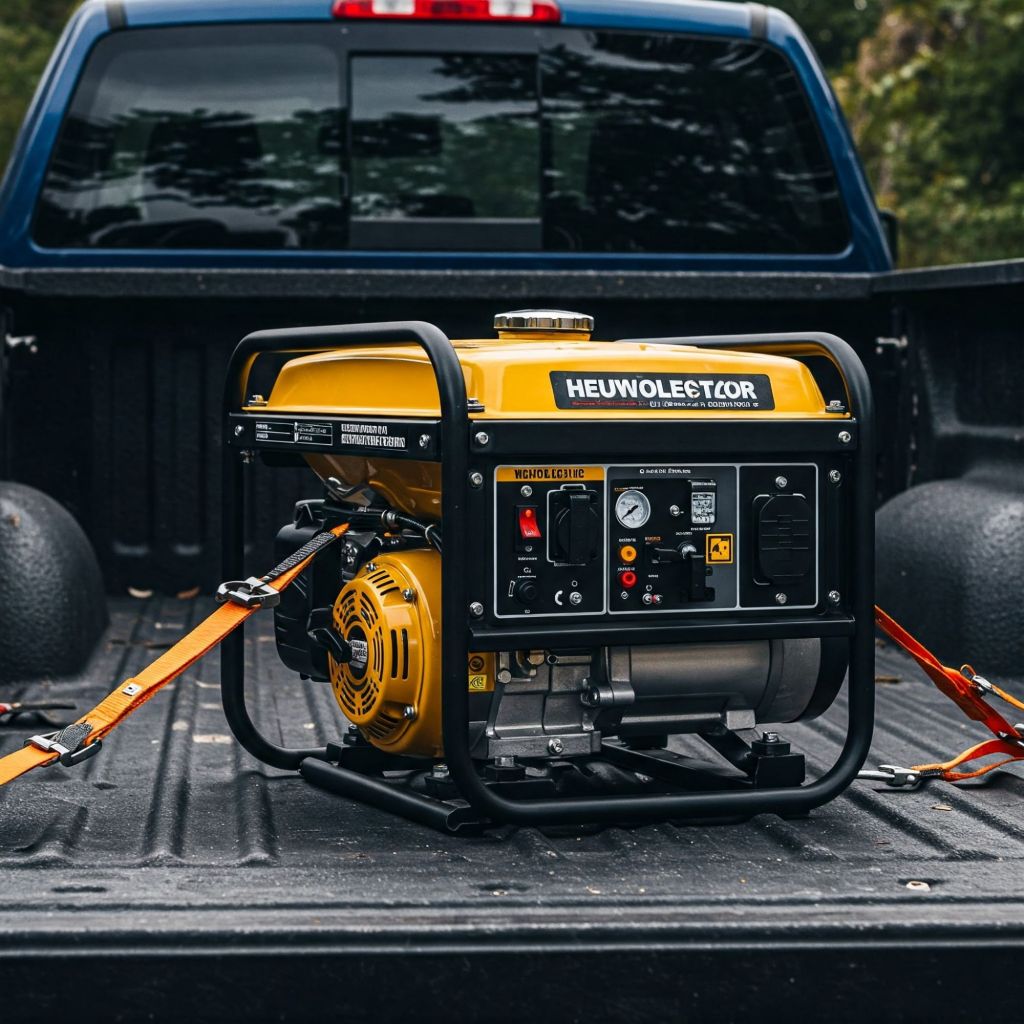
Photos by Ai
Generators are devices that convert one form of energy into another. They are commonly used to produce electricity, but they can also be used to power other devices, such as pumps and compressors.
There are many different types of generators, each with its own advantages and disadvantages. The most common type of generator is the internal combustion engine generator. These generators are powered by gasoline, diesel, or natural gas. They are relatively inexpensive and easy to maintain, but they can be noisy and produce emissions.
Another type of generator is the turbine generator. These generators are powered by steam, water, or wind. They are more efficient than internal combustion engine generators, but they are also more expensive and complex.
Generators are used in a variety of applications, including:
* Backup power: Generators can be used to provide power during power outages.
* Remote locations: Generators can be used to power homes and businesses in remote locations that are not connected to the grid.
* Construction sites: Generators can be used to power tools and equipment on construction sites.
* Emergency vehicles: Generators can be used to power lights and other equipment in emergency vehicles.
If you are considering purchasing a generator, it is important to choose the right type of generator for your needs. You should also consider the size of the generator, the fuel type, and the noise level.

Off grid or on grid every one has a use for electrical power.

Yes power is the powerful

Canada Day 2025

Happy Canadian Bacon Day

Fly your colors…

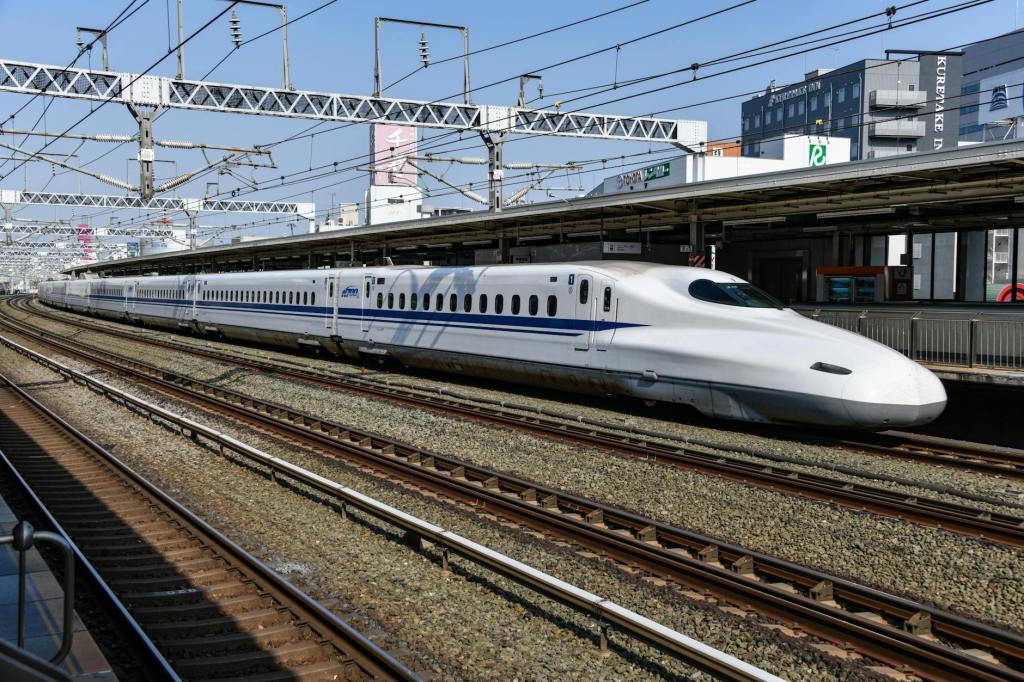
New fast tech…

Commuter choice, TCD.

So, the industry of those disciplines engineers rises again ..

Rapid transit a continuing dream..

Can Canada build BC ferries  on both coasts. Well it would sure help if there was rapid trans Canada travel. It would make ports on both coasts more relevant, as well as relief for crowded skies …

Going forward

Cibc in a report has indicated that Canadians are optimistic even though there’s adversity out there and at least 68% of them have made progress towards their goals in the last year.

Resilient population

Entrepreneurship, C

Never despise small things

A  stone thrown through a local facility is marked off for discovery…

Some one, in an entrepreneurial environment, made sure the small things didn’t add up to a lot of trouble. Probably making them more competitive on the world stage over time so long as they paid fair wages, and did unfairly subsidize. And didn’t ignore the social contract with their neighbors, employees and partners.

This can lend to the social mobility required for large amounts of people that might want to ride a boat and see the beautiful problems of British Columbia and return home to a huge population and say boy, it was beautiful and we where and rode a ship worked on by our neighbor down the road. That may be a small thing, but a good small thing repeated over and over adds up to a lot of…

Prosperity.

Construction up…

From December 2024.

Lead by Ontario and British Columbia construction values and permits were up considerably at the end of last year

Eggextactly; the stats are in and 2024 saw an increase in poultry things.

So, covid-19, avian flu, war and insurrection, and we go on and on. Thank you fellow Canadians and friends we have had some dark times. We have every confidence in the strength of our communities. + The will of people to succeed as it produces a lifestyle worthy of us.

Rip Hans Kruse

Hans Kruse recently passed from this life and we remember him as the driver literally and figuratively for HK trucking in Merritt BC. And the trucking magnet for this little place took advantage of deregulation in a 1980s that saw  trucking deregulated in BC, licenses were given out but tariffs or rates we’re wide open for competition.

High times

Entrepreneurship was the catchy of the day. Many people held down a full-time job in a mine or a mill + yet there was a Proprietoratory drive that saw small business on the part-time level as well as a small mom and pops  like HK struggle to succeed. More than extra money and the less than economies of scale. But individualism had its way,

However, not without casualties. We won’t go into that right at this point 😞 But you know in life that one’s freedom is often somebody else’s peril.

Good luck no passing in the saints lane.