


Relevant danger or not… May 2025
Continue reading
To the seasons of life

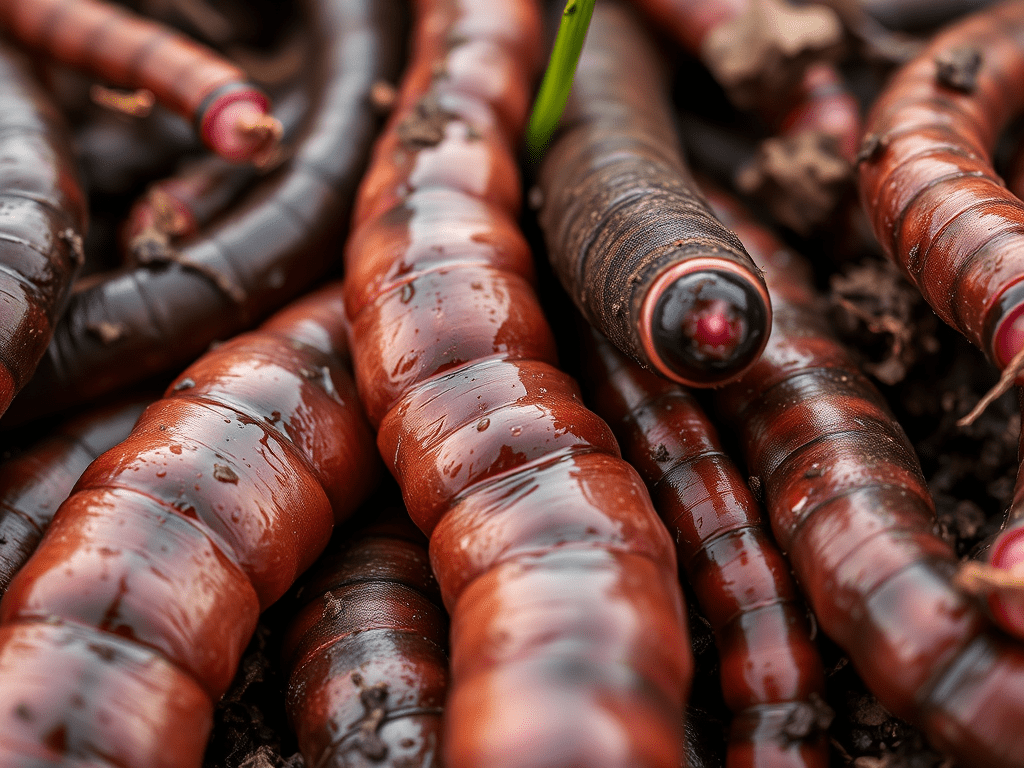
Earthworms are incredibly beneficial for our environment, gardens, and lawns. They are often called “nature’s engineers” due to their significant impact on soil health. Here’s a breakdown of the many advantages they offer:
For Soil Health and Fertility:
* Nutrient Cycling and Fertilization: Earthworms consume dead organic matter like leaves, grass clippings, and plant debris. As this material passes through their digestive system, it breaks down and becomes highly concentrated with essential nutrients (like nitrogen, phosphorus, and potassium) in their excretions, known as “castings” or “worm poop.” These castings are a natural, nutrient-rich fertilizer readily available for plants.
* Organic Matter Decomposition: By ingesting and breaking down organic matter, earthworms accelerate its decomposition, preventing the buildup of thatch in lawns and making nutrients locked within these materials available for plants.
* Increased Microbial Activity: Earthworms foster a thriving microbial community in the soil. Their digestive systems introduce beneficial microorganisms into the soil, which are crucial for nutrient cycling and overall soil biological activity.
* Improved Soil Structure and Aggregation: As earthworms burrow, they create tunnels that loosen and aerate the soil. This prevents soil compaction and creates a more porous structure. Their castings also help to bind soil particles together, forming stable aggregates that improve soil tilth and stability.
For Water Management:
* Enhanced Water Infiltration and Drainage: The tunnels created by earthworms act as channels, allowing water to penetrate the soil more easily and deeply. This significantly improves drainage, reducing waterlogging and runoff, which in turn helps prevent erosion and flooding. Soils with earthworms can drain up to 10 times faster than those without.
* Improved Water Retention: The improved soil structure with better aggregation allows the soil to hold onto moisture more effectively, making water more accessible to plant roots.
For Plant Growth:
* Deeper Root Penetration: The tunnels created by earthworms provide pathways for plant roots to grow deeper into the soil, allowing them to access more water and nutrients.
* Increased Plant Productivity: By enhancing nutrient availability, water infiltration, and soil structure, earthworms directly contribute to healthier and more robust plant growth. Studies have even shown that earthworms can contribute significantly to global grain and legume production.
Other Environmental Benefits:
* Bioremediation: Earthworms can help clean up contaminated land by spreading microorganisms that break down environmental pollutants into non-toxic molecules.
* Food Source: Earthworms are a vital part of the food web, serving as a food source for many animals, including birds and small mammals.
* Indicators of Soil Health: A healthy population of earthworms in your soil is often a good indicator of overall soil health, as they thrive in moist, organic-rich environments.
In summary, earthworms are indispensable allies in maintaining healthy, fertile soil. Their presence in our gardens, lawns, and natural environments is a strong indicator of a thriving ecosystem, contributing to robust plant growth, efficient water management, and natural nutrient cycling.
More real estate. More opportunities for ticks. Real estates in a metaphoric sense that your sleeves are down and up + when the weather is warm and you’re out there you’re going through the grass and you’re going through leaves and there you are. There’s real estate coming right to the tics.
Lyme disease transmissions need 36 hours of the tick having your full attention in the sense that they’re on your skin to transmit. If you get them off before then you should be all right so keep checking, especially if going through grass and stuff and you’ve been in the bush.


The swamp starts somewhere…

The provincial organization BC Nature is a nonprofit and consists of local member naturalist groups. The host is the Nicola Naturalist Society Incorporated and it’s Volunteer members are putting it on at the local facilities as well as incorporating field activities for viewing local flora and fauna.
The registration desk is open Thursday at 1:pm at the Merritt Civic center.
Venue
Civic center Mamette Ave
The Merritt Civic Centre is located at 1950 Mamette Ave, Merritt, BC V1K 1B8, Canada. You can contact them by phone at +1 250-315-1050.
Here’s some additional information:
* Rating: 4.1
* Hours:
* Monday: 8:30 AM-4:30 PM
* Tuesday: 8:30 AM-4:30 PM
* Wednesday: 8:30 AM-4:30 PM
* Thursday: 8:30 AM-4:30 PM
* Friday: 8:30 AM-4:30 PM
* Saturday: Closed
* Sunday: Closed
* Accessibility: The facility has wheelchair accessible entrance and parking.
* Summary: Friendly and knowledgeable staff at this well-maintained facility helped a Lytton fire survivor and a Vancouver Island resident.
Would you like to know more about other facilities in Merritt?
An effort deserving of support.
Adam Johnson is dead and four decades of neck guards in minor hockey have not persuaded broad usage in the big leagues.
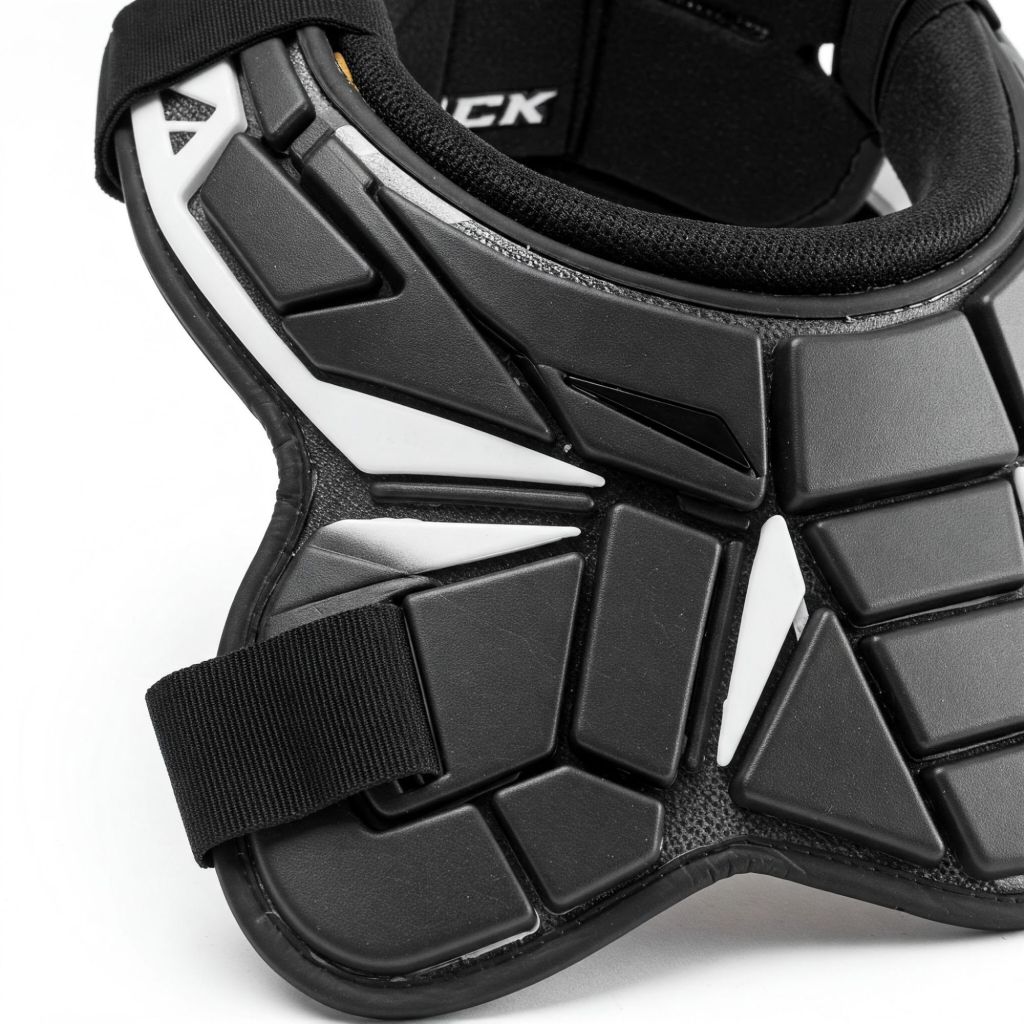
Neck guards in minor hockey have a history rooted in a tragic incident. In 1975, Ontario Junior A league goalie Kim Crouch suffered a severe neck laceration from a skate blade. Following this near-fatal injury, his father developed the first neck guard to allow Kim to return to playing. This event spurred the initial adoption of neck guards, particularly in Canadian minor hockey leagues.
Over the following decades, neck guards became increasingly common in minor hockey across Canada. Many provincial and local hockey organizations mandated their use for players under a certain age. The Bureau de normalisation du Québec (BNQ) certification became a standard, ensuring the quality and protective capability of neck guards used in Canada.
In the United States, the adoption of mandatory neck guards in minor hockey has been less uniform historically, often varying by state or local association. However, following the death of Adam Johnson, who suffered a fatal neck cut in a professional game in England in October 2023, there has been a significant push for mandatory neck protection at all levels. As a result, USA Hockey mandated neck laceration protection for all players under the age of 18, effective August 1, 2024.
Use in Professional Hockey:
Currently, neck guards are not mandatory in the National Hockey League (NHL). While some players choose to wear them, the majority do not. Concerns about comfort, potential hindrance to performance, and tradition are often cited as reasons for this resistance.
However, the conversation around neck guards in professional hockey has intensified following recent serious neck injuries in hockey globally. Some NHL players have begun to wear neck guards voluntarily, and there is ongoing discussion about whether the league and the NHL Players’ Association might eventually agree to make them mandatory, similar to the evolution of helmet and visor rules.
Other professional leagues, such as the American Hockey League (AHL) and leagues in Europe (Germany, Sweden, Finland, and England), have implemented mandatory neck guard policies. The International Ice Hockey Federation (IIHF) also mandates neck guards for all its tournaments, including the World Junior Championships and the World Championships.
Effectiveness and Usefulness:
Neck guards are designed to protect the vulnerable neck and throat area from lacerations caused by skate blades, hockey sticks, and pucks. They are typically made of cut-resistant materials like Kevlar or Spectra fibers, often encased in a comfortable fabric.
Studies and real-life incidents suggest that neck guards can be effective in preventing or reducing the severity of neck lacerations. While no protective equipment can guarantee complete safety, neck guards provide a crucial barrier against sharp objects that could otherwise cause life-threatening injuries to major blood vessels and nerves in the neck.
Have they ever saved anyone from catastrophic injury?
Yes, there are documented cases where neck guards are believed to have saved players from severe or fatal injuries:
* The case of Kim Crouch: His injury in 1975 directly led to the development and subsequent use of neck guards, preventing similar incidents for countless players.
* Recent youth hockey incident in Eastern Ontario: Following Adam Johnson’s death, a young player was reportedly saved by a neck guard after being cut by a skate.
While less publicized, it is plausible that neck guards have prevented numerous other less severe but still significant neck injuries over the years.
In conclusion, the history of neck guards in hockey began with a serious injury that prompted their invention. They have become a standard and often mandatory piece of equipment in minor hockey, particularly in Canada, and are now gaining increased attention and mandatory status in youth hockey in the United States. While not currently mandatory in the NHL, the effectiveness and potential life-saving benefits of neck guards are becoming increasingly recognized, leading to more players choosing to wear them and ongoing discussions about a potential league-wide mandate in the future.
Sportsmen need Sportsmanship all ways.
The Fishers Fight for food…
Presentation at the NVIT lecture theater, top of the hill Bellshaw Avenue in Merritt British Columbia, Canada.
Membership or donation requested, fundraising auction for donated goods. The side table during the break raises money for our scholarship to an nvit student.
Free parking. No food or drink in the electric theater. This is what the naturalist likes to say.
May is the month to prepare for summer.Heres some ideas:
To prepare for summer, one should start by decluttering their living space, ensuring that it feels fresh and inviting. Next, consider updating your wardrobe by packing away winter clothes and investing in lightweight, breathable fabrics. Don’t forget to check your air conditioning system and appliances to make sure they’re in good working order for the heat. Planning summer activities, such as beach trips or outdoor events, can also help create a fun itinerary. Lastly, focus on hydration and skin protection by stocking up on sunscreen and water bottles to stay safe during the warmer months.
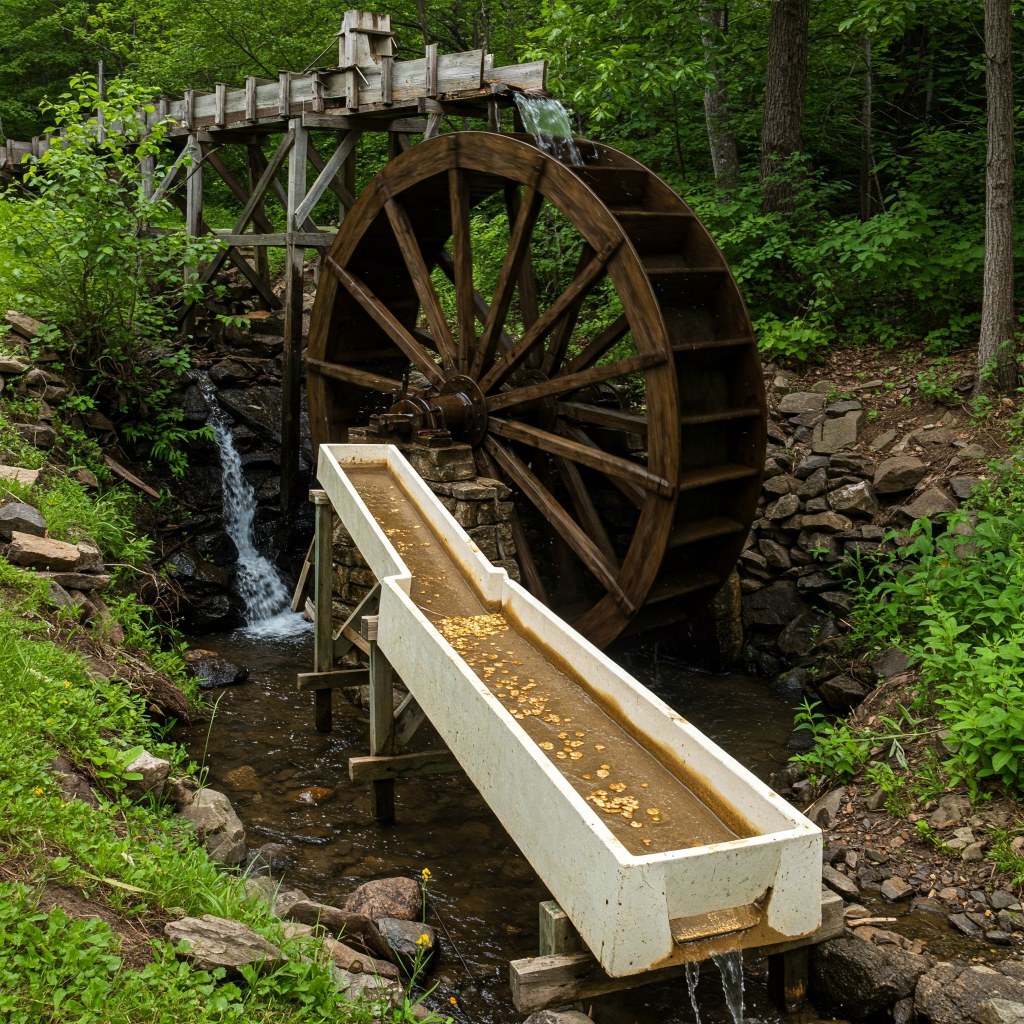
There’s gold in them there hills..


Hey Merit what do you say?


 Kevin Griffiths
 percypaschal
 The Proprietor Review