You are presumed to be honest and responsible without evidence to the contrary beyond a reasonable doubt… on the balance of probablilties you are justified by 51 % likelyhood.
Liana Ortega is with the group’s bats BC she is from Kamloops and will present March 20th at the Nicola naturalist Society in Merritt.
Alan Burger and a guest, file photo KDG…
The Nicola Naturalist Society is having a presentation on Bats on March 20th 2025. The The group with President Alan Berger + many community members meet at the Nicola Valley institute of technologies lecture theater at 7:00, generally the third Thursday of the month.
The bake time and temperature for salmon can vary depending on the thickness and size of the fillet, as well as your personal preference. However, here are some general guidelines: Temperature: * 350°F (175°C): This is a good temperature for a slow and even cook, especially for thicker fillets. * 375°F (190°C): This is a popular choice for baking salmon, as it cooks the fish relatively quickly while still keeping it moist. * 400°F (200°C): This higher temperature is suitable for thinner fillets or if you prefer a slightly more cooked texture. * 450°F (232°C): This high temperature is ideal for searing the outside of the salmon while keeping the inside moist. Time: * General Rule: Bake salmon for 12-15 minutes per inch of thickness. * Thinner Fillets (less than 1 inch): 10-12 minutes at 400°F (200°C) or 15-20 minutes at 350°F (175°C). * Thicker Fillets (1 inch or more): 15-20 minutes at 375°F (190°C) or 20-25 minutes at 350°F (175°C). Tips for Baking Salmon: * Use a meat thermometer: The best way to ensure your salmon is cooked perfectly is to use a meat thermometer. The internal temperature should reach 145°F (63°C). * Don’t overcook: Salmon can become dry and tough if it’s overcooked. It’s better to slightly undercook it than to overcook it. * Seasoning: Season your salmon with salt, pepper, and any other herbs or spices you like. * Cooking method: You can bake salmon in a variety of ways, such as in foil packets, on a baking sheet, or in a cast iron skillet. Additional Resources: * Well Plated: https://www.wellplated.com/baked-salmon-in-foil/ * Tastefully Grace: https://tastefullygrace.com/how-to-bake-salmon/ * Delish: https://www.delish.com/cooking/recipe-ideas/a55315/best-baked-salmon-recipe/ Enjoy your delicious baked salmon!
It’s very common to struggle with distractions in today’s world. Here’s a breakdown of what distraction is, its negative effects, and strategies for combating it: What is Distraction? * Definition: * Distraction is the process of diverting attention away from a desired focus. It disrupts concentration and hinders the ability to process information effectively. * It can arise from both external stimuli (e.g., noise, notifications) and internal factors (e.g., wandering thoughts, anxieties). How Distraction Affects Appointments and Other Negatives: * Missed Appointments: * Distractions can lead to forgetting appointments, losing track of time, or becoming sidetracked while preparing to leave. * This can result in consequences like: * Late fees. * Damaged professional relationships. * Missed opportunities. * Other Negative Effects: * Reduced Productivity: Distractions significantly decrease efficiency and the quality of work. * Increased Stress: Constant interruptions can lead to feelings of overwhelm and anxiety. * Impaired Focus: Chronic distraction weakens the ability to concentrate, affecting learning and problem-solving. * Relationship Strain: Distraction during conversations can make others feel unheard and disrespected. * Increased errors: when a person is distracted, the chances of making mistakes increases dramatically. Combating Distraction: * Identify Distractions: * Recognize common triggers, such as social media, email notifications, or specific environments. * Pay attention to internal distractions, like racing thoughts or worries. * Create a Conducive Environment: * Minimize external distractions by finding a quiet workspace. * Turn off unnecessary notifications. * Use noise-canceling headphones. * Time Management Techniques: * Use a planner or digital calendar to schedule appointments and tasks. * Break down large tasks into smaller, manageable steps. * Practice the Pomodoro Technique (work in focused intervals with short breaks). * Mindfulness and Meditation: * Develop awareness of wandering thoughts and learn to redirect attention. * Regular meditation can improve focus and reduce mental clutter. * Prioritize and Delegate: * Focus on essential tasks and avoid multitasking. * Delegate tasks when possible to reduce workload. Dealing with Distraction in Others: * Patience and Understanding: * Recognize that distraction can be a common struggle. * Avoid judgment and offer support. * Clear Communication: * When giving instructions, provide them in a clear and concise manner. * Repeat important information and ask for confirmation. * Provide Reminders: * Offer gentle reminders about appointments or deadlines. * Use shared calendars or reminder apps. * Supportive Environment: * If possible, help create a less distracting environment for them. * If you know that someone has a severe problem with distraction, like someone with ADHD, understanding and compassion is key. * Encourage Professional Help: * If the distraction is severe and impacting their life, encourage them to seek professional help from a therapist or counselor. By understanding the nature of distraction and implementing effective strategies, individuals can regain control of their attention and improve their overall well-being.
The saying “When you point a finger, you’ll have three pointing back at you” is a powerful reminder that blame and criticism often reflect back on the person doing the pointing. It suggests that before we are quick to judge or accuse others, we should first examine our own actions, motivations, and perspectives. Here’s a breakdown of the meaning: * Accountability: The three fingers pointing back represent the aspects of ourselves that we need to take responsibility for. This could include our own mistakes, shortcomings, or contributions to a situation. * Self-reflection: The saying encourages us to look inward and honestly assess our own role in any conflict or issue. It prompts us to ask ourselves: “What could I have done differently? How am I contributing to this situation?” * Empathy: By recognizing that we are not perfect and that we all make mistakes, we can develop greater empathy for others. This can lead to more understanding and forgiveness. * Humility: The saying reminds us that we are all fallible and that no one is above making mistakes. It encourages humility and discourages self-righteousness. Where to apply it: This saying can be applied in any situation where blame or criticism is involved, such as: * Personal relationships: When conflicts arise with family or friends, it’s important to consider our own role in the situation and avoid simply blaming the other person. * Workplace: In a team setting, if a project fails, it’s more productive to focus on what everyone can learn from the experience rather than assigning blame. * Social issues: When discussing complex social problems, it’s important to avoid making sweeping generalizations or blaming entire groups of people. Instead, we should strive to understand the root causes of the issues and work towards solutions. Is it a good thing? Yes, I believe this saying is a valuable principle to live by. It promotes self-awareness, accountability, and empathy. By reminding us to look inward before pointing fingers, it can help us build stronger relationships, resolve conflicts more effectively, and create a more compassionate world. However, it’s important to note that this saying doesn’t mean we should never hold others accountable for their actions. It simply suggests that we should always start by examining ourselves first.
Did you know that there’s a species of jellyfish called the “immortal jellyfish” (Turritopsis dohrnii) that can revert back to its polyp stage when it’s injured or stressed? This means it can potentially live forever, constantly cycling back to an earlier stage of its life. It’s like a real-life Benjamin Button! This tiny creature defies the normal rules of aging and has fascinated scientists for years. Imagine the possibilities if we could unlock the secrets of its cellular regeneration! It’s a reminder that the natural world is full of wonders and mysteries that can inspire us to think differently about life and aging.
Seven PM, NVIT Lecture theatre top of the hill Belshaw Avenue Merritt BC CA.
Reminder that this month’s meeting is dealing with Indigenous issues of stream and river ideal conditions.
Tomorrow’s meeting is at 7: PM at the Nicola Valley institute of technology, top of the hill Bell Shaw Avenue in Merit British Columbia, Canada. Free parking in the parking lot.
Alan Burger and the Nicola naturalist Society Incorporated are out today doing their Christmas bird count. Nearly three decades of service…Humming bird.
The Nicola Naturalist Society INC is having its bird count on Saturday the 14th of December in Merritt BC. This will be the 26th annual count by volunteer members. The stats are compiled and sent to the Audubon Society.
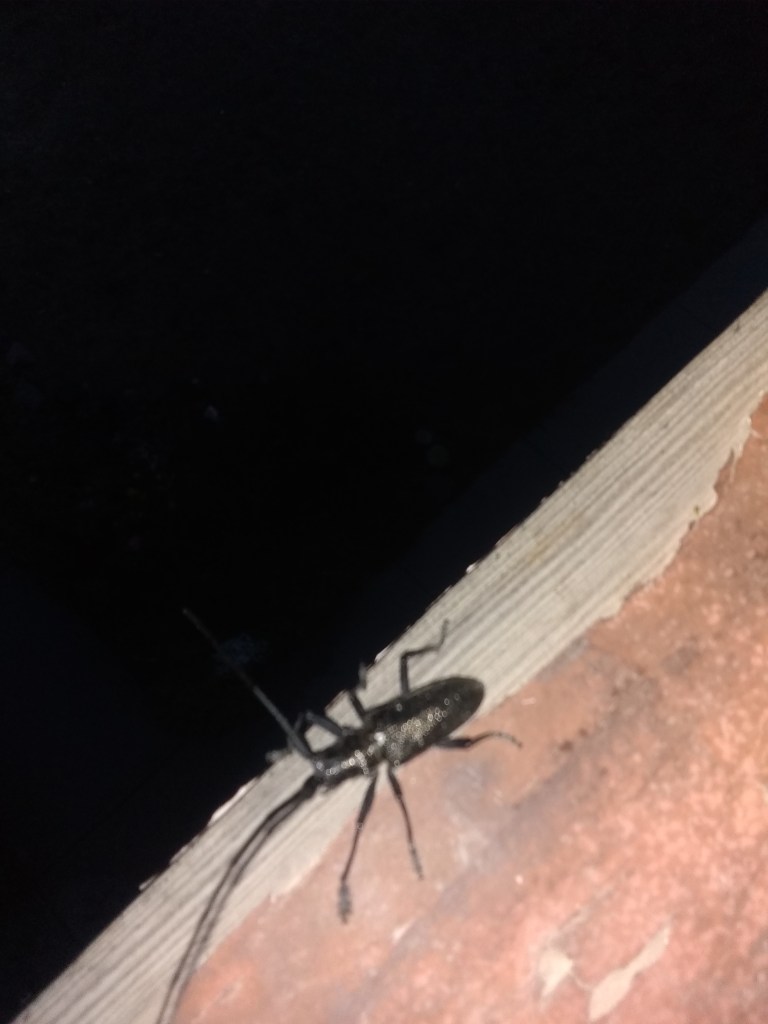
This pyror beetle showed up after the wildfires of 2023. I believe it was anyway. It was photographed on a wooden edge of an apartment building. These beetles live on burnt wood according to sources.
It’s coming up to the 21st of November next Thursday. And that’s the evening that the Nicola naturalists are doing a presentation on wildfire. The presentation begins at 7:00 p.m. at the Nicola Valley institute of Technology, top of the hill Bell Shaw Avenue in Merritt, British Columbia. The event is hosted by the Nicola naturalist Society Incorporated and its members.
The group is fond of saying everybody is welcome. They’re going to appreciate memberships and donations. And there is also a random drawing fundraiser for donated items at the break and the money goes toward a bursary for an nvit student.
















 Kevin Griffiths
 percypaschal
 The Proprietor Review