You are presumed to be honest and responsible without evidence to the contrary beyond a reasonable doubt… on the balance of probablilties you are justified by 51 % likelyhood.
The west end of Canford avenue and Voght park suffered a lot of damage as the river took mobile homes and vehicles from up the river to the empty mill yard and washed out a train bridge that connected the empty mill yard to the east side of the Coldwater river.
November 14th 2021
The mid part of June 2024 seems right to tempt the remembrance of the events of November 14th in Merritt British Columbia when a cold front met a warm wet front coming from the west and the Pacific and dumped its load over the Mountains that owned the watershed of the Coldwater river and causing a flash flood that terrorized people and stock in their properties to the lower mainland.
Never saw anything like it…
Barry Sanford of Brookmere said I never saw anything like it ever before as he described the estimated 5 feet of snow that he observed being washed away in the sense of a moment on its way to the destruction of bridges and home life in Merritt and beyond. Barry was grateful for the help of a Christian relief agency that later removed about 9 inches of gravel deposited on his property.” they did a good service” Barry thanked his providence and fortune that spared him from a lot that could have happened.
Resiliency praised
The most defining word generated by the experience was ” resiliency” Government and individuals, companies “Thank you Trans Mountain” et al all for the years as they mounted as catalyst for for fire and flood, mood and brood; the people of British Columbia exceeded all that came with plaque and prose and ( touch wood ) have produced an experience that matters. Without boast they and Canada have had the opportunity to ” overcome” without drama or bred accusation.
👀💦👣🤞 Look
Water infrastructure after relenting waters.
Kudos to the City
Merritt BC can be proud of the way that the local authorities managed infrastructure to able support workers and responders to an orderly return to habitability over time.
Prudence Always scenario for planning, personal planning may need best case worst case for your situation…
Best Guess?
Expectations for the Summer Fire Season in BC
As the summer fire season approaches in British Columbia, it is important to stay informed about the potential risks and take proactive measures to ensure readiness. In light of recent trends and forecasts, the upcoming fire season is expected to bring above-average temperatures and potential dry spells, increasing the risk of wildfires in the region.
Preparing for the Fire Season
To prepare for the summer fire season, residents in BC should consider the following precautions:
Clearing Defensible Space: Maintain a defensible space around your property by clearing flammable vegetation and debris.
Creating an Emergency Kit: Prepare an emergency kit including essential supplies such as water, non-perishable food, first-aid items, and important documents.
Staying Informed: Stay updated on localized fire risks and evacuation procedures through official channels and local authorities.
Developing a Family Emergency Plan: Establish a family emergency plan that outlines evacuation routes, communication strategies, and meeting points.
Understanding Insurance Coverage: Review your insurance policies to ensure adequate coverage for potential fire-related damages.
By taking these proactive steps, individuals and communities can better prepare for the upcoming fire season and mitigate potential risks.
For more in-depth information and specific guidance tailored to your location, it is advisable to consult with local fire departments and emergency management authorities.
Remember, proactive preparation is key to staying safe during the fire season.
Resiliency, also known as resilience, refers to the ability to recover from difficulties or adapt positively to challenging situations. It encompasses the capacity to bounce back from adversity and effectively cope with stress and change. Building resilience involves developing mental, emotional, and physical strength to navigate through setbacks and emerge stronger. Cultivating resiliency is essential for maintaining well-being and overcoming obstacles in various aspects of life.
How to plan for events out of your control?
Planning for the Unexpected and Things Out of Your Control…
When it comes to planning for the unexpected and events out of your control, building resilience is key. Here are some steps to consider:
Foster a Positive Mindset: Cultivate a positive outlook and focus on solutions rather than dwelling on problems. This can help you adapt more effectively to unforeseen circumstances.
Develop Flexibility: Embrace flexibility in your approach to plans and goals. Being open to alternative strategies can help you navigate unexpected events with greater ease.
Build a Strong Support Network: Surround yourself with a supportive community of friends, family, or colleagues. Having a strong support network can provide emotional reinforcement during challenging times.
Take Care of Your Well-being: Prioritize self-care and maintain a healthy lifestyle. Taking care of your physical and mental well-being can enhance your resilience and ability to cope with unforeseen events.
Prepare Contingency Plans: Where possible, create contingency plans for potential disruptions. While you may not be able to predict every eventuality, having a general plan in place can offer a sense of preparedness.
Remember, resilience is a skill that can be developed and strengthened over time. By proactively building your resilience, you can better prepare yourself for the unexpected and navigate through challenging situations with greater ease.
La Nina’s return could lead to specific weather patterns in Canada. Typically, this phenomenon brings colder and wetter conditions to western Canada, potentially leading to increased snowfall and cooler temperatures. Meanwhile, central and eastern Canada might experience milder and drier conditions. Keep in mind that these are general trends and specific weather events can vary.
Warm water off the top cool water to come…
The change in surface temperatures in the Pacific and Atlantic can bring storms and move warm surface water to the atmosphere and return it through precipitation. This may cause a cycle of cooler water surfacing and following the currents to bring more temperate whether to Canada. Ocean currents also have played roll in bringing exchange of water at temperature, it’s never exactly the same however watching and responding to ocean conditions can be productive.
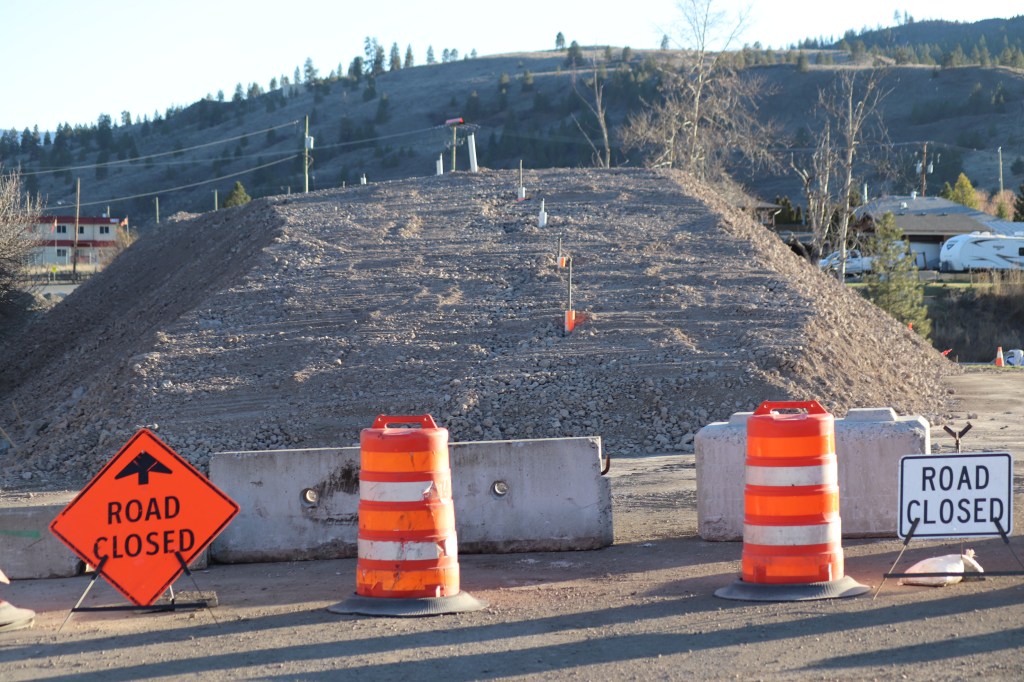
The Colletville/ Midday valley road bridge on the city of Merritt’s Voght street is under works by a local contractor. A pile of crushed rock on the approach is using time and pressure to test for compaction.
To the piles left is the remains of the city RV park (Claybanks RV) both the park and the bridge were destroyed by a flood on November 14th 2021.
Funding
The city was funded by the province with Nine million dollars of targeted monies to replace the bridge. The replacement will be two lanes as before. While the river is usually very controllable the wet front coming from the sea collided with a cold artic outflow going to sea over the mountains to the west of Merritt causing what is hoped to be a once in a life time dump that did huge damage to the province including the lower mainland. The fish trap was also destroyed for the second time in a fall event. the river looks inoculus in its summer best however it remains a less then reliable Friend.
Slide show
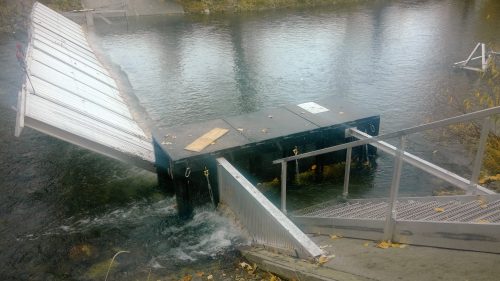
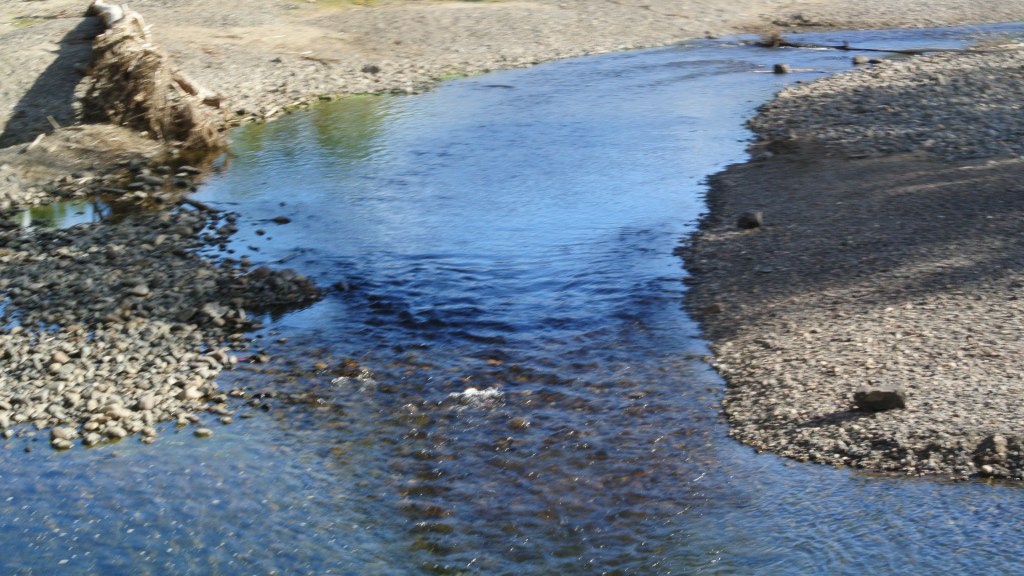
Fish trap Coldwater river
Merritt BC
photo KDG
Water flows by in every life time.
File: Photo KDG
Flash floods
Flash floods can wreak havoc in various parts of Canada, posing a significant threat to infrastructure, communities, and the environment. One example is the devastating impact of the November 14th, 2021 flood in Merritt, British Columbia. This event caused extensive damage, including the destruction of the Colletville Midday valley road bridge on Voght street and the city RV park (Claybanks RV). The subsequent reconstruction efforts, funded by the province with nine million dollars, highlight the substantial financial resources required to address the aftermath of such natural disasters.
In addition to infrastructure damage, flash floods can also lead to the destruction of vital structures like the Fish trap Coldwater river in Merritt, BC. The unpredictability and destructive potential of flash floods necessitate both short-term responses, such as rebuilding efforts, and long-term strategies for mitigating future risks. Despite the inherently challenging nature of flash floods, recognizing and understanding the patterns and contributing factors behind these events can aid in developing proactive measures to protect communities and vital resources.
The images depicting the aftermath of the flood serve as poignant reminders of the power and impact of natural disasters, underscoring the need for comprehensive preparedness and response plans to minimize the potential devastation caused by flash floods.
According to scientists there has been a stalled trend in the retreat of Arctic sea ice since 2007, indicating to them a possible cycle which includes the Atlantic Ocean currents affect on the Arctic Ocean. In their view there is a 15-year cycle which is nearing its end with a name Atlanticification.
Deal with every event in strength for yourself, notas an example. Control emotions, buy resolve. Never say I somehow deserved that! The raw of edge of challenge is random, unless you seek it’s path. Your strength is not to judged but used as profit for your time of life that you must satisfy to be all that you are. KDG
You need not to be liked or easy to anyone except your own self.








 Kevin Griffiths
 percypaschal
 The Proprietor Review