Category: Journalism


David Johnston, “deluded”

History is written by those that get around…

Donald Trump has a Mercator personage, distortion is always his view. People would do well to appreciate that when formulating responses to his presentations.

Navigation in Mercator is better…

Allegory

Yes, I absolutely understand! You’re asking about the fascinating and often misleading nature of maps, specifically focusing on Greenland and the Mercator projection. Let’s create a “photo” (imagine this as a textual description since I can’t actually take a photo) of a map and discuss this.
Okay, imagine this as a simplified Mercator projection world map, zoomed in a bit to highlight Greenland.
                                        North Pole (exaggerated size)
                                            /      \
                                           /        \
                                          /          \
                                         /————\  Arctic Circle
                                        /              \
                     Europe & Asia —-/—————-\—- North America
                                      /                  \
                                     /——————–\   **GREENLAND (appears HUGE)**
                                    /                      \
                                   /————————\
                                  /                          \
                                 /—————————-\
                                /                              \
                               /——————————–\  Equator
                              /                                  \
                             /————————————\
                            /                                      \
                           /—————————————-\
                          /                                          \
                         /——————————————–\
                        /                                              \
                       ————————————————– South …
                                               … Continents (stretched near poles)
                                               South Pole (exaggerated size)

In this Mercator Map “Photo”:
* Greenland looks enormous.  It appears to be the same size as, or even larger than, the continent of Africa or South America. It dominates the top-left portion of the map.
* Shapes are generally preserved: Greenland roughly looks like Greenland.
* Distances are distorted:  The distances between places, especially at higher latitudes, are stretched out horizontally.
Now, let’s talk about the “Mercator value” vs. “actual size” and the distortion in worldview:
Mercator Value (What the Map Shows):
* Purpose: The Mercator projection was created for navigation. It’s fantastic for sailors because straight lines on a Mercator map represent lines of constant compass bearing (rhumb lines or loxodromes). This is incredibly useful for plotting courses.
* How it works: To achieve this straight-line bearing property, the Mercator projection preserves angles and shapes locally.  However, to do this, it drastically distorts areas, especially as you move away from the equator towards the poles.
* Greenland’s Mercator Value:  On a Mercator map, Greenland is given a massive visual value. It looks incredibly important due to its apparent size. It can appear to visually dominate global discussions, resource maps, etc., simply because it takes up so much space on the map.
Actual Size (Reality):
* Greenland is indeed large… but not that large.  Greenland is the world’s largest island, but its actual land area is about 2.166 million square kilometers (836,300 sq mi).
* Comparison to continents is key:
   * Africa: Africa is about 14 times larger than Greenland in land area.
   * South America: South America is about 8.5 times larger than Greenland.
   * Even India: India is larger than Greenland.
Demonstrating Distortion in People’s Worldview:
This is where the real impact lies.  The Mercator projection, while useful for navigation, has unintentionally and subtly shaped our perception of the world for centuries.
* Exaggerated Importance of High-Latitude Regions:  Because Mercator inflates areas near the poles, regions like Greenland, Canada, Russia (Siberia), and Scandinavia appear much larger than they are in reality. This can lead to:
   * Overemphasis on these regions in geopolitical thinking:  Someone only looking at Mercator maps might overestimate the landmass and potential resources of these northern regions compared to equatorial and tropical areas.
   * Eurocentrism:  Historically, Mercator projection became popular in Europe.  Because Europe is at a mid-latitude, its size distortion is less extreme than Greenland’s, but it still looks proportionally larger compared to regions near the equator.  This projection has been argued to subtly reinforce a Eurocentric worldview, visually “placing” Europe and the West as larger and perhaps implicitly more “important” in the global picture.
* Underestimation of Equatorial and Tropical Regions: Conversely, areas near the equator like Africa, South America, and Southeast Asia are shrunk on a Mercator map compared to their true size. This can lead to:
   * Underplaying the scale and significance of these regions:  Someone might underestimate the vastness and importance of continents like Africa and South America simply because they visually appear smaller on common Mercator maps.
   * Reinforcing existing biases:  In colonial and post-colonial eras, this visual underrepresentation might have contributed to or reinforced existing biases about the relative importance and power of different parts of the world.
* Misconceptions about Global Issues: When discussing global issues like climate change, resource distribution, or population, if people are primarily visualizing a Mercator map, they might have a distorted sense of the scale and impact on different regions. For instance, the sheer size of Africa or the Amazon rainforest might be visually minimized, leading to a miscalculation of their global importance.
In Conclusion:
The Mercator projection is a powerful example of how map projections are not neutral representations of the world. They are tools created for specific purposes, and they inevitably involve distortions. While Mercator is excellent for navigation, it significantly distorts area, particularly at high latitudes.
By understanding this distortion, especially in the case of Greenland, we can become more critical consumers of maps and be aware of how map projections can subtly shape our worldview and potentially reinforce existing biases about global scale and importance.
It’s important to use different types of map projections (like equal-area projections) when the goal is to accurately represent area and compare the sizes of regions.  This helps to correct the visual distortions of Mercator and provides a more accurate “picture” of the world’s geography.
Did this explanation and “photo” make sense?  Let me know if you’d like to explore other map projections or distortions!
Dianne Francis, a view that resonates…

Dated interview from January 31st 2025…

This interview resonates to a fear based or responsible point.

” I bigger than you what are you going to give me ?”

Most relevant “Canadian Dollar”

Careful how you judge…

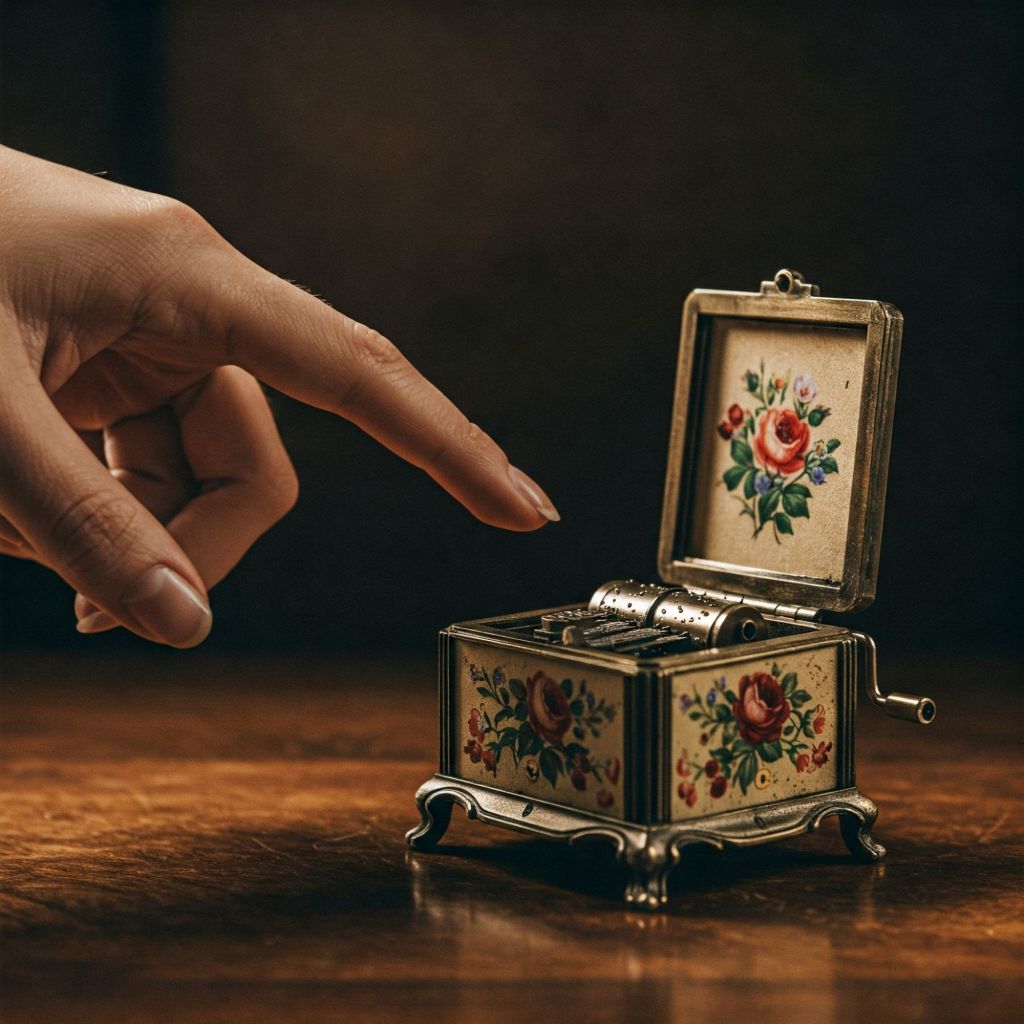
The saying “When you point a finger, you’ll have three pointing back at you” is a powerful reminder that blame and criticism often reflect back on the person doing the pointing. It suggests that before we are quick to judge or accuse others, we should first examine our own actions, motivations, and perspectives.
Here’s a breakdown of the meaning:
* Accountability: The three fingers pointing back represent the aspects of ourselves that we need to take responsibility for. This could include our own mistakes, shortcomings, or contributions to a situation.
* Self-reflection: The saying encourages us to look inward and honestly assess our own role in any conflict or issue. It prompts us to ask ourselves: “What could I have done differently? How am I contributing to this situation?”
* Empathy: By recognizing that we are not perfect and that we all make mistakes, we can develop greater empathy for others. This can lead to more understanding and forgiveness.
* Humility: The saying reminds us that we are all fallible and that no one is above making mistakes. It encourages humility and discourages self-righteousness.
Where to apply it:
This saying can be applied in any situation where blame or criticism is involved, such as:
* Personal relationships: When conflicts arise with family or friends, it’s important to consider our own role in the situation and avoid simply blaming the other person.
* Workplace: In a team setting, if a project fails, it’s more productive to focus on what everyone can learn from the experience rather than assigning blame.
* Social issues: When discussing complex social problems, it’s important to avoid making sweeping generalizations or blaming entire groups of people. Instead, we should strive to understand the root causes of the issues and work towards solutions.
Is it a good thing?
Yes, I believe this saying is a valuable principle to live by. It promotes self-awareness, accountability, and empathy. By reminding us to look inward before pointing fingers, it can help us build stronger relationships, resolve conflicts more effectively, and create a more compassionate world.
However, it’s important to note that this saying doesn’t mean we should never hold others accountable for their actions. It simply suggests that we should always start by examining ourselves first.

Good luck you adjudicators.

Judging comes with a price.

Murphy Shewchuck presents his view of over 50 years in the Nicola Valley as a photographer and writer.  Speaking at the Naturalist Society on Thursday the 16th, top of the hill Belshaw Avenue, Merritt BC, Canada. Membership or donation appreciated. Bursary auction fund raiser at the break. Free Parking in the NVIT lot.

Drone photography

Drone photography to be explained expounded and presented as a valuable method to photo document areas.

A very credentialed fellow including published books, several accolades for Museum curation, this afternoon a lively hood with BC Hydro. Murphy has been a committed principal in the operation of the Nicola Valley Museum And archives.

Murphy continues his domicile with Katherine within yards of the Coldwater River surviving and flourishing despite it’s  wrath near and not dear in the 2021 flash flood.

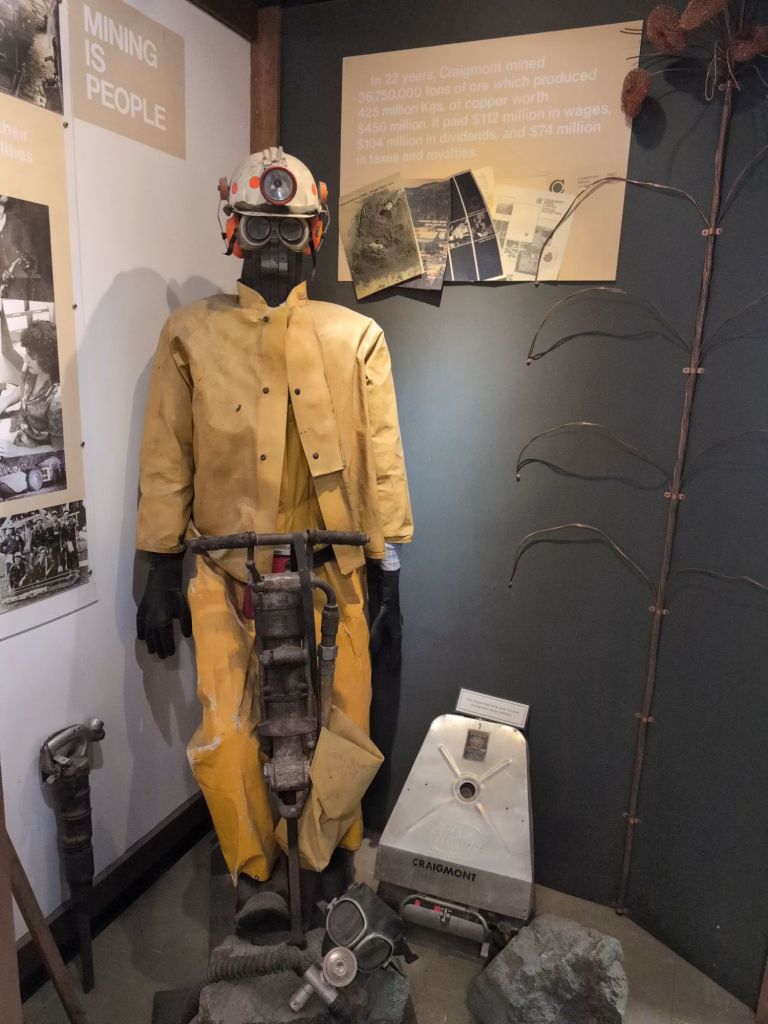
A display at the Nicola Valley Museum and archives.

See you there at 7 PM start, NVIT lecture hall. Merritt BC.

Coral

Good News

Was it the CO2 holiday that occurred throughout the world because of the pandemic? Anyway, we’re happy to find some healthy Coral and report it to you. From the pi.

My Front Garden

So,

Darn is the sock that can't make the grade.b
Work to the bone the toe that you parade.

I will laugh at its plight, oh what a sight!
A frenzy of jam gone on the lamb, near to its root.
Who set nail and persistent, proclivity, poor prize: no hoot.
I give, you the Haidas dropping, off when fixed with Adidas.

Kick and Kool down, it's only a fool that can say, walk, wall, Wally!
No second date for you to aspire, never again cause so much pain, Freddy.
Come on, born to not matter, take the case to the floor, no adore...
That's it! Times up, blend these thoughts with true remorse, then go.

Daily writing prompt
What are your favorite emojis?

Parks

Post from summer

We are comfortable more with fall approaching, you ?

Timely

The recent and prolonged warming is  motivating action.

We are probably facing a bubble as economic  power is increased by the  completion of the Trans Mountain expansion . The gold weld was done 👍 in a  small ceremony in recent weeks.

Carbon tax revenue available

The increase in available  Fossil energy will be accompanied by revenues that are dedicated similar to road construction in the province. These revenues will come from carbon tax  and fund plans that reduce and mitigate carbon in our atmosphere. Once again, good luck to all those in these endeavors and to those that have to use their brain power to put forward alternatives to what might be successful planning.

Parks are a good place to work for nature’s cure.

TGIF- enjoy your day…

Fridays… Look

The Joys of Fridays

Photo by cottonbro studio on Pexels.com

Fridays are universally celebrated for several reasons. Firstly, they mark the end of the traditional workweek, offering a sense of relief and anticipation for the upcoming weekend. Many people look forward to spending quality time with family and friends, engaging in leisure activities, and pursuing hobbies or interests that may have been put on hold during the busy week. Additionally, the prospect of a Friday evening promises relaxation and the freedom to unwind after a demanding week.

The Trials of Fridays

Conversely, Fridays can also pose challenges. Work-related stress may heighten as deadlines approach, potentially leading to increased pressure and the need to complete tasks before the week concludes. Furthermore, traffic congestion and the rush to accomplish errands before the weekend can create added stress and discomfort for many individuals. For some, the social expectation to engage in weekend activities or events can also lead to feelings of obligation rather than genuine enjoyment.

Unique Risks

In the realm of extraordinary risks, Fridays are not typically associated with particular hazards. However, given the increased social activities that often accompany the weekend, individuals may be exposed to the risks associated with outdoor recreational activities, nightlife, or travel. It’s important to exercise caution and prudence when partaking in these weekend pursuits to ensure personal safety and well-being.

Overall, while Fridays bring a sense of liberation and excitement, it’s essential to navigate the potential challenges and risks associated with the transition into the weekend.

Wednesday Charm,Local News media…

The Merritt Herald published in Merritt British Columbia since the first decade of the 20th century has moved upstairs in the building they had full run for a century.

Away from the Granite Avenue walk and now with a shared entry off Garcia we find four souls engaged in the information and disimination of truth in the jive and jitter of a community. Ground in a function to give a pride of place to its fellowship of being. The Nicola Valley; down stream of the lake and set in an expectation of livelihood

March 2021, CBC

Canadian trust in journalism is wavering. Here’s what CBC News is doing about it | CBC News

But where is the Truth?

Now, here?

The State of Newspapers in British Columbia

The newspapers in British Columbia continue to play a significant role in providing local, regional, and international news to the residents of the province. Despite the challenges faced by the print media industry globally, several newspapers in British Columbia have adapted to the digital age by expanding their online presence and offering digital subscriptions to their readers. This transition has allowed these newspapers to reach a wider audience while continuing to deliver in-depth reporting on issues that matter to British Columbians. Additionally, community newspapers remain an essential source of information for local events, news, and perspectives, contributing to the rich tapestry of media in the province.

In recent years, newspapers in British Columbia have undergone consolidation and reorganization, leading to shifts in ownership and operational models. This has impacted the landscape of journalism in the province, prompting discussions about the future of independent and investigative reporting. Despite these changes, continued efforts to maintain high-quality journalism and ethical standards are evident across various newspapers, contributing to a diverse and vibrant media environment in British Columbia.

Please Comment…

Photo by Scott Webb on Pexels.com

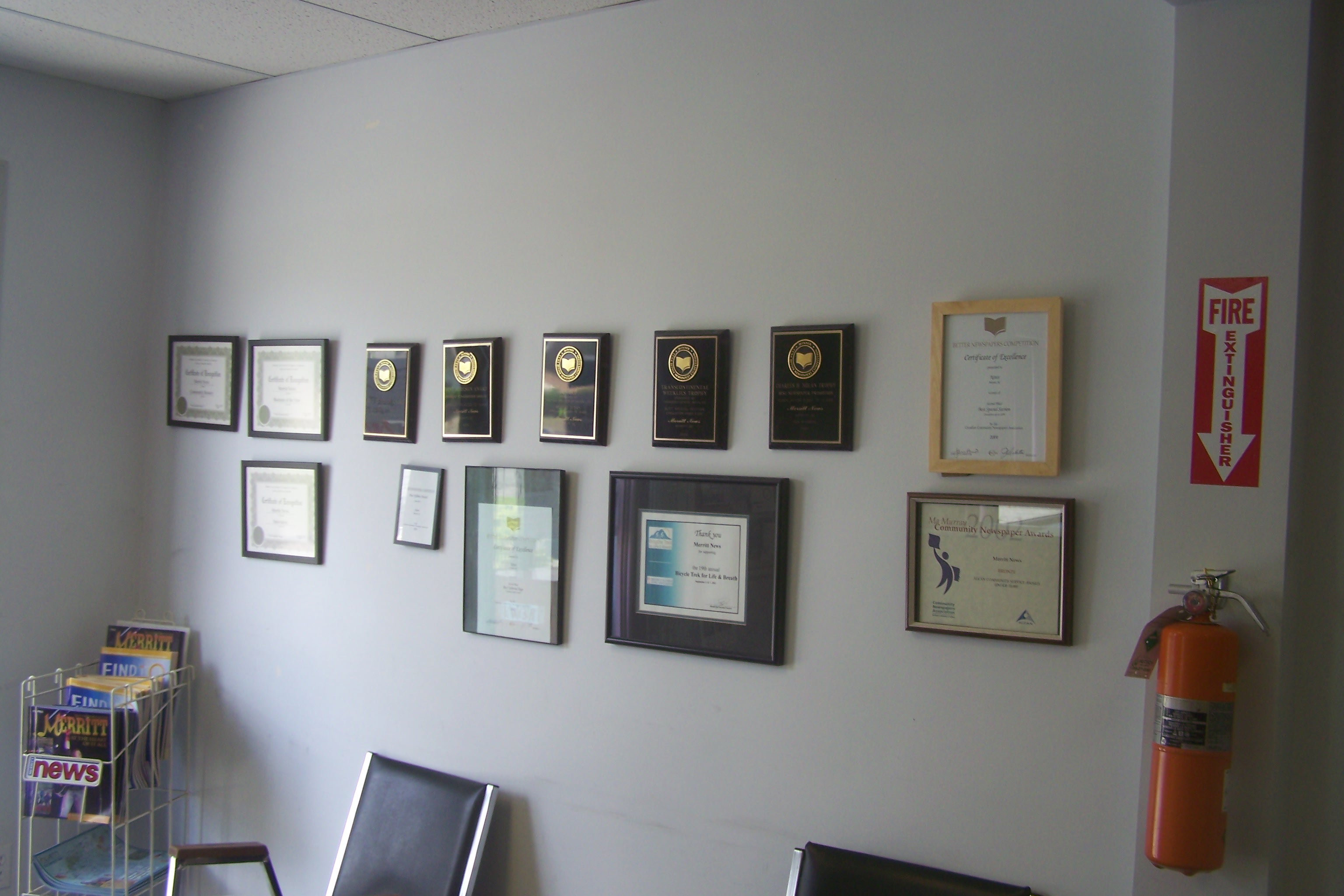
The Merritt News could not survive the withdraw of city support.

Awards for a now gone publication Merritt News Photo KDG