You are presumed to be honest and responsible without evidence to the contrary beyond a reasonable doubt… on the balance of probablilties you are justified by 51 % likelyhood.
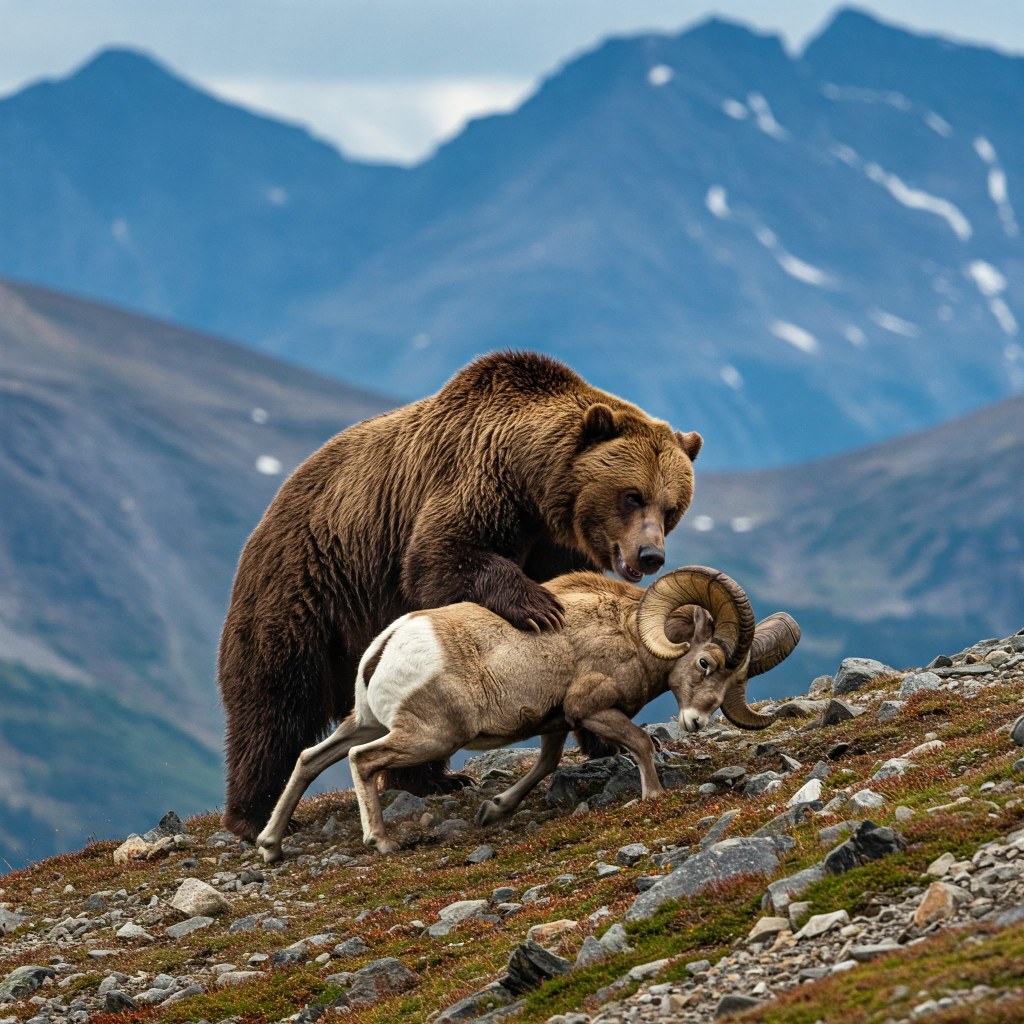
The authorities are asking the public to take precautions because of some children were recently injured by it a grizzly bear. The bear is still at large.
The “search the landfills” controversy in Manitoba, Canada, is a significant and painful issue surrounding the missing remains of murdered Indigenous women.
The Manitoba Landfill Search Controversy
The controversy centers on the Prairie Green Landfill north of Winnipeg, where the remains of several Indigenous women, victims of serial killer Jeremy Skibicki, are believed to have been dumped. * The Victims: The remains of Morgan Harris and Marcedes Myran are believed to be in the landfill. A third victim, Rebecca Contois, had partial remains found at a different landfill, and the remains of a fourth victim, an unidentified woman known as Mashkode Bizhiki’ikwe (Buffalo Woman), have not been found. * Initial Refusal: Family members and Indigenous leaders advocated strongly and publicly for a search of the Prairie Green Landfill. However, the provincial government at the time, and the Winnipeg police, initially refused to conduct a full search, citing safety concerns due to hazardous materials (like asbestos) and the high cost and complexity of sifting through massive amounts of toxic debris. * Political Shift and Search: The refusal was met with outrage and became a major issue in the 2023 Manitoba provincial election. The New Democratic Party, led by Wab Kinew, campaigned on a promise to fund the search if elected. After winning, the new provincial government, along with the federal government, committed tens of millions of dollars to the search effort. * The Search Begins: The humanitarian search began in December 2024. In the following months, possible human remains were found and one set was identified as belonging to Morgan Harris. The search for Marcedes Myran continues. This development, while bringing grief, provided validation for the families’ tireless fight.
* Broader Context:
The entire controversy is a microcosm of the systemic issue of Missing and Murdered Indigenous Women, Girls, and 2SLGBTQQIA+ People (MMIWG2S+) in Canada, and the perceived systemic failure by police and government to adequately investigate and prioritize these cases.
Personal Safety Advice
Feeling safe is a fundamental right. While no single set of tips can guarantee safety, practicing situational awareness and setting boundaries are key.Increase Awareness and Trust Your Intuition * Be Alert: Limit distractions like excessive phone use. Keep your head up, remain alert, and pay attention to your surroundings—who is around you, and what behavior seems out of place? * Trust Your Gut: Your “sixth sense” or intuition is a powerful self-defense tool. If a person, place, or situation feels wrong or unsafe, leave immediately. It is never rude to prioritize your safety. * Project Confidence: Walk with purpose and confidence, and make eye contact. Predators often target those who appear distracted or vulnerable.Planning and Technology *
Have a Plan:
When going out, let a trusted person know your itinerary, including who you’re with, where you are going, and approximately when you expect to be home. Check in with them when you arrive and leave. * Share Your Location: Use your smartphone’s features to ping or share your real-time location with trusted friends or family. * Self-Defense Tools: Consider carrying a personal safety alarm or whistle. The sound is disorienting to an attacker and draws attention. * In Transit: When walking, stick to well-lit, busy streets. If driving, keep your doors locked and look inside your car, especially the back seat, before getting in.
Setting and Defending Boundaries
* Clearly Say “No”:
Practice asserting your boundaries with firm body language and a clear voice. You have the right to refuse anything that makes you uncomfortable, whether it’s unwanted attention or pressure to go somewhere.
* Socializing:
If you’re out with friends, stick together. Watch your drinks at all times, or use protective covers. If you feel unsafe or notice an escalation, immediately seek help from a bartender, bouncer, or staff member.
The successful landfill search bringing hope for families of other missing
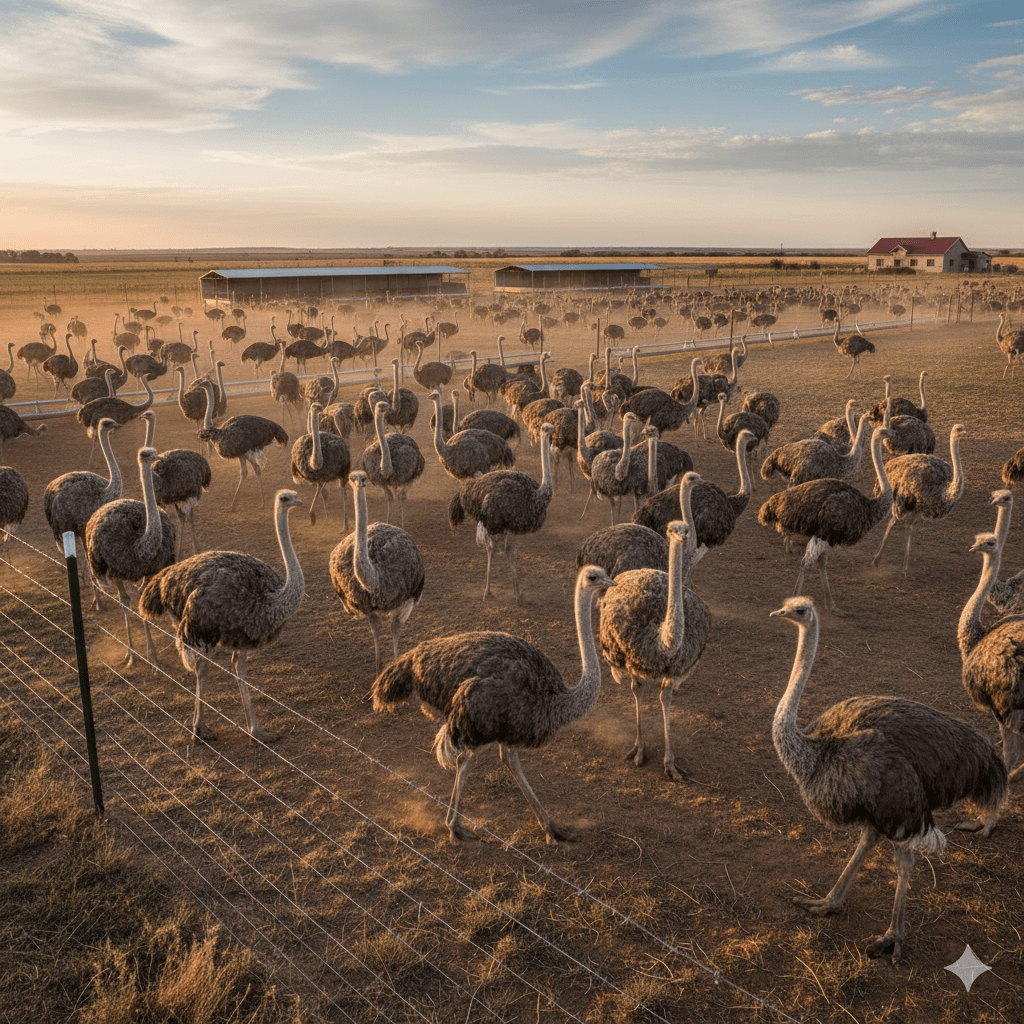
Ostriches are raised for meat, feathers and eggs and are commercial. However these bunch of hostages in the news of late were going away from that and we’re used for tourism. Coming endeared to some keepers. Wouldn’t have been, if it was just for meat.
Avian flu
This is a very serious condition that affects foul and gets into people it can be fatal to people and the closer they are the bigger population areas and more of a risk.
The cull that was ordered by the authorities has been stayed and there may be a presentation between the parties at the Supreme Court of Canada and there is a controversy over testing the remaining birds, 300 out of a possible 450 that had contacted the avian flu and are under scrutiny.
H5N1
The virus involved is H5N1, and could be a particularly concern at the start of the flu season and respiratory illness that could accompany it.
Recent Texas flooding brings memory to the forefront.
It’s been a while on Flood and COVID , and mill closure and we are still here.
Flash floods are among the deadliest natural hazards worldwide, responsible for a significant number of deaths and substantial economic losses. Their sudden onset leaves very little time for warnings, making them particularly dangerous. Climate change, rapid urbanization, and land-use changes are contributing to an increase in their frequency and intensity. Here’s a breakdown of flash flood statistics: Global Statistics (relevant to developing world) * Fatalities: Flash floods cause over 5,000 deaths annually worldwide and account for 85% of all flood-related fatalities. * Economic Losses: They result in economic losses exceeding $50 billion annually. * Mortality Rate: Flash floods have the highest mortality rate among different classes of flooding (e.g., riverine, coastal). * Developing World Impact: In tropical countries, as high as 90% of deaths from flash floods are due to drowning from rapidly rising waters. Developing countries often have limited infrastructure and early warning systems, making their populations more vulnerable. * Examples: * In 2022, flash floods in Pakistan killed over 1,700 people and displaced millions. * When Hurricane Mitch struck Central America in 1998, it caused over 11,000 casualties and destroyed hundreds of thousands of homes due to flash floods, floods, landslides, and mudslides. * From 1990 to 2022, floods recorded in 168 countries affected over 3.2 billion people, caused 218,353 deaths, and resulted in over $1.3 trillion in economic losses. * China was the most affected country in terms of population (1.9 billion) and economic damage ($442 billion), and the second largest in deaths (30,890). * India had the second largest population affected (629 million) and the largest number of deaths (46,506). United States * Fatalities: Flooding has caused an average of more than 125 deaths per year in the United States over the past few decades, with flash floods being the nation’s top storm-related killer. * Recent Events: * In July 2025, devastating flash floods across the Hill Country in central Texas left a staggering trail of destruction and claimed at least 120 lives (as of July 9, 2025), with many more unaccounted for. * Hurricane Helene (September 2024) caused about 250 deaths, many due to massive inland flooding. * Eastern Kentucky floods in 2022 led to 45 deaths. * Hurricane Harvey (2017) caused over 300,000 structures to be damaged and an estimated $125 billion in damage, with nearly all deaths attributed to freshwater flooding. * Overall Disasters (1980-2024): The U.S. has experienced 403 billion-dollar weather and climate disasters, claiming nearly 17,000 lives and resulting in more than $2.9 trillion in direct costs. The frequency and cost of these disasters have increased dramatically. * The average number of billion-dollar disasters per year has grown from about three in the 1980s to 19 in the last 10 years. * 2023 and 2024 shattered previous records with 28 and 27 billion-dollar disasters, respectively. * Circumstance of Fatalities: 63% of flood-related fatalities are associated with vehicles. Canada * Costliest Natural Disaster: Flooding is the costliest natural disaster for Canadians. * Frequency: Floods occur five times as often as wildfires in Canada. Between 1900 and 2005, there were 241 flood disasters. Statistics show the number of floods has almost tripled from the 1960s to the 1970s and continues to rise. * Recent Events: * In July 2024, torrential rain and flash floods in Toronto and southern Ontario caused over $940 million in insured damage. * The 2024 year is already the costliest in terms of catastrophic weather-related insurance payouts, surpassing the 2016 Fort McMurray wildfire, with one life lost during the four largest weather catastrophes (wildfires, hail, floods) in the summer of 2024. * The 2013 Alberta floods are considered the costliest natural disaster in Canada’s history. * Historical Fatalities: * Hurricane Hazel in October 1954 caused flooding in Toronto, resulting in more than 80 deaths and severe damage. * The 2021 British Columbia floods, a once-in-500-year event, swallowed highways, washed away bridges, cut off railroads, and led to at least four deaths. * In 1950, the Winnipeg flood affected one-sixth of the city, evacuating over 100,000 people and costing about $126 million (adjusted for 2020), damaging 10,500 homes. These statistics highlight the escalating threat of flash floods globally and regionally, emphasizing the urgent need for improved early warning systems, resilient infrastructure, and adaptation strategies in the face of a changing climate.
Skies are friends and foe.
May the recent flash flood in Texas be seen as a going forward opportunity rather than catastrophic loss doing no one some good.
This vehicle was seen in Merritt in recent months. Fireman is a kind of a universal brotherhood or sisterhood or personhood how they stick together is because they risk their lives together. And training is Paramount to good.
Join the organization that is most recognized for disaster relief. A Canadian or American Red Cross.
Situations may come up such as…
Editor’s note: We have no knowledge of any particular threat level at this time we would ask if your group join this service and take the assessment that you would comment or review back to us. pP
Maybe not a deranged killer, or not a heart attack, or a blown tire or mechanical failure. It could be a distracted driver who has not gotten his ticket as yet.
What ever the reason you are better off to walk on the side of the street that faces the oncoming lane of traffic to avoid being hit.
Remember your injury is not yours alone, you are connected and your loss is our community loss.
Neck guards in minor hockey have a history rooted in a tragic incident. In 1975, Ontario Junior A league goalie Kim Crouch suffered a severe neck laceration from a skate blade. Following this near-fatal injury, his father developed the first neck guard to allow Kim to return to playing. This event spurred the initial adoption of neck guards, particularly in Canadian minor hockey leagues. Over the following decades, neck guards became increasingly common in minor hockey across Canada. Many provincial and local hockey organizations mandated their use for players under a certain age. The Bureau de normalisation du Québec (BNQ) certification became a standard, ensuring the quality and protective capability of neck guards used in Canada. In the United States, the adoption of mandatory neck guards in minor hockey has been less uniform historically, often varying by state or local association. However, following the death of Adam Johnson, who suffered a fatal neck cut in a professional game in England in October 2023, there has been a significant push for mandatory neck protection at all levels. As a result, USA Hockey mandated neck laceration protection for all players under the age of 18, effective August 1, 2024. Use in Professional Hockey: Currently, neck guards are not mandatory in the National Hockey League (NHL). While some players choose to wear them, the majority do not. Concerns about comfort, potential hindrance to performance, and tradition are often cited as reasons for this resistance. However, the conversation around neck guards in professional hockey has intensified following recent serious neck injuries in hockey globally. Some NHL players have begun to wear neck guards voluntarily, and there is ongoing discussion about whether the league and the NHL Players’ Association might eventually agree to make them mandatory, similar to the evolution of helmet and visor rules. Other professional leagues, such as the American Hockey League (AHL) and leagues in Europe (Germany, Sweden, Finland, and England), have implemented mandatory neck guard policies. The International Ice Hockey Federation (IIHF) also mandates neck guards for all its tournaments, including the World Junior Championships and the World Championships. Effectiveness and Usefulness: Neck guards are designed to protect the vulnerable neck and throat area from lacerations caused by skate blades, hockey sticks, and pucks. They are typically made of cut-resistant materials like Kevlar or Spectra fibers, often encased in a comfortable fabric. Studies and real-life incidents suggest that neck guards can be effective in preventing or reducing the severity of neck lacerations. While no protective equipment can guarantee complete safety, neck guards provide a crucial barrier against sharp objects that could otherwise cause life-threatening injuries to major blood vessels and nerves in the neck. Have they ever saved anyone from catastrophic injury? Yes, there are documented cases where neck guards are believed to have saved players from severe or fatal injuries: * The case of Kim Crouch: His injury in 1975 directly led to the development and subsequent use of neck guards, preventing similar incidents for countless players. * Recent youth hockey incident in Eastern Ontario: Following Adam Johnson’s death, a young player was reportedly saved by a neck guard after being cut by a skate. While less publicized, it is plausible that neck guards have prevented numerous other less severe but still significant neck injuries over the years. In conclusion, the history of neck guards in hockey began with a serious injury that prompted their invention. They have become a standard and often mandatory piece of equipment in minor hockey, particularly in Canada, and are now gaining increased attention and mandatory status in youth hockey in the United States. While not currently mandatory in the NHL, the effectiveness and potential life-saving benefits of neck guards are becoming increasingly recognized, leading to more players choosing to wear them and ongoing discussions about a potential league-wide mandate in the future.
In British Columbia, the climate of work conditions for nurses, ambulance staff, and medical practitioners is marked by both challenges and advancements. The increasing demand for healthcare services due to an aging population has led to high workloads, which can result in burnout and stress among staff. Additionally, issues like staffing shortages and long hours often exacerbate these conditions. However, there have been efforts to improve work environments, including better support systems, competitive salaries, and enhanced mental health resources. The province is also investing in technology and training opportunities to streamline processes and improve patient care, aiming to create a more sustainable and supportive workplace for healthcare professionals. Overall, while the healthcare sector faces significant pressures, ongoing initiatives are working towards a more positive and resilient workforce.
Not only health care but all engagement of public has risk.
These two people were meeting the public outside a hockey game. There’s always a risk when you meet the public that somebody is a little off. Be careful. Be aware and don’t be vulnerable.
What to do…(Never deny someone’s feelings). And…
Dealing with potentially volatile individuals requires a careful balance of de-escalation tactics and safety awareness. Here’s a breakdown of strategies to help you navigate such situations: Disarming Techniques: * Maintain Calm and Respect: * Speak in a calm, even tone. Avoid raising your voice or displaying aggressive body language. * Show respect, even if you don’t agree with the person’s behavior. Acknowledge their feelings without necessarily validating their actions. * Use open and non-threatening body language. Keep your hands visible and avoid crossing your arms. * Active Listening: * Pay attention to what the person is saying. Let them vent without interrupting excessively. * Use reflective listening, which involves summarizing and restating what they’ve said to show that you understand. * Empathy can be a great tool. Try to see things from their perspective, even if you don’t agree. * De-escalation Strategies: * Create space. Give the person physical space. Avoid crowding them. * Redirect their focus. Try to shift the conversation to a neutral topic or offer a solution. * Avoid arguing or contradicting. Instead, use phrases like, “I understand,” or “I can see how that would be frustrating.” * Offer choices, when possible, to give them a sense of control. * Verbal Judo: * This technique emphasizes using words to redirect behavior. * Start by introducing yourself and explaining your role. * Ask open-ended questions to encourage them to talk. * Use persuasive language to gain their cooperation. Safety Measures: * Situational Awareness: * Be aware of your surroundings and identify potential escape routes. * Notice any signs of escalating aggression, such as clenched fists, raised voices, or rapid breathing. * Trust your instincts. If a situation feels unsafe, remove yourself from it. * Set Boundaries: * Clearly communicate your boundaries. Let the person know what behavior is unacceptable. * Be firm but polite. * If their behavior continues, be prepared to disengage. * Prioritize Your Safety: * Your safety is paramount. Do not hesitate to remove yourself from a dangerous situation. * If you feel threatened, call for help. * If possible, position yourself so you have an escape route. * If you are able to, and feel it is needed, remove yourself from the area. * Documentation: * If possible, and if it is safe to do so, document any interactions that made you feel unsafe. This can be helpful if you need to report the incident. Important Considerations: * People who are upset or abusive may be experiencing mental health issues or substance abuse. * These strategies are not foolproof. Some individuals may be beyond reason. * It’s crucial to prioritize your safety and seek help when necessary. By combining disarming techniques with safety precautions, you can increase your ability to navigate challenging interactions and minimize the risk of harm.