

While there is no total solar eclipse on September 7th or 8th, 2025, there will be a total lunar eclipse visible during that time. A partial solar eclipse will occur later in the month, on September 21st.
The total lunar eclipse on September 7-8 is a significant event, often called a “Blood Moon.” It will be visible in Europe, Africa, Asia, and Australia, but not in North America. Several organizations are planning to provide live broadcasts of the lunar eclipse.
Organizations that may provide a live broadcast include:
* Timeanddate.com is a well-known resource for eclipse live streams and has a dedicated page for this event.
* The Virtual Telescope Project has also announced an online observation of the eclipse.
* The Dubai Astronomy Group is a partner with timeanddate.com and will be providing a live feed from their location.
To find the live stream, you can look for announcements from these organizations closer to the date of the event.
The following video discusses the upcoming total lunar eclipse in September.
The 7 Sept. 2025 Total Lunar Eclipse: online observation
This video provides information about the total lunar eclipse and a live stream for the event.
YouTube video views will be stored in your YouTube History, and your data will be stored and used by YouTube according to its Terms of Service
Category: Sky scapes
September 7th 2025 there will be a total eclipse or a blood moon eclipse of our most friendly heavenly body, our moon.
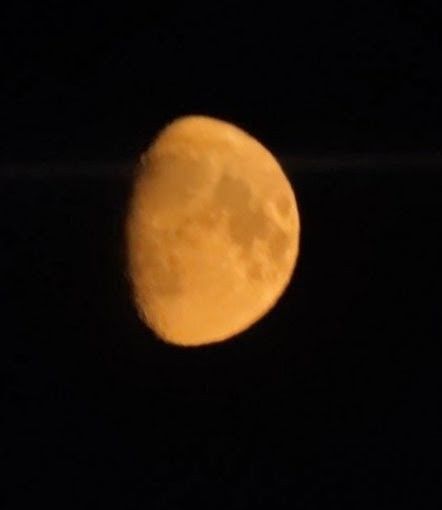
Meridian Passage
Merritt BC there will be a meridian passage at 11.08 a.m. on September 7th 2025, you won’t see the moon rise because it’ll it will be in the daytime.
You won’t be able to see the next total lunar eclipse in Merritt, British Columbia, as it will be happening during the daytime in your location. The next total lunar eclipse, also known as a blood moon, is on September 7, 2025, but it will not be visible in North America.
What is a Lunar Eclipse and Blood Moon?
A lunar eclipse happens when the Earth passes directly between the Sun and Moon, casting a shadow on the Moon. The “blood moon” effect occurs during a total lunar eclipse when the Moon turns a reddish-orange hue. This is caused by sunlight filtering through Earth’s atmosphere, which scatters blue and violet light, but allows red and orange light to pass through and reach the Moon.
Why Won’t Merritt See It?
This eclipse will primarily be visible across Asia, Africa, Europe, and Australia. For Merritt, British Columbia, the eclipse is scheduled to occur during your daylight hours, when the Moon is not visible in the sky.
Next Eclipses Visible in Merritt
The last total lunar eclipse visible in Merritt was on March 13–14, 2025. Here are the next total lunar eclipses that will be at least partially visible from your location:
* March 3, 2026: A total lunar eclipse will be visible, although it may be ongoing at moonset.
* October 8, 2033: A total lunar eclipse will be visible from Merritt.
Blood moon stats
Appears Full September 6th
The moon will likely be appearing full in the evening of the September 6th and in through the 7th and 8th.
Weather permitting…
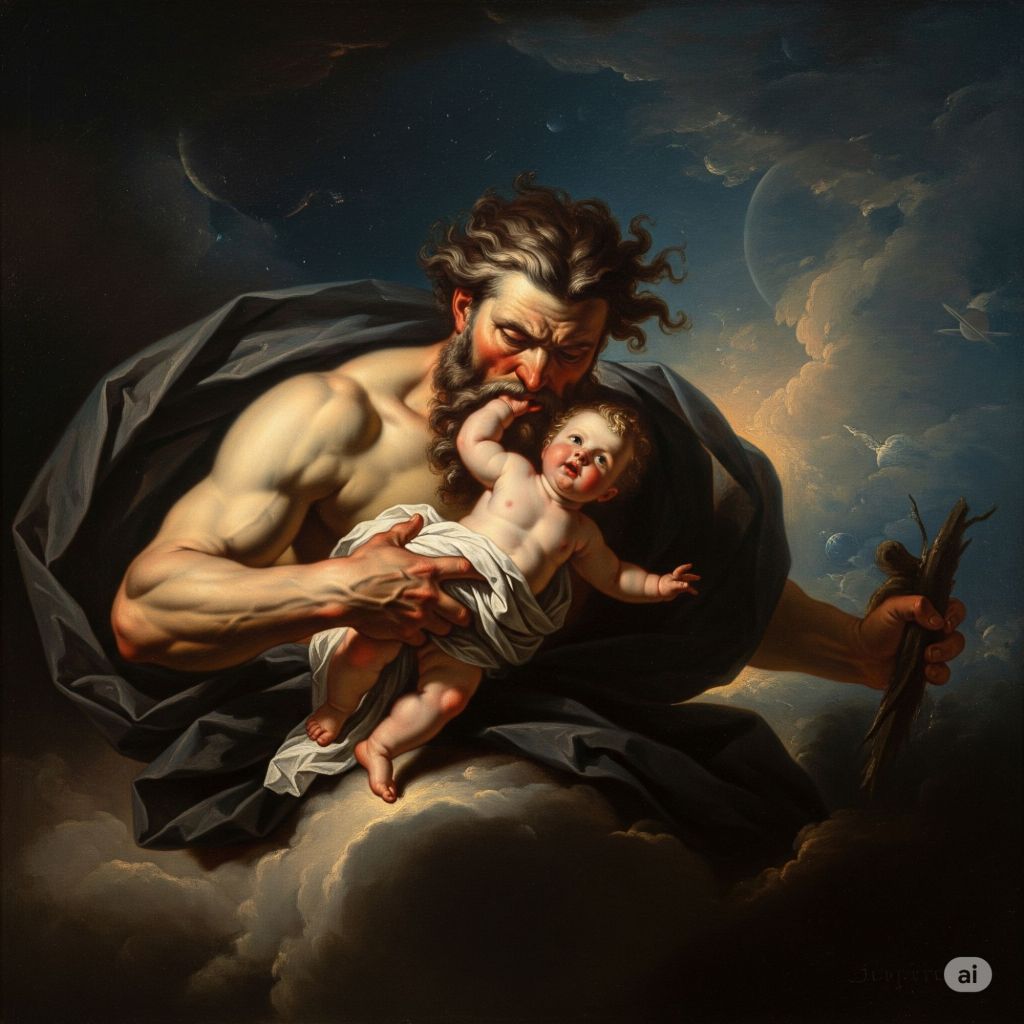
The myth of Jupiter eating his son is a Roman version of the Greek myth of Cronus (the Titan god of time) and his children. It’s a foundational story in ancient mythology, explaining the succession of power among the gods.
Here is what the myth is about:
The Prophecy and the Act
The story begins with a prophecy that Cronus would be overthrown by one of his own children, just as he had overthrown his father, Uranus (the Sky). Driven by paranoia and a desire to retain his power, Cronus devoured each of his children as they were born. His wife, Rhea, was heartbroken and, when her sixth child, Zeus (Jupiter in Roman mythology), was born, she decided to save him.
Rhea hid the infant Zeus in a cave on the island of Crete and, to deceive Cronus, she gave him a stone wrapped in swaddling clothes. Cronus, not noticing the deception, swallowed the stone, believing he had successfully consumed his final child.
Zeus grew up in secret and, once he was an adult, he returned to confront his father. He forced Cronus to regurgitate his siblings—Hestia, Demeter, Hera, Hades, and Poseidon—who had been living inside him the whole time. The siblings, along with Zeus, then waged a ten-year war against Cronus and the other Titans, known as the Titanomachy. Zeus and the Olympians were victorious, and he became the ruler of the gods, fulfilling the prophecy.
The Omen and its Meaning
The myth was not an omen for a specific, future time. Instead, it was a symbolic story about the cyclical nature of power and the inevitability of change. It illustrates the idea of a “self-fulfilling prophecy,” where the very actions taken to prevent a fate from happening ultimately cause it to come to pass. Cronus’s fear and cruelty led directly to his downfall, as his attempt to avert the prophecy created the very enemy—his son Zeus—who would one day overthrow him.
The myth is often interpreted as a commentary on a few different themes:
* The passage of time: Cronus, who was also associated with the god of time (Chronos), devours his children, which can be seen as a metaphor for time consuming all things.
* The conflict between generations: It reflects the struggle between the older, tyrannical generation and the younger, more dynamic one.
* The triumph of a new order: The victory of the Olympians over the Titans represents a shift from a primal, chaotic world to a more civilized and orderly one, with Zeus establishing a new reign of justice.
A new rain, sounds good.
Tic

Rain or reign they both need to be timely to be effective.
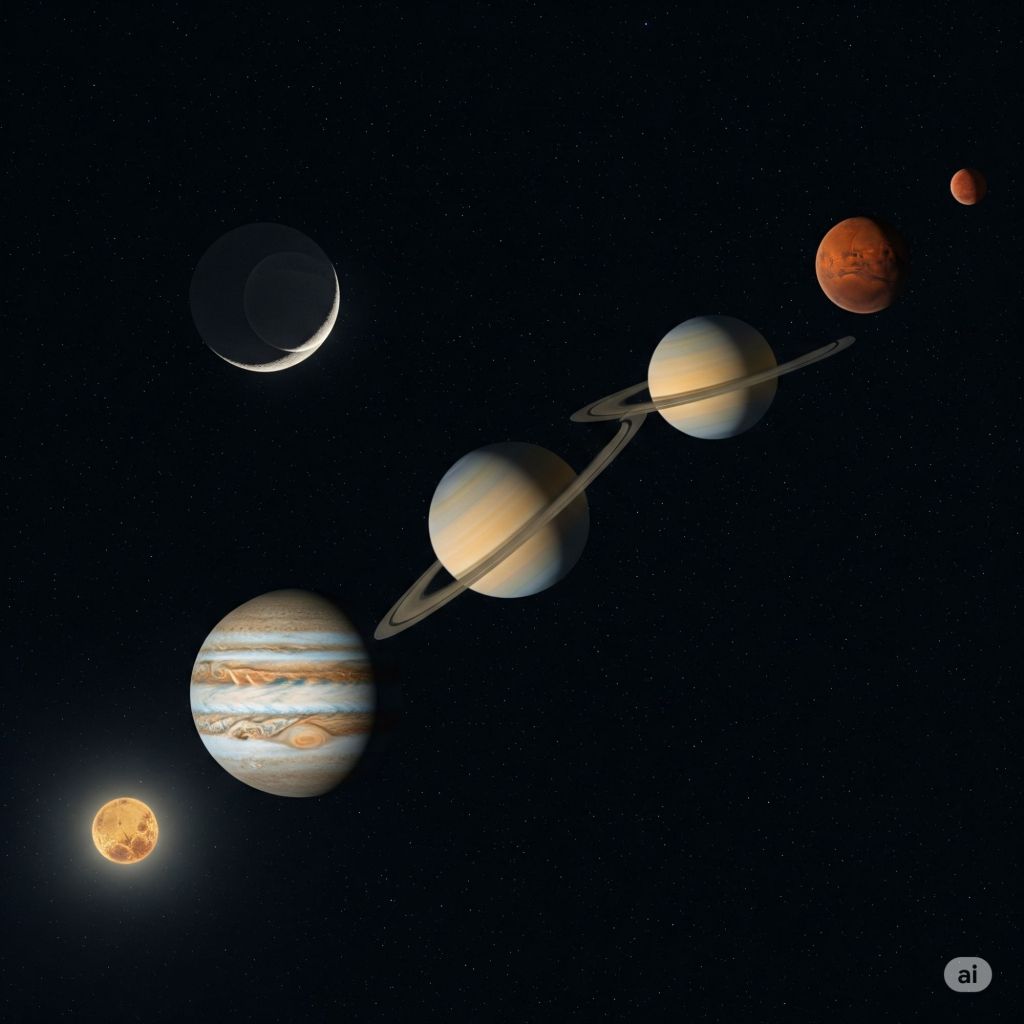
A planetary parade is a celestial event where multiple planets appear close together in the night sky. On August 23, 2025, there will be a morning planetary parade featuring six planets—Mercury, Venus, Jupiter, Saturn, Uranus, and Neptune—visible before sunrise. The new moon also occurs on this date, providing a darker sky for better viewing.
When to Look
The best time to view the alignment is in the two hours before dawn. The exact time will depend on your specific location, so checking a stargazing app or website is recommended for the most accurate timing.
Where to Look
The planets will appear stretched across the eastern sky, following the ecliptic (the path the Sun, Moon, and planets appear to follow).
* Mercury, Venus, and Jupiter will be clustered low on the eastern horizon and are the brightest and easiest to spot. Venus and Jupiter will be particularly dazzling.
* Saturn and Neptune will be higher in the sky, toward the southeast. Saturn is visible to the naked eye, while Neptune will require binoculars or a telescope.
* Uranus will be in the southeastern sky, and similar to Neptune, you will likely need binoculars to see it.
For the best viewing experience, find a location with an unobstructed view of the eastern horizon and minimal light pollution.
A Rare Alignment of Six Planets is Happening. You Should Not Miss This. This video from YouTube explains the rare planetary alignment and why you should try to view it.
Look Up
Local weather channel conditions permitting.
The moon is said to go dark on the 22-23rd so the dark sky for viewing the planet parade will be enhanced.
The new moon will occur on Friday, August 22, 2025, at 11:06 PM PDT in Vancouver, British Columbia, and is sometimes referred to as a Black Moon because it’s the third new moon in a single astronomical season. The new moon phase happens when the Moon is positioned between the Earth and the Sun, making its lit side face away from us. This results in the Moon becoming virtually invisible to the naked eye. This lack of moonlight creates an exceptionally dark sky, which is ideal for stargazing and viewing deep-sky objects like star clusters and the Milky Way.
August 2025 Sky and Planet Positions 🔭
In August, a “planet parade” of six planets and the Moon is visible. On the mornings leading up to the new moon, you’ll be able to see Mercury, Venus, and Jupiter aligned in the eastern sky, while Saturn and Neptune will be in the southern sky. As the month progresses, Saturn will become more visible, and Neptune will still be in the same general area. For the best viewing, you should find a location away from city lights and with a clear view of the horizon. The best time to observe the planets would be in the early morning before sunrise.
Rare Black Moon to Darken Skies in August 2025
This video is relevant because it discusses the August 2025 Black Moon event and its impact on the night sky.
YouTube video views will be stored in your YouTube History, and your data will be stored and used by YouTube according to its Terms of Service
Video Wion

The full moon should appear full about 2 and 1/2 days on either side of the maximum. Enjoy!.
There has been some attention on a “short day” on August 5, 2025, due to a slight acceleration in the Earth’s rotation. This phenomenon is not something to be concerned about and will not have any noticeable impact on your daily life.
Here’s a breakdown of what this means:
* What is a “short day”? This refers to a day that is slightly shorter than the standard 24 hours (or 86,400 seconds). The Earth’s rotation speed isn’t perfectly constant and can vary by tiny amounts. In recent years, the Earth’s rotation has been speeding up, leading to a series of these shorter days.
* How short is it? The “short day” on August 5 is predicted to be shorter than a regular day by a matter of milliseconds, specifically about 1.51 milliseconds. This is an extremely small amount of time, far too small for any human to notice.
* Why is this happening? Scientists are still investigating the exact causes of these short-term fluctuations, but they are believed to be related to a combination of factors, including the complex motion of Earth’s liquid core, mass redistribution from melting polar ice, and tidal effects from the Moon. On August 5, the Moon’s position will be at a point that contributes to the acceleration of the Earth’s spin.
* Should you be concerned? No. The effects of this change are so minuscule that they are only detectable by highly precise atomic clocks used by scientists. The primary impact of these “short days” is a discussion among global timekeepers about the potential need for a “negative leap second” to keep our clocks in sync with the Earth’s rotation. This is a scientific and technical matter, not something that will affect your schedule or well-being.
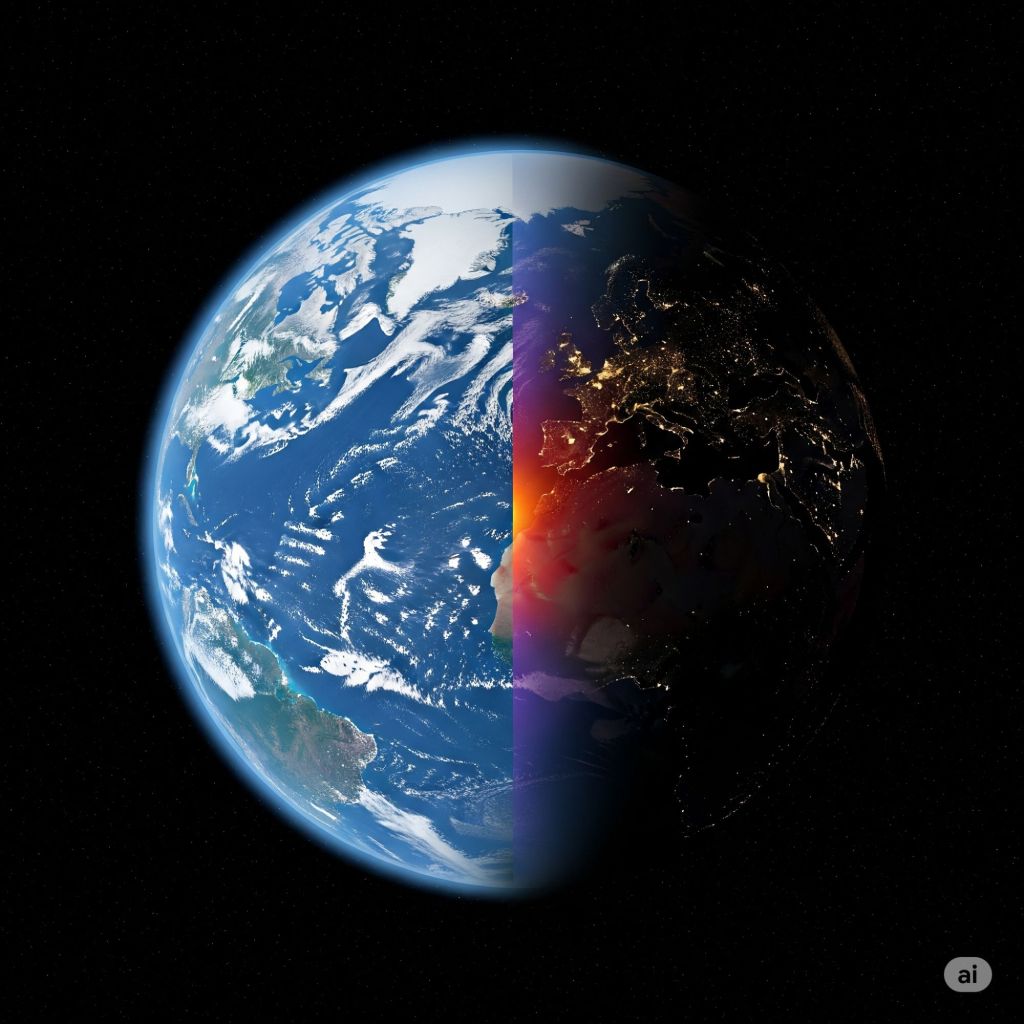
The August 8th full moon in Greece (which is actually on August 9th, 2025) is a truly special time, particularly for archaeological sites and museums. It’s an annual tradition that offers a unique blend of history, culture, and celestial beauty.
Here’s what makes it archaeologically significant and what to expect:
Archaeological Significance of the August Full Moon:
* Ancient Tradition and Mythology: The August full moon has deep roots in Greek mythology and ancient traditions. In antiquity, the month of August was known as “Metageitnion,” a time for festivals and celebrations, encouraging communal gatherings. The August moon was also closely associated with Selene, the Titan Goddess of the Moon, who was said to traverse the night sky in her silver chariot.
* Olympic Games Connection: Historically, the ancient Olympic Games, held in honor of Zeus at Ancient Olympia, began on the day of the August full moon, every four years. The fifty daughters of Selene were said to represent the fifty lunar months of the Olympiad, marking the beginning of these games.
* Unique Viewing Opportunity: The August full moon is often considered the brightest of the year, providing a stunning natural illumination for Greece’s ancient monuments. Seeing the brilliant white marble of the Acropolis glowing in the moonlight, or the moon hanging low over the Temple of Poseidon at Sounion, is an unforgettable experience.
What to Expect During the August 8th (9th) Full Moon Week in Greece (2025):
The Greek Ministry of Culture annually organizes a series of events around the August full moon, offering a fantastic opportunity for locals and tourists alike:
* Free Admission to Archaeological Sites and Museums: This is the most significant aspect. For one night (specifically, Saturday, August 9th, 2025) and often extending for a few days around it (from August 8th to 13th in 2025), many archaeological sites, historic landmarks, and museums across Greece open their doors to the public for free after sunset, often until midnight. This tradition began in 1996.
* Cultural Events Under the Moonlight: Beyond free entry, many of these sites host special cultural events. These can include:
* Theatrical performances
* Music and dance shows
* Stargazing sessions
* Myth-telling
* Guided tours
* Exhibitions
* Film screenings
* Key Locations: Many iconic locations participate, including:
* The Acropolis Museum (Athens): Often has extended hours and special events like concerts.
* National Archaeological Museum (Athens): Offers extended hours with special exhibitions.
* Temple of Poseidon at Cape Sounion: A breathtaking site to visit under the full moon.
* Archaeological Site of Kerameikos (Athens)
* Archaeological sites in Macedonia: Such as Pella (capital of ancient Macedon) and ancient Stagira (Aristotle’s birthplace).
* Sites on various Greek islands: Including Gortyna in Crete, and museums and castles on islands like Kalymnos, Karpathos, Skyros, Zakynthos, Kythera, and Kefalonia.
* Magical Atmosphere: The combination of ancient ruins, the bright full moon, and cultural events creates a truly magical and memorable experience, allowing visitors to connect with Greece’s rich heritage in a unique setting.
It’s advisable to check the official website of the Greek Ministry of Culture closer to the date for the detailed program of events for 2025, as specific activities and participating sites can vary slightly each year.
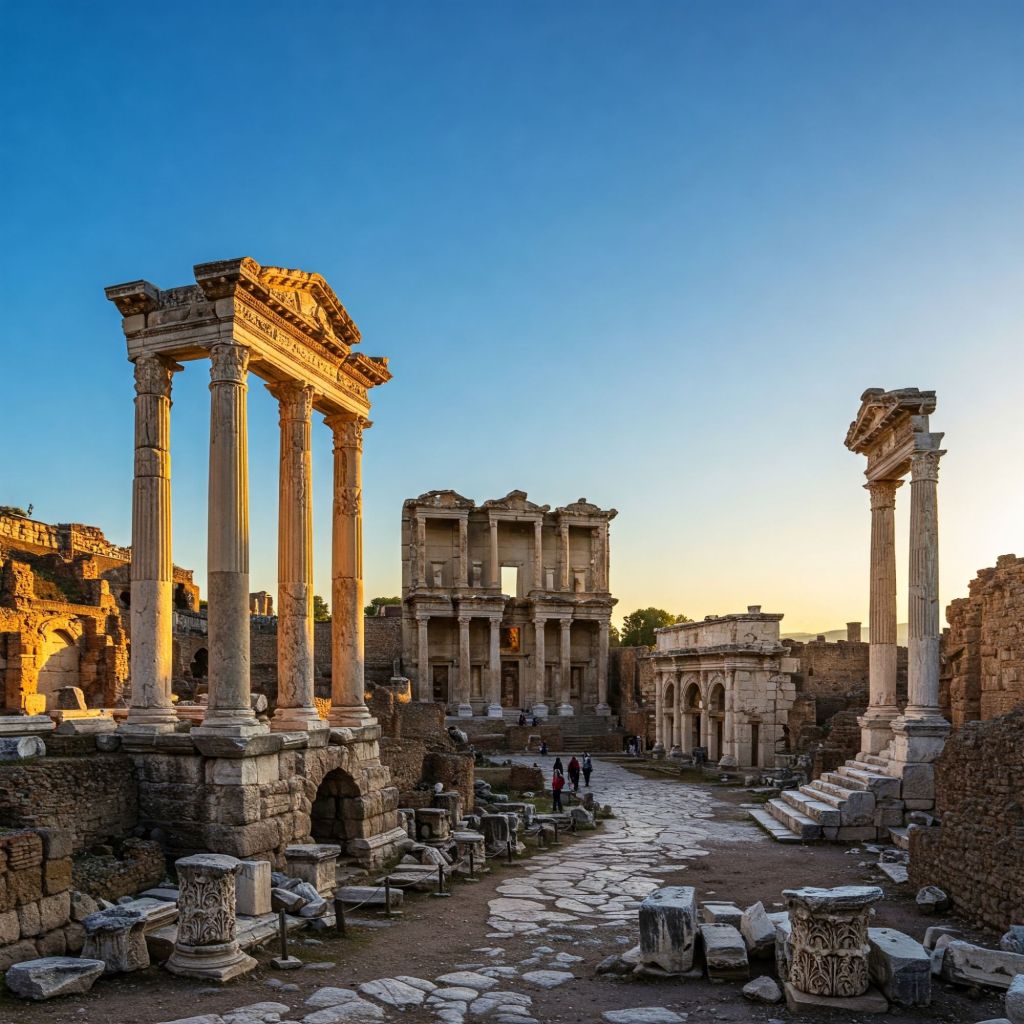
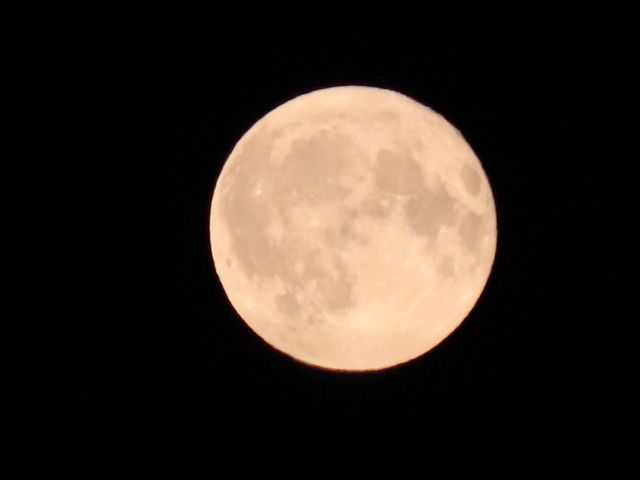
The interest in all things lunar continues as mankind’s March to knowledge grows exponentially everyday.
There is little air blast in Space.
The Dart mission only used a spacecraft to hit an asteroid and the results according to NASA are that the bump moved the course of the test target was changed.
There is little atmosphere in space and is generally referred to as a vacuum. We are used to seeing the results of explosives as they work on air blasts with destructive force. This may mean that atomic weapons would be muted as an asteroid breaker but it’s very hopeful to have the ability to intercept them.
TGIF
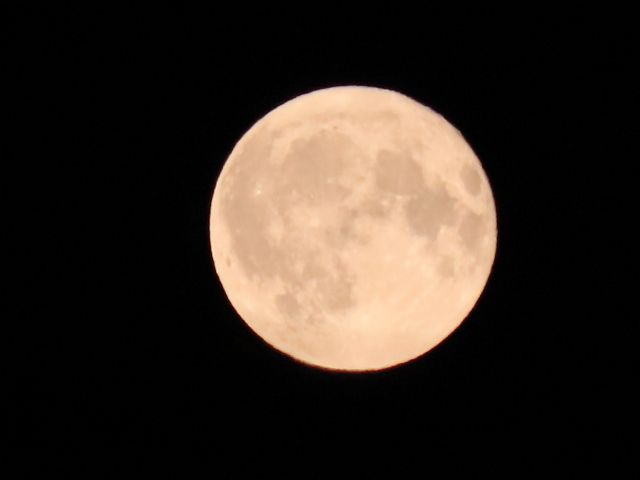
The full moon on July 10th, 2025 is known as the Buck Moon. Here’s a breakdown of what makes it special:
Why “Buck Moon”?
This traditional name comes from Native American folklore, as July is typically the time of year when male deer (bucks) begin to regrow their antlers, which shed annually. These new antlers symbolize strength, growth, and regeneration.
Key Characteristics of the July 10th, 2025 Full Moon:
* Peak Illumination: The Moon reaches its peak illumination around 4:37 PM EDT / 1:37 PM PST on July 10th. While it’s full during daylight hours for much of North America, the best viewing will be after sunset when it rises in the eastern sky.
* Low-Riding Moon: This year, the Buck Moon will appear exceptionally low in the sky, particularly for observers in the Northern Hemisphere. This is due to a combination of factors:
* Close to Aphelion: The Earth is near its aphelion (the point in its orbit farthest from the Sun) in July.
* Major Lunar Standstill Effect: This full moon coincides with a “Major Lunar Standstill,” a phenomenon that occurs every 18.6 years and exaggerates how high or low the Moon appears in the sky.
* Appearance: Because it’s so low on the horizon, the moon may appear larger and have a captivating orange or golden hue at moonrise due to atmospheric effects.
* Astrological Significance: In astrology, this full moon falls in the sign of Capricorn. This alignment is said to bring a focus on grounding, purpose, and releasing old patterns to make way for new growth and transformation. It’s considered a time for reflection and connecting with one’s inner wisdom.
* Other Names: Besides Buck Moon, it’s also known by other names in different cultures, including:
* Thunder Moon: Due to the frequent thunderstorms during midsummer.
* Salmon Moon: Reflecting the seasonal migration of salmon.
* Hay Moon: As farmers gather animal feed.
Viewing Tips:
* Time: Begin observing 30-60 minutes after local sunset for the best visibility.
* Location: Choose a spot with a clear view of the southeastern horizon, ideally away from city lights to minimize light pollution. Elevated areas, beaches, or rural locales are ideal.
* Equipment: The Buck Moon is visible to the naked eye, but binoculars or a small telescope can enhance views of lunar details like craters.
This July 10th full moon offers a unique opportunity for skywatchers to enjoy a truly spectacular celestial event, with its unusual low-riding appearance and traditional significance.
Viewing time
The moon will appear full for a couple of more days.
To view and plan visit the buttons to the links available.



 Kevin Griffiths
 percypaschal
 The Proprietor Review