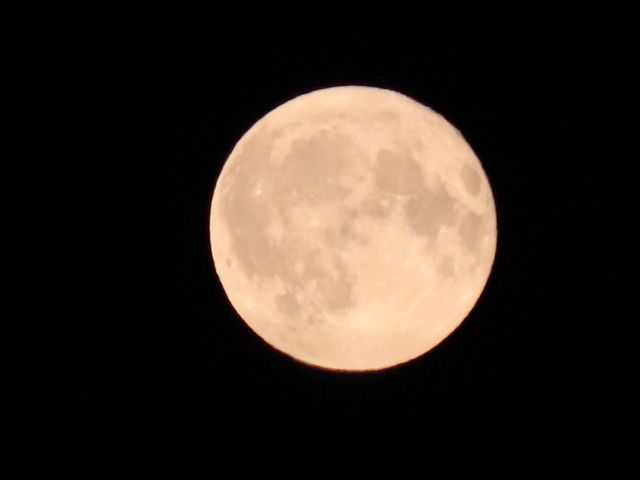
The interest in all things lunar continues as mankind’s March to knowledge grows exponentially everyday.

To the seasons of life

The interest in all things lunar continues as mankind’s March to knowledge grows exponentially everyday.

Painting and photo KDG
It’s a fun thought experiment! Let’s break down why tarragon on the Moon, and the idea of greening it, is currently in the realm of science fiction:
Could there be tarragon on the Moon?
* No, not naturally. The Moon is a barren, airless body. Tarragon, like all plants, needs specific conditions to grow:
* Atmosphere: It needs carbon dioxide for photosynthesis and oxygen for respiration (though it produces oxygen as a byproduct). The Moon has virtually no atmosphere.
* Water: Tarragon needs water to live. While there’s evidence of water ice at the lunar poles, it’s not readily available as liquid water for plants to absorb.
* Soil: Lunar regolith (the “soil” on the Moon) is very different from Earth soil. It lacks organic matter, beneficial microbes, and readily available nutrients. While some studies have shown plants can sprout in lunar regolith, they show signs of stress and stunted growth compared to those grown in Earth soil.
* Temperature: The Moon experiences extreme temperature swings, from scorching hot in sunlight to frigid cold in shadow. Tarragon prefers warm, sheltered conditions and can’t survive such extremes without protection.
* Radiation: The Moon has no significant magnetic field or atmosphere to protect it from harmful solar and cosmic radiation. This radiation would be lethal to plants.
* Gravity: The Moon’s gravity is about one-sixth of Earth’s. While the direct effects on plant growth are still being studied, it’s another factor that makes it a very different environment for life.
Could tarragon (or any plants) green the Moon or turn it into a habitable place with a little bit of help from us?
This is the concept of terraforming, and it’s an incredibly ambitious and long-term prospect with many significant hurdles, especially for the Moon:
* Creating an Atmosphere: This is the biggest challenge. The Moon’s low gravity means any introduced atmosphere would quickly escape into space. We’d need a continuous and massive supply of gasses (carbon dioxide, nitrogen, etc.) and a way to somehow contain them or replenish them faster than they escape. This might involve building enormous artificial domes or even attempting to generate an artificial magnetic field to help retain the atmosphere, both of which are far beyond our current technological capabilities.
* Water Resources: While there’s ice, it needs to be extracted, processed, and then kept in liquid form, which is difficult given the Moon’s temperature extremes and lack of atmospheric pressure.
* Soil Development: Lunar regolith would need to be enriched with organic matter and nutrients to become viable soil for widespread plant growth. This would be a massive undertaking, requiring the introduction of vast amounts of biological material and the establishment of complex ecosystems.
* Radiation Protection: Even with an atmosphere, the Moon’s lack of a strong magnetic field means any surface-dwelling life would be exposed to dangerous radiation. Underground habitats or heavily shielded structures would be necessary.
* Temperature Regulation: Maintaining Earth-like temperatures would require massive energy inputs for heating and cooling, given the Moon’s extreme temperature variations.
In summary:
While the idea of a tarragon-scented, green Moon is appealing, it’s not currently feasible. Plants like tarragon require very specific conditions that the Moon simply doesn’t offer. Terraforming the Moon would require technological advancements on a scale far beyond anything we currently possess, and it would be an undertaking spanning centuries, if not millennia. For now, any lunar gardening would need to happen in highly controlled, enclosed environments, much like growing plants on the International Space Station.
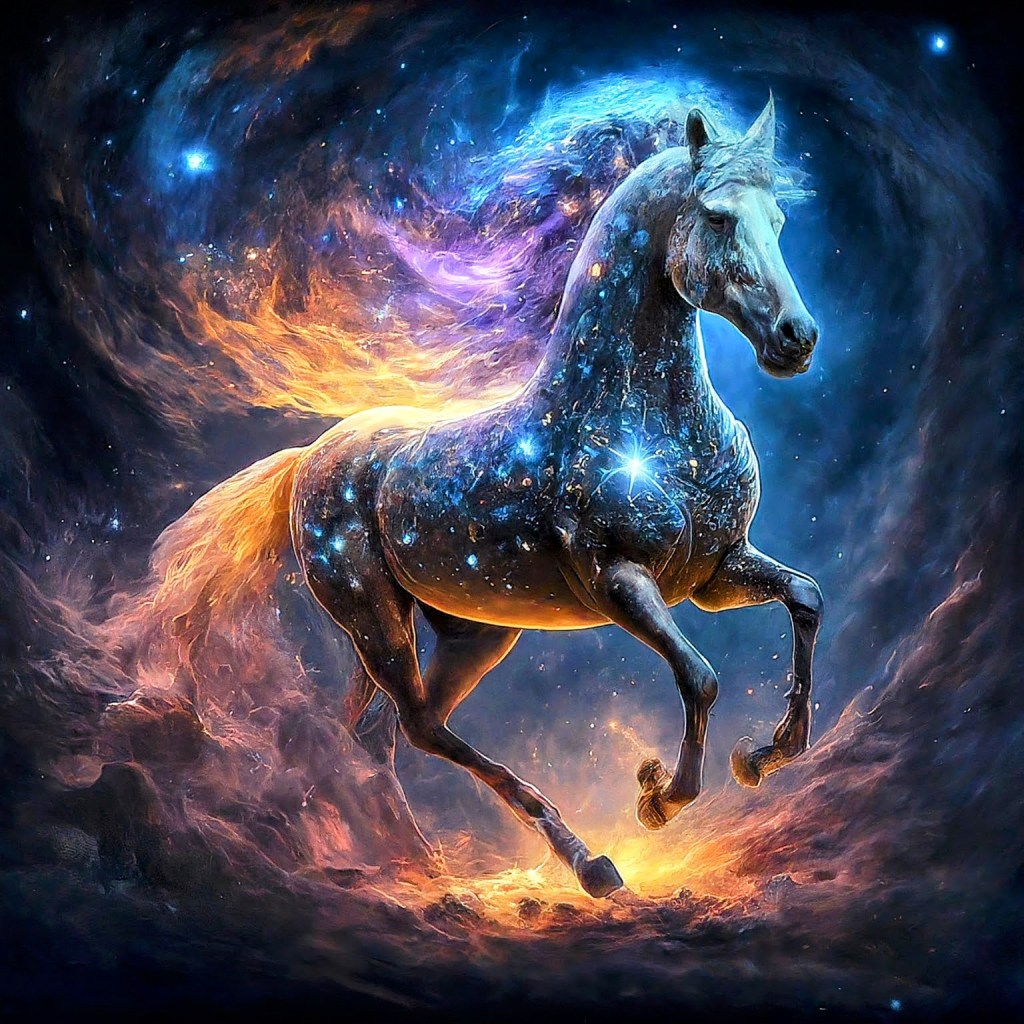
Editor’s note: while it’s not that attractive to us Canadians ( we like Canada) our home and native land. The Americans might suit us as our 51st moon. That’s presuming that we can get any life going there.
We like Canada…
The Artemis program is indeed going ahead, though with some shifts in its timeline and potential scope.
Artemis Program Status:
* Artemis I, an uncrewed test flight, successfully completed its mission to lunar orbit and back in late 2022.
* Artemis II, the first crewed mission to orbit the Moon (but not land), is now projected for April 2026, a delay from earlier targets.
* Artemis III, which aims to land humans on the lunar South Pole, is currently targeted for mid-2027, also delayed from previous schedules.
* There are ongoing discussions and potential budget cuts that could impact the program beyond Artemis III, with proposals to phase out the Space Launch System (SLS) and Orion spacecraft, and even cancel the Lunar Gateway. This highlights the political and financial challenges alongside the technical ones.
China’s Lunar Program:
China is actively pursuing its own ambitious lunar exploration program, known as the Chang’e Project.
* This program has already achieved significant robotic milestones, including orbiters, landers, rovers, and sample return missions.
* Crucially, China has publicly announced its goal to land astronauts on the Moon before 2030. They are developing key components like the Long March-10 carrier rocket, Mengzhou manned spacecraft, Lanyue lunar lander, and a lunar rover.
* China also plans to establish an International Lunar Research Station (ILRS) at the Moon’s south pole, aiming for international collaboration.
Is Competition Worthwhile?
The competition between the Artemis program (primarily US-led with international partners) and China’s lunar ambitions is often framed as a “new space race.” There are several arguments for why this competition can be worthwhile:
* Accelerates Innovation: Competition can spur rapid technological development and push the boundaries of what’s possible, as each nation strives to achieve milestones first or more efficiently.
* Reduces Costs: In some cases, competition, especially with the rise of private companies, can drive down the cost of space access and operations.
* Inspires and Engages: A visible “race” to the Moon can inspire public interest in science, technology, engineering, and mathematics (STEM) fields, and foster a sense of national pride and achievement.
* Redundancy and Resilience: Having multiple nations developing lunar capabilities can create redundancy, ensuring that human access to space and lunar exploration continue even if one program faces setbacks.
* Geopolitical Influence: Leadership in space exploration is often seen as a marker of a nation’s technological prowess and global influence.
However, there are also arguments against intense competition or for emphasizing cooperation:
* Duplication of Effort: Parallel programs can lead to redundant efforts and inefficient use of resources that could be pooled for greater scientific return.
* Increased Risk of Conflict: While currently peaceful, a heightened “space race” could potentially lead to increased geopolitical tensions or even weaponization of space, though most nations advocate for peaceful use.
* Missed Opportunities for Collaboration: Cooperation can lead to shared knowledge, expertise, and resources, potentially achieving more complex and ambitious scientific goals.
In summary, the Artemis program is pushing forward with its aim to return humans to the Moon, while China is a serious and active competitor with its own independent and ambitious lunar plans. Whether this competition is “worthwhile” depends on the perspective, but it undoubtedly drives innovation and maintains a dynamic environment in lunar exploration. Many argue that a balance of healthy competition and strategic cooperation could yield the most beneficial outcomes for humanity’s presence in space.
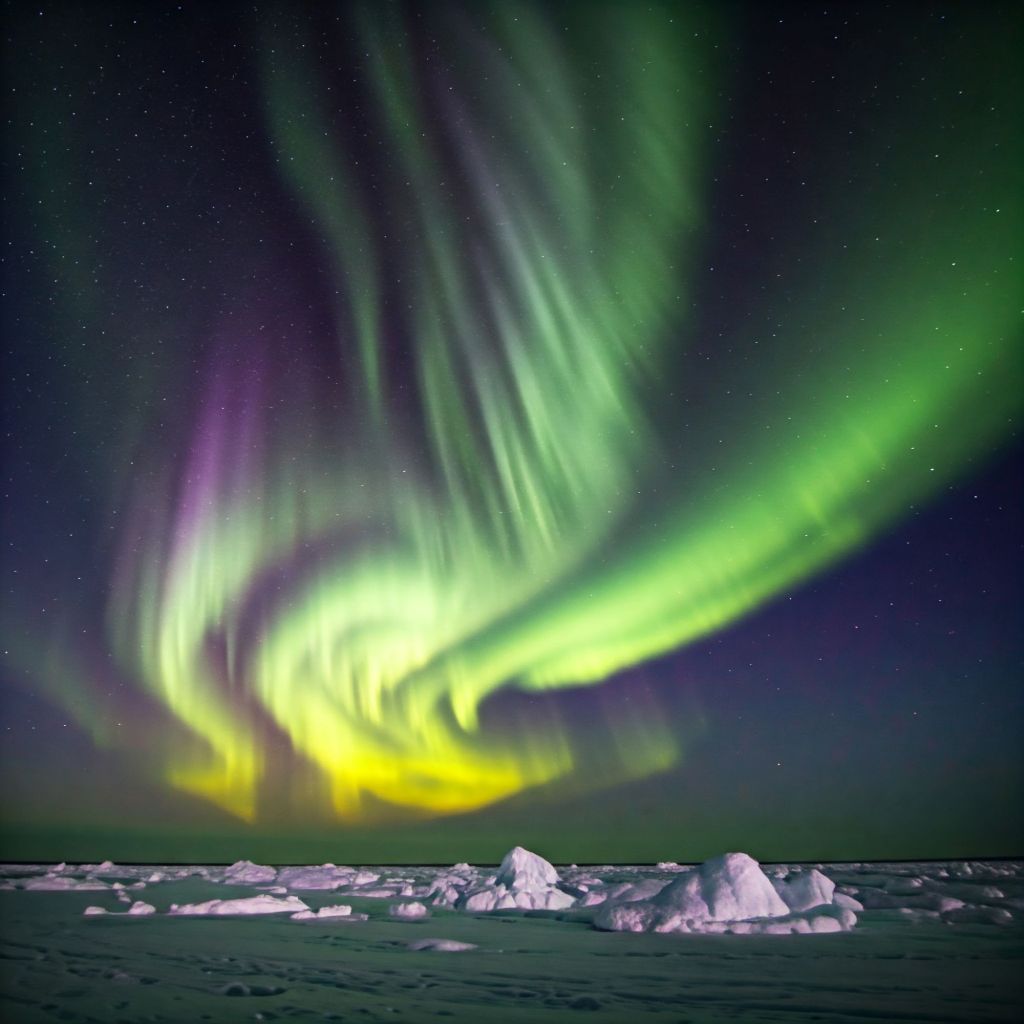
With the gro magnetic activity polar lights may be prevalent. Regular weather permitting.
Milky way traversing
There is a watch on at this time for a mass ejection.
The strength of magnetic storms are rated G1-G5 (NOAH)
Look up,enjoy often as magnetic activity could be strong into 2026.
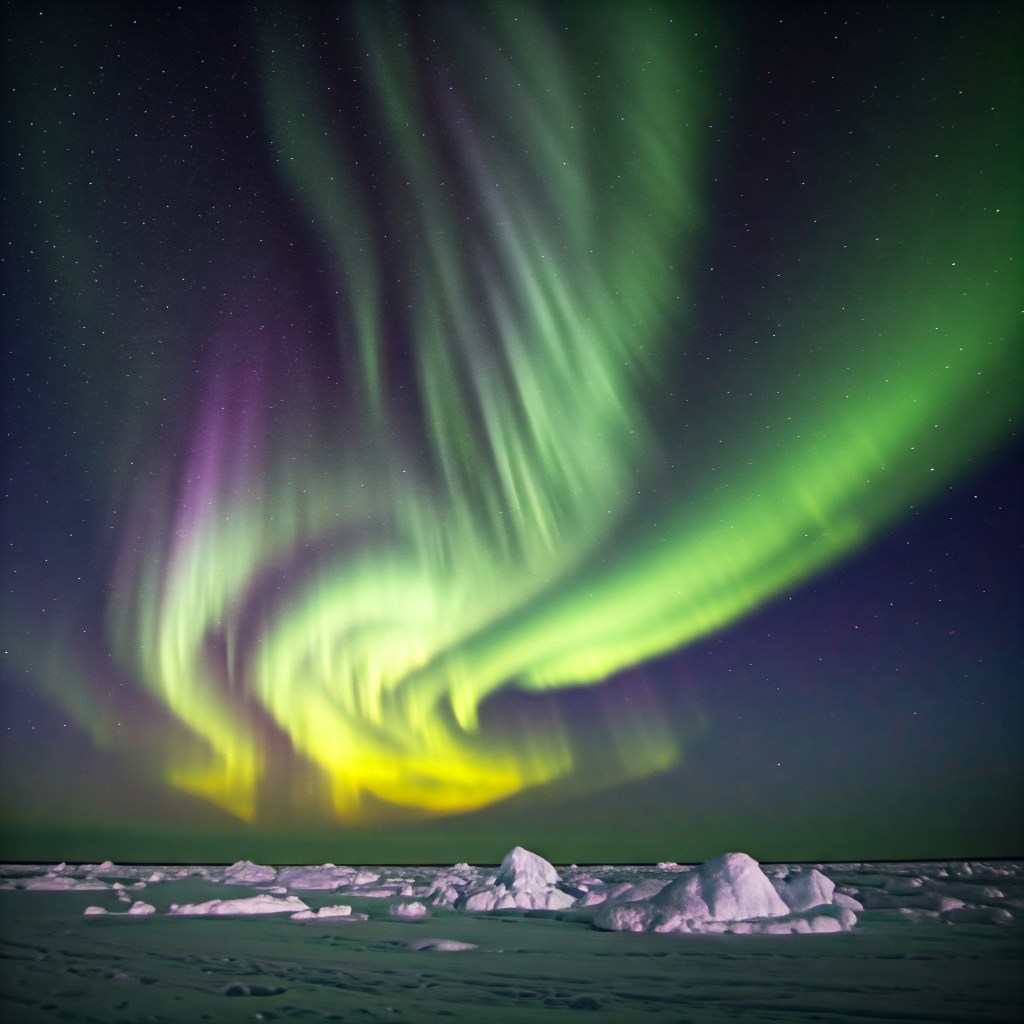
A moderate ejection in May has a major watch on through today at 8 PM EDT.
You’re in luck! June 2025 offers a couple of opportunities to observe the Moon and Mars in close proximity, creating what’s known as a conjunction. There’s even a special event called a lunar occultation for some observers.
Here’s a breakdown of the possible conjunctions in June 2025:
1. Early June Conjunction (around June 1st):
* When: Around June 1st, 2025.
* What to expect: The waxing crescent Moon will appear close to Mars.
* Visibility: Look to the west just after sunset. This will be a good naked-eye or binocular event.
* Constellation: Both will be in the constellation Leo.
2. Late June Conjunction and Lunar Occultation (around June 29th-30th):
* When: On the night of June 29th, extending into the early hours of June 30th, 2025.
* What to expect: The waxing crescent Moon will again pass close to and just below Mars. This will be an even closer approach than the earlier conjunction.
* Special Event: For some regions, a lunar occultation of Mars will occur. This is when the Moon passes directly in front of Mars, temporarily hiding the Red Planet from view.
* Visibility of Occultation: This rare phenomenon will be visible from specific locations, including western Peru, Ecuador, western Colombia, and Clipperton Island.
* Visibility of Conjunction (worldwide): Even if you’re not in the occultation zone, the close conjunction of the Moon and Mars will be visible worldwide. Look to the western horizon just after sunset. They will set a few hours later in the Northern Hemisphere.
* Constellation: Both will be in the zodiac constellation Leo.
* Observation: The pair will be close enough to fit within the field of view of a telescope, but also easily visible to the naked eye or through binoculars. Mars will appear as a small, reddish-orange disk.
General Tips for Observing Conjunctions:
* Find a clear view: Choose a spot with an unobstructed view of the western horizon, especially after sunset.
* Check local times: The exact times for moonrise, moonset, and conjunctions will vary depending on your specific location. Use online sky maps or astronomy apps to get precise timings for Merritt, British Columbia.
* Binoculars or a small telescope: While visible to the naked eye, binoculars will enhance the view, making Mars appear brighter and its small disk more apparent. A small telescope will offer an even better view.
* Look for the “ecliptic”: These conjunctions occur because both the Moon and Mars travel along the “ecliptic,” which is the approximate path the Sun, Moon, and planets follow across the sky.
Enjoy the celestial show in June!
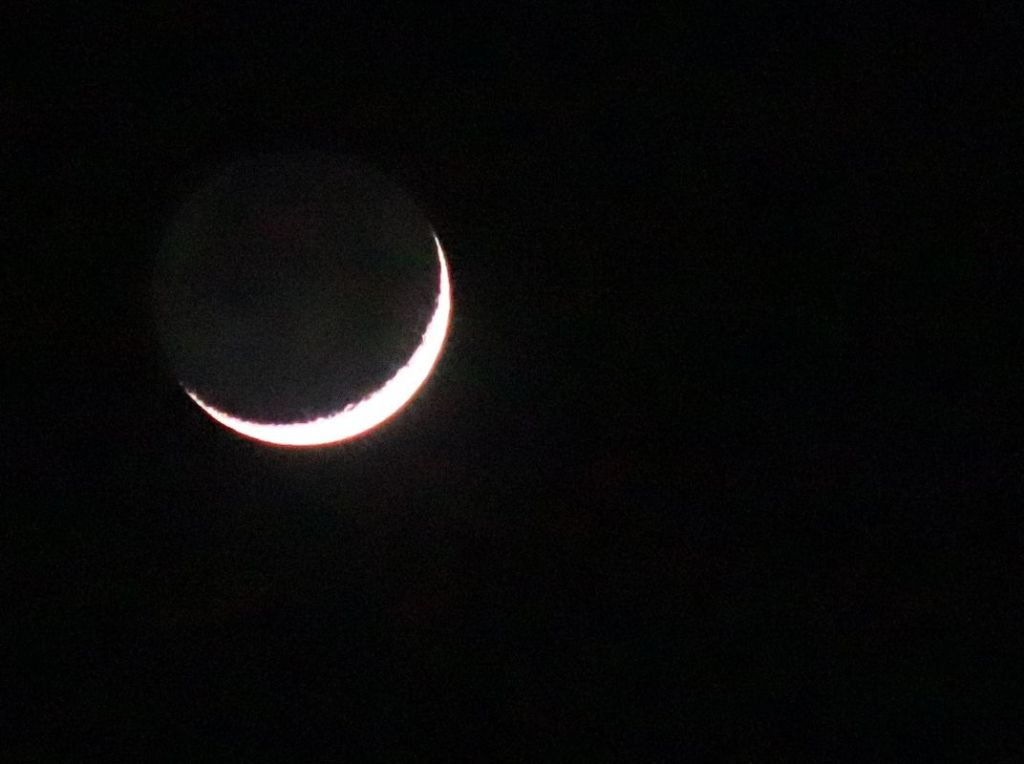
June 11th Full moon…
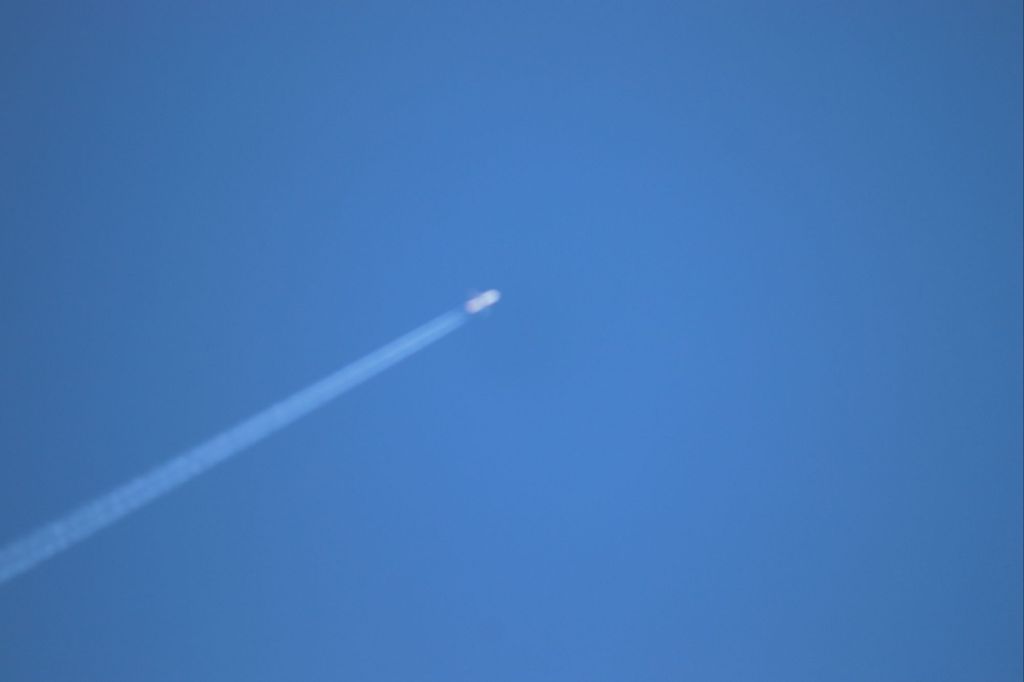
So, not the Moon or Mars this week.
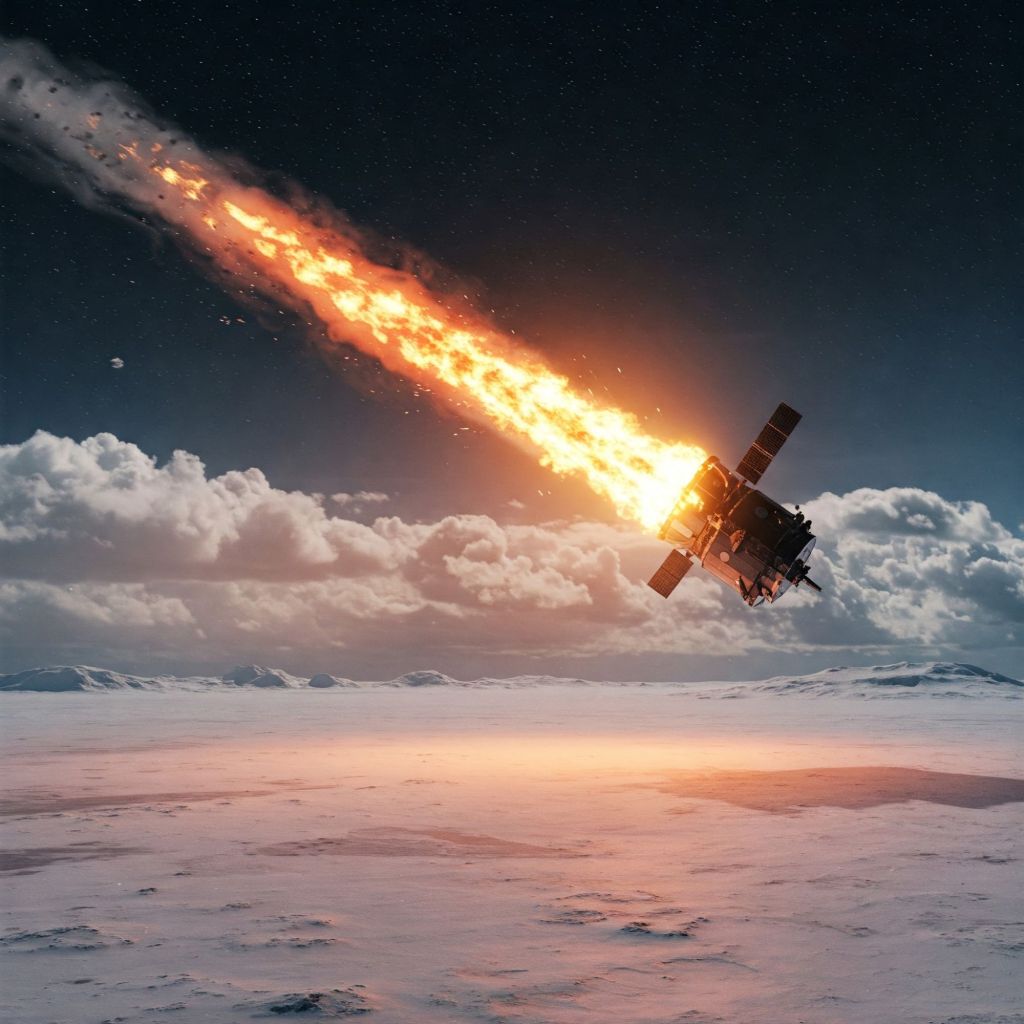
May fall to earth tonight… went to earth May 10th 2025
The spacecraft fell to Earth after 50 years of being in orbit and not landing on Venus which was designed to withstand. That hot planet was photographed by it. And it wasn’t expected to come back this way. However, they saw it coming in but they don’t know where it landed. So if you see this thing give NASA or call any other whatever space agencies. Or the police, somebody because they’re missing it.
Well would a tariff opportunity speed things up … Tic…
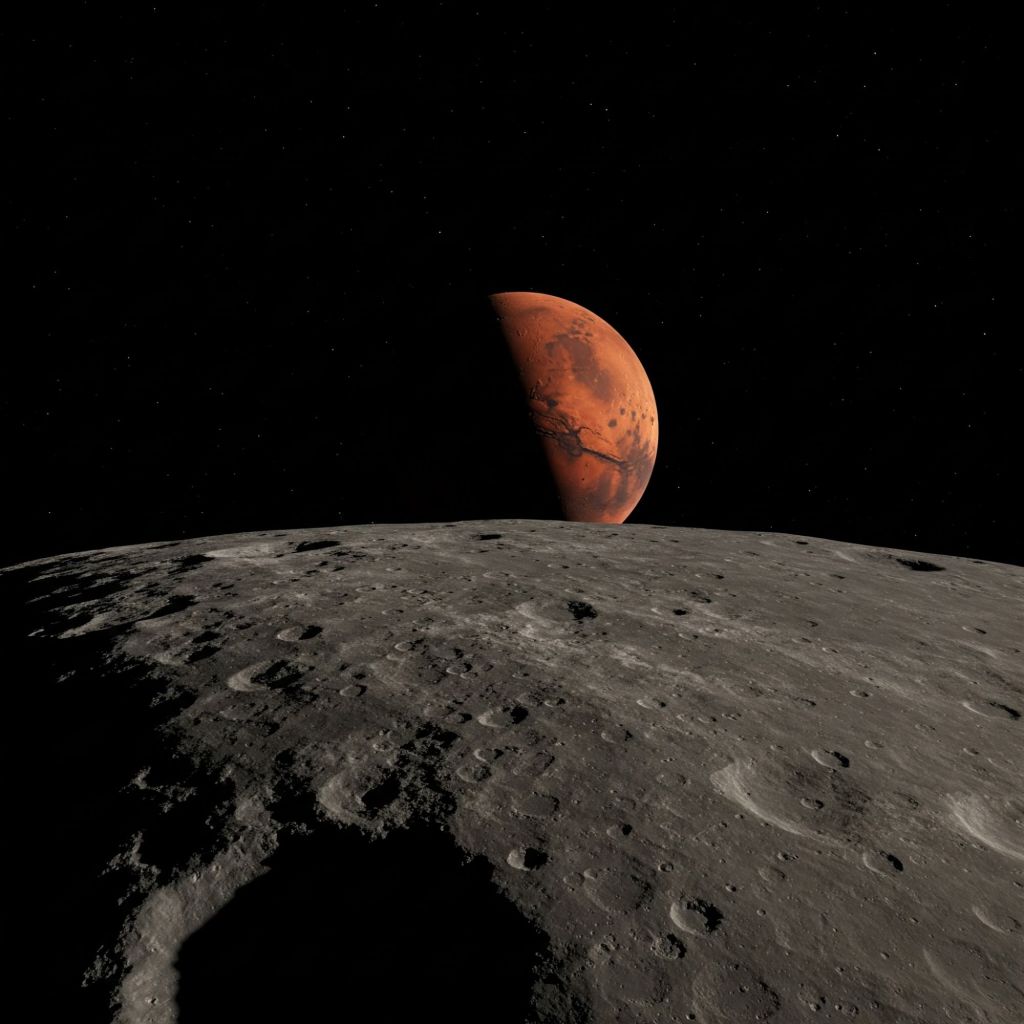
The Artemis program is currently underway, with several missions planned to establish a sustainable presence on the Moon as a stepping stone for human missions to Mars. Here’s an update on its progress and the outlook for a Mars landing:
Artemis Program Status:
The Artemis program is organized into a series of increasingly complex missions. Here’s the current status of the initial missions:
* Artemis I: This uncrewed test flight successfully orbited the Moon and returned to Earth in November 2022, serving as the first integrated test of the Space Launch System (SLS) rocket and the Orion spacecraft.
* Artemis II: This mission will be the first crewed flight of the Orion spacecraft, sending a crew of four astronauts around the Moon. It is currently targeted for launch no earlier than April 2026.
* Artemis III: This mission aims to land astronauts on the Moon’s South Pole region. It is currently scheduled for mid-2027. This mission will use the SpaceX Starship Human Landing System (HLS) to transport two astronauts to the lunar surface.
* Artemis IV: This mission is planned for late 2028 and will involve docking with the Lunar Gateway, a small space station that will orbit the Moon. Astronauts will transfer through the Gateway to the HLS for their descent to the lunar surface.
* Artemis V: Planned for March 2030, this mission will also dock with the Gateway and is expected to involve a longer stay on the lunar surface, contributing to the establishment of a permanent lunar habitat.
When to Expect a Landing on Mars:
The Artemis program’s long-term goal is to prepare for human expeditions to Mars. While there isn’t a specific date set, NASA’s planning indicates that a crewed mission to Mars could plausibly happen in the mid to late 2030s.
* Some sources mention a potential three-year crewed expedition to Mars with a return planned between 2035 and 2038. The duration of the stay on Mars could vary from 90 to 500 Earth days, depending on favorable return windows.
It’s important to note that the timeline for Mars missions is more fluid and depends on the success of the Artemis lunar missions, the development of necessary technologies, and continued funding. The experience gained from establishing a sustained presence on the Moon, including testing technologies and understanding the challenges of long-duration deep space missions, is crucial for the eventual human exploration of Mars.
Good luck, we will not hold our breath…
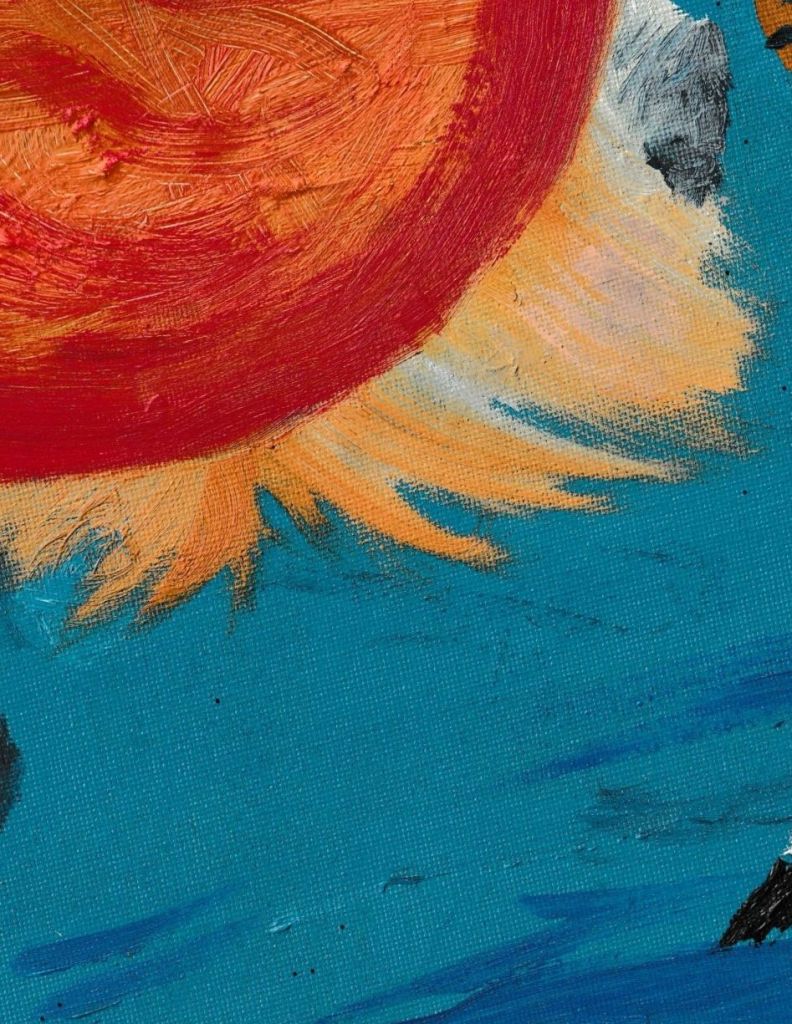
The geomagnetic weather of Space is a powerful force. That force could kill us except for the magnetic fields that the Earth generates that helps to keep our atmosphere in that barrier between space and Earth.
Space weather refers to the dynamic conditions in space and the near-Earth environment that can affect the performance and reliability of space-borne and ground-based technological systems, and can endanger human health. It is primarily driven by the Sun and its activity.
Dangers of Space Weather:
Space weather events can pose several hazards:
* Disruption of Satellite Operations: Energetic particles and radiation from solar flares and coronal mass ejections (CMEs) can damage satellite electronics, leading to malfunctions, data loss, or even complete failure. This can affect communication, navigation (GPS), weather forecasting, and other satellite-dependent services. For example, a strong geomagnetic storm in October 2003 was associated with numerous satellite anomalies.
* Power Grid Disturbances: Geomagnetically induced currents (GICs) caused by geomagnetic storms can flow through long conductors like power lines and pipelines. In extreme cases, this can overload transformers, leading to blackouts. The Hydro-Québec blackout in 1989, which left six million people without power for nine hours, is a notable example.
* Communication and Navigation Issues: Solar flares can cause radio blackouts by disrupting the ionosphere, affecting high-frequency (HF) radio communications, especially in polar regions. Geomagnetic storms can also interfere with GPS signals, reducing their accuracy. This can impact aviation, marine navigation, and other GPS-dependent technologies.
* Radiation Hazards: Solar energetic particles (SEPs) can increase radiation levels at high altitudes, posing a risk to astronauts on spacewalks and potentially to airline passengers and crew on polar routes.
* Increased Satellite Drag: The heating of the Earth’s upper atmosphere during geomagnetic storms can cause it to expand, increasing drag on low-Earth orbit satellites. This can alter their orbits and require more frequent adjustments.
* Pipeline Corrosion: GICs can also accelerate the corrosion of oil and gas pipelines.
Precautions to Take for Space Weather:
While individuals cannot directly control space weather, several precautions are taken at various levels to mitigate its impacts:
* Monitoring and Forecasting: Space weather agencies like NOAA’s Space Weather Prediction Center and Space Weather Canada continuously monitor the Sun and the space environment to provide forecasts and warnings of potential events. This allows operators of vulnerable systems to take protective measures.
* Satellite Hardening: Satellites are designed with radiation-hardened electronics and shielding to withstand the harsh space environment and solar events. Operators can also put satellites in a “safe mode” during severe events to minimize potential damage.
* Power Grid Protection: Power companies implement measures such as monitoring geomagnetic activity, adjusting voltage levels, and having backup systems in place to reduce the risk of blackouts. Research is ongoing to develop more resilient power grids.
* Aviation Procedures: Airlines can reroute flights over polar regions during solar radiation storms to minimize radiation exposure to passengers and crew. They also rely on alternative communication and navigation systems when HF radio and GPS are affected.
* Emergency Preparedness: Individuals and communities should be prepared for potential power outages and communication disruptions by having emergency kits with essential supplies, backup communication methods, and plans for extended outages.
* Awareness and Education: Raising public awareness about space weather and its potential impacts can help individuals and organizations take appropriate preparedness measures.
Enjoyment from Space Weather:
While space weather can pose risks, it also gives rise to one of the most spectacular natural phenomena:
* Auroras (Northern and Southern Lights): Geomagnetic storms cause charged particles from the Sun to interact with the Earth’s magnetosphere and atmosphere, particularly near the polar regions. This interaction excites atmospheric gases, resulting in the breathtaking displays of colored lights known as the auroras. Seeing the aurora borealis or australis is a significant draw for tourism and a source of wonder and beauty. Space weather forecasts help predict when and where auroras might be visible.
In summary, space weather is a natural phenomenon driven by the Sun that can have significant impacts on our technology and infrastructure. While there are potential dangers, ongoing monitoring, technological hardening, and preparedness measures help to mitigate these risks. Additionally, space weather creates the beautiful aurora, offering a unique and enjoyable connection to the dynamics of our solar system.
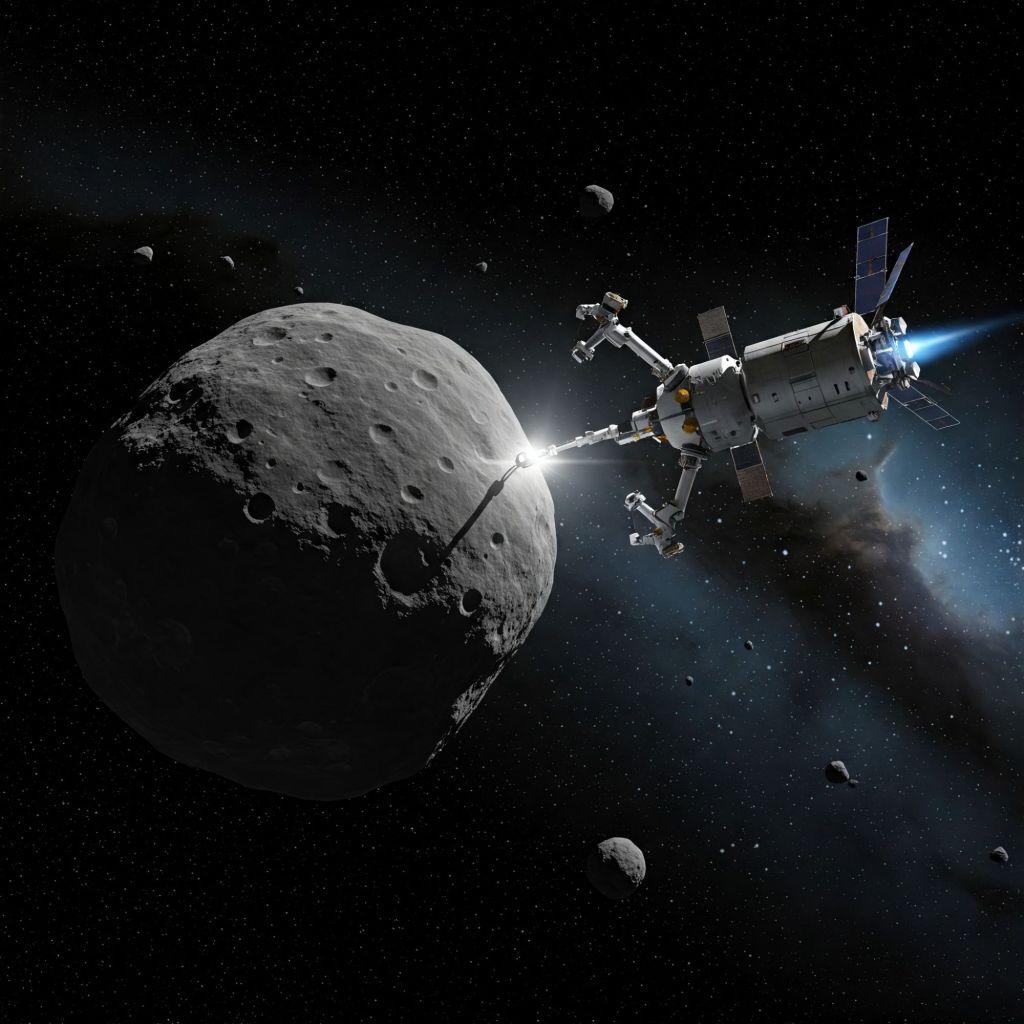
Benny is a boneyard of ancient materials.
My name was in the chip in this spaceship thanks to NASA. So, the organic materials are a comforting sideshow to the real value, a free trip about the solar system cruising for organics.

Hey Merit what do you say?


 Kevin Griffiths
 percypaschal
 The Proprietor Review