Category: Space


Space weather April 2025.

Space weather Canada

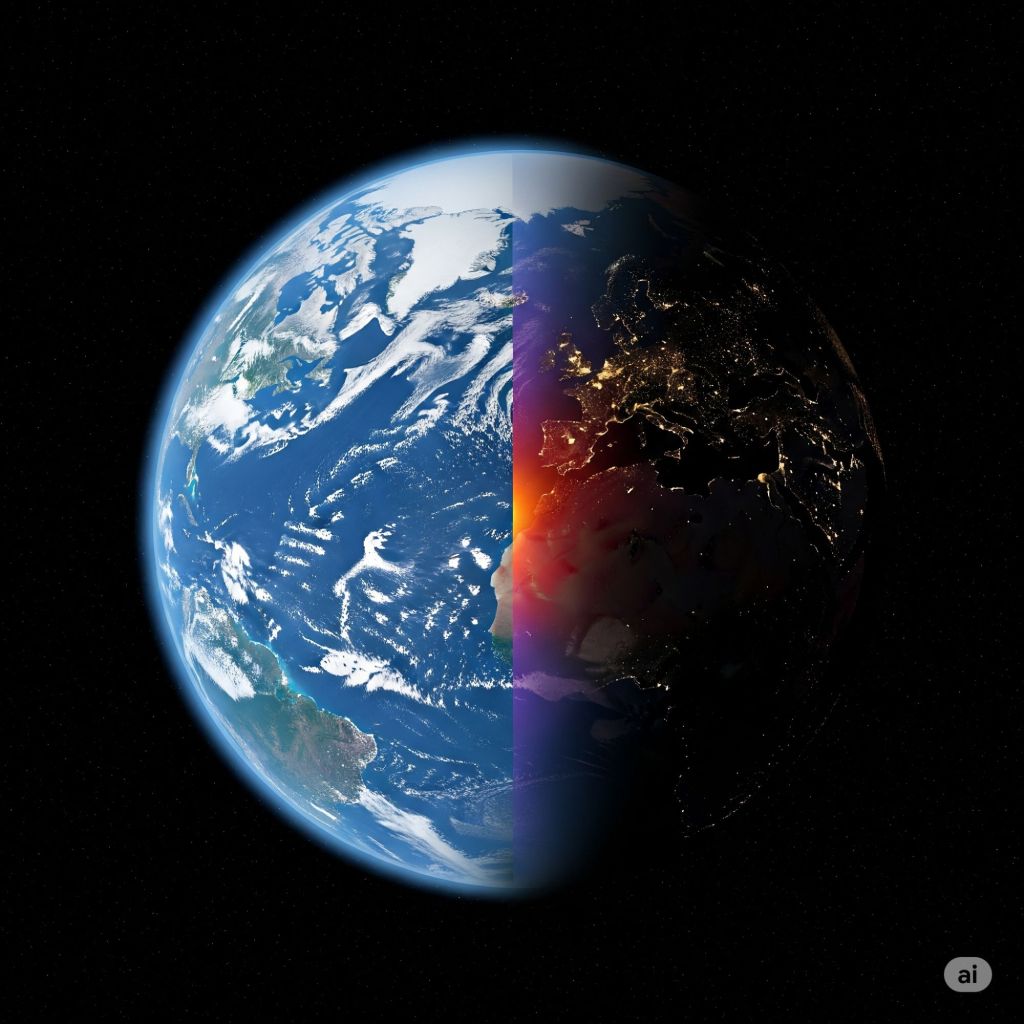
The geomagnetic  weather  of Space is a powerful force. That force could kill us except for the magnetic fields that the Earth generates that helps to keep our atmosphere in that barrier between space and Earth.

What is it…

Space weather refers to the dynamic conditions in space and the near-Earth environment that can affect the performance and reliability of space-borne and ground-based technological systems, and can endanger human health. It is primarily driven by the Sun and its activity.
Dangers of Space Weather:
Space weather events can pose several hazards:
* Disruption of Satellite Operations: Energetic particles and radiation from solar flares and coronal mass ejections (CMEs) can damage satellite electronics, leading to malfunctions, data loss, or even complete failure. This can affect communication, navigation (GPS), weather forecasting, and other satellite-dependent services. For example, a strong geomagnetic storm in October 2003 was associated with numerous satellite anomalies.
* Power Grid Disturbances: Geomagnetically induced currents (GICs) caused by geomagnetic storms can flow through long conductors like power lines and pipelines. In extreme cases, this can overload transformers, leading to blackouts. The Hydro-Québec blackout in 1989, which left six million people without power for nine hours, is a notable example.
* Communication and Navigation Issues: Solar flares can cause radio blackouts by disrupting the ionosphere, affecting high-frequency (HF) radio communications, especially in polar regions. Geomagnetic storms can also interfere with GPS signals, reducing their accuracy. This can impact aviation, marine navigation, and other GPS-dependent technologies.
* Radiation Hazards: Solar energetic particles (SEPs) can increase radiation levels at high altitudes, posing a risk to astronauts on spacewalks and potentially to airline passengers and crew on polar routes.
* Increased Satellite Drag: The heating of the Earth’s upper atmosphere during geomagnetic storms can cause it to expand, increasing drag on low-Earth orbit satellites. This can alter their orbits and require more frequent adjustments.
* Pipeline Corrosion: GICs can also accelerate the corrosion of oil and gas pipelines.
Precautions to Take for Space Weather:
While individuals cannot directly control space weather, several precautions are taken at various levels to mitigate its impacts:
* Monitoring and Forecasting: Space weather agencies like NOAA’s Space Weather Prediction Center and Space Weather Canada continuously monitor the Sun and the space environment to provide forecasts and warnings of potential events. This allows operators of vulnerable systems to take protective measures.
* Satellite Hardening: Satellites are designed with radiation-hardened electronics and shielding to withstand the harsh space environment and solar events. Operators can also put satellites in a “safe mode” during severe events to minimize potential damage.
* Power Grid Protection: Power companies implement measures such as monitoring geomagnetic activity, adjusting voltage levels, and having backup systems in place to reduce the risk of blackouts. Research is ongoing to develop more resilient power grids.
* Aviation Procedures: Airlines can reroute flights over polar regions during solar radiation storms to minimize radiation exposure to passengers and crew. They also rely on alternative communication and navigation systems when HF radio and GPS are affected.
* Emergency Preparedness: Individuals and communities should be prepared for potential power outages and communication disruptions by having emergency kits with essential supplies, backup communication methods, and plans for extended outages.
* Awareness and Education: Raising public awareness about space weather and its potential impacts can help individuals and organizations take appropriate preparedness measures.
Enjoyment from Space Weather:
While space weather can pose risks, it also gives rise to one of the most spectacular natural phenomena:
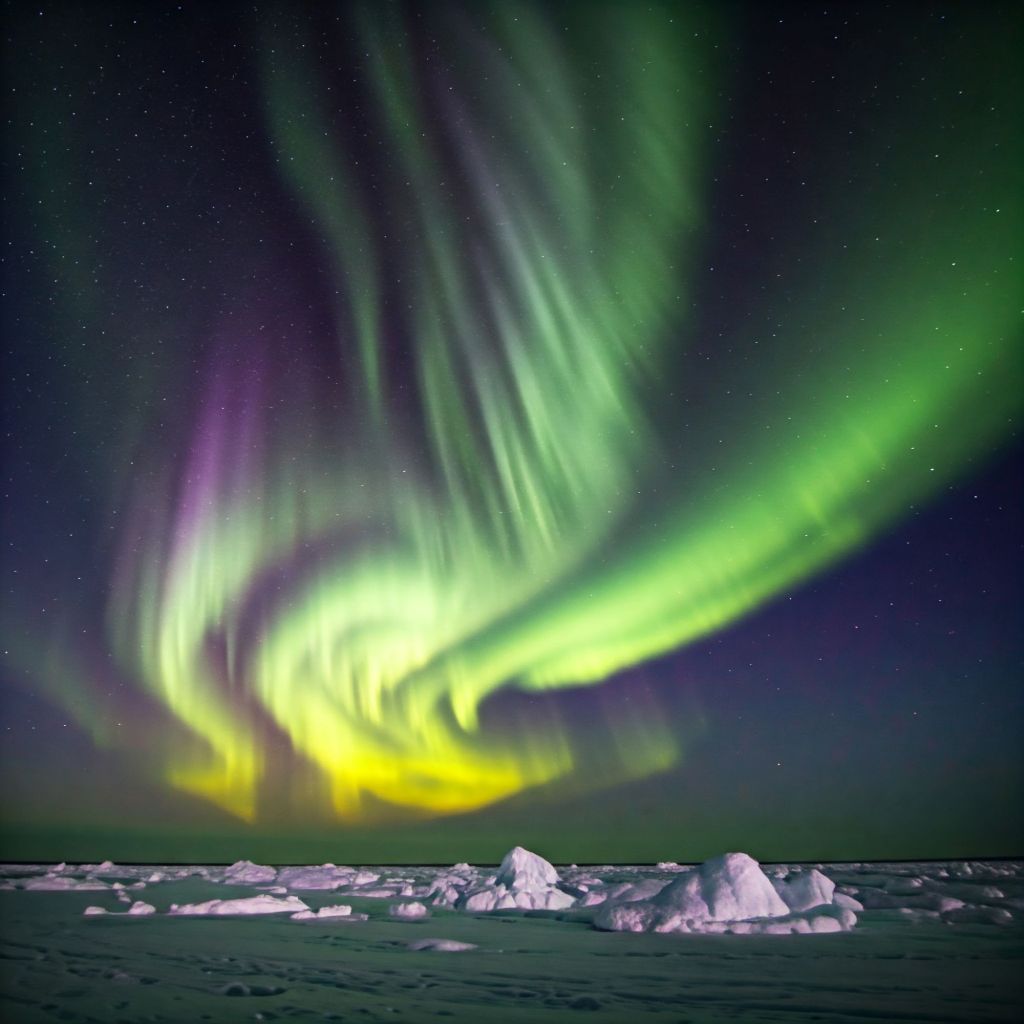
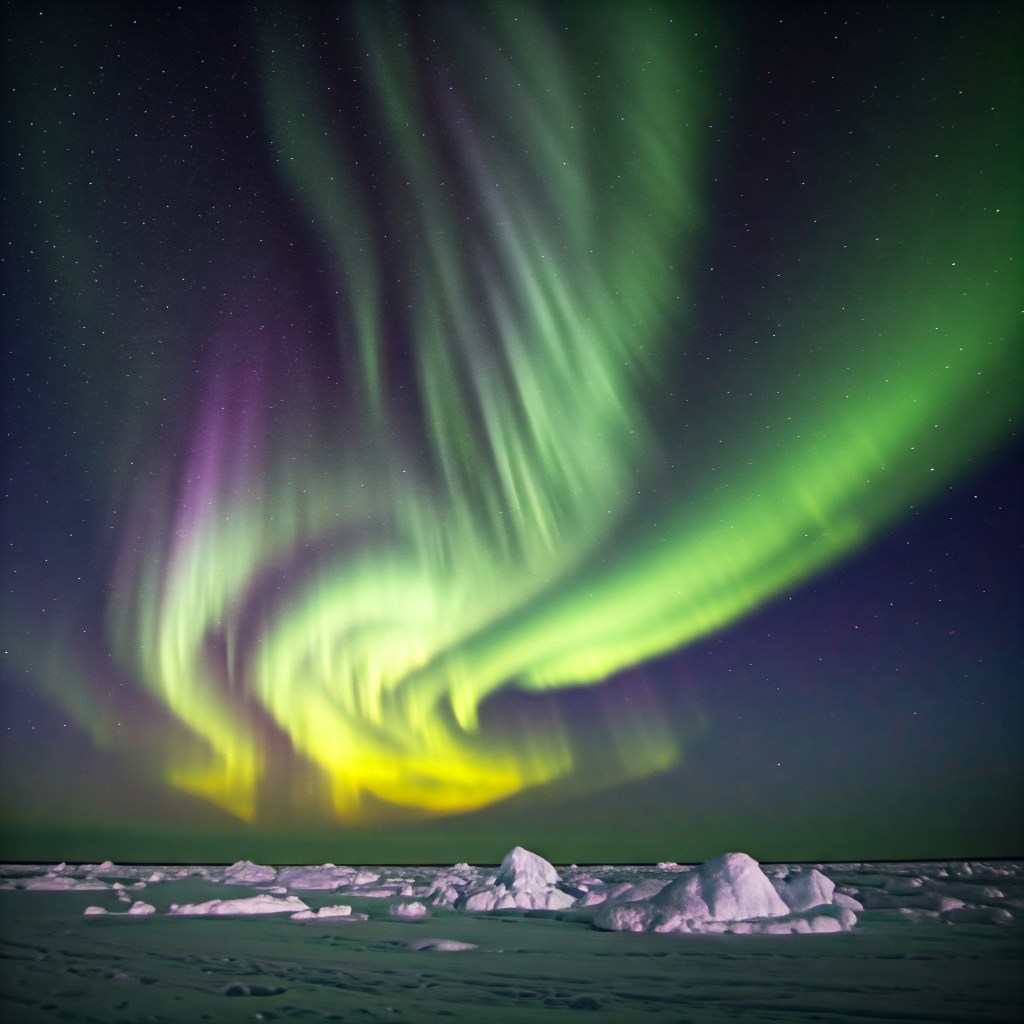
* Auroras (Northern and Southern Lights): Geomagnetic storms cause charged particles from the Sun to interact with the Earth’s magnetosphere and atmosphere, particularly near the polar regions. This interaction excites atmospheric gases, resulting in the breathtaking displays of colored lights known as the auroras. Seeing the aurora borealis or australis is a significant draw for tourism and a source of wonder and beauty. Space weather forecasts help predict when and where auroras might be visible.
In summary, space weather is a natural phenomenon driven by the Sun that can have significant impacts on our technology and infrastructure. While there are potential dangers, ongoing monitoring, technological hardening, and preparedness measures help to mitigate these risks. Additionally, space weather creates the beautiful aurora, offering a unique and enjoyable connection to the dynamics of our solar system.

Benny again

Benny  is  a  boneyard of ancient  materials.

Thanks for the ride…

My name was in the chip in this spaceship thanks to NASA. So, the organic materials are a comforting sideshow to the real value, a free trip about the solar system cruising for organics.

Sulfur an indication of ancient…

Sulphur a clue …

Mercury near Venus in Pisces

5 degrees. 32 minutes on  March 12th 2025…

Can see without a telescope, binoculars recommended. Low in the western horizon.

Weather permitting

TGIF- NASA on February Moon engagements…

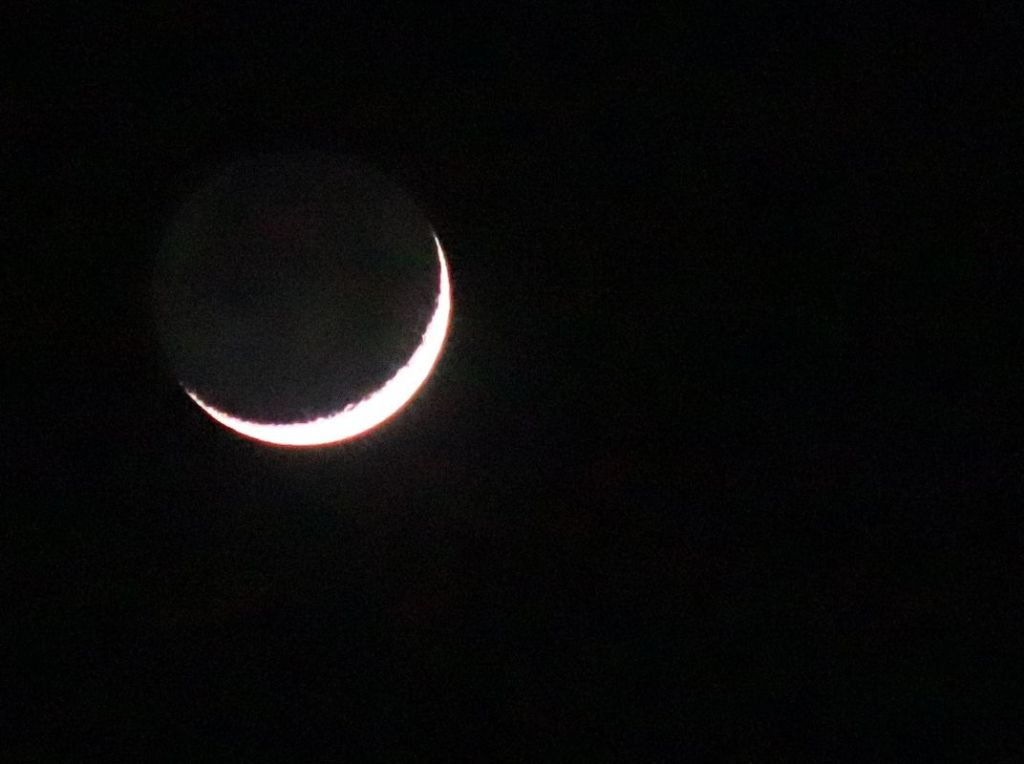
There’s no moon like a Snow Moon.
Line up… and engage…

February night sky…

The planet parade continues into February .

Planet parade continues

February is a fantastic month for stargazing, with a planet parade happening! Here are some tips to help you make the most of it:
When to Watch:
* Early February: The planet parade is happening from February 1st to 9th. This is your prime time to see multiple planets lined up.
* Throughout February: While the main parade is early in the month, February offers other great stargazing opportunities, including the Full Snow Moon on February 12th and Venus at its brightest on February 16th.
What to Look For:
* Planet Parade: During the first week of February, you’ll have a chance to see six planets (Mercury, Venus, Mars, Jupiter, Uranus, and Neptune) aligned in the sky.
* Moon and Planet Pairings: Keep an eye out for the Moon passing close to different planets throughout the month. These pairings make for beautiful sights.
* Venus: Venus will be particularly bright this month, reaching its peak brightness on February 16th.
Tips for Viewing:
* Find a Dark Spot: The less light pollution, the better. Try to get away from city lights if possible.
* Check the Weather: Clear skies are essential for stargazing. Check the forecast before you head out.
* Use Binoculars or a Telescope: While some planets are visible to the naked eye, binoculars or a telescope will enhance your viewing experience and allow you to see fainter objects.
* Be Patient: It takes time for your eyes to adjust to the darkness, so be patient and allow yourself time to take in the night sky.
* Use a Sky Chart or App: A sky chart or stargazing app can help you identify planets and other celestial objects.
* Dress Warmly: February nights can be cold, so dress in layers to stay comfortable.
Specific Dates to Note:
* February 1st: The crescent moon will be close to Venus and Saturn.
* February 5th: The moon will be near Uranus.
* February 6th: The moon will be close to Jupiter.
* February 9th: The moon will be near Mars.
* February 12th: The Full Snow Moon will be visible.
* February 16th: Venus will be at its brightest.
Remember to check online resources or stargazing apps for the most up-to-date information on celestial events and their visibility in your location.
Enjoy the show!

Enjoy it for you and yours…K

Conjunctions and such…

  • March 29th

The planet parade continues into 2025 conjunctions of interest and partial eclipse on the 29th. Mars is up to something on Valentine’s Day.

Observing conditions are not under our control. Please take the time to plan according to prognostications from authorities.

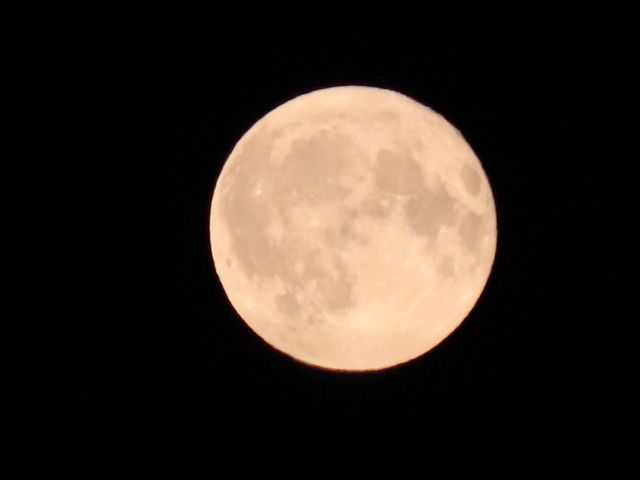
Wolf Moon  full

This was the first full moon of 2025. It would be the first one in this quarter century.

Things you can do under a wolf Moon.

Number one

Howl (think of Sir Anthony Hopkins who is now without a roof in Los Angeles or a home I guess.)

Think of the planetary alignment at this point. And how lucky we were that some of those big planets shielded us from the asteroid showers for a long time. Particularly, Jupiter and Saturn protected us from the asteroid belt. Now and as of January 21st they will all be lined up which means that they might not be protecting us from as many asteroids as they have before. However, the sky is falling is an ongoing event and thankfully we have early warning in most instances because of the science and technology sector.

TGIF- I love you too

Jeremy Hansen

Canadian astronaut to be in the Artemis flight mission. Diversity is part of the goal. The four-person crew will include one person of color, a woman and a Canadian.

Mars next

Space the goal
The finish line may be planetary soon.

Good luck…

December night sky

Solar Maximum

Sources are saying that the sun is at solar maximum r. And will continue maybe even in the 2026. The 11-year cycle seems to be not to the minute. Look for more magnetic storms particles going by the Earth, producing Aurora Borealis light effects that you might enjoy.

Stars do more than twinkle they produced elements in the furnace of fusion and according to the second law of thermal Dynamics  heat goes to cold chaos to order.

So, as SH says you are  elemental Watson. (Paraphrase). Have fun you Atoms.

Super Nova

Visible September

Between now and the end of September 2024 there will be an outburst resulting in a supernova event from a two-star system and that will be visible at night. Looking towards Hercules. Find the instructions in the link above.