Category: Technology


AMOC

Atlantic Meridonacal overturning current.

National security threat

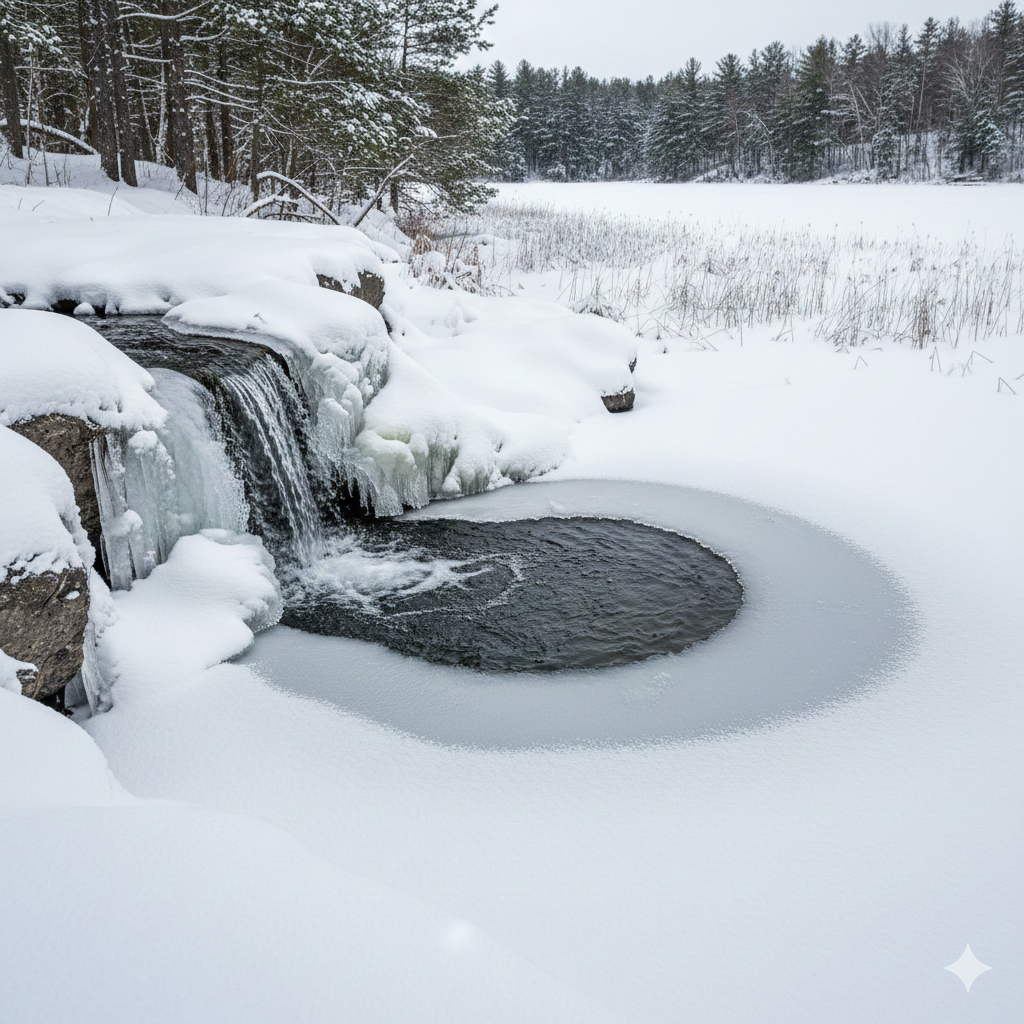
Concept photo generated to demonstrate the fine balance of altitude sea levels. Sea temperatures.

Current

The “overturning current” you’re referring to is the Atlantic Meridional Overturning Circulation (AMOC), often described as the Atlantic’s “great conveyor belt.” This massive system of currents plays a critical role in global climate by transporting warm, salty water from the tropics north toward the Arctic. In the high latitudes of the North Atlantic, this surface water cools and loses heat to the atmosphere—which helps keep Western Europe significantly warmer than other regions at similar latitudes. As the water cools, its salinity and density increase, causing it to sink to the deep ocean floor. This cold, dense water then flows southward in a deep return current, completing the overturning loop. This circulation is essential not only for regional weather but also for redistributing heat, dissolved oxygen, and carbon throughout the ocean basins, impacting marine ecosystems and the ocean’s function as a vital carbon sink.However, recent studies indicate that the AMOC is weakening, and scientists are concerned that continued global warming could push it past a critical

“tipping point.”

The primary factor driving this slowdown is the influx of freshwater into the North Atlantic, primarily from melting ice sheets in Greenland. This freshwater is less dense than the salty ocean water and inhibits the cooling surface water from sinking, thereby disrupting the engine of the overturning circulation. If the AMOC were to substantially slow or, in a worst-case scenario, collapse, the consequences would be severe: Northern Europe could face much harsher winters, global rainfall patterns could shift drastically (affecting tropical monsoon regions), and sea levels could rise along the U.S. East Coast. While the exact trajectory and timing of a potential collapse are subject to scientific debate, the potential risks have led some governments, like Iceland’s

To:

No alerts

As of 8 PM no alerts.

Spacex upgrade

SpaceX’s Starship Flight 11 was a significant success, achieving every major objective and marking the final flight of the Version 2 Starship and first-generation Super Heavy booster.Starship Flight 11 SuccessesThe test, which launched on October 13, 2025, from Starbase, Texas, demonstrated critical capabilities for Starship’s future development and reusability: * Flawless Ascent and Staging: The Super Heavy booster successfully ignited all 33 Raptor engines, and a successful hot-staging maneuver separated the booster and the Starship upper stage.

*

Booster Soft Splashdown:

Super Heavy completed its boostback burn and a new, unique 13-engine landing burn designed for the next generation of the booster. It then successfully hovered above the water before executing a soft splashdown in the Gulf of Mexico, providing valuable data for future landing-tower catch attempts. * Starship Milestones: The upper stage achieved its planned velocity and trajectory, successfully deployed eight Starlink simulators, and performed the third in-space relight of a Raptor engine—a crucial capability for deorbit burns.

* Controlled Re-entry and Splashdown:

Starship gathered extensive data on its heatshield performance during atmospheric re-entry, intentionally stressing the vehicle. It then successfully executed a final landing flip, landing burn, and soft splashdown in the Indian Ocean.The complete success of this mission provided crucial data as SpaceX pivots to the next generation of Starship, the Block 3 vehicles.Upcoming Starship Flight 12Starship Flight 12 is highly anticipated as it will debut the new Block 3 vehicle version and is expected to launch from the renovated Pad 1 or the new Pad 2 at Starbase. * Launch Timeline: A precise launch date has not been finalized, but speculation from industry observers and polls suggests a potential window around the end of 2025 or early 2026. * New Vehicle: Flight 12 will feature the first use of the Block 3 Starship and Super Heavy vehicles, which are intended to have enhanced reliability, reusability, and payload capacity.

* Objectives:

The flight is expected to repeat the suborbital flight profile of its predecessors, with the ship falling slightly short of reaching a full orbit. It may also pursue more aggressive tests related to reusability, such as further refinement of the landing burn in preparation for the eventual booster “chopsticks” catch. The focus for Block 3 vehicles will be on performing orbital launches and subsequent reusability and recovery.The next flight is a critical step in finalizing the Starship Version 3, the iteration that will be used for orbital launches and ultimately for crewed missions to the Moon and Mars.Here’s an overview of the most recent successful test: SpaceX Starship Stuns With Perfect Splashdown | Musk Celebrates Historic 11th Test Flight Success – YouTube.This video is relevant as it provides coverage of the successful Flight 11 test and its key achievements.


Good Luck

Severe thunderstorms watch Environment Canada,

As of 9:39 pm Pacific the time.

No extortion here support your ; Community

” when it thunders go inside” 

Earthquakes in BC

You feel it report it.

Official Canadian earthquake, the stats, information on tsunamis and how to report is in the link above.

Red Cross Ready program

Ask your employer to enroll in the Red Cross Ready program. It has a structured information progression.

Some tips will ensure your safe movement.

Things available include:

Advance warning

Estimate of strength

FAQs

Greenland puddle

AKA Cold Blob

Well, it’s complicated. While a cooler spot might sound good in a warming world, the cold blob is a sign that major ocean currents are changing. That could have big impacts on weather patterns and sea levels around the globe. Scientists are still studying it to understand the full effects.

Tilt of the earth?

That’s a great question! The Milankovitch cycles do play a role in Earth’s long-term climate patterns, but the cooling of the cold blob is happening much faster than those cycles would predict. Scientists believe it’s primarily driven by the melting of the Greenland ice sheet and its impact on ocean currents.

Fish return

Editor’s note: The government of British Columbia opened a recreational fishing season on returning salmon in the Fraser River on the 22nd of August 2025, this abundance of return is being credited to some cooler water by some sources. This brief opening is 11 Days ending on September 1st 2025. Many sources are  lined up to take credit. In our view it may be a result of the rest the environment got during COVID.

Farm gate…

Social interaction as well.

British Columbia

Farmers’ Markets in British Columbia and Canada
While an exact, single number for all of Canada is not readily available, data from the BC Association of Farmers’ Markets (BCAFM) indicates a robust and growing market scene in British Columbia. As of recent studies, there are over 145 farmers’ markets across British Columbia.
Effect on Farmgate Price
Farmers’ markets have a significant and positive effect on the “farmgate price,” which is the price a farmer receives for their product at the farm gate, before any processing or distribution costs. Here’s how:
* Direct-to-Consumer Sales: By selling directly to consumers, farmers eliminate the need for intermediaries such as wholesalers, distributors, and grocery retailers. This allows them to capture a much larger portion of the final retail price, often receiving 100% of the price paid by the customer.
* Pricing Flexibility: Unlike a large grocery chain with standardized pricing, farmers at a market have the flexibility to set their own prices based on a variety of factors, including the quality of their product, the cost of production (e.g., whether it’s organic), and the local demand.
* Economic Impact: A 2023 study by the BCAFM found that member markets in British Columbia generated $155.3 million in direct sales. This revenue goes straight to local farmers and food producers, contributing to a substantial economic impact on the local community. Farmers who sell directly are also more likely to patronize other local businesses, creating a positive multiplier effect.
Disposition of Food
Farmers’ markets change the “disposition” of food by influencing its distribution and what happens to unsold products.
* Alternative Distribution Channel: Farmers’ markets provide a vital alternative to the conventional food supply chain. This is particularly beneficial for small-scale farmers who may find it difficult to meet the high volume and standardization requirements of large retailers. Markets also foster a direct relationship between producers and consumers.
* Community-Based Programs: Many farmers’ markets, such as the ones in Vancouver, have “Donation Station” programs. At the end of a market day, farmers and vendors can donate any unsold fresh produce, which is then distributed to local food banks, community food pantries, schools, and other programs that support low-income and food-insecure individuals.
* Reduced Food Waste: Farmers have more control over their inventory and can bring only what they believe they can sell. While some food may still go unsold, the direct sales model and donation programs help to minimize waste compared to the large-scale distribution system, where a single rejected shipment can result in a massive loss. Unsold produce can also be used for animal feed or composted.

British Columbia is experiencing some heat warnings, for some good advice  from emergency BC, I’ll put the link. Just below on the site.

AI generated photo, conception..

TGIF- tree culture…

Over time trees have been…🌳🍁🌳

Based on the search results, I can now answer all parts of the user’s query.
Modern Tree Culture
Modern tree culture, or the modern view of trees, is multifaceted. Trees are valued for their ecological benefits, such as sequestering CO2, enriching soil, and creating habitats. They are also integral to modern landscape design, where their aesthetic qualities and ability to define spaces are utilized. On a deeper level, trees continue to be powerful cultural symbols in art, literature, and environmental movements, representing growth, resilience, and the interconnectedness of life. They are also seen as vital for human well-being, providing sanctuaries for mental health and a connection to nature.
Distinction from Celtic and Druidic Tree Culture
The distinction between modern and ancient Celtic/Druidic tree culture lies primarily in the spiritual and religious significance of trees.
* Celtic/Druidic Culture: Trees were considered sacred, sentient beings and were central to spiritual practices. Certain trees like the oak, ash, and hazel were revered as embodying wisdom, life, and a connection to ancestors. The word “Druid” itself may be derived from the Celtic word for oak, “deru.” Sacred groves were places of worship, and specific trees were believed to have magical or divine properties, used for divination, healing, and protection from evil spirits. Felling a sacred tree was a serious offense, sometimes a symbol of a rival clan’s demoralization.
* Modern Culture: While trees are still seen as symbolic and spiritually significant to some, this view is not a dominant part of mainstream society. The modern appreciation for trees is more rooted in science, ecology, and aesthetics. The focus is on their role in mitigating climate change, improving air quality, and supporting urban life, rather than their use in specific religious rites or as literal dwellings for spirits.
The Good, the Bad, and the Evil
The search results interpreted the user’s query about “deep tree culture” in a more literal and horticultural sense, but also provided information that can be applied to the symbolic and cultural aspects.
Good:
* Environmental: Trees are crucial for creating habitats, enriching soil, and managing water. They sequester carbon, reduce urban heat, and lower energy consumption.
* Aesthetic & Personal: Trees define outdoor spaces and are a source of beauty and inspiration in art. They are shown to improve emotional health and provide a calming experience.
* Symbolic: The “Tree of Life” motif, found in many cultures, represents a unifying idea of creativity and the interconnectedness of all life. Trees symbolize personal growth, resilience, and stability.
Bad:
* Horticultural: The “bad” aspects are largely practical. Planting trees too deep can kill them by smothering roots. Improper planting and soil compaction can stunt growth and make trees susceptible to disease and wind damage.
* Urban & Public Health: Urban trees can have negative effects, such as emitting volatile organic compounds (VOCs) that contribute to smog during heat waves, or their roots can damage pipes and foundations. Some trees can also be a source of allergens.
Evil:
The concept of “evil” in “deep tree culture” is not addressed in a literal sense by the search results. However, from the historical Celtic context, the practice of a rival clan destroying an enemy’s sacred tree was a demoralizing act of spiritual violence. In this sense, an act of destroying something deeply sacred to a culture or people could be seen as an act of evil within their belief system.

Photo KDG, Strawberry Moon Merritt BC.

The interest in all things lunar continues as mankind’s March to knowledge grows exponentially everyday.

Never swim alone…

When engaging in water activities, especially swimming, prioritizing safety is paramount. One of the most critical aspects of water safety is the “buddy system” – always swimming with another person.
Here’s a breakdown of why this is so important and other key water safety tips:
The Importance of the Buddy System
* Immediate Assistance: In an emergency, such as a cramp, exhaustion, or a sudden medical issue, a buddy can provide immediate help. This could mean pulling you to safety, calling for help, or performing CPR if they are trained. Even a few seconds can make a significant difference in a water emergency.
* Accountability: Knowing someone is watching out for you and vice-versa adds a layer of accountability. You’re less likely to take unnecessary risks when someone else’s safety is also a consideration.
* Reduced Panic: If you get into trouble, the presence of a calm and capable buddy can help reduce panic, which is often a major factor in drowning incidents.
* No One is Immune: Even strong swimmers can get into trouble. Unexpected currents, hidden obstacles, or sudden health issues can affect anyone.
* Supervision for Children: For children, the buddy system extends to constant, active adult supervision. A child should never be left unsupervised near water, even for a moment.
General Water Safety Tips:
* Learn to Swim: This is the most fundamental water safety skill. Enroll in swimming lessons if you don’t know how to swim or want to improve your skills.
* Choose Supervised Locations: Whenever possible, swim in areas with lifeguards. Lifeguards are trained professionals who can respond quickly to emergencies.
* Know Your Limits: Don’t overestimate your swimming ability. If you’re tired or unsure, get out of the water. Avoid swimming long distances in open water if you’re not properly trained.
* Check Water Conditions: Be aware of currents, tides, water depth, and potential hazards like rocks, weeds, or marine life. Look for signs indicating dangerous conditions.
* Never Dive into Unknown Depths: Always check the depth of the water before diving in. Many serious injuries occur from diving into shallow water or striking hidden objects.
* Avoid Alcohol and Drugs: Alcohol and drugs impair judgment, coordination, and reaction time, significantly increasing the risk of accidents in and around water.
* Wear a Life Jacket: If you are participating in boating activities, or are a weak swimmer in open water, always wear a properly fitted U.S. Coast Guard-approved (or equivalent national standard) life jacket.
* Sun Protection: While not directly related to drowning, prolonged exposure to the sun can lead to sunburn and heatstroke, which can impair your ability to react in an emergency.
* Enter Feet First: When entering unfamiliar water, go in feet first to avoid surprises.
* Emergency Preparedness:
   * Know how to call for help.
   * If you see someone in trouble, don’t just jump in unless you are trained in water rescue. “Reach or throw, don’t go.” Extend a rescue device (like a pole, rope, or life preserver) to the person.
   * Learn CPR and basic first aid.
By following these guidelines, especially the crucial buddy system, you can significantly reduce the risks associated with water activities and ensure a safer, more enjoyable experience for everyone.

Water safety is everyone’s concern.

A little training could make a difference.

Algae blooms Nicola lake…

Warm and low water levels make for rapid toxicity.

As of late June 2025, there are current advisories and responses in place for algae blooms on Nicola Lake, near Merritt, BC. Here is a summary of the situation and the responses from local authorities:
Algae Bloom Advisories and Status:
* Current Advisories: BC Parks and Interior Health are currently advising the public about potential blue-green algae blooms on Nicola Lake. Visitors are urged to use caution and avoid direct contact with any visible blooms.
* Water Activity Discouragement: Water activities like swimming are discouraged in areas where blooms are present.
* Previous Closures: It’s important to note that Nicola Lake has a history of toxic algae blooms, with advisories and beach closures occurring in previous years. For example, advisories and closures were in place in July 2023 due to the presence of cyanobacterial toxins. These advisories were lifted once water samples tested negative for toxins.
* Monitoring: The First Nations Health Authority and Interior Health continue to monitor Nicola Lake, as well as nearby lakes like Douglas Lake and Chapperon Lake, for algae blooms.
Responses and Recommendations:
* Avoid Contact: The primary recommendation from health authorities is to avoid any contact with the water if you see a bloom. This includes swimming, boating, and waterskiing.
* Rinse Off: If you do come into contact with the water, rinse your body with clean water immediately.
* Drinking Water: If you use Nicola Lake as a source of drinking water, you should use an alternate source, such as bottled water. Boiling the water will not remove the toxins.
* Pets and Livestock: Use an alternate drinking water source for pets and livestock as well.
* Symptoms: Exposure to cyanobacteria toxins can cause symptoms such as dizziness, cramps, diarrhea, skin rash, and mouth blisters. If you or your pet show these symptoms, contact a physician or veterinarian immediately.
* Citizen Science: The BC Algae Watch program encourages the public to report algae bloom sightings, which helps experts monitor and understand their occurrence.
* Continued Monitoring: Interior Health and BC Parks continue to monitor the situation and will update the public as required. They have a public beaches website where they post current advisories and closures.
* Foreshore Management: In a long-term effort to improve the health of Nicola Lake, the Upper Nicola Indian Band and Living Lakes Canada have been collaborating on foreshore management and monitoring projects, using both scientific data and Indigenous knowledge to guide their work.
What is an Algae Bloom?
Algae blooms are a natural phenomenon, but their frequency and severity can increase due to factors like excessive nutrient loading and warmer water temperatures. The blooms in Nicola Lake are often caused by cyanobacteria, also known as blue-green algae. While some algae are harmless, cyanobacteria can produce toxins that are harmful to people, pets, and livestock. These blooms can look like pea soup, have a paint-like appearance, or form thick scums on the water’s surface, and they can produce a strong, unpleasant odor.

Dog death, Nicola Lake

There are reports of at least one dog’s death and its exposure was not that long and its contraction of bacteria fairly rapid. This is the recent weekend, first of July.

Red tide and red algae

Red algae, also known as Rhodophyta, are a diverse group of mostly marine macroalgae (seaweeds) that get their characteristic red color from pigments called phycobiliproteins, particularly phycoerythrin. This pigment allows them to absorb blue light, which penetrates deeper into the ocean, enabling them to photosynthesize at greater depths than most other algae.
They play crucial roles in marine ecosystems, including contributing to reef formation. Some species, like Nori (Porphyra) and Dulse (Palmaria palmata), are consumed as food, while others are used to produce industrial products like agar and carrageenan due to their gelling and thickening properties.
Toxicity: Red Algae vs. Blue-Green Algae
When discussing toxicity, it’s important to distinguish between “red algae” as the broader group (Rhodophyta) and “red tide,” which is a specific type of harmful algal bloom (HAB) often caused by certain dinoflagellates. While some red algae can be consumed safely, “red tide” blooms are often associated with toxins.
Here’s a comparison of toxicity between “red tides” (often caused by dinoflagellates, sometimes referred to as red algae due to their color) and blue-green algae (cyanobacteria):
* Blue-green algae (Cyanobacteria): These are a common cause of harmful algal blooms in freshwater environments (lakes, rivers). They produce toxins called cyanotoxins, which can affect the liver (microcystins), nervous system (anatoxins), or skin. Exposure can lead to symptoms like skin irritation, gastrointestinal issues, and in severe cases, liver damage or neurological problems. Animals and humans can get sick by touching, swallowing, or inhaling contaminated water.
* Red Tides (Dinoflagellates and some Diatoms): These are the most common cause of harmful algal blooms in saltwater environments. While they can sometimes be caused by dinoflagellates that are red or brown, they are not typically from the larger group of red algae (Rhodophyta). The toxins produced vary by species but can include:
   * Brevetoxins (from Karenia brevis): Cause neurotoxic shellfish poisoning, leading to gastrointestinal and neurological symptoms, and respiratory irritation when airborne.
   * Saxitoxins (from Alexandrium species): Cause paralytic shellfish poisoning, which can be severe and life-threatening, affecting the nervous system and leading to paralysis.
   * Domoic acid (from Pseudo-nitzschia species, a diatom): Causes amnesic shellfish poisoning, which can lead to gastrointestinal and neurological symptoms, including memory loss.
Which is “more toxic”?
It’s difficult to definitively say which is “more” toxic as the severity of illness depends on the specific toxin, the concentration of the bloom, and the level of exposure. Both blue-green algae and the organisms causing red tides can produce highly potent toxins that can cause severe illness or death in humans and animals.
Key takeaways:
* Red algae (Rhodophyta), as a general group, are diverse, and many species are harmless and even consumed as food.
* “Red tide” refers to harmful algal blooms in saltwater, often caused by dinoflagellates or diatoms, which can produce dangerous toxins. These are distinct from the broader category of red algae.
* Blue-green algae (cyanobacteria) are a major concern for harmful blooms in freshwater and can also produce potent toxins.
In any case where there’s suspected algal bloom, it’s crucial to avoid contact with the water and follow local advisories, as you cannot tell if a bloom is toxic just by looking at it.

Stay safe…