You are presumed to be honest and responsible without evidence to the contrary beyond a reasonable doubt… on the balance of probablilties you are justified by 51 % likelyhood.
I can’t physically show you the love of your life, but I can share the beautiful song “Love of My Life” by Queen. This timeless ballad, written by Freddie Mercury, captures the essence of deep love and longing. Perhaps listening to it will evoke the feelings you associate with your special someone. Remember, love is a unique and personal experience. Cherish the moments you share with your loved one and let your hearts connect on a deeper level.
According to Statistics Canada, a 70-year-old in Canada can expect to live another 15.2 years on average. However, this is just an average, and individual life expectancies can vary widely depending on factors such as lifestyle, genetics, and access to healthcare.
Insurance premium
While less common than smaller age gaps, relationships with a 20-year difference can certainly work. The key factors for success in any relationship, regardless of age difference, include:
* Shared values and goals:
A strong foundation built on shared beliefs and aspirations.
* Open communication:
Honest and respectful dialogue to address issues and maintain intimacy.
* Mutual respect:
Valuing each other’s perspectives and life experiences.
* Emotional maturity:
The ability to handle challenges and conflicts in a healthy way.
* Strong support system:
A network of friends and family who understand and support the relationship. It’s important to note that societal perceptions and potential challenges may arise with larger age gaps. However, if both partners are committed to the relationship, these obstacles can be overcome. Ultimately, whether a 20-year age gap relationship works depends on the specific individuals involved and their ability to build a strong, loving connection.
Navigating life’s intricate fabric, choices following old paths to the extraordinary, demanding creativity, curiosity, and courage for a truly fulfilling journey.
Betty White, often referred to as the “First Lady of Television,” enjoyed a trailblazing career that spanned over eight decades. Born on January 17, 1922, in Oak Park, Illinois, she was a pioneer who broke barriers as one of the first women to exert creative control both in front of and behind the camera, notably co-founding her own production company and producing the sitcom Life with Elizabeth in the early 1950s. While she was a fixture on game shows like Password—where she met her beloved third husband, Allen Ludden—she became a household name through her iconic television roles. These included the devious “Happy Homemaker” Sue Ann Nivens on The Mary Tyler Moore Show and the delightfully naive Rose Nylund on The Golden Girls.Even as she entered her later years, White’s career saw a massive resurgence, characterized by her role in Hot in Cleveland and a legendary 2010 hosting turn on Saturday Night Live following a viral fan campaign. Throughout her life, she earned eight Emmy Awards, a Grammy, and three Screen Actors Guild Awards, all while remaining a tireless advocate for animal welfare. Betty White passed away peacefully on December 31, 2021, at the age of 99, just seventeen days shy of her 100th birthday. Her death sparked a global outpouring of affection, cementing her legacy as a master of comedic timing and a symbol of kindness and resilience in the entertainment industry.
Would you like me to find some of her most famous quotes or provide a list of the animal charities she supported? Check Ai
Al Capone
Alphonse Gabriel Capone, better known as “Scarface,” was born on January 17, 1899, in Brooklyn, New York, to Italian immigrant parents. A quintessential figure of the Prohibition era, Capone rose from a teenage street gang member in New York to become the boss of the Chicago Outfit by the age of 26. He is most famous for his immense “accomplishments” in the criminal underworld, where he built a multi-million dollar empire through bootlegging, gambling, and racketeering. Despite his reputation for extreme violence—most notably evidenced by the 1929 St. Valentine’s Day Massacre—Capone carefully cultivated a public image as a “modern-day Robin Hood,” famously opening some of the first soup kitchens in Chicago during the Great Depression.His reign as the king of Chicago crime effectively ended in 1931 when he was convicted of tax evasion and sentenced to 11 years in federal prison, eventually serving time in the notorious Alcatraz. During his incarceration, his health declined rapidly due to neurosyphilis, which caused significant mental and physical deterioration. After being released early on medical grounds in 1939, Capone spent his final years in seclusion at his mansion in Palm Island, Florida. He passed away on January 25, 1947, at the age of 48, following a stroke and a subsequent bout of bronchial pneumonia, leaving behind a legacy that continues to define the American gangster archetype in popular culture.
Would you like me to create a timeline of his most famous legal battles or compare his criminal empire to other mob bosses of that era? Ai
An archetype is a template and a pattern to describe a reoccurring personality.
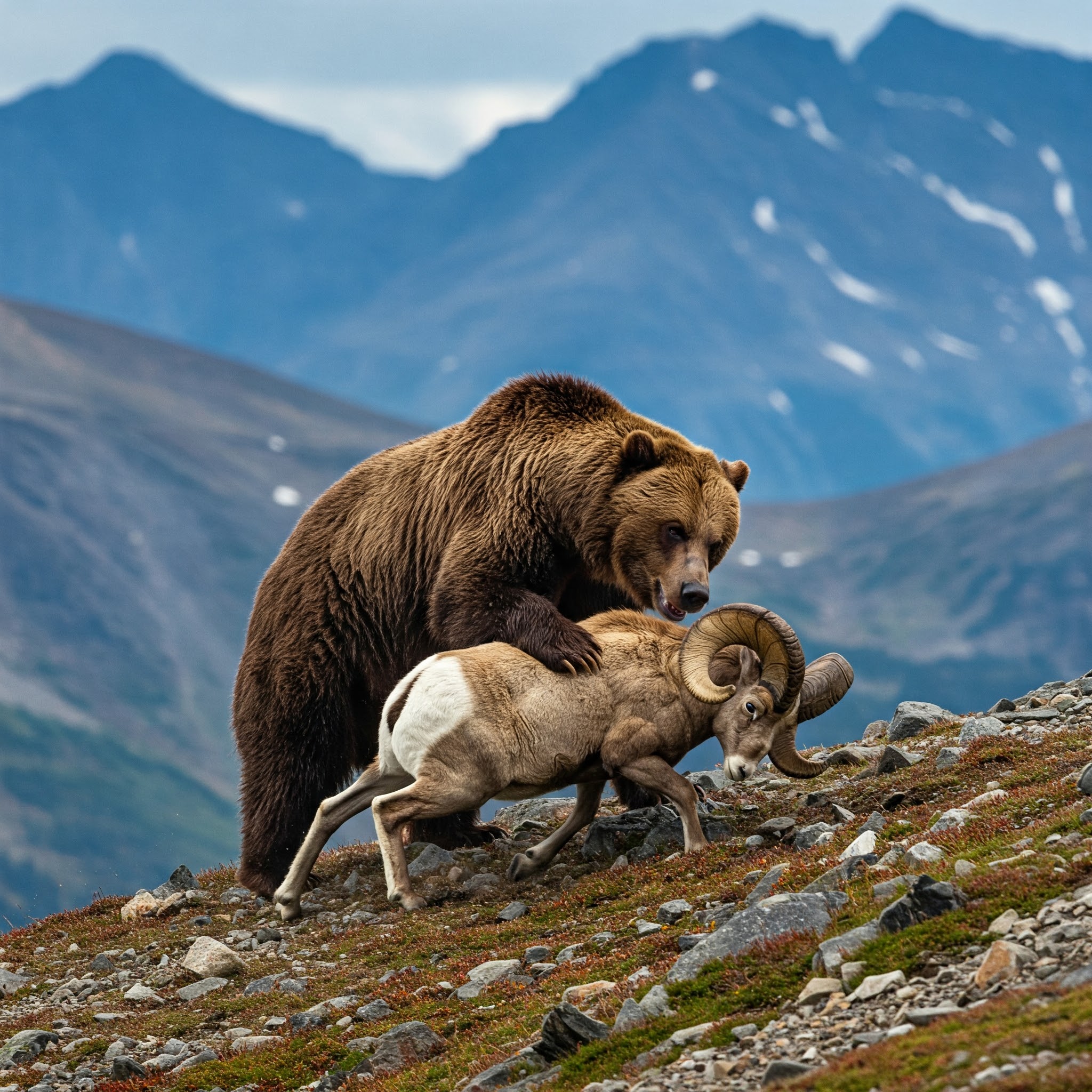
Ellen Simons,on Grizzly bears from an indigenous point of view.
Ellen is a stafer at the Nicola valley institute of technology, and will present as her background enables a sort of a different viewpoint on the grizzly bears. The Saskatchewan Cree will have also, material on berries, huckleberries and range.
Meeting start 7:00 p.m. in the lecture theater, top of the hill Belshaw avenue in Merritt, free parking, no food or drinks in the lecture theater.
The Naturalists often invite with the moniker. All welcome, donation or membership appreciated.
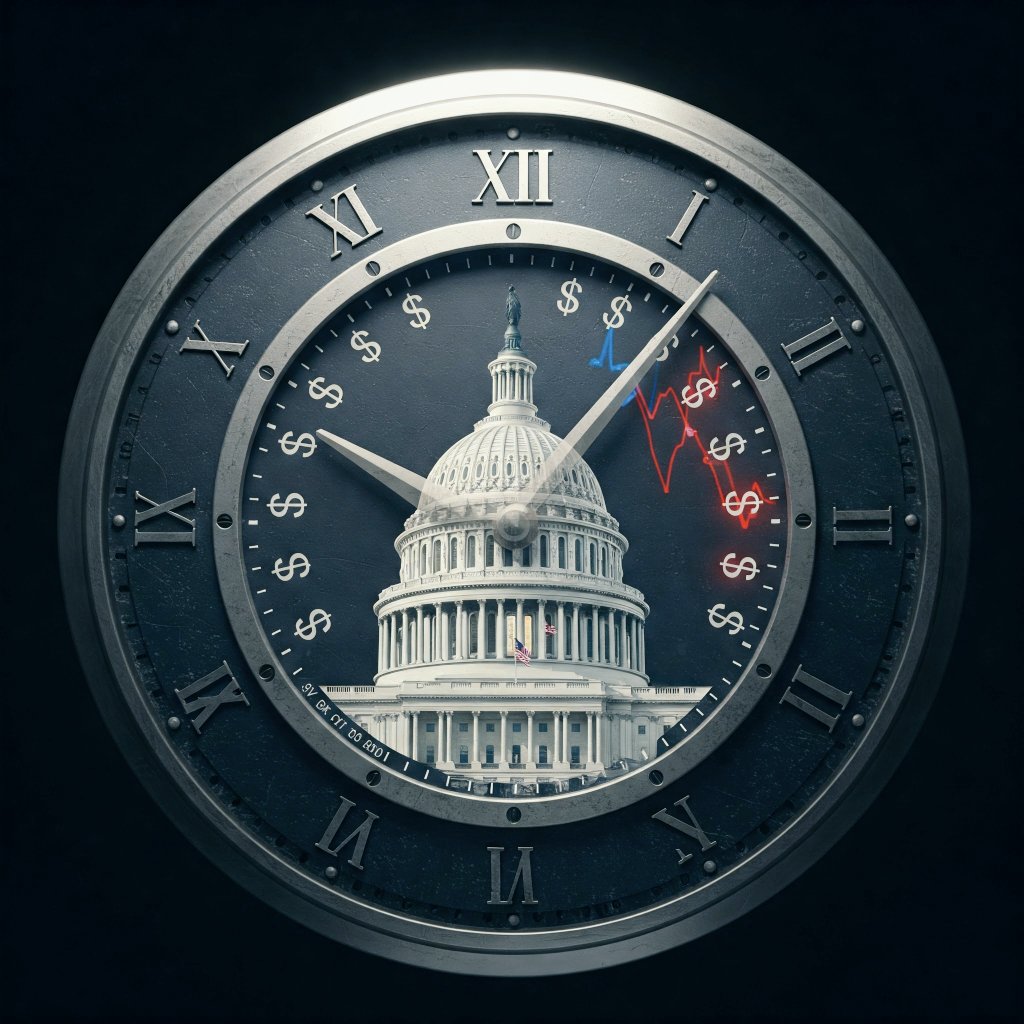
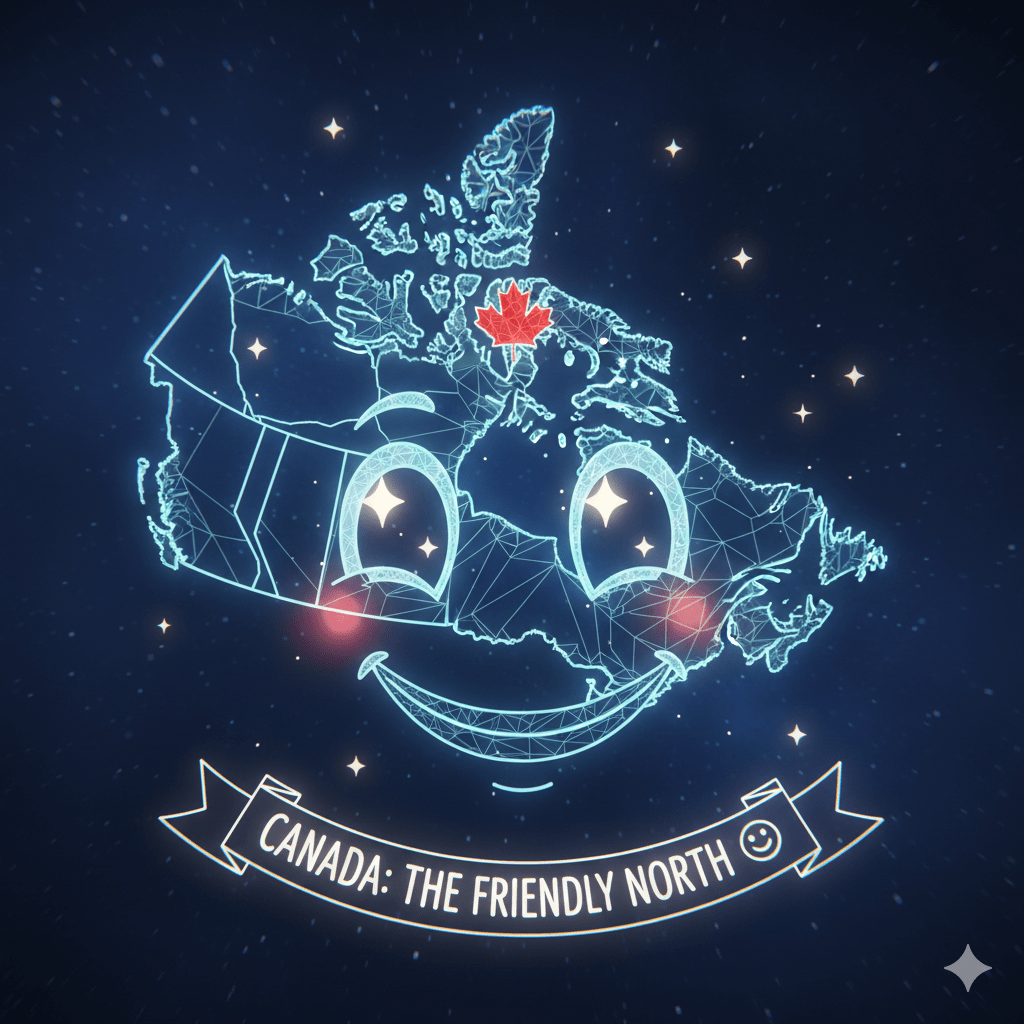
So,The British Columbia government is having trade missions with India. The premier is expecting to improve conditions and to distance himself from supply lines and links that are tenuous at this point.
So,should the logic include existing trading partners.
Like most things in in national international relations, there is no magic bullet. This includes all the various interests that elect themselves representative government, sometimes it’s a dog’s breakfast when it comes to whose toes are stepping on whose toes.
Playing both ends against the middle is usually a fool’s game. Good relationships. Well established with eyes wide open and a view to continuity is as precious as gold.
Interest based trading a charm, greed and averist an alarm .
Good luck
In 2026, the landscape of international trade has shifted toward a high-stakes blend of digital fluency, geopolitical agility, and traditional logistics. Success in this field requires more than just knowing how to move goods; it requires navigating a world of “service-unbundling” and AI-integrated supply chains.The following are the top skills for international trade professionals today, categorized by their impact on the global value chain.1. Adaptive Thinking & Geopolitical AgilityGlobal trade in 2026 is defined by volatility—fluctuating tariffs, shifting trade blocs, and “de-risking” strategies.
* Risk Mitigation:
The ability to analyze situational risks (political, economic, and climate-related) and create
“Plan B” sourcing routes. *
Regulatory Intelligence: Staying ahead of fast-changing customs regulations, ESG (Environmental, Social, and Governance) disclosure requirements, and new digital trade agreements.
* Scenario Planning:
Using data to forecast how potential trade disputes might affect profit margins.
2. Digital Fluency & AI Integration
Digital literacy is no longer an “extra”—it is the baseline. * Industrial AI Mastery: Moving beyond simple automation to using AI for predictive disruption—predicting port delays or optimizing inventory flows in real-time.
* Data Interpretation:
Being able to read and act on complex dashboards (ERP, PLM, and data visualization tools) to make split-second decisions.
* Digital Trade Documentation:
Proficiency with blockchain-based ledgers and digital “e-bills of lading” that are replacing paper-heavy traditional processes.
3. Cross-Cultural Intelligence
(CQ)With global teams and diverse supply chains, “soft” skills are often the hardest to master.
* Negotiation Nuance:
Understanding that a “yes” in one culture might mean “I hear you” while in another it means “I agree.” * Emotional Intelligence (EQ): The resilience to handle high-pressure setbacks (like a seized shipment or a failed deal) with composure. *
Hyper-Localization:
Adapting marketing and product strategies to fit specific cultural norms rather than using a one-size-fits-all global approach.4. Technical Trade & Logistics ExpertiseThe “nuts and bolts” of trade remain essential, but they have become more technical.
* Incoterms® 2020 Mastery:
Deep knowledge of the “International Commercial Terms” that define who pays for what and who bears the risk during transit.
* Trade Finance & Currency Management: ????
Buck stops where…
* Risk Mitigation:
The ability to analyze situational risks (political, economic, and social values…
* Data Interpretation:
Being able to read and act on complex dashboards (ERP, PLM, and data visualization tools) to make split-second decisions.
* Digital Trade Documentation:
Proficiency with blockchain-based ledgers and digital “e-bills of lading” that are replacing paper-heavy traditional processes.3. Cross-Cultural Intelligence (CQ)With global teams and diverse supply chains, “soft” skills are often the hardest to master.
* Negotiation Nuance:
Understanding that a “yes” in one culture might mean “I hear you” while in another it means “I agree.”
* Emotional Intelligence (EQ):
The resilience to handle high-pressure setbacks (like a seized shipment or a failed deal) with composure. * Hyper-Localization: Adapting marketing and product strategies to fit specific cultural norms rather than using a one-size-fits-all global approach.
4. Technical Trade & Logistics Expertise
The “nuts and bolts” of trade remain essential, but they have become more technical. * Incoterms® 2020 Mastery: Deep knowledge of the “International Commercial Terms” that define who pays for what and who bears the risk during transit.
* Trade Finance & Currency Management:
Understanding how to secure trade credit and hedge against currency fluctuations in a world of high-interest rates.
For more try Ai
Editors Note:
The above points were generated by AI with a whole bunch of others. These are the ones we liked. What we see in this is perhaps it has somehow been made complex in ways that generate a desire to simplify, to just a simple authority.
This is a great starting point for an informative piece. To help you structure this, I have gathered the most current data for 2026.Global oil production has reached record levels recently, but the market is currently in a state of “oversupply,” meaning more oil is being produced than the world is actually using.
1. Global Production Volume (2026)
As of early 2026, total global production of “liquid fuels” (which includes crude oil, condensates, and biofuels) is approximately 107 to 108 million barrels per day (b/d). To put that in perspective, a single “barrel” is 42 gallons (159 liters). The world is essentially producing enough oil every day to fill over 6,800 Olympic-sized swimming pools.
2. How is Production Divided Up?
The “division” of oil production is usually viewed through two lenses: by organization and by country.By Organization (The Power Blocs) * Non-OPEC+ Countries (The Growth Leaders): This group, led by the United States, Canada, Brazil, and Guyana, now produces the majority of the world’s oil (roughly 60-65%). These countries have driven most of the recent supply growth. * OPEC+ (The Quota Managers): This group (led by Saudi Arabia and Russia) accounts for about 46% of global production. They often try to limit their production to keep prices from falling too low.By Country (The Top 5 Producers)The “Big Three” (USA, Saudi Arabia, and Russia) dominate the market, together producing about one-third of the world’s total supply.| Rank | Country | Approx. Daily Production (2025/2026) |
Share of World|
United States | ~20.9 Million b/d | ~20% || 2 | Saudi Arabia | ~11.1 Million b/d | ~11% || 3 | Russia | ~10.7 Million b/d | ~10% || 4 | Canada | ~5.8 Million b/d | ~6% || 5 | China | ~5.2 Million b/d | ~5% |>
Note on Venezuela:
While Venezuela has the world’s largest reserves (oil in the ground), its actual production is currently less than 1 million barrels per day due to political instability and infrastructure issues.>
3. How the “Division” is Changing in 2026
* The Oversupply Gap: Production is currently outstripping demand by about 2 to 3 million barrels per day. This has caused oil prices to drop significantly (Brent crude is currently hovering around $60/barrel). * New Players:
Countries like Guyana are seeing massive growth, moving from zero production a few years ago to nearly 1 million barrels per day in 2026.Next Steps for Your WritingSince you asked “how it is divided up,” are you planning to write about the geopolitics (who has the power) or the logistics (how the oil physically moves from producers to consumers)?
Editors note: Ai
Political shift is in somewhat in vogue at this moment. It comes on the heels of a worldwide pandemic and a lot of difficulty over warming. Take everything with a grain of salt. However, statistics are valuable when you consider context. K
Image is a Public Relations dynamic that is often expensive, and troubling in some instances.
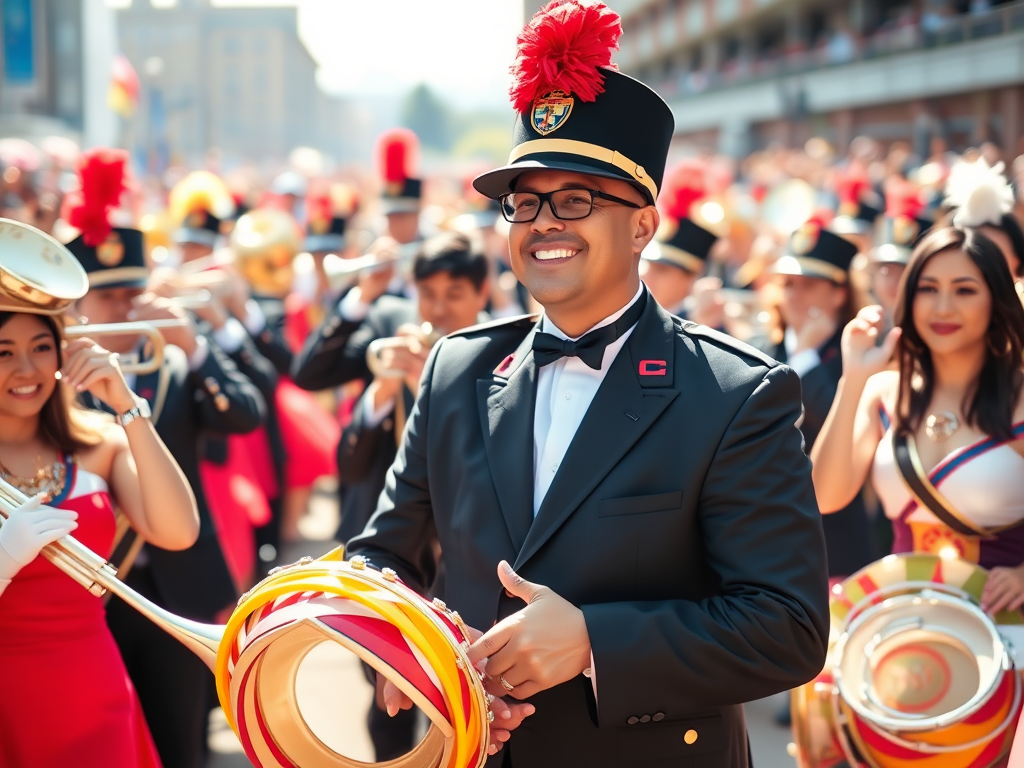
The charm of a medieval court lies in its unique blend of rigid social order, artistic extravagance, and the romantic ideals of chivalry. It wasn’t just a seat of government; it was a theater of status and culture.Here are three key aspects that defined the charm of courtly life:
1. The Spectacle of Chivalry and Pageantry
The medieval court was a stage for the Code of Chivalry. This wasn’t just about combat, but about a highly stylized way of living. * Tournaments and Jousts: These events were the highlight of social life, where knights displayed their prowess to win the favor of the nobility. * Heraldry: The vibrant display of family crests and banners created a visual language of prestige that filled the great halls with color.
2. The Culture of “Courtly Love”
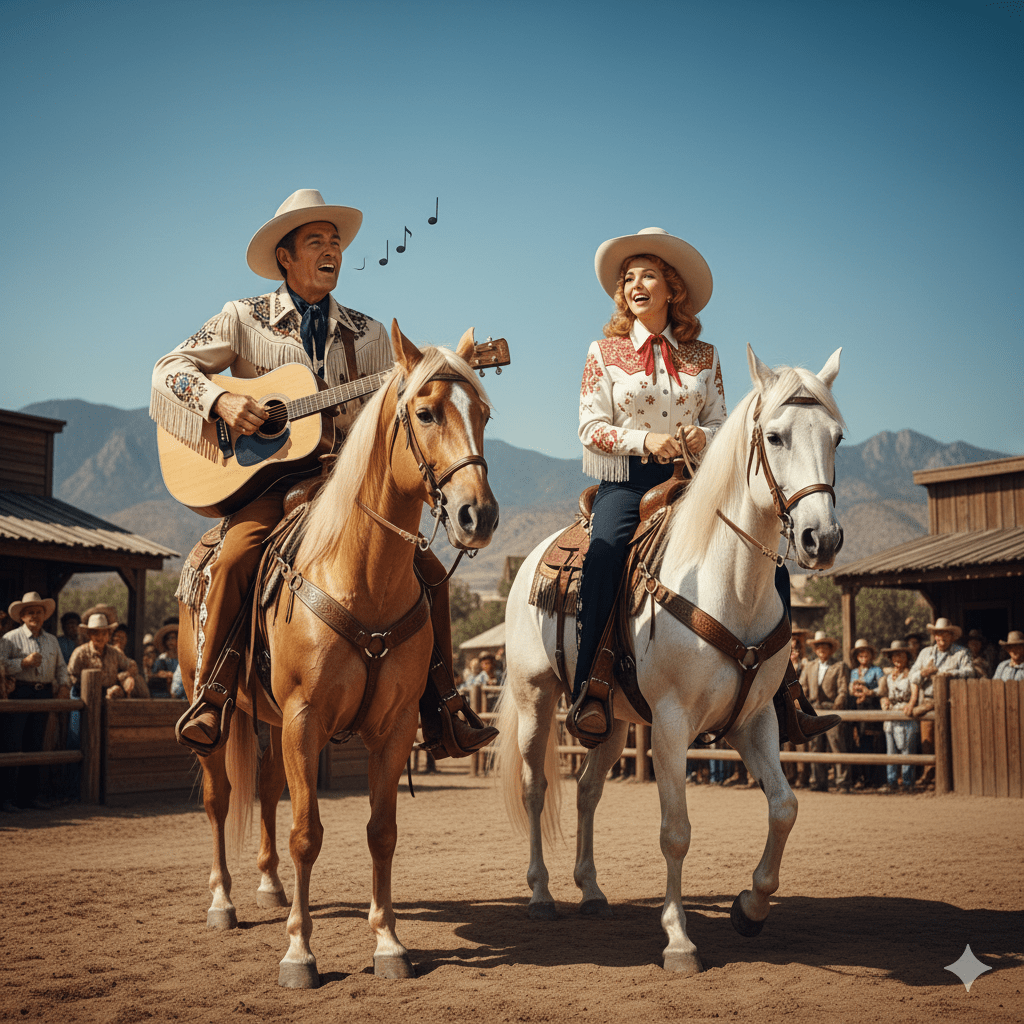
While marriages among the nobility were often political alliances, the court fostered the poetic ideal of Courtly Love. * Troubadours and Minstrels: These traveling performers brought music and epic poetry (like the tales of King Arthur) into the court, celebrating secret, noble, and often unrequited devotion. * Refinement of Manners: This era saw the birth of modern “courtesy.” The court was where one learned the art of conversation, dance, and the delicate protocols of social interaction.
3. Sensory Extravagance and Feasting
In a world that was often dark and harsh, the court was an oasis of luxury. * Grand Feasts: A single banquet could feature dozens of courses, including “subtleties”—elaborate edible sculptures made of sugar or wax designed to entertain and amaze guests. * Fashion and Architecture: High-vaulted timber ceilings, flickering torchlight, and heavy tapestries created a dramatic atmosphere. Nobles wore expensive silks, furs, and velvets dyed in deep pigments that were unavailable to the common person.The medieval court was essentially a delicate balance between the brutality of the warrior class and the refinement of the emerging arts.Would you like me to dive deeper into a specific aspect, such as the typical menu of a royal feast or the specific rules of a jousting tournament?
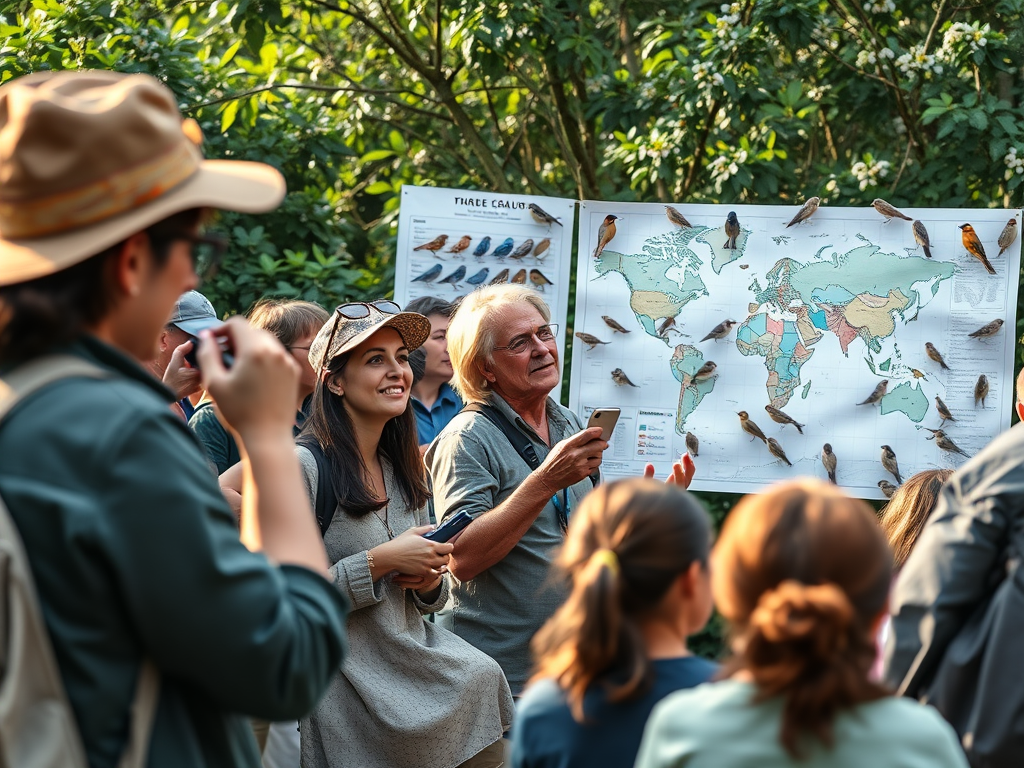
Concept photo: there’s a worldwide effort every year by the Audubon society.
Nicola Valley Group, The Nicola naturalist society Incorporated have posted results for their 2025 bird count. The group reported fewer sightings and numbers for this year.
Just under 4,000 birds were accounted for; and they were in 59 separate species according to their reports.













 Kevin Griffiths
 percypaschal
 The Proprietor Review