You are presumed to be honest and responsible without evidence to the contrary beyond a reasonable doubt… on the balance of probablilties you are justified by 51 % likelyhood.
The Bass Coast Festival is happening this weekend in Merritt, British Columbia, from July 11-14, 2025. Regarding proceeds and attendance: Attendance: Bass Coast Festival has capped its attendance at 6,500 people each year to maintain its community aspect and focus on the overall experience. This number includes artists, festival-goers, volunteers, and vendors. Proceeds: While specific overall proceeds for the 2025 festival aren’t publicly detailed, Bass Coast Festival is an independently owned and artist-run event. They have a strong commitment to community support, as evidenced by: * Donations to the Nicola Valley Food Bank: Bass Coast has an annual fundraising compilation called “12 Days,” where 100% of proceeds from album sales are donated to the Nicola Valley Food Bank in Merritt. They also top up the amount to reach a specific goal (e.g., $2500 CAD in one instance, and a $22,000 donation in another). * Donations to environmental organizations: Bass Coast has also donated Bandcamp proceeds to organizations like West Coast Environmental Law. * Economic Impact: The festival significantly contributes to Merritt’s economy, generating an estimated $4 million for the local area. Essentially, while the exact financial “proceeds” in terms of profit aren’t publicly disclosed, the festival is known for its community-focused approach and its positive economic impact on the host town, Merritt.
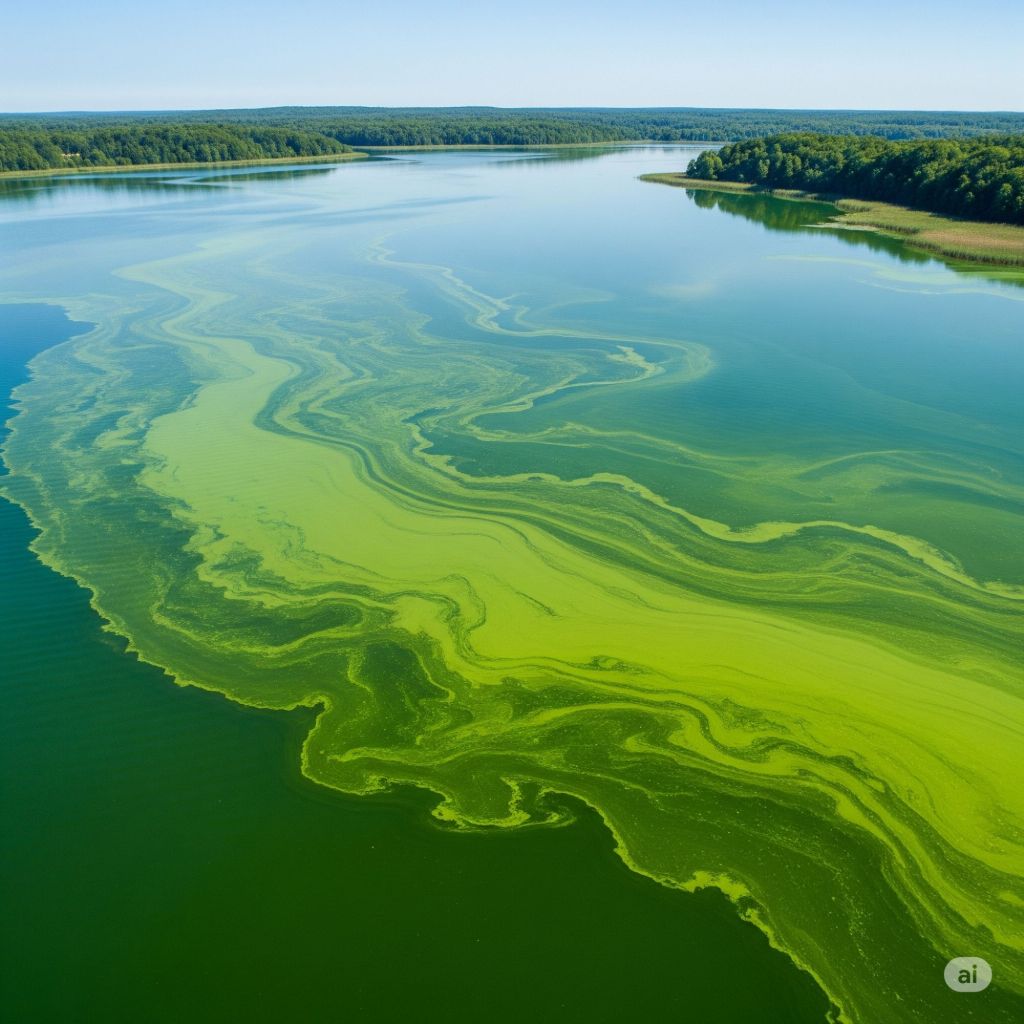
Warm and low water levels make for rapid toxicity.
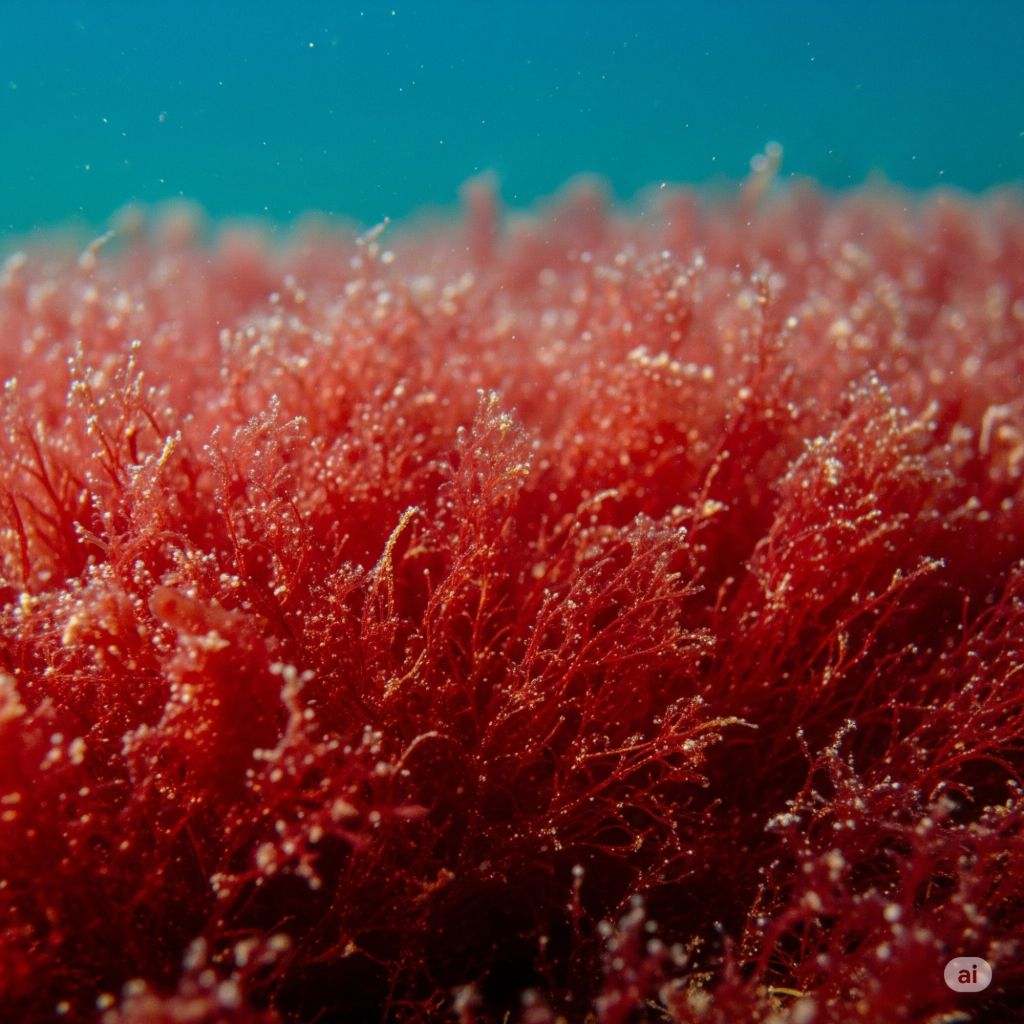
Blue green and red, the red can photosynthesize in deeper water.
As of late June 2025, there are current advisories and responses in place for algae blooms on Nicola Lake, near Merritt, BC. Here is a summary of the situation and the responses from local authorities: Algae Bloom Advisories and Status: * Current Advisories: BC Parks and Interior Health are currently advising the public about potential blue-green algae blooms on Nicola Lake. Visitors are urged to use caution and avoid direct contact with any visible blooms. * Water Activity Discouragement: Water activities like swimming are discouraged in areas where blooms are present. * Previous Closures: It’s important to note that Nicola Lake has a history of toxic algae blooms, with advisories and beach closures occurring in previous years. For example, advisories and closures were in place in July 2023 due to the presence of cyanobacterial toxins. These advisories were lifted once water samples tested negative for toxins. * Monitoring: The First Nations Health Authority and Interior Health continue to monitor Nicola Lake, as well as nearby lakes like Douglas Lake and Chapperon Lake, for algae blooms. Responses and Recommendations: * Avoid Contact: The primary recommendation from health authorities is to avoid any contact with the water if you see a bloom. This includes swimming, boating, and waterskiing. * Rinse Off: If you do come into contact with the water, rinse your body with clean water immediately. * Drinking Water: If you use Nicola Lake as a source of drinking water, you should use an alternate source, such as bottled water. Boiling the water will not remove the toxins. * Pets and Livestock: Use an alternate drinking water source for pets and livestock as well. * Symptoms: Exposure to cyanobacteria toxins can cause symptoms such as dizziness, cramps, diarrhea, skin rash, and mouth blisters. If you or your pet show these symptoms, contact a physician or veterinarian immediately. * Citizen Science: The BC Algae Watch program encourages the public to report algae bloom sightings, which helps experts monitor and understand their occurrence. * Continued Monitoring: Interior Health and BC Parks continue to monitor the situation and will update the public as required. They have a public beaches website where they post current advisories and closures. * Foreshore Management: In a long-term effort to improve the health of Nicola Lake, the Upper Nicola Indian Band and Living Lakes Canada have been collaborating on foreshore management and monitoring projects, using both scientific data and Indigenous knowledge to guide their work. What is an Algae Bloom? Algae blooms are a natural phenomenon, but their frequency and severity can increase due to factors like excessive nutrient loading and warmer water temperatures. The blooms in Nicola Lake are often caused by cyanobacteria, also known as blue-green algae. While some algae are harmless, cyanobacteria can produce toxins that are harmful to people, pets, and livestock. These blooms can look like pea soup, have a paint-like appearance, or form thick scums on the water’s surface, and they can produce a strong, unpleasant odor.
Dog death, Nicola Lake
There are reports of at least one dog’s death and its exposure was not that long and its contraction of bacteria fairly rapid. This is the recent weekend, first of July.
Red tide and red algae
Red algae, also known as Rhodophyta, are a diverse group of mostly marine macroalgae (seaweeds) that get their characteristic red color from pigments called phycobiliproteins, particularly phycoerythrin. This pigment allows them to absorb blue light, which penetrates deeper into the ocean, enabling them to photosynthesize at greater depths than most other algae. They play crucial roles in marine ecosystems, including contributing to reef formation. Some species, like Nori (Porphyra) and Dulse (Palmaria palmata), are consumed as food, while others are used to produce industrial products like agar and carrageenan due to their gelling and thickening properties. Toxicity: Red Algae vs. Blue-Green Algae When discussing toxicity, it’s important to distinguish between “red algae” as the broader group (Rhodophyta) and “red tide,” which is a specific type of harmful algal bloom (HAB) often caused by certain dinoflagellates. While some red algae can be consumed safely, “red tide” blooms are often associated with toxins. Here’s a comparison of toxicity between “red tides” (often caused by dinoflagellates, sometimes referred to as red algae due to their color) and blue-green algae (cyanobacteria): * Blue-green algae (Cyanobacteria): These are a common cause of harmful algal blooms in freshwater environments (lakes, rivers). They produce toxins called cyanotoxins, which can affect the liver (microcystins), nervous system (anatoxins), or skin. Exposure can lead to symptoms like skin irritation, gastrointestinal issues, and in severe cases, liver damage or neurological problems. Animals and humans can get sick by touching, swallowing, or inhaling contaminated water. * Red Tides (Dinoflagellates and some Diatoms): These are the most common cause of harmful algal blooms in saltwater environments. While they can sometimes be caused by dinoflagellates that are red or brown, they are not typically from the larger group of red algae (Rhodophyta). The toxins produced vary by species but can include: * Brevetoxins (from Karenia brevis): Cause neurotoxic shellfish poisoning, leading to gastrointestinal and neurological symptoms, and respiratory irritation when airborne. * Saxitoxins (from Alexandrium species): Cause paralytic shellfish poisoning, which can be severe and life-threatening, affecting the nervous system and leading to paralysis. * Domoic acid (from Pseudo-nitzschia species, a diatom): Causes amnesic shellfish poisoning, which can lead to gastrointestinal and neurological symptoms, including memory loss. Which is “more toxic”? It’s difficult to definitively say which is “more” toxic as the severity of illness depends on the specific toxin, the concentration of the bloom, and the level of exposure. Both blue-green algae and the organisms causing red tides can produce highly potent toxins that can cause severe illness or death in humans and animals. Key takeaways: * Red algae (Rhodophyta), as a general group, are diverse, and many species are harmless and even consumed as food. * “Red tide” refers to harmful algal blooms in saltwater, often caused by dinoflagellates or diatoms, which can produce dangerous toxins. These are distinct from the broader category of red algae. * Blue-green algae (cyanobacteria) are a major concern for harmful blooms in freshwater and can also produce potent toxins. In any case where there’s suspected algal bloom, it’s crucial to avoid contact with the water and follow local advisories, as you cannot tell if a bloom is toxic just by looking at it.
Canadian independence from the US, need and globalization has the agenda from ecology preservation – Suzuki.
New PM talking pipelines
Dr. Suzuki is concerned that the well-being of Canada’s been hijacked or is being hijacked and that the current government along with it has backed away from unnecessary emphasis on the environment.
Extinction of creatures, two generations.
A human generation is generally considered to be about 20-30 years, with recent research suggesting an average of around 27-30 years. Therefore, “two human generations” would refer to a period of roughly 40-60 years. It’s incredibly difficult to give an exact number of creatures that have gone extinct in such a recent timeframe due to several factors: * Many species are undiscovered: Scientists estimate there are millions of species on Earth yet to be identified, especially in lesser-explored environments like deep oceans or rainforests. Many could go extinct before we even know they exist. * Difficulty in confirming extinction: It can take many years, even decades, of no confirmed sightings before a species is officially declared extinct. * Varying definitions of “creature” or “species”: This can include everything from insects and fungi to large mammals, and the data available often focuses on more well-known or charismatic species. However, scientific consensus indicates that we are currently in the midst of a sixth mass extinction event, driven primarily by human activities. The current extinction rate is estimated to be 1,000 to 10,000 times higher than the natural background rate. While precise numbers for the last 40-60 years are hard to pinpoint, some reports highlight the alarming trends: * Some estimates suggest that dozens to hundreds of species go extinct every day, though this often includes unconfirmed or localized extinctions. * The World Wildlife Fund’s Living Planet Index reported a 73% decline in the average size of global wildlife populations in just 50 years (between 1970 and 2020), which indicates widespread biodiversity loss even if not all species are officially declared extinct. * A 2019 UN report stated that around 1 million animal and plant species are now threatened with extinction, many within decades. It also noted that at least 680 vertebrate species had been driven to extinction since the 16th century. In summary, while a precise number is elusive, the scientific community overwhelmingly agrees that a significant and alarming number of creatures have gone extinct in the last two human generations, and the rate of extinction is accelerating due to human impact.
Farm gate pricing can be a crucial component for supporting a family in British Columbia or Canada, but it’s often not sufficient on its own. Here’s a breakdown of the factors involved: Farm Gate Pricing and Family Income: * Potential for Higher Returns: Selling directly to consumers (farm gate sales) generally allows farmers to capture a larger share of the retail price, as they cut out intermediaries like wholesalers and retailers. This can lead to better margins per unit of product. * Challenges to Viability: * Scale and Volume: To generate enough income to support a family, a farm needs to produce and sell a significant volume of products. This requires substantial labor, land, and capital investment. * Market Access and Demand: While direct sales offer better prices, farmers need consistent customer demand. This often means being located near population centers, investing in marketing, and building customer relationships. * Off-Farm Income: A significant number of small-scale family farms in Canada, including BC, rely on off-farm income to supplement their farm gate sales and cover living expenses. This indicates that farm income alone is often not enough. * Rising Costs: Farmers face increasing input costs (feed, fertilizer, fuel, equipment), high land values (especially in BC), and fluctuating market prices, which can squeeze profit margins even with direct sales. * Labor and Time Commitment: Operating a successful farm with direct sales requires a huge time commitment, including production, processing, marketing, and sales. This can be challenging to balance with family life and other employment. * Government Regulations: In BC, there are specific “Farmgate” and “Farmgate Plus” licenses for meat producers, allowing certain slaughter volumes for direct sales. This shows an attempt to support direct marketing, but there are still volume limits and other regulations to navigate. Economies of Scale and Small Farms/Cooperatives: * Traditional Economies of Scale: Historically, “economies of scale” in agriculture have favored large farms that can produce massive quantities at lower per-unit costs due to specialized machinery, bulk purchasing, and efficient distribution networks. This often puts small farms at a disadvantage. * How Small Farms Can Achieve “Economies of Scope” or “Network Economies”: While true “economies of scale” (simply growing bigger to reduce per-unit costs) might be harder for individual small farms, they can achieve similar benefits through different strategies: * Diversification (Economies of Scope): Small farms often diversify their crops and products. This allows them to spread risk, utilize resources more efficiently, and cater to diverse market demands, effectively creating multiple revenue streams from a similar asset base. * Direct Marketing: Selling directly to consumers at farmers’ markets, farm stands, CSAs (Community Supported Agriculture), or online platforms helps small farms capture more of the retail dollar, effectively increasing their “scale” of profitability per unit. * Value-Added Products: Processing raw agricultural products into higher-value goods (e.g., making jams from fruit, baked goods from grains, or prepared meals) can significantly boost revenue. * Cooperatives and Economies of Scale: This is where cooperatives truly shine for small family farms. Cooperatives allow individual farms to achieve many of the benefits of larger-scale operations by: * Bulk Purchasing: Buying inputs like seeds, fertilizers, and equipment collectively at discounted rates. * Shared Equipment: Investing in expensive machinery that individual farms couldn’t afford on their own. * Collective Marketing and Distribution: Pooling products to access larger markets, negotiate better prices, and streamline logistics (e.g., shared transportation, centralized storage facilities). * Processing and Value-Adding: Establishing shared processing facilities to create value-added products that individual farms might not have the capacity for. * Risk Management: Sharing risks associated with crop failure or market fluctuations. * Knowledge Sharing: Members can share expertise and best practices, leading to improved efficiency and productivity. * Access to Financing: Cooperatives may have better access to loans and grants than individual small farms. * Increased Bargaining Power: Cooperatives give small farmers a stronger voice in the marketplace and with suppliers. In Conclusion: While farm gate pricing offers potential for higher returns, it’s often not enough on its own to support a family in British Columbia or Canada given the high costs and challenges of farming. However, when combined with strategies that mimic economies of scale, particularly through cooperatives and diversified direct marketing, small family farms have a much better chance of achieving economic viability and supporting a family. Cooperatives, in particular, empower small farms to collectively leverage resources and market power, providing a pathway to sustainable livelihoods in agriculture.
“Sach In Motion” is a cross-Canada ultra-marathon run for mental health awareness. It’s an incredible initiative led by Sachin Latti, a former Canadian Border Services Agency Officer who has personally struggled with mental health challenges. Here’s a breakdown of what “Sach In Motion” entails: * The Mission: To raise awareness and funds for mental health support, particularly for Veterans, First Responders, and Emergency Personnel, as well as youth and men. * The Challenge: Sachin Latti is running approximately 60-100 kilometers a day, aiming to cover around 7,500 kilometers across Canada over an anticipated 75-80 days. He aims to raise $1 million for various Canadian mental health charities. * Community Engagement: Unlike a typical speed record attempt, “Sach In Motion” focuses on connection. Sachin runs into communities, slowing down to meet people, share stories, and create space for conversations around mental health. * Inspiration: Sachin’s journey is one of trauma, recovery, and transformation. He hopes to inspire others to address their own mental health and break down the stigmas surrounding it. * Impact: The funds raised support organizations like the Canadian Men’s Health Foundation, Together We Can, Their Opportunity, Wounded Warriors Canada, and Jack.org. If you’re interested in following his journey or supporting the cause, you can: * Follow “Sach In Motion” on social media (e.g., @sach.in.motion on Instagram). * Visit the official “Sach In Motion” website (sachinmotion.ca) for more information and donation opportunities. * If he’s running through your community, you can show up to encourage him or even run alongside him for a portion of the journey. This initiative truly embodies the spirit of using physical endurance to inspire mental resilience and create positive social change.
There was a young man going around the area of Quilchena and Chapman with a gas sniffer he said that it is routine testing and that you can expect that a test sniffer will be about every five years in residential areas. There is a Fortis BC test annually.
Leaking Natural gas smells like rotten eggs and is unmistakable.
The man has a proper picture ID around his neck that identifies him.
Cautions to employ…
Yes, gas leaks can certainly be a problem in British Columbia communities, and people should absolutely be aware of the potential dangers. While FortisBC reports a downward trend in gas line damages, largely due to increased use of BC 1 Call before digging, incidents still occur, and they can be serious.
Here’s a breakdown of the problem and potential dangers:
The Problem in BC:
* Underground Gas Line Damages: A significant number of gas leaks in BC are caused by individuals (homeowners, landscapers, contractors) who dig without first contacting BC 1 Call to locate buried utility lines. In 2024, nearly 60% of gas line damages were attributed to this. Surrey, Vancouver, and Kelowna have seen the highest numbers of these incidents.
* Industrial/Wellsite Leaks: The oil and gas sector also experiences leaks. There have been reports of “serious” leaks at well sites, some with high levels of methane and potentially fatal levels of hydrogen sulphide.
* Appliance Malfunctions/Improper Installation: While less frequently highlighted in recent news, gas leaks can also stem from faulty appliances, improper installation, or lack of maintenance in homes and businesses.
* Explosions and Injuries: There have been documented cases of gas line explosions causing significant property damage and injuries, some serious. For example, investigations into incidents in Comox and Fernie in 2021-2022 caused extensive damage and injured 30 people. A recent incident (April 2025) at a gas plant north of Fort St. John, where a pipe was struck, resulted in one fatality and one injury.
Potential Dangers of Gas Leaks:
The primary dangers associated with gas leaks are:
* Fire and Explosions: This is perhaps the most immediate and devastating risk. Natural gas is highly flammable. If it accumulates in an enclosed space and comes into contact with an ignition source (a spark from a light switch, a phone, an appliance, a cigarette, etc.), it can lead to a catastrophic explosion and fire, causing severe injuries or fatalities, and extensive property damage.
* Asphyxiation (Oxygen Depletion): While natural gas itself is not toxic, it can displace oxygen in an enclosed space. If the concentration of gas in the air becomes high enough, it can lead to a lack of oxygen, causing dizziness, fatigue, nausea, unconsciousness, and in severe cases, death. This is particularly dangerous in confined spaces.
* Health Hazards (e.g., Hydrogen Sulphide): In some instances, particularly with leaks from oil and gas wells, other gases like hydrogen sulphide (H2S) can be present. H2S is highly toxic and can cause serious health issues, even at low concentrations, including headaches, nausea, dizziness, and at higher levels, can be rapidly fatal.
* Carbon Monoxide Poisoning: While not a direct result of a natural gas leak, if natural gas appliances are not properly vented or maintained, they can produce carbon monoxide (CO). CO is an odorless, colorless, and highly toxic gas that can lead to severe illness or death. This is why having CO detectors is crucial.
What People Should Be Aware Of and What To Do:
* Smell of Rotten Eggs: Natural gas is odorless, but a chemical called mercaptan is added to give it a distinct “rotten egg” smell. If you smell this, it’s a strong indicator of a gas leak.
* Other Signs:
* Hissing or roaring sound near a gas line or appliance.
* Bubbles in water (if the leak is outside in a puddle).
* Blowing dust or discolored/dying plants near a gas line.
* Act Fast and Evacuate: If you suspect a gas leak:
* Stop what you’re doing immediately. Do not use any electrical switches (lights, appliances, phones), do not light matches, smoke, or create any other potential ignition source.
* Go outside immediately. Take everyone with you, and as you exit, leave doors and windows open if possible to allow the gas to dissipate.
* Once in a safe place, call for help. Do NOT call from inside the building. Call 911 or the FortisBC Emergency Line at 1-800-663-9911. Do not assume someone else has called.
* “Call Before You Dig”: This is paramount for preventing damage to buried gas lines. Before any excavation project, big or small (even planting a tree), contact BC 1 Call at least three business days in advance. It’s a free service that provides information on buried utility lines.
* Regular Maintenance: Have your natural gas appliances regularly serviced by a licensed natural gas contractor. This ensures they are operating efficiently and safely.
* Know Your Shut-Off Valve: Familiarize yourself with the location of your main natural gas shut-off valve and how to turn it off in an emergency.
* Install Carbon Monoxide Detectors: While distinct from a natural gas leak, these are vital for detecting CO, a dangerous byproduct of incomplete combustion from gas appliances.
In summary, while efforts are being made to reduce gas leak incidents in British Columbia, they remain a potential danger that residents should be aware of. Knowing the signs of a leak and, more importantly, knowing how to react swiftly and safely, is crucial for protecting lives and property.
We enjoy the arts, they come at a great price. Somebody’s lifes poured into them more often than we can imagine to give us a day and a bit of a moment.
I shot this with my little Nikon. I think a number of years ago if it wasn’t my Nikon. It was my Kodak easy share. I do remember getting a nod from a NASA guy ” thanks for the photo of Mars.”
Being in conjunction with the moon looks like you can reach over and borrow a cup of sugar.
Just think if we on Earth and it’s Nations could be that close together and at peace. What a nice existence. This would work to the better of the
Happy Canada Day as we gear up to remove interprovincial trade barriers…
Wouldn’t that be smart? If at some point the training that we find in this would give us an ability for a leg up on being intergalactic trade barrier workers.
It’s a fun thought experiment! Let’s break down why tarragon on the Moon, and the idea of greening it, is currently in the realm of science fiction: Could there be tarragon on the Moon? * No, not naturally. The Moon is a barren, airless body. Tarragon, like all plants, needs specific conditions to grow: * Atmosphere: It needs carbon dioxide for photosynthesis and oxygen for respiration (though it produces oxygen as a byproduct). The Moon has virtually no atmosphere. * Water: Tarragon needs water to live. While there’s evidence of water ice at the lunar poles, it’s not readily available as liquid water for plants to absorb. * Soil: Lunar regolith (the “soil” on the Moon) is very different from Earth soil. It lacks organic matter, beneficial microbes, and readily available nutrients. While some studies have shown plants can sprout in lunar regolith, they show signs of stress and stunted growth compared to those grown in Earth soil. * Temperature: The Moon experiences extreme temperature swings, from scorching hot in sunlight to frigid cold in shadow. Tarragon prefers warm, sheltered conditions and can’t survive such extremes without protection. * Radiation: The Moon has no significant magnetic field or atmosphere to protect it from harmful solar and cosmic radiation. This radiation would be lethal to plants. * Gravity: The Moon’s gravity is about one-sixth of Earth’s. While the direct effects on plant growth are still being studied, it’s another factor that makes it a very different environment for life. Could tarragon (or any plants) green the Moon or turn it into a habitable place with a little bit of help from us? This is the concept of terraforming, and it’s an incredibly ambitious and long-term prospect with many significant hurdles, especially for the Moon: * Creating an Atmosphere: This is the biggest challenge. The Moon’s low gravity means any introduced atmosphere would quickly escape into space. We’d need a continuous and massive supply of gasses (carbon dioxide, nitrogen, etc.) and a way to somehow contain them or replenish them faster than they escape. This might involve building enormous artificial domes or even attempting to generate an artificial magnetic field to help retain the atmosphere, both of which are far beyond our current technological capabilities. * Water Resources: While there’s ice, it needs to be extracted, processed, and then kept in liquid form, which is difficult given the Moon’s temperature extremes and lack of atmospheric pressure. * Soil Development: Lunar regolith would need to be enriched with organic matter and nutrients to become viable soil for widespread plant growth. This would be a massive undertaking, requiring the introduction of vast amounts of biological material and the establishment of complex ecosystems. * Radiation Protection: Even with an atmosphere, the Moon’s lack of a strong magnetic field means any surface-dwelling life would be exposed to dangerous radiation. Underground habitats or heavily shielded structures would be necessary. * Temperature Regulation: Maintaining Earth-like temperatures would require massive energy inputs for heating and cooling, given the Moon’s extreme temperature variations. In summary: While the idea of a tarragon-scented, green Moon is appealing, it’s not currently feasible. Plants like tarragon require very specific conditions that the Moon simply doesn’t offer. Terraforming the Moon would require technological advancements on a scale far beyond anything we currently possess, and it would be an undertaking spanning centuries, if not millennia. For now, any lunar gardening would need to happen in highly controlled, enclosed environments, much like growing plants on the International Space Station.
Well myths are based on something…
Editor’s note: while it’s not that attractive to us Canadians ( we like Canada) our home and native land. The Americans might suit us as our 51st moon. That’s presuming that we can get any life going there.


















 Kevin Griffiths
 percypaschal
 The Proprietor Review