Latest Entries »

There was a young man going around the area of Quilchena and Chapman with a gas sniffer he said that it is routine testing and that you can expect that a test sniffer will be about every five years in residential areas. There is a Fortis BC test annually.

Leaking Natural gas smells like rotten eggs and is unmistakable.
The man has a proper picture ID around his neck that identifies him.

Cautions to employ…

Yes, gas leaks can certainly be a problem in British Columbia communities, and people should absolutely be aware of the potential dangers. While FortisBC reports a downward trend in gas line damages, largely due to increased use of BC 1 Call before digging, incidents still occur, and they can be serious.
Here’s a breakdown of the problem and potential dangers:
The Problem in BC:
* Underground Gas Line Damages: A significant number of gas leaks in BC are caused by individuals (homeowners, landscapers, contractors) who dig without first contacting BC 1 Call to locate buried utility lines. In 2024, nearly 60% of gas line damages were attributed to this. Surrey, Vancouver, and Kelowna have seen the highest numbers of these incidents.
* Industrial/Wellsite Leaks: The oil and gas sector also experiences leaks. There have been reports of “serious” leaks at well sites, some with high levels of methane and potentially fatal levels of hydrogen sulphide.
* Appliance Malfunctions/Improper Installation: While less frequently highlighted in recent news, gas leaks can also stem from faulty appliances, improper installation, or lack of maintenance in homes and businesses.
* Explosions and Injuries: There have been documented cases of gas line explosions causing significant property damage and injuries, some serious. For example, investigations into incidents in Comox and Fernie in 2021-2022 caused extensive damage and injured 30 people. A recent incident (April 2025) at a gas plant north of Fort St. John, where a pipe was struck, resulted in one fatality and one injury.
Potential Dangers of Gas Leaks:
The primary dangers associated with gas leaks are:
* Fire and Explosions: This is perhaps the most immediate and devastating risk. Natural gas is highly flammable. If it accumulates in an enclosed space and comes into contact with an ignition source (a spark from a light switch, a phone, an appliance, a cigarette, etc.), it can lead to a catastrophic explosion and fire, causing severe injuries or fatalities, and extensive property damage.
* Asphyxiation (Oxygen Depletion): While natural gas itself is not toxic, it can displace oxygen in an enclosed space. If the concentration of gas in the air becomes high enough, it can lead to a lack of oxygen, causing dizziness, fatigue, nausea, unconsciousness, and in severe cases, death. This is particularly dangerous in confined spaces.
* Health Hazards (e.g., Hydrogen Sulphide): In some instances, particularly with leaks from oil and gas wells, other gases like hydrogen sulphide (H2S) can be present. H2S is highly toxic and can cause serious health issues, even at low concentrations, including headaches, nausea, dizziness, and at higher levels, can be rapidly fatal.
* Carbon Monoxide Poisoning: While not a direct result of a natural gas leak, if natural gas appliances are not properly vented or maintained, they can produce carbon monoxide (CO). CO is an odorless, colorless, and highly toxic gas that can lead to severe illness or death. This is why having CO detectors is crucial.
What People Should Be Aware Of and What To Do:
* Smell of Rotten Eggs: Natural gas is odorless, but a chemical called mercaptan is added to give it a distinct “rotten egg” smell. If you smell this, it’s a strong indicator of a gas leak.
* Other Signs:
* Hissing or roaring sound near a gas line or appliance.
* Bubbles in water (if the leak is outside in a puddle).
* Blowing dust or discolored/dying plants near a gas line.
* Act Fast and Evacuate: If you suspect a gas leak:
* Stop what you’re doing immediately. Do not use any electrical switches (lights, appliances, phones), do not light matches, smoke, or create any other potential ignition source.
* Go outside immediately. Take everyone with you, and as you exit, leave doors and windows open if possible to allow the gas to dissipate.
* Once in a safe place, call for help. Do NOT call from inside the building. Call 911 or the FortisBC Emergency Line at 1-800-663-9911. Do not assume someone else has called.
* “Call Before You Dig”: This is paramount for preventing damage to buried gas lines. Before any excavation project, big or small (even planting a tree), contact BC 1 Call at least three business days in advance. It’s a free service that provides information on buried utility lines.
* Regular Maintenance: Have your natural gas appliances regularly serviced by a licensed natural gas contractor. This ensures they are operating efficiently and safely.
* Know Your Shut-Off Valve: Familiarize yourself with the location of your main natural gas shut-off valve and how to turn it off in an emergency.
* Install Carbon Monoxide Detectors: While distinct from a natural gas leak, these are vital for detecting CO, a dangerous byproduct of incomplete combustion from gas appliances.
In summary, while efforts are being made to reduce gas leak incidents in British Columbia, they remain a potential danger that residents should be aware of. Knowing the signs of a leak and, more importantly, knowing how to react swiftly and safely, is crucial for protecting lives and property.

Earth worms.

Benefits 😜

Earthworms are incredibly beneficial for our environment, gardens, and lawns. They are often called “nature’s engineers” due to their significant impact on soil health. Here’s a breakdown of the many advantages they offer:
For Soil Health and Fertility:
* Nutrient Cycling and Fertilization: Earthworms consume dead organic matter like leaves, grass clippings, and plant debris. As this material passes through their digestive system, it breaks down and becomes highly concentrated with essential nutrients (like nitrogen, phosphorus, and potassium) in their excretions, known as “castings” or “worm poop.” These castings are a natural, nutrient-rich fertilizer readily available for plants.
* Organic Matter Decomposition: By ingesting and breaking down organic matter, earthworms accelerate its decomposition, preventing the buildup of thatch in lawns and making nutrients locked within these materials available for plants.
* Increased Microbial Activity: Earthworms foster a thriving microbial community in the soil. Their digestive systems introduce beneficial microorganisms into the soil, which are crucial for nutrient cycling and overall soil biological activity.
* Improved Soil Structure and Aggregation: As earthworms burrow, they create tunnels that loosen and aerate the soil. This prevents soil compaction and creates a more porous structure. Their castings also help to bind soil particles together, forming stable aggregates that improve soil tilth and stability.
For Water Management:
* Enhanced Water Infiltration and Drainage: The tunnels created by earthworms act as channels, allowing water to penetrate the soil more easily and deeply. This significantly improves drainage, reducing waterlogging and runoff, which in turn helps prevent erosion and flooding. Soils with earthworms can drain up to 10 times faster than those without.
* Improved Water Retention: The improved soil structure with better aggregation allows the soil to hold onto moisture more effectively, making water more accessible to plant roots.
For Plant Growth:
* Deeper Root Penetration: The tunnels created by earthworms provide pathways for plant roots to grow deeper into the soil, allowing them to access more water and nutrients.
* Increased Plant Productivity: By enhancing nutrient availability, water infiltration, and soil structure, earthworms directly contribute to healthier and more robust plant growth. Studies have even shown that earthworms can contribute significantly to global grain and legume production.
Other Environmental Benefits:
* Bioremediation: Earthworms can help clean up contaminated land by spreading microorganisms that break down environmental pollutants into non-toxic molecules.
* Food Source: Earthworms are a vital part of the food web, serving as a food source for many animals, including birds and small mammals.
* Indicators of Soil Health: A healthy population of earthworms in your soil is often a good indicator of overall soil health, as they thrive in moist, organic-rich environments.
In summary, earthworms are indispensable allies in maintaining healthy, fertile soil. Their presence in our gardens, lawns, and natural environments is a strong indicator of a thriving ecosystem, contributing to robust plant growth, efficient water management, and natural nutrient cycling.

Environment Canada July 4th, 2025

As of 8:00 p.m. Pacific time no alerts. Have a great weekend!

Toccata and fugue D Minor:

Liene Androta Kalncina July 2019

On a 1883 Walker organ at Riga cathedral Lavtia.

Have a great day..

We enjoy the arts, they come at a great price. Somebody’s lifes poured into them more often than we can imagine to give us a day and a bit of a moment.

Remembering

Some cast a long shadow.

Some cast a long shadow.

Cast a shadow of joy and resilience in support of people. Life is good.

Night sky

To view and plan visit the buttons to the links available.

Are they coordinated…

This vehicle was seen in Merritt in recent months. Fireman is a kind of a universal brotherhood or sisterhood or personhood how they stick together is because they risk their lives together. And training is Paramount to good. 

Training exercises are investigations ?

https://images.app.goo.gl/zaaarSVuCjEW2https://www.facebook.com/share/1CPiEdAVk3/https://www.facebook.com/share/1CPiEdAVk3/bQZ7

https://www.facebook.com/share/1CPiEdAVk3/

Merritt

Faulkland

This is not or should it be normal culture.

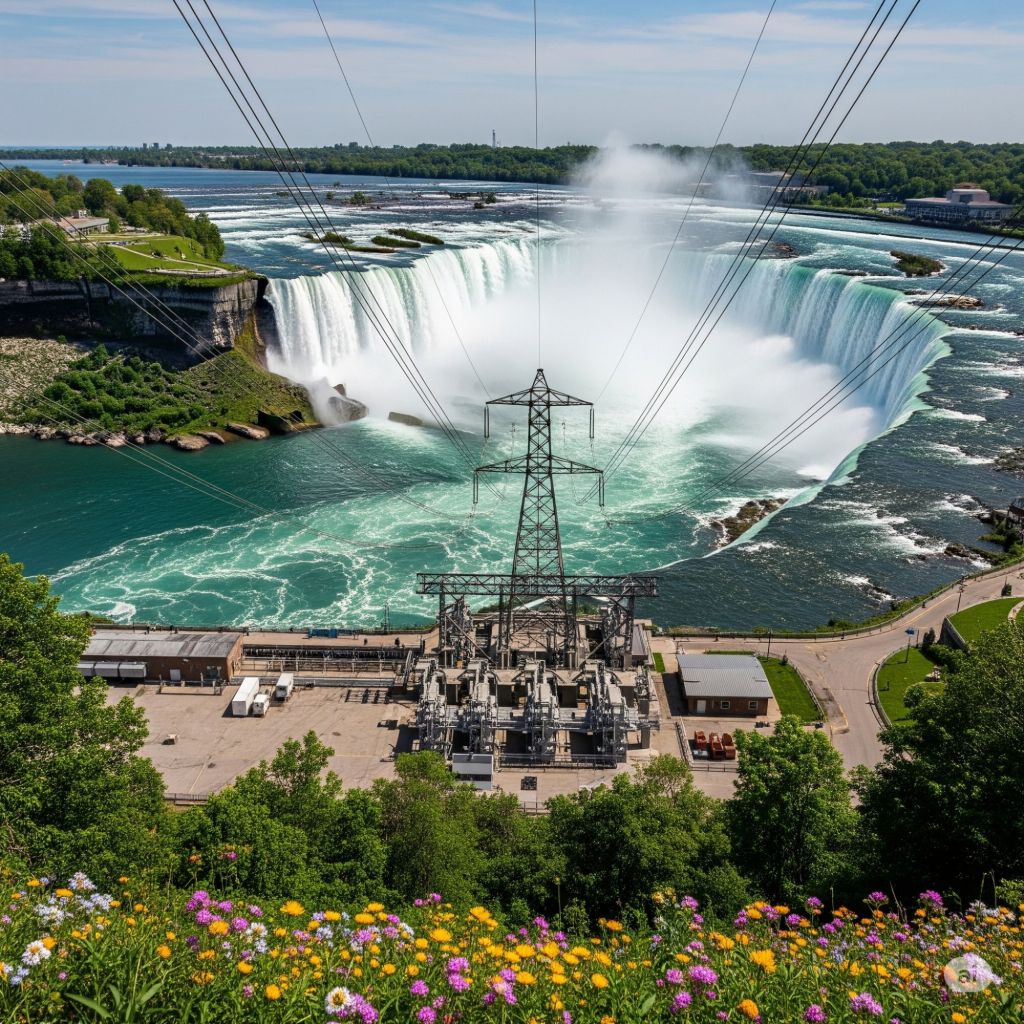
Get your flow of electrons today.

Photos by Ai
Generators are devices that convert one form of energy into another. They are commonly used to produce electricity, but they can also be used to power other devices, such as pumps and compressors.
There are many different types of generators, each with its own advantages and disadvantages. The most common type of generator is the internal combustion engine generator. These generators are powered by gasoline, diesel, or natural gas. They are relatively inexpensive and easy to maintain, but they can be noisy and produce emissions.
Another type of generator is the turbine generator. These generators are powered by steam, water, or wind. They are more efficient than internal combustion engine generators, but they are also more expensive and complex.
Generators are used in a variety of applications, including:
* Backup power: Generators can be used to provide power during power outages.
* Remote locations: Generators can be used to power homes and businesses in remote locations that are not connected to the grid.
* Construction sites: Generators can be used to power tools and equipment on construction sites.
* Emergency vehicles: Generators can be used to power lights and other equipment in emergency vehicles.
If you are considering purchasing a generator, it is important to choose the right type of generator for your needs. You should also consider the size of the generator, the fuel type, and the noise level.

Off grid or on grid every one has a use for electrical power.

Yes power is the powerful

Canada Day 2025

Happy Canadian Bacon Day

Fly your colors…

The true North is strong and free.

Dated Photo

Mars and the moon, decades old photo KDG

  As close as it looks?

I shot this with my little Nikon. I think a number of years ago if it wasn’t my Nikon. It was my Kodak easy share. I do remember getting a nod from a NASA guy ” thanks for the photo of Mars.”

Being in conjunction with the moon looks like you can reach over and borrow a cup of sugar.

Just think if we on Earth and it’s Nations  could be that close together and at peace. What a nice existence. This would work to the better of the

Happy Canada Day as we gear up to remove interprovincial trade barriers…

Wouldn’t that be smart? If at some point the training that we find in this would give us an ability for a leg up on being intergalactic trade barrier workers.

The life that starts…

Painting and photo KDG

It’s a fun thought experiment! Let’s break down why tarragon on the Moon, and the idea of greening it, is currently in the realm of science fiction:
Could there be tarragon on the Moon?
* No, not naturally. The Moon is a barren, airless body. Tarragon, like all plants, needs specific conditions to grow:
   * Atmosphere: It needs carbon dioxide for photosynthesis and oxygen for respiration (though it produces oxygen as a byproduct). The Moon has virtually no atmosphere.
   * Water: Tarragon needs water to live. While there’s evidence of water ice at the lunar poles, it’s not readily available as liquid water for plants to absorb.
   * Soil: Lunar regolith (the “soil” on the Moon) is very different from Earth soil. It lacks organic matter, beneficial microbes, and readily available nutrients. While some studies have shown plants can sprout in lunar regolith, they show signs of stress and stunted growth compared to those grown in Earth soil.
   * Temperature: The Moon experiences extreme temperature swings, from scorching hot in sunlight to frigid cold in shadow. Tarragon prefers warm, sheltered conditions and can’t survive such extremes without protection.
   * Radiation: The Moon has no significant magnetic field or atmosphere to protect it from harmful solar and cosmic radiation. This radiation would be lethal to plants.
   * Gravity: The Moon’s gravity is about one-sixth of Earth’s. While the direct effects on plant growth are still being studied, it’s another factor that makes it a very different environment for life.
Could tarragon (or any plants) green the Moon or turn it into a habitable place with a little bit of help from us?
This is the concept of terraforming, and it’s an incredibly ambitious and long-term prospect with many significant hurdles, especially for the Moon:
* Creating an Atmosphere: This is the biggest challenge. The Moon’s low gravity means any introduced atmosphere would quickly escape into space. We’d need a continuous and massive supply of gasses (carbon dioxide, nitrogen, etc.) and a way to somehow contain them or replenish them faster than they escape. This might involve building enormous artificial domes or even attempting to generate an artificial magnetic field to help retain the atmosphere, both of which are far beyond our current technological capabilities.
* Water Resources: While there’s ice, it needs to be extracted, processed, and then kept in liquid form, which is difficult given the Moon’s temperature extremes and lack of atmospheric pressure.
* Soil Development: Lunar regolith would need to be enriched with organic matter and nutrients to become viable soil for widespread plant growth. This would be a massive undertaking, requiring the introduction of vast amounts of biological material and the establishment of complex ecosystems.
* Radiation Protection: Even with an atmosphere, the Moon’s lack of a strong magnetic field means any surface-dwelling life would be exposed to dangerous radiation. Underground habitats or heavily shielded structures would be necessary.
* Temperature Regulation: Maintaining Earth-like temperatures would require massive energy inputs for heating and cooling, given the Moon’s extreme temperature variations.
In summary:
While the idea of a tarragon-scented, green Moon is appealing, it’s not currently feasible. Plants like tarragon require very specific conditions that the Moon simply doesn’t offer. Terraforming the Moon would require technological advancements on a scale far beyond anything we currently possess, and it would be an undertaking spanning centuries, if not millennia. For now, any lunar gardening would need to happen in highly controlled, enclosed environments, much like growing plants on the International Space Station.

Well myths are based on something…

Editor’s note: while it’s not that attractive to us Canadians ( we like Canada) our home and native land. The Americans might suit us as our 51st moon. That’s presuming that we can get any life going there.

We like Canada…

TIC

Artemis program

Is the US serious…

The Artemis program is indeed going ahead, though with some shifts in its timeline and potential scope.
Artemis Program Status:
* Artemis I, an uncrewed test flight, successfully completed its mission to lunar orbit and back in late 2022.
* Artemis II, the first crewed mission to orbit the Moon (but not land), is now projected for April 2026, a delay from earlier targets.
* Artemis III, which aims to land humans on the lunar South Pole, is currently targeted for mid-2027, also delayed from previous schedules.
* There are ongoing discussions and potential budget cuts that could impact the program beyond Artemis III, with proposals to phase out the Space Launch System (SLS) and Orion spacecraft, and even cancel the Lunar Gateway. This highlights the political and financial challenges alongside the technical ones.
China’s Lunar Program:
China is actively pursuing its own ambitious lunar exploration program, known as the Chang’e Project.
* This program has already achieved significant robotic milestones, including orbiters, landers, rovers, and sample return missions.
* Crucially, China has publicly announced its goal to land astronauts on the Moon before 2030. They are developing key components like the Long March-10 carrier rocket, Mengzhou manned spacecraft, Lanyue lunar lander, and a lunar rover.
* China also plans to establish an International Lunar Research Station (ILRS) at the Moon’s south pole, aiming for international collaboration.
Is Competition Worthwhile?
The competition between the Artemis program (primarily US-led with international partners) and China’s lunar ambitions is often framed as a “new space race.” There are several arguments for why this competition can be worthwhile:
* Accelerates Innovation: Competition can spur rapid technological development and push the boundaries of what’s possible, as each nation strives to achieve milestones first or more efficiently.
* Reduces Costs: In some cases, competition, especially with the rise of private companies, can drive down the cost of space access and operations.
* Inspires and Engages: A visible “race” to the Moon can inspire public interest in science, technology, engineering, and mathematics (STEM) fields, and foster a sense of national pride and achievement.
* Redundancy and Resilience: Having multiple nations developing lunar capabilities can create redundancy, ensuring that human access to space and lunar exploration continue even if one program faces setbacks.
* Geopolitical Influence: Leadership in space exploration is often seen as a marker of a nation’s technological prowess and global influence.
However, there are also arguments against intense competition or for emphasizing cooperation:
* Duplication of Effort: Parallel programs can lead to redundant efforts and inefficient use of resources that could be pooled for greater scientific return.
* Increased Risk of Conflict: While currently peaceful, a heightened “space race” could potentially lead to increased geopolitical tensions or even weaponization of space, though most nations advocate for peaceful use.
* Missed Opportunities for Collaboration: Cooperation can lead to shared knowledge, expertise, and resources, potentially achieving more complex and ambitious scientific goals.
In summary, the Artemis program is pushing forward with its aim to return humans to the Moon, while China is a serious and active competitor with its own independent and ambitious lunar plans. Whether this competition is “worthwhile” depends on the perspective, but it undoubtedly drives innovation and maintains a dynamic environment in lunar exploration. Many argue that a balance of healthy competition and strategic cooperation could yield the most beneficial outcomes for humanity’s presence in space.

Day schedule