You are presumed to be honest and responsible without evidence to the contrary beyond a reasonable doubt… on the balance of probablilties you are justified by 51 % likelyhood.
King Tides are the highest high tides of the year at a coastal location, significantly above the average high tide. They are a natural and predictable phenomenon that occurs once or twice annually in coastal areas. The scientific term for a King Tide is a perigean spring tide. What causes King Tides? King Tides happen due to a combination of astronomical factors: * Alignment of the Earth, Moon, and Sun: The gravitational forces of the sun and moon have the greatest effect on Earth’s tides when these three bodies are aligned (during new and full moons). These are called spring tides, which occur about every two weeks. * Moon’s Orbit: The Moon’s orbit around the Earth is elliptical, meaning there are times when the Moon is closer to the Earth (perigee) and farther away (apogee). When a new or full moon coincides with the Moon being at its closest point to Earth (perigean spring tide), the gravitational pull is stronger, resulting in higher tides. * Earth’s Orbit: Similarly, the Earth’s orbit around the Sun is also elliptical. The Earth is closest to the sun (perihelion) in early January and farthest away (aphelion) in early July. When a perigean spring tide occurs around the time Earth is closest to the sun, it can further enhance the tidal range, leading to King Tides. King Tides result in both the highest high tides and the lowest low tides of the year. King Tide Situation in British Columbia While I don’t have specific real-time information about a “current King Tide situation” as of today, April 30, 2025, King Tides are a recurring event in British Columbia, typically occurring during the winter months (November to February) and sometimes in the summer. Here’s what is generally known about King Tides in BC: * Timing: The highest risk of King Tides in BC usually falls between late December and early January. There can also be significant King Tide events in other winter months. * Potential Impacts: King Tides can cause minor flooding in low-lying coastal areas. When combined with storm surges (sea level rise due to low atmospheric pressure and strong winds), they can lead to more significant coastal flooding and erosion. * Sea Level Rise Connection: King Tides are not caused by climate change. However, they offer a glimpse into what future average high tides could look like as sea levels rise due to global warming. Observing King Tides helps communities understand and prepare for the long-term impacts of sea level rise on coastal infrastructure and ecosystems. * Monitoring and Preparedness: Municipalities in coastal BC, such as Vancouver and Delta, often monitor King Tide forecasts and may take precautionary measures like closing sections of seawalls or providing sandbags to residents in flood-prone areas. They also use King Tide events to gather data and photos to help with flood hazard mapping and long-term adaptation strategies for sea level rise. * Citizen Science: In the past, initiatives like the “King Tide Photo Initiative” in BC encouraged residents to photograph coastal areas during King Tides to document the extent of the flooding and visualize future sea levels. For the most up-to-date information on any current or upcoming King Tide events in British Columbia, I recommend checking the following: * Local News Outlets: They often report on anticipated King Tides and any associated risks or impacts. * Tide Charts and Predictions: Websites that provide tide predictions for specific locations in British Columbia will show the dates and times of the highest tides of the year. * Municipal Government Websites: Coastal municipalities often issue advisories or updates related to King Tides and potential flooding. * Environment and Climate Change Canada: They provide weather warnings and information that could be relevant during King Tide events. Keep in mind that even if a King Tide is predicted, the actual impact can vary depending on weather conditions such as wind and atmospheric pressure, which can either exacerbate or lessen the effects.
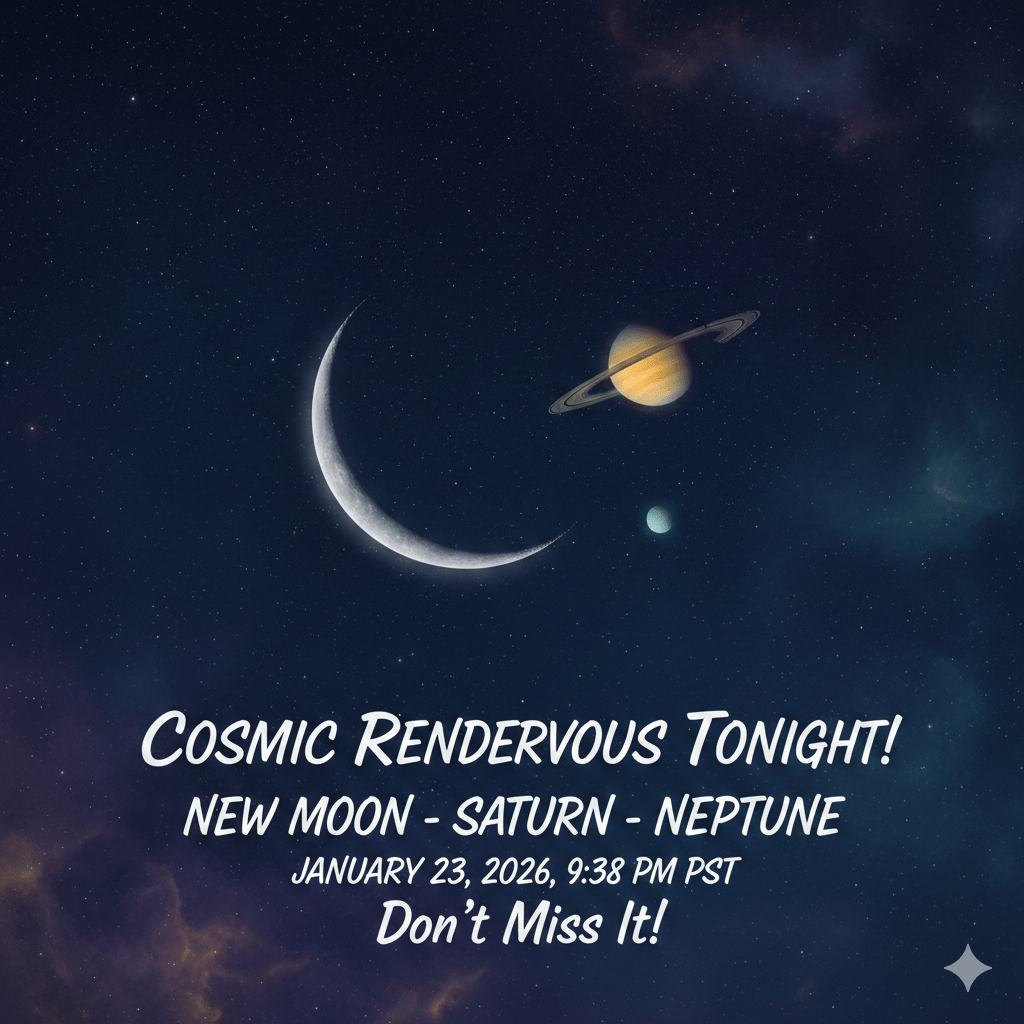
The new moon will occur on Sunday, April 27, 2025, at 12:31 PM PDT on the west coast of North America.Visibility on the West Coast of North America:A new moon is the first lunar phase, which occurs when the Moon lies between the Earth and the Sun. At this phase, the sunlit side of the Moon faces away from Earth, making the Moon generally invisible to the naked eye. It rises and sets at roughly the same time as the Sun.Therefore, on the night of April 27th, 2025, and the days immediately surrounding it, the new moon will not be visible from the west coast of North America. The sky will appear dark (assuming clear weather and minimal light pollution), which makes it an excellent time for observing stars and other fainter celestial objects.General Information about the New Moon: * The Start of the Lunar Cycle: The new moon marks the beginning of the approximately 29.5-day lunar cycle. * Alignment: During a new moon, the Moon is positioned between the Earth and the Sun. * Earthshine: Although the sunlit side faces away, sometimes a very faint glow called “earthshine” can make the unlit portion of the new moon subtly visible. This is due to sunlight reflecting off the Earth and onto the Moon. * Solar Eclipses: New moons are the only phase during which a solar eclipse can occur. This happens when the new moon passes directly between the Sun and Earth, and the Moon’s shadow falls on Earth. However, a solar eclipse will not occur on April 27th, 2025. * Stargazing: The dark skies during the new moon phase provide the best conditions for observing faint stars, galaxies, and other deep-sky objects since there is no bright moonlight to interfere. * Tides: New moons (along with full moons) contribute to higher high tides and lower low tides, known as spring tides, due to the combined gravitational pull of the Sun and the Moon.So, while you won’t be able to see the new moon itself on April 27th from the west coast of North America, you will have a dark sky perfect for stargazing!






 Kevin Griffiths
 percypaschal
 The Proprietor Review