Archive for November, 2026


TGIF Heres hoping, hopeing for ice.

Ice

British Columbia

In mid-November 2026, recreational ice across British Columbia is largely unsafe or non-existent at valley-bottom elevations, though initial freeze-up is underway in high-elevation plateau lakes and northern regions. Because BC does not maintain a centralized provincial monitoring network for recreational lake ice, conditions vary dramatically by elevation, lake depth, and exposure—especially with a strong El Niño pattern bringing milder-than-average temperatures to much of the province this winter.

1. Current Ice Status & Required Elevation (Mid-November) *

Valley Bottoms (Below 800 m): Larger, deep valley lakes (such as Nicola Lake at ~628 m, Okanagan Lake, or Kamloops Lake) remain completely open or have only paper-thin skim ice in sheltered bays. * Sub-Alpine & Interior Plateaus (1,100 m – 1,500+ m): To find walkable ice right now, you generally need to climb above 1,100 metres on the Thompson-Nicola, Okanagan, or Cariboo plateaus (e.g., smaller, shallower lakes along the Kane Valley, Logan Lake/Tunkwa area, or Pennask Plateau). Even at these elevations, mid-November ice is typically newly formed, thin (often 5–10 cm), and heavily dependent on recent overnight cold snaps. * Northern BC (Peace, Omineca, Skeena): Lower-elevation small lakes in the north freeze earlier due to latitude and are already seeing early-season ice anglers.

2. Primary Safety Concerns Right NowEarly-season ice and BC’s specific lake geography create several acute hazards:

* Insulating Snow Blankets: Early snowfalls on top of newly formed ice act as an insulating blanket, slowing downward freezing and sometimes weighing down thin ice so water seeps up, creating weak “slush ice”. * Winter Aerators: Many popular stocked trout lakes in the Interior (such as Walloper Lake near Logan Lake, or Simon and Higgins lakes in the Cariboo) use underwater aeration systems to prevent winter fish kills. These create permanent patches of open water surrounded by deceptively thin, rotten ice. * Inlets, Outlets & Springs: Moving water and underwater springs erode ice from below even during cold snaps. Thickness can drop from 12 cm to 2 cm within a few steps. * Ice Quality (Clear vs. White/Grey): Safety guidelines apply only to solid, clear blue/black ice. White, opaque “snow ice” has roughly half the load-bearing strength of clear ice, and grey ice indicates water saturation and imminent failure.Minimum Thickness Guidelines (Clear, Hard Ice)| Activity | Canadian Red Cross Minimum | Lifesaving Society Minimum ||—|—|—|| Walking / Solo Ice Fishing | 15 cm (6 in) | 10 cm (4 in) || Skating (Small Group) | 15 cm (6 in) | 10–15 cm (4–6 in) || Skating Party / Large Group | 20 cm (8 in) | 20–30 cm (8–12 in) || Snowmobile / ATV | 25 cm (10 in) | 13–18 cm (5–7 in) |> Field Rule: Never rely on shoreline ice thickness. Carry a spud bar or auger to test every few metres as you move out, wear ice picks around your neck, and pack a throw rope and personal flotation device (or float suit).>

3. Seasonal Outlook: November, January & February

Forecasts for the 2026–2027 winter indicate a strong El Niño event, which historically brings warmer-than-normal winter temperatures and below-average snowpacks to southern and central BC. While cold Arctic outbreaks will still occur, freeze-thaw cycles will likely be more frequent than usual. * November (Current – Late Month): * Fishing: Limited strictly to small, shallow high-elevation lakes (>1,150 m) in the Southern Interior and lakes in Northern BC. Late November typically sees the first reliable 10+ cm ice on protected plateau ponds (like Lily or Marquart lakes). * Skating: Wild lake skating is rarely viable in November except in brief, localized windows before the first heavy snowfall buries the glare ice. * January (Peak Reliability): * Fishing: Reliable across nearly all Interior plateau lakes (1,000–1,400 m) and most mid-elevation valley lakes. Expect 20–40+ cm of ice, though El Niño warm spells may create surface slush or overflow water between the ice sheet and snowpack.

* Skating:

High-elevation lakes are typically snow-covered by January, making natural skating difficult unless local volunteers plow rinks (e.g., on Logan Lake, Lac Le Jeune, or Windermere Lake’s Whiteway). * February (Late-Season Peak & Early Transition): * Fishing: Generally holds strong through February at higher elevations (>1,000 m), with great late-winter action for rainbow trout, brook trout, and kokanee. However, because of the warmer El Niño outlook, lower-elevation and south-facing lakes may begin showing shoreline separation (“moating”) and candling (vertical crystal breakdown) by late February—a process that normally waits until March. * Skating: Daytime melt followed by overnight refreezes in February can occasionally create smooth, refrozen “crust” ice on wind-scoured lakes, though daytime surface softening makes afternoon skating hazardous.

Editors note: information only, bears individual coberation.Own risk much involved…

Error on side of caution ..
Planet Parade

Mercury is busy…

Planets often line up,file photo KDG

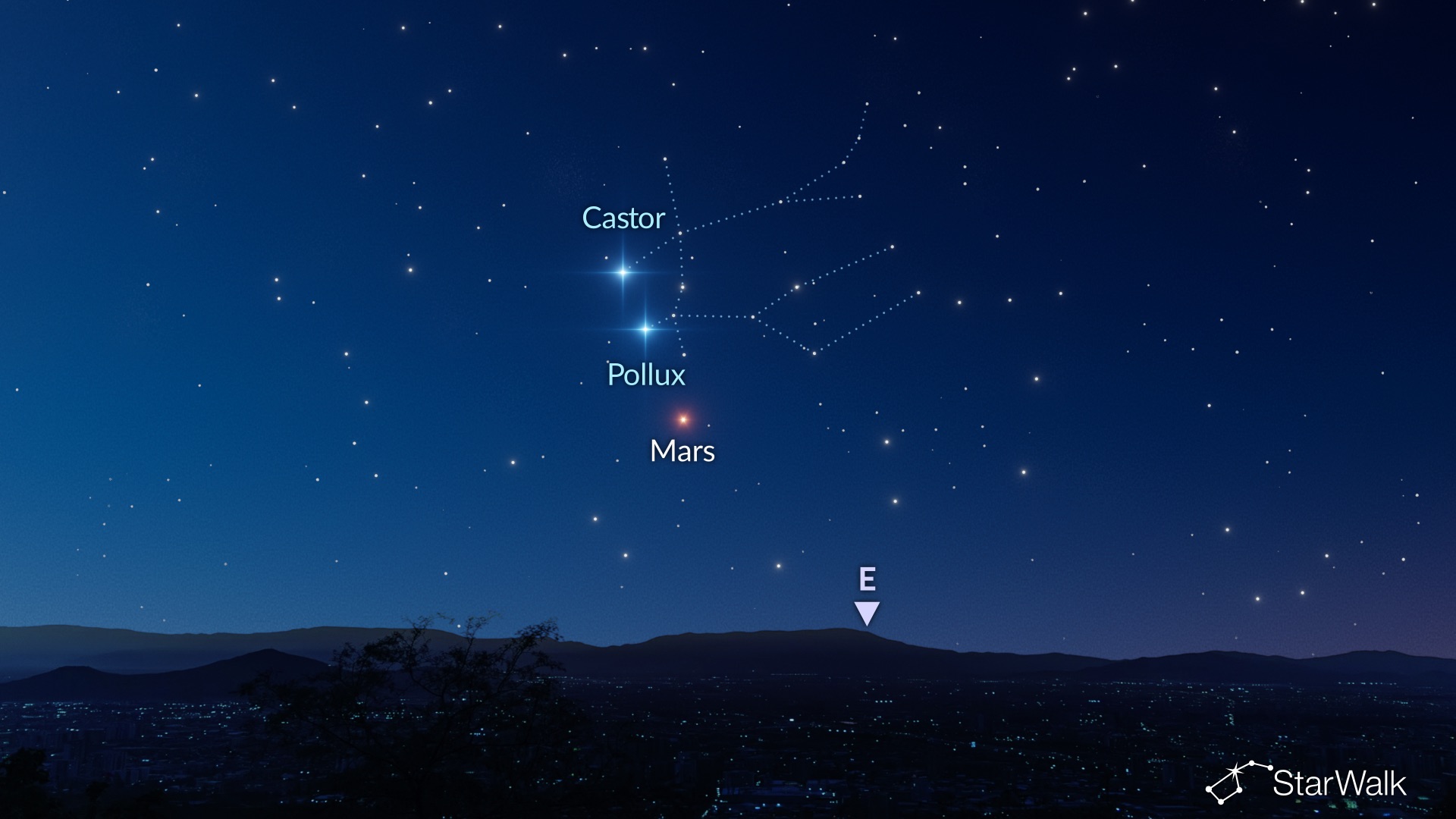
There will be a planetary line untill the 22nd of November. Look to the southeast before sunup.

Search Archives by date:

When funny is not funny.

Photo by cottonbro studio on Pexels.com

Forensic psychologists distinguish between defensive gallows humor and genuine malice by analyzing the target of the joke, the physiological and emotional context, and the speaker’s baseline personality. While both can sound identical on a cold transcript, their psychological engines are completely opposite: one is designed to shield the speaker from distress, while the other is designed to extract pleasure from it.

1. The Direction of the Humor (“Punching Up” at the Situation vs. “Punching Down” at the Victim)

The single clearest diagnostic marker is where the joke aims its sharp edge. * Defensive Gallows Humor (Targeting the Absurdity or Trauma): Coping humor almost always targets the situation, the system, the speaker’s own mortality, or the surreal absurdity of death. For example, a paramedic joking about the futility of their equipment or a condemned prisoner joking about the rope is mocking the horror itself to shrink its power. It rarely degrades the human dignity of an innocent victim.

* Sadistic or Malicious Humor (Targeting the Suffering):

Malice punches down. When humor mocks a victim’s pain, helplessness, or physical degradation—especially by someone who caused or wishes to cause that harm—it is no longer a defense mechanism. Forensic clinicians look for dehumanization: jokes that treat a victim as an object or celebrate their agony indicate a lack of empathy rather than an overload of it.

2. Affective Congruence and Micro-Expressions

When reviewing interrogation videos, body-cam footage, or clinical interviews, psychologists look closely at the emotional “leakage” surrounding the joke. * The Tension-Release Cycle (Coping): Genuine gallows humor is usually preceded by visible signs of acute stress, hyperarousal, or exhaustion—tight jaw, rapid breathing, a flat or strained voice—followed by a brief, nervous laugh that quickly snaps back to grim seriousness. The humor acts as a pressure valve; once the pressure drops slightly, the person returns to work or sober reflection. * Duper’s Delight and Arousal (Malice): In cases of sadism or psychopathy, morbid joking is often accompanied by positive emotional arousal—a genuine smile that reaches the eyes, relaxed posture, leaning forward, or a lingering smirk while describing graphic harm. Instead of relieving stress, the dark remark visibly energizes the speaker.

3. Temporal Relationship to the TraumaTiming reveals whether the mind is reacting to shock or orchestrating harm.

Air ambulance sitting at air field .
Health care takes a lot of support from many sources including you keeping your own.

* Reactive (Post-Exposure):

Gallows humor emerges after an unexpected or unavoidable collision with trauma. A responder walking into an accident scene or a defendant in shock immediately after a chaotic, unplanned tragedy uses humor to keep their psyche from fracturing in real time. * Proactive or Ruminative (Pre- and Post-Offense): When morbid jokes appear before a crime (as rehearsal, fantasy, or a threat) or are repeated days and weeks later with relish, they point toward premeditation and callousness. A coping mechanism fades once the acute threat passes; a sadistic fixation is revisited for ongoing gratification.

4. Longitudinal Personality and Empathy Baseline

Forensic evaluations never judge a single quote in isolation;they place it inside the person’s broader psychological history.| Clinical Dimension | Defensive Gallows Humor | Genuine Malice / Sadism ||—|—|—|| Capacity for Empathy | Intact—often too active, requiring temporary numbing to function | Chronically blunted, instrumental, or absent || Post-Incident Remorse | Present once the acute shock subsides; often accompanied by guilt over having joked | Absent; remorse is feigned only when facing consequences || History of Prosocial Behavior | Consistent track record of care, duty, or normal interpersonal attachment | History of cruelty, boundary violations, or emotional detachment || Audience Awareness | Typically confined to trusted peers who share the burden; hidden from victims’ families | Often deployed to shock, intimidate, or humiliate observers or survivors

|5. Evaluating “Trauma-Induced Inappropriateness” in Defendants

In criminal cases involving defendants who did not commit a sadistic act—such as an accidental death, a chaotic self-defense shooting, or a survivor of a fatal crash—forensic psychologists frequently testify to prevent juries from misreading shock-induced disinhibition.Extreme adrenaline surges can short-circuit the prefrontal cortex, causing a terrified or grieving person to laugh, make a bizarrely flippant remark, or crack a dark joke during a 911 call or initial police interview.

By demonstrating that the defendant exhibited classic signs of acute stress disorder and had no history of callous traits, an expert helps the court separate a misfiring nervous system from a malicious heart.

Editors note:

Never let things go that far.. forewarned is forearmed.

A little project, wooden cutting board. mod podge.

To transfer photos onto a wooden board using Mod Podge, start by selecting the images you want to use and printing them out on regular paper or tissue paper. Cut the images to size and apply a thin layer of Mod Podge onto the wooden surface where you want to place the photo. Carefully position the photo on top of the glue, smoothing out any bubbles or wrinkles with a flat edge or your fingers. Once the photo is in place, apply another layer of Mod Podge over the top to seal it. Allow it to dry completely, which may take a couple of hours. For a more durable finish, consider adding multiple coats, allowing each layer to dry before applying the next one.

Proactive action

Concerned about samonala, convert to art and preserve a memory.

Looking forward to the Christmas season

So,,, if we don’t see some of you be blessed and have a safe Christmas, Staying home and using Zoom is a good option these days..

Career path…

Defined

Evaluating the effectiveness and strategic timing of career paths involves understanding that professional trajectories are shaped by individual goals, industry shifts, and personal values. Because what constitutes “ineffectiveness” or “worthiness” varies significantly across different economic contexts, personal philosophies, and industries, any strict ranking remains subjective.Instead of a definitive hierarchy, career paths can be analyzed through their structural mechanisms, potential pitfalls, and how their value proposition shifts across different life stages—early career, middle age, and retirement preparation.Mechanisms of Career PathsCareer paths generally operate through four primary structural mechanisms:

* The Linear Ladder (Traditional Advancement)

* Mechanism: Upward progression within a single organization or specialized domain (e.g., Junior Analyst to Manager to Director). Advancement is driven by tenure, internal performance reviews, and deepening functional expertise. * Strengths: Clear milestones, predictable skill accumulation, and strong organizational stability. * Risks: High vulnerability to industry stagnation or corporate restructuring; limited cross-functional adaptability.

* The Portfolio / Mosaic Career * Mechanism:

A diversified mix of concurrent projects, consulting roles, freelance contracts, or entrepreneurial ventures. Value is created by combining disparate skill sets across multiple domains. * Strengths: Maximum autonomy, diversified income streams, and high adaptability to modern gig economies. * Risks: Income volatility, lack of institutional benefits, and constant self-marketing overhead.

* The Spiral (Cross-Functional Pivot) * Mechanism:

Moving horizontally across related industries or disciplines every few years (e.g., transitioning from technical engineering to product management, then to technical sales). * Strengths: Builds a versatile “T-shaped” skill set, preventing obsolescence and fostering high-level problem solving. * Risks: Temporary setbacks in seniority or pay during each transition; potential perception of being a generalist without deep mastery.

* The Expert / Craftsperson Path * Mechanism:

Deep vertical specialization in a complex niche (e.g., advanced metallurgy, specialized drilling operations, or complex data architecture). Advancement is measured by peer recognition and mastery of craft rather than managerial scope. * Strengths: High irreplaceability, intrinsic satisfaction, and strong demand for specialized competence. * Risks: Vulnerability if the specific niche becomes automated or economically obsolete.Evaluation Across Life StagesThe strategic value of committing to or “subscribing” to these trajectories changes significantly as a person moves through different phases of life.

1. Early Career (Foundation & Capacity Building) * Linear / Specialist Paths:

Highly valuable for building initial credibility, baseline financial security, and mentorship access. Starting with a structured ladder or deep craft provides a solid anchor, though staying too long without mobility can stunt long-term adaptability. * Portfolio Paths: High risk during this phase due to the lack of an established professional network or foundational skill set to fall back on. However, early exposure to diverse projects can accelerate general problem-solving abilities.

2. Middle Age (Expansion & Strategic Pivot) * Spiral / Cross-Functional Paths:

Highly effective during middle age. Professionals can leverage their foundational expertise while pivoting into leadership, strategy, or complementary domains. This stage benefits from diversification to hedge against industry-specific downturns. * Linear Paths: Can become a trap if one hits a ceiling (the “middle-management squeeze”). Sticking rigidly to a single corporate ladder without updating marketable skills often leads to diminishing returns in earning potential and job satisfaction.

3. Retirement Transition (Sustainability & Legacy) * Expert / Consulting / Portfolio Paths:

Highly favorable as retirement approaches. Transitioning from full-time structural employment to advisory roles, specialized consulting, or flexible project work allows individuals to monetize decades of accumulated tacit knowledge with reduced physical or operational stress. * Rigid Linear Paths: Generally unsustainable or abrupt. Relying entirely on a single full-time traditional role up until a hard retirement date removes the flexibility to gradually taper workload, mentor others, or maintain secondary income streams.

Editors note: Sudden end can be catastrophic.

Murphy a possible candidate for centtegenric success relates in a speach a diversified and far reaching life. Merritt November 2026.

For information only Editor.

$

So, reusable rocket has made a trip and come back. Elon Musk seems happy…

And:

SpaceX’s latest mission, Starship Flight 15, launched on Friday, November 13, 2026, from Starbase, Texas, and concluded on Saturday, November 14. While the mission fell short of an actual double catch, it achieved a historic milestone by capturing the Starship upper stage (“Ship”) out of orbit with the launch tower’s mechanical arms for the very first time.

The Double-Catch Attempt:Well, better safe than sorry until you get it down.

Real Hardware, Split ResultsSpaceX genuinely attempted to recover both stages using the launch tower’s “chopsticks” (Mechazilla) on this mission—not merely a simulation or protocol dry run. However, only half of the double catch succeeded:

* Super Heavy Booster (Aborted & Lost):

Roughly minutes after liftoff, the first-stage booster aborted its tower catch attempt due to an anomaly during its return. Rather than risking the launch pad infrastructure, the booster diverted over the Gulf of Mexico, where its flight termination system activated, resulting in an explosion and wreckage in the water. * Starship Upper Stage (Historic Catch): Despite losing the booster, Ship 42 continued to orbit, deployed 26 Starlink V3 satellites, and orbited Earth 14 times over roughly 22.5 hours. After passing three strict health checkpoints in orbit to ensure its heat shield and control surfaces were intact, Ship performed a deorbit burn, re-entered Earth’s atmosphere, and was cleanly plucked out of mid-air by the launch tower’s arms at 3:20 p.m. local Texas time on Saturday.Overall Mission SuccessEven without the double catch, Flight 15 is considered a major breakthrough for SpaceX: * First Orbital Upper-Stage Recovery: SpaceX had caught the Super Heavy booster three times on earlier flights, but had never before attempted—let alone succeeded—in catching a Ship returning from orbital speeds.

* Operational Payload & Duration:

Successfully deploying 26 next-generation Starlink satellites and enduring nearly a full day in orbit proved the vehicle’s endurance and thermal protection systems ahead of future rapid-reflight testing.SpaceX engineers are currently reviewing telemetry to determine what forced the Super Heavy booster to abort its catch, while inspecting the recovered Ship 42 to see how well its heat shield held up after orbital re-entry.

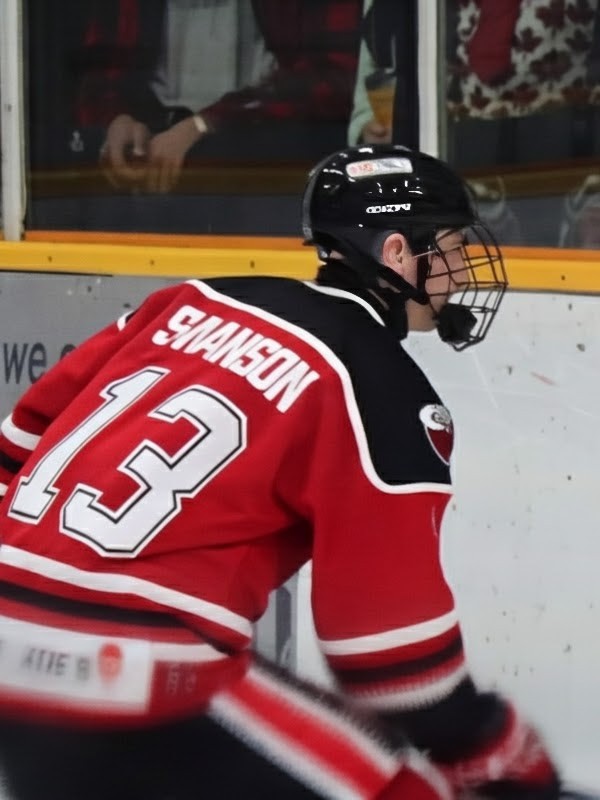
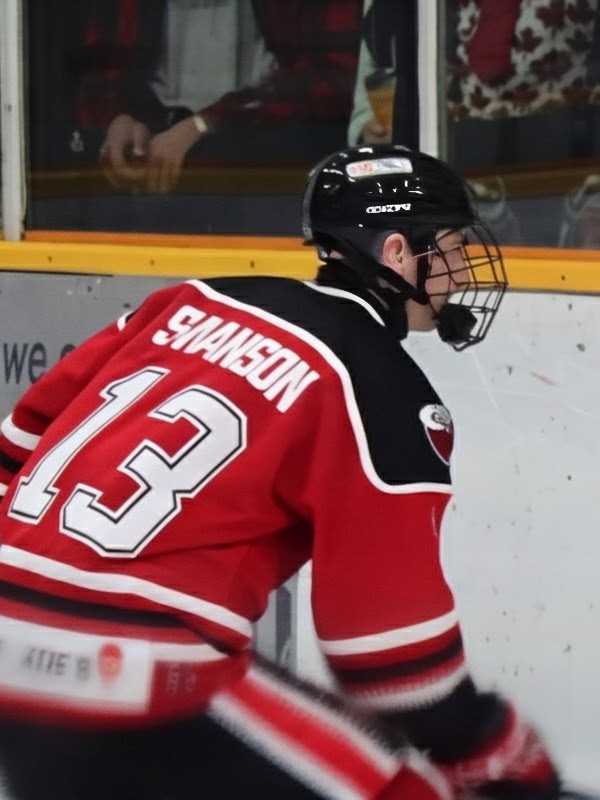
Merritt Centennials at home playing the Fernie team.

Third period start 1 to 1…

Check out this video, “City of Merritt open house for flood control measures” https://share.google/LeCY1OcA7ZCd6Cjrg

Sir, David Attenborough turned 100 years old in May of 2026. And is working on narratives for his series  blue planet.

https://www.bbc.com/news/topics/cwypr2kdxvwt

Blue Planet Three trailer…


Local Museum Annual meeting, November 2026

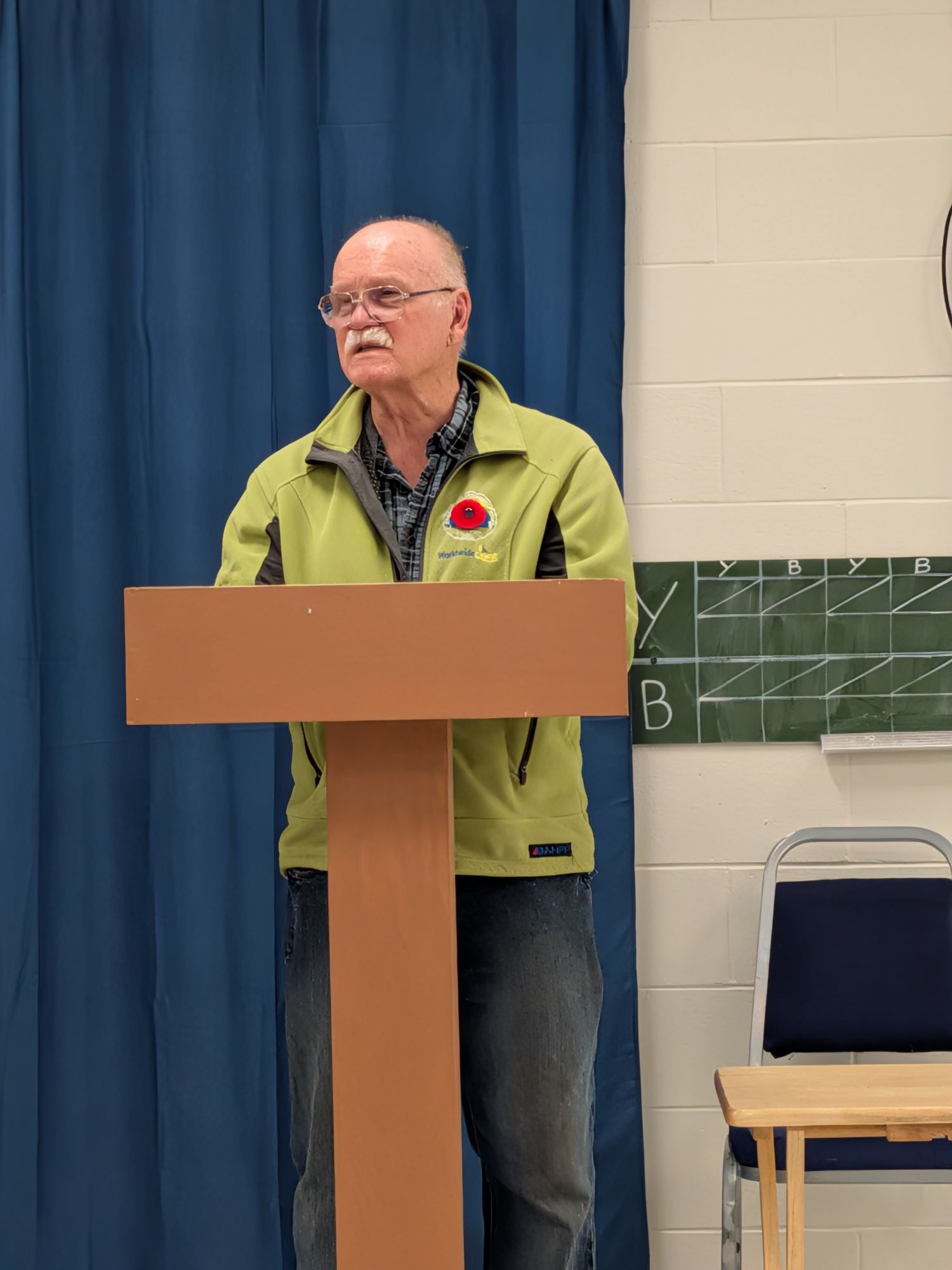
Murphy Shewchuck speaks at the Nicola Museum’s 50th AGM.

Murphy Shewchuck was the first president and now addresses the local museum’s 50th AGM. November 12th 2026, Merritt BC, Canada.

Museum

The Nicola Valley Museum and Archives (operated by the Nicola Valley Archives Association) is located at 1675 Tutill Court in downtown Merritt, British Columbia, sharing a building with the Senior Citizens Recreation Centre. Established in 1976 and opened at its current site in the early 1980s, it serves as the primary repository for the region’s rich cultural, industrial, and pioneer history.
Museum Overview & Collections
The 4,000-square-foot facility houses extensive local history resources, including:
* A digital research computer providing access to historical photographs and digitized records.
* A comprehensive collection of James Teit First Nations reference materials.
* Complete historical runs of local newspapers like the Merritt Herald (dating back to 1905) and Merritt News.
* Early pre-emption records, water license records, city documents, early maps, and cemetery databases (including Pineridge, Upper Nicola, and Lower Nicola).
* Specialized regional holdings such as the Sherwin Kelly mining information collection and the ongoing publication of their Historical Quarterly.
Membership Costs & Expiration
While general admission is typically open to the public, specific public-facing membership fee structures, exact tiers, and formal annual renewal/expiration dates for individual members are managed internally by the Nicola Valley Archives Association rather than heavily published via online portals.
Because membership structures and exact renewal cycles (such as whether they align with the calendar year or the anniversary of the date of purchase) can occasionally shift or vary based on active institutional bylaws, the most direct and accurate way to confirm current membership rates, exact categories, and expiration terms is to contact the museum staff directly:
* Phone: (250) 378-4145
* Address: 1675 Tutill Court, Merritt, BC (with access from Coldwater Avenue or the Railyard Mall)
* Mailing Address: Nicola Valley Archives Association, PO Box 1262, Merritt, BC, V1K 1B8

Welcome new Board MS

November sky

(Moon near Saturn)

Up date, Lenoids,

The Leonids meteor shower is active throughout most of November 2026 and peaks next week, offering exceptionally dark after-midnight viewing conditions alongside a bright planetary alignment.
Key Dates & Viewing Times (2026)
* Active Period: November 6 – November 30, 2026.
* Peak Night: Tuesday night, November 17 into the pre-dawn hours of Wednesday, November 18. (The early morning hours of November 17 are also worth watching).
* Best Viewing Window: Midnight to dawn (roughly 12:00 a.m. to 5:30 a.m. local time). This is when the shower’s radiant point rises above the eastern horizon and climbs high into the sky.
* Expected Rate: 10 to 15 meteors per hour under clear, dark skies. While the Leonids are famous for producing historic meteor storms roughly every 33 years (such as in 1966 and 2002), 2026 is a standard, non-storm year.
2026 Sky Conditions & Planetary Bonus
* No Moonlight Interference: The Moon reaches its First Quarter phase on November 17 and sets around midnight. That leaves the prime after-midnight viewing window completely dark and ideal for spotting fainter streaks.
* Mars & Jupiter Guidepost: You do not need to stare directly at the radiant—meteors appear all over the sky—but if you look east toward the constellation Leo (near the backward question-mark star pattern called the “Sickle”), Jupiter and Mars will appear right next to each other near the radiant. Before sunrise on November 18, Venus and Mercury also join them low in the eastern sky for a four-planet morning lineup.
What Makes the Leonids Unique
* Origin: The shower occurs every November as Earth passes through a trail of dust and debris left behind by Comet 55P/Tempel-Tuttle.
* Speed: Because Earth hits this debris stream almost head-on, Leonids are among the fastest meteors of the year, entering the atmosphere at roughly 71 km/s (160,000 mph). This high speed often produces bright, blue-green streaks and occasional persistent vapor trails (“trains”) that can linger for several minutes.
* Bonus Fireballs: The Northern and Southern Taurids are also active in the background in mid-November; if you spot a much slower, bright orange fireball that doesn’t trace back to Leo, it is likely a Taurid.
Practical Tips for Watching
* Skip optical gear: Leave binoculars and telescopes behind—your naked eyes take in the widest swath of sky.
* Protect your night vision: Avoid looking at phone screens or bright flashlights for at least 20–30 minutes so your eyes fully dark-adapt.
* Dress for sub-zero temperatures: Mid-November pre-dawn temperatures in the British Columbia interior drop quickly when sitting or lying still, so bundle up in heavy layers, bring a reclining chair or insulated pad, and pack a thermos.
Would you like tips on photographing the meteors and the Mars–Jupiter conjunction, or local dark-sky spot recommendations around the Nicola Valley?

Looking back

November’s night sky is typically filled with several exciting astronomical events, including multiple meteor showers, a Supermoon, and a major planetary opposition.Here are some of the major night sky events anticipated for November

2025

Meteor Showers:

November hosts the peak of several meteor showers: * Southern Taurids: This shower is active until about November 20th, with its expected peak on the night of November 4-5. This year is predicted to be a “swarm year,” meaning the shower could produce more bright fireballs, though the Full Moon will interfere with visibility of fainter meteors. * Northern Taurids: Active until December 10th, the Northern Taurids are expected to peak on the night of November 11-12.

Full Moon (Supermoon):

The Full Moon in November, traditionally known as the Beaver Moon, occurs on November 5th. This Full Moon is also a Supermoon—the largest of 2025—since it occurs when the Moon is very close to its perigee (closest point to Earth). * Uranus at Opposition: The ice giant planet Uranus will be at opposition on November 21st. This is when Earth passes directly between Uranus and the Sun, making the planet at its brightest and most visible for the year. While it will be easier to spot, Uranus is still relatively dim and typically requires binoculars or a telescope to see clearly. * New Moon: The New Moon occurs on November 20th. This phase is the best time of the month to observe faint, deep-sky objects like galaxies and star clusters, as there is no moonlight interference.

* Leonids:

This reliable shower is active from November 6th to the 30th, peaking on the night of November 17-18. Viewing conditions for the Leonids are favorable, as the Moon will be only 9% illuminated and shouldn’t interfere much with the view.Planetary and Lunar Events

* Saturn’s Rings Edge-On:

Although this event occurs sometime in late November, Saturn’s rings will be oriented edge-on toward Earth, making them appear to “disappear” or become extremely thin. This is a great time to observe Saturn’s moons and the planet itself without the glare of the rings.Close Approaches (Conjunctions)Various close approaches of the Moon to planets are scheduled throughout the month, which are lovely sights for naked-eye observers and

Photographers:

* Moon near Saturn: November 2nd and November 29th. * Moon near Neptune: November 2nd and November 30th. * Moon near Jupiter: November 8:00 to 9th. ..10th

Look up on; now 2026

The sky is limitless beyond.

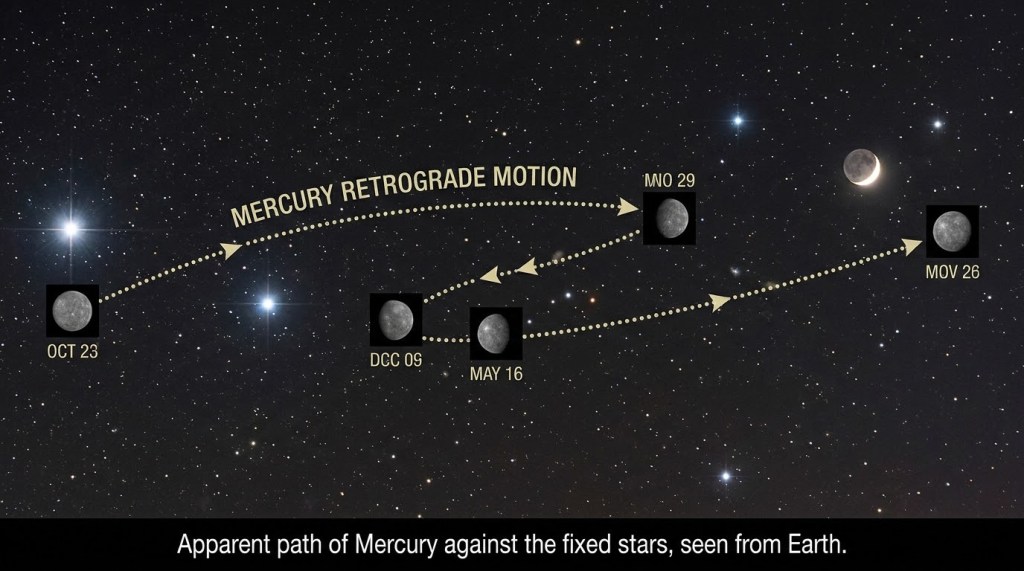
Retrograde is an optical Illusion.. on now …

On Friday the 13th 2026 at the Nicola Valley Memorial Arena. The Merritt Centennials will meet the Quesnel team. Game starts at 7:00 p.m.

Game Roster

Saturday

Fernie Ghost riders in Merritt 7:00 start.

Williams Lake Mustangs in Williams Lake. 7PM Caribou memorial rec center.

Quesnel

Saturday 21st Quesnel River Rush. West Fraser Center. 7:00 PM

Support Junior Hockey.