You are presumed to be honest and responsible without evidence to the contrary beyond a reasonable doubt… on the balance of probablilties you are justified by 51 % likelyhood.
My head it clanged ding no dong.
Okay my sport is falling to clasp.
Missed never Wallenda,caught few.
Then praise went South, surround.
The  big top was far to raise.
O what glory posed to catch.
Triple swing West, caulk froz east
 Not my Circus not my monkeys.
SPLAT
Always take care in food preparation and consumption.
Cook and be…
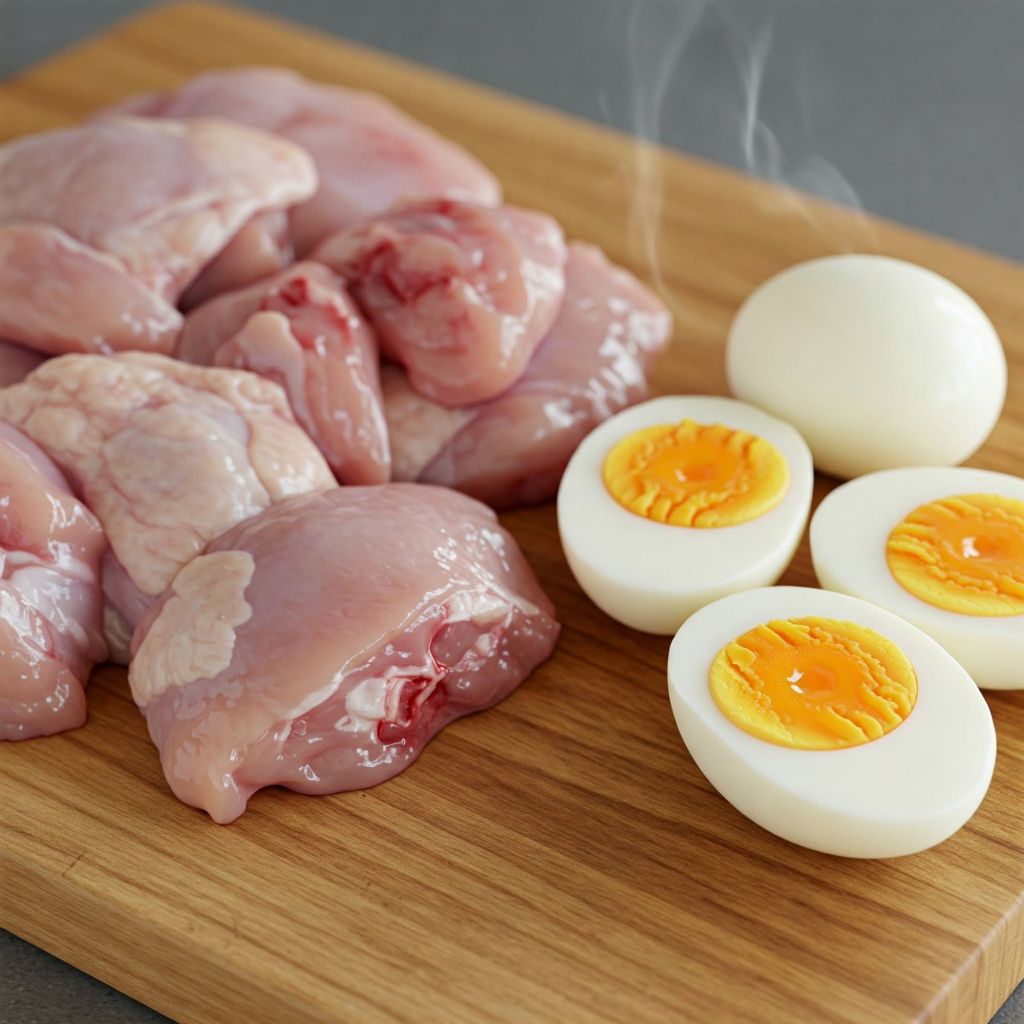
Here’s how to be safe around chicken eggs during an avian flu outbreak: * Thorough Cooking: * Eggs: Cook eggs until both the yolk and white are firm. This means no runny yolks in scrambled eggs, and fully cooked omelets. * Poultry: Cook poultry to an internal temperature of 165°F (74°C) to kill any potential virus. * Proper Handling: * Wash Hands: Wash your hands thoroughly with soap and warm water before and after handling raw eggs or poultry. * Refrigeration: Refrigerate eggs promptly after purchase and store them at or below 40°F (4°C). * Avoid Cross-Contamination: * Use separate cutting boards, knives, and utensils for raw poultry and other foods. * Wash and sanitize all surfaces that come into contact with raw poultry or eggs. * Source Awareness: * Buy from Reliable Sources: Purchase eggs only from reputable sources, such as grocery stores or local farms with good biosecurity practices. * Check for Signs of Contamination: Avoid eggs with cracks, dirt, or any signs of unusual discoloration. Important Notes: * Low Risk to Humans: The risk of human infection from avian influenza through properly cooked eggs is considered low. * Focus on Food Safety: These precautions are essential for general food safety and are particularly important during an avian flu outbreak. Disclaimer: This information is for general knowledge and guidance only. For the most up-to-date and specific advice, consult your local health authorities or the relevant agricultural agencies in your region. I hope this helps! Let me know if you have any other questions.
How to Interpret Current Events to Your Best Interest.
Interpreting current events can be a valuable skill that helps you navigate the complexities of today’s world. Here are some strategies to help you assess news and events in a way that aligns with your personal or professional interests:
1. Stay Informed
Follow Reputable Sources: Rely on trusted news outlets to get accurate information.
Diversify Your Sources: Read a variety of perspectives to avoid bias.
2. Analyze the Context
Historical Background: Understand the history surrounding an event to grasp its significance.
Cultural Considerations: Assess how cultural factors may influence perspectives on the event.
3. Evaluate the Impact
Personal Relevance: Consider how the event affects your life or career. For instance, a new regulation may impact your industry.
Broader Implications: Reflect on how the event might influence society or the economy.
4. Develop Critical Thinking
Question the Narrative: Ask why the event is reported in a certain way and what agendas may be at play.
Seek Data and Facts: Look for statistics or data that support or refute claims made in the news.
5. Connect to Your Goals
Align with Personal Values: Determine how the news aligns with your personal or professional values.
Identify Opportunities: Think about how you can leverage current events for personal or business growth.
6. Engage and Discuss
Join Conversations: Participate in discussions with others to gain different perspectives.
Share Your Insights: Contribute your analysis to blogs, forums, or social media.
7. Reflect Regularly
Review Your Understanding: Take time to reflect on how your interpretations change over time.
Stay Open-Minded: Be willing to adjust your views as new information emerges.
By using these strategies, you can interpret current events in a way that empowers you to make informed decisions, capitalize on opportunities, and stay ahead in an ever-changing landscape.
The January show at the Arts center is fastly coming to the January 29th Deadline for the silent auction of Art to fundraise for the charity.
The above photo of the east wall shows a sample of works in the bidding a bid book is on the display case available to place bids to accomplish both your desires and the Nicola Valley community Arts councils. Fundraising ideals.
have fun…
Enter the gallery from Kekuli Bannock house Voght Street MERRITT BC…
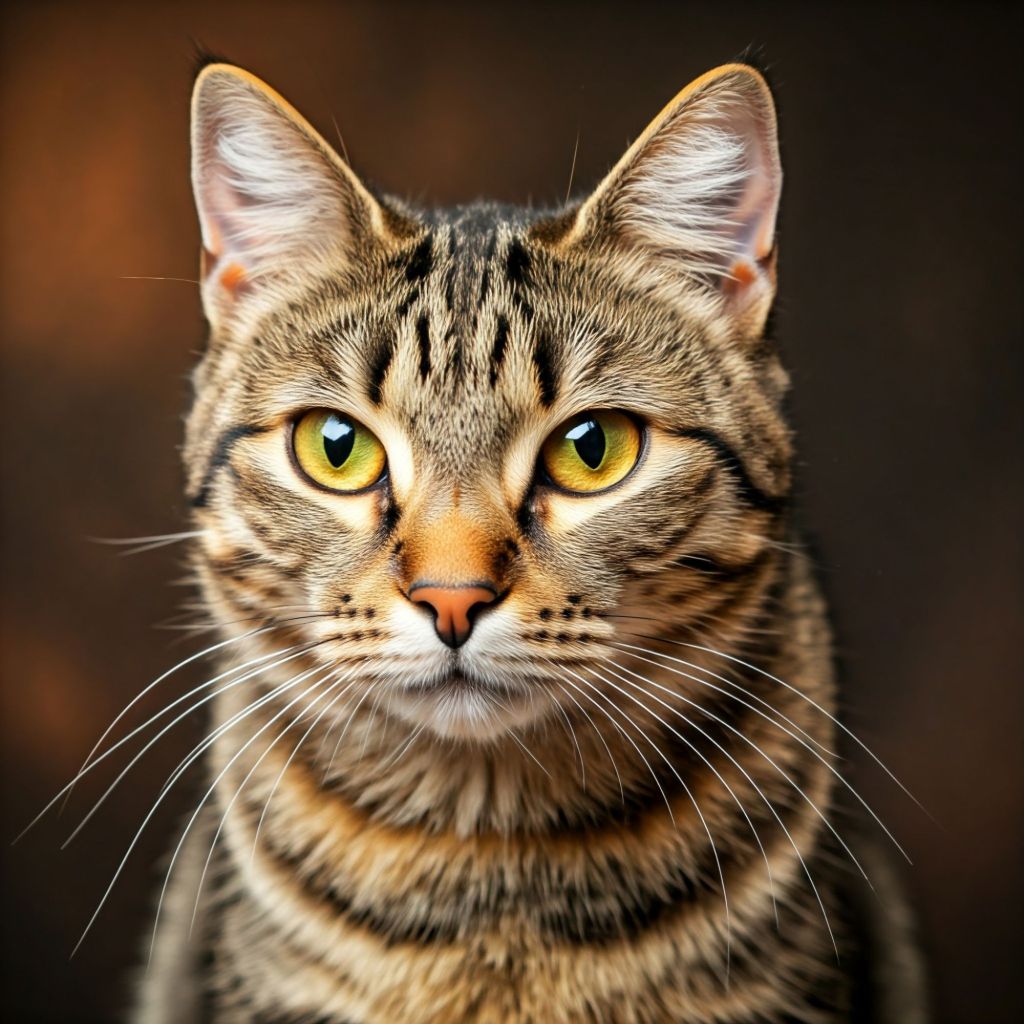
Roll models for relaxed, state of mind, if you don’t mind.
Do you need stress relief? These passive teachers are standing by. So, wasted, find one of these cats to watch and imitate. If you want tangible proof record your BP before and after, say one, half hour session.
Public speaking is a skill that can be both natural and learned. * Natural Tendencies: Some people may feel more comfortable speaking in front of others naturally. They might enjoy expressing themselves and engaging with an audience. * Learned Skills: However, even the most naturally gifted speakers can significantly improve their public speaking abilities through learning and practice. Here’s the balance: * Build on Natural Strengths: If you’re naturally outgoing, leverage that. If you’re comfortable storytelling, use that to connect with your audience. * Develop Weaknesses: If you struggle with stage fright, learn relaxation techniques and practice visualization. If you find it hard to structure your thoughts, focus on clear outlines and strong transitions. Key Takeaways: * Public speaking is a skill that can be developed by everyone, regardless of their natural inclinations. * Learning techniques like clear communication, engaging storytelling, and stage presence can significantly enhance your public speaking abilities. * Practice and consistent effort are crucial for improvement. By combining your natural tendencies with learned skills, you can become a confident and effective public speaker.

















 Kevin Griffiths
 percypaschal

